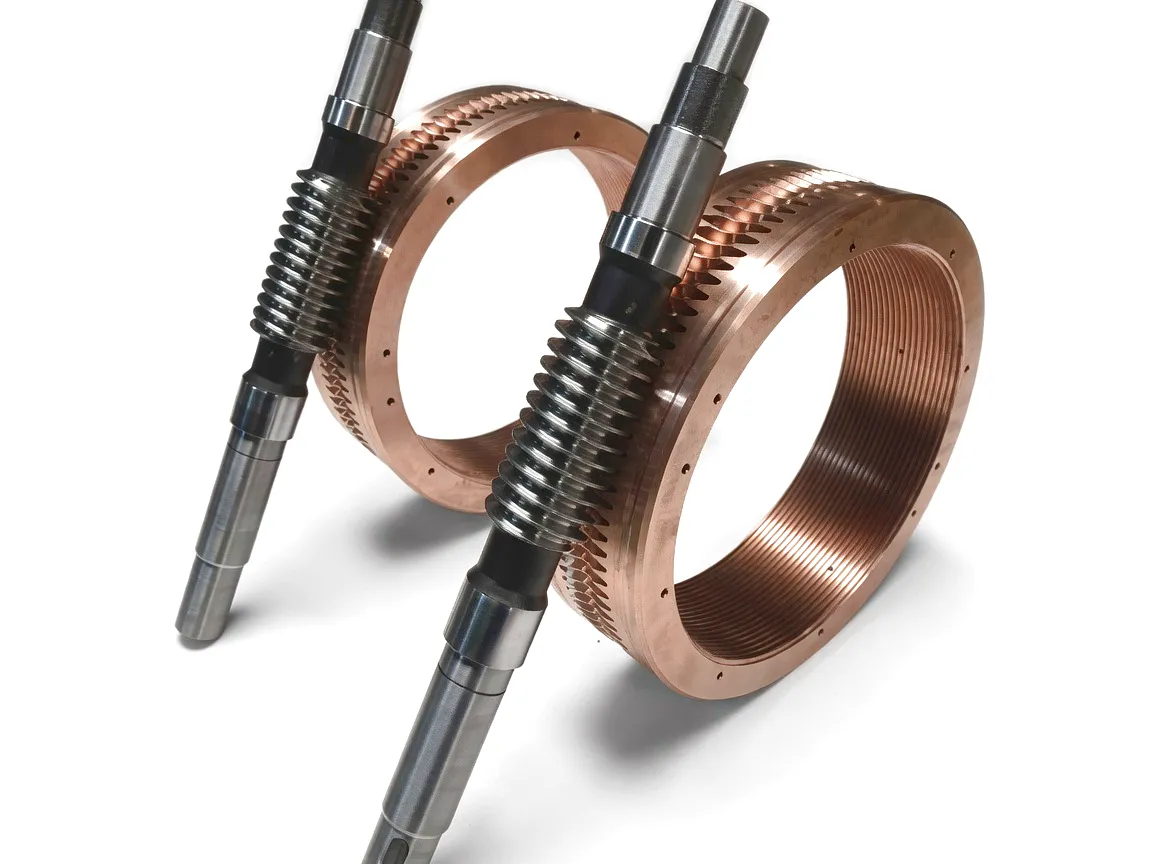
How a Worm Gear Shaft Converts Motion: The Mechanics Beneath the Housing
The Helix Engagement Mechanism
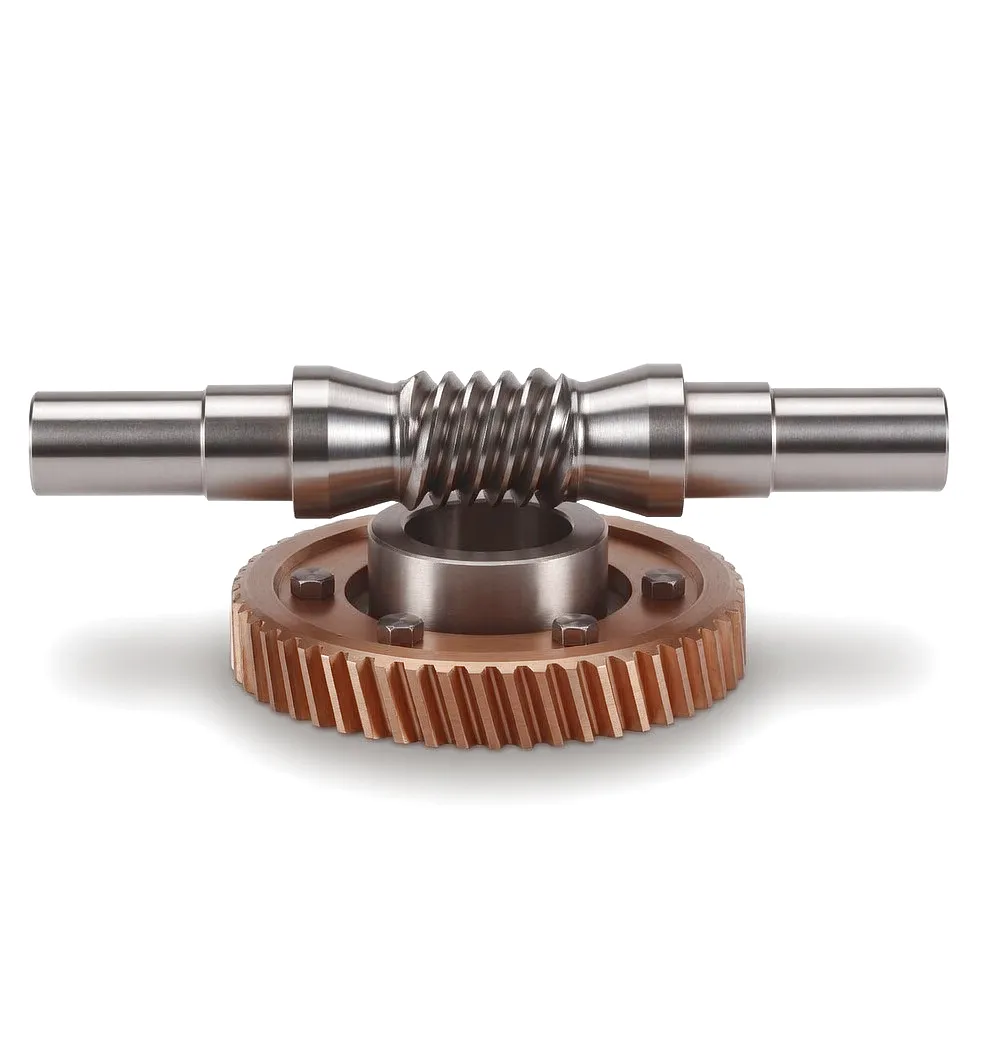
The worm itself is essentially a screw thread wrapped around a cylindrical shaft. Each rotation of the worm advances the worm wheel by exactly one tooth, meaning a worm with a single-start thread provides a gear ratio equal to the number of teeth on the wheel. A wheel carrying sixty teeth therefore produces a 60:1 reduction in a single compact stage — a ratio that would otherwise require multiple spur gear pairs arranged in sequence, occupying considerably more axial space and introducing additional points of friction and potential failure.
Axis Orientation and Torque Multiplication
Unlike parallel-shaft gear arrangements, a worm gear shaft transmits power between shafts whose axes are perpendicular — typically at a ninety-degree angle, though offset centre distances are achievable through custom shaft geometry. This orthogonal transmission capability is enormously valuable in space-constrained installations such as traction lift machine rooms, where the motor, gearbox, and sheave must be arranged compactly. The lead angle of the worm thread, typically ranging from four to forty degrees, determines whether the drive is self-locking, a property that has direct safety implications in vertical-load applications where back-driving under gravity must be prevented.
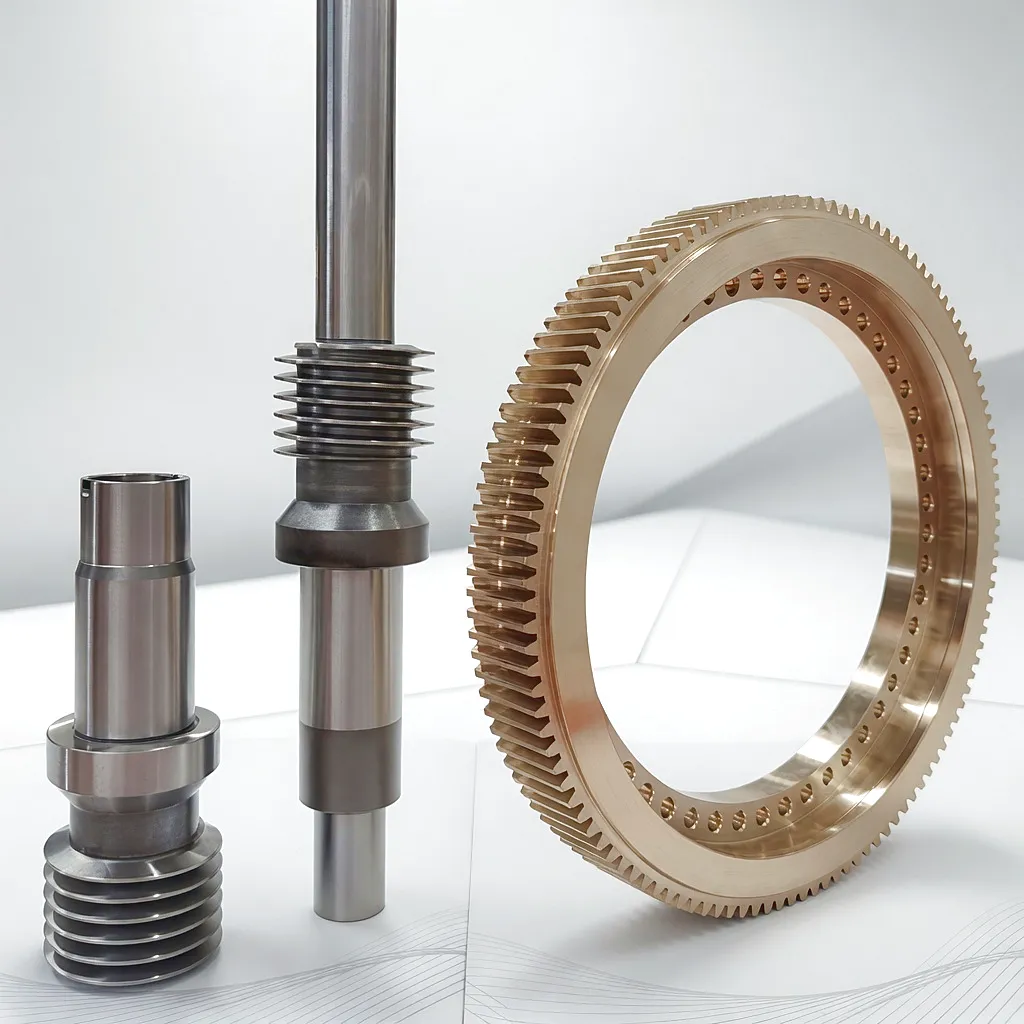
Choosing the Right Material: Steel, Bronze, and the Tribological Partnership
Material selection for a worm gear shaft is not simply a matter of specifying the strongest alloy available. The tribological relationship between worm and wheel material governs friction, wear rate, heat generation, and ultimately the operational lifespan of the assembly. The engineering convention — arrived at through well over a century of industrial experience in Sheffield’s steel-producing heritage and refined through modern tribological research — pairs a hardened steel worm shaft against a softer phosphor bronze or aluminium bronze wheel. This pairing works because the bronze preferentially wears against the steel, conforming to the worm’s surface profile over initial running-in hours and creating a close-matched contact geometry that reduces noise and vibration throughout the component’s service life.
Case-Hardened Carbon Steel
Grades 20CrMnTi and 18CrNiMo7-6 represent the gold standard for heavily loaded worm shafts. After rough machining, these low-alloy steels undergo carburising or carbonitriding to develop a case depth of 0.6 to 1.4 mm with a surface hardness reaching 58 to 62 HRC. The hard case resists abrasive wear and pitting fatigue under the sliding contact characteristic of worm engagement, while the tough, lower-hardness core absorbs shock loads without brittle fracture. The subsequent cylindrical grinding operation produces the thread geometry to IT6 or better tolerances, which is a prerequisite for acceptable contact pattern distribution.
Phosphor Bronze Wheel Alloys
CuSn12 and CuSn10Pb1 phosphor bronzes are the preferred wheel materials in most general industrial applications. Their bearing-grade hardness of 80 to 100 HB provides the conformability needed for run-in contact improvement, while their thermal conductivity of approximately 50 W/m·K assists heat dissipation from the contact interface. Aluminium bronzes such as CuAl10Fe5Ni5 offer higher strength and better corrosion resistance, making them the material of choice for marine and offshore installations along the UK coastline or in chemical processing plants in Grangemouth, Scotland, where aggressive environments would degrade standard tin bronzes within months.
Stainless and Specialty Grades
Food-grade and pharmaceutical applications increasingly specify 316L stainless steel worm shafts, which combine adequate strength with the corrosion resistance demanded under HACCP protocols and the regular wash-down routines in UK food processing facilities. For very high-temperature environments such as glass production furnace drives operating in Yorkshire’s industrial heritage sites, nickel-chromium superalloys or plasma-nitrided tool steels preserve dimensional stability and hardness at elevated temperatures where conventional carburised steels would soften and distort under sustained thermal loading, compromising the precision tooth geometry that was machined into the component at ambient temperature.
Why Engineers Continue to Specify the Worm Gear Shaft
Across the full spectrum of industrial drive systems, certain technical characteristics of the worm gear shaft remain unmatched by competing transmission architectures.
Compact High-Ratio Reduction
Gear ratios from 5:1 to 100:1 — and sometimes higher in multi-stage arrangements — are achievable within a single mesh. This compact geometry eliminates the need for intermediate shafts, reducing gearbox length, weight, and alignment complexity in machinery where installation space is at a premium, such as dock-levelling equipment at UK logistics hubs.
Inherent Self-Locking Property
When the lead angle is below approximately five degrees, the worm gear shaft assembly resists back-driving under load — the output shaft cannot rotate the input. This makes the drive inherently self-holding, a critical safety feature for traction lift systems, gate actuators, and vertically loaded conveyors where a power failure must not result in uncontrolled descent or movement.
Low Noise and Smooth Operation
The continuously sliding contact between worm thread and wheel tooth, combined with the progressive multi-tooth engagement, produces a notably quieter and smoother motion than spur or bevel gears of comparable ratio and loading. This characteristic is valued in passenger-facing installations — hotel lifts, commercial building escalators in London’s West End retail districts, and theatrical stage machinery — where vibration and noise intrusion would be unacceptable to building occupants.
Perpendicular Shaft Arrangement
The ninety-degree shaft offset is a natural consequence of worm gear geometry, not an added design complexity. For machinery where the power source and driven load must occupy perpendicular planes — conveyors turning corners, slewing drives on mobile cranes, or twin-screw extruder gearboxes in plastics manufacturing facilities across the West Midlands — the worm gear shaft eliminates the need for separate bevel or spiral bevel stages to achieve this axis change.
High Torque Density
The extended tooth contact area and high reduction ratio combine to produce very high output torques from modest motor sizes. A well-designed worm drive running at 50:1 reduction can deliver several thousand Newton-metres of output torque from a frame-size motor that fits within a standard foot-mount envelope, a combination that reduces both capital cost and ongoing energy consumption compared with equivalent multi-stage helical arrangements in high-reduction applications.
Shock Load Tolerance
The conformable bronze wheel material and the distributed contact patch provide inherent damping of transient shock loads — a characteristic exploited in mining equipment, jaw crusher drives, and heavy press brake feeds, where load spikes several times the nominal rating occur routinely. Rather than shedding the shock through catastrophic tooth failure, the material compliance distributes the peak stress across a broader contact region, protecting the drivetrain from damage during process upsets.
Worm Gear Shaft — Product Technical and Performance Parameters
The table below consolidates key dimensional, mechanical, and performance parameters across the standard range. Custom specifications beyond these ranges are available on request from Ever Power.
| Parameter | Light Duty | Medium Duty | Heavy Duty | Custom / Special |
|---|---|---|---|---|
| Shaft Diameter | 20 – 40 mm | 40 – 80 mm | 80 – 200 mm | Up to 400 mm |
| Gear Ratio | 5:1 – 20:1 | 20:1 – 60:1 | 60:1 – 100:1 | Up to 300:1 |
| Output Torque | Up to 200 N·m | 200 – 2,000 N·m | 2,000 – 20,000 N·m | 20,000+ N·m |
| Shaft Axis Angle | 90° (standard) | 90° (standard) | 90° (standard) | Non-90° offset |
| Worm Shaft Material | 20CrMnTi | 18CrNiMo7-6 | 42CrMo4 carburised | 316L SS / superalloy |
| Surface Hardness (HRC) | 56 – 58 | 58 – 60 | 60 – 62 | Up to 64 HRC |
| Lead Angle Range | 2° – 8° | 8° – 22° | 22° – 40° | Per design |
| Thread Profile | ZA (Archimedes) | ZI (Involute) | ZK (Convolute) | NZC enveloping |
| Thread Tolerance Grade | IT7 | IT6 | IT5 | IT4 or better |
| Mechanical Efficiency | 60 – 72% | 72 – 84% | 78 – 88% | Up to 92% (ZI) |
| Operating Temperature | -20°C to +80°C | -30°C to +100°C | -40°C to +120°C | -55°C to +300°C |
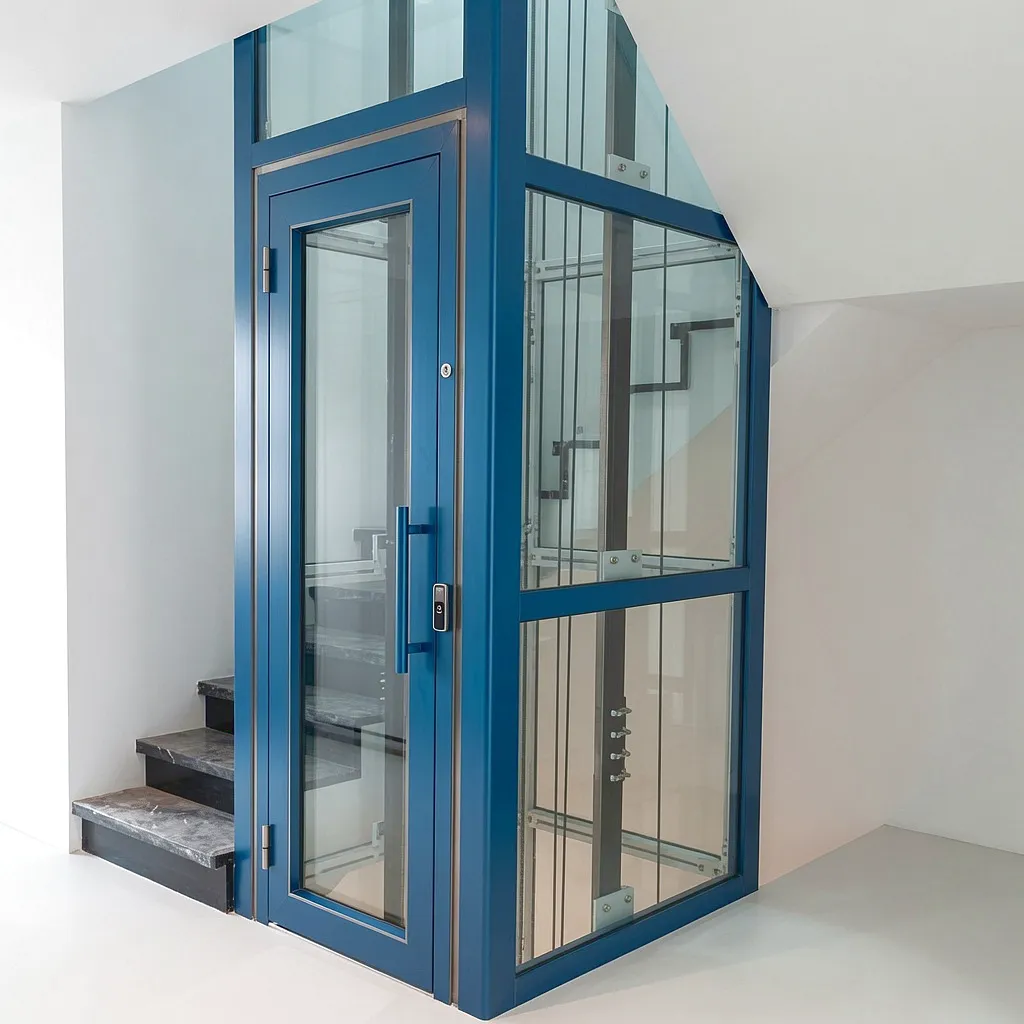
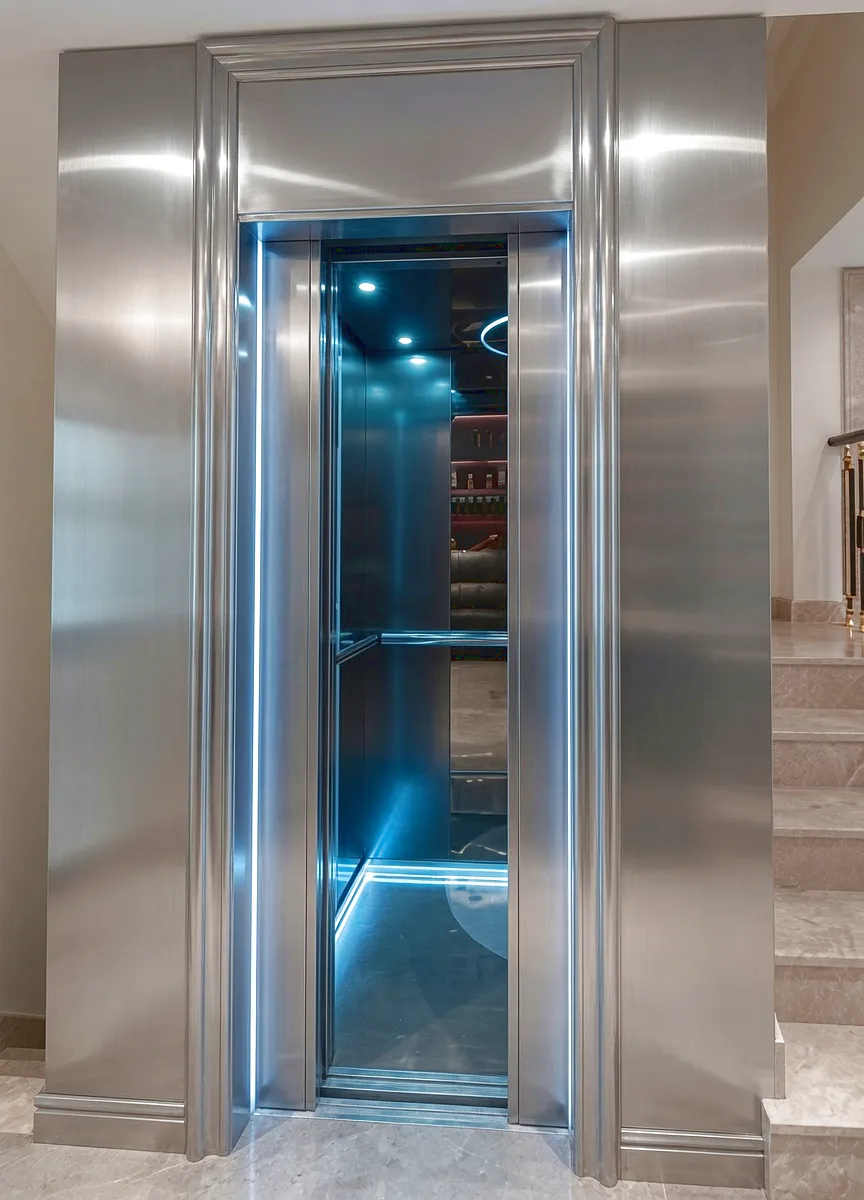 The geared traction lift machine is perhaps the single most safety-critical application of the worm gear shaft in everyday life. In a typical installation, an electric motor drives the worm shaft at speeds between 700 and 1,500 rpm. The worm engages a large-diameter bronze wheel bolted to the sheave drum, reducing shaft speed to the precise few rpm at which the roping system operates safely. The self-locking property of the low-lead-angle worm shaft provides a mechanical backup to the electromagnetic brake: if the brake fails to engage during a power interruption, the drive geometry itself resists the gravitational force of the loaded car, preventing uncontrolled descent.
Where Worm Gear Shafts Work Across British Industry
 The material-handling sector represents the largest single installation base for worm gear shafts in the United Kingdom. Conveyor drive stations — whether feeding aggregate into a batching plant in the Midlands quarrying belt or transferring automotive components along a production line in Sunderland — rely on the worm gear shaft’s torque multiplication and right-angle transmission capability to translate motor rotation into the controlled, steady belt movement that production scheduling demands. The self-locking behaviour prevents belt run-back during motor coasting or power interruption, eliminating the need for a separate backstop clutch in many low-speed applications.
Mining and Quarrying
Worm gear shafts in underground conveyor and haulage drives must withstand coal dust, water ingress, and frequent shock loading from irregular ore fragments. Dustproof shaft seals, high-viscosity EP gear oils, and reinforced shaft shoulders for heavy-flange coupling connections are standard requirements in this sector, particularly for operations in Wales and the North East of England.
Automotive Manufacturing
Robotic welding gantry drives, press-room feed actuators, and paint-line conveyor gearboxes across the West Midlands and Sunderland’s Nissan plant all employ worm gear shafts in positions requiring precise, repeatable positioning at low rotational speeds. The high reduction ratios achievable in compact envelopes suit the servo-driven positioning axes that populate modern automotive bodyshop lines.
Water and Wastewater Treatment
Sluice gate actuators, slow-speed paddle agitators, and thickener rake drives at water treatment works — of which the UK operates several thousand — rely on worm gear shafts for their ability to hold position under the continuous thrust loads imposed by head pressure. Outdoor-installed units at reservoir control structures require painted or hot-dip galvanised housings, weatherproof cable entries, and extended-interval lubrication schedules compatible with the maintenance accessibility constraints of remote rural sites.
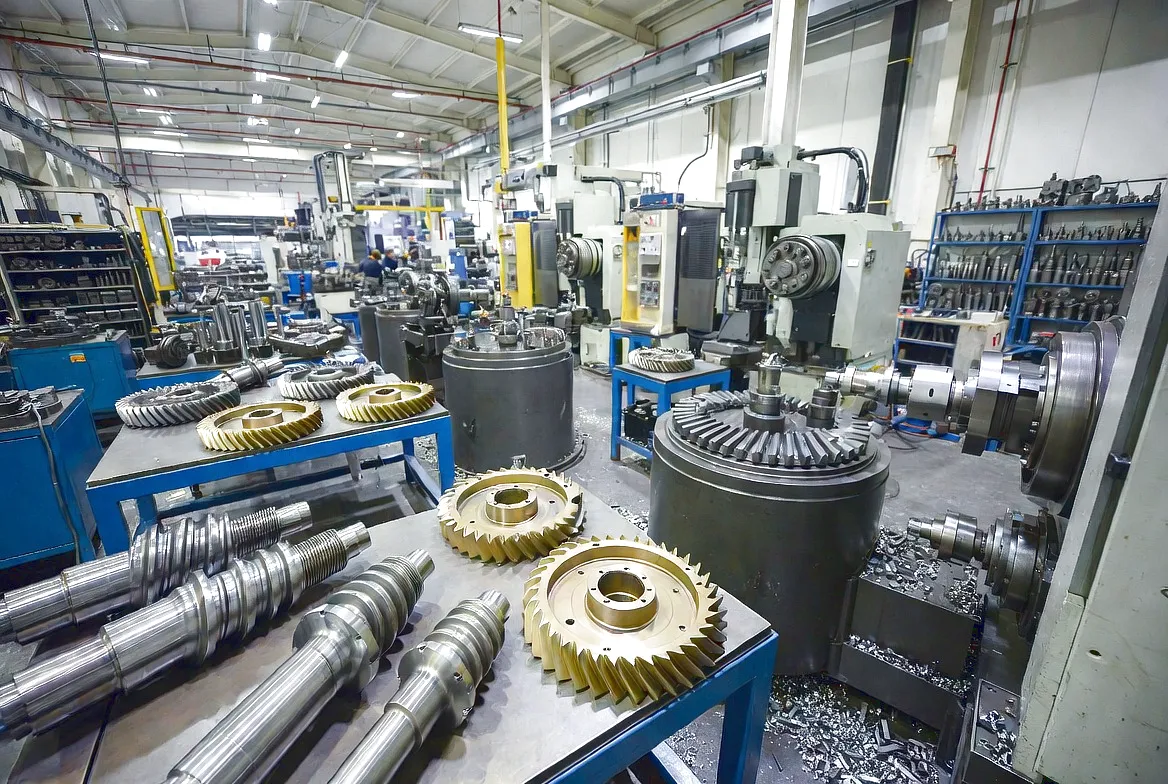
Sheffield Lift Solutions: Upgrading a Traction Drive Fleet with Ever Power Worm Gear Shafts
Midland Vertical Transport Services, a lift installation and maintenance contractor based in Sheffield with a service territory covering South Yorkshire and North Derbyshire, faced a recurring maintenance problem across a portfolio of twelve traction lifts installed in 1990s-era office buildings. The original worm gear shafts — sourced from a now-discontinued European supplier — had reached the end of their rated service lives, and the combination of worn thread flanks, pitted bearing journals, and loose-fitting keyways was producing audible noise during car acceleration and inconsistent levelling accuracy at floor landings. The client’s building managers had reported noise complaints from tenants, and one unit had triggered a precautionary out-of-service notice following a routine inspection by a LOLER (Lifting Operations and Lifting Equipment Regulations 1998) assessor.
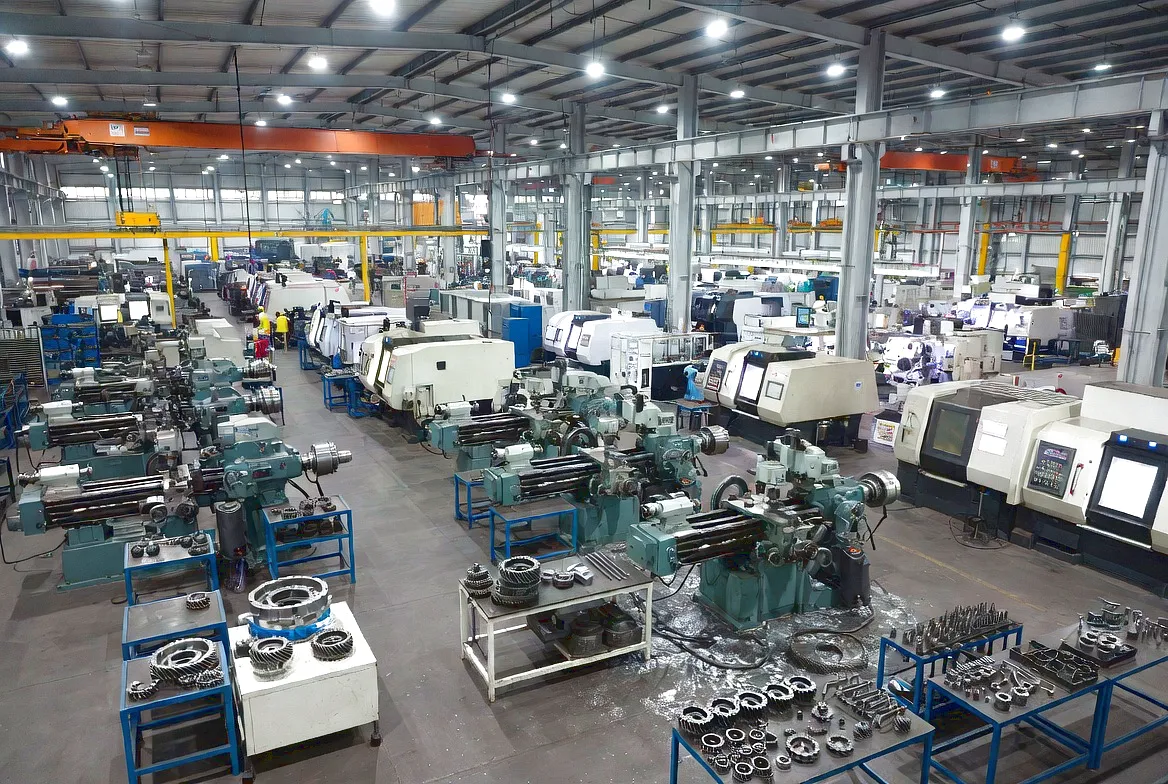
The engineering challenge was non-trivial: the original shaft drawings were no longer available, and the existing wheel centres needed to be retained to avoid the cost of replacing the complete gear unit. Ever Power’s applications team accepted a set of reverse-measurement data from the site, including contact pattern impressions taken from the worn wheel teeth and detailed measurements of the existing shaft journals and thread geometry. From this information, Ever Power regenerated a full dimensional definition of the worm shaft, confirmed the required lead angle and pressure angle against the contact pattern evidence, and produced a machined sample for dimensional and operational verification within five weeks.
The twelve replacement shafts were produced from 18CrNiMo7-6 case-hardening steel with a thread grinding surface finish of Ra 0.6 micrometres on the tooth flanks. Installation across the twelve units was completed during overnight maintenance windows over six weeks, and a post-installation acoustic survey confirmed a noise reduction of 8 to 11 dB(A) during car travel compared with the worn originals. Tenant complaints ceased, the out-of-service unit returned to full operation, and Midland Vertical Transport Services has since standardised on Ever Power supply for all replacement worm gear shaft procurement across its contracted portfolio.
What Our Customers Say
“The replacement worm gear shafts from Ever Power brought our traction drives back to near-new acoustic performance. The dimensional accuracy was genuinely impressive — the new shafts fitted without any adjustment to the housing, and the contact pattern across the wheel face was exactly what we were looking for. We have already ordered replacement sets for our next scheduled refurbishment block.”
“We specified stainless steel worm gear shafts for our wash-down conveyor drives here in Leeds. The food-grade certification pack that came with the delivery was thorough — NSF H1 lubricant compatibility, AISI 316L mill certificate, and full heat treatment records. Our hygiene auditors were satisfied on first review, which saved us significant time during the compliance process for our new production line.”
“Ever Power’s customisation service resolved a problem that three other suppliers told us was impossible. We needed a non-standard centre distance and an unusual lead angle combination for our sluice gate actuators on a tidal barrage project in Wales. The Ever Power engineering team turned around a set of verified calculations within three working days, and the delivered shafts performed exactly as the performance model predicted on site commissioning. The self-locking behaviour under tidal head pressure was precise and consistent across all eight units.”
Common Questions About Worm Gear Shafts in UK Industrial Applications
Ready to Specify Your Worm Gear Shaft?
Tell the Ever Power applications team what you need — shaft diameter, gear ratio, torque, material preference, and application duty — and receive a full technical proposal with pricing and delivery timeframe.
📧 Email [email protected] — Get Your Quote
© 2026 Ever Power. All technical data subject to engineering review. edit by gzl