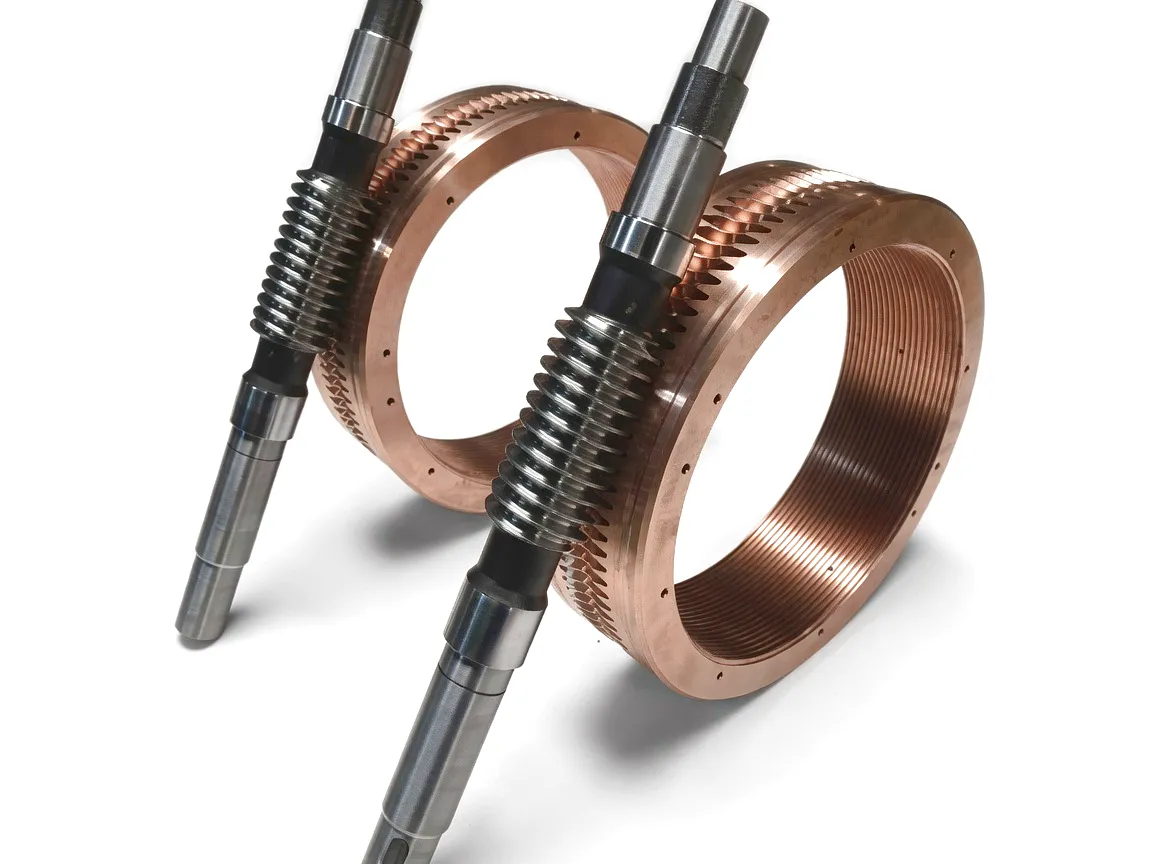
A worm gear shaft sits at the heart of some of the most demanding power transmission challenges in modern industry. Whether you are designing a traction elevator in a Sheffield high-rise, a packaging line in a Birmingham food plant, or a conveyor system at a port logistics hub, the worm gear shaft delivers something that few other mechanical components can match: a high reduction ratio within a compact, self-contained envelope, combined with an inherent braking characteristic that prevents reverse rotation under load. These properties make it indispensable across sectors that require both precise speed control and reliable holding torque without additional braking hardware.
The term “worm gear shaft” refers specifically to the input shaft — the worm — rather than the output gear wheel. Yet in engineering practice the phrase is used broadly to describe the complete worm-and-wheel assembly as a unit, because the shaft geometry, helix angle, lead angle, and thread form all define the performance of the entire system. Understanding how these parameters interact is essential for any engineer specifying a gearbox for a new machine or replacing ageing equipment on a legacy line. This guide covers everything from first principles and material science through to procurement considerations for UK buyers.
How a Worm Gear Shaft Works: Mechanical Principles
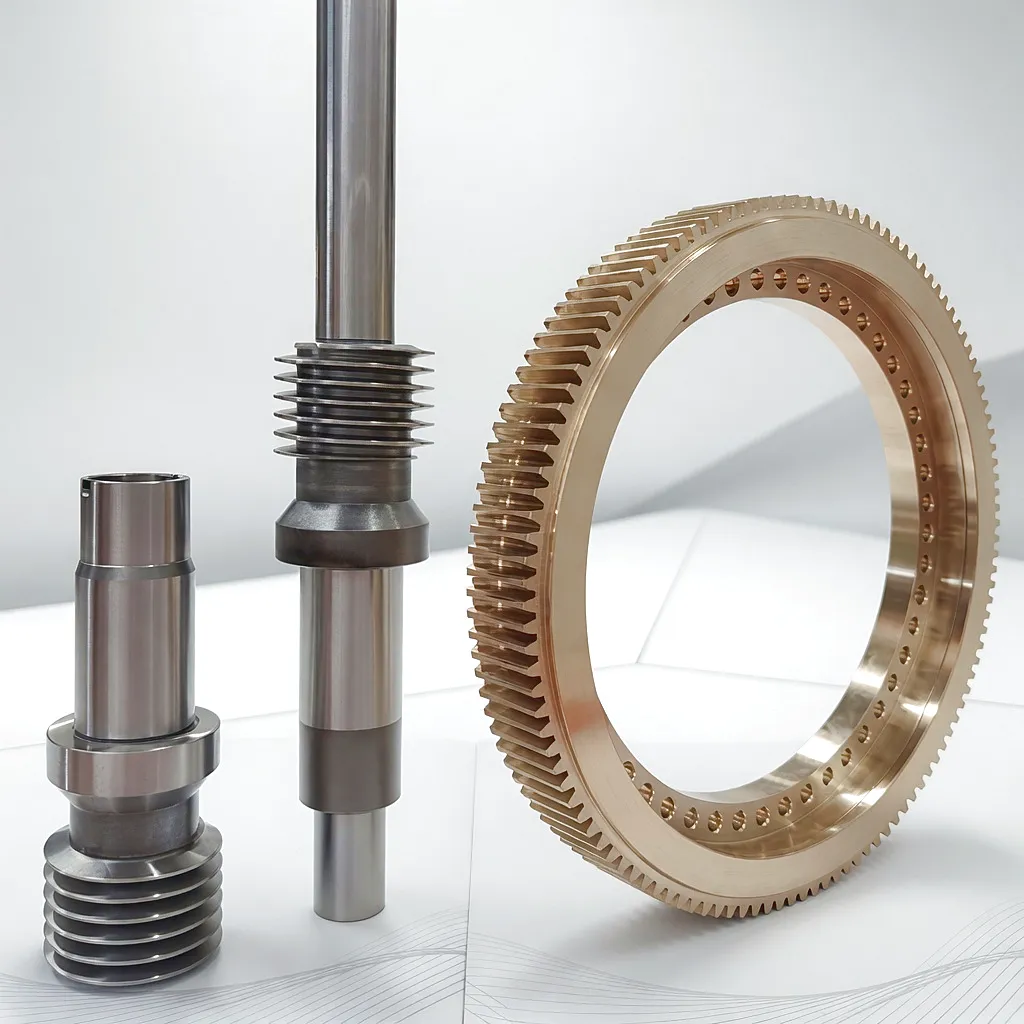
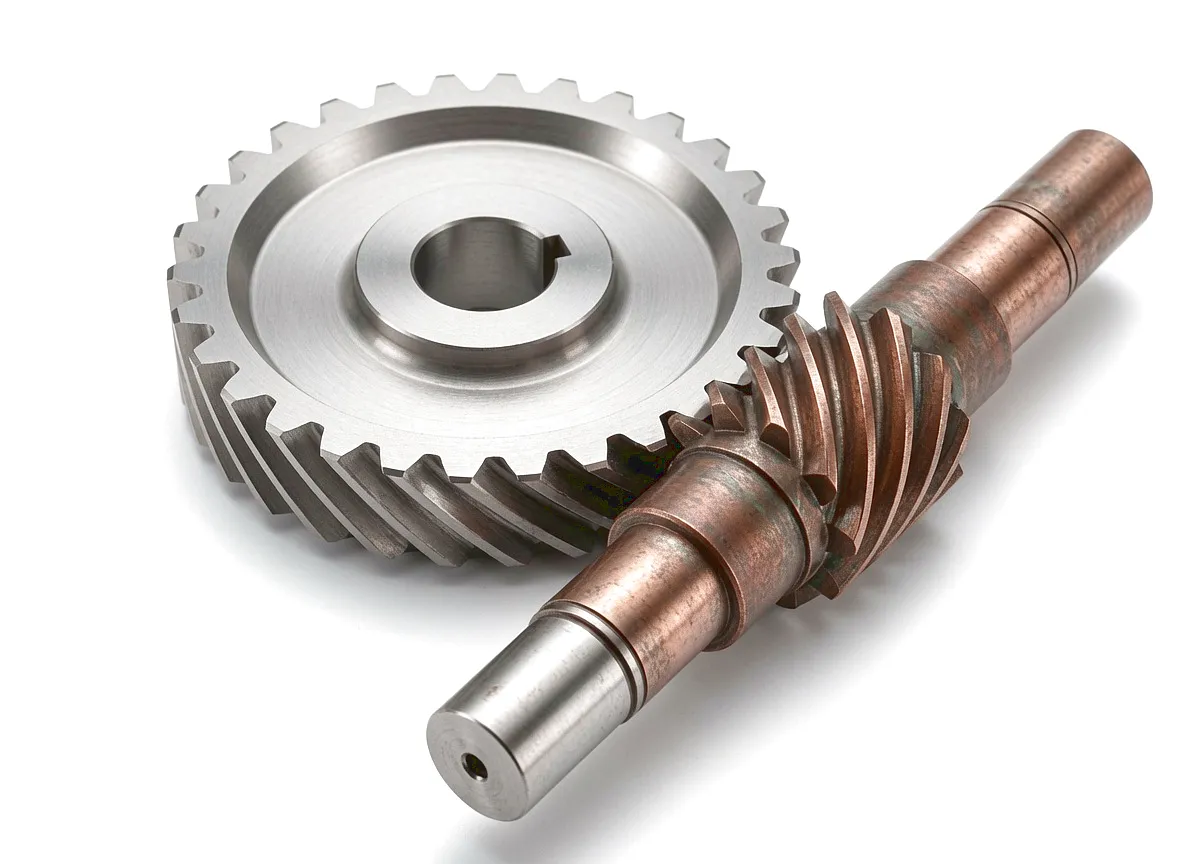
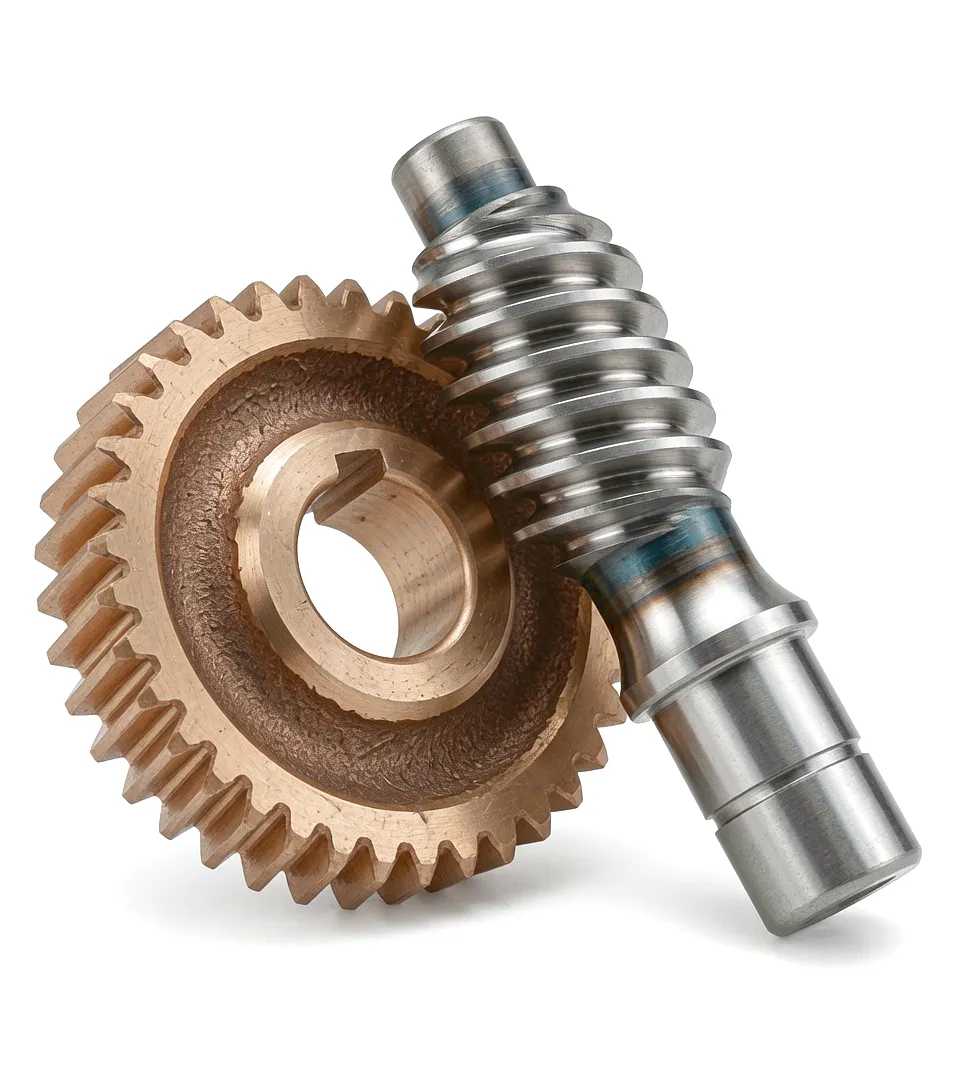
At its most fundamental, a worm gear shaft operates on a sliding contact mechanism between the helical thread of the worm and the curved teeth of the mating worm wheel. The worm — an externally threaded cylinder resembling a screw — rotates on its own axis, and as each thread lead passes over a tooth of the wheel, the wheel advances by exactly one tooth pitch. The number of starts on the worm thread determines the gear ratio in combination with the tooth count of the wheel. A single-start worm paired with a 40-tooth wheel gives a reduction ratio of 40:1, while a four-start worm on the same wheel produces a 10:1 ratio. This elegant arithmetic means extraordinarily large reductions can be achieved in a single stage without the cascading complexity of multiple planetary or helical gear stages.
The axis of the worm gear shaft is always perpendicular to the axis of the worm wheel — typically offset by 90 degrees — which gives this transmission type a uniquely compact three-dimensional envelope. This orthogonal geometry also creates the self-locking condition that distinguishes worm drives from other gear types. When the lead angle of the worm thread is less than the friction angle between the mating surfaces, the wheel cannot drive the worm in reverse. This property is not a defect but a designed-in safety mechanism exploited extensively in hoisting equipment, valve actuators, and elevator drives throughout UK industry. The degree of self-locking depends precisely on the lead angle, the helix angle of the gear shaft, the surface finish of both components, and the lubricant viscosity — all variables that a competent manufacturer controls tightly from the design stage.
Reduction Range
5:1 to 100:1
Single-stage capability
Output Shaft Angle
90 deg
Non-intersecting axes
Self-Locking
Lead angle < 5 deg
Inherent back-drive prevention
Contact Type
Line / Area
High load-carrying surface
Material Selection: The Science Behind Worm Shaft Performance
Material choice is arguably the single most influential design decision for any worm gear shaft assembly, because the sliding contact between worm and wheel generates significantly more heat than the rolling contact of helical or spur gears. Getting the material pairing wrong leads to rapid surface wear, scuffing, or catastrophic seizure under high-cycle duty. The tribological relationship between the worm shaft material and the wheel material is a carefully engineered partnership, not an afterthought.
Case-Hardened Steel
20CrMnTi and 42CrMo4 alloy steels are the standard choices for worm gear shafts in high-torque applications. After rough machining, the shaft undergoes carburising or induction hardening to achieve a case hardness of 58–62 HRC at the thread flanks, while maintaining a tougher core (28–35 HRC) that absorbs impact loads. The hardened surface resists abrasion from the bronze wheel, while the tough core prevents fatigue cracking under cyclic bending stress in the shaft body. UK engineering standards such as BS EN ISO 6336 inform the heat treatment specification for shafts in critical machinery.
Phosphor Bronze Wheel
The worm wheel is almost universally manufactured from centrifugally cast phosphor bronze (C90700 or equivalent), an alloy prized for its exceptional conformability and anti-galling properties against hardened steel. Under load, the softer bronze tooth surface gradually beds into the steel worm flank, increasing contact area over time and improving load distribution. This material relationship also means the bronze wheel acts as the sacrificial component: wear is concentrated on the wheel, protecting the more costly and structurally critical worm shaft. For very high-load or elevated-temperature environments, aluminium bronze (C95400) offers enhanced strength, though at some cost to conformability.
Stainless & Duplex Options
Food processing lines in Manchester and pharmaceutical clean rooms in Cambridge demand corrosion-resistant shafts that withstand frequent wash-downs with aggressive cleaning agents. Stainless steel grades 304 and 316L are used for the worm shaft body, with PEEK or FDA-compliant acetal replacing bronze for the wheel in hygienic zones. Duplex stainless (2205) provides an excellent combination of corrosion resistance and mechanical strength for demanding offshore or marine applications along the UK coastline, where salt spray and humidity present constant challenges to carbon steel components.
Surface treatment further extends the service life of any worm gear shaft. Hard chrome plating (0.02–0.05 mm) or physical vapour deposition (PVD) coatings of titanium nitride (TiN) can reduce the coefficient of friction at the tooth contact from approximately 0.06–0.10 for uncoated steel-bronze pairs down to 0.03–0.05, with a corresponding improvement in transmission efficiency. This efficiency gain translates directly into reduced motor power demand and lower operating temperatures — a commercially significant consideration given current UK energy prices and carbon reduction commitments under net-zero targets.
Core Technical Advantages of the Worm Gear Shaft
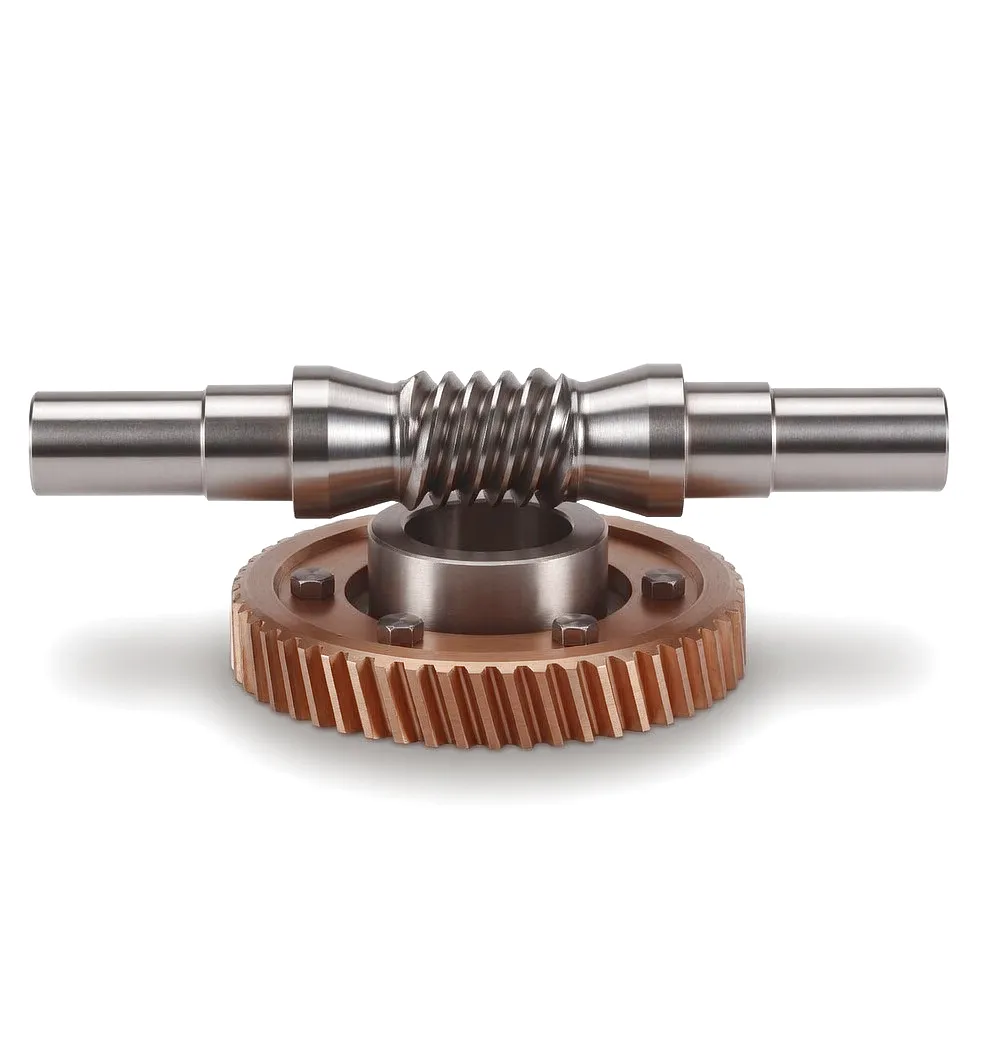
The continued dominance of the worm gear shaft across dozens of industrial sectors is not accidental. Despite competition from planetary gearboxes, helical-bevel drives, and servo-motor direct drive systems, worm gear shafts retain distinct competitive advantages that are difficult to replicate in a comparable package size and price bracket. Understanding these advantages helps engineers make better specifications and procurement teams justify purchasing decisions to management.
High Ratio, Single Stage
Achieves 5:1 to 100:1 reduction in one gear mesh, eliminating intermediate shafts, bearings, and housing features that add cost, weight, and potential failure modes. This is where worm drives genuinely outperform multi-stage alternatives for moderate power levels up to approximately 75 kW.
Quiet, Smooth Operation
The continuous sliding engagement between worm thread and wheel tooth produces a damping effect that suppresses vibration and reduces noise levels — typically 5 to 8 dB lower than equivalent helical gearboxes at the same power level. This is commercially valued in commercial HVAC, retail conveyors, and medical lifting equipment where low noise is a specification requirement.
Inherent Self-Locking
Self-locking worm gear shafts with lead angles below 5 degrees prevent the driven load from back-driving the motor when power is removed. In elevator and hoisting applications, this eliminates the need for a separate electromagnetic brake, reducing system cost, simplifying maintenance schedules, and improving reliability in the event of a power interruption.
Compact Right-Angle Layout
The 90-degree shaft offset allows machine designers to route drive power around obstacles, change drive direction within a compact footprint, and mount motors coaxially with the driven shaft where required. This spatial flexibility is frequently the deciding factor for machines where conveyor layout, safety guarding, or building structural constraints limit the available drive envelope.
Cost-Effective Manufacturing
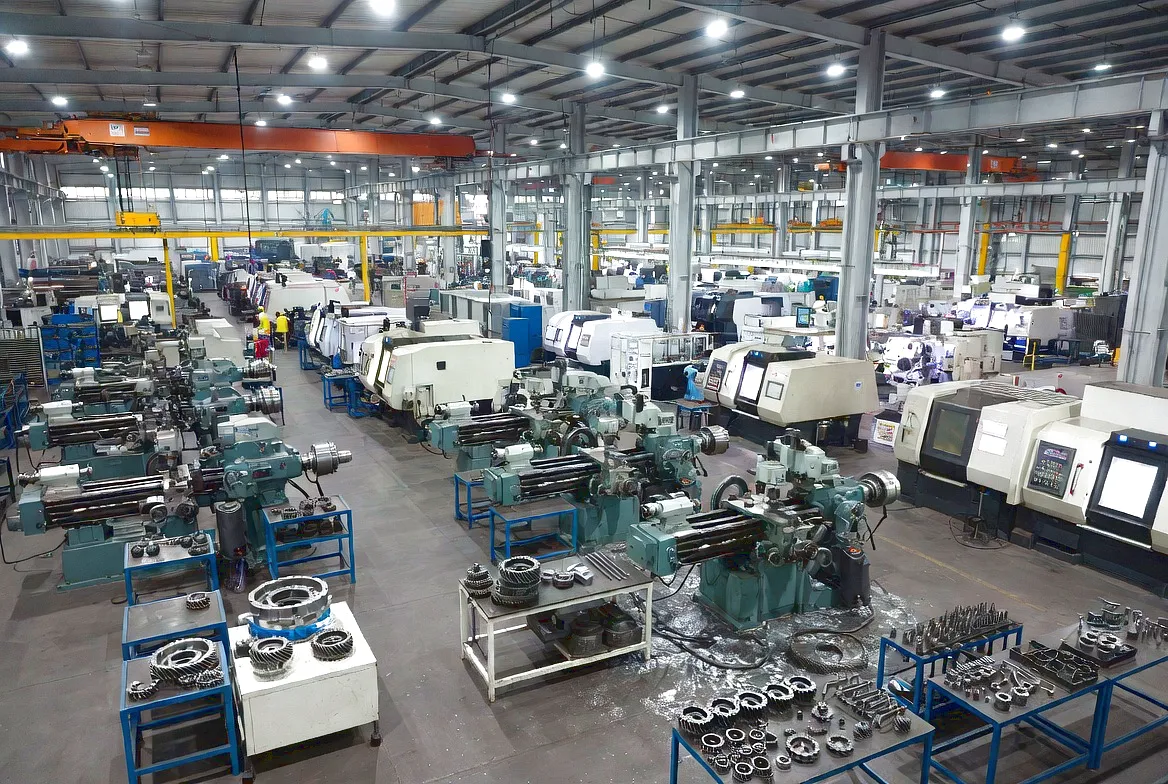
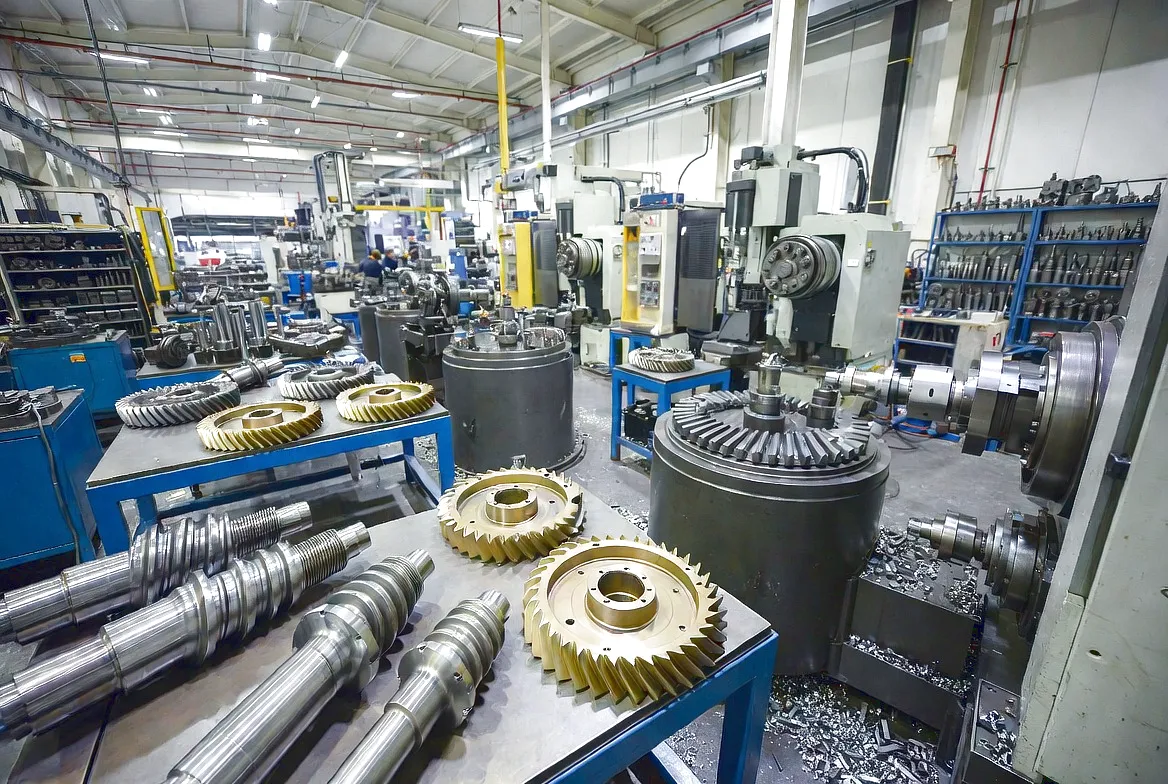
Worm gear shafts are manufactured by thread grinding or hobbing — processes that are extremely mature, well-understood, and achievable on widely available CNC turning and grinding centres. This keeps unit costs competitive relative to the performance delivered. For medium-volume OEM production runs typical of UK machinery builders in the West Midlands or North East, worm gear shafts offer outstanding value-for-money.
Overload Tolerance
The sliding contact geometry distributes shock loads across a broad tooth flank area rather than concentrating stress at a point, giving worm gear shafts an inherent resilience to momentary torque spikes. This characteristic makes them particularly well-suited to applications involving frequent start-stop cycles, variable loads, or unexpected machine jams — such as those common in recycling plant conveyors and aggregate processing equipment.
Technical & Performance Parameters — Worm Gear Shaft
The table below summarises the key technical parameters that define worm gear shaft performance. These figures represent the typical operating envelope for standard industrial grades and are used by procurement engineers and OEM design teams to cross-reference supplier datasheets. Values for custom-engineered shafts from Ever Power may extend beyond these ranges depending on application requirements.
| Parameter | Typical Range | Unit | Notes |
|---|---|---|---|
| Gear Ratio | 5 to 100 | :1 | Single-stage; higher ratios by compounding |
| Output Torque | 10 to 50,000 | N·m | Dependent on centre distance and module |
| Shaft Angle | 90 | deg | Standard; custom angles available on request |
| Module (m) | 1 to 20 | mm | Per ISO 54 standard series |
| Lead Angle | 3 to 30 | deg | Lower angle = self-locking; higher angle = higher efficiency |
| Transmission Efficiency | 50 to 90 | % | Lower ratios and multi-start worms are more efficient |
| Shaft Hardness (surface) | 58 to 62 | HRC | Carburised and ground thread flanks |
| Shaft Core Hardness | 28 to 35 | HRC | Maintains toughness against fatigue fracture |
| Thread Form | ZA, ZI, ZN, ZK | — | ZI (involute) most common for precision applications |
| Input Speed | Up to 3,000 | rpm | Higher speeds need forced or splash lubrication |
| Shaft Material Options | 20CrMnTi, 42CrMo4, 316L SS, Duplex 2205 | — | Selection based on environment and load profile |
| Number of Starts | 1, 2, 4, 6 | — | More starts = higher efficiency, lower ratio |
| Centre Distance | 25 to 500 | mm | Defines gearbox physical envelope |
| Thread Accuracy | ISO Grade 5 to 8 | — | Grade 5 for precision indexing applications |
Application Deep-Dive: Traction Elevator Drives
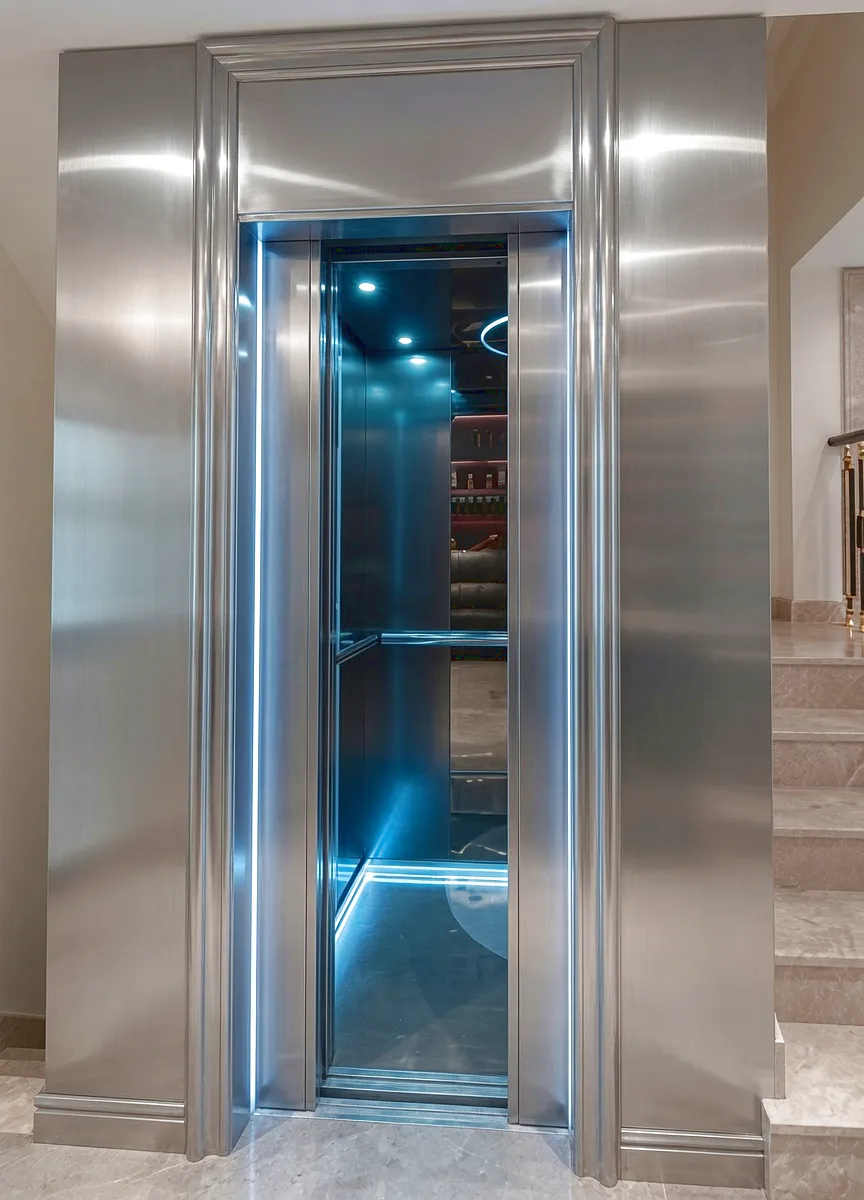
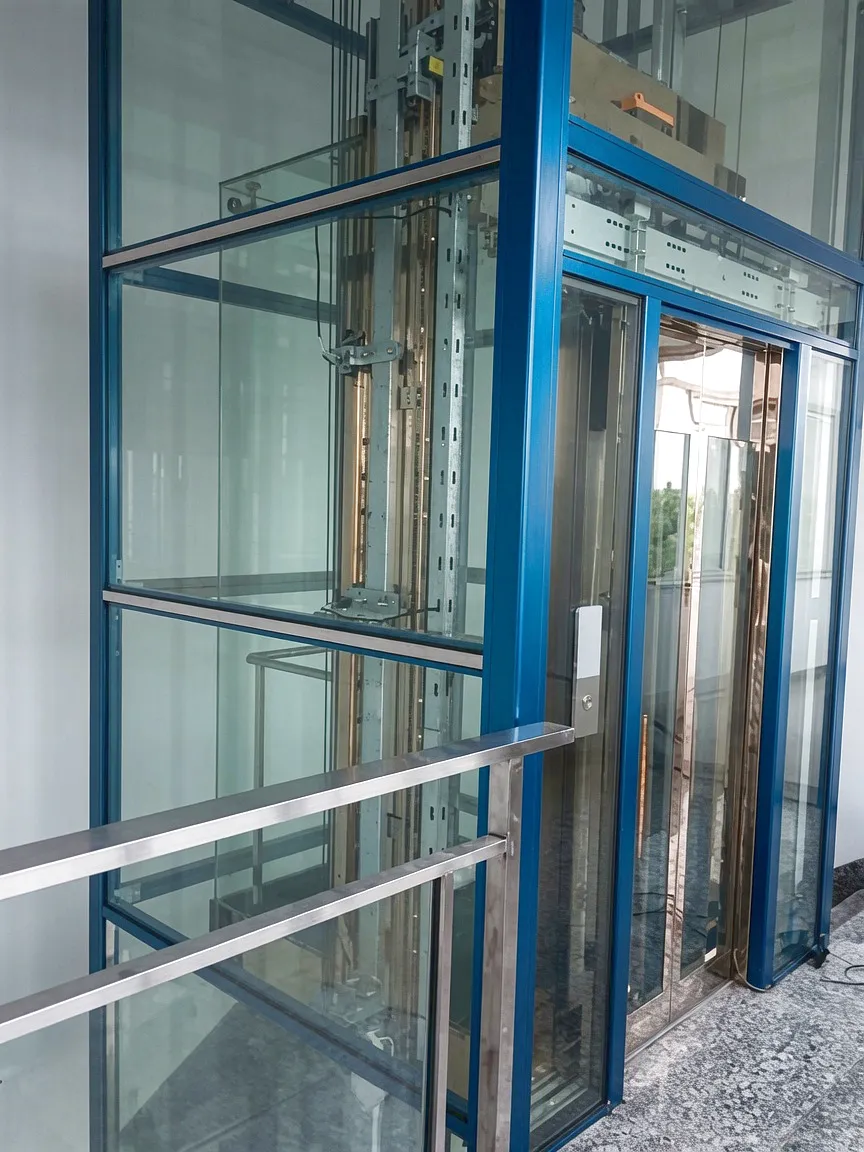
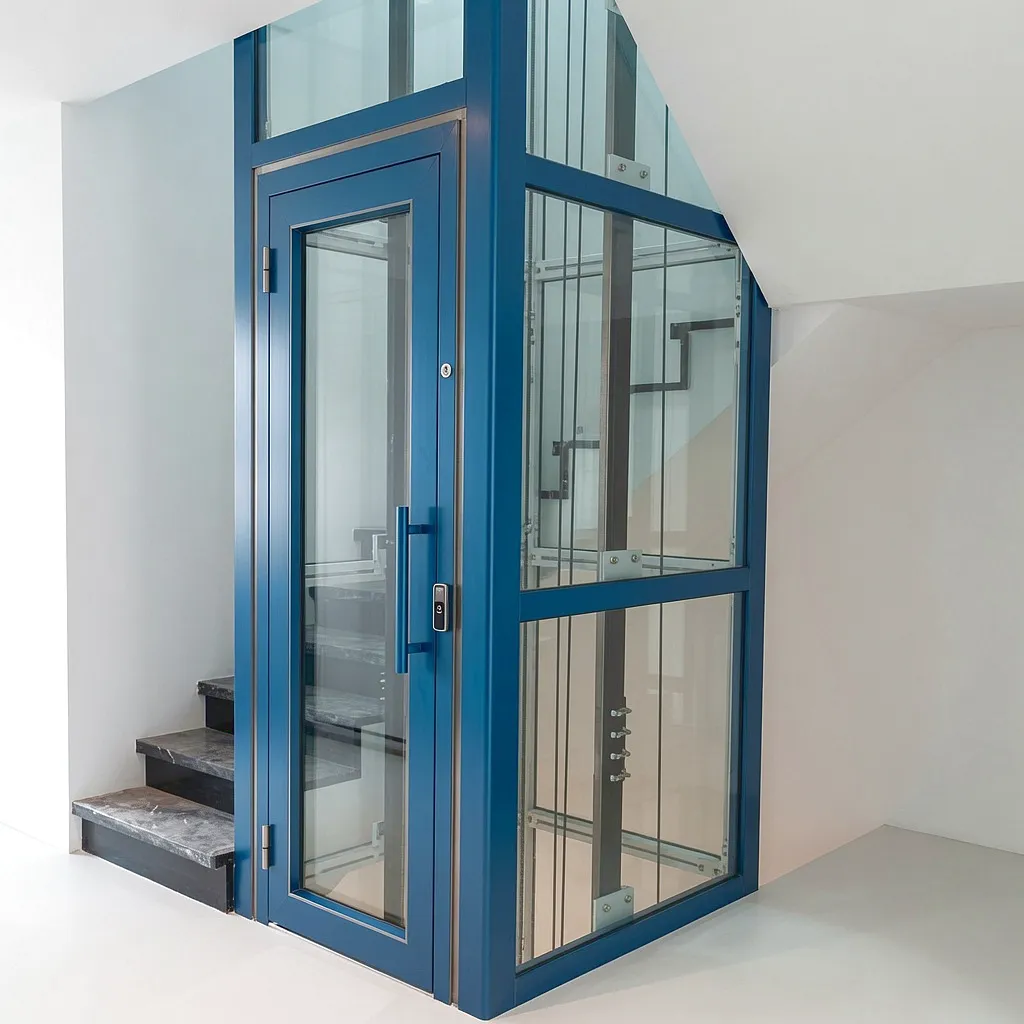
The traction elevator — found in office towers, hotels, NHS hospitals, and residential apartment blocks across London, Manchester, and Birmingham — relies on a worm gear drive system at its very core. In a conventional traction elevator, an electric motor drives the worm gear shaft at motor speed (typically 960 to 1,450 rpm for a four-pole motor on the UK 50 Hz network), and the worm wheel drives a sheave that grips the hoist ropes. The speed reduction provided by the worm gear shaft brings the sheave peripheral velocity to the cab travel speed specified by the installation — commonly 0.5 to 2.5 m/s for low-to-mid-rise commercial buildings.
The self-locking characteristic of the worm drive is not merely convenient in elevator applications — it is a fundamental safety requirement. EN 81-20, the European standard governing the safety of passenger and goods lifts and adopted as British Standard BS EN 81-20, requires that the drive machinery prevent uncontrolled movement of the car due to gravity whenever the brake is released during maintenance. A correctly specified worm gear shaft with a sufficiently small lead angle satisfies this requirement without any additional holding device, providing a passive fail-safe that remains operative even in the event of brake failure. Lift engineers at maintenance companies operating across the UK appreciate this redundancy as a tangible contribution to passenger safety.
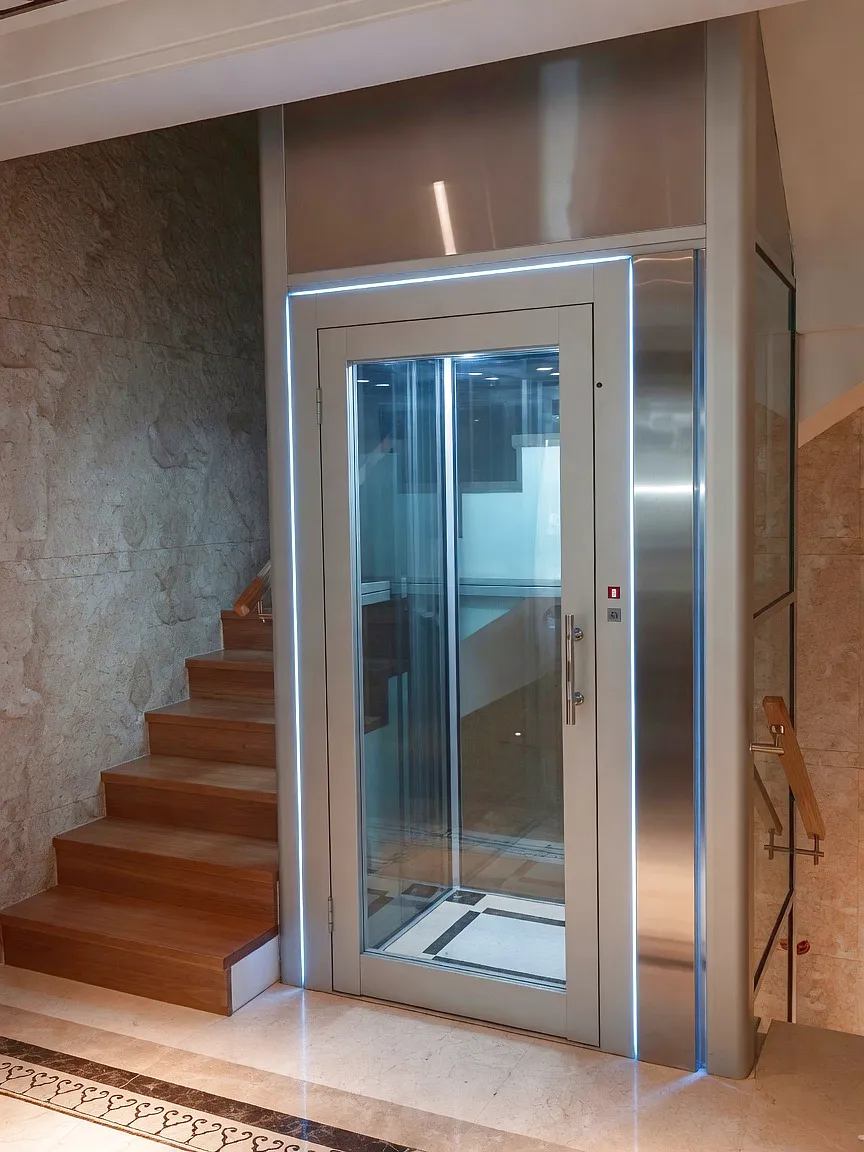
From a maintenance perspective, worm gear drive units for traction elevators require periodic oil changes (every 3 to 5 years under normal duty), shaft seal inspection, and bearing clearance checks. The low-speed worm wheel, being manufactured from phosphor bronze, will gradually wear and may require replacement after 15 to 25 years of service depending on duty intensity, lubrication regime, and the original quality of the gear tooth geometry. Replacement worm gear shaft assemblies must match the original centre distance, module, ratio, and shaft diameter precisely — making accurate documentation of the installed drive unit essential for lift maintenance contractors. Custom-machined replacement shafts are frequently required for older UK elevator installations where the original OEM is no longer trading, and specialist suppliers with precision grinding capability can produce exact matches from drawings or from the original component.
Sheave Speed
Cab speed controlled by gear ratio — typically 0.5 to 2.5 m/s for commercial installations in UK buildings.
Safety Standard
BS EN 81-20 compliance; self-locking worm gear shaft contributes to passive overspeed protection.
Noise Level
Worm drive inherently quieter than helical alternatives — a key asset in residential and hotel installations where passenger comfort matters.
Service Life
Quality worm gear shafts with correct lubrication achieve 15 to 25+ years in passenger elevator service under UK building management regimes.
Industrial Application Landscape
Beyond elevators, the worm gear shaft serves as the drive element in a remarkably wide portfolio of industrial machinery. Its combination of compact form, high reduction, smooth operation, and self-locking capability generates demand across sectors as diverse as precision automation, heavy materials handling, and agricultural machinery.
⚙ Conveyor & Materials Handling
Distribution centres in Coventry, Swindon, and Northampton — including major retail logistics operations — use worm gear shaft drives on inclined belt conveyors, pallet transfer units, and sortation carousels. The self-locking action prevents belt rollback under power interruption, protecting products and reducing jam clearance incidents.
⚙ Food & Beverage Processing
Filling machines, capping turrets, and mixer agitators in food manufacturing plants across Yorkshire and the East Midlands employ stainless steel worm gear shafts rated for wash-down duty. The smooth speed control helps avoid product damage from sudden acceleration, while NSF-approved lubricants and PEEK-wheeled variants meet H1 incidental food contact requirements.
⚙ Solar Tracking Systems
The UK’s growing solar farm capacity — including large installations across East Anglia and the South West — increasingly uses dual-axis tracker systems with worm gear shaft drives on both azimuth and elevation axes. High ratios in the range 60:1 to 100:1 allow small, energy-efficient motors to position large solar panel arrays with sub-0.1-degree accuracy, while self-locking prevents windage from displacing the panels when the motor is unpowered.
⚙ Valve & Actuator Drives
The petrochemical and water treatment sectors — Humberside refineries, Scottish water utilities, and offshore platforms in the North Sea — rely on worm gear shaft actuators to position quarter-turn ball valves, butterfly valves, and multi-turn gate valves. High reduction combined with self-locking means the valve stays in position without continuous power demand, a critical reliability requirement for process isolation duties on hazardous service lines.
⚙ Machine Tool Rotary Tables
CNC machining centres at precision engineering workshops in Derby, Sheffield, and Coventry use high-accuracy worm gear shafts (ISO Grade 5 or 6) in rotary indexing tables and fourth-axis units. The fine resolution — as small as 0.001 degrees with a 360-tooth wheel and single-start worm — and the zero-backlash characteristics of preloaded assemblies meet the angular positioning tolerance demands of aerospace and defence component manufacturing.
⚙ Agricultural Machinery
Seed drills, fertiliser spreaders, and precision application machinery serving UK arable farms increasingly use worm gear shafts in section control mechanisms and rate adjustment drives. The combination of outdoor environmental resistance, overload tolerance from soil engagement forces, and simple maintenance requirements — important for farm workshops in East Anglia and Lincolnshire — makes worm gear shafts the practical specification for this demanding duty environment.
Customer Success Story: Sheffield Passenger Lift Upgrade
Case Study
Hallamshire Commercial Property — Sheffield, South Yorkshire
Sector: Commercial Real Estate / Passenger Lift Maintenance
Hallamshire Commercial Property manages a portfolio of eight office buildings across Sheffield city centre, several of which were constructed in the 1980s and fitted with traction elevators using worm gear drive units of Continental European origin. By 2024, three of these lifts had developed excessive vibration and noise during operation — a direct consequence of worn worm gear shaft assemblies where the thread flank surface finish had degraded beyond the acceptable limit and the original bearing journal diameters had worn out of tolerance. The OEM for the original drive units had ceased trading years earlier, and UK lift component distributors could not supply exact replacement assemblies within an acceptable lead time or budget.
The property’s appointed lift maintenance contractor contacted Ever Power’s technical sales team with a worn worm gear shaft sample and the gearbox housing dimensions. Within 48 hours, Ever Power’s engineers had produced a detailed reverse-engineering report confirming the original design parameters: a module 6, single-start ZI-form worm in 20CrMnTi steel with carburised thread flanks, 40:1 ratio, 200 mm centre distance, and 60 mm input shaft diameter. A batch of three replacement worm gear shafts was manufactured to ISO Grade 6 accuracy, heat-treated to 60 HRC thread flank hardness, and ground to Ra 0.4 um surface finish — exceeding the original specification and subsequently improving transmission efficiency by approximately 6 per cent compared with the worn components being replaced.
Air freight from Ever Power’s factory to Sheffield was arranged with a UK freight forwarding partner, with components clearing customs and reaching the maintenance contractor within 6 working days of order confirmation. All three lifts were returned to full service within a single fortnight, with documented noise levels at landing doors reduced from a complaint-generating 68 dB(A) to a comfortable 52 dB(A) — a 16 dB improvement that transformed the tenant experience in the affected buildings. The property manager subsequently placed a standing order for annual inspection-quality replacement worm gear shaft assemblies to be held in their maintenance stores, eliminating future emergency lead time risk.
★★★★★
“The reverse-engineering turnaround was remarkable. We sent a worn shaft on a Monday morning and received a detailed specification confirmation the same afternoon. The replacement shafts arrived within the week and the quality was immediately apparent — perfectly ground flanks, faultless surface finish. Our engineers installed them without any modification whatsoever. The noise improvement in those lift motor rooms was dramatic. We would not hesitate to use Ever Power again.”
— James R., Contracts Director, Hallamshire Commercial Property, Sheffield
★★★★★
“We specified a stainless worm gear shaft assembly for a new wash-down conveyor at our food processing facility in Leeds. Ever Power’s technical team advised on the optimal lead angle to prevent back-drive under loaded stops, suggested the PEEK wheel material combination for H1 compliance, and delivered to our exact keyway and flange dimensions. The price was genuinely competitive against two other quotes we received from UK distributors, and the delivery was faster than either of them could offer.”
— Sarah M., Engineering Manager, Northern Food Group, Leeds
★★★★★
“Our rotary table indexing application required ISO Grade 5 worm gear shaft accuracy and zero-backlash preloading — a specification that several suppliers declined as too demanding for their processes. Ever Power not only accepted the job but delivered a full dimensional inspection report with every unit, showing actual measured deviations against the tolerance band. That level of documentation is exactly what our aerospace customer requires for their machining process qualifications. The shafts have been in service for 14 months without any measurable wear or loss of indexing accuracy.”
— Dr. P. Hartley, Senior Applications Engineer, Midlands Precision Tools Ltd, Coventry
Worm Gear Shaft Product Range
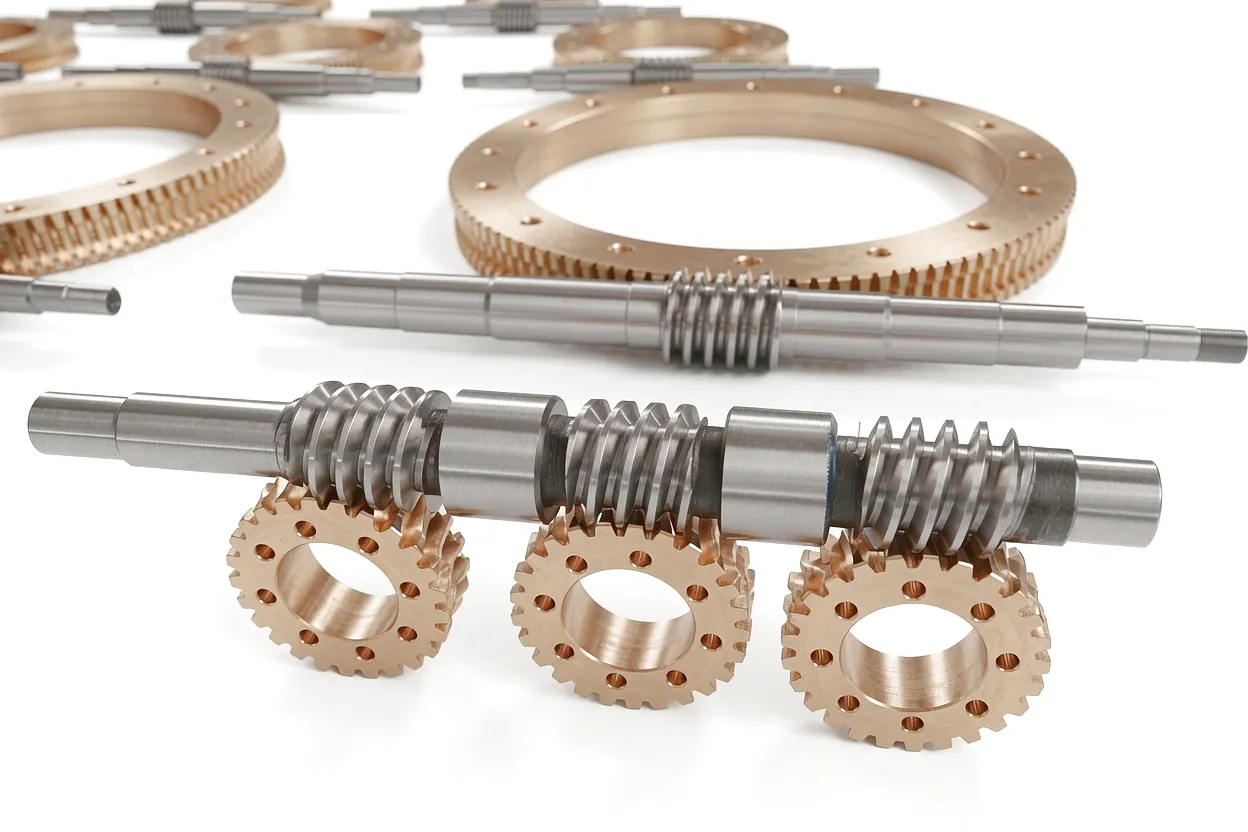
The Ever Power worm gear shaft product range spans a broad spectrum of sizes, ratios, and material configurations to serve the diverse needs of UK industrial buyers, OEM machinery builders, and maintenance procurement teams. Below is a selection of the standard range, all of which are available for customisation of shaft ends, bore, mounting flanges, and surface treatment.
Frequently Asked Questions
Ready to Source?
Get a Custom Worm Gear Shaft Quote from Ever Power
Standard or custom. Traction elevator replacement or new OEM design. UK-compliant documentation. Fast international logistics. Send your enquiry today and receive a technical response within one business day.
© Ever Power Industrial Transmission | Professional Worm Gear Shaft Manufacturing | ISO-Certified Quality | UK & Global Supply | edit by gzl