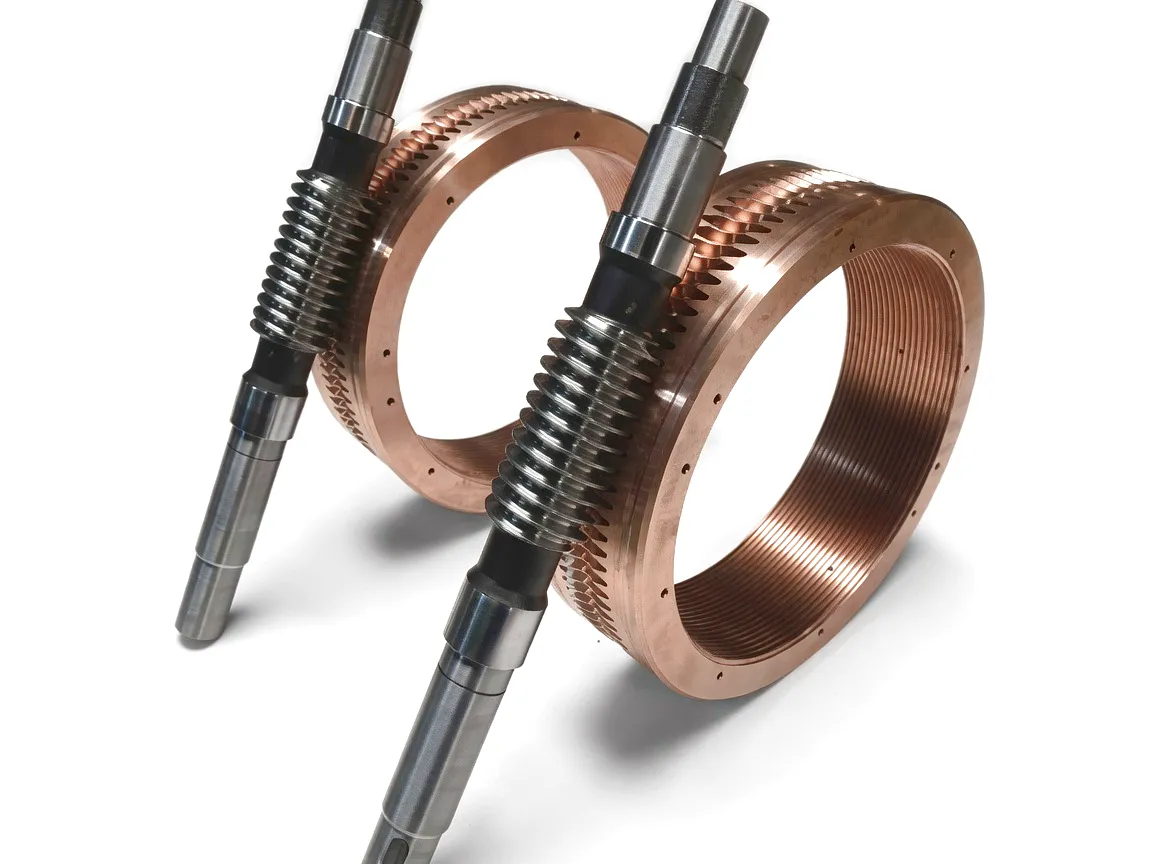
What Is a Worm Gear Shaft and How Does It Work?
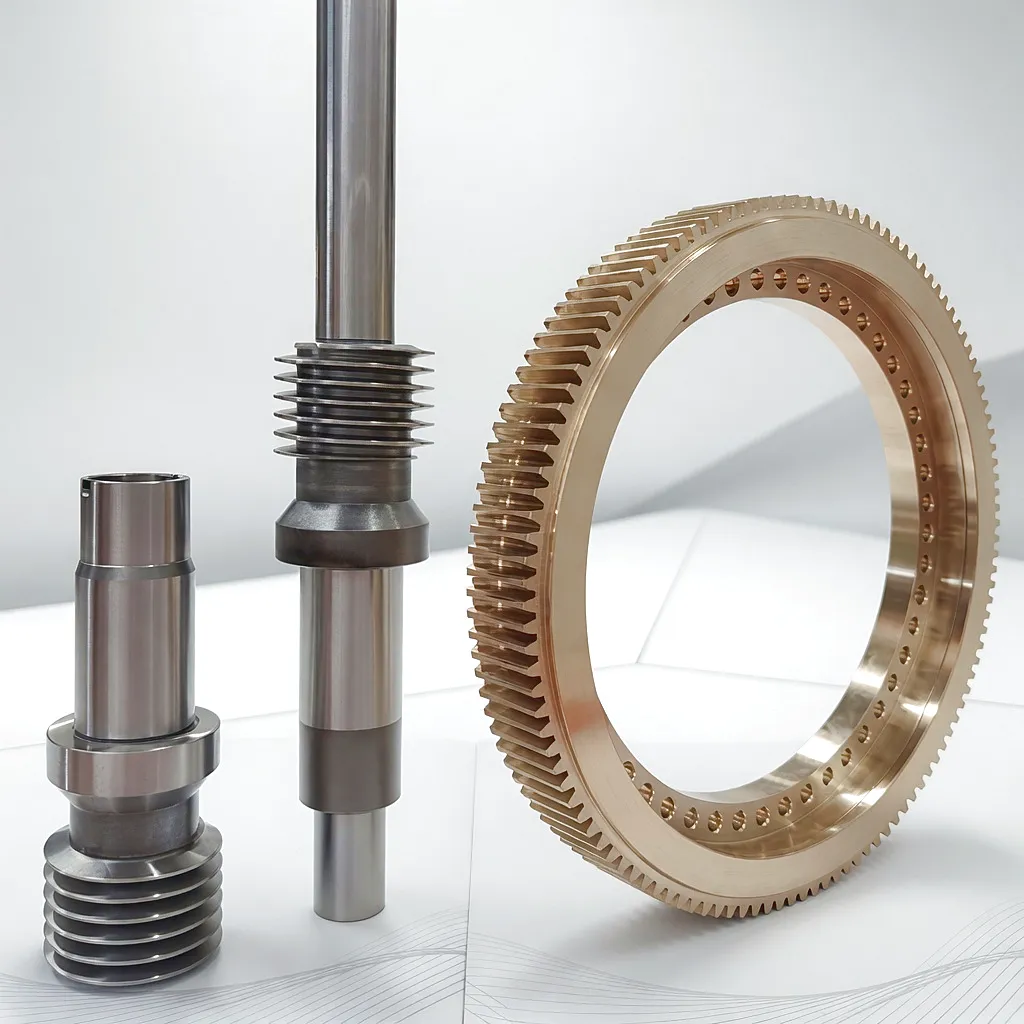
Core Materials Used in Worm Gear Shaft Manufacturing
Material selection defines the performance envelope of any worm gear shaft more completely than any other engineering decision. The shaft itself must handle both torsional stress and bending loads simultaneously while resisting fatigue over tens of millions of load cycles. The worm profile additionally requires exceptional surface hardness to resist the abrasive sliding contact with the mating wheel, which is typically cast from a softer, low-friction bronze alloy. Specifying the wrong material combination — or applying inadequate heat treatment to an otherwise appropriate steel grade — is the single most common root cause of premature worm gear shaft failure in service, and it is an error that experienced manufacturers such as Ever Power are specifically equipped to help clients avoid through detailed application analysis and materials consultation before any order is placed.
20CrMnTi Alloy Steel
A case-hardening steel widely used for high-load worm shafts. After carburising and quenching, surface hardness reaches HRC 58–62, providing outstanding wear resistance while the core retains toughness to absorb shock loads. Standard in industrial gearboxes and heavy conveyor drives.
45# Carbon Steel
A medium-carbon steel treated via induction hardening to achieve surface hardness of HRC 45–50. Suitable for light to medium-duty worm gear shafts with moderate speed demands. Offers excellent machinability and represents a cost-effective solution for applications where operating loads remain within defined limits throughout the service life.
42CrMo Chromium-Molybdenum Steel
Preferred for demanding high-torque worm gear shaft applications. The chromium-molybdenum content delivers superior tensile strength (900–1100 MPa) and deep hardenability, enabling through-hardening of larger shaft diameters. Commonly specified for escalator main drive shafts and heavy-duty material handling systems in UK manufacturing facilities.
Stainless Steel (304 / 316)
Selected wherever corrosion resistance takes priority over maximum load capacity — food processing lines, pharmaceutical manufacturing, marine applications, and wastewater treatment facilities. Grade 316 offers enhanced resistance to chloride-induced pitting, making it the preferred choice for coastal industrial sites and wash-down environments throughout the UK.
Key Technical Advantages of the Worm Gear Shaft
The technical case for the worm gear shaft rests on a cluster of properties that become decisive once engineers weigh the constraints of a real installation — space envelopes, noise budgets, duty cycles, and maintenance regimes all factor into the choice, and the worm gear shaft scores favourably across most of them simultaneously. Understanding these advantages in detail enables design engineers to make the right specification call and avoid over-engineering with heavier, more expensive alternatives where a worm drive solution would serve equally well at a fraction of the footprint and installed cost.
High Gear Ratios in a Single Stage
Ratios from 5:1 to 100:1 achievable within a single reduction stage — eliminating the complexity of compound geartrains required to achieve equivalent ratios with spur or helical solutions.
Low Noise, Low Vibration
The continuous sliding engagement between worm shaft and wheel produces smooth, quiet running — a critical requirement in passenger escalators, hotel lifts, theatre stage machinery, and medical imaging equipment where acoustic performance is non-negotiable.
Self-Locking Under Static Load
Low lead angles create an inherent braking effect that prevents back-driving, reducing or eliminating the need for separate holding brakes in vertical motion systems — simplifying the drive train design and lowering the overall system component count and cost.
Compact 90° Drive Configuration
The perpendicular shaft arrangement resolves drive direction in the same unit that handles speed reduction, drastically reducing machine room footprint — a decisive advantage in space-constrained installations such as subway escalator pits and underground station drive rooms.
Long Service Life with Correct Lubrication
When properly lubricated with an appropriate EP gear oil and maintained within thermal operating limits, a well-manufactured worm gear shaft assembly can deliver service lives exceeding 25,000 hours in continuous operation, meeting the demands of 24/7 production environments.
High Shock Load Tolerance
The sliding contact mechanism distributes instantaneous shock loads across a larger contact patch than point-contact gear types, making the worm gear shaft naturally more resilient to the torque spikes typical in start-stop conveyor drives, aggregate crushers, and heavy material handling applications.
Worm Gear Shaft: Technical Performance Parameters
The table below consolidates the primary technical parameters that engineers need when evaluating worm gear shaft suitability for a given application. These figures represent standard catalogue ranges offered by Ever Power and can be adjusted substantially through the customisation programme — including extended ratio ranges, non-standard shaft diameters, and special mounting configurations — to meet the exact requirements of OEM and industrial retrofit projects across the UK and internationally.
| Parameter | Standard Range | Notes |
|---|---|---|
| Gear Ratio | 5:1 – 100:1 | Single-stage; custom ratios to 120:1 available |
| Output Torque | 5 Nm – 20,000 Nm | Dependent on shaft diameter and gear ratio selected |
| Input Speed | Up to 3,000 RPM | Standard motor coupling; higher speeds via VFD |
| Lead Angle | 3° – 30° | Self-locking below approx. 6°; efficiency rises with angle |
| Number of Starts | 1 – 6 | More starts = higher efficiency; fewer starts = higher ratio |
| Shaft Diameter | 10 mm – 200 mm | Custom bores, keyways and flanges available |
| Surface Hardness (worm) | HRC 45 – 62 | Carburising / induction hardening; ground finish Ra ≤ 0.8 µm |
| Shaft Material Options | 45#, 42CrMo, 20CrMnTi, 316 SS | Selected per application load and environment |
| Transmission Efficiency | 50% – 90% | Higher with more starts, optimised lubrication and surface finish |
| Shaft Axis Angle | 90° (standard) | Non-perpendicular configurations available on request |
| Operating Temperature | -30°C – +120°C | Extended range with appropriate seal and lubricant specification |
| Motor Power Range | 0.06 kW – 160 kW | Covers servo, AC induction, DC, and brake motor types |
| Typical Escalator Ratio | 20:1 – 30:1 | At rated speed 0.5 m/s or 0.65 m/s; motor 5–22 kW |
| Thread Form Standard | ZI, ZN, ZA, ZK | Involute, normal, Archimedean, and convolute profiles |
Industrial Application Scenarios for the Worm Gear Shaft


Food & Beverage Processing
Stainless steel worm gear shafts drive mixers, filling machines, and bottling conveyors in food-grade environments. The sealed, splash-proof construction and washdown-compatible materials meet HACCP requirements while delivering the precise low-speed control critical for dosing accuracy and product integrity.
Automotive Robotics & Assembly
High-precision worm gear shafts serve the positioning axes of robotic welding arms and assembly jigs in Coventry and Swindon automotive plants. Close manufacturing tolerances — pitch accuracy to AGMA Class 12 — and zero-backlash designs enable the positioning repeatability demanded by modern automotive quality systems operating at cycle times of under 60 seconds.
Wastewater Treatment & Utilities
Water companies across the North West and Yorkshire rely on worm gear shaft-driven actuators to control sluice gates, valve operators, and aeration paddle mechanisms. The inherent self-holding characteristic means gate positions are maintained without power during network disruptions — a critical safety requirement in flood management and sewage treatment operations.
Stage Machinery & Theatre Rigging
Silent operation and controlled load descent under gravity make worm gear shaft assemblies the drivetrain of choice for flying bars, orchestra pit lifts, and revolving stage platforms in major performing arts venues. The precise, smooth speed control achievable through VFD-regulated worm gear shaft units is essential for the seamless scene changes audiences expect from world-class venues.


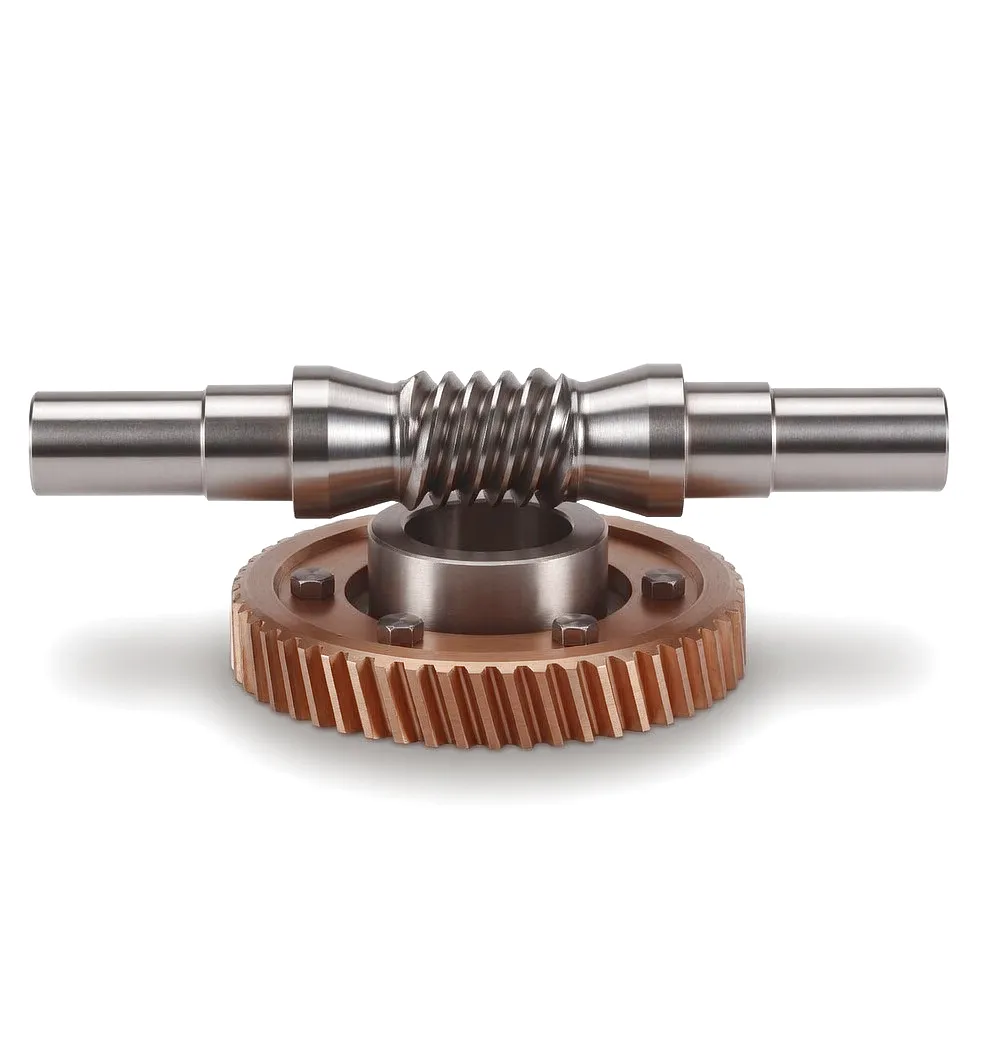
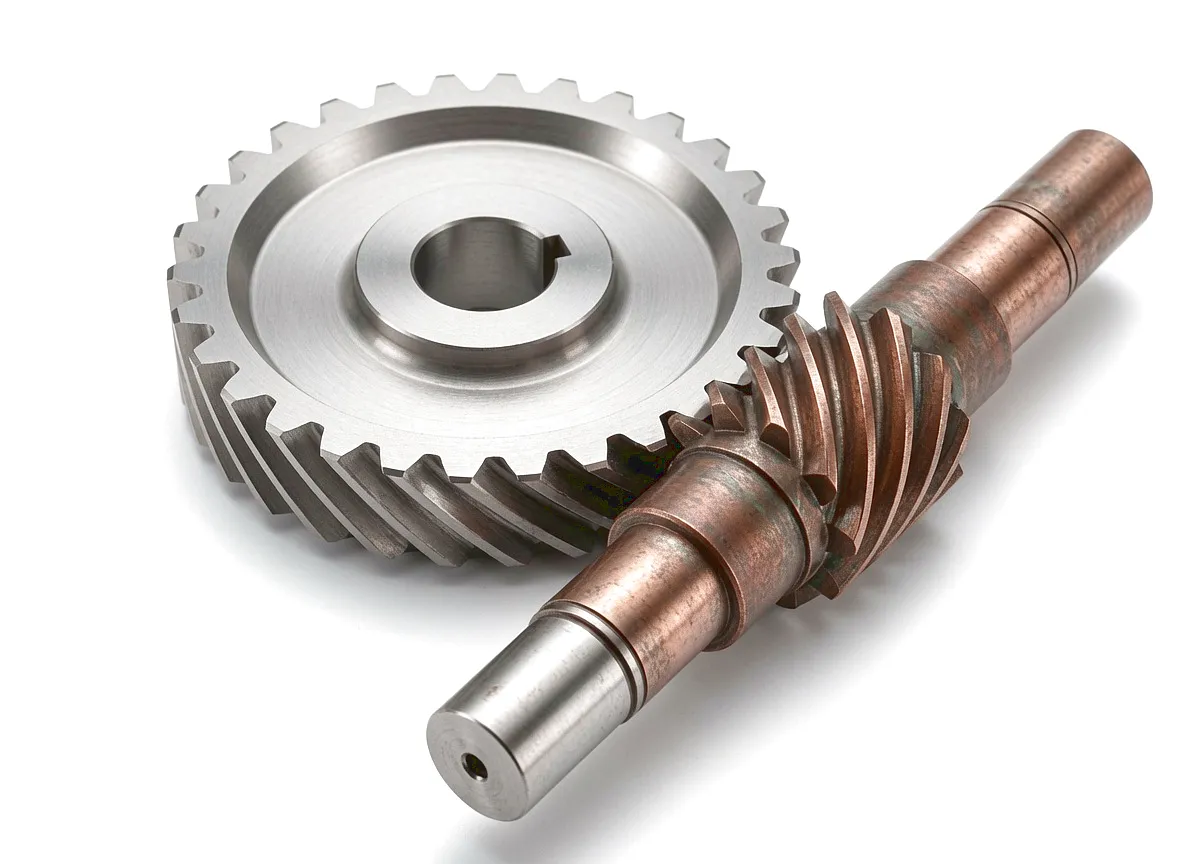
Ever Power: Precision Manufacturing & Custom Worm Gear Shaft Solutions
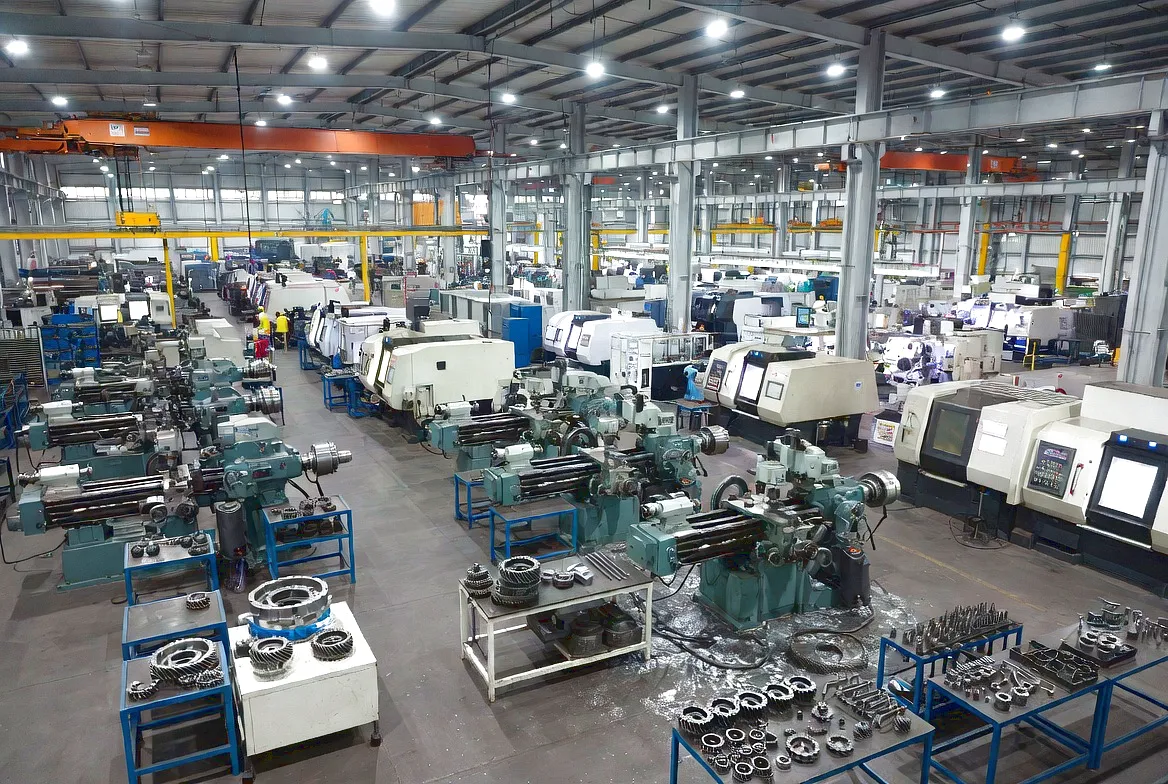
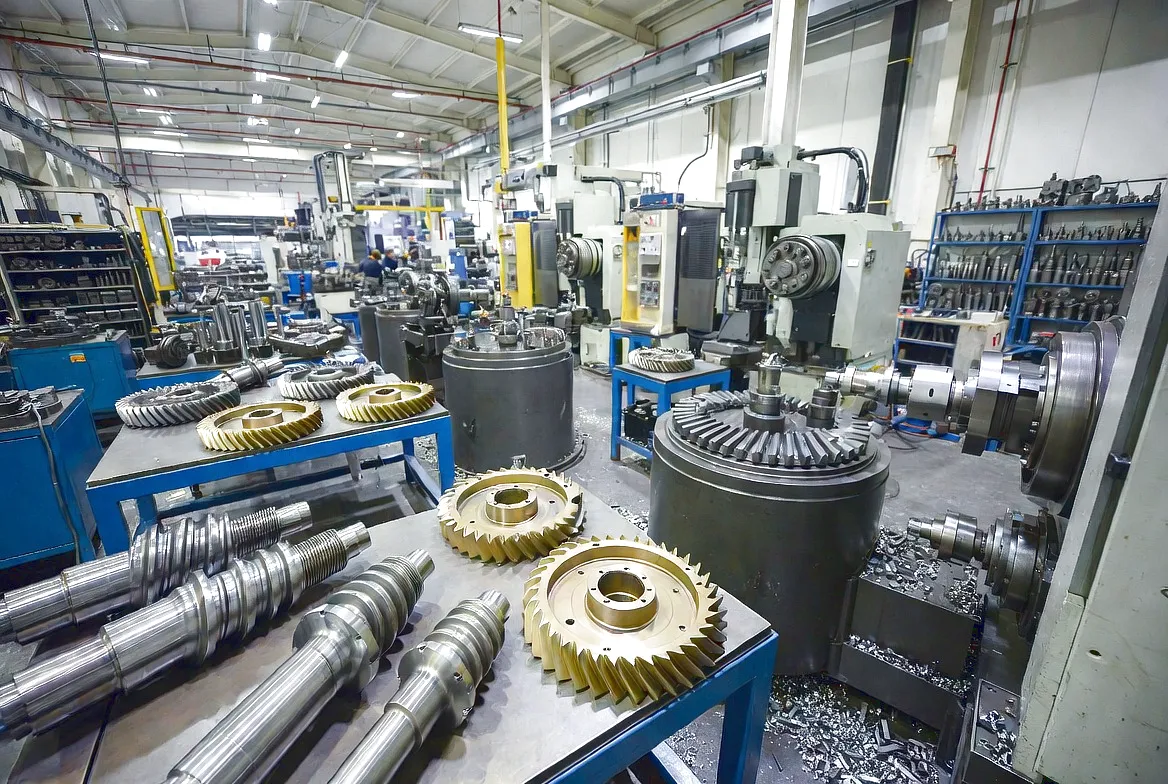
Ever Power has established itself as a preferred worm gear shaft manufacturer for OEM designers, mechanical engineering firms, and plant operations teams requiring both catalogue-standard and fully bespoke drive components. Our production capability spans a wide range of shaft diameters, gear ratios, and material specifications, with every component subject to dimensional inspection to ISO 1328 tolerance grades and surface roughness verification using calibrated profilometers before despatch. The manufacturing process at Ever Power integrates CNC turning, hobbing, thread grinding, and precision heat treatment into a controlled workflow that consistently delivers components meeting or exceeding the tolerances stipulated in customer drawings and international gear standards.
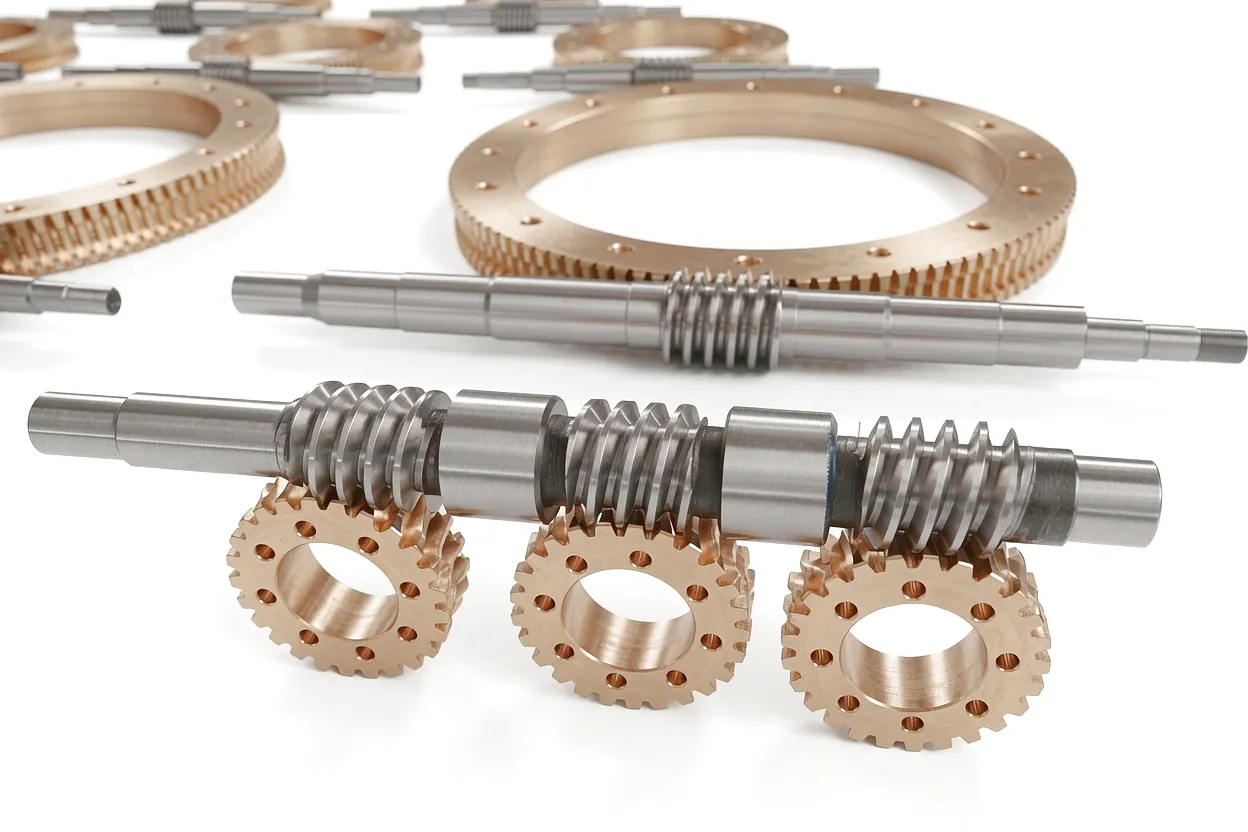
Our customisation programme covers every parameter that matters to your application: shaft length and diameter, number of worm starts, thread form profile, surface hardness, input and output shaft configurations, keyway dimensions, mounting flanges, and material grades including food-grade stainless steel for hygienic processing environments. Ever Power’s technical team works directly with customers from drawing review through to first-article inspection, ensuring that custom worm gear shaft components integrate correctly into the target drivetrain without surprises at the point of assembly. Lead times for standard specification items are typically 7–14 working days for UK-based clients, with air freight despatch available for urgent replacement scenarios.
✓ Full Customisation
Any ratio, shaft diameter, material grade, or mounting configuration matched to your engineering drawings
✓ ISO-Compliant QC
ISO 1328 gear accuracy, full dimensional inspection reports and material certificates supplied with every order
✓ Reliable UK Delivery
7–14 working day standard lead time for UK customers; express air freight available for urgent replacement projects
✓ Technical Partnership
Dedicated application engineering support from initial drawing review to first-article sign-off and production supply
Customer Success Story: Sheffield Steel Processing Plant
 Background
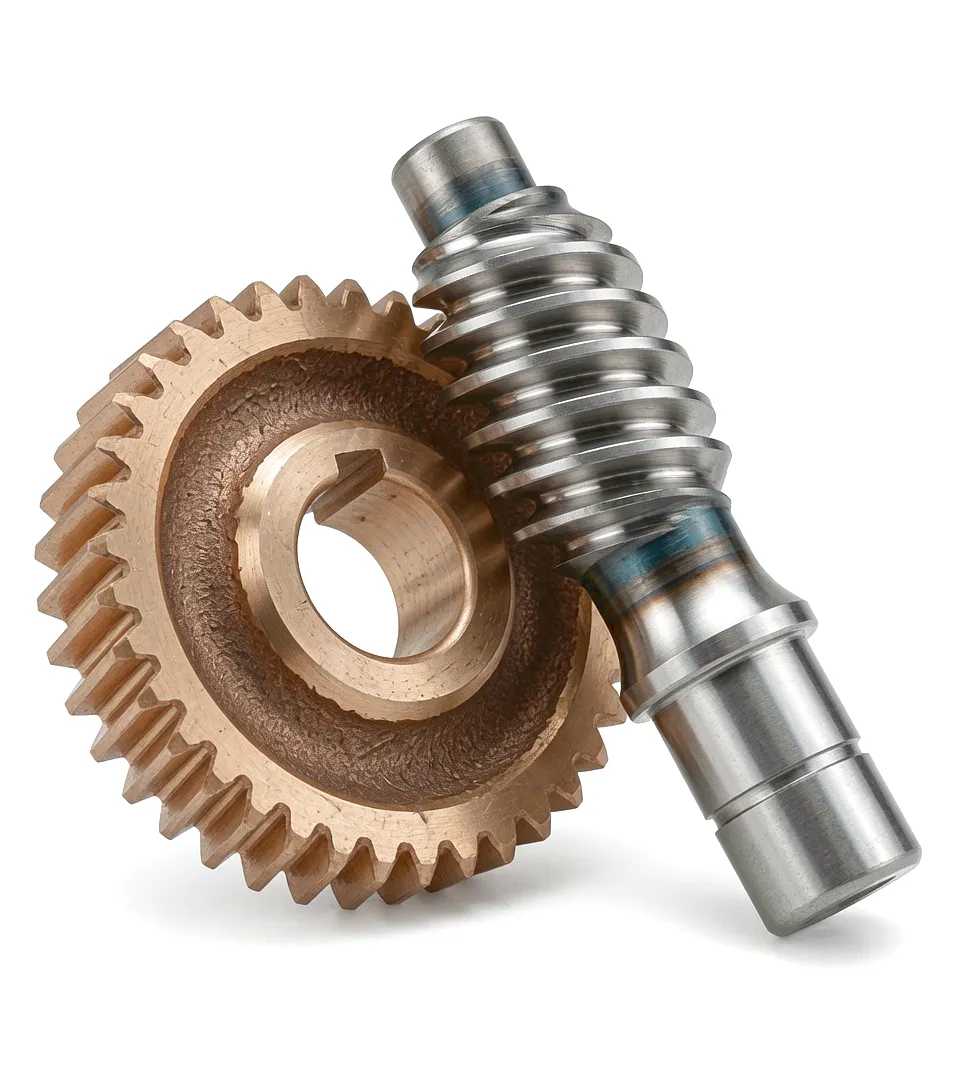
A mid-sized steel processing and cold-rolling operation based in Sheffield, South Yorkshire, had been experiencing repeated premature failures on the worm gear shaft assemblies driving their coil handling conveyor lines. Operating continuously across two shifts, five days a week, the existing imported reducer units were failing at average intervals of 14 months — well below the 3-year minimum service life the plant’s maintenance manager had budgeted for. Each failure required an average 18-hour unplanned downtime event to replace the failed reducer, costing the facility an estimated £28,000 per incident in lost production and emergency maintenance labour.
The Challenge
Root cause analysis carried out by Ever Power’s applications engineering team identified two compounding failure modes. The worm gear shafts supplied by the previous vendor had inadequate case depth following carburising — measured surface hardness reached only HRC 52 rather than the HRC 58–62 specification — resulting in accelerated wear of the thread flanks under the start-stop shock loads inherent in coil-handling operations. Additionally, the shaft centre distance tolerance was out of specification on several units, creating localised stress concentration in the worm mesh that caused pitting fatigue in the worm wheel bronze within the first 8,000 operating hours.
The Ever Power Solution
Ever Power supplied a batch of custom worm gear shaft assemblies manufactured from 42CrMo steel, carburised to a verified case depth of 0.8–1.2 mm, and hardened to HRC 60 ±1. Thread flanks were finish-ground to Ra ≤ 0.4 µm and 100% inspected using CMM measurement against the agreed drawings before despatch to the Sheffield facility. Centre distance and bearing preload were verified on every unit using the factory test rig under simulated load. The bronze wheel material was upgraded to a higher tin-content alloy offering 15% greater surface fatigue strength than the previous specification.
Results
After 26 months of continuous operation — nearly twice the average service life of the previous suppliers’ product — all six Ever Power worm gear shaft units were still in service with no measurable increase in noise level or temperature rise that would indicate impending wear-out. The plant’s maintenance team reported zero unplanned conveyor downtime attributable to reducer failure in that 26-month period, representing a saving in excess of £168,000 compared with the historical failure rate. The facility has since extended its Ever Power supply agreement to cover two additional conveyor lines and the escalator at its visitors’ and despatch entrance.
What Our Customers Say
“
We have been specifying worm gear shafts from Ever Power for our conveyor retrofit projects across the North West for three years. The dimensional consistency across production batches is exceptional — every shaft measures within tolerance and the surface finish is visibly superior to what we were buying previously. Our maintenance intervals have extended by 40% since switching suppliers.
— David Hartley, Mechanical Engineer, Manchester
“
The custom worm shaft Ever Power produced for our escalator refurbishment project in Birmingham city centre arrived exactly to drawing, with full material certificates and CMM reports included. Installation went without a single fitment issue. The drive has been running quietly for 18 months now through the 7,200 passengers-per-hour peak loads of a busy retail centre — we could not be happier with the quality or the lead time they achieved.
— Sarah Pemberton, Projects Director, Birmingham
“
Ever Power’s technical support team was responsive and technically knowledgeable throughout our gear ratio selection process for a new stage machinery project. The worm gear shaft assemblies they delivered are incredibly smooth and silent — the audience genuinely cannot tell when the stage is moving. For a precision application like ours, that level of quiet operation matters enormously, and Ever Power delivered it consistently across the full production batch.
— James Whitfield, Production Engineer, London
Frequently Asked Questions About Worm Gear Shafts
How do I know what gear ratio I need when selecting a worm gear shaft for a UK industrial conveyor drive?
The gear ratio you need is determined by dividing your motor’s full-load speed (in RPM) by the required output shaft speed. For a typical UK industrial belt conveyor driven by a 1,450 RPM four-pole motor needing an output of 50 RPM, you would select a 29:1 ratio — the nearest available standard being 30:1. Always include a service factor to account for start-stop cycles and peak load conditions; a service factor of 1.5 is appropriate for most conveyor applications with 10 or fewer daily starts.
What is the typical price range for a custom worm gear shaft from a supplier in the UK, and how can I get an accurate quote?
Pricing for a worm gear shaft varies considerably with shaft diameter, material grade, heat treatment specification, and quantity. As a rough guide, standard specification carbon steel worm shafts in the 30–50 mm diameter range start from around £45–£90 per piece in modest quantities. Custom alloy steel shafts with CMM inspection reports can range from £120 to over £500 depending on complexity. For an accurate quotation from Ever Power, email your drawing and quantity to [email protected] — you will normally receive a formal quotation within one working day.
Which material is best for a worm gear shaft that will be used in a food processing facility in Birmingham where regular washdown with chlorinated water is required?
For food processing environments subject to chlorinated washdown — common in poultry processing and dairy facilities in the Midlands — grade 316 stainless steel is the correct material choice for the worm gear shaft. Its molybdenum content provides meaningful resistance to chloride-induced pitting corrosion that would rapidly degrade standard 304 SS or carbon steel shafts. The worm wheel in such applications is typically cast from a food-grade phosphor bronze alloy, and the gearbox housing should be specified in either 316 SS or an appropriate engineering polymer to eliminate any potential for corrosion product contamination of the product stream.
How does a worm gear shaft achieve self-locking, and when should I rely on it as a holding brake for an inclined conveyor in the UK?
Self-locking in a worm gear shaft occurs when the lead angle of the worm thread is less than the friction angle of the sliding contact interface — typically when the lead angle falls below approximately 5–6 degrees. Under these conditions, axial force from the worm wheel cannot generate sufficient tangential force on the worm thread to cause back-driving rotation. However, self-locking should only be relied upon as a primary holding device after thorough analysis of the specific lead angle, surface finish, lubricant viscosity, and operating temperature, and with the knowledge that vibration can reduce effective friction. For safety-critical inclined conveyors in UK manufacturing environments, a secondary mechanical brake is strongly advised, and the system should comply with the relevant provisions of BS EN ISO 4301 for crane and hoist machinery or the applicable PSSR 2000 regulations for pressure-relieved systems.
Where can I find a reliable worm gear shaft supplier who can deliver to Sheffield or Leeds within 10 working days for an urgent plant maintenance replacement?
Ever Power offers express supply service for urgent maintenance replacement requirements across Yorkshire and the wider UK. Standard specification worm gear shafts held in stock can be despatched for next-day delivery to Sheffield, Leeds, Bradford, and surrounding areas. For custom-manufactured items requiring specific material or dimensional modifications, our standard lead time is 7–14 working days with premium fast-track manufacturing available for confirmed urgent orders. Email [email protected] with your shaft drawing or a description of the failed component, and our team will provide same-day availability and delivery confirmation.
What are the main signs that a worm gear shaft in my escalator drive is approaching the end of its service life and needs to be replaced?
The most reliable early indicators of worm gear shaft wear in an escalator drive are an increase in operating noise level — particularly a new or louder whine at normal operating speed — combined with a rise in gearbox housing temperature beyond the normal operating range established during commissioning. In oil-lubricated units, the appearance of fine bronze or steel particles in a routine oil sample analysis is a definitive early warning sign of progressive surface fatigue. Vibration monitoring using permanently mounted accelerometers on the reducer housing can detect changes in the frequency signature associated with tooth mesh degradation well before audible symptoms appear. Escalator drives in public transport environments in cities including London, Manchester, and Edinburgh should ideally operate on a condition-based maintenance regime that incorporates at least annual oil analysis and vibration trending.
How do I calculate the correct output torque from a worm gear shaft given my motor’s power and the selected gear ratio?
Output torque (Tout) from a worm gear shaft is calculated as: Tout = (Pin × η × i) / ωin, where Pin is the motor input power in watts, η is the transmission efficiency as a decimal (for example, 0.75 for 75%), i is the gear ratio (for example, 30 for a 30:1 reduction), and ωin is the motor angular velocity in radians per second (ωin = 2π × RPM / 60). For example, a 5 kW motor at 1,450 RPM driving through a 30:1 worm gear shaft at 75% efficiency delivers approximately: Tout = (5000 × 0.75 × 30) / (2π × 1450 / 60) = 112,500 / 151.8 = 741 Nm. Always apply the relevant service factor before comparing this figure against the rated output torque of your selected unit.
Ready to Source Precision Worm Gear Shaft Components?
Contact Ever Power’s engineering team for a fast, detailed quotation. We supply standard and custom worm gear shaft solutions to manufacturers, maintenance teams, and OEM designers across the UK and internationally.
edit by gzl