Mechanical Power Transmission · UK Industrial Supply

Worm Gear Shaft for Bucket Elevators:
Engineering the Backbone of Vertical Conveying

How precision-engineered worm gear shafts eliminate backflow risk, simplify drive systems, and sustain lift heights of 30–50 m across UK grain, fertiliser, and mining operations.

Self-Locking Drive
1–2 m/s Bucket Speed
Up to 50 m Lift Height
Custom UK Supply

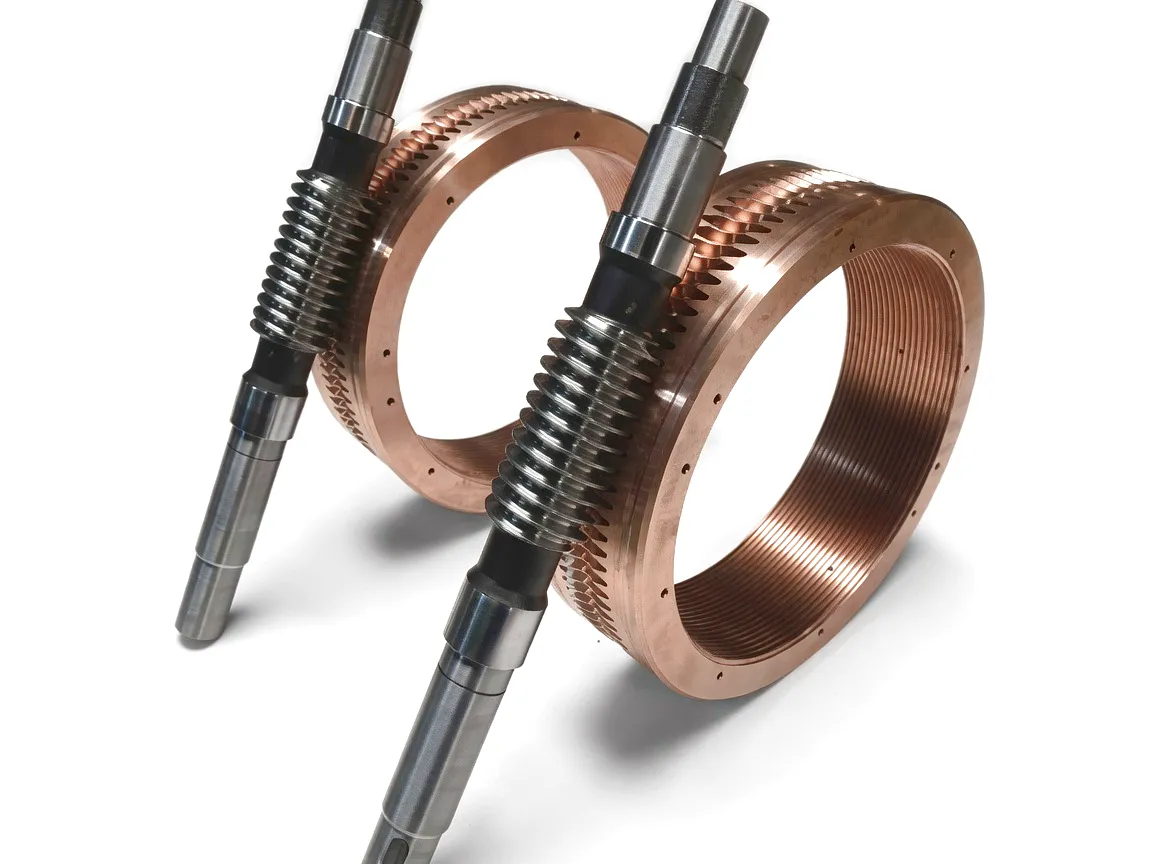
Worm gear shaft for bucket elevator drive head

A bucket elevator performs one of industry’s most deceptively simple tasks — lifting loose bulk materials vertically, continuously, and reliably. Yet the mechanical demands placed on its drive head are anything but straightforward. Grain elevators at UK port terminals, fertiliser towers in the Midlands, and mineral-processing plants across Yorkshire all share a common engineering challenge: what happens to a fully loaded elevator chain when the motor stops unexpectedly? Without a properly designed drive system, gravity wins immediately, and tonnes of material cascade downward in seconds, jamming buckets, overloading bearings, and creating both a safety hazard and a costly clean-up operation. This is precisely where the worm gear shaft — the central rotating component of a worm gearbox reducer — becomes the engineering solution of choice. Its geometry creates a natural mechanical advantage that, when combined with the correct helix angle and lead, produces a self-locking condition that eliminates backflow without any additional braking hardware.

The drive head of a bucket elevator typically consists of an electric motor, a coupling, a worm gearbox reducer, and a drive sprocket or pulley. At the heart of the gearbox sits the worm gear shaft — a precision-machined shaft carrying a helical thread form that meshes with the worm wheel to deliver high torque reduction in a compact package. Understanding the engineering behind this component reveals why it has remained the standard solution for vertical conveying applications from Birmingham’s bulk-handling terminals to Scotland’s malting plants, and why correctly specifying its material grade, lead angle, and surface finish is non-negotiable for a reliable installation.

Engineering Fundamentals

How the Worm Gear Shaft Actually Works Inside a Bucket Elevator Drive

Thread Mesh and Torque Transfer

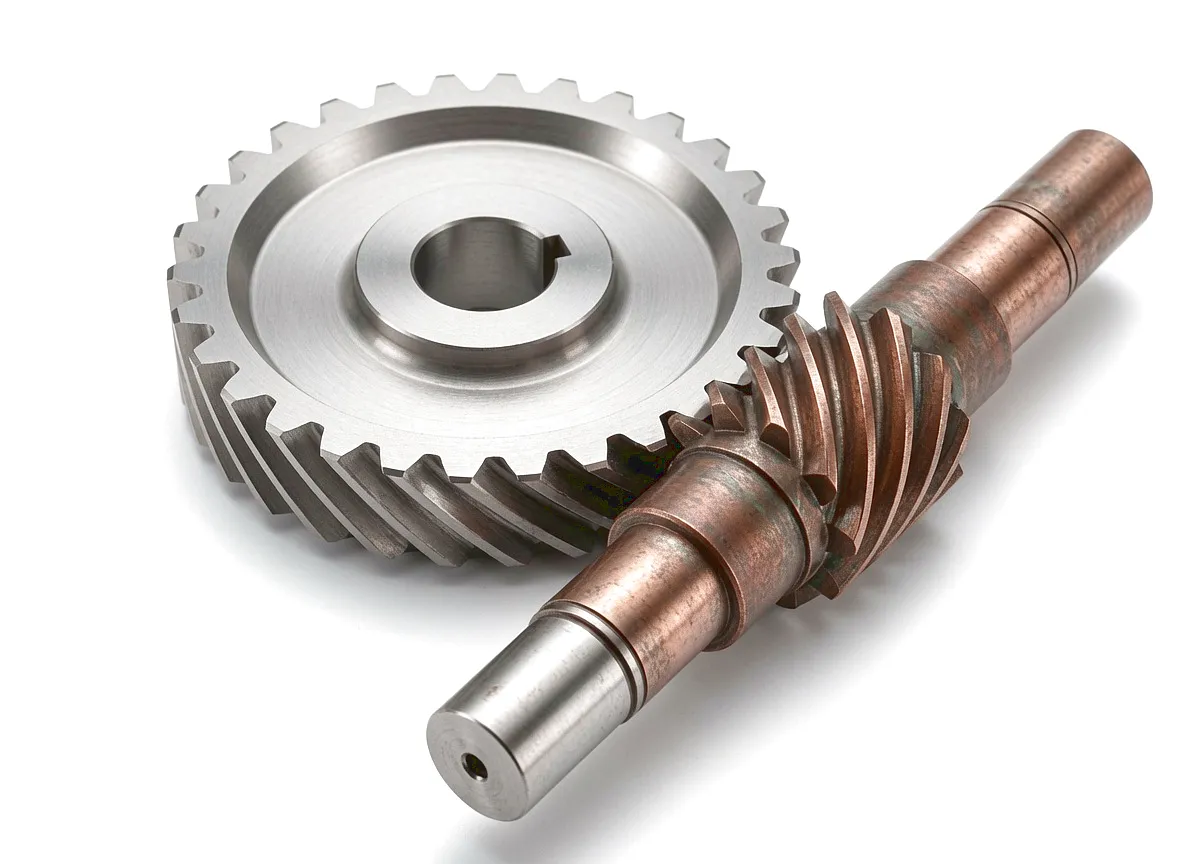
The worm gear shaft enters the gearbox housing and its threaded profile — essentially a continuous helical tooth — engages with the face of the bronze worm wheel. As the shaft rotates, the thread advances axially against the wheel teeth, converting the motor’s relatively high-speed, low-torque rotation into a low-speed, high-torque output on the wheel shaft. The ratio of this conversion depends on the number of starts (thread starts) on the worm versus the number of teeth on the wheel. Single-start worms yield very high ratios — as much as 60:1 or 80:1 — and are the standard choice for bucket elevator reducers where the bucket chain speed needs to be maintained at 1 to 2 m/s regardless of how powerful the drive motor is. The helical geometry of the thread means that the contact zone between worm and wheel is a narrow, curved band that moves continuously across the tooth face, distributing wear and generating a smooth, vibration-dampened output that is essential for maintaining consistent bucket trajectory at height.

🔒

The Self-Locking Mechanism Explained

Self-locking is not a feature you add to a worm gearbox — it is a consequence of the lead angle of the worm thread relative to the coefficient of friction at the mesh interface. When the lead angle (the angle the thread makes with a plane perpendicular to the shaft axis) falls below the arctangent of the friction coefficient — typically around 5 to 6 degrees for steel-on-bronze contact — the gear pair becomes irreversible. This means that a force applied to the output (worm wheel) side cannot back-drive the worm gear shaft. In a bucket elevator context, this is transformative: when the motor de-energises, whether deliberately or due to a power cut, the weight of the loaded buckets applies a torque to the output shaft, but the worm gear shaft geometry prevents this torque from rotating the system backward. The load hangs, stationary, without any external brake needed. For operators in grain terminals along the Humber estuary or fertiliser blending facilities near Sheffield, this passive safety characteristic removes both the capital cost and the maintenance burden of hydraulic backstops or ratchet pawl assemblies.
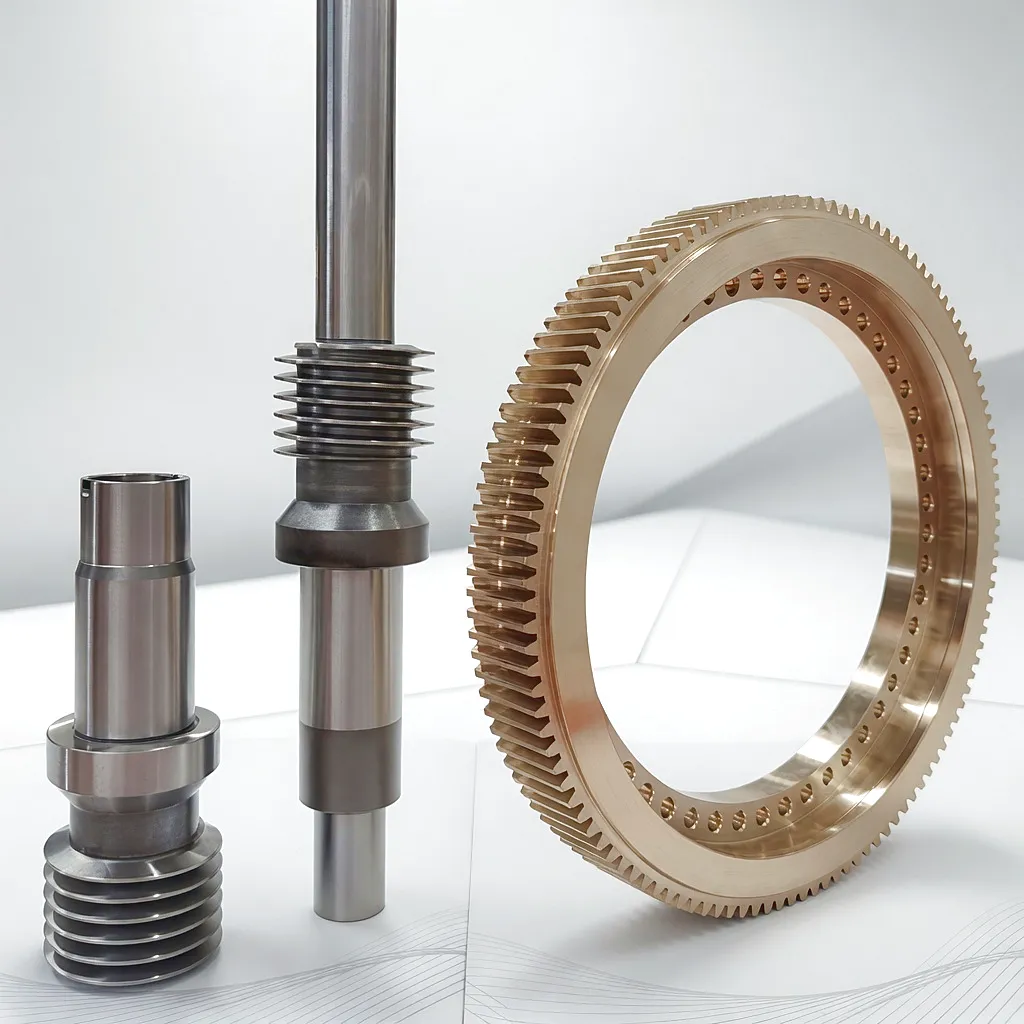
Precision worm gear shaft cross-section detail

Beyond self-locking, the geometry of the worm gear shaft confers another advantage that is frequently underestimated in system design: the shaft’s axial load profile. Because the helical thread pushes against the worm wheel in an axial direction, the worm gear shaft must be supported at both ends by thrust-capable bearings — typically taper roller bearings or angular contact bearings — that are preloaded to eliminate play. This axial preloading arrangement creates an inherently stiff drivetrain that resists the cyclic shock loads generated each time a bucket passes the discharge point at the top of the elevator. In a 30-metre-tall elevator processing 50 tonnes of grain per hour, those cyclic loads are repeated thousands of times per hour, and a drive system that cannot absorb them without deflection will develop fretting and fatigue cracks in the shaft fillet radii within months. Properly preloaded worm gear shaft bearing arrangements sustain this duty for years between planned overhauls, which is why UK flour milling groups running continuous three-shift operations specify them as their standard.

The lubrication regime inside the worm gearbox is also intrinsically linked to the performance of the worm gear shaft. Because the sliding velocity at the worm-wheel interface is considerably higher than the rolling velocity seen in helical or bevel gears, the lubricant must carry a significant portion of the contact load through a hydrodynamic film. ISO VG 220 or 320 synthetic gear oil is typically recommended, and the oil level is set so that the lower portion of the worm gear shaft’s thread is continuously bathed. At start-up, before the film fully establishes, there is a brief period of mixed-lubrication contact — this is why surface hardness of the worm thread profile, through case hardening or nitriding, is critical in determining how the shaft survives repeated cold starts. This consideration becomes particularly relevant for outdoor installations in the UK climate, where ambient temperatures in winter can fall low enough to raise lubricant viscosity significantly and extend the boundary-lubrication start-up phase.

Material Science

Core Materials Used in Manufacturing the Worm Gear Shaft

20CrMnTi Alloy Steel

The most widely specified material for high-duty worm gear shafts. This low-carbon chromium-manganese-titanium steel is carburised to a case depth of 0.8–1.2 mm, followed by case hardening to 58–62 HRC surface hardness. The resulting gradient — an ultra-hard surface resisting wear over a tough, ductile core absorbing shock — is ideal for bucket elevator applications with frequent start-stop cycles. The titanium addition refines the austenite grain during carburising, preventing grain growth that would otherwise embrittle the case layer at elevated temperatures during processing. UK-specifying engineers working to BS EN 10084 equivalents will recognise this grade as closely corresponding to a case-hardening steel with superior fatigue resistance in the tooth root fillet.

42CrMo4 Chromium-Molybdenum Steel

For medium-duty elevator applications where through-hardening is preferred over case carburising, 42CrMo4 (equivalent to BS EN 10083-3 grade) provides an excellent combination of tensile strength (900–1100 MPa after quench and temper), toughness, and machinability. The molybdenum addition suppresses temper brittleness, which is particularly important for worm gear shafts that will see elevated operating temperatures during prolonged continuous runs. This material is frequently chosen for worm gear shafts fitted to mineral-processing elevators in the Yorkshire coalfield and Derbyshire limestone quarrying sectors, where shock loading from partially consolidated mineral lumps requires the shaft body to absorb energy without brittle fracture.

17CrNiMo6 for Heavy-Duty Shafts

When torque ratings exceed approximately 3,000 Nm — a threshold reached in large-capacity elevators moving 200 tonnes per hour of ore or cement clinker — the worm gear shaft material must step up to 17CrNiMo6 or an equivalent nickel-chromium-molybdenum triple-alloy steel. The nickel content (1.5–2.0%) deepens the hardenability, ensuring that even shafts of 120 mm diameter harden fully through their cross-section during case-hardening treatment. Post-carburising, the thread flanks are ground to ISO accuracy class 5 or better to achieve the contact ratio and tooth form precision required for silent, thermally stable operation under continuous heavy load.

Surface Treatment Options

Thread surface quality directly governs gearbox thermal performance. Post-hardening grinding achieves surface roughness Ra 0.4–0.8 µm on the thread flanks, which is the threshold needed to support consistent hydrodynamic film formation. Additional surface treatments include phosphate conversion coating on the shaft body for corrosion resistance during transit and storage — critical for UK coastal installations — and selective nitriding of shaft journal diameters to resist fretting corrosion where seal lips run. For food-grade grain elevator installations subject to UK Food Standards Agency hygiene requirements, stainless-lined shaft journals or electroless nickel plating of bearing seats prevents particulate contamination of the product stream.

Why Engineers Choose It

Core Technical Advantages of the Worm Gear Shaft in Elevator Drive Systems

✓ Inherent Self-Locking Without Auxiliary Braking

At lead angles below the friction threshold, the worm gear shaft cannot be driven backwards by the load. This eliminates the need for external backstops, hydraulic brakes, or ratchet mechanisms — components that require periodic inspection, adjustment, and eventual replacement. Over a ten-year service horizon, removal of these ancillaries reduces lifetime maintenance cost by a figure that UK plant engineers typically estimate at 15–22% of the total drivetrain maintenance budget.

✓ High Transmission Ratio in a Compact Footprint

A single-stage worm gear shaft gearbox achieves reduction ratios of 10:1 through to 100:1, a range that would require two separate helical gear stages to replicate — each stage adding axial length, additional sealing surfaces, and assembly complexity. In head-box installations where the elevator casing constrains the available envelope, the right-angle drive geometry of the worm gearbox (input shaft perpendicular to output shaft) also avoids the need for bevel or hypoid gears to change drive direction, keeping part counts and failure modes to a minimum.

✓ Smooth, Low-Vibration Torque Delivery

The sliding-engagement nature of the worm mesh — where the thread glides across the wheel tooth face rather than impacting it — produces a torque delivery that is free of the periodic impulses associated with spur or helical gears. For bucket elevators, this smoothness is critical: pulsations in chain tension at the drive sprocket cause the chain to oscillate, generating impacts at every guide shoe and potentially shaking material out of the buckets before they reach the discharge point. The damped drive of the worm gear shaft system preserves bucket fill efficiency and extends chain fatigue life simultaneously.

📈
Quiet Operation in Sensitive Environments

Food processing sites in Birmingham and pharmaceutical ingredient plants in Cheshire operate under strict noise-exposure regulations (Control of Noise at Work Regulations 2005). Worm gearboxes driven by correctly specified worm gear shafts typically generate 68–74 dB(A) at one metre under full load — 8 to 12 dB lower than equivalent-ratio helical gear units, often eliminating the need for acoustic enclosures entirely.

🔥
Elevated Overload Tolerance

The steel worm gear shaft working against a softer bronze wheel creates a tribological pairing where the wheel yields slightly under momentary overload, redistributing contact stress rather than cracking. This self-relieving characteristic protects the worm gear shaft during the surge torque at start-up — typically 2.0 to 2.5 times running torque for direct-on-line motor starting — without requiring a separately rated overload clutch in the drivetrain.

Specification Data

Worm Gear Shaft — Technical and Performance Parameters

The table below consolidates the principal engineering parameters that purchasing engineers, maintenance managers, and design consultants across the UK specify when sourcing worm gear shaft assemblies for bucket elevator duty. Values represent typical operating ranges; contact Ever Power for custom specifications beyond these parameters.

ParameterStandard RangeHeavy Duty RangeUnit / Notes
Output Torque50 – 800 Nm800 – 5,000 NmContinuous rated torque
Transmission Ratio10:1 – 40:140:1 – 100:1Single stage; double-stage available
Shaft Diameter20 – 80 mm80 – 160 mmWorm shaft body diameter
Lead Angle3° – 6° (self-locking)6° – 25° (higher efficiency)Below ~6° = self-locking
Number of Starts12 – 4More starts = higher efficiency
Surface Hardness (Thread)56 – 60 HRC58 – 62 HRCAfter case hardening + grinding
Thread Surface RoughnessRa 0.8 µmRa 0.4 µmISO 1302; ground finish
Shaft Material20CrMnTi / 42CrMo417CrNiMo6BS EN 10084 / 10083 equivalent
Gear Accuracy ClassISO Class 6 – 7ISO Class 4 – 5ISO 1328-1 (cylindrical form basis)
Operating Temperature-20°C – +80°C-20°C – +100°CWith synthetic ISO VG 220/320 oil
Typical Gearbox Efficiency72 – 82 %60 – 75 % (high ratio)At rated load and temperature
Bucket Chain Speed1.0 – 1.5 m/s1.5 – 2.0 m/sTypical bucket elevator range

Industrial Applications

Where the Worm Gear Shaft Drives Vertical Conveying Across UK Industry
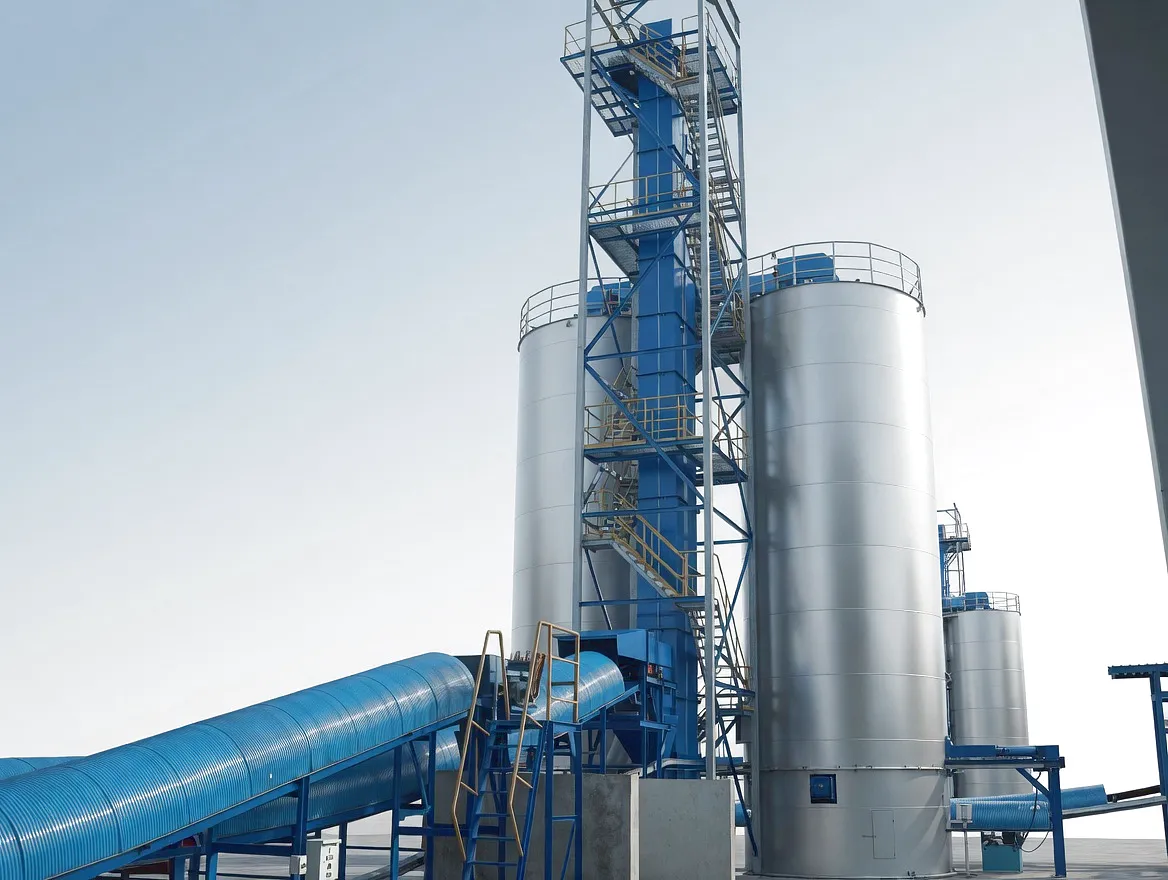
Grain elevator application with worm gear shaft

🌿 Grain, Malt and Animal Feed

Across the grain handling terminals of East Anglia, Lincolnshire and the Humber ports, bucket elevators lift barley, wheat and maize from intake pits to storage bins at heights from 18 to 40 metres. The worm gear shaft gearbox provides the self-locking property that replaces the conventional external backstop, keeping the chain stationary during the power interruptions common in agricultural environments. Malting plants around Burton-upon-Trent and Tadcaster process barley at capacities from 20 to 120 tonnes per hour, relying on the smooth, low-vibration output of the worm drive to avoid grain kernel damage that would reduce germination rates and attract commodity-standard penalties from buyers.
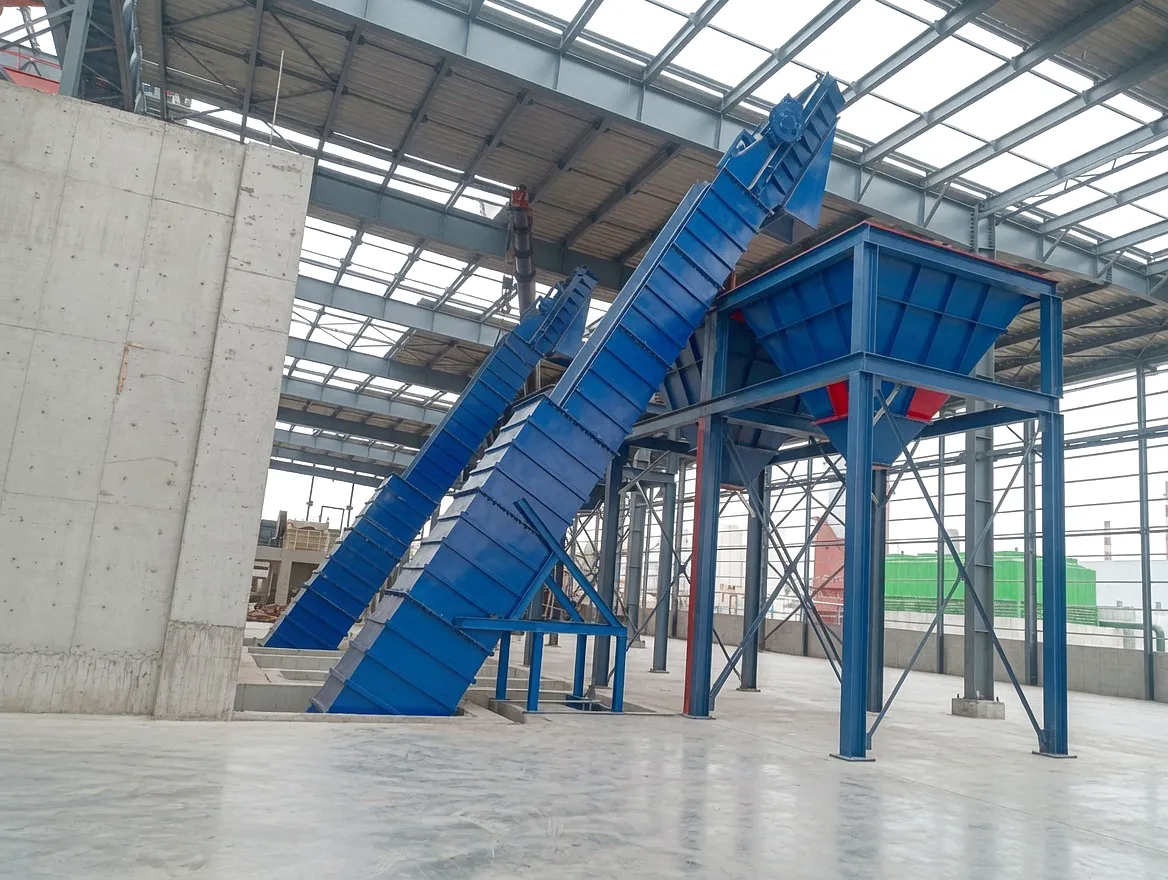
Fertiliser and chemical plant bucket elevator

⚡ Fertiliser and Agrochemical Processing

UK fertiliser blending plants — concentrated in Lincolnshire, Yorkshire and East Midlands — handle granular ammonium nitrate, urea and potash, all of which are hygroscopic and prone to caking when left stationary under pressure. A stopped elevator with a conventional drive risks caked material consolidating in the buckets, requiring manual break-out before restart. Because the worm gear shaft locks the chain instantly upon power loss rather than allowing any creep or back-travel, the buckets stop in position and material remains loose and flowable, significantly reducing restart time and eliminating the manual labour — and potential DSEAR regulatory exposure — associated with breaking up caked explosive-grade fertilisers.
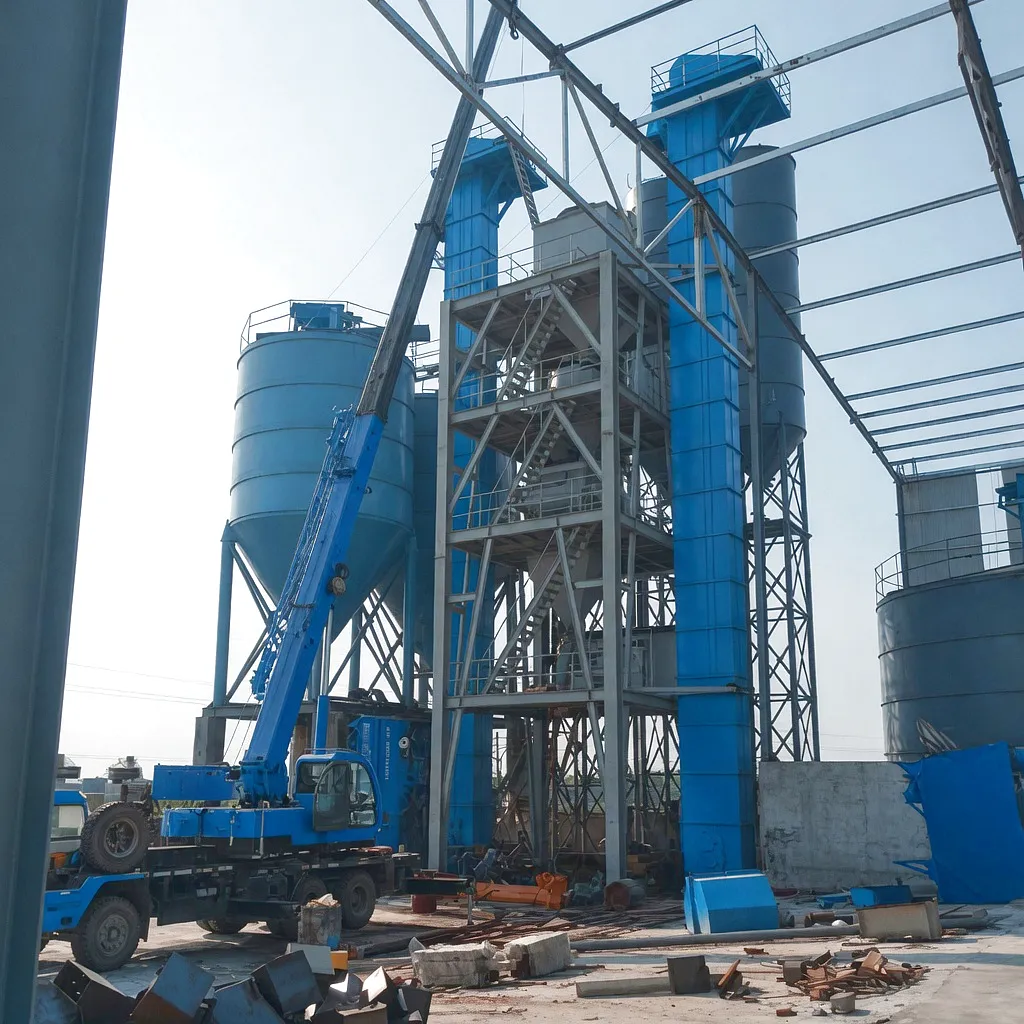
Mining and quarry bucket elevator drive

⛏ Mining, Quarrying and Mineral Processing

Limestone quarries in the Peak District, slate operations in North Wales, and coal handling facilities throughout South Yorkshire demand bucket elevators that handle abrasive, angular particles at throughputs ranging from 30 to 200 tonnes per hour. In these environments, the worm gear shaft’s role extends beyond self-locking: its ability to handle start-up torque surges of 2.5 times running torque without mechanical protection devices is critical, because the elevator frequently starts under load after an emergency stop mid-cycle. The heavy-duty worm gear shaft machined from 17CrNiMo6 and hardened to 62 HRC survives these starts repeatedly over multi-year service intervals, providing the kind of rugged reliability that quarry maintenance engineers in Sheffield and Derbyshire have come to specify as standard.
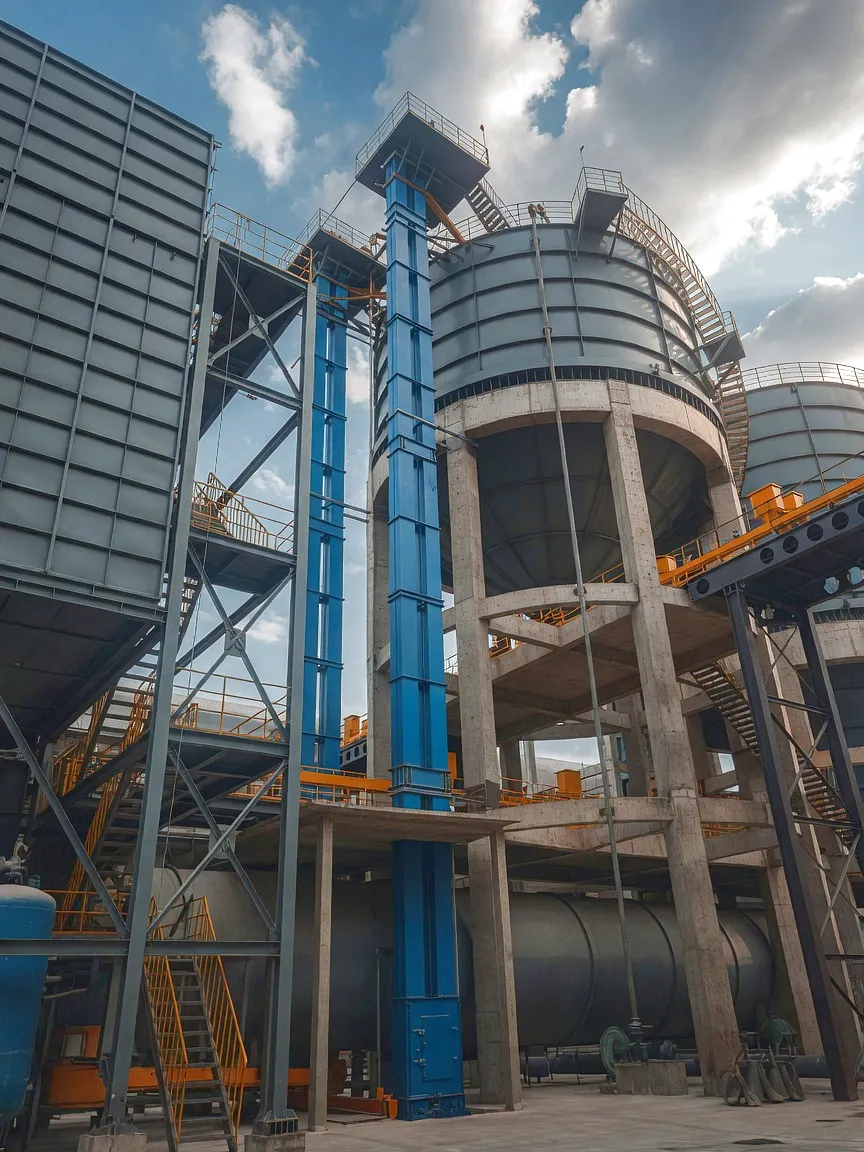
Cement and construction material elevator

🏗 Cement, Fly Ash and Construction Materials

UK cement works — at sites such as Hope in Derbyshire and Padeswood in North Wales — move raw meal, clinker and finished cement between process stages using bucket elevators operating at lift heights of up to 50 metres. The dusty, corrosive atmosphere in these plants demands shaft sealing solutions that keep abrasive fine particles away from bearing journals, and Ever Power engineers this specifically into worm gear shaft designs for cement duty, specifying labyrinth seals with grease-purging capability at both drive and non-drive ends. Similarly, ready-mix concrete plants across the West Midlands use worm gear shaft gearboxes to drive aggregate and cement powder elevators where compact installation space in the plant tower is a primary constraint.

Manufacturer Profile

Ever Power: Precision Manufacturing and Custom Worm Gear Shaft Supply for UK Industry
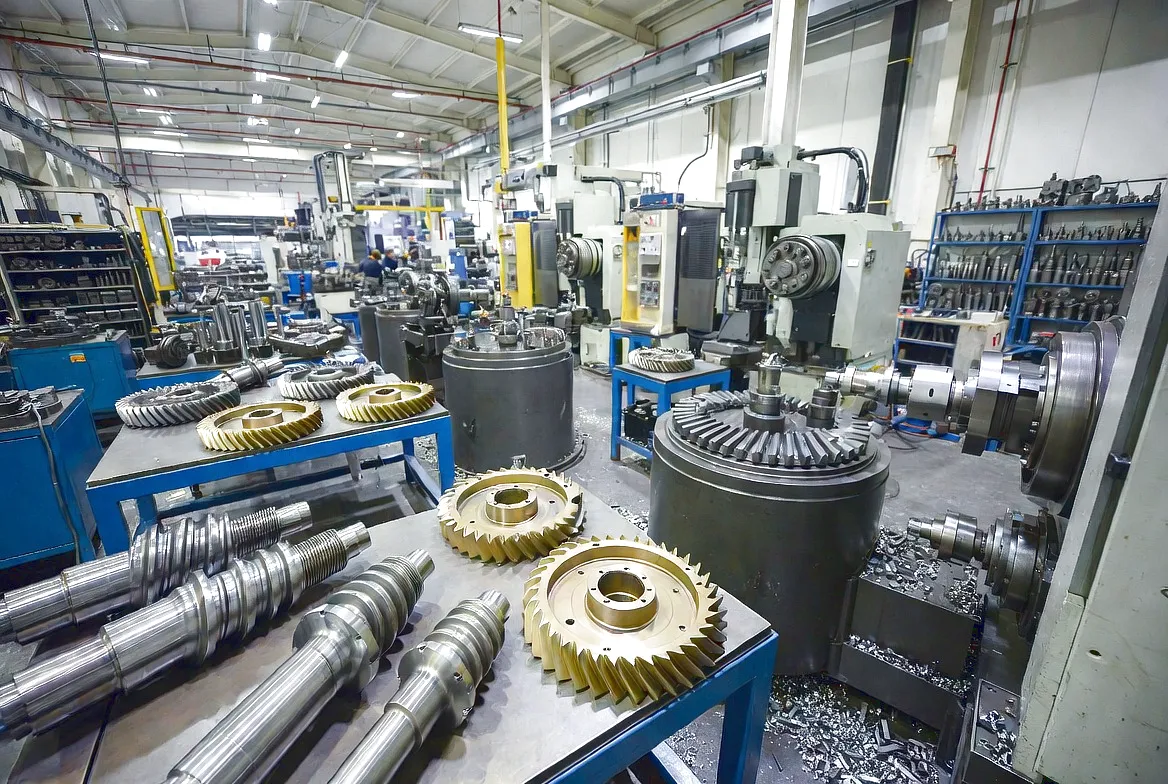
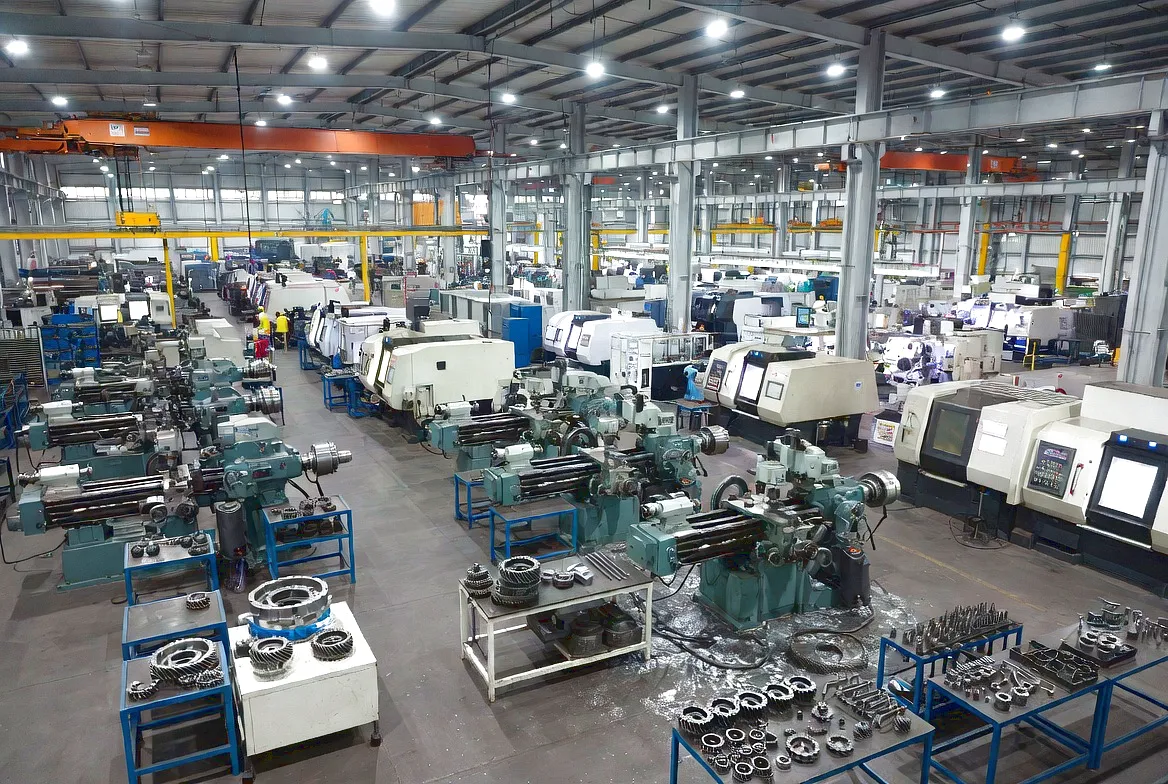
Ever Power worm gear shaft manufacturing workshop
Ever Power precision CNC grinding of worm shaft

Ever Power has built its reputation in the global power transmission market on a single, uncompromising principle: every worm gear shaft that leaves the factory floor must perform exactly as specified under real industrial duty — not just pass a test bench at ambient temperature in controlled conditions. That philosophy drives every stage of the manufacturing process, from material traceability back to mill certificates, through heat treatment records tied to individual batch numbers, to final inspection data logged against each shaft’s serial number and retained for the component’s operational lifetime.

🆕 CNC Thread Grinding Capability

Ever Power operates CNC thread grinding centres capable of producing worm thread profiles to ISO accuracy class 4 as a standard offering, with class 3 available for precision applications. The grinding process is performed post-hardening, eliminating the distortion introduced by heat treatment and ensuring that the as-ground surface is the surface that enters service. Thread lead accuracy is verified by CMM gear measurement rather than by manual gauging, providing traceable digital records that UK procurement teams increasingly require as part of supplier qualification audits.

🔬 Customisation Capabilities

No two bucket elevator installations are identical, and Ever Power’s engineering team works directly with UK project engineers to configure the right worm gear shaft solution. Customisation options include: non-standard shaft diameters and keyway profiles to retrofit into existing housing bores; modified journal lengths to clear specific coupling or seal arrangements; special material upgrades for ATEX Zone 20 or 21 environments (common in flour mills and chemical blending plants); and customised surface coatings for corrosive or humid operating sites, including offshore aggregate handling terminals in Scottish ports.

🚚 Supply Chain and UK Logistics

Ever Power maintains a fast-track supply programme for standard worm gear shaft sizes, with air-freight door-to-door delivery to any UK distribution hub — including Felixstowe, Southampton and Immingham — achievable within 5 to 7 working days for urgent breakdowns. Standard sea-freight consignments are consolidated weekly from our bonded warehouse, arriving at UK ports within 14 to 18 days, and are packaged in custom foam-lined crates with nitrogen-flushed VCI poly bags to ensure corrosion-free receipt regardless of transit time or UK coastal humidity conditions.

Ready to Source?

Request a Custom Worm Gear Shaft Quotation from Ever Power

Share your torque requirements, lift height, material preference and delivery schedule. Our engineering team responds within 24 hours with a full technical proposal and competitive pricing.

📧 Get a Quote — [email protected]

Real-World Results

Customer Success Story: Sheffield Bulk Materials Terminal
Worm gear shaft installation in Sheffield terminalBackground

A bulk materials handling operator near Sheffield, South Yorkshire, running a three-elevator system for aggregate distribution to regional construction sites, approached Ever Power following repeated failures of the backstop mechanisms on their existing worm gear shaft gearboxes. Each failure required a full elevator shutdown for backstop replacement — a process taking four to six hours — and occurring on average twice per year per unit, resulting in annual downtime costs estimated at £38,000 across the three-machine fleet. The elevators were handling crushed limestone at 80 tonnes per hour, at a lift height of 28 metres, with bucket chain speed of 1.4 m/s.

Ever Power’s Solution

Ever Power’s engineering team conducted a torque and duty analysis based on the elevator’s lift capacity, chain weight and start-up frequency — on average 12 starts per working day due to the site’s batch-processing schedule. The recommendation was a series of custom worm gear shafts machined from 20CrMnTi, carburised and hardened to 60 HRC, ground to ISO class 5, and configured with a 4-degree lead angle to guarantee irreversible self-locking across the full operating temperature range of the Sheffield site, where ambient winter temperatures drop to approximately -5°C. The shaft journal diameters were modified to fit the existing housing bores without any machining of the customer’s gearbox housings, reducing installation time per unit to under three hours. The backstop mechanisms were removed entirely, and the worm gear shaft geometry performed their function passively.

Measured Outcomes After 18 Months
0
Backstop-related shutdowns
£41K
Estimated annual saving
+99.6%
Elevator availability
<3hr
Installation time per unit

What UK Customers Say About Ever Power Worm Gear Shafts

★★★★★

“We had been fighting with failing backstop mechanisms on two elevators at our Doncaster facility for three years. Ever Power’s worm gear shaft solution removed the backstop entirely — eighteen months in and we’ve not touched the drive heads. The lead angle geometry does exactly what they said it would.”

— M. Thornton, Maintenance Manager
Bulk Aggregate Handling, Doncaster, South Yorkshire
★★★★★

“Ever Power modified the journal dimensions to suit our existing housing bores without any machining on our end. The attention to detail — CMM inspection reports, heat treatment certificates, full material traceability — was exactly what our procurement team required for a Type B safety-critical component audit. The worm gear shaft performance has been flawless under continuous three-shift operation.”

— R. Ashworth, Engineering Director
Flour Milling Group, West Yorkshire
★★★★★

“Our fertiliser blending facility in Lincolnshire handles DSEAR-classified material, so supplier qualification is rigorous. Ever Power provided full ATEX-compatible documentation for the worm gear shaft assembly, including surface temperature classification. The self-locking characteristic was independently verified before installation. Price was competitive against three other quotes and lead time for a custom specification — 20 days — exceeded our expectations.”

— S. Patel, Project Procurement Lead
Agrochemical Blending Plant, Lincolnshire
Ever Power worm gear shaft model 1

People Also Ask

Frequently Asked Questions About Worm Gear Shafts for Bucket Elevators

How does a worm gear shaft prevent material backflow in a UK grain elevator when the power goes out unexpectedly?
+
When a grain elevator loses power, the loaded bucket chain immediately attempts to travel backwards under the weight of the material it carries. A worm gear shaft configured with a lead angle below approximately 6 degrees creates an irreversible mechanical condition: the friction at the worm-wheel mesh exceeds the tangential driving force generated by the back-load, so the system simply stops and holds. This eliminates the risk of grain cascading down the elevator casing, which in severe cases can cause chain derailment, bucket damage, and a blocked boot section requiring manual clearance. For UK grain terminals that operate under BS EN 15442 and similar codes, this passive locking removes the need for external backstop devices and the maintenance obligations they carry.
What is the typical price range for a custom worm gear shaft suitable for a 30-metre bucket elevator in the UK, and how do I get a quote?
+
Pricing for a custom worm gear shaft varies with shaft diameter, material grade, accuracy class, and any special surface treatment requirements. For a 30-metre elevator handling grain or limestone at around 50 to 100 tonnes per hour, the worm gear shaft shaft diameter typically falls in the 40 to 70 mm range, and pricing at Ever Power for standard duty (20CrMnTi, ISO class 6, Ra 0.8 µm) typically starts from a few hundred pounds per shaft at low quantities, with significant reduction for bulk orders of three or more units. To obtain an accurate cost for your specific application, send your torque requirement, shaft diameter, lead angle preference and delivery address to [email protected]. Our team will respond with a full quotation within 24 working hours.
Which material grade is best for a worm gear shaft used in a Birmingham food processing plant where hygiene certification is required?
+
For food-processing bucket elevators in Birmingham and across the UK that fall under UK Food Standards Agency guidelines, the worm gear shaft body material is typically 20CrMnTi or 42CrMo4 with an additional electroless nickel plating applied to the bearing journal surfaces. This plating prevents any metallic particulate contamination of the product stream at the shaft seal interfaces. The thread profile itself does not require food-grade coating as it is fully enclosed within the gearbox housing, but the housing seals must be confirmed as food-safe elastomer. Ever Power can supply full material declarations and food-contact compliance documentation as part of the delivery pack for any shaft going into a UK-regulated food production environment.
Where in the UK can I source a reliable worm gear shaft supplier who can deliver replacement shafts within one week for an emergency breakdown at a Yorkshire quarry?
+
For urgent worm gear shaft replacement serving Yorkshire quarrying operations, Ever Power operates an expedited air-freight programme from our manufacturing facility. Standard shaft sizes — covering the most common quarry elevator shaft diameters between 40 and 100 mm — are maintained in a ready-to-despatch stock programme and can be air-freighted to Leeds Bradford Airport or Sheffield City Airport with door-to-site delivery achievable in 5 to 7 working days. For truly critical breakdowns where hours matter, contact our emergency line via [email protected] with your shaft drawing or a dimensional photograph, and we will assess stock position immediately.
What transmission ratio should I specify for a worm gear shaft on a bucket elevator running at 1.5 m/s chain speed, driven by a 4-pole 1,450 rpm motor?
+
The required transmission ratio depends on the drive sprocket pitch diameter. For a typical 400 mm drive sprocket, the required output shaft speed is approximately 72 rpm (1.5 m/s chain speed ÷ (3.14159 × 0.4 m / 60)). With a 4-pole motor at 1,450 rpm, the required ratio is 1,450 / 72, or approximately 20:1. This falls comfortably within the single-start worm gear shaft range and should be achievable with a standard 20:1 ratio gearbox. However, if a VFD (variable frequency drive) is in use, the motor speed may be different from 1,450 rpm at some operating conditions — always confirm the motor base speed at your intended frequency setting before finalising the ratio. Ever Power’s application engineers can calculate the exact ratio and confirm self-locking compliance for your specific drive arrangement.
How long does a worm gear shaft typically last in a continuous-duty bucket elevator application, and what maintenance schedule should I follow in a UK industrial setting?
+
A properly specified and lubricated worm gear shaft in continuous elevator duty — three shifts, 7 days per week — should achieve a minimum L10 bearing-referenced design life of 25,000 hours, equivalent to approximately 8 to 10 years at those operating hours. Extending beyond this depends heavily on lubricant change intervals (synthetic ISO VG 220 oil should be changed every 4,000 to 5,000 hours or annually, whichever comes first), oil level checks (monthly), and inspection of shaft seal condition (every six months). In UK food industry settings, where cleandown procedures may introduce moisture into the gearbox, increasing oil change frequency to every 2,500 hours is advisable. Ever Power recommends recording oil sample analysis (ferrographic analysis of wear particles) annually to detect any early-stage thread wear before it progresses to a failure mode.
Who is the most trusted UK supplier for ATEX-rated worm gear shaft assemblies for fertiliser plant bucket elevators in Lincolnshire or the East Midlands?
+
ATEX-rated worm gear shaft supply for fertiliser bucket elevators in Lincolnshire, Nottinghamshire and the wider East Midlands requires a supplier who can provide DSEAR-compliant documentation in addition to the mechanical specification. Ever Power supports ATEX Zone 20 and 21 classified worm gear shaft assemblies by providing: surface temperature classification calculations showing that the maximum external gearbox surface temperature remains below the T4 (135°C) limit under worst-case overload; material certificates confirming the absence of magnesium-aluminium alloys that could create friction-spark ignition sources; and detailed technical files suitable for inclusion in the Ex documentation package required by PSSR 2000 and DSEAR 2002 in UK installations. Contact [email protected] to discuss your ATEX classification requirements.

Ever Power — UK B2B Supply

Ready to Specify or Replace Your Worm Gear Shaft?

Tell us your application: lift height, throughput, chain speed, existing gearbox housing bore, and any special environment constraints. Ever Power engineers will configure the optimum worm gear shaft specification and return a competitive quotation with technical drawings within 24 hours.


📧 Email [email protected]

edit by gzl