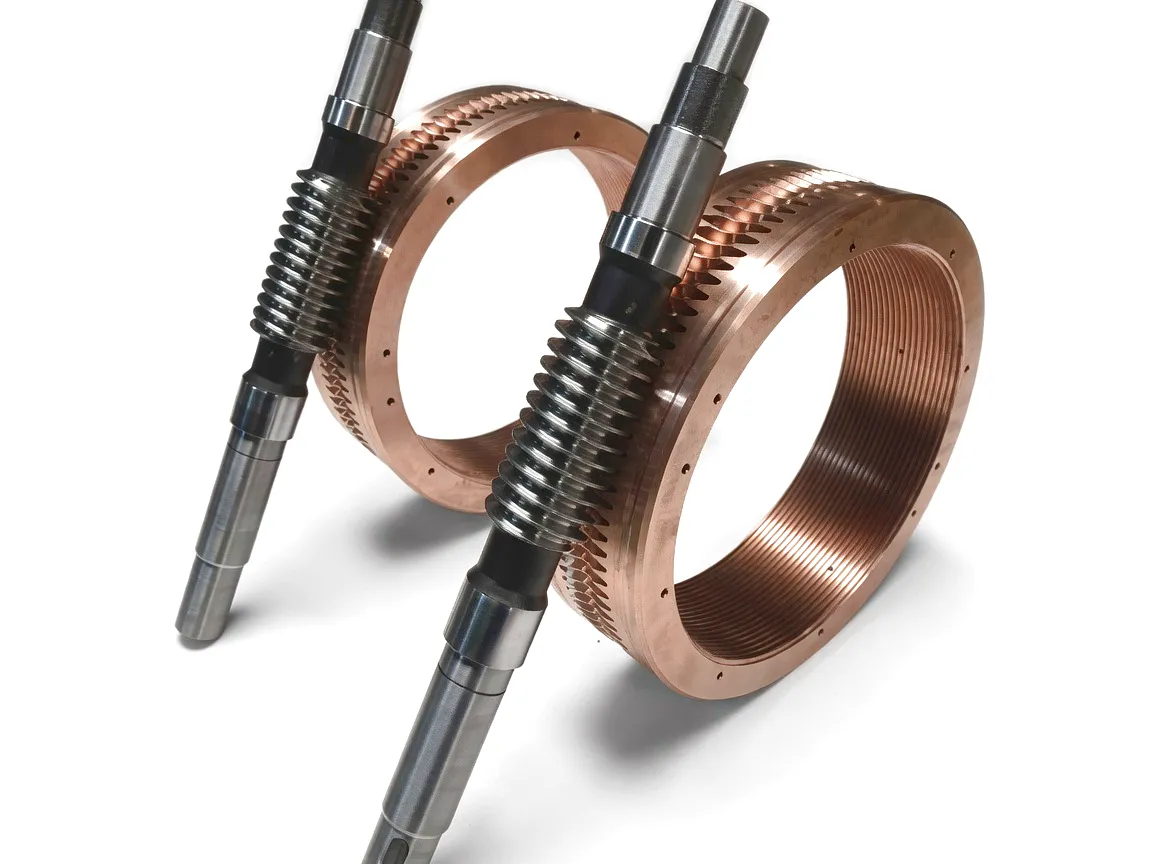
How the Worm Gear Shaft Actually Works
Working Principle · Mechanical Transmission Science
Helical Thread Engagement
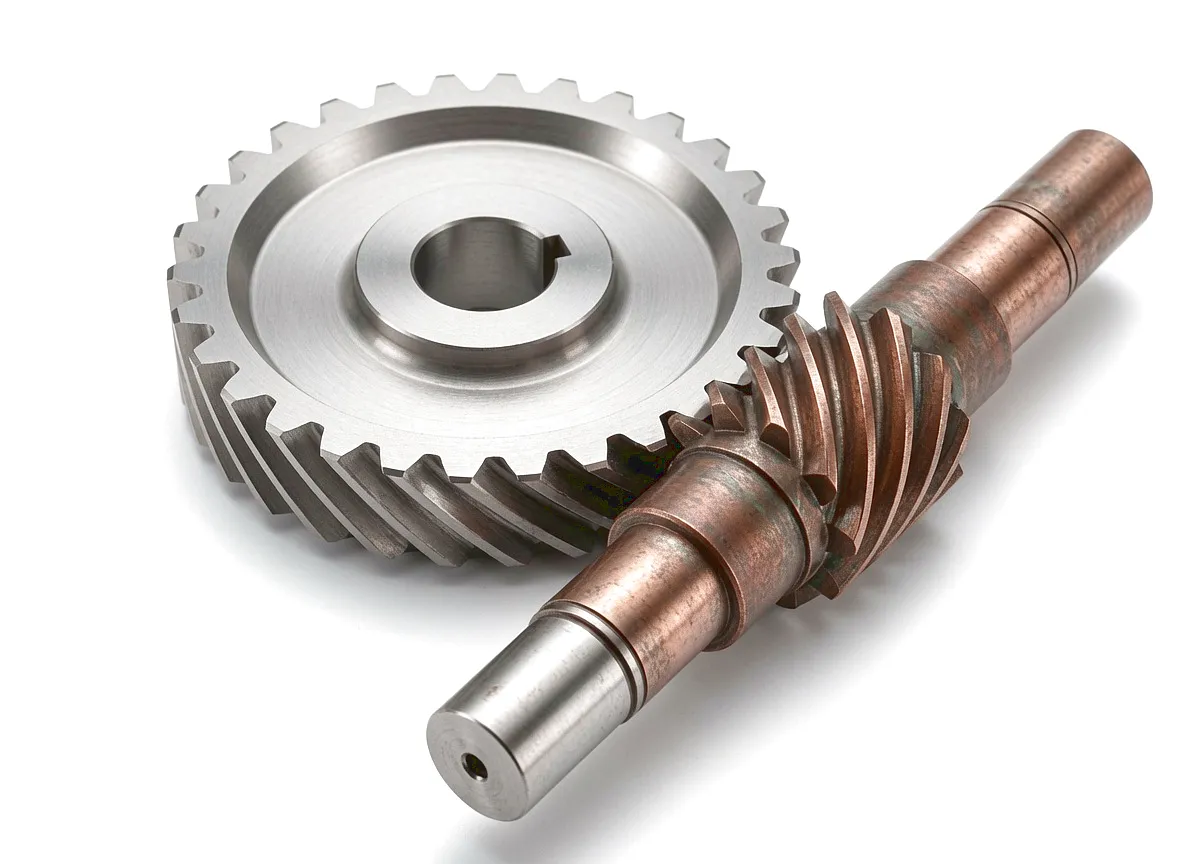
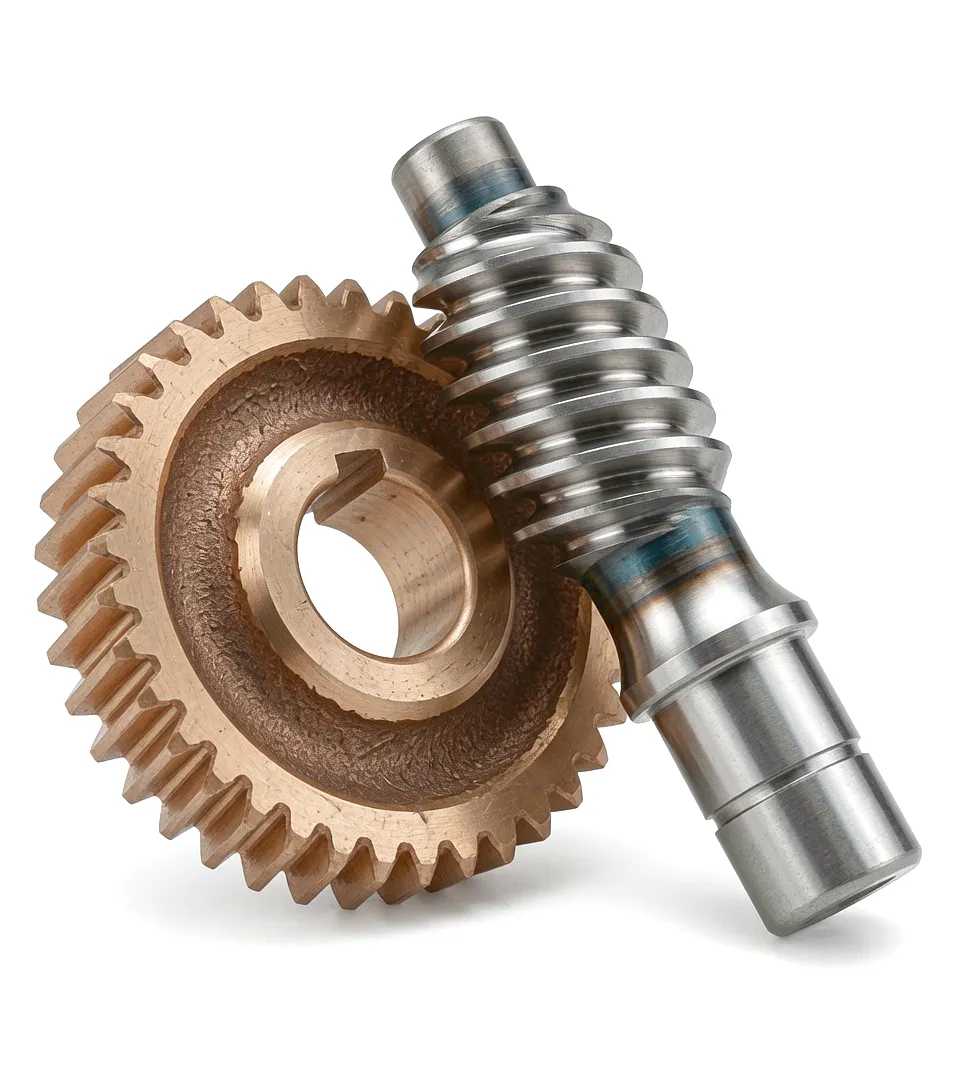
The worm — essentially a precision-cut screw shaft — rotates on its own axis and meshes with the teeth of the worm wheel at a 90-degree angle. As the worm turns, each thread pushes successive wheel teeth forward by a fraction of one pitch per full revolution. This sliding-contact mechanism is what enables very high gear ratios (commonly 10:1 to 100:1) in a compact, single-stage arrangement. The continuous sliding action also provides an inherently smooth and quiet drive, which is why the worm gear shaft is favoured in environments where acoustic performance matters — automated warehouses, food processing halls, and precision assembly plants throughout the UK.
Speed Reduction from Motor to Shaft
In a standard belt conveyor installation, a three-phase asynchronous motor spinning at 1,450 r/min feeds directly into the worm shaft. Depending on the number of thread starts on the worm and the tooth count of the worm wheel, the reducer steps that speed down to between 5 r/min and 60 r/min at the output shaft. This range translates directly into belt surface speeds of 0.5 m/s to 3 m/s, matching the operational requirements of most UK conveyor applications. By fitting a variable-frequency drive (VFD) on the motor side, operators can achieve stepless speed adjustment across the full 0.1 m/s to 3 m/s envelope — a feature increasingly demanded by Birmingham automotive plants using JIT assembly lines.
Self-Locking Characteristics
One of the most valued properties of the worm gear shaft is self-locking, which occurs when the lead angle of the worm is lower than the friction angle between the engaging surfaces. In this condition, the driven load cannot back-drive the worm, meaning the mechanism holds position without an additional brake. For lifting equipment, inclined conveyors, and gate actuators — common in water treatment facilities across Yorkshire and Humber — this passive safety feature is invaluable, reducing both component count and system complexity while meeting UK machinery safety directives.
Materials That Define Performance
Core Material Science · Manufacturing Standards
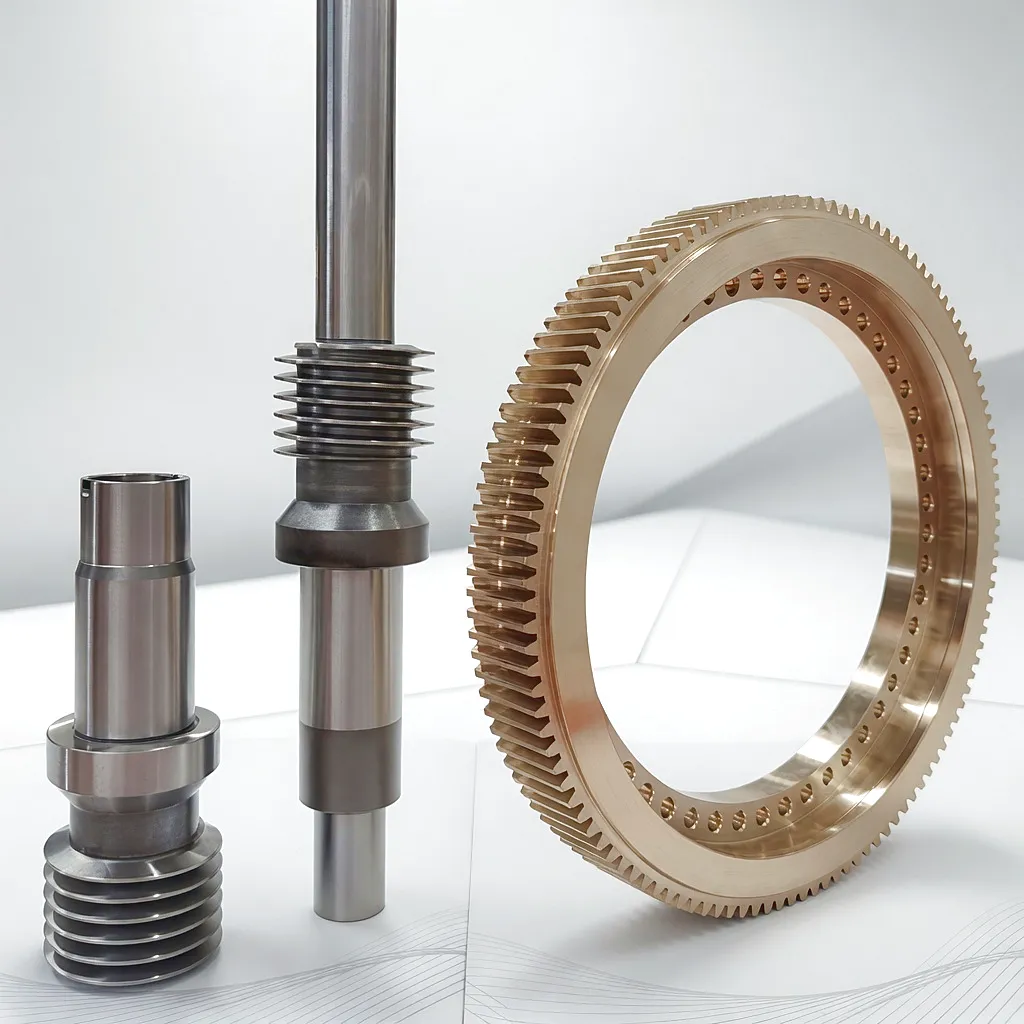
20CrMnTi Alloy Steel — Worm Shaft
Through-hardened and carburised to achieve a case hardness of 58–62 HRC. The hard shell resists thread wear under sustained sliding contact while the tough core absorbs shock loads, ideal for conveyor drives with irregular loading profiles.
42CrMo4 Alloy Steel — Heavy-Duty Shafts
Preferred for large-module worm shafts where output torque exceeds 2,000 Nm. Quenched and tempered to 28–34 HRC throughout, then ground on bearing journals and thread flanks to achieve Ra 0.4 surface finish, minimising friction and heat generation during high-duty cycling.
ZCuSn10P1 Bronze — Worm Wheel
Tin phosphor bronze centrifugally cast to produce a dense, pore-free tooth profile. This alloy’s natural lubricity against hardened steel makes it the standard choice for worm wheel rims, and its corrosion resistance suits humid environments found in UK chemical and water-treatment plants.
Aluminium Alloy ADC12 — Housing
Die-cast aluminium housing keeps the WPA/WPB series lightweight without sacrificing rigidity. Its high thermal conductivity accelerates heat dissipation from the oil bath, maintaining lubricant viscosity in continuous-duty cycles — critical for 24/7 operations in Sheffield’s steel service centres and logistics warehouses.
Core Technical Advantages
Product Engineering Benefits · Why Engineers Choose Worm Gear Shafts
High Reduction in One Stage
Achieving a 60:1 ratio in a single worm gear shaft assembly that would otherwise require multiple stages of helical gearing dramatically reduces the drive system’s physical footprint and component count. For UK retrofitting projects inside legacy factory buildings with constrained shaft centres, this compactness is often the primary engineering driver for selecting worm gear technology over alternative speed-reduction methods.
Quiet, Vibration-Damped Operation
The continuous line contact between the worm thread and wheel teeth produces a sliding rather than an impacting mesh action, which naturally suppresses vibration and airborne noise. Measured noise levels for a well-lubricated worm gear shaft running at rated load typically fall in the 58–72 dB(A) range — well within the exposure action values set out under UK Health and Safety Executive noise regulations, reducing the need for acoustic enclosures and hearing protection in occupied work areas.
Inherent Self-Locking Safety
When the worm lead angle is below the material friction angle — typically achievable at ratios above 20:1 — the output shaft cannot backdrive the worm gear shaft under load. This self-locking property meets the fail-safe requirements of UK Machinery Directive 2006/42/EC for static holding applications, eliminating separate braking hardware on many inclined belt conveyors, goods lifts, and damper actuators, providing both a safety benefit and a meaningful cost reduction in BOM (bill of materials).
Right-Angle Drive Flexibility
The 90-degree shaft crossing angle inherent to worm gear shaft design opens spatial layout possibilities unavailable with in-line gearboxes. Designers can position the motor and the driven shaft on perpendicular axes, routing power around corners of a machine frame or factory floor without additional bevel stages. This geometry is particularly valuable in packaging machinery common in food-sector facilities across Yorkshire, where space-efficient drive arrangements directly influence machine cycle times and throughput rates.
VFD Compatibility for Stepless Control
Modern worm gear shaft reducers, particularly those in the WPB and WD series, are fully compatible with variable-frequency drive (VFD) motor controllers. Pairing a VFD with a worm reducer enables stepless speed adjustment from 0.1 m/s to 3 m/s on the belt surface — a flexibility that supports dynamic production schedules, reduces energy consumption during low-demand periods, and satisfies Energy Efficiency Directive targets actively pursued by UK manufacturers as part of net-zero commitments.
Low Maintenance, Long Service Life
A properly specified and lubricated worm gear shaft with a sealed bronze-on-steel mesh requires minimal scheduled intervention. Oil-bath lubricated housings only need fluid changes every 8,000–10,000 hours of operation, and the absence of complex internal seals reduces leak risk. For UK plant maintenance teams managing large fleets of conveyor drives, this low maintenance profile translates directly into reduced planned shutdown frequency, lower engineering labour costs, and improved OEE (Overall Equipment Effectiveness) scores.
Technical & Performance Parameters
Worm Gear Shaft Specification Table — WPA / WPB / WD Series
| Parameter | WPA Series | WPB Series | WD Series |
|---|---|---|---|
| Input Speed (r/min) | 750 – 1,450 | 750 – 1,450 | 960 – 1,450 |
| Output Speed Range (r/min) | 5 – 60 | 5 – 70 | 8 – 80 |
| Reduction Ratio | 10:1 – 60:1 | 10:1 – 70:1 | 7.5:1 – 70:1 |
| Output Torque (Nm) | 10 – 1,250 | 15 – 2,500 | 20 – 3,500 |
| Shaft Crossing Angle | 90° | 90° | 90° |
| Worm Shaft Material | 20CrMnTi (case hardened) | 42CrMo4 (Q&T) | 42CrMo4 / 20Cr2Ni4A |
| Worm Wheel Material | ZCuSn10P1 Bronze | ZCuSn10P1 Bronze | ZCuAl10Fe3 Bronze |
| Thread Surface Hardness (HRC) | 58 – 62 | 58 – 62 | 60 – 64 |
| Thread Flank Surface Finish (Ra) | Ra 0.8 µm | Ra 0.4 µm | Ra 0.4 µm |
| Housing Material | Aluminium Alloy ADC12 | Aluminium / Cast Iron HT200 | Cast Iron HT200 |
| Thermal Rating (°C) | -25 to +80 | -30 to +90 | -30 to +100 |
| IP Protection Class | IP54 | IP55 | IP65 |
| Belt Speed Range (m/s) with VFD | 0.2 – 2.0 | 0.1 – 2.5 | 0.1 – 3.0 |
| Efficiency (%) | 75 – 85 | 78 – 88 | 80 – 90 |
| Lubrication Method | Oil bath / grease | Oil bath (forced optional) | Forced circulation |
Industrial Application Scenarios Across the UK
Where the Worm Gear Shaft Drives British Industry
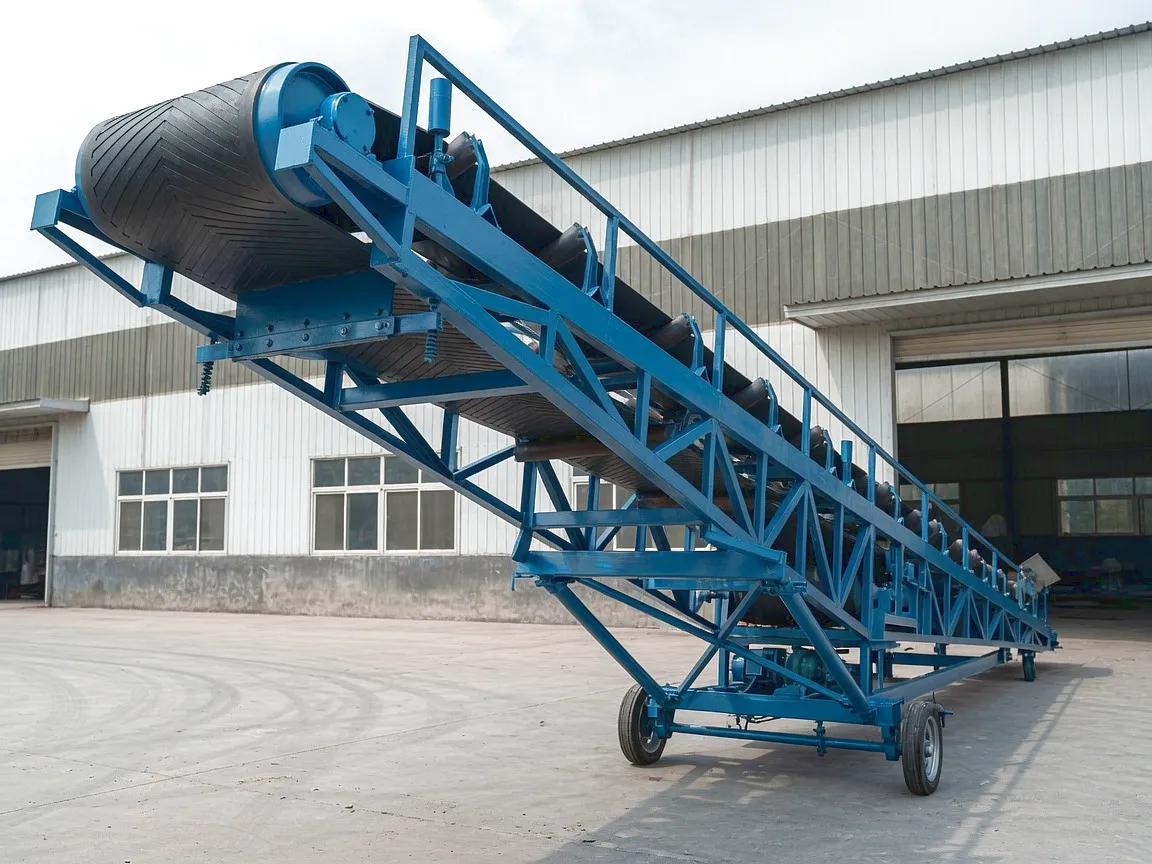
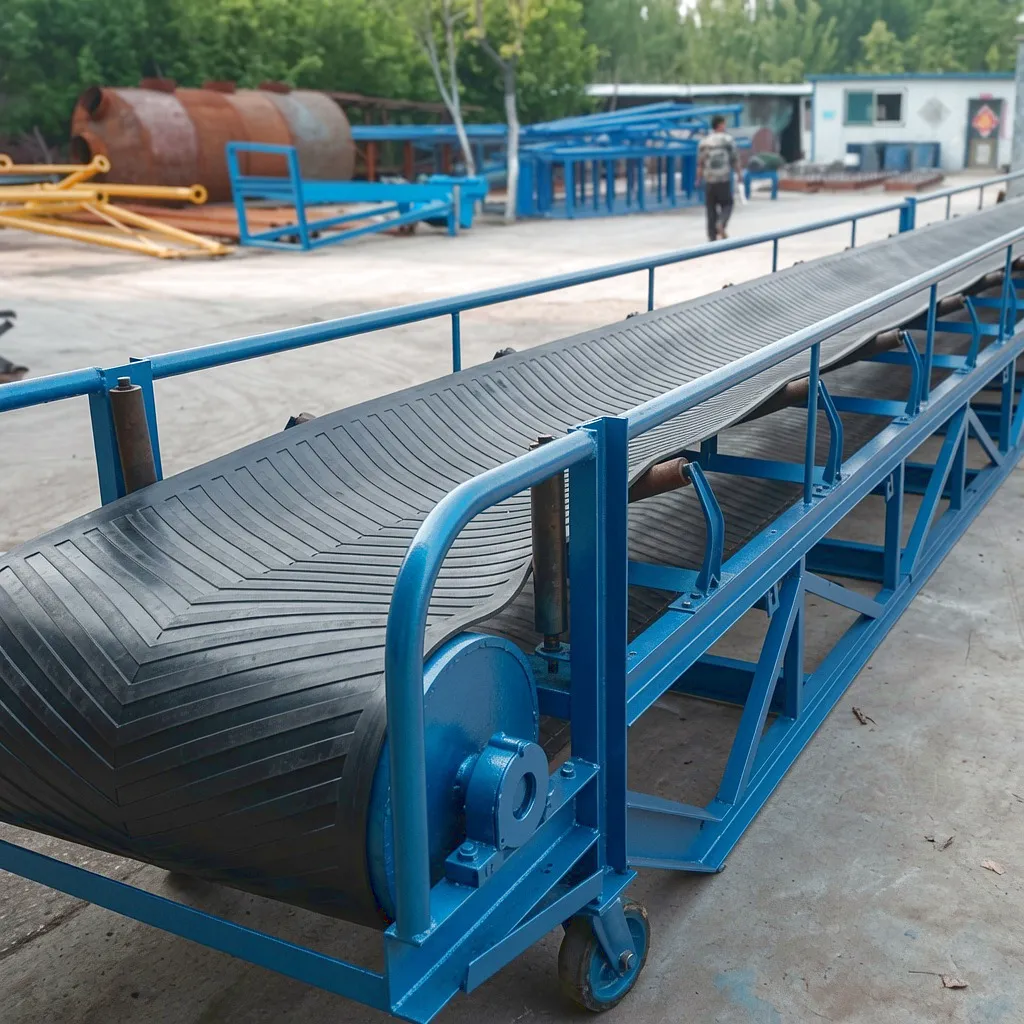
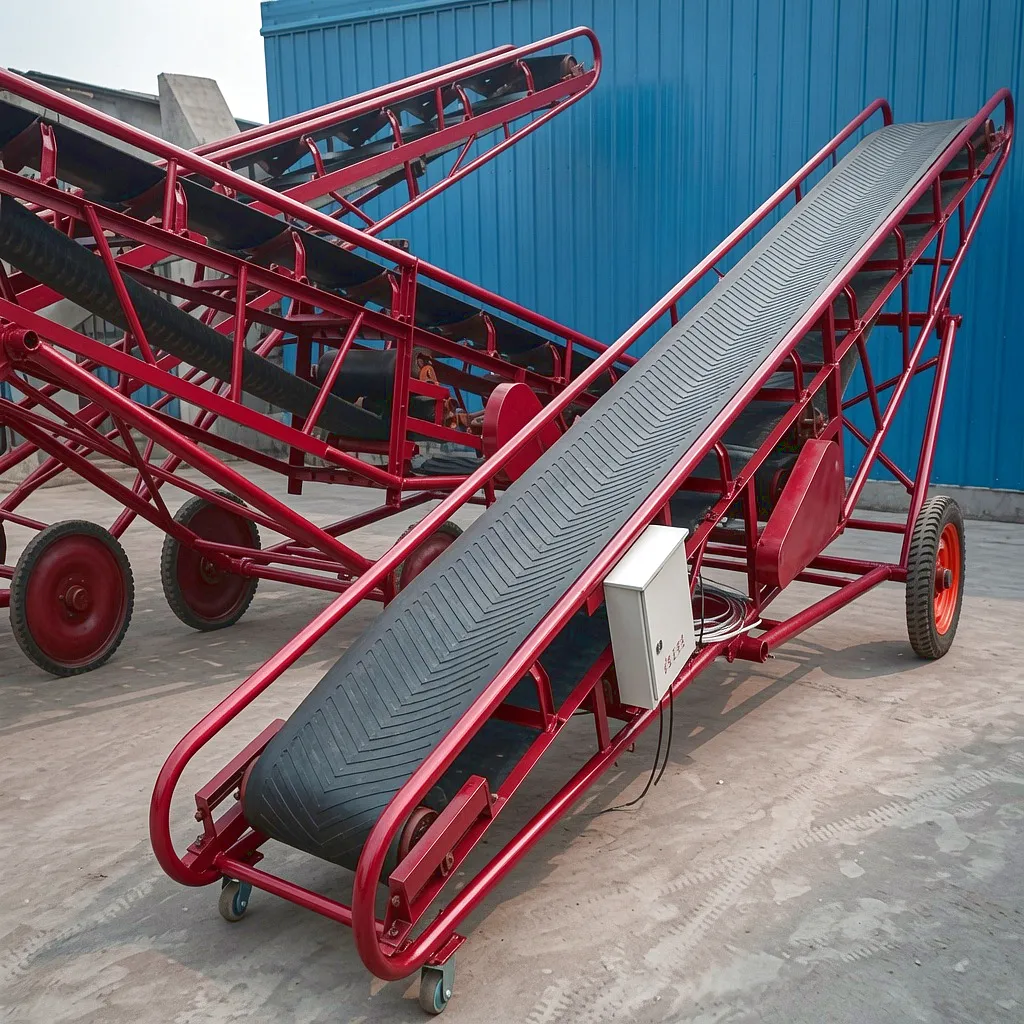 The most widespread deployment of the worm gear shaft is at the drive roller end of belt conveyor systems in warehousing, distribution, mining, and food processing. The reducer mounts directly onto the drive drum shaft — a configuration called a drum motor or flange-mount installation — and accepts the motor’s 1,450 r/min output, stepping it down to the 5–60 r/min needed to achieve belt surface speeds between 0.5 m/s and 3 m/s. This arrangement minimises torque reaction on the machine frame and eliminates the need for a separate coupling between reducer and drum. Amazon and Royal Mail distribution centres across the UK Midlands operate fleets of hundreds of these units simultaneously, making reliable worm gear shaft supply a logistics-critical procurement. Adding a VFD enables these systems to ramp up and down smoothly during surge periods, protecting belts from shock loading and extending service intervals across the entire conveyor fleet.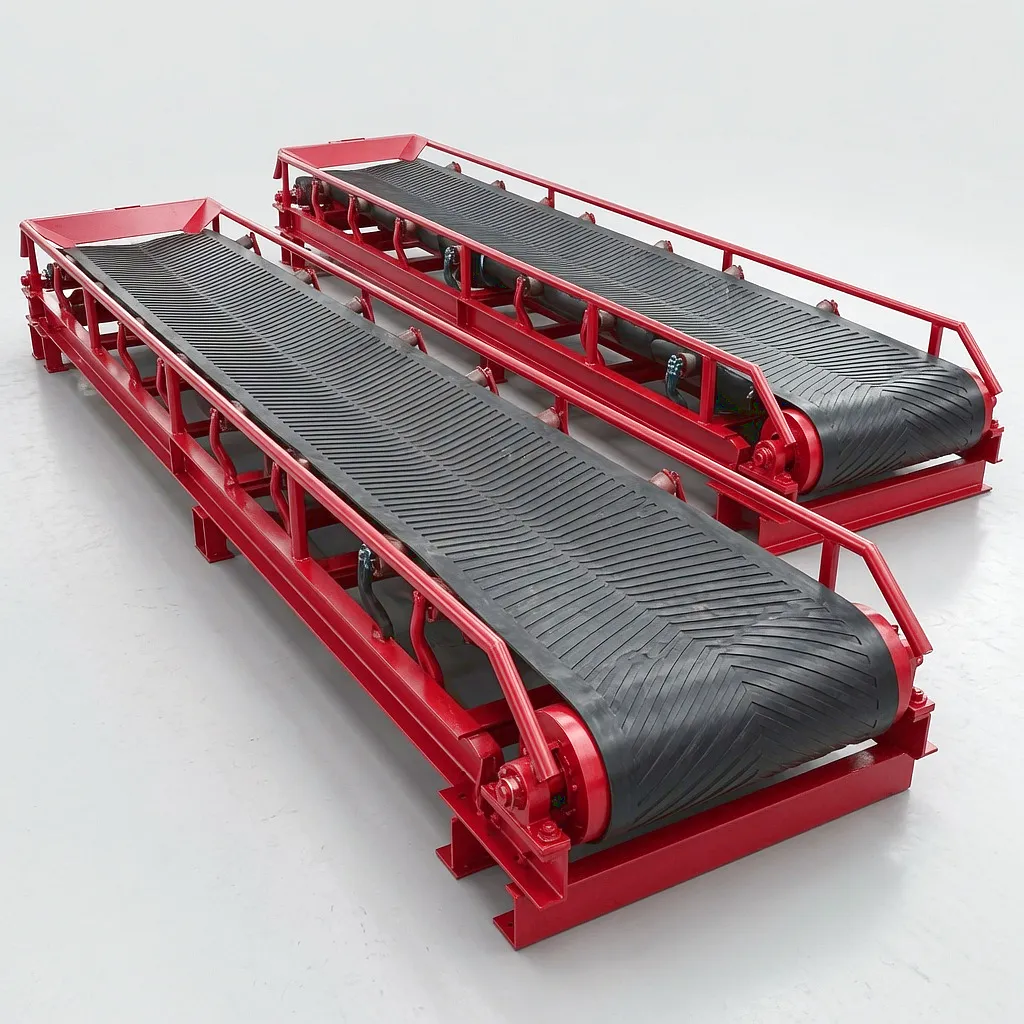
Packaging Machinery
Automatic weighers, form-fill-seal lines, and labelling machines across Yorkshire’s food and pharmaceutical packaging sector rely on compact WPA-series worm gear shaft units to index feeding screws and drive discharge conveyors at precisely controlled speeds. The inherent vibration-dampening quality of the worm mesh protects delicate product presentation and reduces seal defect rates on flexible packaging lines where millimetre-level consistency matters. Units can be specified with stainless-steel output flanges and food-grade lubricants to comply with FDA and BRC food hygiene standards commonly required by major UK retailers.
Material Lifting & Hoist Equipment
In Sheffield’s steel service centres, overhead cranes and jib hoist winches frequently use worm gear shaft reducers at ratios of 30:1 to 60:1, taking advantage of the self-locking feature to hold heavy coil stock at height without powered brakes. The same principle underpins stage rigging lifts in theatres and concert venues, vertical pipe gate actuators at North-East water treatment works, and car park barrier mechanisms. The compact envelope of a worm reducer fits inside the drum housing of a winch, keeping the mechanical footprint of the lift mechanism to a minimum while delivering the sustained torque needed to handle tonne-range loads reliably through tens of thousands of cycles per year.
Agricultural & Grain Handling
Grain augers, feed dispensers, and barn ventilation fan drives in East Anglian farming operations commonly use WPB-series worm gear shaft assemblies with sealed housings and dust-resistant bearings. The outdoor environment demands IP55 or better sealing to resist wind-blown grain dust and rain, making the WD series especially relevant for exposed installations. Agricultural buyers across Lincolnshire and Norfolk also favour the simplicity of worm reducers — a field mechanic can inspect and replace them without specialist tooling, which matters when the nearest engineering supplier may be thirty miles away and harvest windows are narrow.
Ever Power — Precision Worm Gear Shaft Manufacturing
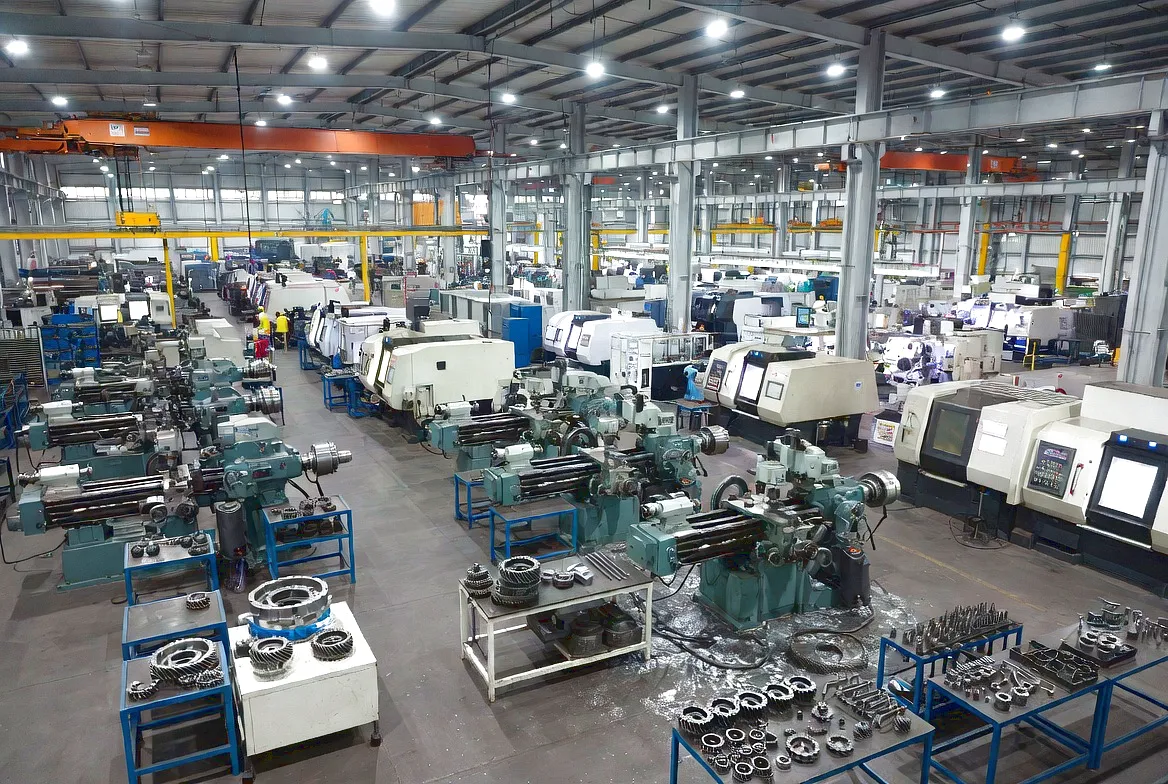
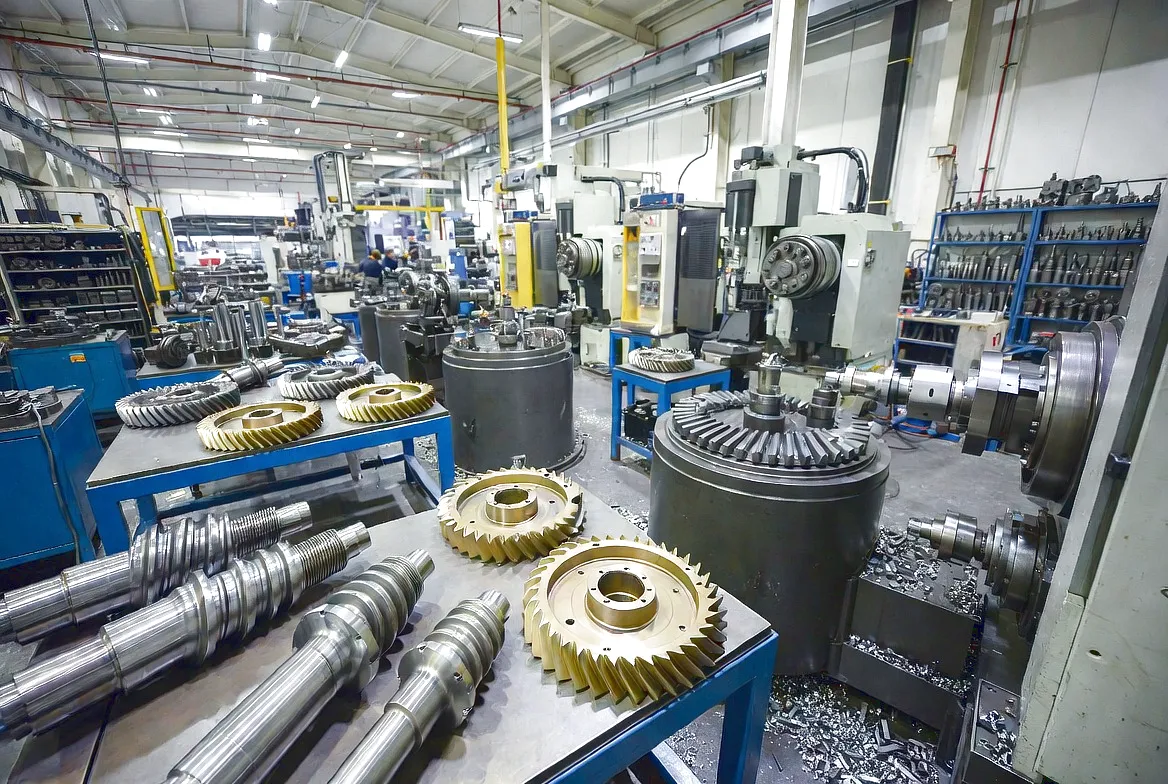
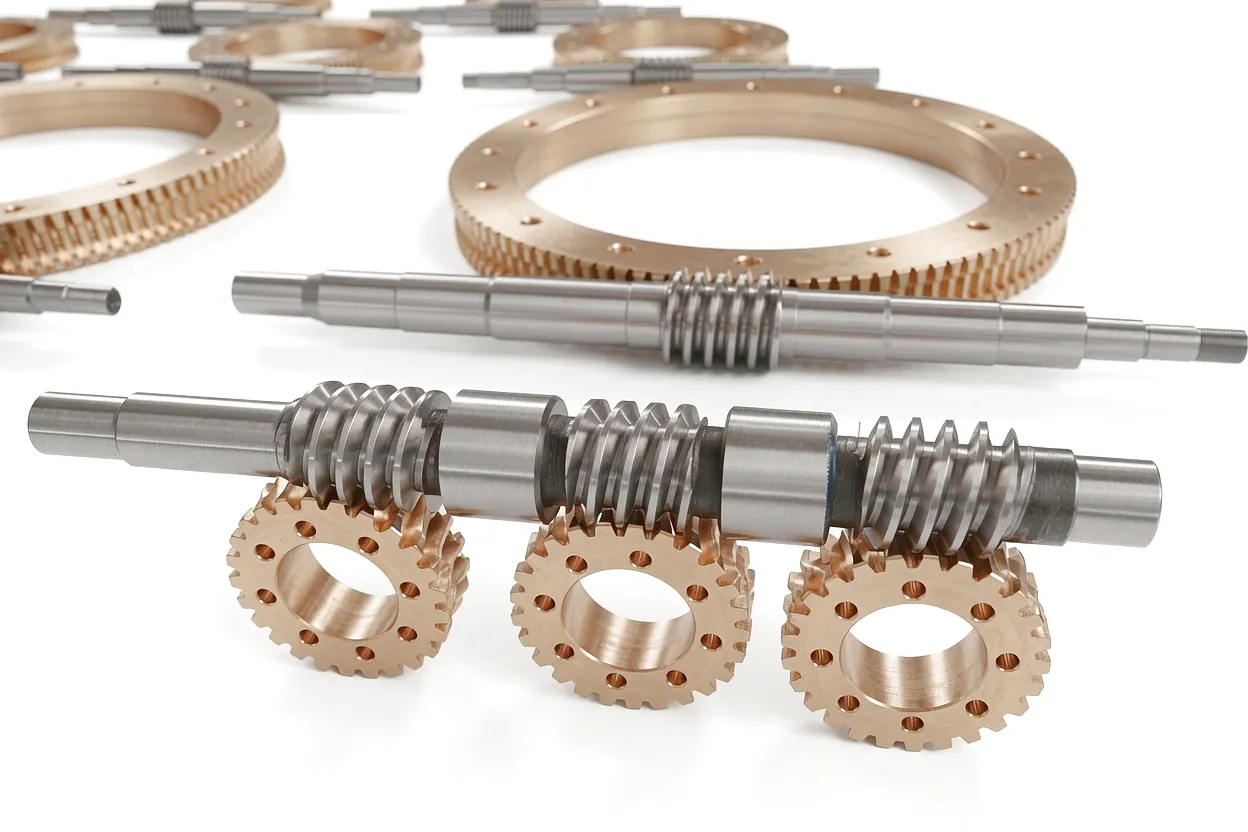
Ever Power has built its reputation as a specialist manufacturer of precision worm gear shaft assemblies through a combination of rigorous metallurgical control, advanced CNC grinding capability, and a customisation programme that goes far deeper than most catalogue suppliers can offer. With dedicated production lines for WPA, WPB, and WD series reducers, alongside a bespoke engineering team that can develop non-standard shaft geometries, housing configurations, and ratio combinations to order, Ever Power supports OEM machine builders and end-user plant engineering teams across Europe and beyond. Every worm gear shaft leaving the facility undergoes CMM dimensional verification, hardness testing on thread flanks, and a loaded run-in cycle to confirm bearing preload and oil seal integrity before despatch. Lead times on standard units start at five working days, with express DDP (Delivered Duty Paid) shipping to UK addresses available through established freight partnerships with daily departures.
Ever Power Customisation Capabilities
Ever Power Worm Gear Shaft — Product Range
Customer Success Story
Real-World Application · Sheffield, South Yorkshire
Thornfield Steel Components, Sheffield — Aggregate Conveyor Overhaul
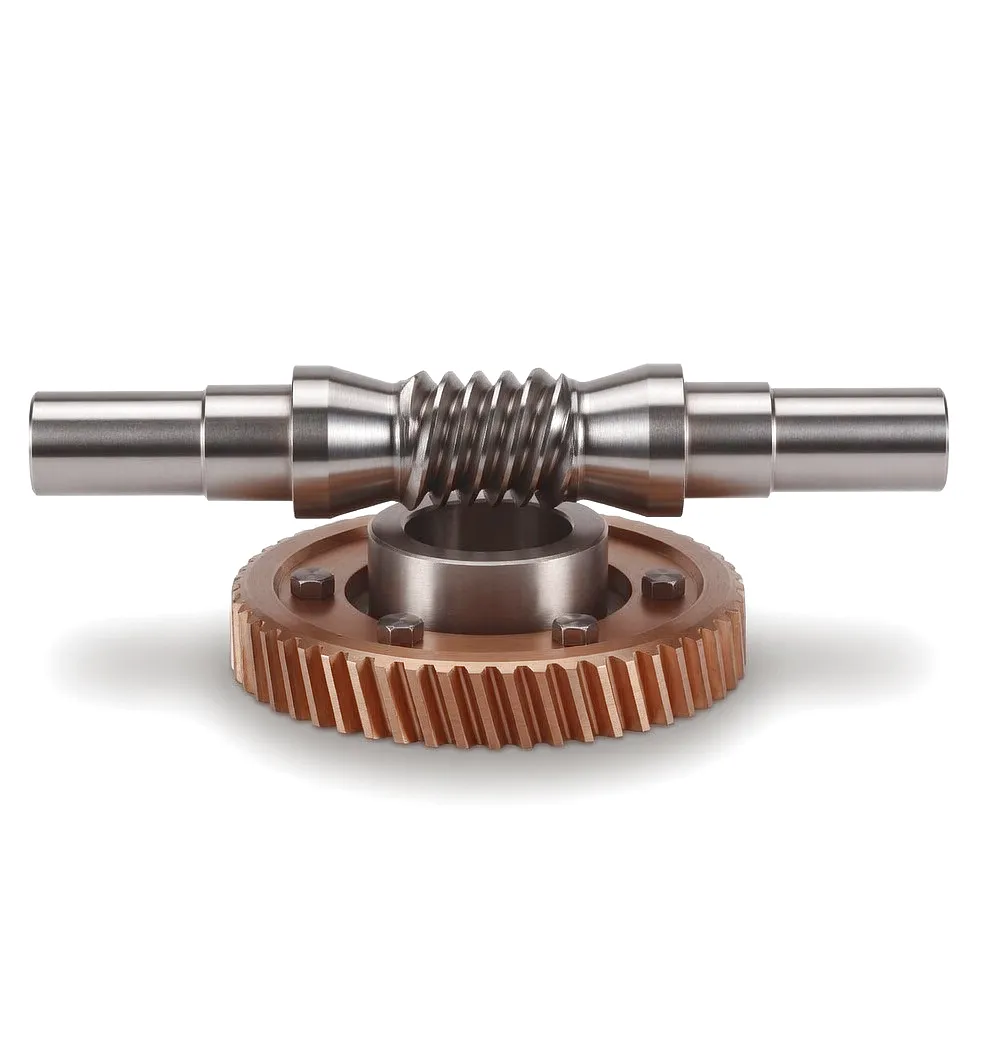 Thornfield Steel Components operates three continuous-feed conveyor lines in its Sheffield facility, moving cut-to-length steel bar stock between a CNC sawing cell and a shot-blast pre-treatment station. The original drive units — a competing make of gearbox sourced domestically — were exhibiting progressive bearing noise and oil weeping after approximately 14 months of three-shift, 24-hour operation. The maintenance team’s data showed an average MTBF (Mean Time Between Failures) of just 16 months, causing unplanned downtime of 4–6 hours per incident and disrupting delivery schedules to Tier 1 automotive customers in the Midlands.
Thornfield’s engineering manager contacted Ever Power after researching worm gear shaft suppliers capable of supplying WPB-100 series units with non-standard 45 mm hollow bore output shafts to match the existing drum shaft diameter — a modification the previous supplier had refused. Ever Power’s technical team turned around a confirmed engineering drawing within 48 hours and delivered a batch of six modified worm gear shaft assemblies to Sheffield within nine working days via DDP road freight, including full UKCA documentation and material certificates for each unit.
After twelve months of operation under the same three-shift loading pattern, none of the Ever Power units showed any of the bearing or sealing degradation that had plagued the original equipment. Thornfield’s maintenance records confirmed zero unplanned downtime attributable to gearbox failure during this period, and the plant manager estimated the productivity recovery at approximately £38,000 in avoided downtime costs over the first year alone. The facility has since standardised on Ever Power worm gear shaft units across all seven of its conveyor circuits, with a standing blanket order in place for annual replenishment.
What UK Customers Say About Ever Power
“We’ve had Ever Power’s WPB-80 worm gear shaft units running on our carton erector conveyors in our Leeds packaging plant for over eighteen months without a single replacement. The thread flank finish is noticeably smoother than what we had before, which shows up in reduced gearbox temperature at the end of a ten-hour shift. The non-standard hollow bore modification was completed exactly to drawing — no fuss, no rework required on our end.”
M. Cartwright
Maintenance Engineering Manager, Leeds Food Packaging
“Our aggregate screening plant in Birmingham needed a batch of twelve WD-series worm gear shaft units at 40:1 ratio with IP65 sealing — a combination that no UK catalogue supplier could fulfil off-the-shelf. Ever Power quoted within four hours, delivered on day twelve, and included material certificates tracing both the shaft steel and bronze wheel to mill source. The units have been running in our dusty outdoor environment for two seasons without a single seal failure. We’ll not be looking elsewhere.”
D. Okonkwo
Plant Director, West Midlands Quarry Operations, Birmingham
“As a machine builder supplying automated warehousing solutions to UK logistics operators, I need a worm gear shaft supplier that can commit to both the quality and the delivery window. Ever Power has consistently met a five-day ex-works lead time on repeat orders of WPA-63 units, and the dimensional consistency across batches means our assembly team doesn’t need to adjust bearing pre-loads from unit to unit. The pricing is genuinely competitive even after DDP freight, and the UKCA documentation arrives with every shipment without having to chase.”
R. Sutherland
Senior Design Engineer, Conveyor OEM, Manchester
Frequently Asked Questions
Worm Gear Shaft — UK Buyer & Engineer Questions Answered
Ready to Source Your Worm Gear Shaft?
Send your specification or drawing to Ever Power. Quotes returned within 4 hours. DDP delivery to any UK address. UKCA documentation included as standard.
✉ Get a Quote — [email protected]
edit by gzl