Ever Power — Precision Mechanical Transmission

Worm Gear Shaft: Engineering Principles, Materials, Applications & Why UK Industry Relies on Precision Reduction Drive

A technical deep-dive into worm gear shaft design, performance parameters, and real-world industrial applications — from Birmingham conveyor systems to Sheffield steel processing lines.

Worm gear shaft precision component

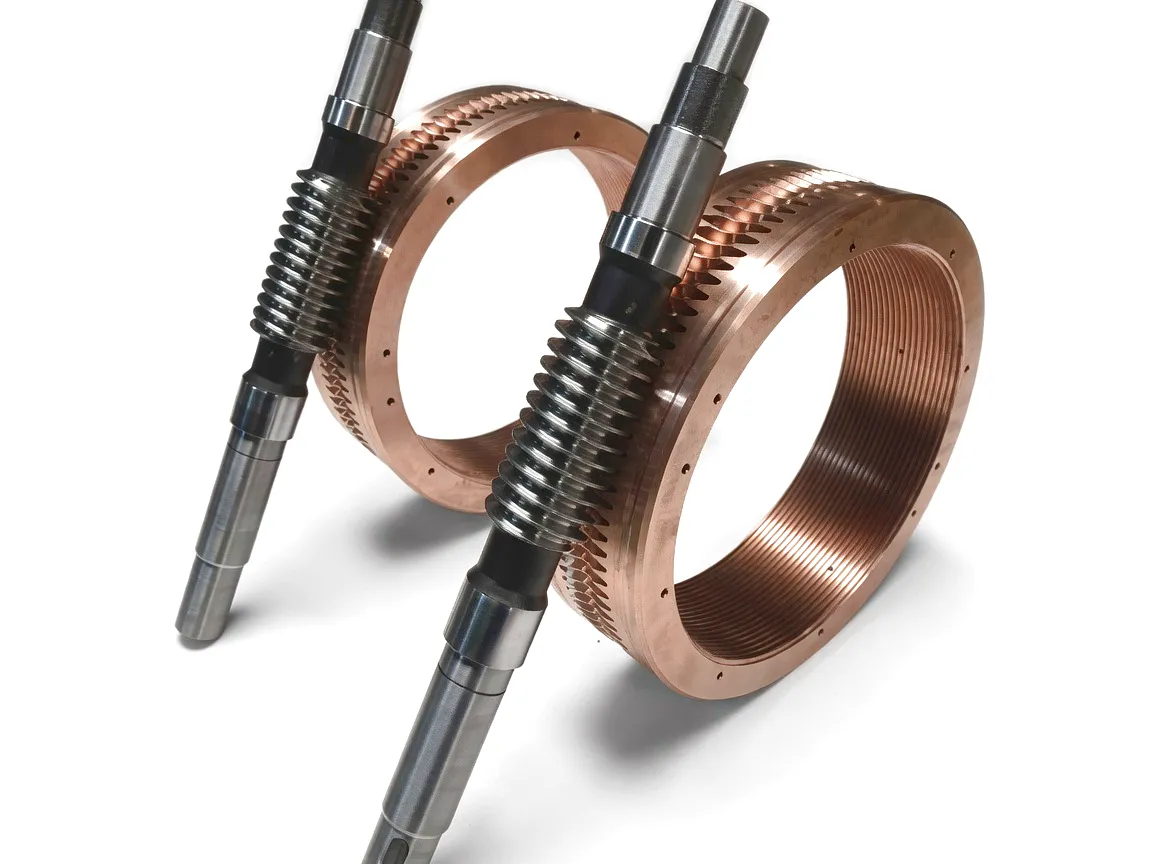
Mechanical power transmission sits at the heart of virtually every industrial process, and within that domain, the worm gear shaft occupies a uniquely demanding position. It is the central rotating element of a worm drive assembly — machined from high-grade steel or bronze alloy, helically threaded along its axis, and engineered to mesh with a worm wheel at a precise 90-degree offset. Unlike standard spur or helical gears that transfer torque between parallel shafts, the worm gear shaft enables right-angle power delivery with reduction ratios that can range from 5:1 all the way beyond 100:1 in a single stage. That combination of geometry and ratio makes it indispensable wherever a drive system must be compact, quiet, and capable of handling shock loads without backlash. Across the UK manufacturing belt — from the precision engineering workshops of Birmingham to the heavy fabrication facilities of Sheffield and the automated packaging lines of Leeds — the worm gear shaft is a component that professionals specify with care, because the consequences of getting it wrong are immediately visible in output quality, maintenance intervals, and ultimately in production uptime.

The worm gear shaft transmits torque through sliding contact rather than rolling contact, which means its surface finish, material hardness, and lubrication regime are far more consequential than they are for conventional gear trains. A poorly specified worm shaft will generate excess heat, wear prematurely, and introduce vibration that propagates through the entire driven mechanism. Conversely, a correctly engineered worm gear shaft running on a well-matched worm wheel delivers remarkably smooth, near-silent motion — a quality that makes it the preferred choice for elevator drives, stage machinery, food processing conveyors, and agricultural seed metering systems where noise and positional accuracy are both critical. Understanding the engineering behind this deceptively simple-looking component is the first step toward specifying it correctly for any industrial application.

How a Worm Gear Shaft Actually Works
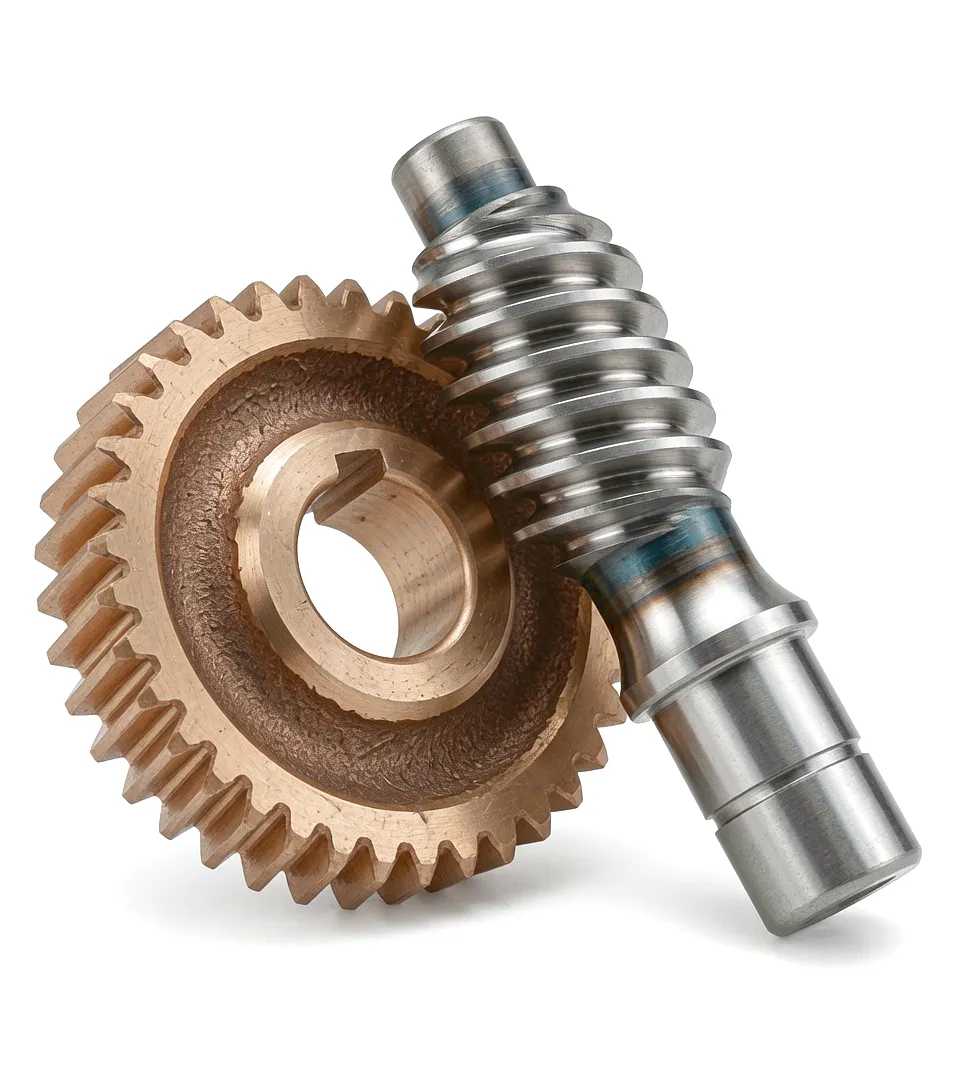
Worm shaft product variant 6The operating principle of a worm gear shaft is rooted in the geometry of a screw thread engaging with a toothed wheel. When the input motor rotates the worm shaft, the helical thread — which runs continuously along the shaft’s cylindrical body — bears against the teeth of the worm wheel. Because the contact angle is designed so that the thread wedges into the wheel teeth, each full rotation of the shaft advances the wheel by only one tooth (for a single-start worm) or by a defined multiple of teeth (for multi-start designs). The result is a dramatic speed reduction and a corresponding amplification of torque. A 30:1 reduction ratio means the output shaft turns once for every 30 revolutions of the input motor, delivering output torque that is — after accounting for friction losses — approximately 30 times the input torque.

One of the most operationally significant characteristics of a worm gear shaft drive is its inherent self-locking tendency. At reduction ratios above approximately 20:1, and with lead angles below about 5 degrees, the friction forces within the worm-wheel mesh are sufficient to prevent back-driving — meaning the output load cannot rotate the input shaft. This property is not merely convenient; in many applications such as hoist drives, precision seed dispensers, and positioning tables, self-locking is a fundamental safety requirement. The worm gear shaft achieves this without any additional mechanical brake or locking device, simplifying the overall system architecture considerably. The 90-degree shaft orientation further contributes to compact gearbox packaging, allowing designers to redirect power through tight corners of a machine frame without intermediate bevel stages.
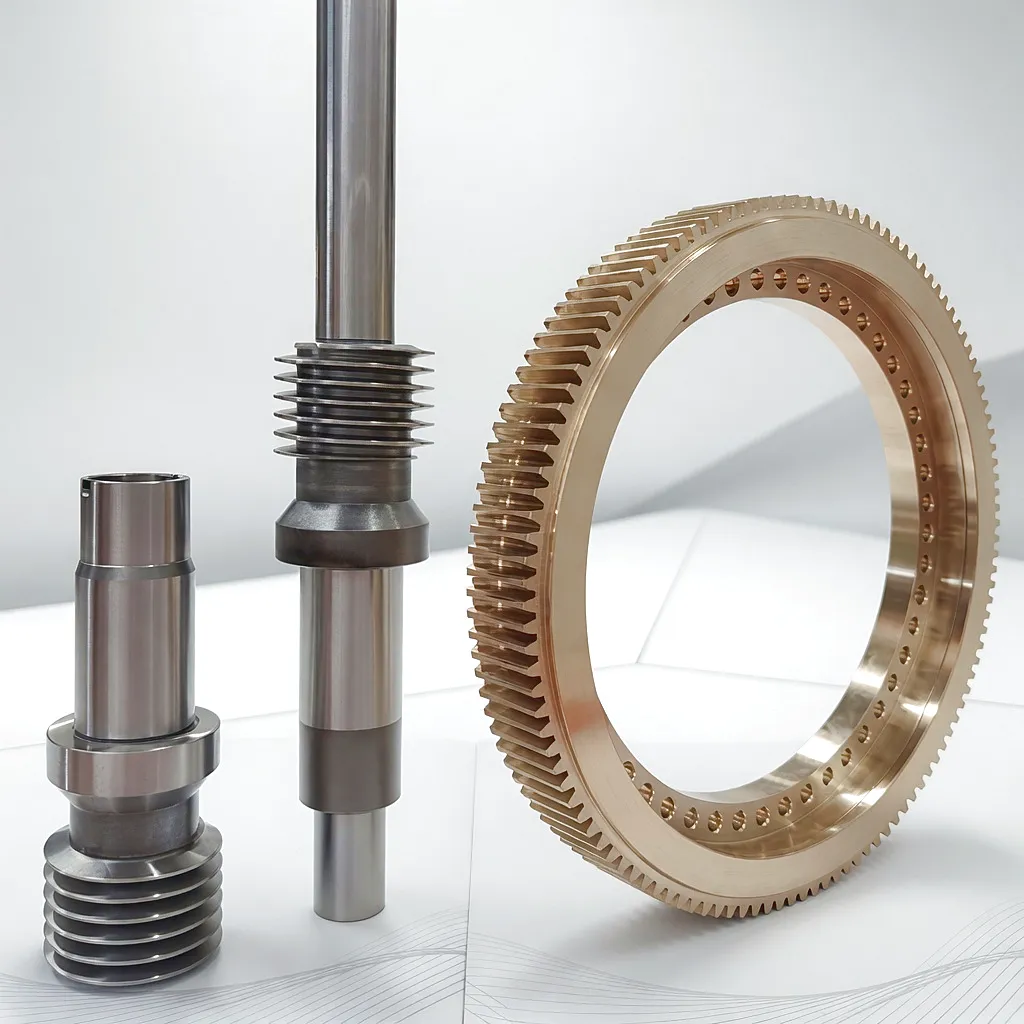
Worm shaft drive gear assembly close-up

The contact mechanics between the worm gear shaft and wheel are fundamentally different from involute gear meshing. Rather than pure rolling contact, the worm-wheel interface involves a combination of rolling and sliding — a distinction with major tribological implications. The sliding velocity can be several metres per second even at moderate shaft speeds, which generates substantial heat if the lubricant film breaks down. This is why the choice of gear oil viscosity, the worm shaft surface hardness, and the wheel material composition are not just engineering preferences but operational necessities that directly determine gearbox service life. In UK industrial environments where ambient temperatures can vary significantly between summer and winter, the thermal performance of the lubricant must be matched to the installation conditions — a consideration that experienced worm drive suppliers will address as part of their product specification service.

Efficiency in a worm drive depends heavily on the lead angle of the worm thread and the coefficient of friction at the mesh interface. Higher lead angles — achieved with multi-start worm threads — improve mechanical efficiency but reduce the self-locking effect. Single-start worm gear shafts with low lead angles typically achieve efficiencies of 50 to 70 percent, while four-start designs can reach 90 percent efficiency, approaching levels comparable to helical gears. The designer’s task is to balance these competing factors against the application’s actual requirements: a conveyor that simply needs to hold position under gravity loading benefits from the inherent locking of a single-start worm shaft drive, while a servo-controlled positioning stage demands the higher back-driveability and efficiency of a multi-start configuration.

Material Selection for Worm Gear Shafts

Case-Hardened Steel (20CrMnTi / 20CrMo)

The workhorse material for the worm shaft itself. After carburising and case hardening to 58–62 HRC surface hardness, followed by precision cylindrical grinding to achieve Ra 0.4–0.8 surface finish, this steel grade delivers the combination of surface wear resistance and core toughness needed for sustained high-load operation. Used extensively in gearboxes serving conveyor drives in Birmingham’s automotive supply chain facilities and heavy logistics sorting systems across the UK Midlands.

🔥

Alloy Steel 42CrMo4 (EN 19)

Through-hardened to 28–32 HRC and surface-induction hardened for applications demanding deep core strength alongside surface hardness. This grade absorbs shock loading without crack propagation — critical in Sheffield’s steel rolling mills where worm gear shafts in manipulator drives experience sudden torque spikes as billets enter the roll gap. The chromium-molybdenum alloy content provides excellent fatigue resistance under cyclic bending loads.

Stainless Steel 316L / 17-4PH

Specified where hygiene and corrosion resistance outrank raw mechanical performance — food processing lines in Yorkshire, pharmaceutical packaging equipment in the Golden Triangle, and marine deck machinery serving UK coastal installations. 316L provides adequate strength with outstanding chloride resistance; precipitation-hardened 17-4PH delivers substantially higher tensile strength (up to 1100 MPa) for demanding wash-down environments.

👑

Bronze & Phosphor Bronze (CW453K)

Used for the worm wheel rather than the shaft itself, but material pairing is inseparable from worm gear shaft specification. Centrifugally cast phosphor bronze, with tin content between 8 and 12 percent, provides the ideal tribological partner for a hardened steel worm shaft. The bronze’s lower hardness means preferential wear occurs on the wheel — the replaceable, lower-cost element — while the worm shaft maintains its accuracy through thousands of operating hours.
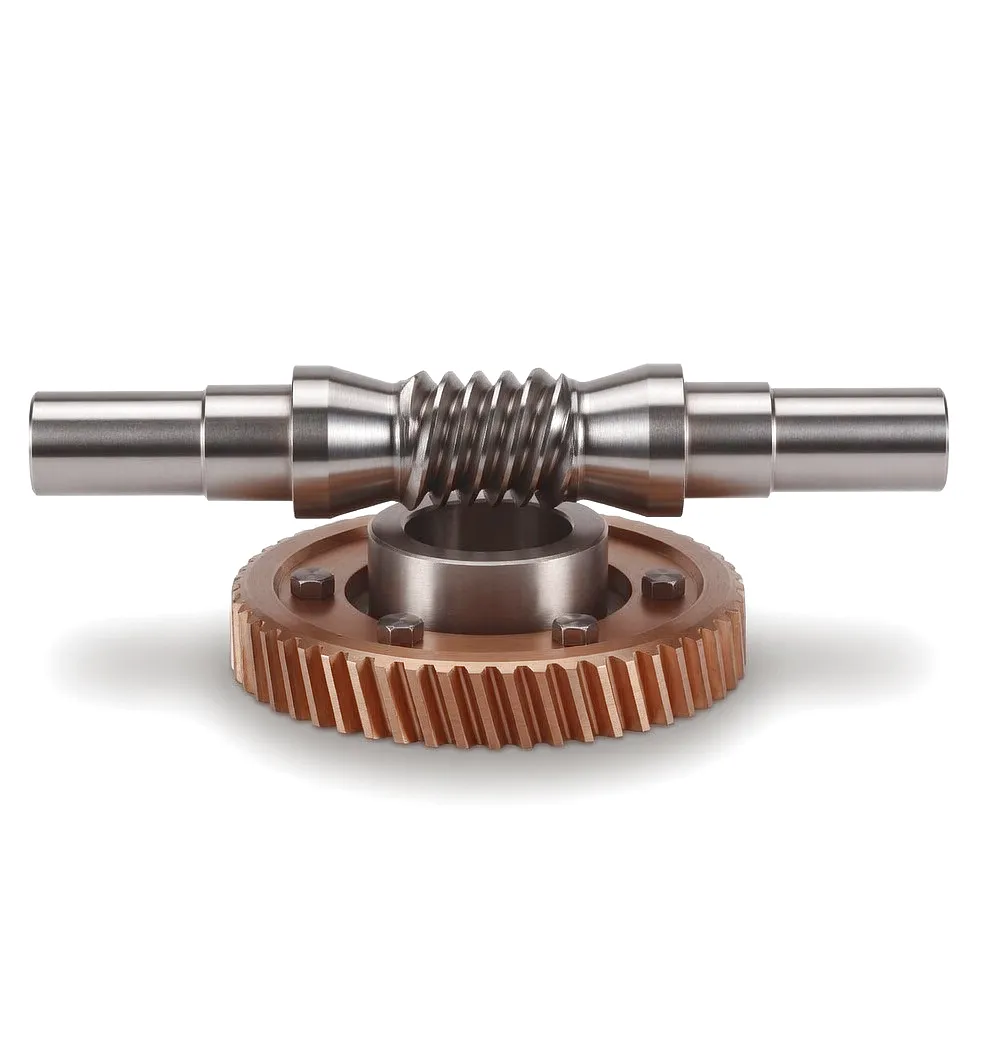
Precision machined worm shaft surface finish

Surface treatment after machining is as important as the base material choice. For steel worm gear shafts operating in outdoor environments or aggressive industrial atmospheres — common in the chemical processing corridors of Teesside or the paper mills of Scotland — phosphate coating, hard chrome plating, or DLC (diamond-like carbon) physical vapour deposition treatments extend corrosion resistance and reduce running-in wear during the critical first hours of operation. Ever Power’s metallurgical team evaluates each application individually, selecting the surface treatment that best serves the operating environment rather than defaulting to a one-size-fits-all approach.

The thermal expansion behaviour of the chosen material also deserves attention during design. Steel worm shafts operating at elevated temperatures in gearboxes with high duty cycles expand axially, requiring carefully specified bearing arrangements — typically a fixed-floating configuration — that accommodate this thermal growth without inducing additional preload on the worm shaft bearings. Neglecting this in the design phase results in premature bearing failure that is often misdiagnosed as a lubrication problem, leading to repeat maintenance without resolving the root cause.

Technical Performance Parameters

ParameterStandard RangeHigh-Performance RangeNotes
Reduction Ratio (i)5:1 to 60:1Up to 100:1 (single stage)Multi-stage up to 3600:1
Output Torque10 Nm to 5,000 NmUp to 50,000 Nm customDepends on centre distance
Shaft Offset Angle90 degrees (standard)45 degrees / 60 degrees customCustom geometry available
Input Speed (RPM)750 to 1,500 RPMUp to 3,000 RPMHigher speeds need cooling
Mechanical Efficiency50% to 75%75% to 92% (multi-start)Improved with bronze wheel
Shaft Diameter12 mm to 80 mmUp to 200 mm customHollow bore option available
Centre Distance25 mm to 200 mmUp to 400 mmDIN 3975 / ISO 1459 standard
Worm Shaft Material20CrMnTi / 42CrMo417-4PH / M2 Tool SteelSS 316L for hygiene apps
Surface Hardness (shaft)58 to 62 HRCUp to 64 HRC with DLCRa 0.4 surface finish post-grind
Self-Locking ConditionLead angle below 5 degreesRatio above 20:1 typicalVerify under dynamic loads
Operating Temperature-20 C to +80 C-40 C to +120 C (synthetic oil)Cooling fan option above 80 C
IP ProtectionIP54 (standard housing)IP65 to IP67 (custom seals)Wash-down grade available
Number of Starts1 or 2 (standard)3 or 4 (high efficiency)More starts = higher efficiency
Backlash6 to 20 arc-minutes (std)Below 3 arc-minutes (precision)Lapped finish for low-backlash

Core Technical Advantages

Why engineers across the UK and globally specify worm gear shaft drives over competing reduction technologies

📈

High Single-Stage Reduction Ratio

Where a helical gearbox requires two or three stages to achieve a 40:1 ratio, a worm gear shaft drive achieves the same in a single compact housing. This reduces component count, eliminates intermediate shaft bearings, cuts assembly cost, and shrinks the overall gearbox envelope — a significant advantage in machine designs where every millimetre of space has a value.

🔔

Low Noise and Smooth Motion

The sliding contact in worm gear shaft meshes inherently damps shock loads and suppresses the harmonic noise components that afflict spur gear transmissions. Well-lubricated worm drives in good condition typically operate below 65 dB(A) — a level that makes them appropriate for stage machinery, medical lifting equipment, and office automation where acoustic environment matters.

🔒

Self-Locking Without Additional Brakes

At appropriate lead angles, the worm gear shaft drive prevents back-driving entirely through friction geometry. Hoists, automatic door operators, solar panel tracking drives, and precision seed dispensers all exploit this characteristic to eliminate the cost, weight, and maintenance burden of a separate electromagnetic brake — while meeting safety standards for load holding.

🔍

Right-Angle Drive in a Compact Envelope

The 90-degree shaft relationship is a fundamental geometric advantage in machine design. It allows motor and load to be oriented perpendicularly, freeing up linear space along the drive axis and enabling machine layouts that would be mechanically impossible with inline helical or planetary reducers. Corner drives on conveyor systems, gate actuators, and textile loom drives all benefit from this geometry.

🏆

Shock Load Absorption

The distributed contact area across the worm-wheel mesh — far greater than the line contact of a spur gear pair — gives worm gear shaft drives an innate ability to absorb sudden load transients without tooth fracture. This makes them the natural choice for applications involving intermittent heavy loading: refuse collection vehicle tailgates, agricultural machinery power take-off drives, and industrial valve actuators.

🔣

Customisable Geometry and Shaft Configuration

Modern CNC thread grinding and turning centres allow worm gear shafts to be produced with hollow bores, flanged ends, stepped diameters, integral keyways, and non-standard centre distances without the per-part tooling costs that would apply to forged or cast designs. This makes true custom engineering economically viable even at moderate batch sizes — typically 10 pieces or more at Ever Power’s facility.

Industrial Application Scenarios

Where worm gear shaft drives deliver measurable value across UK and global industry sectors
Conveyor system with worm gear reduction

Conveyor and Materials Handling — UK Logistics Sector

Distribution centres operating across the East Midlands corridor, from Northampton’s logistics hubs to the Coventry Gateway facility, routinely specify worm gear shaft drives for their zero-backlash incline conveyor head drives and accumulation table corner transfers. The self-locking characteristic prevents runback on inclines when a motor trips, eliminating the need for separate motorised holding brakes on emergency-stop-capable conveyors. A standard centre distance 100 mm worm gearbox with a 40:1 ratio driving a 75 mm shaft is a near-universal solution for belt conveyor drives up to 7.5 kW in this environment.

Food processing packaging line drive

Food Processing and Packaging — Hygiene-Critical Environments

Yorkshire and Lincolnshire are home to a dense concentration of UK food and drink manufacturing, from bakery lines in Bradford to poultry processing in Lincoln. These environments demand worm gear shaft drives built from 316L stainless steel, sealed to IP65 minimum, lubricated with NSF H1 food-grade oil, and designed with smooth external surfaces free of thread-form recesses that could harbour contamination. The smooth continuous motion of a worm gear shaft drive — free of the cyclic velocity fluctuation of a chain-and-sprocket system — also reduces product vibration on delicate packaging lines, improving seal quality at high throughput rates.

Precision agricultural seed metering drive

Precision Agriculture — Seed Metering Drive Systems

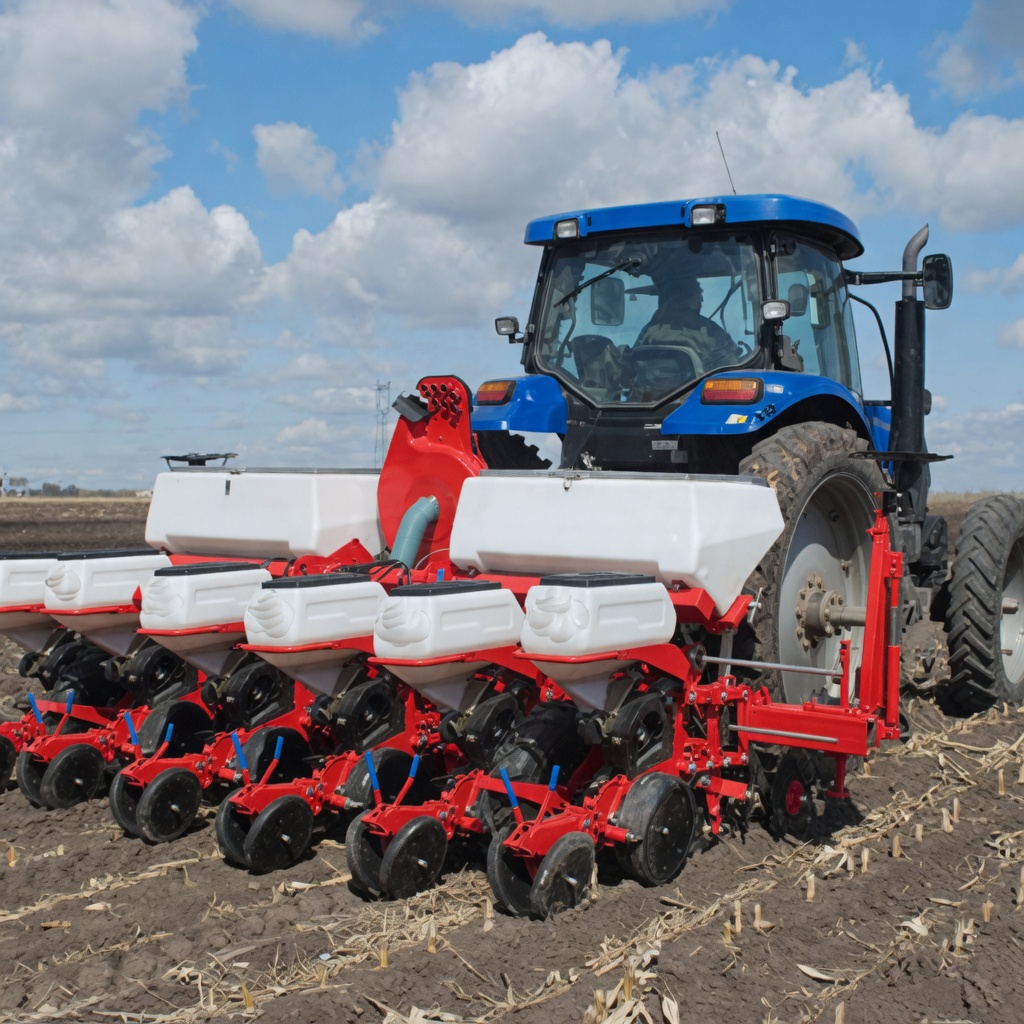
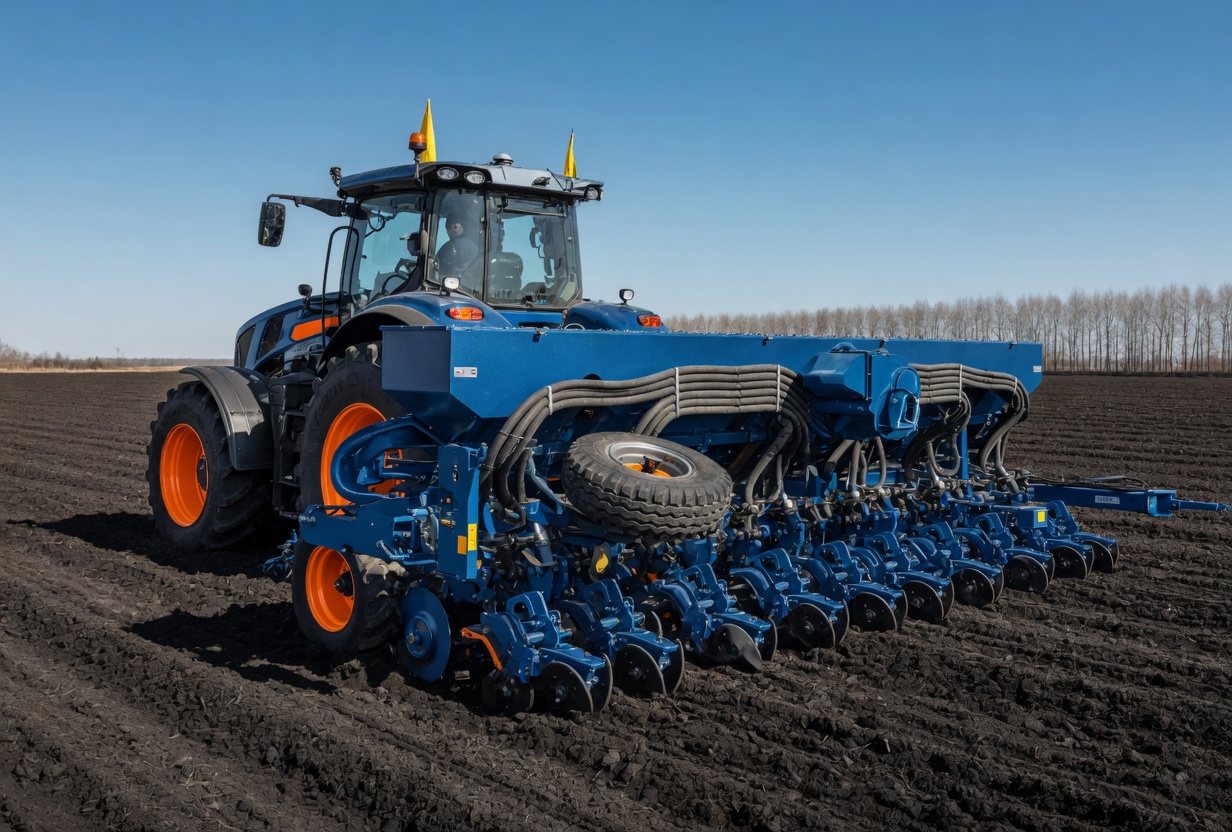
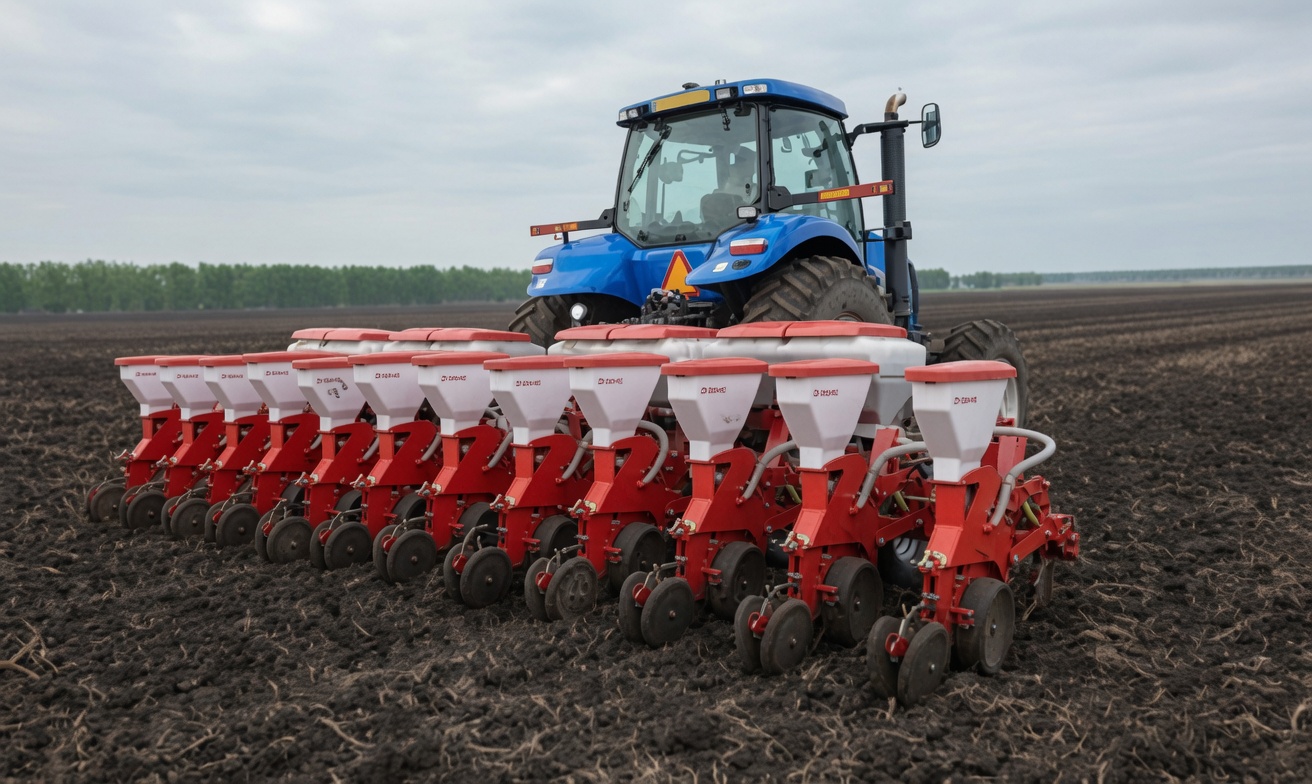
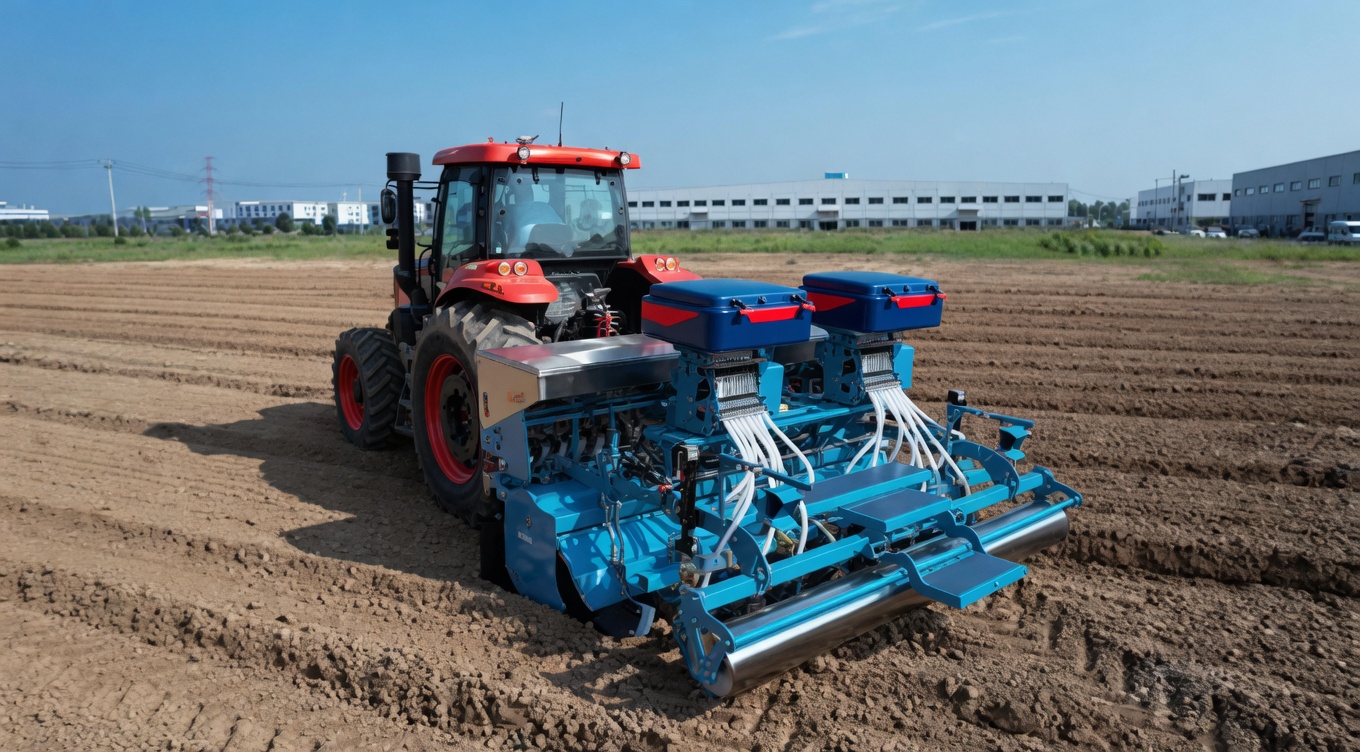
Precision single-seed planters for maize, soybean, and sugar beet — widely used across the arable farmland of East Anglia and Lincolnshire — use worm gear shaft reducers in their seed metering drives. The ground wheel’s rotation is transmitted through a worm gear shaft assembly with a transmission ratio of 20:1 to 30:1, driving the seed disc at a speed precisely synchronised to forward travel. With typical seeding spacings of 25 to 40 cm per seed, each seed disc rotation must deposit exactly one seed per cell — a task where the worm gear shaft’s self-locking feature is critical, immediately arresting disc rotation the instant the machine stops to prevent inertia-driven double-seeding. This is a zero-tolerance application, and the dimensional consistency of the worm shaft threads is a direct determinant of planting accuracy and final crop yield.

Industrial gate valve actuator worm drive

Industrial Valve Actuation — Water, Oil and Gas Infrastructure

Gate and ball valve actuators on water utility pipework across Yorkshire Water’s distribution network and National Grid’s gas transmission infrastructure rely on worm gear shaft drives to provide the combination of high torque output, compact quarter-turn actuation geometry, and inherent position-holding under line pressure. Actuator gearboxes in these applications must pass rigorous performance testing in accordance with BS EN ISO 5210 and EN 15714 standards — documents that specifically address worm gear shaft dimensional tolerances, sealing integrity, and torque certification. The high reduction ratios available in a single-stage worm gear shaft drive allow relatively small electric motors to actuate very large-diameter valves, which directly reduces the cost and complexity of the actuator’s electrical installation.

Lift Drives, Stage Machinery and Renewable Energy
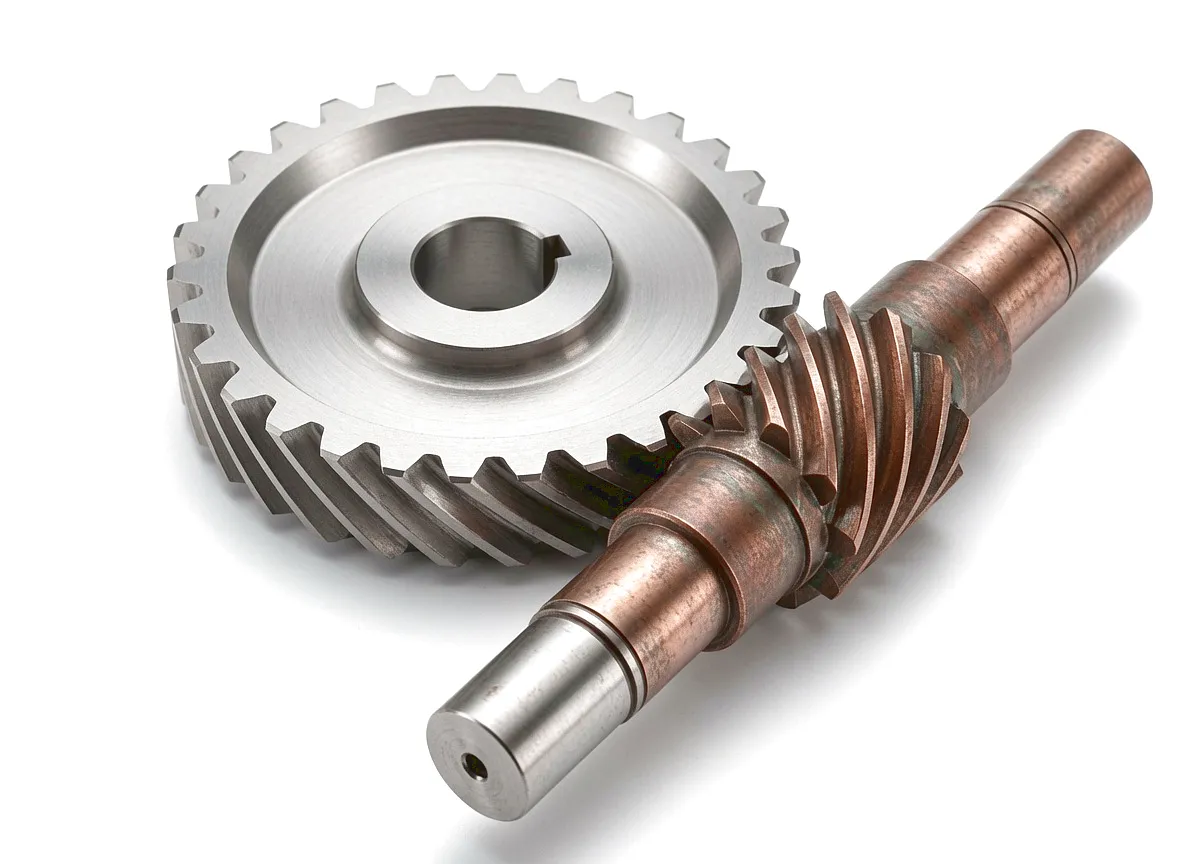
Worm gear shaft for lift elevator drive

The lift industry has depended on worm gear shaft drives since the earliest days of electric traction elevators, and the technology remains the dominant choice for low-to-medium speed passenger and goods lifts across the UK’s commercial and residential building stock. In a geared traction machine, the worm shaft is driven by a flanged AC motor at 1,450 RPM and reduces that speed to the 40–100 RPM range required for the sheave shaft, delivering the smooth, progressive acceleration characteristic that passenger comfort requires. The worm gear shaft’s self-locking behaviour also serves as a primary safety feature — preventing the car from descending under load in the event of a motor or brake failure, a characteristic directly evaluated by UK lift inspection authorities operating under the Lifting Operations and Lifting Equipment Regulations 1998 (LOLER).

Solar photovoltaic and concentrated solar tracking systems represent a growing application area for worm gear shaft drives in the UK’s expanding renewable energy sector. Single-axis and dual-axis solar tracker drives require a drive that can hold panel position precisely against wind loads without continuous power, can operate reliably through the full UK ambient temperature range from -15 C in Scottish highland winters to +45 C during summer heat events, and can be economically serviced by non-specialist maintenance crews. Worm gear shaft drives satisfy all three criteria while providing the high reduction ratios needed to gear down small, fast stepper or servo motors to the very slow output angular velocity of a tracker drive — typically just a few degrees of rotation per hour.

Stage machinery in theatres across the West End, the Barbican, and the National Theatre complex employs worm gear shaft drives in fly system and revolve drives where absolute positional reliability — combined with low acoustic signature — is non-negotiable. The ability to design a system where the worm gear shaft and wheel serve as the sole position-holding mechanism, with the drive motor switched off between cue points, eliminates the hum of energised brakes that would be audible to audiences in acoustically sensitive venues.

Ever Power — Custom Worm Gear Shaft Manufacturing

Precision-manufactured to your specification, backed by verified process controls and full material traceability
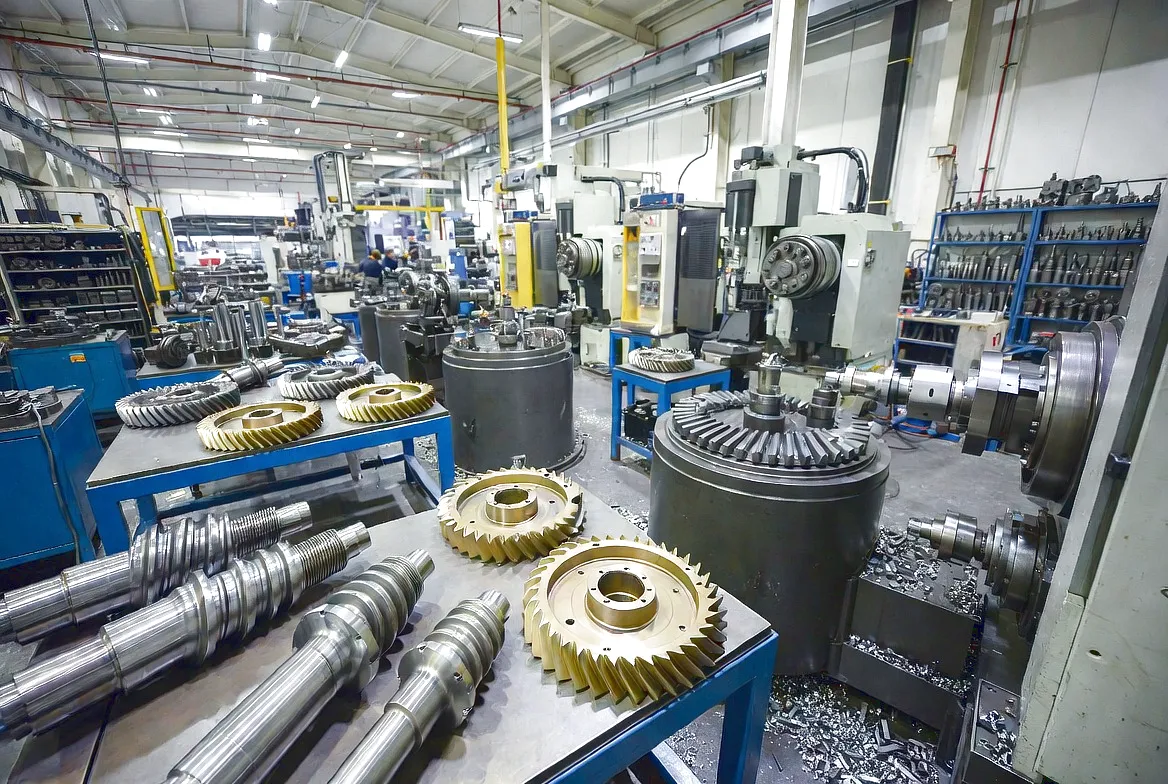
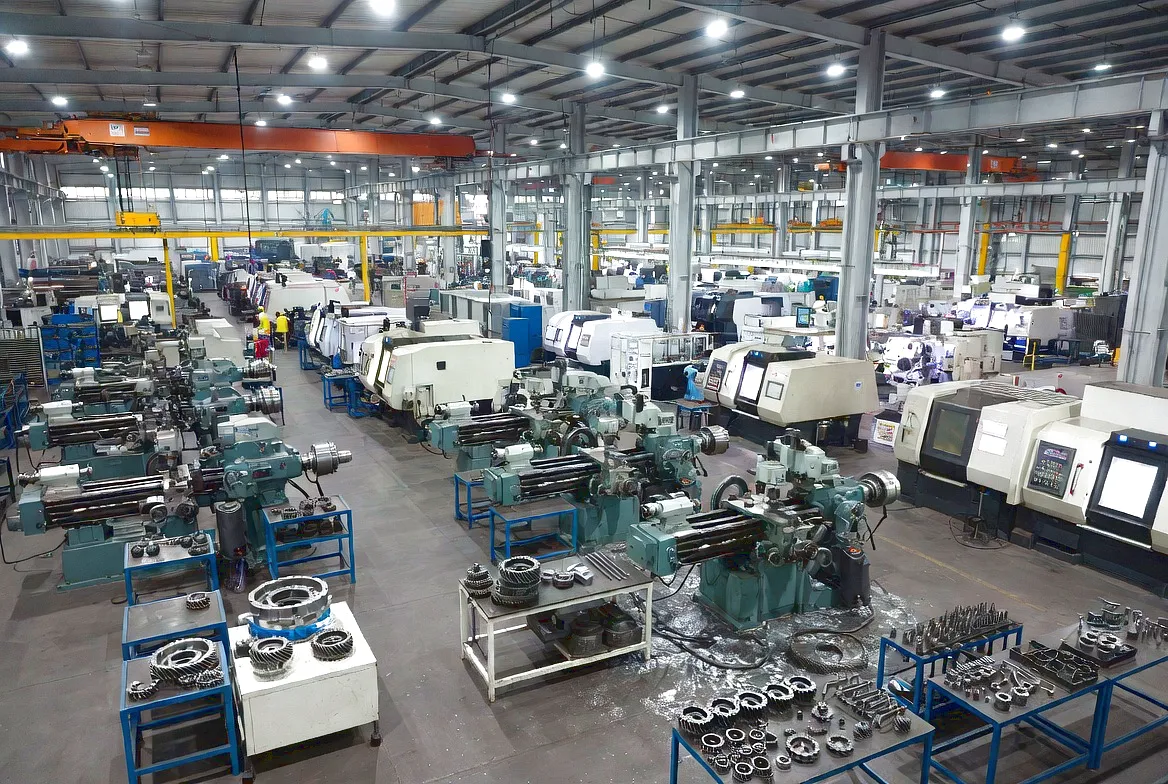
Ever Power worm gear shaft manufacturing workshop

Ever Power operates a dedicated worm gear shaft production line equipped with Reishauer and Klingelnberg CNC thread grinding machines capable of holding thread form tolerances to DIN 3974 Quality 6 on shaft diameters from 12 mm through 200 mm. Each worm gear shaft batch begins with certified mill test reports on the raw bar stock, followed by roughing on CNC turning centres, case carburising or induction hardening in a controlled atmosphere furnace, and precision thread grinding after hardness verification. The final inspection stage uses Zeiss CMM measurement against a fully parameterised digital model, generating a dimensional report that ships with each order as standard documentation.

Ever Power’s customisation capabilities extend well beyond standard catalogue dimensions. The technical team can develop worm gear shaft solutions incorporating hollow through-bores for media passage, integral flanged ends for direct coupling to motor faces, non-standard centre distances to replace life-expired OEM components where original tooling no longer exists, and special thread forms to accommodate specific wheel geometry inherited from existing gearbox housings. For UK customers who need rapid delivery without sacrificing dimensional accuracy, Ever Power holds strategic semi-finished stock of the most common steel grades, allowing express five-day delivery of customised shafts where the customer’s design review cycle can accommodate that timeline.

The company’s supply chain infrastructure includes dedicated UK freight forwarding partnerships that deliver door-to-door in three to five working days from factory despatch — a schedule compatible with most engineering project programmes when components are ordered at the correct point in the design-to-manufacture timeline. Ever Power’s sales engineers are available for technical consultation via email or video call, providing gear geometry calculations, material comparison data, and drawing review services as part of the quotation process, with no obligation on either side.

Ever Power precision CNC machining worm shaft

The production facility’s quality management system operates under AS 9100 and ISO 9001:2015 certification, with documented process controls at every stage from incoming material inspection through final functional testing. Worm gear shafts destined for CE-marked gearbox assemblies are accompanied by Declaration of Incorporation documentation and material certifications compliant with the Machinery Directive 2006/42/EC — the regulatory framework that governs machinery placed on the UK market under the post-Brexit Product Safety framework. Ever Power’s compliance team maintains current awareness of UK and EU machinery regulations, ensuring that export documentation correctly reflects the applicable conformity assessment route for each destination market.

For design engineers working in regulated industries — medical devices, food processing equipment, offshore machinery — Ever Power offers a PPAP (Production Part Approval Process) service that provides First Article Inspection Reports (FAIR), Process Capability data (Cpk analysis), and Control Plans aligned to IATF 16949 methodology. This level of documented process capability is increasingly required by tier-one UK manufacturers as a condition of supplier qualification, and Ever Power is one of a small number of worm gear shaft manufacturers capable of delivering this documentation as a standard commercial offering rather than a bespoke service.

Ready to specify your worm gear shaft? Our engineers are waiting.

📧 Request a Custom Quote — [email protected]

Customer Success Story — Sheffield Steel Processing
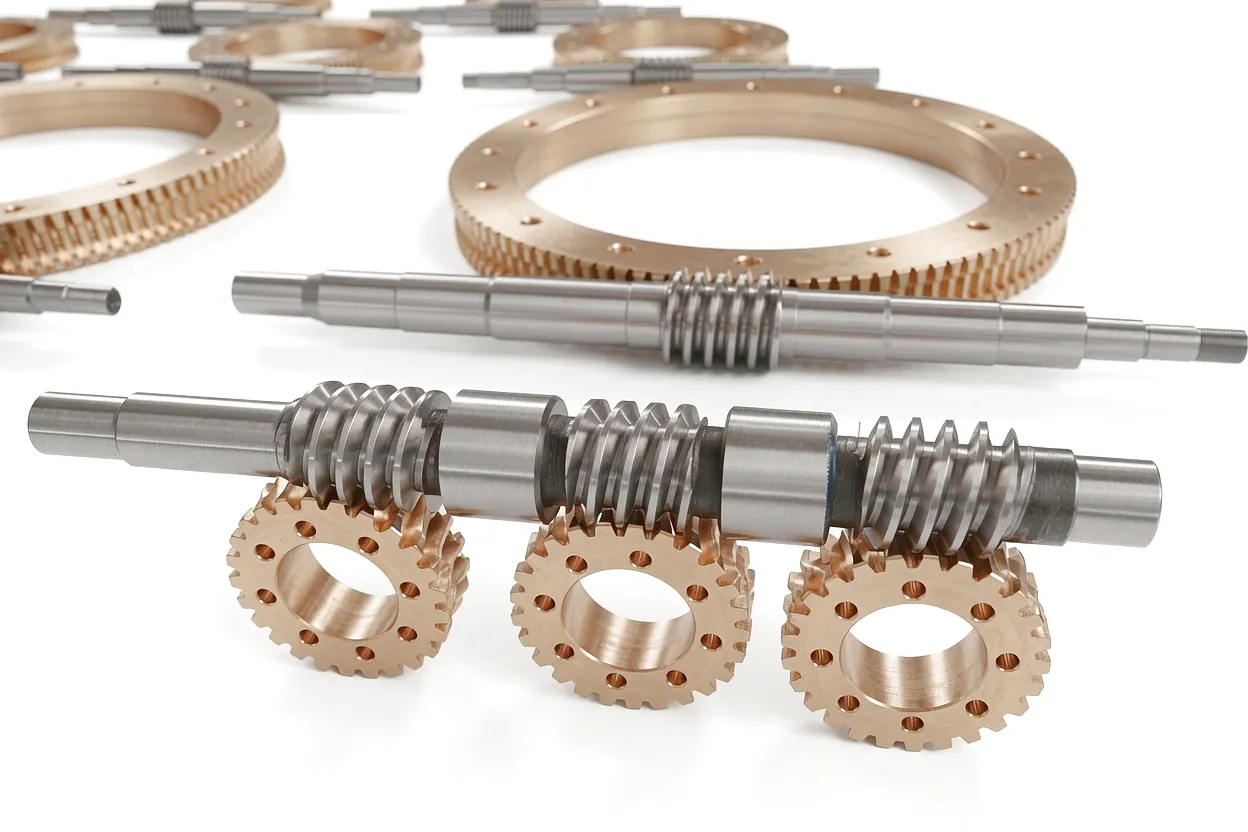
Case Study

Axle Turnover Manipulator Gearbox Retrofit — Sheffield, South Yorkshire

18
months problem-free
63%
reduction in downtime
5 days
from order to delivery

A medium-sized steel bar processing facility near the Lower Don Valley in Sheffield was experiencing recurring gearbox failures on the worm drive assemblies of their axle blank turnover manipulators — the mechanisms that rotate 180 kg steel forgings between machining stations. The existing worm gear shafts, sourced from a European catalogue supplier, were specified as standard 42CrMo4 through-hardened components with a nominal surface hardness of 30 HRC. Under the shock loading of manipulator reversal — where the drive momentarily absorbed the kinetic energy of a rotating forging — the shafts were developing surface pitting at the thread roots after approximately nine months of service, requiring complete gearbox replacement and generating an average of 14 hours unplanned downtime per quarter across the three manipulator stations.

Ever Power’s technical team reviewed the application data — cycle frequency, peak torque estimates from the motor current records, and the surface condition photographs provided by the maintenance manager — and recommended a direct replacement worm gear shaft manufactured from 20CrMnTi case-hardened steel, carburised to 1.2 mm case depth and ground to 60 HRC surface hardness at Ra 0.4 surface finish. The DIN 3975 Quality 7 thread form was maintained to ensure drop-in compatibility with the existing housing and bronze wheel, allowing the upgrade to be implemented during a scheduled two-hour maintenance window without any housing modification.

The initial batch of six replacement worm gear shafts was delivered five working days after purchase order receipt. After eighteen months of continuous operation, the replacement shafts showed no measurable thread wear when gauged during a scheduled annual inspection — a result that the maintenance team attributed to the improved surface hardness and the change from mineral to synthetic PAO gear oil recommended by Ever Power’s application engineers as part of the technical support package.

Worm shaft product variant 5

What Our Customers Say

★★★★★

“We had tried two other suppliers before Ever Power. The thread form on those shafts was nominally correct but the surface finish clearly came off a machine that had not been dressed recently. Ever Power’s shafts arrived with a surface finish certificate attached and the difference in mesh quality was immediately apparent during run-in. We have had zero unplanned downtime on the manipulators in eighteen months.”

D.H., Maintenance Manager — Steel Forging Facility, Sheffield

★★★★★

“The custom centre distance was the critical issue for us — we needed a 78 mm centre distance to fit an existing housing that dated from the 1990s and for which no catalogue solution existed. Ever Power produced the worm gear shaft to our supplied drawing, provided a full dimensional inspection report, and delivered within the lead time promised at the quotation stage. The shaft has been running in our food packaging line for fourteen months without any issue.”

R.M., Design Engineer — Packaging Equipment OEM, Leeds

★★★★★

“We requested a price for 50 worm gear shaft assemblies for a solar tracker project in the Scottish Borders — a non-standard module pitch to match our wheel design. Ever Power came back with a quote in 48 hours, included a sample piece for dimensional verification within four days, and delivered the production batch on schedule. The price was competitive with catalogue alternatives even for a custom part. We have qualified them as a preferred supplier.”

T.S., Procurement Manager — Renewable Energy Equipment, Edinburgh

Worm shaft product variant 1

Frequently Asked Questions

Answers to the questions UK engineers and procurement teams ask most often about worm gear shaft drives

How much does it typically cost to order a custom worm gear shaft from a UK-compatible supplier, and what factors affect the price most significantly?

Custom worm gear shaft pricing depends primarily on shaft diameter, overall length, thread module, material grade, and heat treatment specification. For typical industrial diameters in the 25 to 80 mm range, custom precision ground worm gear shafts manufactured to DIN 3974 tolerances start from approximately £80 to £250 per piece at batch quantities of 10 to 50 units. Stainless steel or precipitation-hardened grades cost 30 to 60 percent more than standard alloy steel. Non-standard centre distances or extremely close thread tolerances add to unit cost but typically do not add lead time if the material is in stock. For an accurate quote covering your specific application, contact Ever Power directly at [email protected].

Which material is best for a worm gear shaft used in a food processing facility in Yorkshire where wash-down with caustic agents happens every shift?

For daily caustic wash-down environments, 316L austenitic stainless steel is the baseline specification. If the application involves elevated loads or cyclic shock, precipitation-hardened 17-4PH stainless (Condition H900) provides significantly higher strength — up to 1250 MPa UTS — while maintaining the corrosion resistance needed for food-grade compliance. The worm shaft should be paired with an NSF H1-rated food-grade lubricant and sealed with EPDM lip seals rated for pH 12 to 14 exposure. All these specifications are available as standard options from Ever Power’s food industry product range.

Where can I get a reliable worm gear shaft supplier in the UK who can deliver custom non-standard dimensions within a week for an urgent machine breakdown in Birmingham?

For urgent worm gear shaft replacements in Birmingham and across the West Midlands, Ever Power offers an express five-day manufacturing and delivery service on custom-dimensioned shafts where the required material grade is held in semi-finished stock. The process begins with emailing your drawing or the failed component dimensions to [email protected] — a quotation is typically returned within 24 hours, with the manufacturing schedule confirmed against stock availability. DHL Express courier service from the production facility to a West Midlands delivery address typically adds one working day to the manufacturing lead time.

What is the expected service life of a worm gear shaft in a heavy-duty industrial application, and how does lubrication affect how long it will last?

A correctly specified, precision-ground, case-hardened worm gear shaft operating in a properly sealed gearbox with a synthetic PAO gear oil (ISO VG 220 to 460 depending on application speed) at less than 80 percent of rated torque should achieve 20,000 to 30,000 hours of service life — equivalent to over ten years of single-shift operation. Service life is dramatically shortened by three factors: running on mineral oil in applications above 60 C sump temperature, operating above the rated torque due to process overloads, and allowing water ingress through degraded shaft seals. Regular oil sampling and analysis every 2,000 hours is the most cost-effective way to extend worm gear shaft service intervals beyond the standard annual oil change schedule.

How do I know what worm gear shaft specification to request when replacing a failed component that has no visible part number or manufacturer markings?

When identifying an unmarked worm gear shaft, measure the following: shaft outer diameter, thread pitch diameter (best done with a thread micrometer or optical comparator), thread module (pitch circle diameter divided by number of teeth on the mating wheel), axial lead (distance for one complete revolution of thread advance), overall length between bearing seats, and centre distance from the housing. With these seven measurements, Ever Power’s technical team can calculate the complete gear geometry and produce a replacement to DIN 3975 standards. Photographs of the failed component alongside a ruler are also helpful. Send all available information to [email protected] for a same-day technical assessment.

When should an engineering team in Sheffield consider replacing a worm gear shaft drive with a helical or planetary reducer instead, and what are the trade-offs?

A worm gear shaft drive becomes less competitive compared to helical or planetary options when the application requires continuous high-duty cycling above 80 percent load factor, demands mechanical efficiency above 92 percent for energy cost reasons, or needs back-driveability for regenerative braking. In those scenarios, a helical inline reducer or planetary gearhead will serve better. The worm gear shaft drive remains the superior choice for right-angle power delivery at ratios above 20:1, applications needing inherent self-locking, and environments where budget, noise, and compactness are weighted higher than peak efficiency. For Sheffield manufacturing operations where a legacy machine retrofit is involved, the worm gear shaft often wins on cost grounds alone — particularly where the housing can be reused.

Ever Power — Precision Worm Gear Shaft Manufacturing for Global Industry

[email protected]

edit by gzl