How a Worm Gear Shaft Actually Works Inside a Roller Conveyor Drive
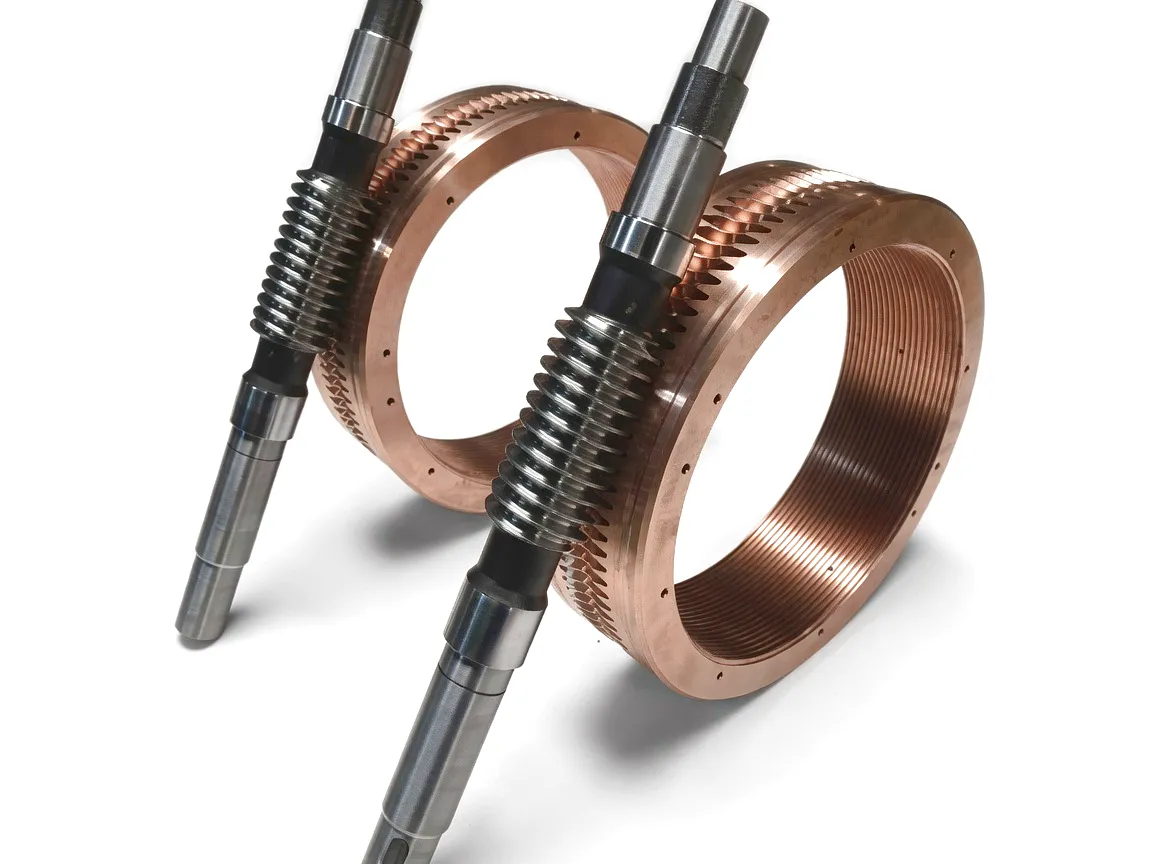
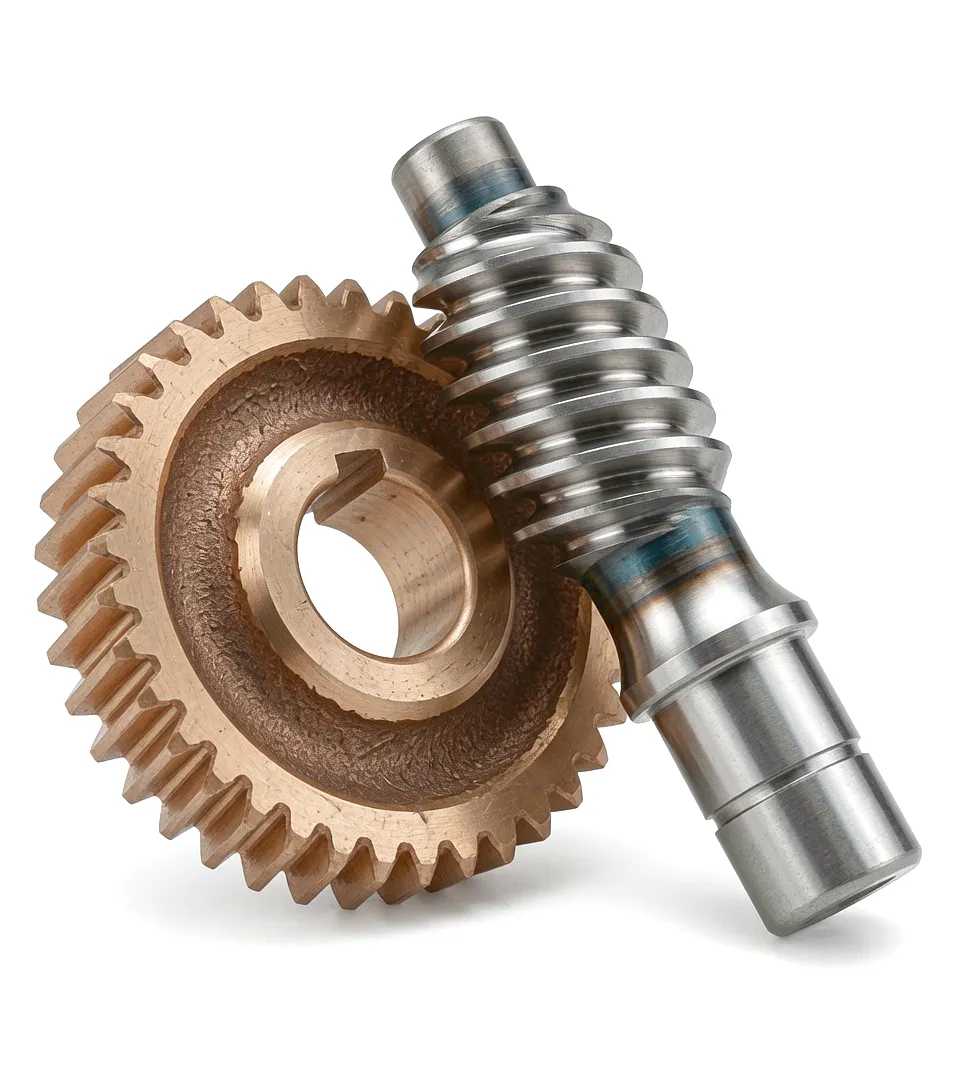
The worm gear shaft, also known as the worm screw or worm drive shaft, is a helically threaded cylindrical shaft that meshes at a 90-degree angle with a mating worm wheel (the gear). As the electric motor spins the worm gear shaft at, say, 1,400 rpm, the spiral thread of the shaft pushes against the teeth of the worm wheel, rotating it at a far lower speed. In a single-stage unit with a ratio of 1:50, the output is 28 rpm — exactly what many roller conveyor applications require. The mechanical advantage is generated not through spur gear geometry but through the continuous sliding contact between the shaft thread and the wheel teeth, which also produces the useful characteristic of self-locking in many designs: when the motor stops, the load on the roller cannot back-drive the shaft.
In a distributed roller conveyor drive, each individual drive roller typically mounts one compact worm gear reducer motor directly inside the roller tube itself (a motorised roller) or bolted onto the side frame alongside the roller stub shaft. The axial orientation of the worm gear shaft runs parallel to the motor shaft, while the output shaft of the worm wheel is perpendicular — connecting directly to the roller. This right-angle power transmission is precisely what makes the worm gear shaft configuration so valuable for roller conveyor design: the motor and reducer unit tuck neatly beneath or beside the roller without imposing on the conveyor’s load-carrying profile. Engineers working in Sheffield’s industrial estates routinely specify this configuration for accumulation zones where product must stop gently without colliding and damaging upstream or downstream items.
Core Materials Used in Worm Gear Shaft Manufacturing
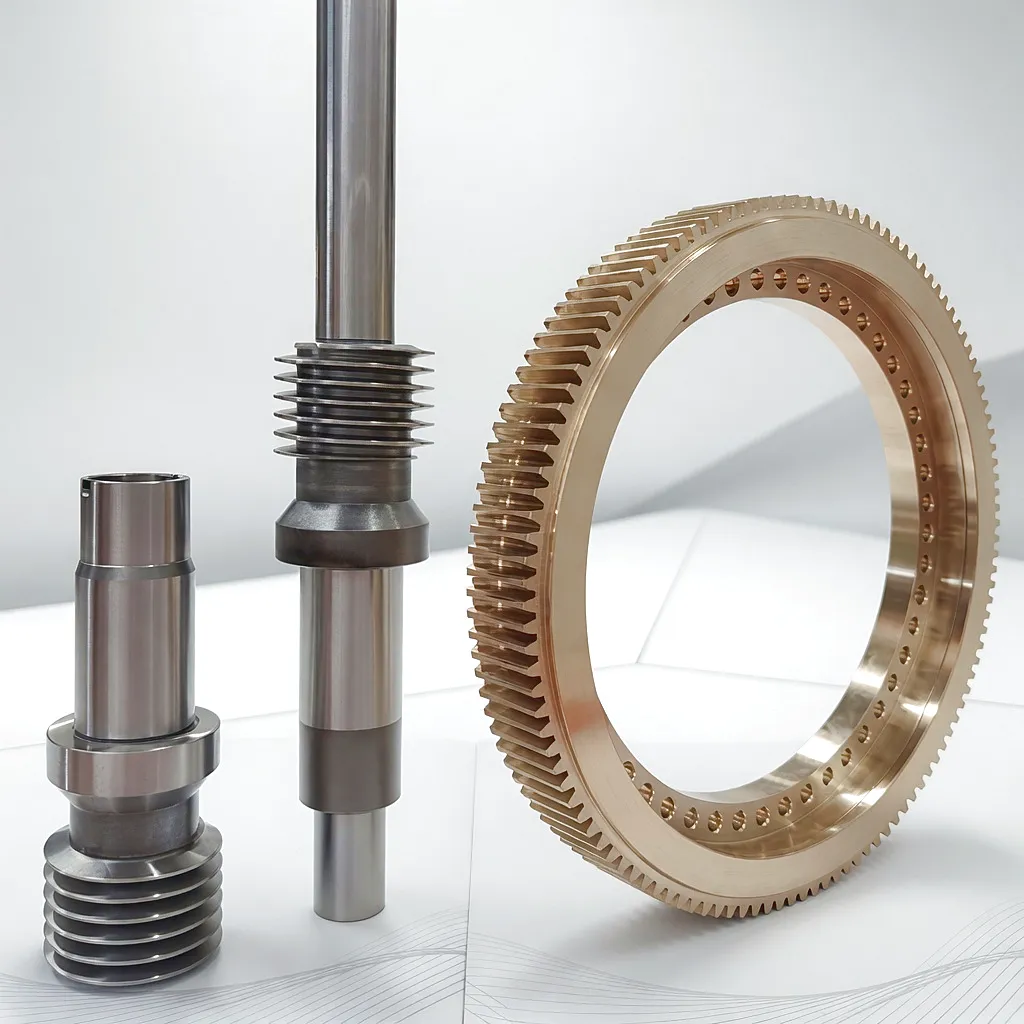
42CrMo4 Alloy SteelCore shaft material; case-hardened to 58–62 HRC; excellent torsional strength; ideal for heavy-duty conveyor lines up to 500 kg/m load.
316L Stainless SteelUsed where IP67 washdown or food-grade environments apply; lower hardness offset by conservative load design; common in UK food & pharma conveyors.
20CrMnTi Case-HardenedBalanced toughness-to-hardness ratio; preferred for mid-range micro reducer motors 0.1–0.37 kW; carburised to 0.8–1.2 mm case depth.
Key Technical Advantages of the Worm Gear Shaft in Conveyor Drive Design
High Reduction Ratios in a Single StageWorm gear shafts deliver reduction ratios from 5:1 up to 100:1 within a single meshing stage — something that would require two or three stages with spur or helical gears. For roller conveyor drives needing 20–30 rpm output from a 1,400 rpm motor, this means smaller, lighter, and cheaper gearbox housings. The compact footprint is critical in conveyor designs where roller pitch (the distance between adjacent rollers) may be as small as 50 mm.
Inherent Self-Locking for Safe AccumulationWhen the lead angle of the worm gear shaft thread is below approximately 5–6 degrees, the drive becomes self-locking: the system cannot be back-driven by the load. In a roller conveyor accumulation zone, this means products queue and hold position safely even if power is cut. There is no need for a separate brake unit, which reduces cost, simplifies wiring, and eliminates a potential failure point — a significant advantage when running 24/7 operations as is common in UK 3PL warehousing and automotive supply chain sites.
Quiet Operation and Vibration DampingThe sliding, rather than rolling, contact between the worm gear shaft thread and the worm wheel teeth produces significantly quieter operation than equivalent spur or bevel gear sets. In warehouse environments and inline production cells, noise is a growing compliance and wellbeing concern under UK Health & Safety Executive guidelines. Worm gear reducer motors rated at 55–65 dB(A) at one metre are routinely specified for end-of-line packing stations where operators work in close proximity to the conveyor for extended shifts.
Distributed Fault IsolationBecause each drive roller in a distributed system operates with its own independent worm gear shaft and motor unit, a fault in one unit does not cascade to adjacent rollers. Maintenance teams can swap out a single motorised roller unit in minutes during a shift changeover without halting the entire conveyor line. This resilience is a decisive advantage for high-throughput facilities in the UK Midlands automotive sector, where unplanned line stoppages carry significant financial penalties in JIT supply contracts.
Worm Gear Shaft Technical & Performance Parameters
Representative specification range for roller conveyor micro worm gear reducer motors
| Parameter | Specification Range | Typical Conveyor Value | Notes |
|---|---|---|---|
| Motor Power | 0.1 – 1 kW | 0.18 – 0.37 kW | Per roller drive unit |
| Output Speed | 20 – 60 rpm | 28 – 45 rpm | Conveyor belt speed 0.2–0.5 m/s |
| Reduction Ratio | 1:10 – 1:100 | 1:30 – 1:60 | Single stage, standard 4-pole motor |
| Output Torque | 2 – 200 N·m | 10 – 50 N·m | Dependent on ratio and input power |
| Shaft Axis Angle | 90° | 90° | Standard right-angle configuration |
| Shaft Material | 42CrMo4 / 20CrMnTi / 316L SS | 42CrMo4 | Surface hardness 58–62 HRC |
| Worm Wheel Material | Phosphor Bronze / Tin-Bronze | Centrifugally cast C90710 | Sacrificial wear design |
| Mechanical Efficiency | 65% – 92% | ~78% | Higher ratio = lower efficiency |
| Operating Temperature | -20°C – +80°C | +5°C – +60°C | Ambient + self-heating |
| Thread Form | ZA / ZI / ZK / ZN | ZI (involute profile) | ZI most efficient; easy to re-grind |
| IP Protection (Standard) | IP54 – IP67 | IP55 | IP67 for washdown environments |
| Lubrication | ISO VG 220 – VG 460 | ISO VG 320 worm gear oil | Lifetime-fill option available |
Industrial Application Scenarios Across UK Manufacturing
Automotive Body Panel Assembly — West Midlands
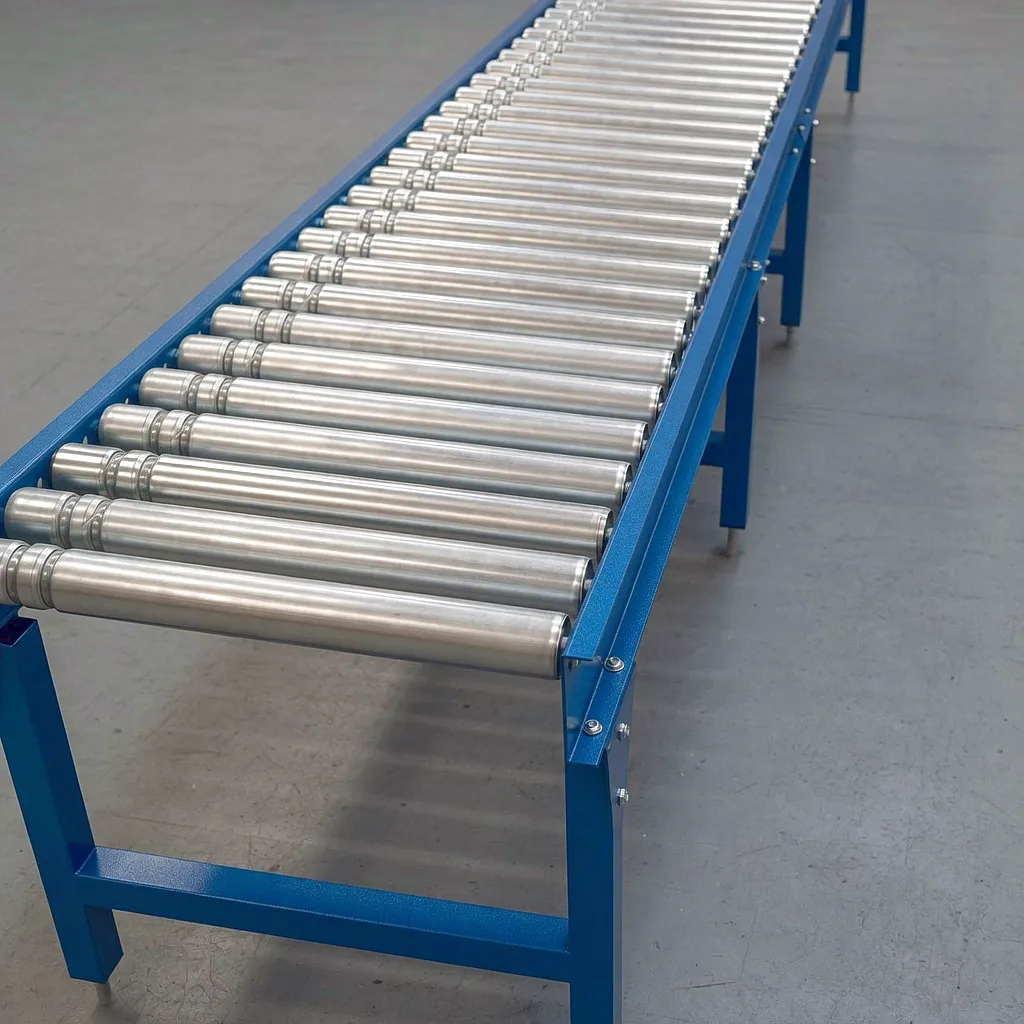 Birmingham and Coventry remain the UK’s heartland for automotive manufacturing, hosting Tier 1 suppliers feeding JLR, BMW’s MINI plant in Oxford, and multiple EV assembly start-ups. On these assembly lines, roller conveyors transport body panels, door skins, and sub-assemblies between press shops and welding jigs. Each drive roller operates at precisely 30–45 rpm through a worm gear shaft reducer, giving operators and robots consistent panel positioning without the speed variation that chain-driven conveyors can suffer. The accumulation function is critical: when a downstream robot station is busy, the upstream roller zone simply stops — products held in place by the self-locking worm gear shaft — then restarts when the station clears. The micro worm gear reducer motors used here are rated IP55, able to tolerate the metal dust and coolant mist present in these environments.
Heavy Steel Product Handling — Sheffield
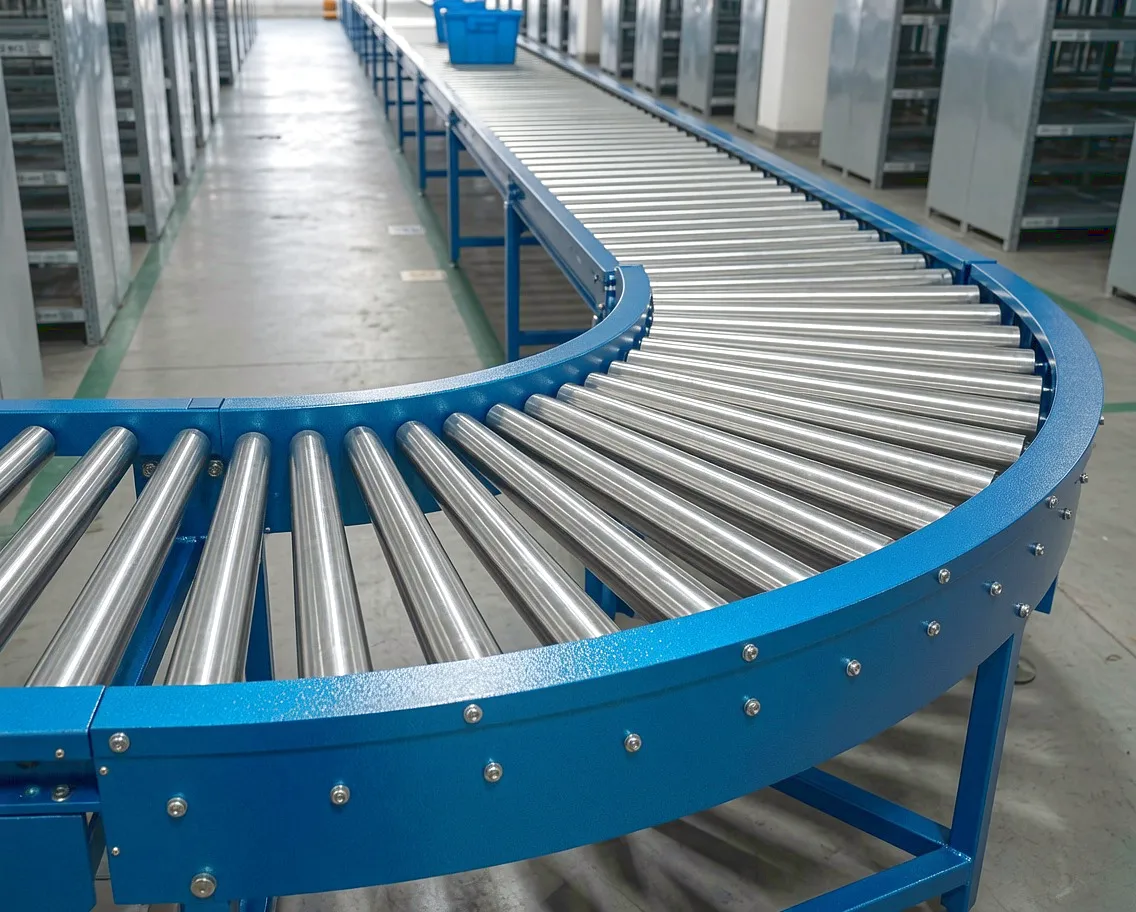 Sheffield’s steel processing sector places extreme demands on roller conveyor systems. Steel billets, coils, and finished bar stock may weigh several hundred kilograms per metre of conveyor, requiring roller drive units with substantial torque output despite the modest power input. A worm gear shaft rated for 200 N·m output torque from a 0.75 kW motor is a realistic and economical specification for these applications. The hardened 42CrMo4 worm gear shaft resists the constant vibrational loading from heavy product impact, while the aluminium or cast iron gearbox housing manages the thermal output of operating in the warm ambient temperatures typical of steel processing facilities. Sheffield-based systems integrators routinely specify drives of this type for incoming goods rollerways and for cooling beds where rolled steel sections are conveyed while dissipating heat to ambient air.
Food & Beverage Production Lines — East Midlands
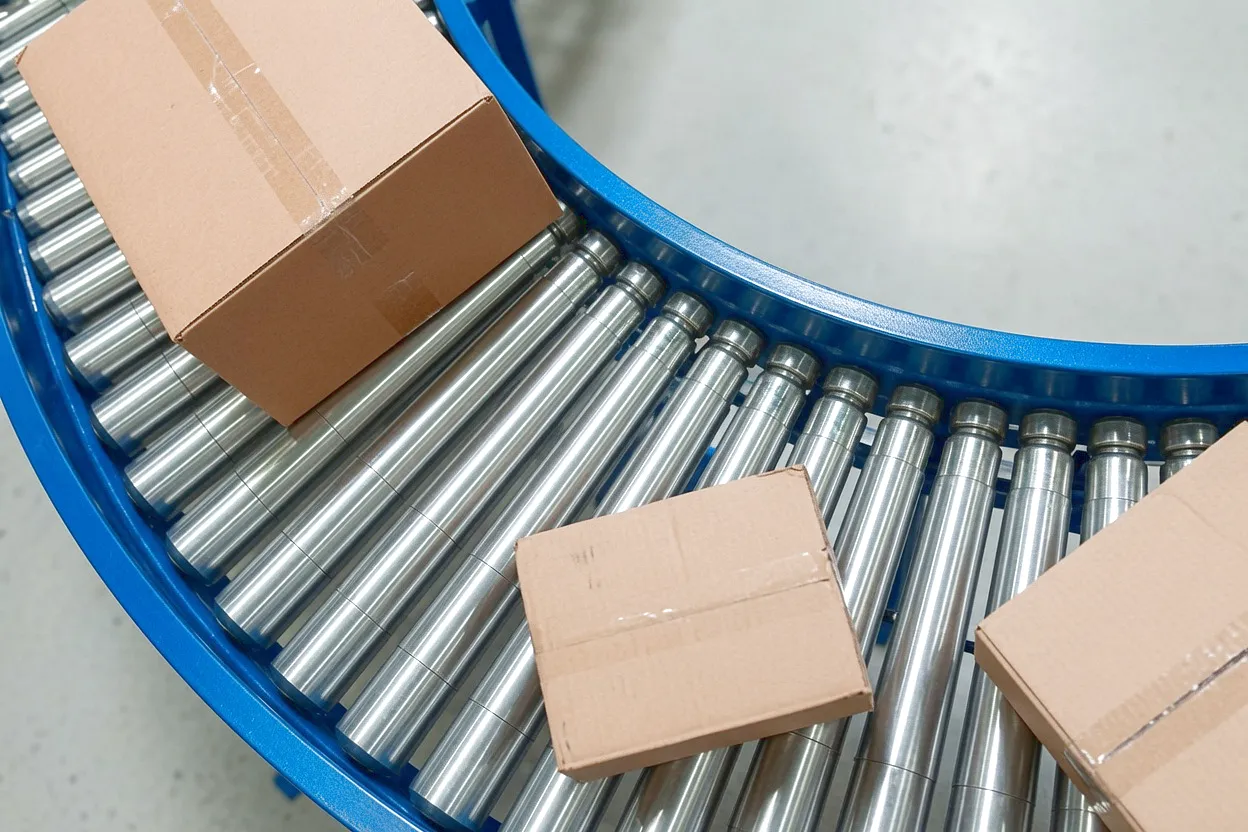 The UK’s food and beverage manufacturing sector, heavily concentrated in Lincolnshire, Northamptonshire, and the wider East Midlands, requires roller conveyor drives that meet strict hygiene standards. Stainless steel 316L worm gear shafts inside IP67-rated aluminium or stainless housings are standard specifications for these lines, which must withstand high-pressure hot water washdowns multiple times per day. The sealed, compact worm gear reducer motor also fits neatly inside the roller tube in many modern hygienic motorised roller designs, eliminating the external chain drives or belt transmissions that could harbour product debris and bacteria. Output speeds of 20–40 rpm are typical for product accumulation zones before packaging machines, where the gentle acceleration and deceleration inherent in the distributed worm gear drive system minimises product toppling or spillage.
E-Commerce & 3PL Fulfilment Centres — Greater London & M1 Corridor
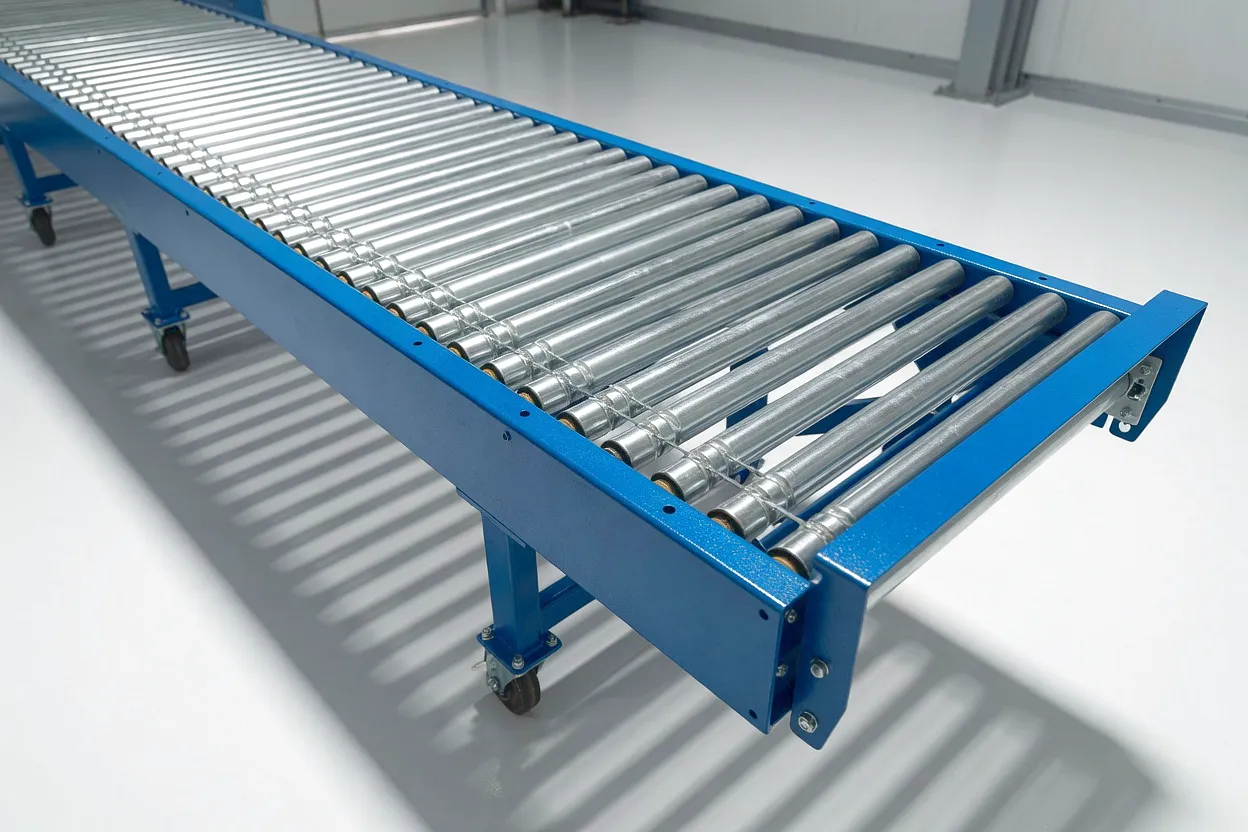 The explosive growth of UK e-commerce, with major fulfilment hubs clustered along the M1 corridor through Luton, Milton Keynes, and Northampton, as well as at London gateway sites at Dartford and Slough, has created enormous demand for reliable, modular roller conveyor systems. These sites run 24 hours a day, seven days a week during peak periods, making reliability and ease of maintenance paramount. A failed conveyor zone that cannot be quickly remedied means parcels backing up and SLA penalties. The worm gear shaft-driven roller units used in these facilities are engineered for rapid swap-out: a single maintenance technician can replace a failed drive unit in under ten minutes without special tooling. The low-speed, high-torque output of the worm gear drive also allows parcel sortation systems to handle a wide variety of package sizes and weights — from 200 g letter packets to 30 kg boxed appliances — on the same conveyor line.
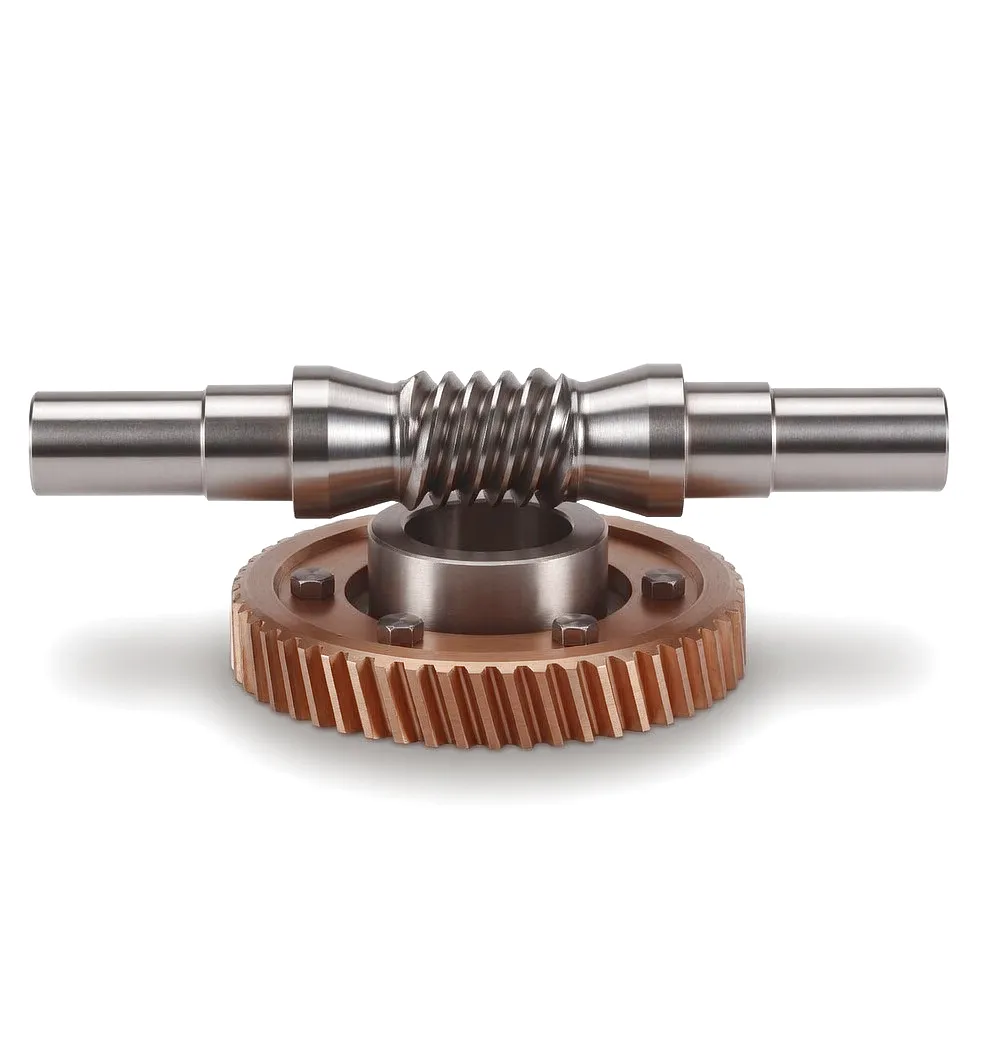
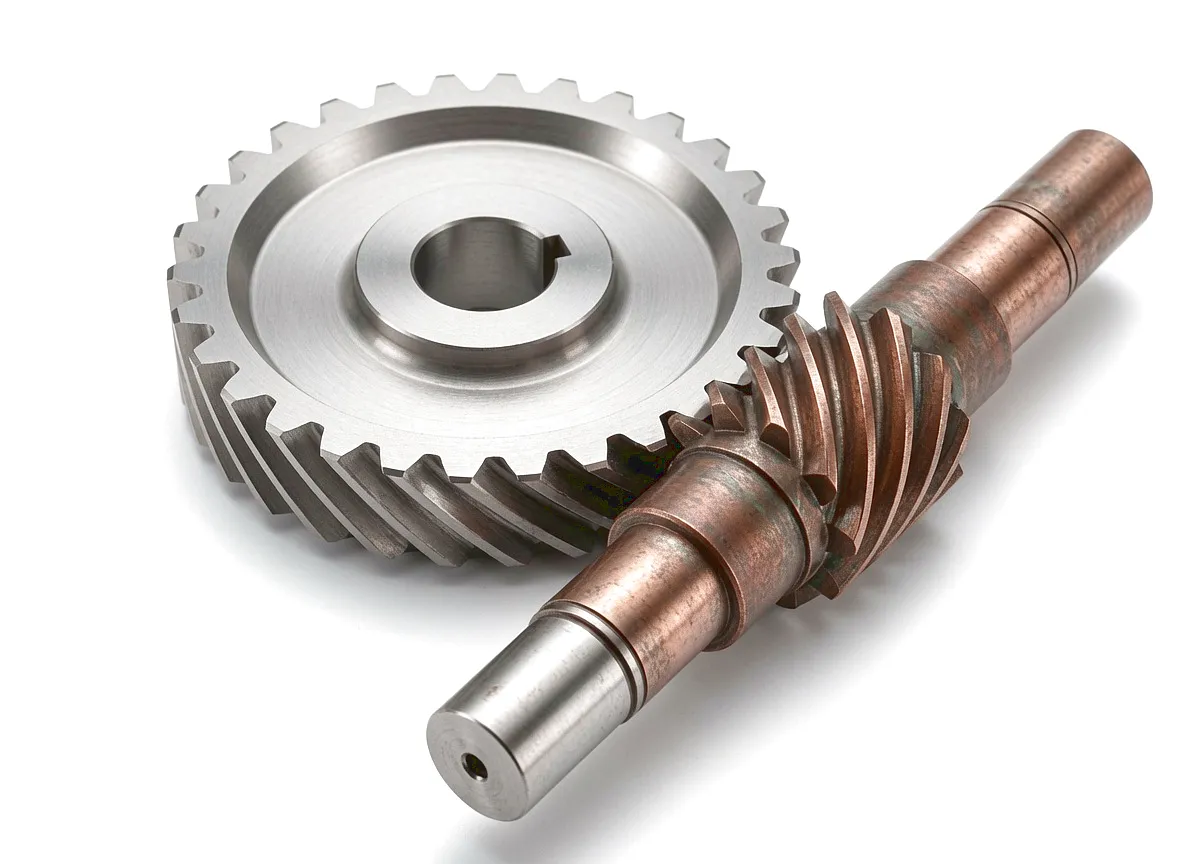
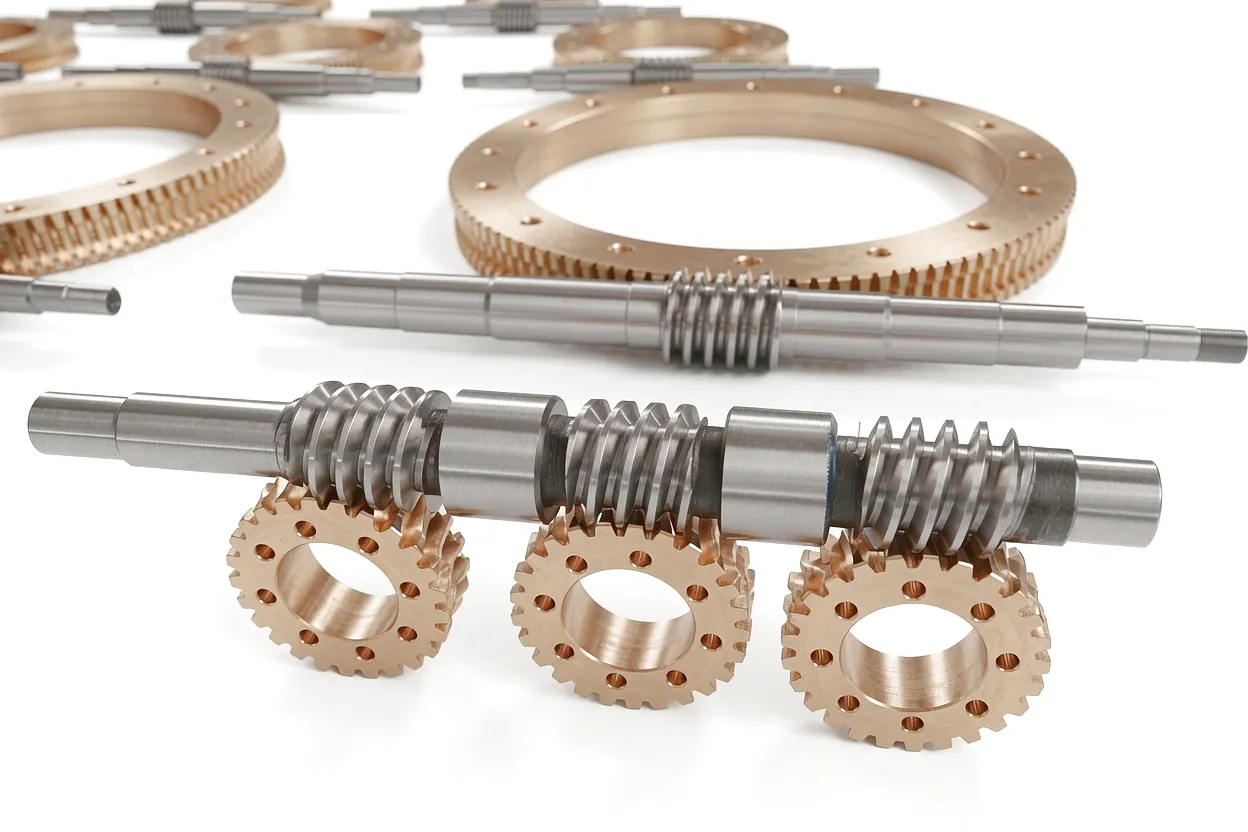
Ever Power: Precision Manufacturing & Custom Worm Gear Shaft Solutions
Factory Strength · Customisation · Global Supply
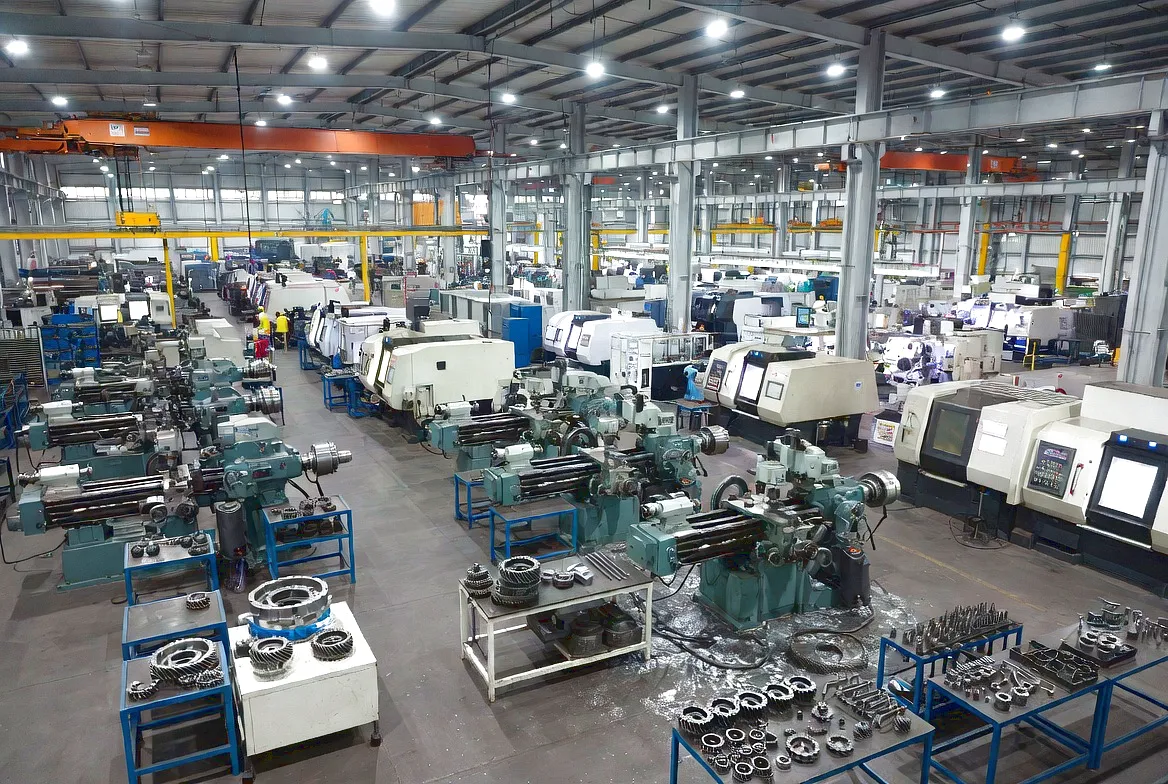
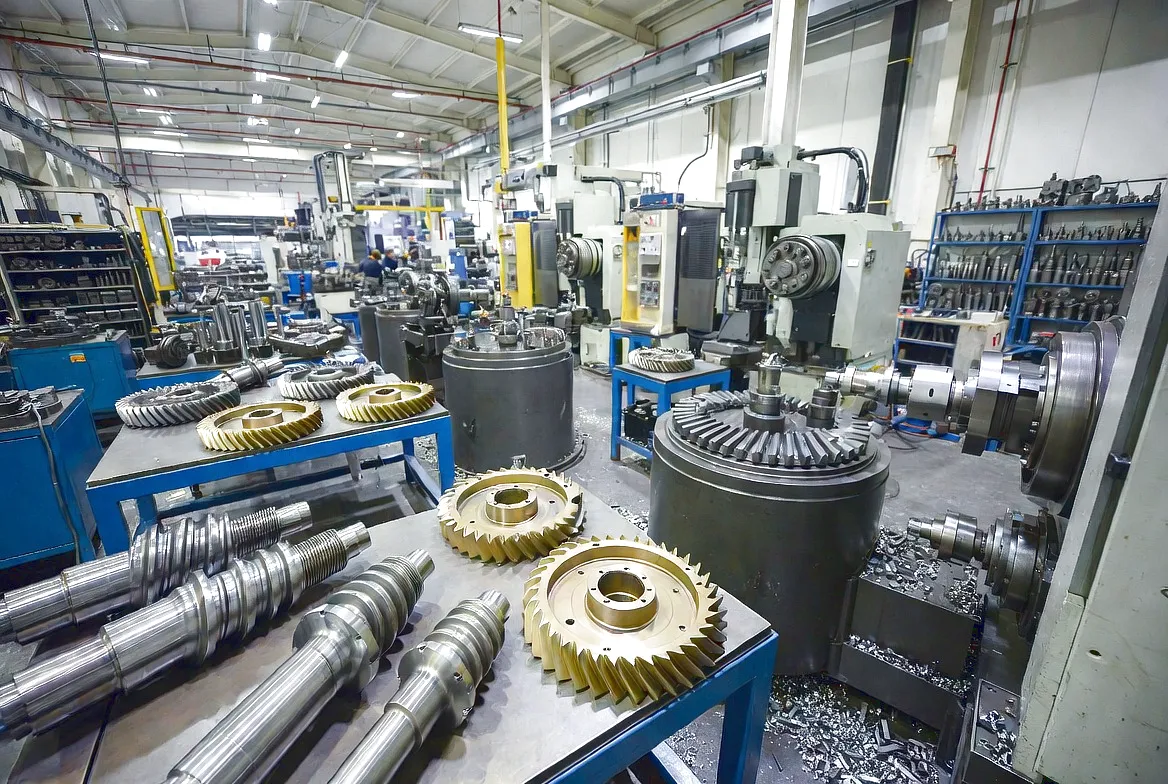
Ready to discuss your worm gear shaft requirements with our engineering team?
📧 Get a Quote — [email protected]
Custom shafts · OEM programmes · Sample orders welcome · UK documentation available
Sheffield Steel Processing: Distributed Roller Drive Retrofit
 A mid-sized Sheffield-based steel section processor operating a 180-metre incoming goods rollerway faced a significant operational problem: the original single-motor chain-driven conveyor had reached end-of-life, with chain stretch, sprocket wear, and increasing maintenance hours consuming a disproportionate share of the maintenance team’s capacity. The line processed steel flat bar and angle section ranging from 40 × 40 × 4 mm up to 100 × 100 × 10 mm, with bundle weights reaching 2.8 tonnes. Any downtime directly impacted the site’s steel service centre commitments to its own customers across Yorkshire and the Humber region.
Working with a Birmingham-based conveyor systems integrator, the facility replaced the entire chain-driven system with a distributed roller drive configuration. Ever Power supplied 47 individual worm gear reducer motor units, each incorporating a hardened 42CrMo4 worm gear shaft matched with a centrifugally cast bronze wheel, mounted in an IP55 aluminium housing and rated for 0.55 kW at a 1:50 reduction ratio delivering 32 rpm at 90 N·m output torque. The project required custom shaft bore sizing at the output to interface with the existing roller stub shaft diameter of 40 mm H7, along with modified shaft keyway dimensions to match legacy roller stock already on site — exactly the type of non-catalogue customisation that Ever Power’s engineering team handled through a documented sample approval process before full production commenced.
The new distributed drive system was commissioned over a single weekend shutdown, with the modular design allowing the systems integrator to pre-wire and pre-test drive zones in their own workshop prior to site installation. Since commissioning, the site has reported zero unplanned conveyor downtime attributable to drive failures over an 18-month operating period. Planned maintenance has reduced from a weekly chain inspection and lubrication regime to a quarterly gearbox oil check across all units. The accumulation zones now allow the site’s overhead crane to deposit steel bundles directly onto the rollerway without halting the entire line, improving throughput by an estimated 14% compared to the previous system.
Customer Reviews
“The custom shaft bore modification was handled without fuss — Ever Power sent a confirmed drawing within two working days of us sending our specification, and the sample units arrived in Sheffield within the agreed lead time. The worm gear drive performance on our steel rollerway has been completely reliable. Output torque is consistent under heavy bundle loads, and we have had not one failure in 18 months of continuous operation.”
— Maintenance Manager, Steel Section Processor, Sheffield
“We supply roller conveyor systems to automotive Tier 1 suppliers in the Midlands and have used Ever Power worm gear shafts in our drive units for the past three years. The dimensional consistency batch-to-batch is genuinely impressive — our assembly team have noted far fewer fitting adjustments compared to previous suppliers. The DIN 3974 inspection reports come with every delivery, which is what our own ISO-certified customers need to see.”
— Engineering Director, Conveyor Systems OEM, Birmingham
“Running IP67-rated stainless worm gear shaft units on our washdown conveyor lines in our food processing facility near Peterborough. The noise level is excellent — well within what our shift workers’ wellbeing policy requires — and the sealed units have stood up to daily hot water washdowns without a single ingress failure. Lead times from Ever Power are realistic and they kept us updated proactively on one order during a busy period. Pricing is very competitive for the quality delivered.”
— Production Engineering Lead, Food Manufacturer, East Midlands
Frequently Asked Questions
Common questions from UK engineers, procurement teams, and plant managers
Ever Power · Worm Gear Shaft Specialists
Talk to Our Engineers Today
Custom worm gear shafts · Roller conveyor drive solutions · UK documentation · Reliable international supply
📧 Get a Quote — [email protected]
edit by gzl