Worm Gear Shaft: Engineering Excellence in High-Ratio Power Transmission
A definitive technical guide covering working principles, materials, applications, and precision customisation from Ever Power — trusted by UK engineers and procurement teams across Birmingham, Sheffield, and beyond.
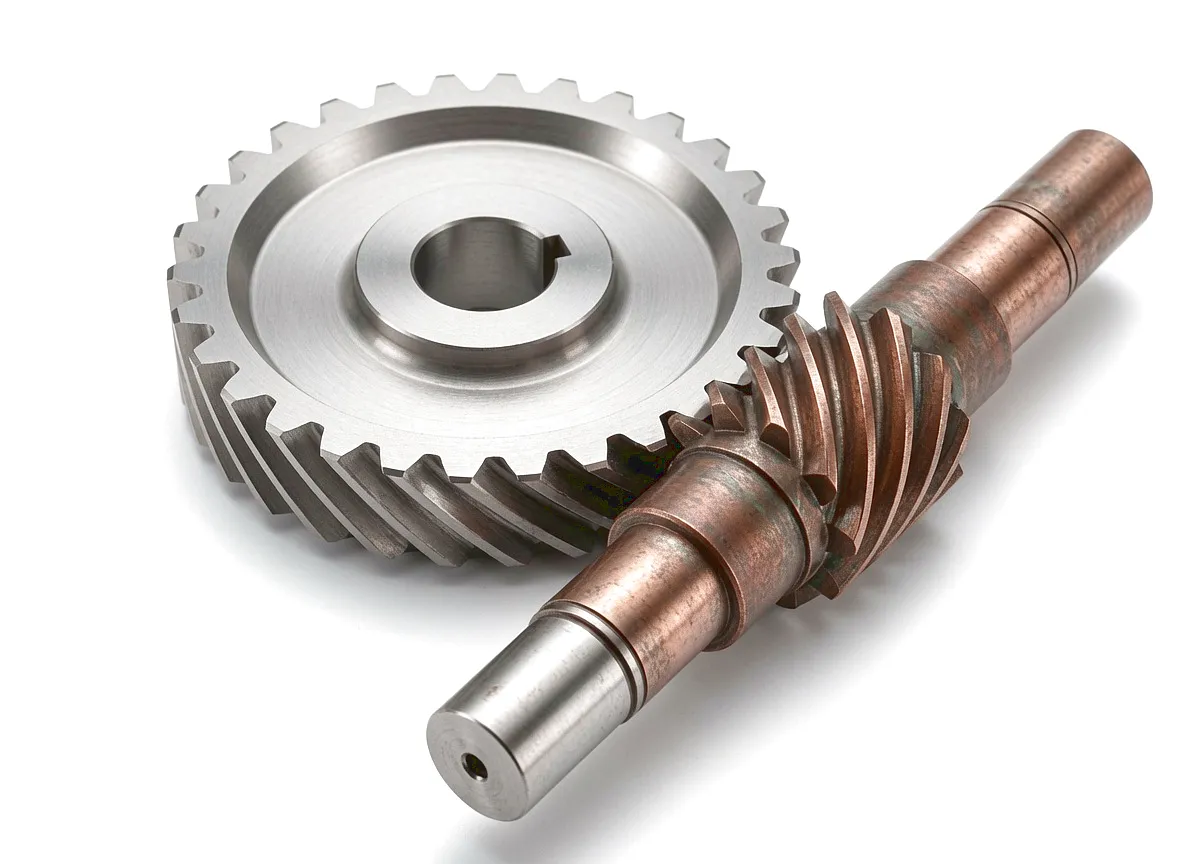
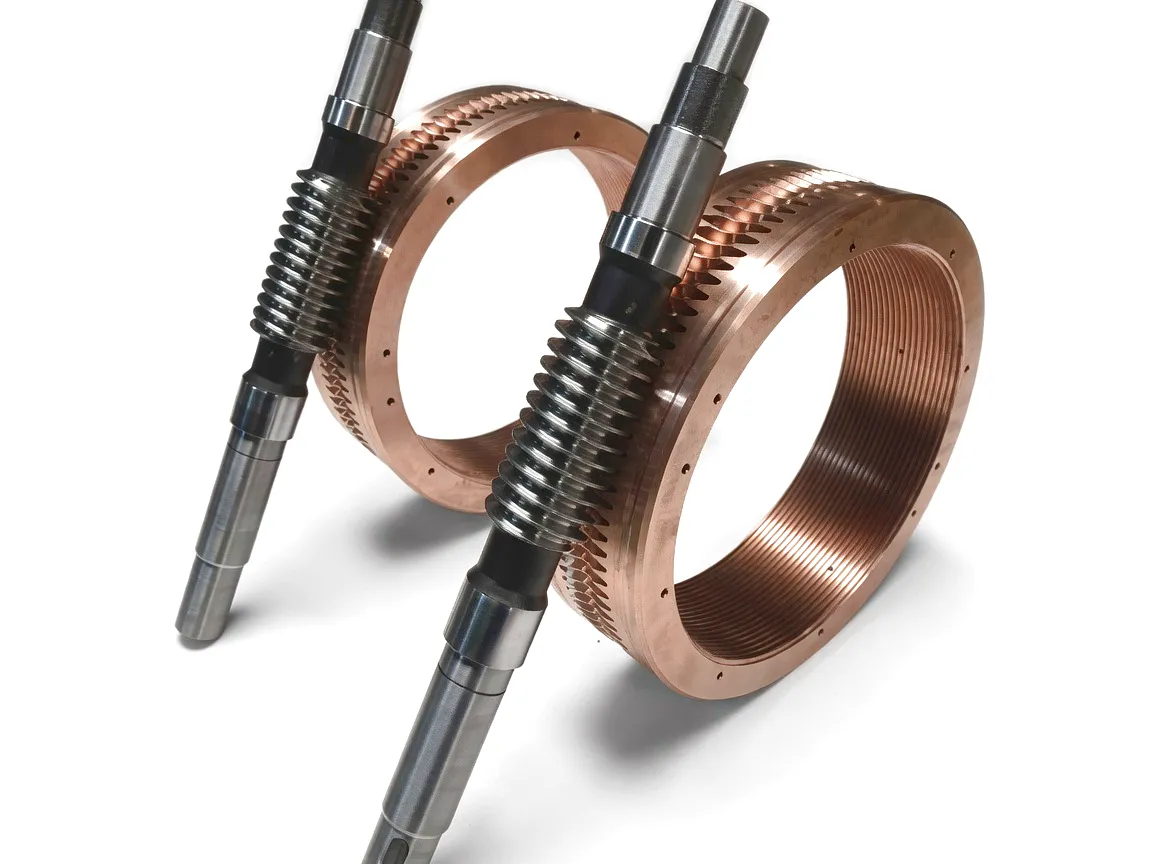 In modern industrial machinery, the worm gear shaft stands as one of the most versatile and mechanically compelling components in rotary power transmission. Whether installed inside a traction elevator drive unit, a conveyor gearbox on a Sheffield steelworks floor, or a packaging line running around the clock in a Birmingham distribution facility, the worm gear shaft delivers the high-torque, low-speed output that keeps critical operations running without interruption. Its characteristic helical thread — the worm — meshes precisely with a mating worm wheel, converting rotational motion through a 90-degree axis while simultaneously multiplying torque by ratios that can exceed 100:1 in a single stage. This geometric relationship makes the worm gear shaft uniquely valuable wherever compact drive units, smooth speed reduction, and inherent self-locking behaviour are required in one integrated solution.
How a Worm Gear Shaft Transmits Power
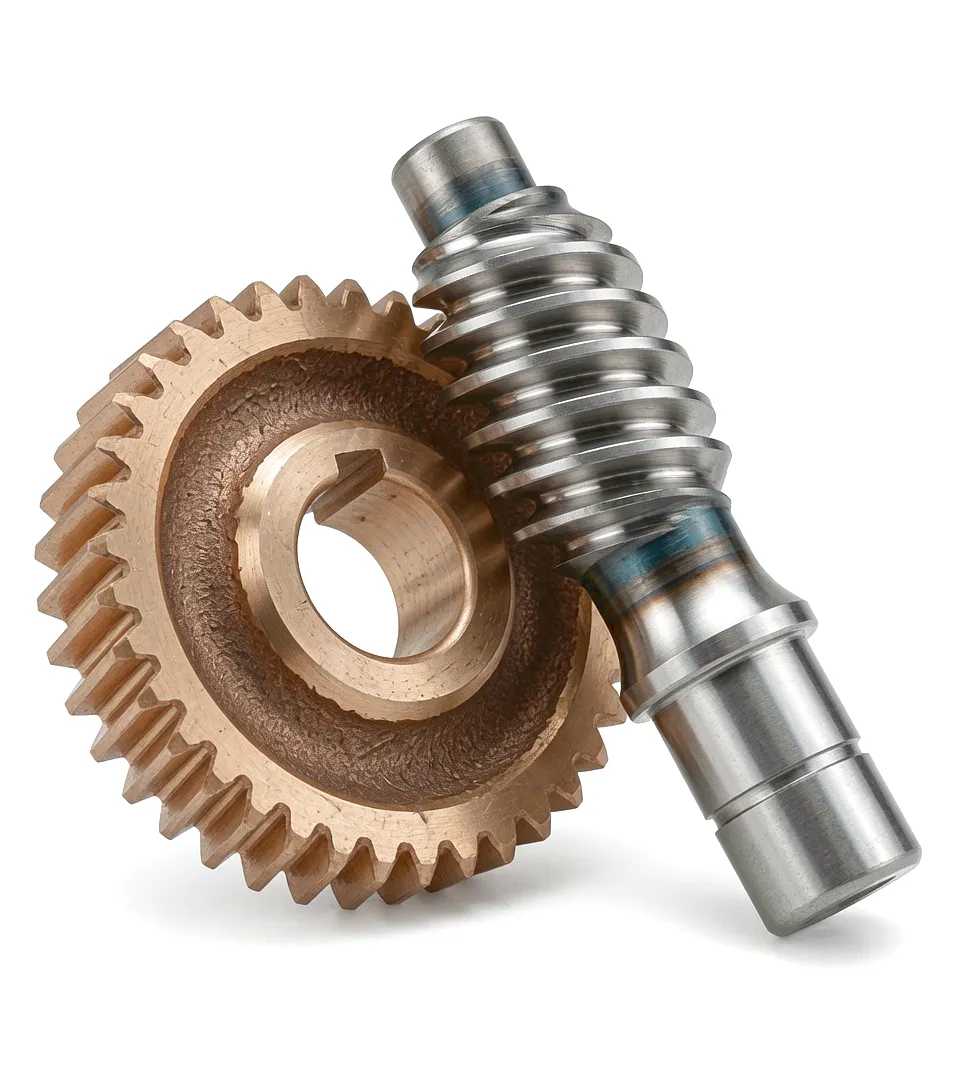
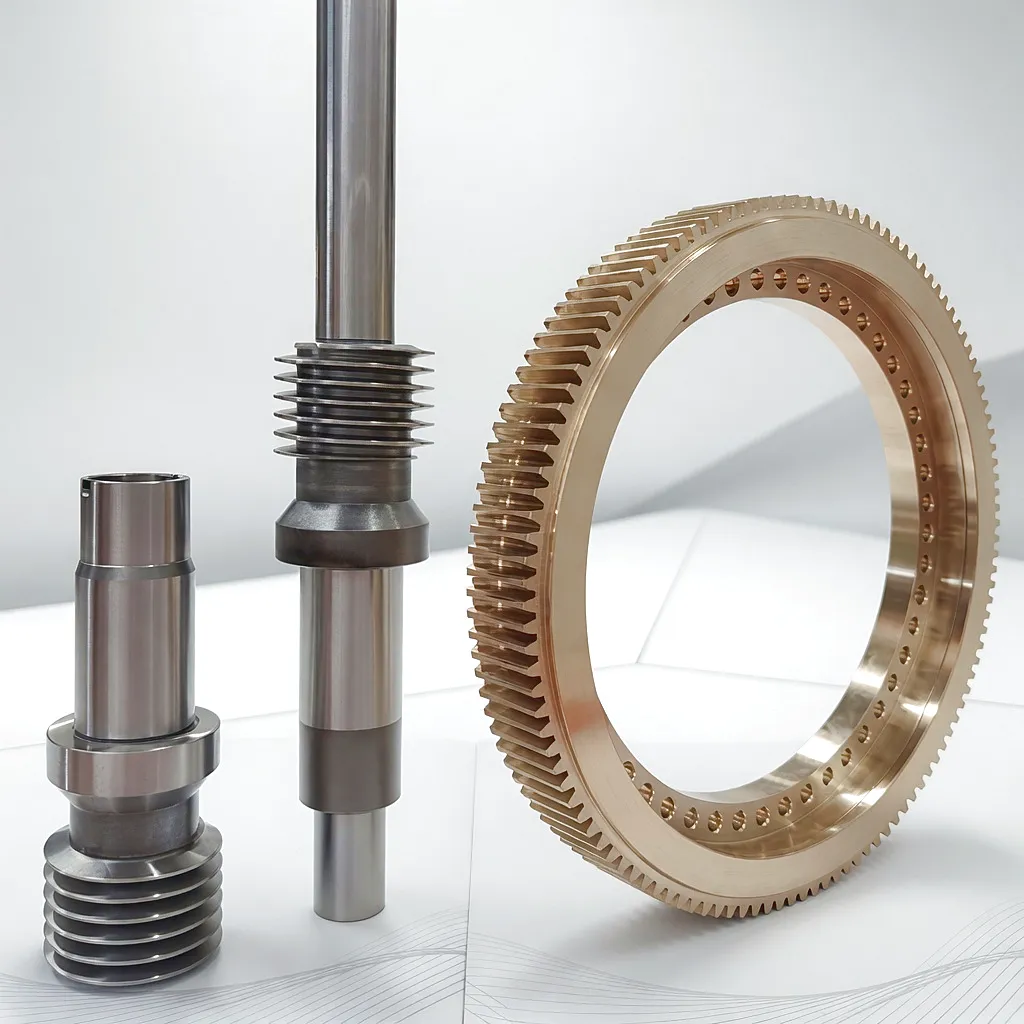 The operating principle of a worm gear shaft centres on the continuous sliding contact between the helical worm thread and the curved tooth faces of a worm wheel. When the input shaft — the worm — rotates, its thread form advances against the wheel teeth in a manner analogous to a screw acting on a nut, except that in this case the nut is free to rotate around its own axis. The angle of the worm thread relative to its axis, known as the lead angle, is the primary determinant of mechanical advantage. A small lead angle — typically between 4 and 8 degrees for high-reduction applications — results in a large gear ratio and strong self-locking tendency, meaning that back-driving from the output side is mechanically resisted. This property is particularly valued in traction elevator systems, where the load must hold position when the motor de-energises without requiring supplementary braking hardware.
The contact geometry in a worm gear shaft arrangement is deliberately non-conjugate in the classical sense. Rather than the simple rolling contact seen in spur or helical gears, the worm–wheel interface involves extended sliding motion along the tooth flanks. This generates frictional heat that must be managed through correct lubricant selection, adequate housing ventilation, and — in thermally demanding environments — external cooling. On the positive side, the same sliding contact distributes load across a broad tooth face area, giving the worm gear shaft a high load-carrying capacity relative to its physical envelope. The direction of input rotation determines the direction of output rotation, and the 90-degree shaft arrangement allows designers to redirect torque flow within a very compact axial footprint — a layout advantage that remains unmatched by parallel-axis gearboxes in many machine designs.
Core Materials in Worm Gear Shaft Manufacturing
Selecting the right material for a worm gear shaft is not simply a question of hardness — it requires balancing fatigue resistance, machinability, thermal stability, surface finish capability, and corrosion performance according to the specific operating environment. The worm itself, as the faster-running driving element, demands superior surface hardness and core toughness; the worm wheel, in contrast, is typically manufactured from a softer, conformable material that can accommodate the sliding contact without seizure. This deliberate dissimilarity between the two mating components is a cornerstone of worm gear tribology.
The dominant choice for production worm shafts operating under continuous duty. Grades such as 20CrMnTi or 18CrNiMo7-6 are carburised to case depths of 0.8–1.5 mm and quench-hardened to 58–62 HRC on the flank surface, while the core retains 30–40 HRC toughness. This hard-case/tough-core combination resists both surface pitting from Hertzian contact stresses and subsurface fatigue crack initiation. Subsequent precision grinding of the hardened thread to ISO Grade 4 tolerances ensures that the meshing geometry closely approaches the theoretical involute helicoid, reducing transmission error and noise in service.
Where distortion during heat treatment is a concern — particularly on long, slender worm shafts used in elevator drives — nitriding steel is preferred. The gas nitriding process deposits a hard compound layer of 500–700 HV at depths up to 0.5 mm with minimal dimensional change, eliminating the need for post-treatment grinding in many cases. The resulting surface resists scuffing and micropitting under boundary lubrication conditions, which are frequently encountered during cold start-up cycles in buildings where the ambient temperature drops below 10°C — a common scenario across Scotland and Northern England during winter months.
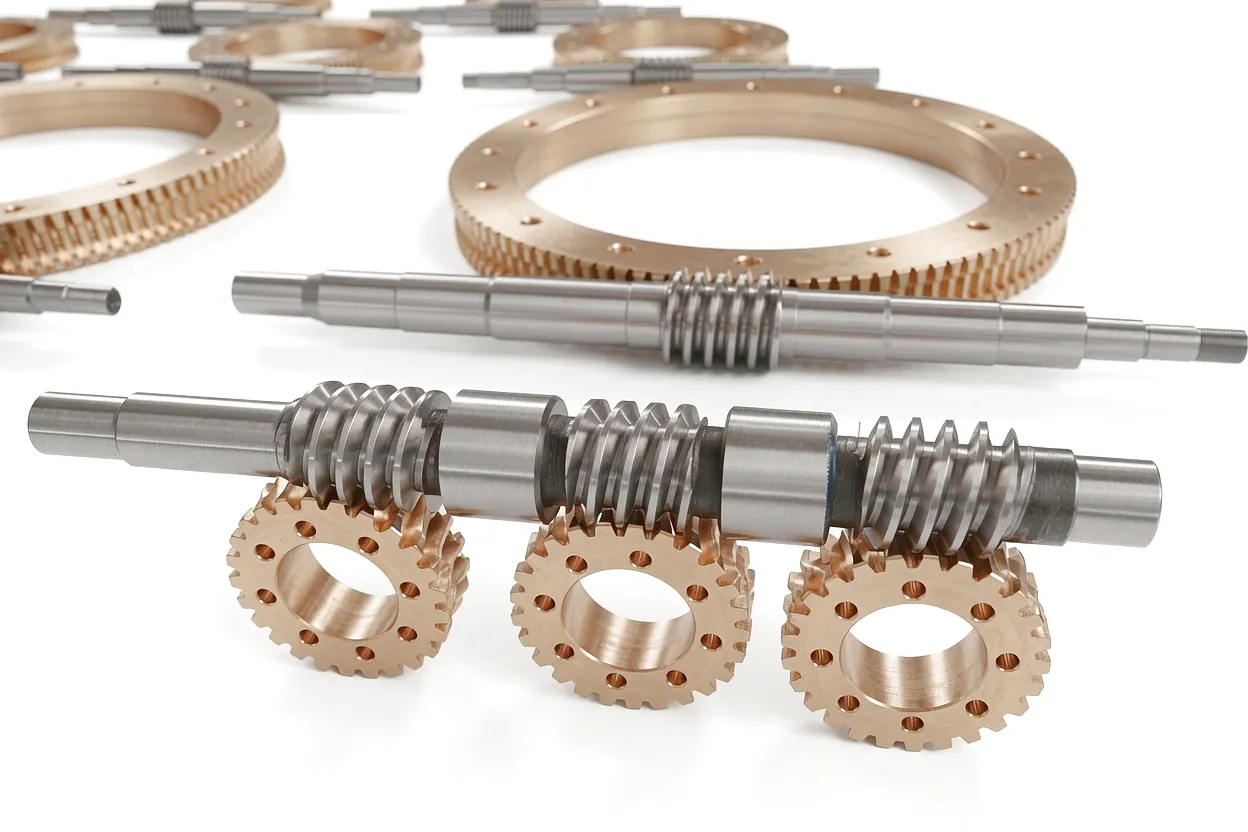
The standard wheel material in the UK market, phosphor bronze offers a winning combination of low friction coefficient against hardened steel, high wear resistance, and ease of centrifugal or continuous casting into near-net wheel blanks. The tin content (typically 10–12%) forms a hard tin-bronze matrix, while phosphorus additions of 0.03–0.35% improve fluidity during casting and add further hardness. For heavy-duty applications such as industrial lift drives in multi-storey commercial developments across London and Manchester, centre-cast phosphor bronze with controlled porosity standards per BS EN 1982 is specified to guarantee consistent mechanical properties through the full tooth depth.
Specifying a stainless worm gear shaft becomes mandatory in food processing, pharmaceutical production, and marine environments where moisture, cleaning chemicals, or wash-down routines would cause rapid corrosion of standard alloy steel. Grade 316L provides adequate corrosion resistance for most food-grade applications, while precipitation-hardened 17-4PH offers a significantly higher surface hardness of up to 44 HRC after H900 ageing — approaching the performance of case-hardened alloy steel while maintaining excellent resistance to chloride-bearing wash solutions. UK food manufacturers operating under FSA and BRC Global Standards specifications increasingly require stainless worm shafts certified to ISO 21469 for incidental food contact compliance.
Technical Advantages of the Worm Gear Shaft
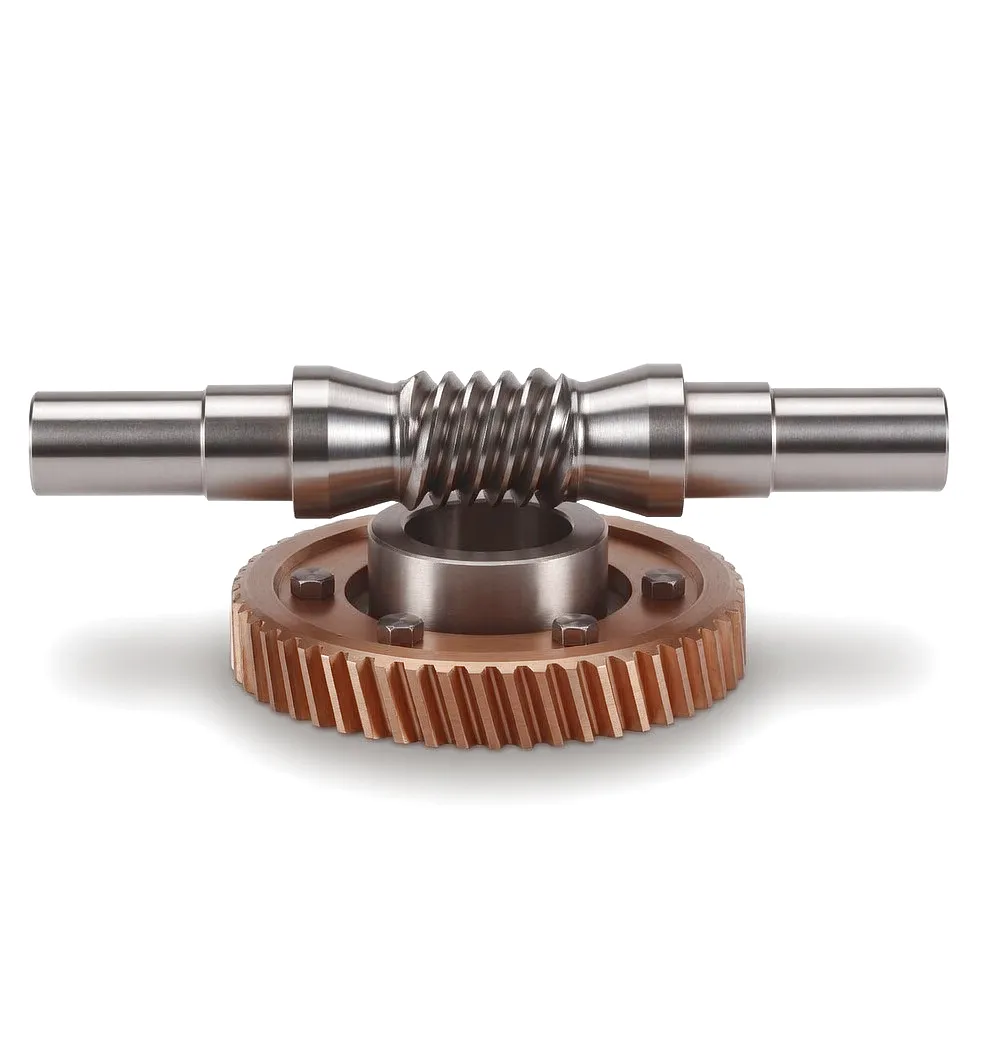
Ratios of 5:1 to 100:1 achievable without compounding multiple gear stages, reducing overall drive train length and component count.
Low lead angle designs resist back-driving, providing a passive holding function that is critical in elevator, hoist, and valve actuator applications.
90-degree shaft layout simplifies machine design where motor and output axes cannot be parallel, common in conveyors, elevator drives, and packaging lines.
High contact ratio and gradual tooth engagement produce smooth, quiet running — essential in commercial buildings and medical environments.
Extended tooth flank contact distributes load broadly, enabling very high output torque from a small overall envelope versus comparable planetary gearboxes.
Worm Gear Shaft — Technical & Performance Parameters
The following table summarises the principal technical parameters offered by Ever Power across its standard and custom worm gear shaft range. Values represent indicative design targets; all parameters are available in custom variants to meet application-specific requirements.
| Parameter | Standard Range | Unit / Notes | Custom Capability |
|---|---|---|---|
| Module (m) | 1 to 16 | mm | Up to m25 available |
| Shaft Diameter | 20 to 200 | mm | Up to 320 mm OD |
| Gear Ratio | 5:1 to 100:1 | Single stage | Dual-stage to 3600:1 |
| Output Torque | 50 to 50,000 | N·m | Heavy-duty up to 100 kN·m |
| Lead Angle | 3° to 30° | Degrees | Profile per ISO 14521 |
| Surface Hardness (Worm) | 58 to 62 | HRC | Nitrided, DLC coated options |
| Thread Form Accuracy | ISO Grade 5–6 | Post-grind | Grade 3–4 precision available |
| Shaft Crossing Angle | 90° | Standard | Non-90° skew shafts on request |
| Operating Temperature | -20°C to +120°C | Continuous | High-temp seals to +180°C |
| Shaft Material Options | 20CrMnTi, C45E | Standard grades | 316L SS, 17-4PH, Inconel |
| Number of Starts | 1 to 6 | Thread starts | High-speed multi-start designs |
Worm Gear Shaft in Traction Elevator Drives: A Deep-Dive Application
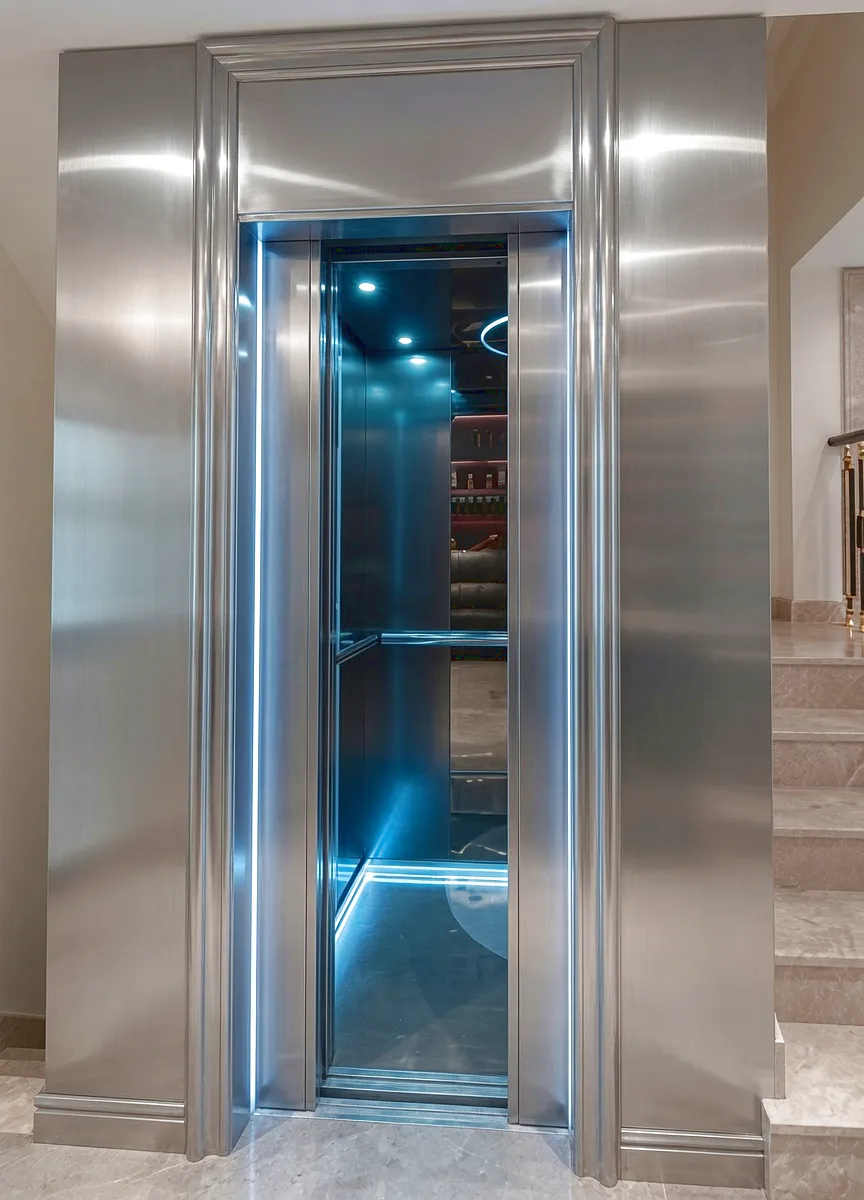
When the worm lead angle is below approximately 6°, the friction force in the worm–wheel mesh exceeds the driving force that the load could exert to back-drive the worm. This means the elevator car cannot descend under gravity if the motor is de-energised — a fundamental safety requirement under BS EN 81-20 and UK Lifts Regulations 2016 for geared traction machines. The self-locking worm gear shaft acts as a passive mechanical arrester, independent of the electrical brake, providing an additional layer of redundancy demanded by the UK Health and Safety Executive for public-use lift installations.
UK building regulations and the criteria set by the Association of Building Engineers require that lift machine room noise does not transmit excessively into adjacent occupied spaces. The worm gear shaft’s inherently high contact ratio and the damping effect of the bronze wheel material result in a drive noise level typically 4–6 dB(A) lower than equivalent helical gear drives at the same output speed. For residential towers in Manchester, Edinburgh, and London where acoustic partition walls between machine rooms and habitable spaces are expensive to construct, this noise advantage directly reduces the building fabric cost.
Commercial elevator worm gear shafts must be rated for S3 or S4 intermittent duty per IEC 60034, accounting for repeated start-stop cycling of 50–200 starts per hour in busy commercial buildings, with thermal equilibrium verified by FEA-backed heat dissipation calculations during the design stage.
ISO VG 220–460 synthetic polyalkylene glycol (PAG) or polyalphaolefin (PAO) oils are standard for UK elevator worm gear applications, providing approximately 40% lower traction coefficient at the worm–wheel interface versus mineral oil equivalents, translating to meaningful efficiency gains over the 20+ year service life of a typical UK lift installation.
Worm gear shafts in elevator hoist machines experience both radial and axial (thrust) forces from the worm mesh. Angular contact ball bearings in back-to-back arrangement at the thrust end, combined with a cylindrical roller bearing at the free end, are the standard configuration per ISO 76, ensuring adequate dynamic load rating over a calculated L10 service life of 30,000 hours minimum — the benchmark for UK commercial lift contracts.
Worm gear efficiency of 70–90% — lower than helical equivalents — means that 10–30% of input power appears as heat at the worm–wheel mesh. In high-traffic elevator installations in London hospitals and transport hubs, fan-cooled housings with external fin arrays or water-jacketed gearboxes are specified to maintain oil sump temperature below 80°C at the maximum ambient conditions of the UK’s hottest recent summers.
Industrial Application Scenarios Across the UK
Beyond traction elevator systems, the worm gear shaft serves as the drive foundation across an exceptionally broad range of UK industrial sectors. The combination of high torque, compact geometry, right-angle output, and self-locking behaviour makes it the go-to component for applications where space is constrained, loads must be held positionally, or noise levels must be minimised. Understanding where these properties add the most value helps engineers shortlist the worm gear shaft as the primary drive solution early in the machine design process.
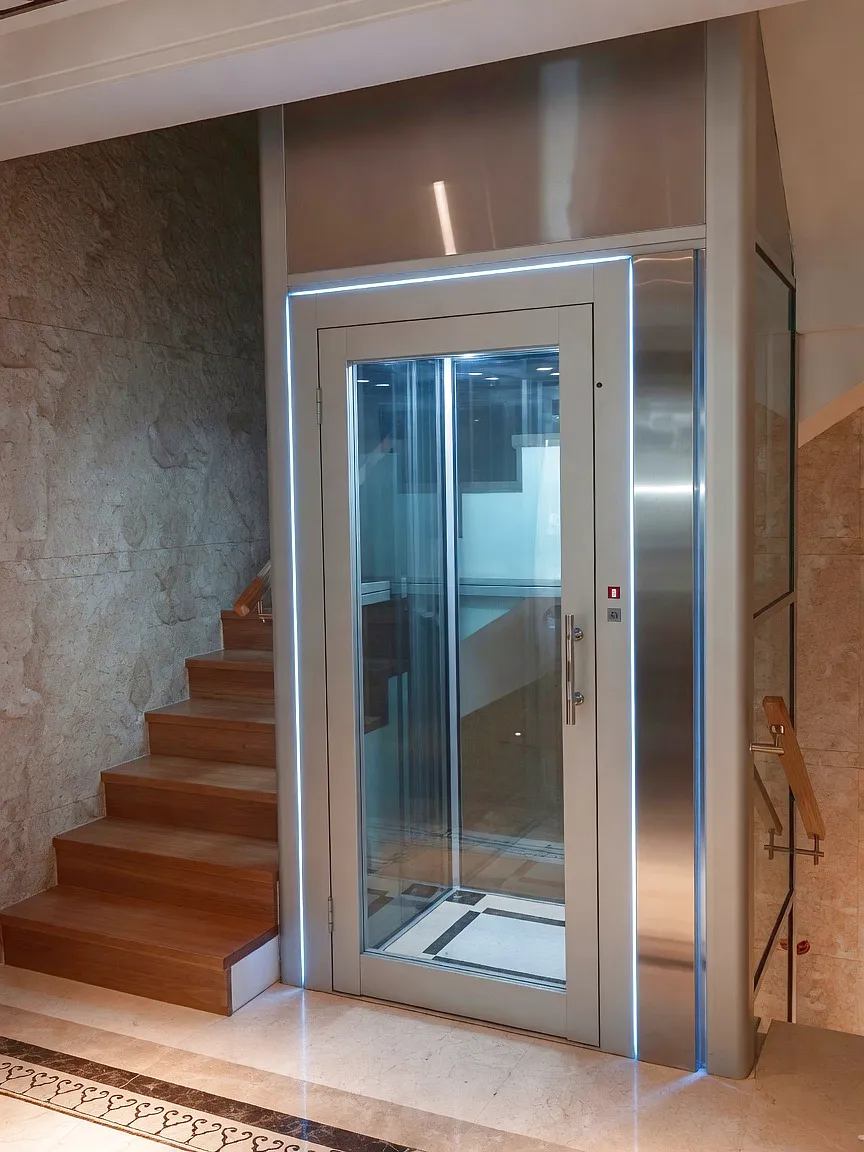
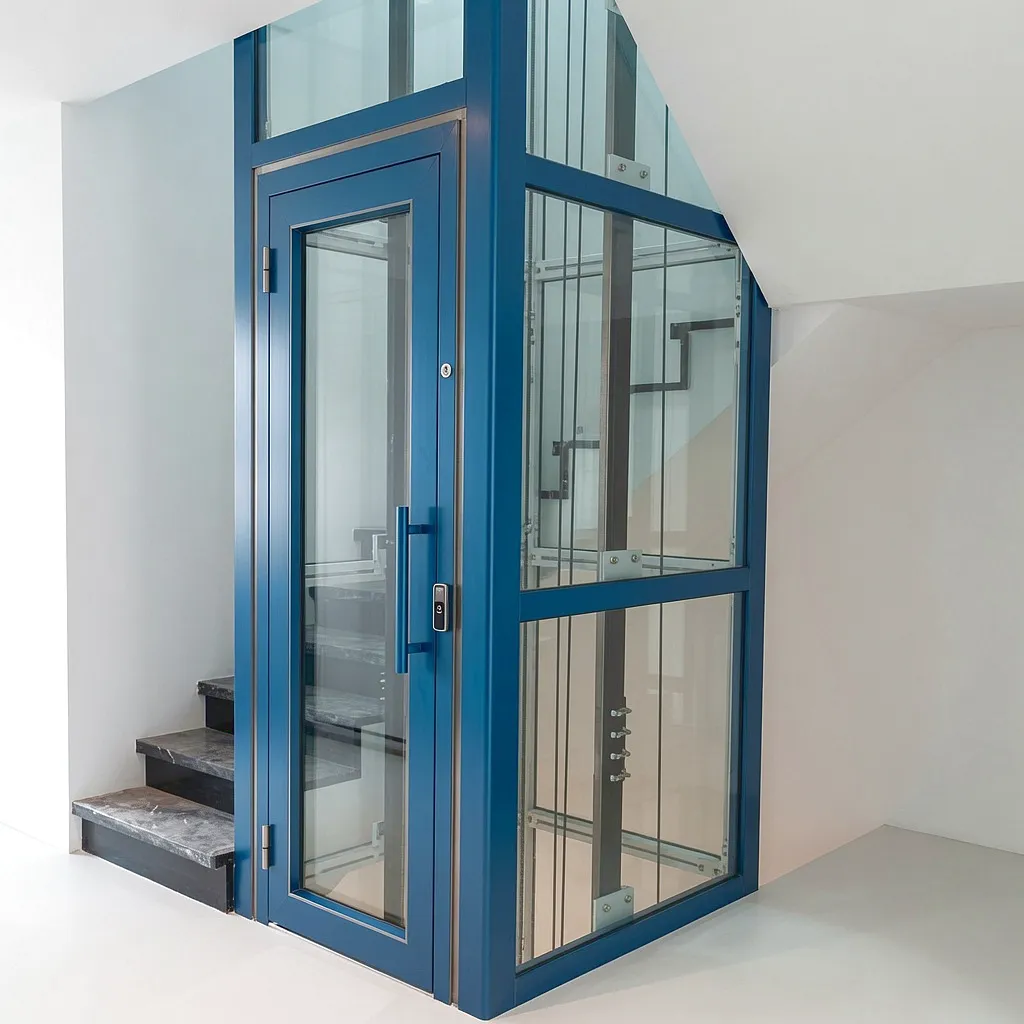
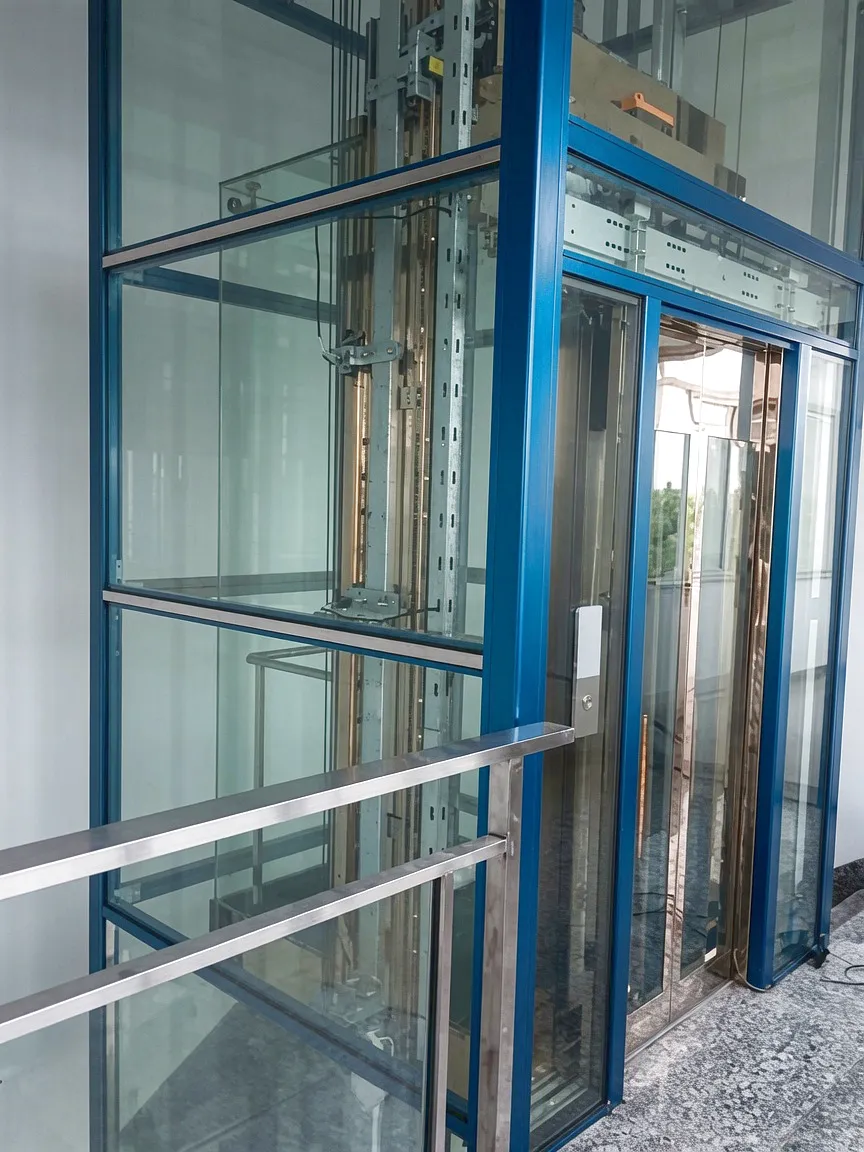
Thames Water, Anglian Water, and Scottish Water’s treatment works use worm gear shafts in sluice gate actuators, bar screen drives, and aerator rotor drives. The self-locking property is safety-critical in gate applications where uncontrolled movement under hydraulic head pressure would be catastrophic. Cast iron-housed worm gearboxes with special shaft seal arrangements to BS EN 15714-2 are standard for outdoor waterside installations exposed to the UK’s rain-intensive climate.
Stainless-grade worm gear shafts certified to FDA 21 CFR and EU GMP Annex 1 are used in pharmaceutical tablet press drives, lyophiliser shelf drive systems, and hospital patient positioning beds. Electropolished 316L worm shafts with Ra 0.4 µm thread surfaces prevent bacterial adhesion and withstand the aggressive cleaning cycles mandated in cleanroom manufacturing environments at Cambridge and Macclesfield pharma campuses.
Ever Power: Precision Worm Gear Shaft Manufacturing & Custom Solutions
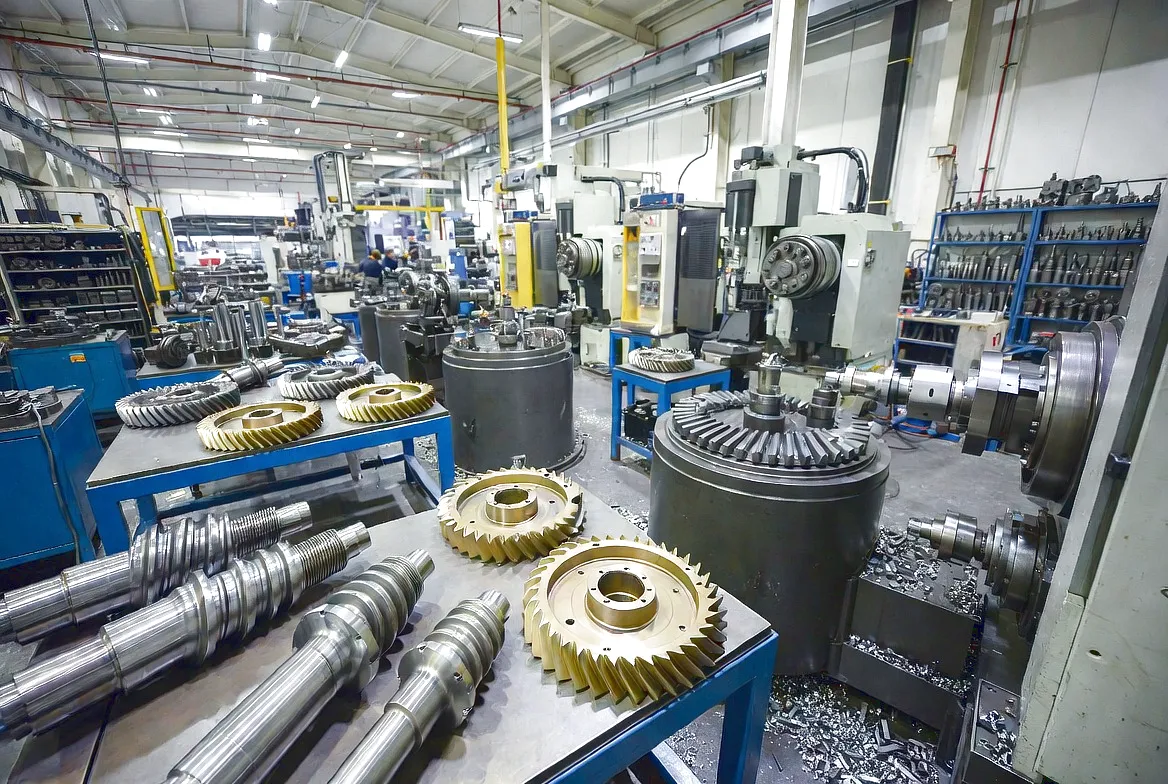
Customisation capability is genuinely the competitive differentiator that UK engineering procurement managers highlight most consistently in feedback to Ever Power’s team. Standard catalogue items are available with lead times of 7–14 working days for UK delivery via consolidated sea freight or air freight for urgent consignments. But the real value proposition lies in Ever Power’s ability to manufacture fully bespoke worm gear shafts from client drawings, with DXF/STEP file submission through the online quotation portal producing a detailed technical quotation within 48 hours. Non-standard shaft extensions, keyways, splines, flanged ends, hollow bore configurations, and special surface treatments including DLC coating and hard chrome plating are all routinely executed.
Quality certifications held by Ever Power include ISO 9001:2015 quality management, ISO 14001:2015 environmental management, and CE marking for machinery components under the UK Machinery Regulations 2008 (as retained in UK law post-Brexit). Third-party inspection by SGS, Bureau Veritas, or the client’s nominated UK-based inspection agency is accommodated on request — a standard requirement from UK OEM clients in the lift, medical device, and defence sub-supply sectors.
⚡ Request Custom Quote — [email protected]
Worm Gear Shaft Product Gallery
Customer Success Story: Sheffield High-Rise Elevator Retrofit
Hallam Heights Properties, a residential property management company responsible for a portfolio of 14 multi-storey tower blocks across the Sheffield S10 and S11 postcode districts, faced a critical maintenance situation in early 2024. Seventeen of their ageing passenger lifts — installed between 1988 and 1996 — were experiencing accelerating worm wheel wear and bearing failure on the original equipment geared traction machines. The combination of increasing breakdown frequency, rising Otis and Kone maintenance contract surcharges, and the imminent expiry of BS EN 81-1:1998 compliance on the older installations created an urgent requirement for replacement worm gear shaft assemblies that could be retrofitted into the existing machine frames without full hoist machine replacement.
Ever Power’s UK technical sales team engaged with Hallam Heights’ appointed lift consultant in April 2024. Following inspection of three sample machines, Ever Power’s engineering team produced a detailed dimensional survey cross-reference and identified that a custom worm gear shaft specification — combining a 20CrMnTi case-hardened worm shaft to ISO Grade 4 accuracy with a re-centred phosphor bronze BS 1400 PB2 wheel — could be manufactured to a dimensional interchange specification allowing drop-in replacement without modification to the existing bearing housings, sheave mountings, or machine bedplates. This approach eliminated the need for machine room structural work and reduced the per-lift modernisation cost by an estimated 38% compared with full machine replacement.
The first batch of five worm gear shaft assemblies was delivered to Sheffield within 21 working days of purchase order placement, with the remaining 12 units completing over the following six weeks under a phased delivery schedule that aligned with Hallam Heights’ planned maintenance windows. All assemblies were supplied with full material test certificates, dimensional inspection reports traceable to UKAS-accredited reference equipment, and a 24-month warranty against manufacturing defects. Post-installation monitoring over the following 14 months recorded zero breakdowns attributable to worm gear shaft wear, and average lift availability across the 17 retrofitted units improved from 94.2% to 99.1% — a result that delivered measurable improvement in resident satisfaction survey scores and avoided an estimated £185,000 in emergency call-out and remedial engineering costs.
“The dimensional accuracy of Ever Power’s worm gear shaft assemblies exceeded anything we’d sourced from European suppliers at this price point. The thread form profile matched our CMM data to within 4 microns on every shaft in the batch. Installation was straightforward, and the lifts have run faultlessly since commissioning.”
“We specified a stainless steel worm gear shaft for a wash-down conveyor at our Wakefield facility. Ever Power’s team understood the IP69K requirement immediately, provided the correct 316L material certification without being asked, and the unit has been running through twice-daily caustic wash cycles for eleven months without any signs of surface corrosion or seal degradation.”
“Ever Power handled a genuinely unusual custom brief for us — a large-bore worm gear shaft for a ladle tilting drive with a non-standard spline bore and flanged collar — with a level of engineering engagement you simply do not get from a catalogue supplier. The 48-hour quotation was technically thorough, the delivery came three days ahead of schedule, and the unit passed our third-party SGS inspection first time. Very impressive.”
Frequently Asked Questions
Real questions from UK engineers and procurement managers — answered straight.
Pricing depends on module size, shaft diameter, material grade, surface treatment, quantity, and dimensional tolerance class. A standard alloy steel worm shaft in the 50–100 mm diameter range typically starts from around £85–£240 per unit at modest quantities. Stainless steel or DLC-coated variants carry a 40–80% premium. Ever Power provides itemised quotations within 48 hours — contact [email protected] with your drawing or specification for an accurate figure.
For food processing environments requiring wet or wash-down conditions, 316L stainless steel is the standard material of choice for the worm shaft, paired with a food-grade PTFE or bronze wheel. If the application involves incidental food contact, look for material certification to FDA 21 CFR 177 and ensure the surface finish is Ra 0.8 µm or finer on all wetted surfaces. Ever Power can supply material compliance documentation specific to BRC and BRCGS food safety audit requirements.
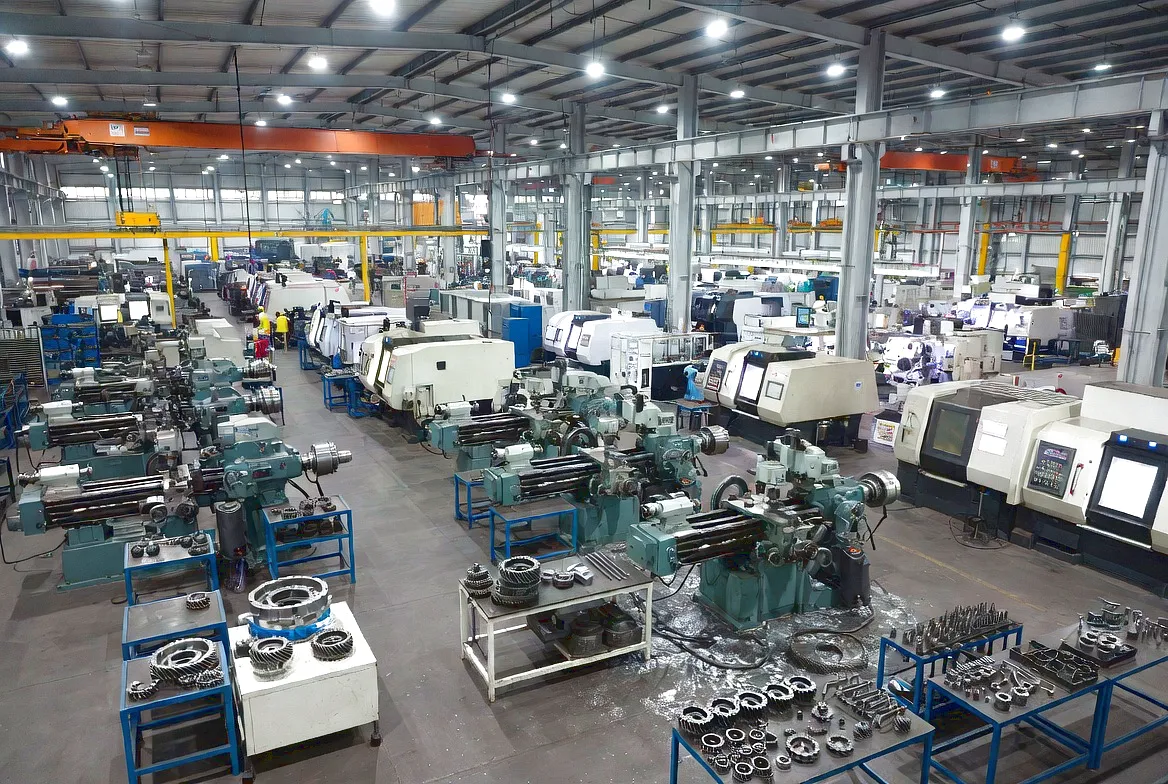
Ever Power maintains a UK-accessible ordering and technical support operation, with manufacturing in a fully equipped precision gear facility. Standard catalogue worm shafts ship in 7–10 working days to mainland UK addresses via DHL or UPS freight. Custom-machined components manufactured to client drawings are typically completed in 14–21 working days depending on complexity. Air freight options can reduce international transit to 3–5 working days for urgent requirements.
A properly specified, lubricated, and installed worm gear shaft operating at less than 70% of its rated torque capacity under continuous duty should achieve 20,000–40,000 hours before any measurable wear affects performance. The bronze wheel typically wears before the hardened steel worm shaft, and replacing the wheel at the first sign of tooth flank wear — indicated by increasing vibration or oil debris analysis — extends worm shaft life considerably. Regular oil sampling analysed by an ISO 11500-compliant laboratory is the most cost-effective monitoring approach for high-value industrial gearboxes.
Send Ever Power the existing worm shaft dimensions — ideally a measured drawing or calliper measurements of shaft diameter, thread length, module, number of starts, and bearing journal sizes — to [email protected]. The team will produce a full dimensional cross-reference and technical quotation within 48 hours. For elevator drive applications, please also confirm the gear ratio, motor power rating, and whether the shaft is intended for retrofitting into an existing machine or a new build installation, as these factors influence the accuracy specification and material treatment required.
A single-start worm has one continuous helical thread. Each rotation of the worm advances the wheel by one tooth. A multi-start worm — typically 2, 4, or 6 starts — advances the wheel by 2, 4, or 6 teeth per revolution respectively, giving a higher lead angle and therefore significantly better mechanical efficiency (multi-start designs can reach 90%+ efficiency versus 70–78% for single-start at the same ratio), but at the cost of losing the self-locking property. For UK packaging and conveyor OEMs focused on energy efficiency under Part L of the UK Building Regulations, a 4-start worm gear shaft on a matched variable frequency drive is often the most energy-efficient configuration for continuous duty applications.