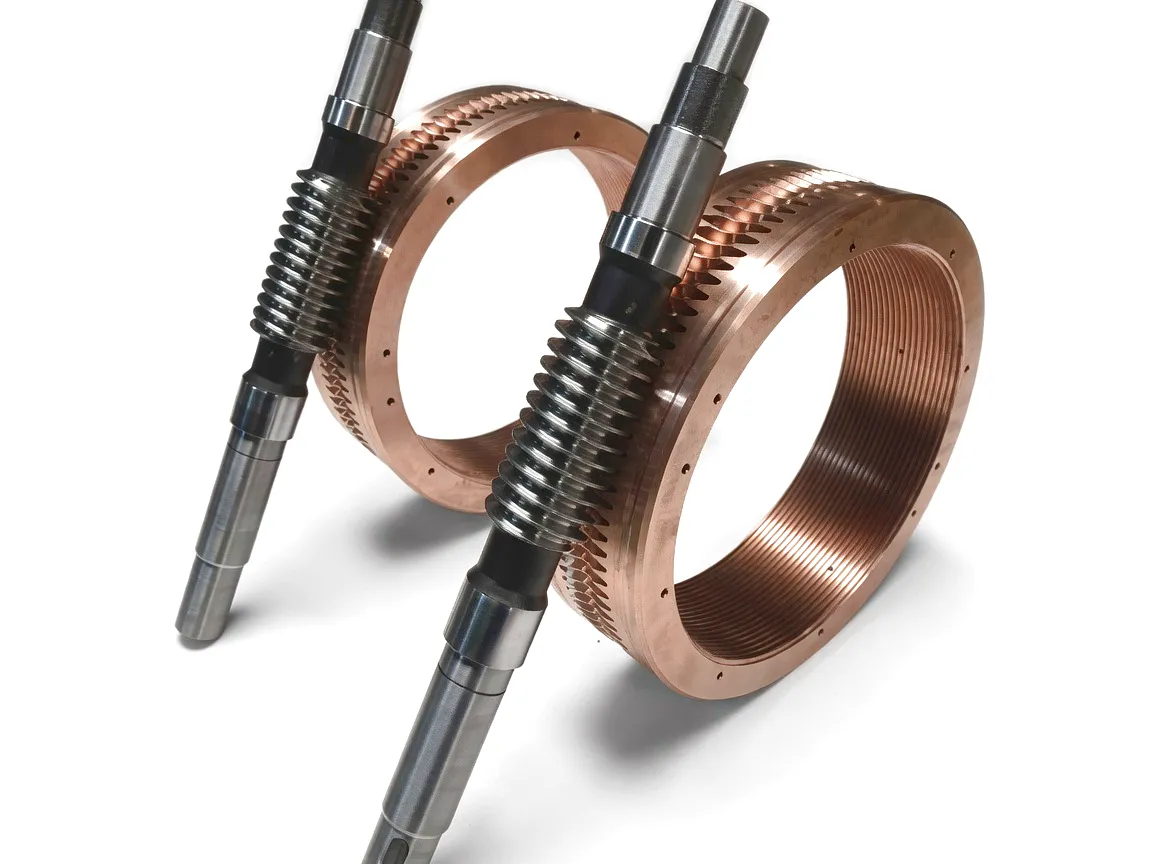
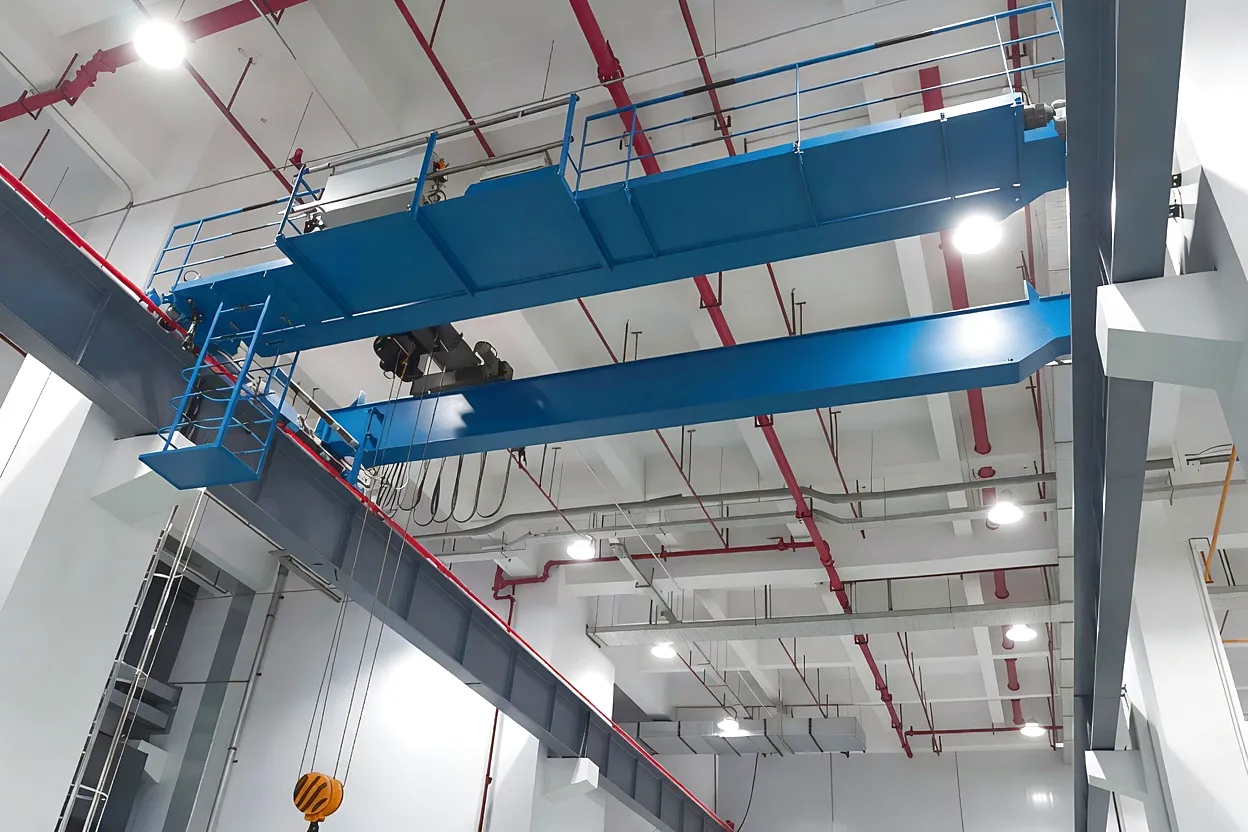
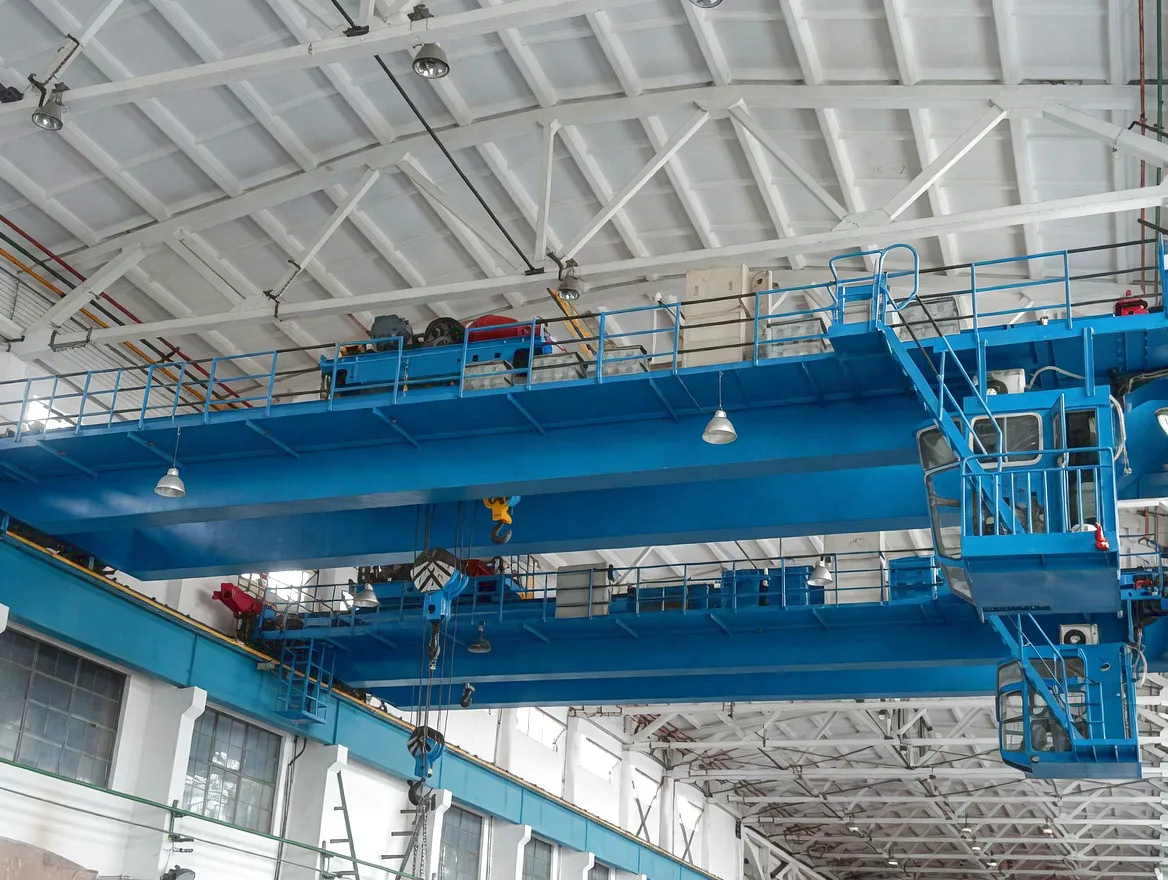
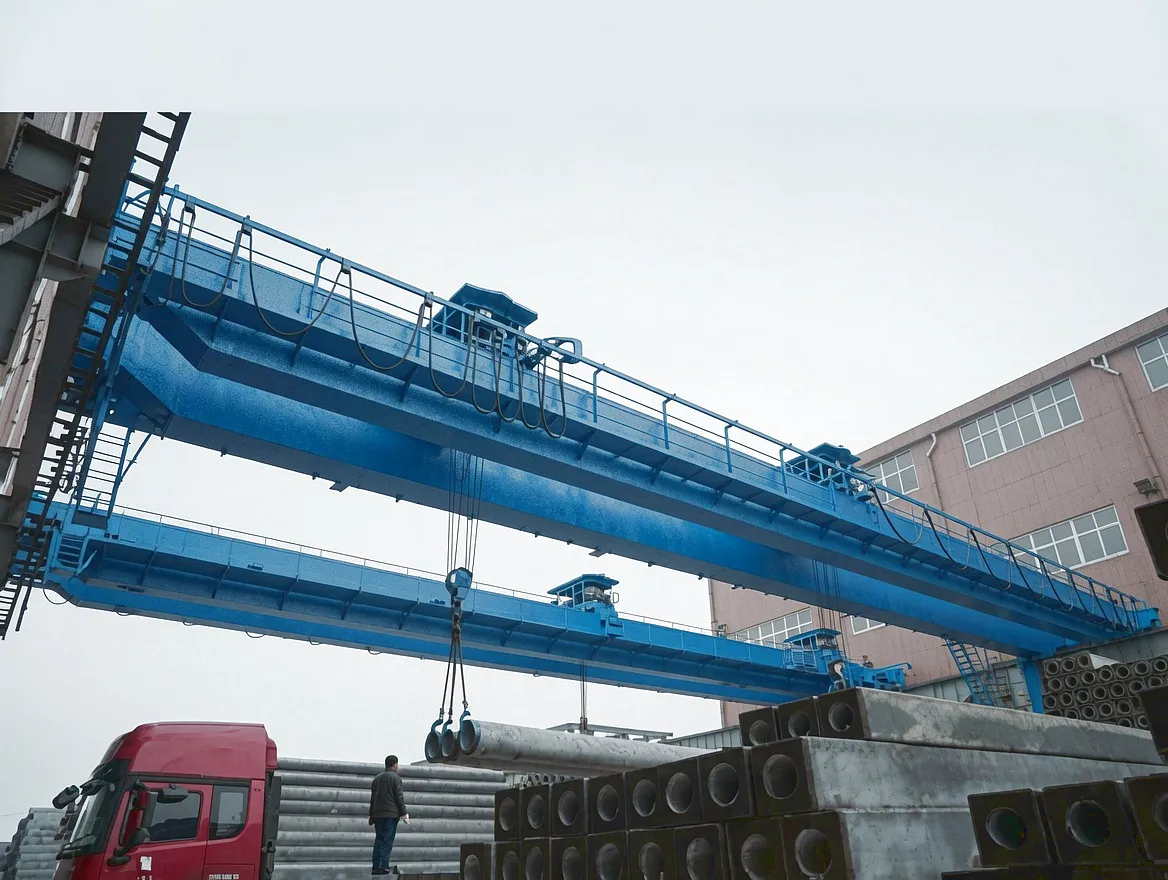
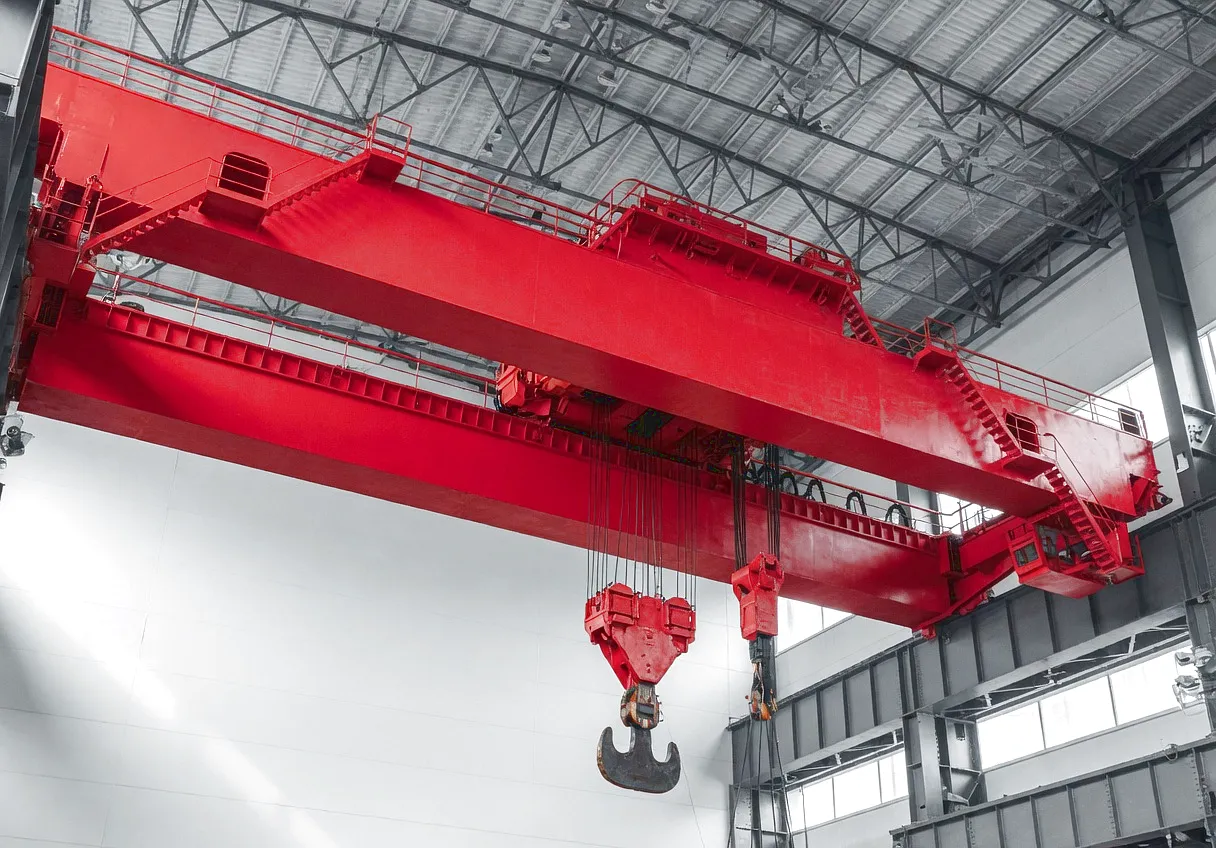
 In the world of heavy lifting, where a single mechanical failure can carry catastrophic consequences, the role of the worm gear shaft extends far beyond ordinary power transmission. Within bridge crane hoist mechanisms — the backbone of steel mills, shipyards, and heavy manufacturing facilities across Birmingham, Sheffield, and the wider UK industrial corridor — the worm gear shaft assembly serves a function that is at once elegant and absolutely critical. The primary drive of an overhead crane hoist typically employs a wound-rotor motor or a variable-frequency drive motor, channelling rotational force through a spur or helical gear reduction unit to raise and lower wire rope wound on a drum. Within this arrangement, the worm gear shaft is positioned as a secondary safety lock at the downstream stage of the reducer.
How a Worm Gear Shaft Actually Works in a Crane Hoist
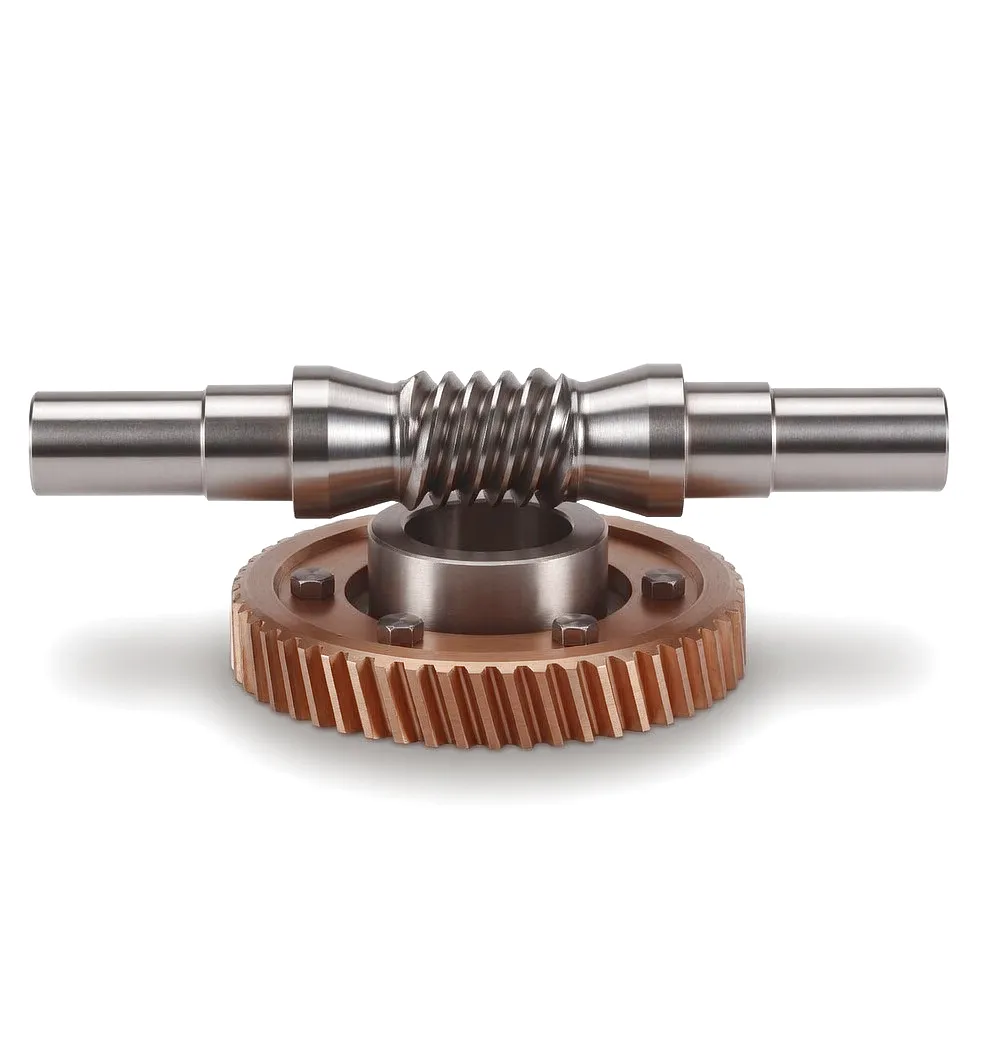
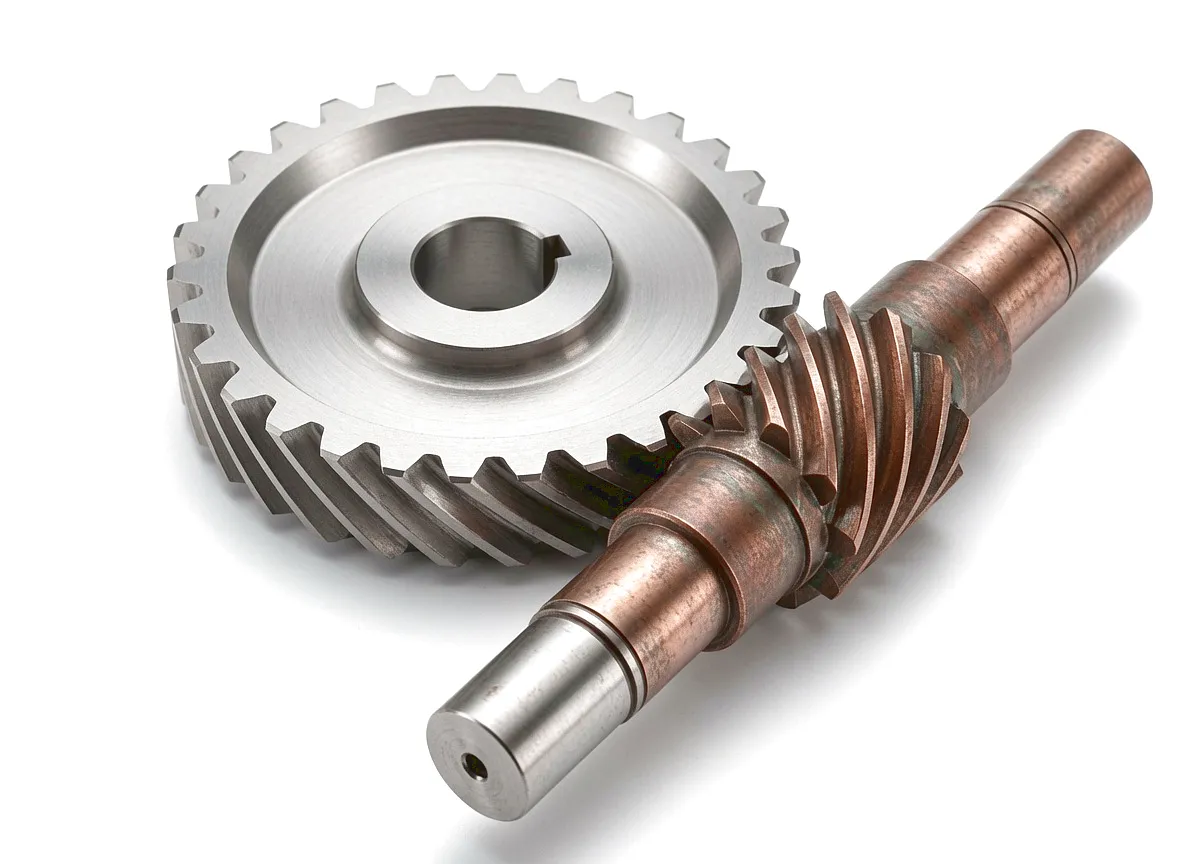
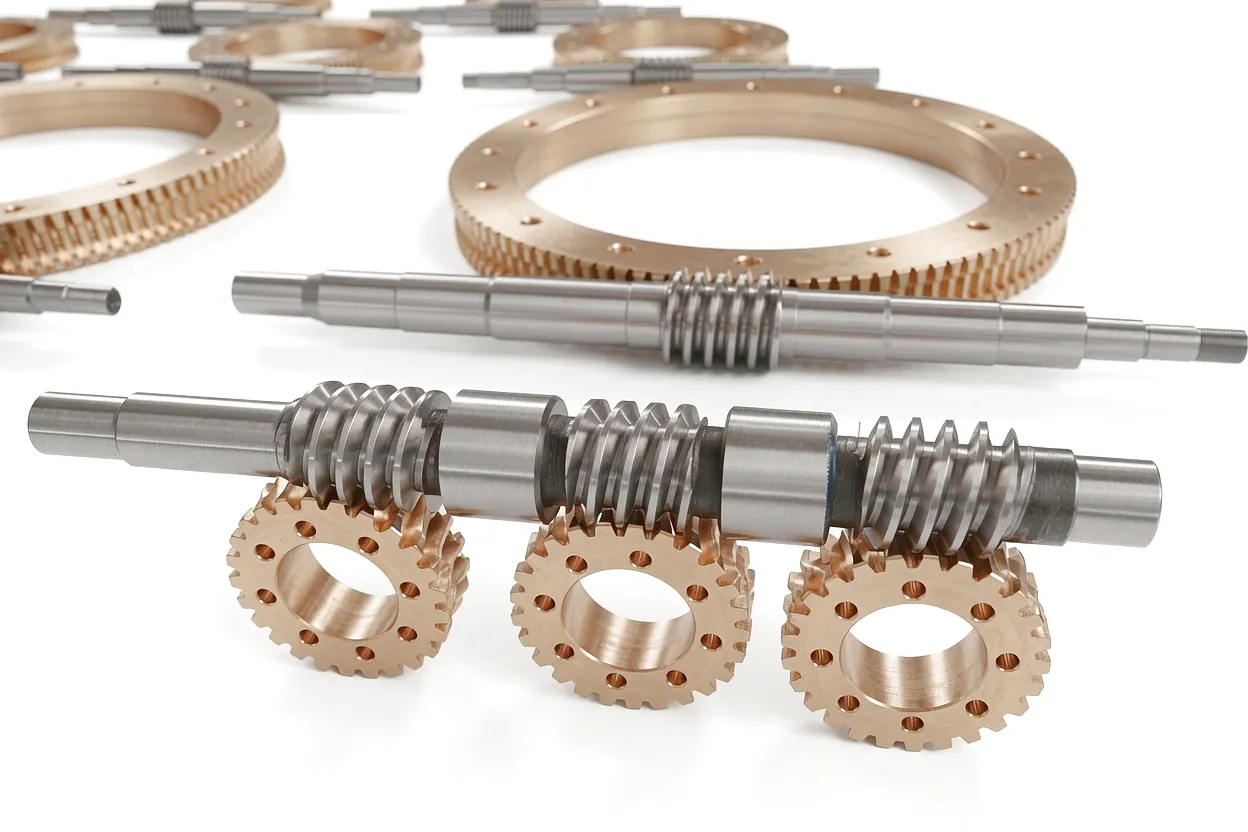
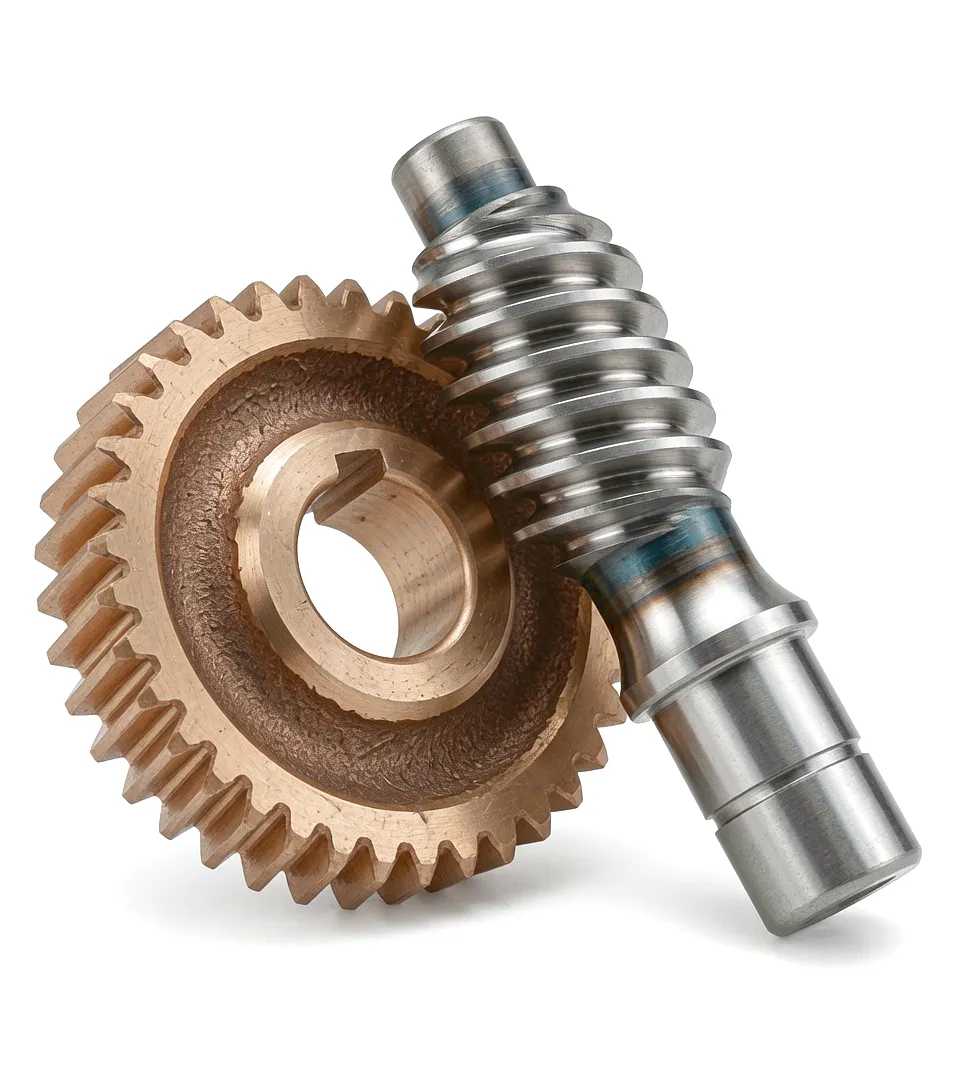
The worm gear shaft is a helical threaded shaft — resembling a screw — that meshes perpendicularly with a worm wheel (worm gear). As the shaft rotates, its threads engage successive teeth on the worm wheel, converting input rotation into a much slower, higher-torque output at 90 degrees to the original axis. The reduction ratio can range from 5:1 to 100:1 or beyond in a single stage, making this one of the most compact high-ratio reduction solutions in mechanical engineering. In hoist applications, the shaft’s helix angle is deliberately kept below the friction angle of the mating materials — typically between 4° and 10° — so that back-driving from the load side is physically impossible without an active driving force. This is what engineers mean when they describe the “self-locking” condition: the geometry of the thread lead angle versus the friction coefficient of the contact interface creates a state where no amount of reverse torque from a hanging load can cause the shaft to rotate backward.
Gear Ratio Range
5:1 – 100:1
Single-stage reduction, delivering exceptional torque multiplication in a compact housing footprint.
Self-Locking Helix Angle
4° – 10°
Thread lead angle kept below the material friction angle — the geometric source of inherent back-drive prevention.
Shaft Axis Offset
90°
Perpendicular power transfer between input and output axes, enabling compact crane gearbox integration.
Materials That Define Reliability
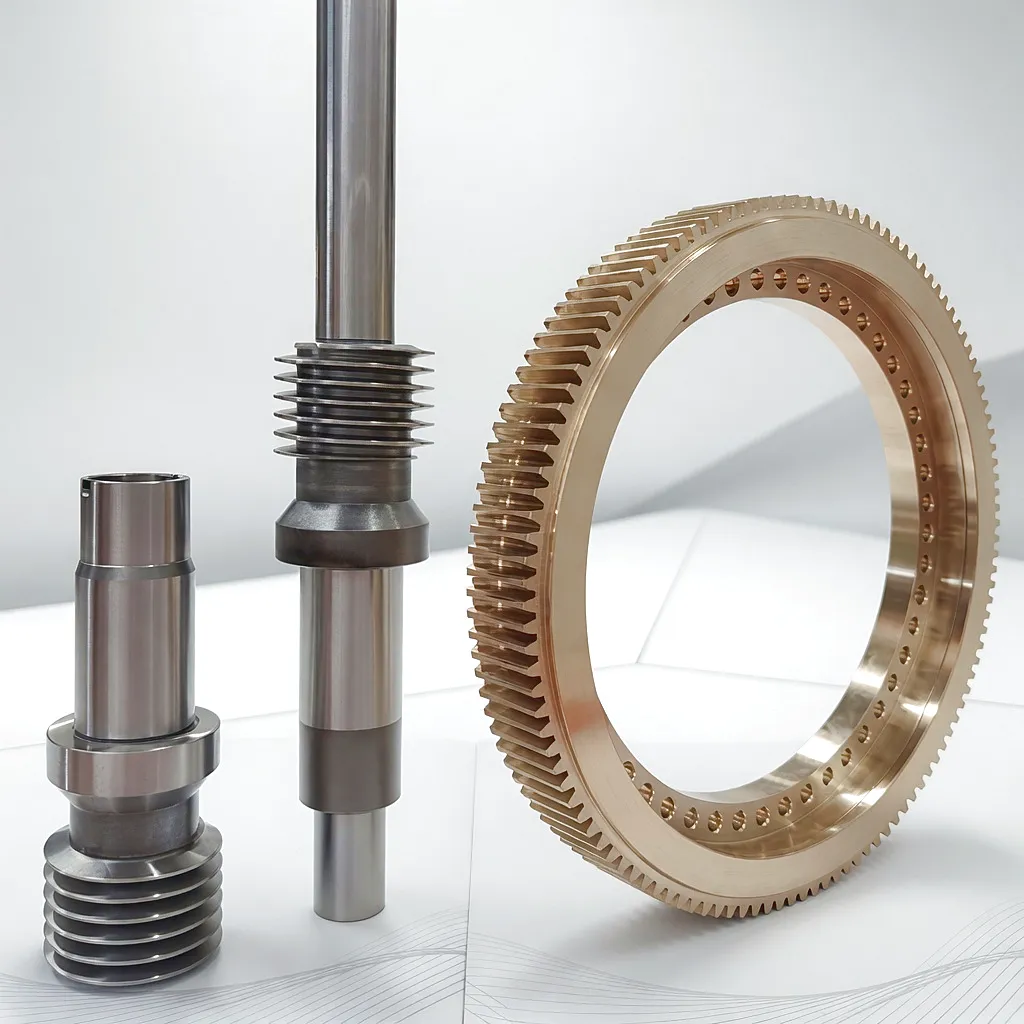
20CrMnTi Steel
Case-hardened alloy steel. Surface hardness 58–62 HRC after carburising. Standard worm shaft material for medium-duty crane hoists up to 20 t.
42CrMo4 Steel
High-tensile alloy steel. UTS 900–1100 MPa. Preferred for heavy-lift crane applications above 20 t, delivering shock resistance across the full shaft body.
Phosphor Bronze (PB104)
Worm wheel material. Self-lubricating, sacrificial wear partner to the steel worm. Thermal conductivity aids heat dissipation under continuous duty.
Aluminium Bronze
High-strength bronze alloy for worm wheels operating in corrosive or high-temperature environments such as foundries, chemical plants, and marine facilities.
Core Technical Advantages of the Worm Gear Shaft
When engineering teams in Birmingham’s aerospace component sector or Sheffield’s special steel industry evaluate a secondary safety lock for hoist machinery, these are the properties that distinguish a precision worm gear shaft from alternative drive solutions.
Inherent Self-Locking Safety
The thread geometry prevents back-driving without any external latching device. In crane hoists, this means a stationary suspended load remains stationary even if drive power is cut or the primary brake fails — a property no spur gear or helical gear set can offer without additional holding mechanisms.
High Single-Stage Reduction Ratio
Achieving 60:1 or 80:1 in a single mesh stage — something that would require two or three stages of helical gearing — enables significantly more compact hoist gearboxes. This space economy is invaluable in EOT (Electric Overhead Travelling) cranes where headroom is at an absolute premium.
Low Noise and Vibration
The sliding contact between worm thread and wheel tooth, combined with the conformal geometry of the mesh, produces a much smoother and quieter engagement than spur gears at equivalent loads. In warehouse automation and light industrial assembly environments, this vibration reduction measurably extends the service life of adjacent bearings and housings.
Compact 90-Degree Layout
The orthogonal axis arrangement between the worm shaft and the wheel output shaft solves layout challenges that bevel gears or chain drives cannot address as efficiently. It is particularly suited to the constrained envelopes of mobile gantry cranes and wall-mounted jib cranes found throughout West Midlands fabrication shops.
High Torque Multiplication
The mechanical advantage conferred by the worm’s thread pitch means small input motors can generate very large output torques — enabling crane designs that are electrically efficient while mechanically robust. For facilities under the UK Government’s energy efficiency directives, this torque-to-motor-size ratio carries direct cost implications.
Long Service Life with Proper Lubrication
When supplied with an appropriate ISO VG 220 or VG 320 gear oil via splash lubrication or a pressurised circuit, a precision-ground worm gear shaft will deliver 20,000 to 40,000 hours of service life in standard hoist duty cycles — well in excess of typical maintenance intervals for crane systems certified under BS EN 13001.
Technical & Performance Parameters
The table below summarises the key engineering parameters for standard worm gear shaft assemblies used in overhead crane hoist applications. Custom configurations beyond these ranges are available through Ever Power’s engineering team.
| Parameter | Standard Range | Notes |
|---|---|---|
| Worm Shaft Module (m) | 1 – 16 mm | Larger modules for heavy-duty crane and winch applications |
| Shaft Diameter (d) | 20 – 200 mm | CNC-ground to h6 tolerance class; custom diameters available |
| Gear Ratio (i) | 5:1 – 100:1 | Non-standard ratios (e.g. 37:1) available for specific OEM requirements |
| Output Torque | 50 – 50,000 Nm | Tested under peak load 1.5x rated torque per BS EN ISO 9283 |
| Thread Lead Angle | 4° – 28° | Angles below ~8° ensure self-locking with steel/bronze interface |
| Surface Hardness (Worm) | 55 – 62 HRC | After carburising + quenching + precision grinding of thread flanks |
| Worm Material | 20CrMnTi / 42CrMo4 | Stainless steel (316L) available for food, pharma, and marine environments |
| Wheel Material | Phosphor Bronze / Aluminium Bronze | Grey cast iron available for low-speed, intermittent-duty applications |
| Operating Temperature | -20°C to +120°C | Extended ranges to +180°C with synthetic gear oil and special seals |
| Thread Form | ZA / ZN / ZK / ZI | ZA (Archimedes) most common; ZI (involute) for high-speed, precision-critical drives |
| Input Speed Range | 10 – 3,000 RPM | Higher speeds require forced lubrication; typical crane drives: 750–1500 RPM |
| Efficiency (%) | 30 – 90% | Lower at high ratios (30–50%); higher at low ratios (70–90%) with precision ground flanks |
Industrial Application Scenarios
The self-locking worm gear shaft assembly finds its most demanding applications wherever controlled vertical lifting is combined with a requirement that loads must not descend without deliberate operator command. Across the UK’s manufacturing heartlands and beyond, these are the sectors where this component earns its keep.
🏭 Metal Foundries & Steel Mills
Ladle handling and ingot transfer cranes in Sheffield and Rotherham’s electric arc furnace operations rely on worm gear shaft secondary locks to hold 80+ tonne ladles of molten steel safely during tapping delays or control system diagnostics.
🚚 Automotive Manufacturing
Body-in-white hanger systems in vehicle assembly plants — where car shells travel along overhead conveyors at specific heights — use worm gear driven hoists to position shells at ergonomic heights for assembly technicians. Self-locking prevents costly and dangerous shell drops during power-off events.
⛉ Offshore & Wind Energy
Service hoists on offshore wind turbines installed in the North Sea and Irish Sea deploy worm gear shaft driven lifts for technician access to nacelles. The corrosion-resistant variants — stainless worm shafts with aluminium bronze wheels — meet the demanding certification requirements of DNV GL and Bureau Veritas.
🏠 Construction & Stage Machinery
Theatre fly systems, TV studio ceiling grids, and construction material hoists all use self-locking worm gear shaft assemblies as the mechanical guarantee that lighting rigs, scenery, or stone cladding panels cannot free-fall onto workers or audiences below, regardless of electrical system status.
🏭 Food & Pharma Processing
316L stainless steel worm gear shaft variants meet FDA and EHEDG hygiene requirements for ingredient elevators and ingredient bag-dump stations in large food production facilities in the East Midlands. Fully sealed IP69K housings prevent wash-down ingress while maintaining the self-locking property.
📈 Warehouse & Logistics Automation
Vertical lift modules (VLMs) and automated storage retrieval systems (AS/RS) in fulfilment centres serving the UK e-commerce sector rely on precision worm gear shaft drives for tray elevator systems — where accurate positioning and inherent holding under power loss are both non-negotiable operational requirements.
Ever Power: Precision Manufacturing & Custom Engineering
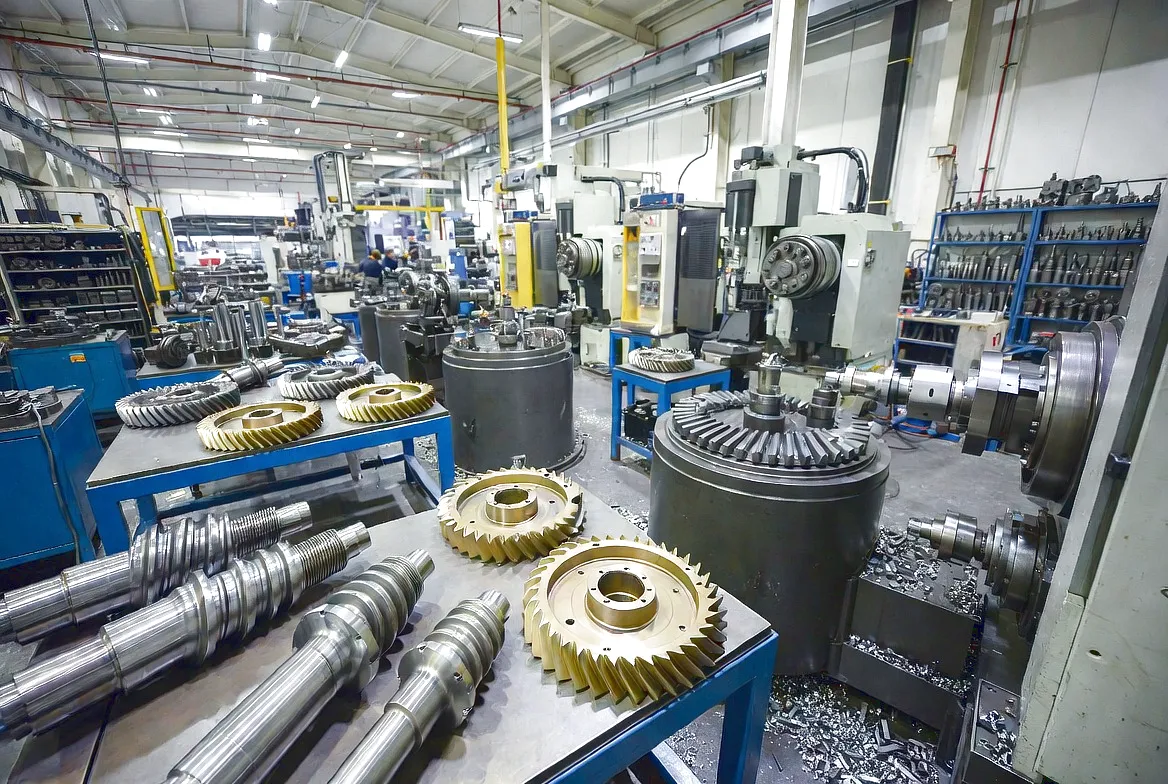
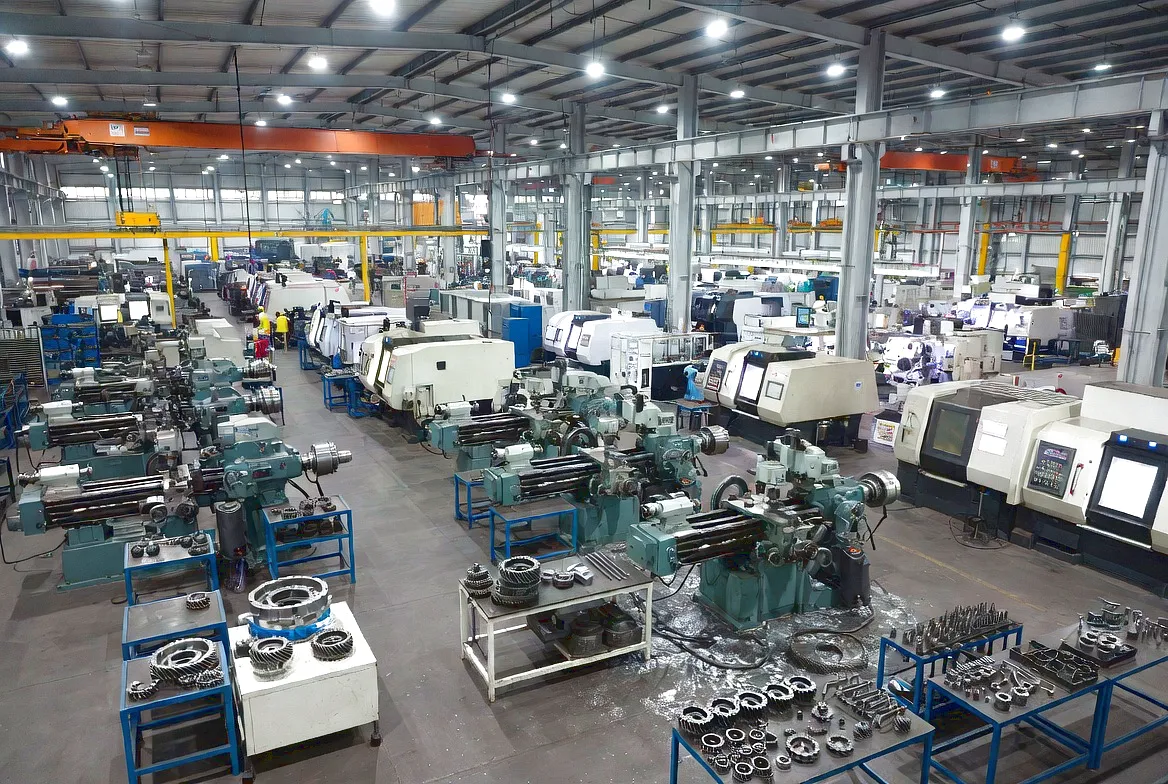
Ever Power has built its reputation as a precision worm gear shaft manufacturer over more than two decades, supplying crane and hoist system integrators, OEM gearbox builders, and aftermarket replacement specialists across Europe, the Middle East, and North America. The manufacturing infrastructure centres on a facility equipped with multi-axis CNC thread grinding machines capable of holding thread flank surface roughness to Ra 0.4 µm — a level of finish that directly translates into the extended contact fatigue life and consistent self-locking reliability that safety-critical hoist applications demand. Every worm gear shaft that leaves the Ever Power production line passes through a documented quality trail encompassing material traceability, hardness verification, runout measurement, and gear accuracy classification to DIN 3974 or equivalent.
Where Ever Power’s value proposition becomes most clear is in customisation capability. The engineering team regularly develops worm gear shaft configurations that fall outside standard catalogue entries: non-standard centre distances, dual-start thread forms for specific efficiency targets, bimetallic shaft constructions for weight-reduction in mobile crane applications, and complete matched assemblies including housings, bearings, and seals pre-configured to a customer’s mounting envelope. Lead times for bespoke worm gear shaft designs are typically 15–25 working days for sample quantities, with a rapid-prototyping process that allows British crane OEMs to receive functional test samples before committing to full production tooling investment. The supply chain behind this turnaround is robust: Ever Power holds strategic stock of the alloy steel billets and phosphor bronze castings most commonly called for, eliminating the material procurement delays that often stretch delivery schedules at smaller suppliers.
Ra 0.4 µm
Thread Flank Surface Finish
DIN 3974
Gear Accuracy Classification
15–25
Working Days Custom Lead Time
20+
Years of Manufacturing Expertise
Ever Power Custom Engineering
Request a Custom Worm Gear Shaft Quote
Share your load torque, shaft dimensions, gear ratio, and duty cycle — our engineers will respond with a technically validated proposal within 24 hours.
Worm Gear Shaft Product Gallery
Customer Success Story: Sheffield Structural Steel, South Yorkshire
★★★★★
“The self-locking performance of the Ever Power worm gear shaft secondary lock gave us complete confidence during the HSE reinspection. The assessor specifically noted that the mechanical safety backup exceeded the requirements of LOLER 1998. We had the units fitted and all six cranes back in production within three days of delivery.”
— Head of Facilities Engineering, Sheffield Structural Steel Fabricator
★★★★★
“We’ve worked with multiple worm shaft suppliers over the years. Ever Power’s custom engineering response was in a different class — they came back with a detailed torque calculation, a verified safety factor analysis, and a dimensional drawing within 48 hours of our initial enquiry. The finished parts were dimensionally perfect and the documentation quality satisfied our client’s third-party inspection requirements without any revision requests.”
— Senior Mechanical Engineer, West Midlands Crane OEM
★★★★★
“Our offshore wind service hoist project required 316L stainless worm gear shafts certified to DNV GL requirements. Ever Power managed material certification, heat treatment documentation, and dimensional compliance with zero non-conformances. The 22-day delivery to our Aberdeen facility was exactly as promised, which kept us on the installation schedule for a North Sea commissioning window.”
— Procurement Manager, Aberdeen-based Offshore Equipment Supplier
How to Select the Right Worm Gear Shaft for Your Hoist Application
Specifying a worm gear shaft for a bridge crane secondary safety lock is not simply a matter of matching a catalogue number to a load rating. The interaction between thread geometry, material, lubrication, duty cycle, and mounting arrangement determines whether the component performs reliably for a decade or fails prematurely within months. The starting point is always the output torque requirement: calculate the maximum static holding torque at the drum shaft, apply a shock factor of 1.5 for crane operations per BS EN 13001-3-1, and add a service factor based on daily run hours and start/stop frequency. This derived design torque, rather than the nominal load weight, is what governs the selection of the worm gear shaft module size and shaft diameter.
| Selection Factor | Consideration | Impact on Design |
|---|---|---|
| Design Torque | Load weight × drum radius × shock factor × service factor | Drives module size and shaft diameter selection |
| Self-Locking Requirement | Confirm static load holding needed without brake engagement | Specifies lead angle ≤ friction angle; typically ≤ 8° |
| Duty Cycle | Continuous, intermittent, or emergency standby | Affects lubrication type, thermal analysis, and surface finish spec |
| Environmental Conditions | Corrosion, temperature range, contamination risk | Material selection: standard steel vs stainless vs coated variants |
| Compliance Standard | BS EN 13001, LOLER 1998, DNV GL, or customer-specific | Documentation, material certs, and test report requirements |
| Integration Envelope | Available space, shaft diameter, and mounting face at gearbox output | Custom adapter housing design if standard flange sizes do not match |
Frequently Asked Questions
Real questions from engineers, procurement managers, and maintenance teams across the UK.
Ready to Specify?
Precision Worm Gear Shafts, Built to Your Specification
From Sheffield steel mills to Aberdeen offshore installations — Ever Power delivers engineered worm gear shaft solutions across the UK and worldwide.
Ever Power Worm Gear Shaft — Precision Power Transmission for Critical Industrial Applications | UK Supply: Birmingham · Sheffield · Glasgow · Aberdeen · London | [email protected]
edit by gzl