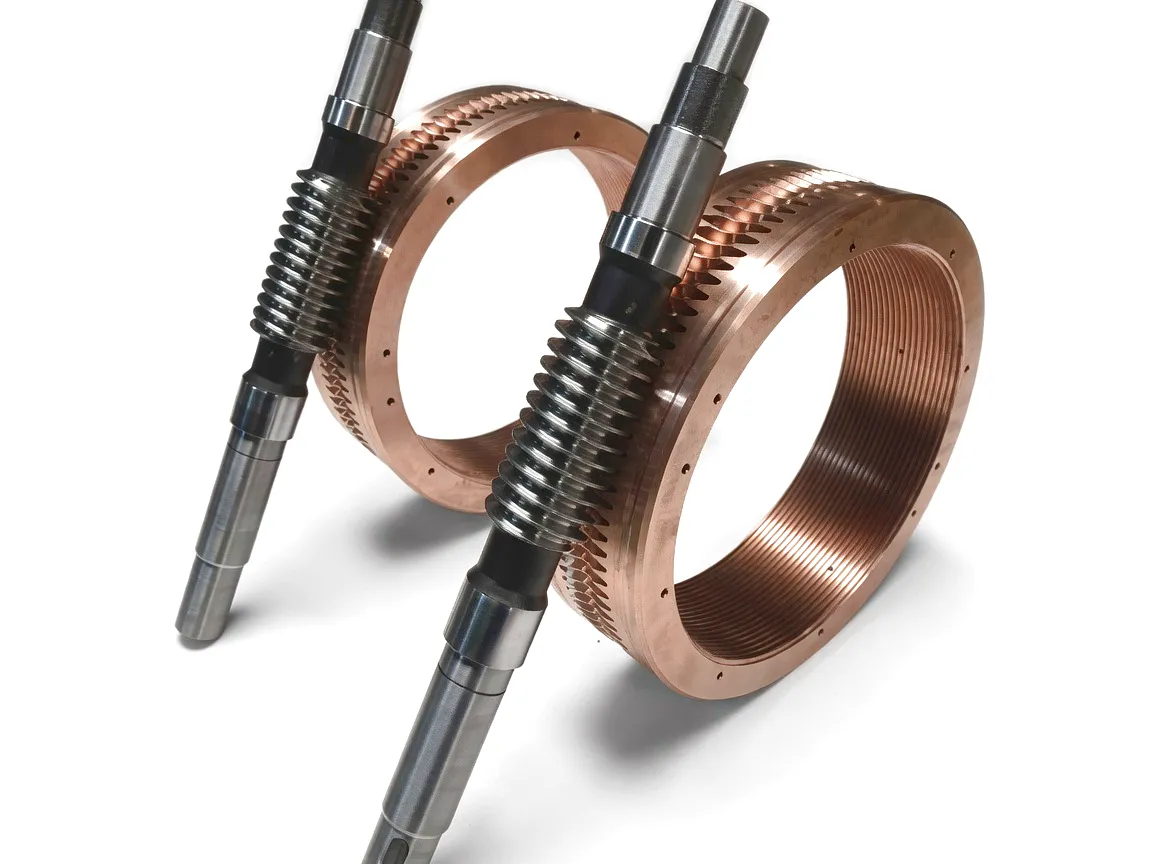
Working Principle of the Worm Gear Shaft in Bucket Elevator Drives
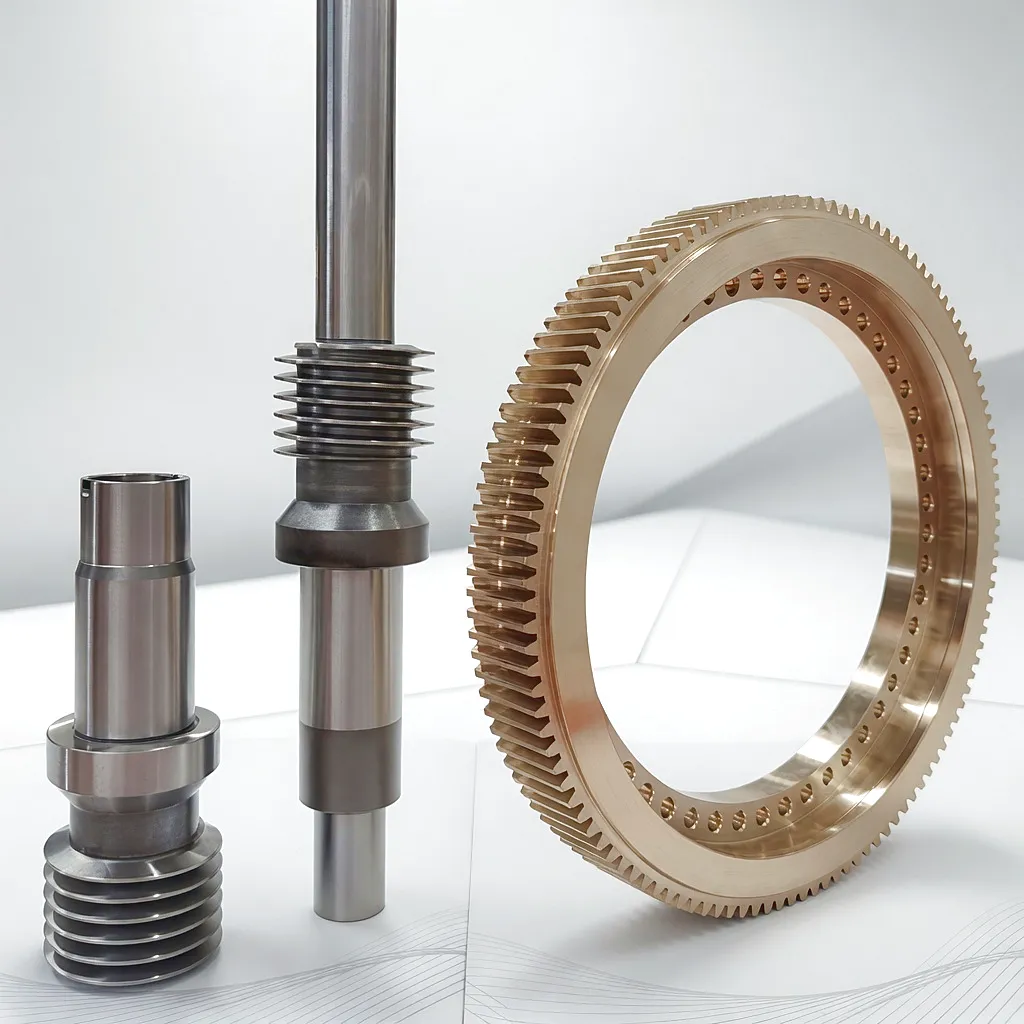
Key Mechanism: The self-locking property emerges from the relationship between lead angle (λ) and the friction angle (ρ). When λ < ρ, the drive locks against reversal. Typical bucket elevator worm reducers maintain λ between 3.5° and 6°, using bronze worm wheels against hardened steel shafts to produce friction coefficients in the range of 0.05 to 0.08 under lubricated conditions — sufficient to prevent back-drive while maintaining acceptable forward drive efficiency.
Material Science Behind High-Performance Worm Gear Shafts
Material selection for the worm gear shaft and its mating wheel is not an arbitrary engineering decision — it directly determines the reducer’s torque capacity, thermal operating range, wear life, and maintenance intervals. In bucket elevator applications, where continuous duty cycles at elevated loads are the norm rather than the exception, choosing the wrong material pairing can result in premature scoring of the worm flank, accelerated wear of the bronze wheel, and unexpected seizure under the high contact pressures that occur during start-up against a fully loaded elevator. The most widely adopted solution across the global and UK-specific bucket elevator industry pairs a case-hardened alloy steel worm shaft against a centrifugally cast phosphor bronze or aluminium bronze worm wheel. This dissimilar metal pairing is deliberate and functional: the softer bronze wheel acts as a sacrificial component, wearing preferentially and protecting the harder, more expensive worm shaft, while also providing the lubricity needed to reduce the coefficient of friction at the contact interface.
Carburised and case-hardened to 58–62 HRC at the tooth flank. The case depth of 0.8–1.2 mm provides a wear-resistant surface while the tough core absorbs shock loads from start/stop cycling. Grinding to Ra 0.4 µm surface finish minimises friction and heat generation at the mesh point.
Centrifugally cast phosphor bronze or aluminium bronze. Tin bronze (ZCuSn10Pb1) delivers excellent conformability and anti-scoring properties for standard loads. Aluminium bronze (CuAl10Fe5) is specified when operating temperatures exceed 90°C or when corrosive dust environments demand greater chemical resistance.
Grey cast iron housings provide vibration damping critical for variable-load start cycles common in grain and fertiliser elevators. Nodular (ductile) iron GJS-500-7 is used for larger units where impact resistance during jam-clearing events is required. Internal bore finish and bearing seat tolerances are held to H7/h6 for interference fit integrity.
Polyalphaolefin (PAO) or polyalkylene glycol (PAG) synthetic gear oils are increasingly specified in UK food processing and pharmaceutical bucket elevators, where mineral oil contamination risk requires food-grade H1 lubricant certification. PAG-based lubricants are particularly effective in worm gear shaft reducers, reducing mesh temperatures by up to 15°C compared to mineral equivalents.
Core Technical Advantages in Bucket Elevator Applications
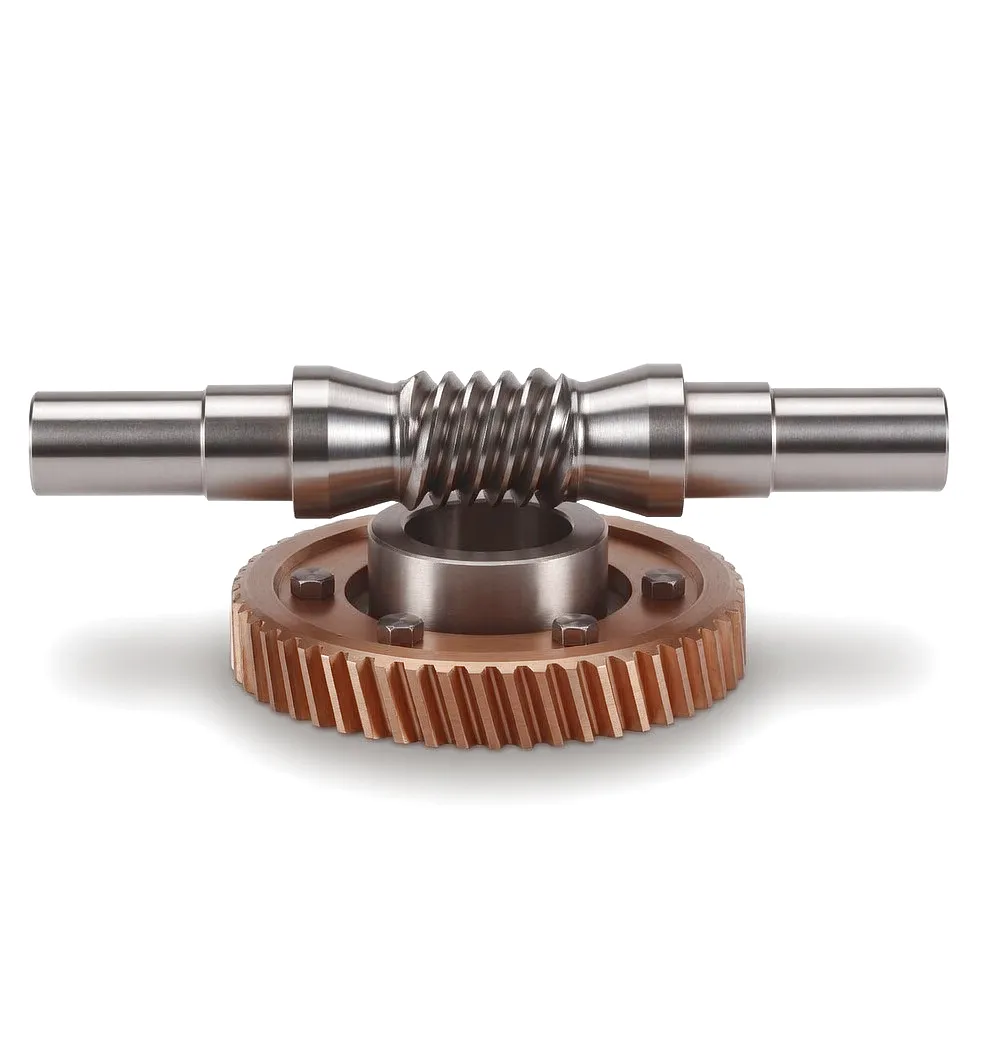
When the bucket elevator stops under full load, the worm gear shaft assembly locks automatically against reversal without any additional mechanical device. This eliminates the cost, maintenance requirement, and failure risk of a separate ratchet backstop or electromechanical brake, which is a particularly valuable simplification in compact headhouse designs where space and access are limited — a common constraint in the older milling and processing buildings found across the East Midlands and Yorkshire.
A single worm gear stage delivers the kind of reduction ratio that would require two or three conventional spur gear stages, significantly compressing the physical footprint of the gearbox. For bucket elevator drive arrangements where the reducer must fit within the headhouse structure, this compact transmission geometry is a significant engineering advantage. Reduction ratios above 40:1 are particularly common in fertiliser and mineral powder elevators operating at the lower end of the 1 m/s bucket speed range.
The orthogonal (90-degree) input-to-output shaft arrangement suits bucket elevator drives where the motor is typically mounted horizontally while the head drive shaft runs horizontally across the width of the elevator housing. Achieving this angle with a helical bevel gear arrangement requires far greater machining precision for the spiral tooth form and introduces higher sensitivity to mounting misalignment. The worm gear shaft arrangement tolerates moderate angular and parallel misalignment without significant performance degradation.
The sliding contact between worm shaft thread and worm wheel tooth — as opposed to the rolling contact in spur or helical gears — produces a characteristically smooth, quiet drive. In grain storage facilities and food processing plants where occupational noise limits are strictly regulated under UK Health and Safety Executive (HSE) guidelines, operating noise levels consistently below 72 dB(A) are achievable with well-lubricated worm gear reducers even at full rated load. This is a material benefit compared to multi-stage helical units at equivalent reduction ratios.
The conforming contact geometry of the worm-to-wheel mesh distributes peak contact stresses across a larger surface area than involute spur gear contact. This makes the worm gear shaft reducer inherently more tolerant of the high instantaneous torque spikes that occur when a bucket elevator starts against a partially-loaded chain. For drives controlled by direct-on-line (DOL) starters — still common in smaller UK agricultural and quarrying installations — this shock tolerance extends service intervals considerably.
The modular construction of a worm gear reducer — separating the bronze worm wheel, steel worm shaft, and housing as distinct replaceable assemblies — allows site maintenance teams to replace the worn wheel without disturbing the housing or shaft alignment. In UK mining and quarrying operations where elevator drives operate in dusty, vibration-prone environments, scheduled worm wheel replacement every 15,000–20,000 operating hours is a predictable maintenance event that can be planned around production shutdowns, avoiding unplanned downtime.
Product Technical & Performance Specifications
| Parameter | Specification Range | Typical Bucket Elevator Value | Notes |
|---|---|---|---|
| Output Torque | 50 – 20,000 N·m | 500 – 5,000 N·m | Depends on elevator height and bucket load per unit |
| Speed Reduction Ratio (i) | 7.5 : 1 – 100 : 1 | 20 : 1 – 60 : 1 | Single-stage; higher ratios available in dual-stage |
| Output Shaft Speed | 14 – 200 rpm | 25 – 80 rpm | Matched to 1 – 2 m/s chain speed requirement |
| Centre Distance | 50 – 500 mm | 100 – 280 mm | Determines tooth load and thermal rating |
| Worm Lead Angle (λ) | 3.5° – 28° | 3.5° – 6° (self-locking) | λ < 6° ensures positive self-locking under typical μ |
| Worm Shaft Material | 20CrMnTi / 42CrMo4 | 20CrMnTi (carburised) | Surface hardness 58–62 HRC; core 30–40 HRC |
| Worm Wheel Material | ZCuSn10Pb1 / CuAl10Fe5 | ZCuSn10Pb1 (standard) | Centrifugal casting ensures uniform grain structure |
| Drive Efficiency (η) | 55% – 92% | 65% – 80% | Lower lead angles reduce efficiency; trade-off for self-lock |
| IP Protection Rating | IP54 – IP66 | IP55 (dusty environments) | Higher rating for cement, mineral powder, or coastal sites |
| Conveying Capacity Range | 5 – 800 t/h | 20 – 400 t/h | Bulk density and bucket volume determine actual value |
| Maximum Lift Height | Up to 80 m (special) | 30 – 50 m (standard) | Chain tension and structural design limit practical height |
Industrial Application Scenarios Across the UK and Global Markets
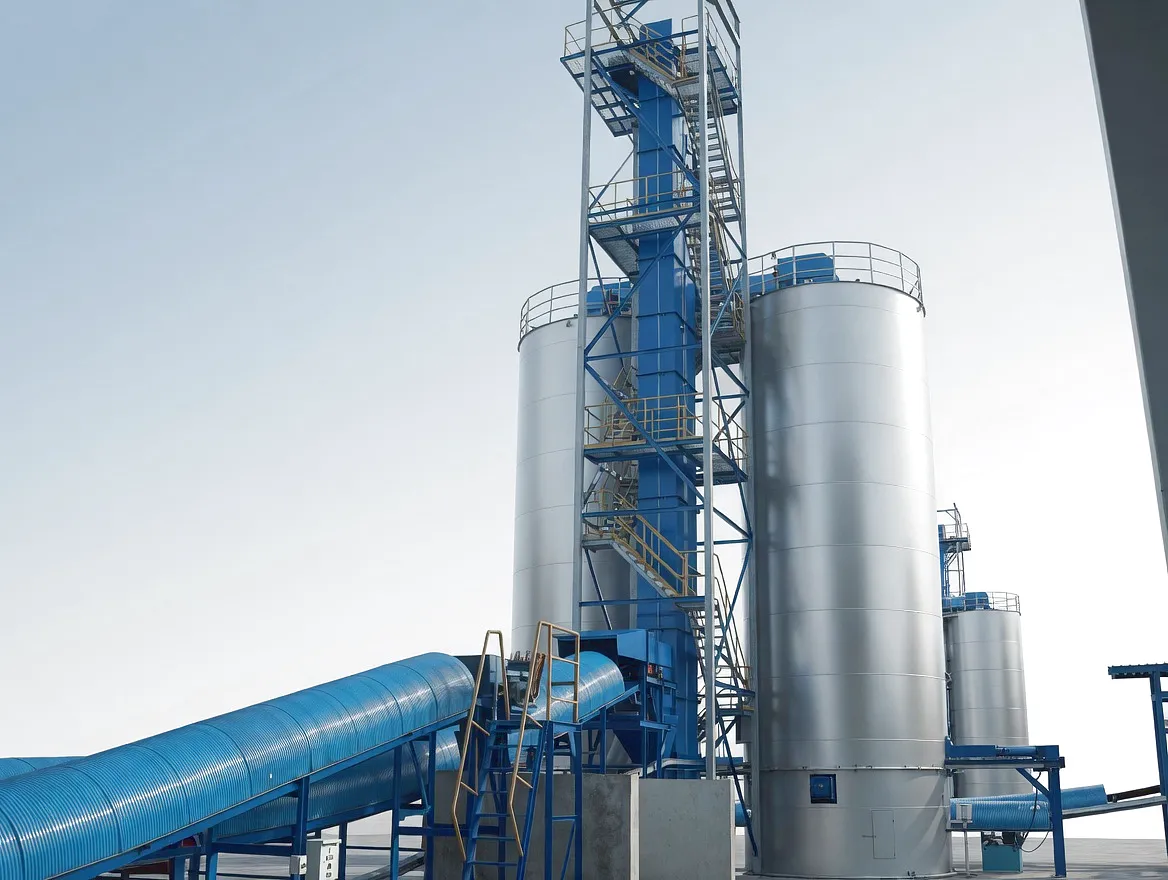
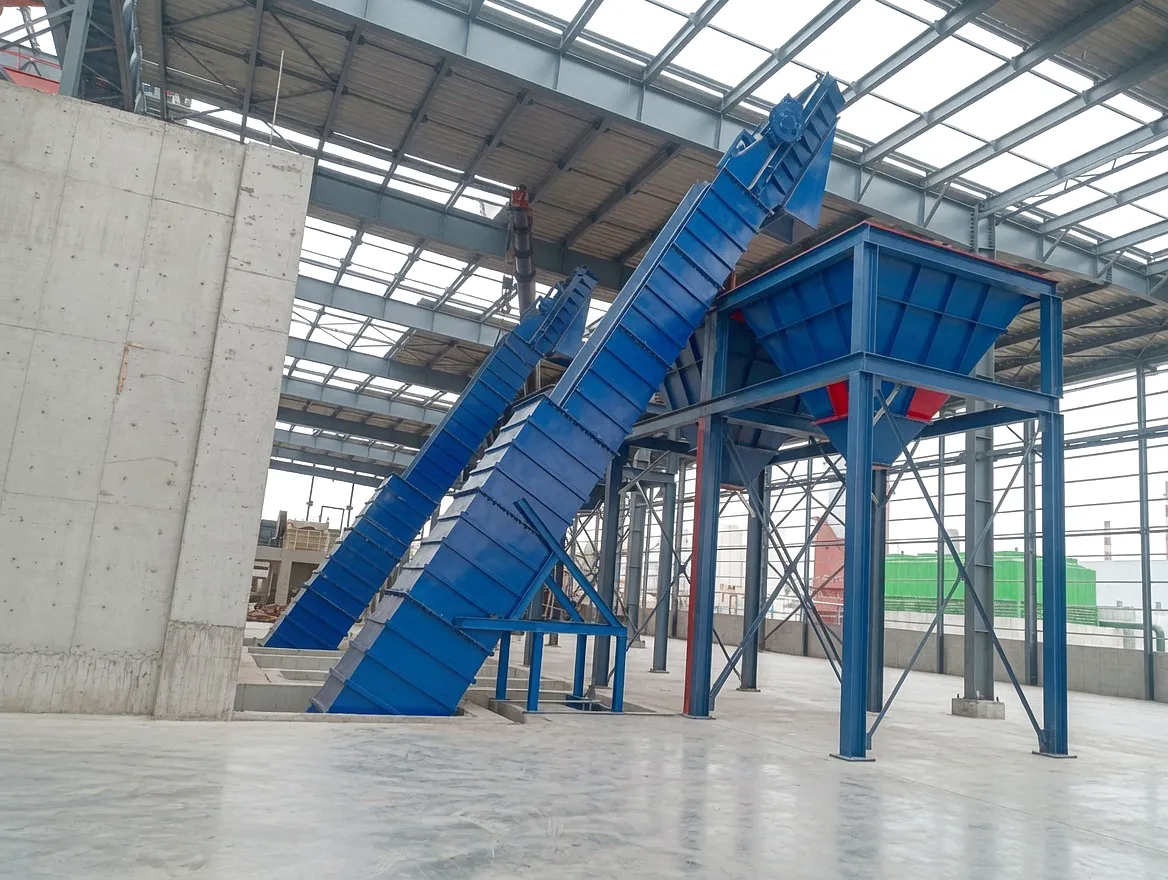
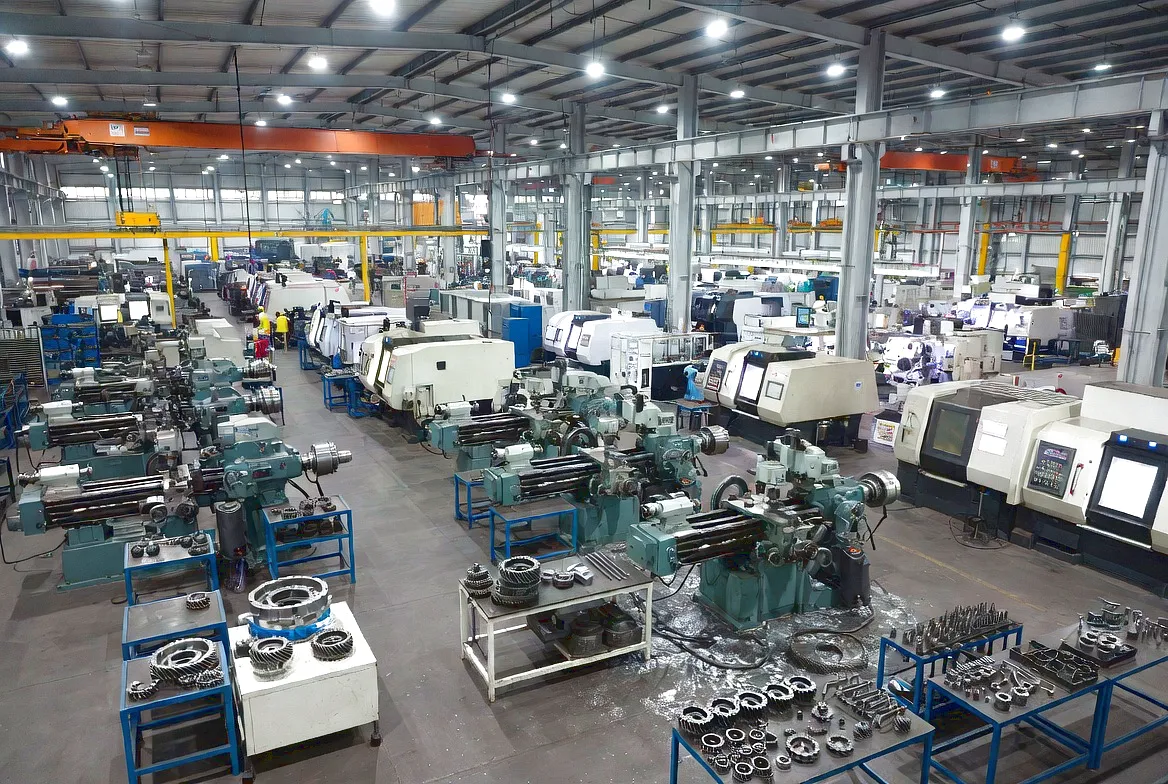
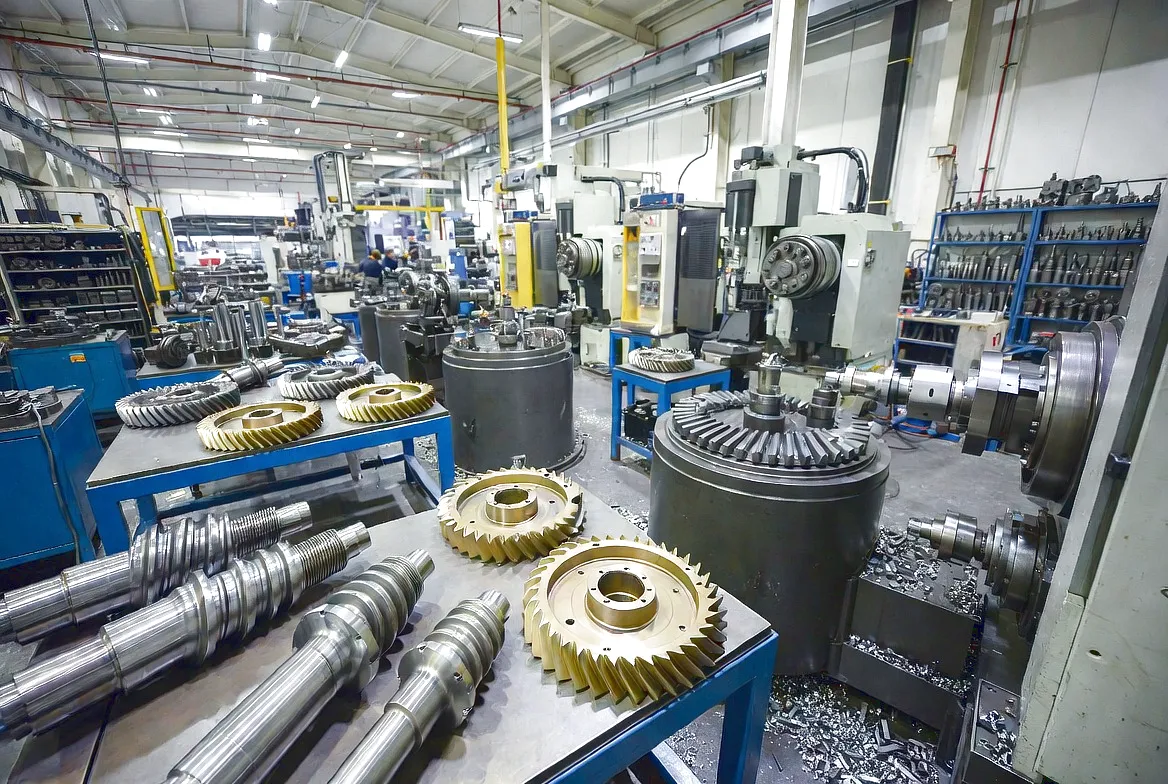
Customer Success Story: Sheffield Steel Products, South Yorkshire
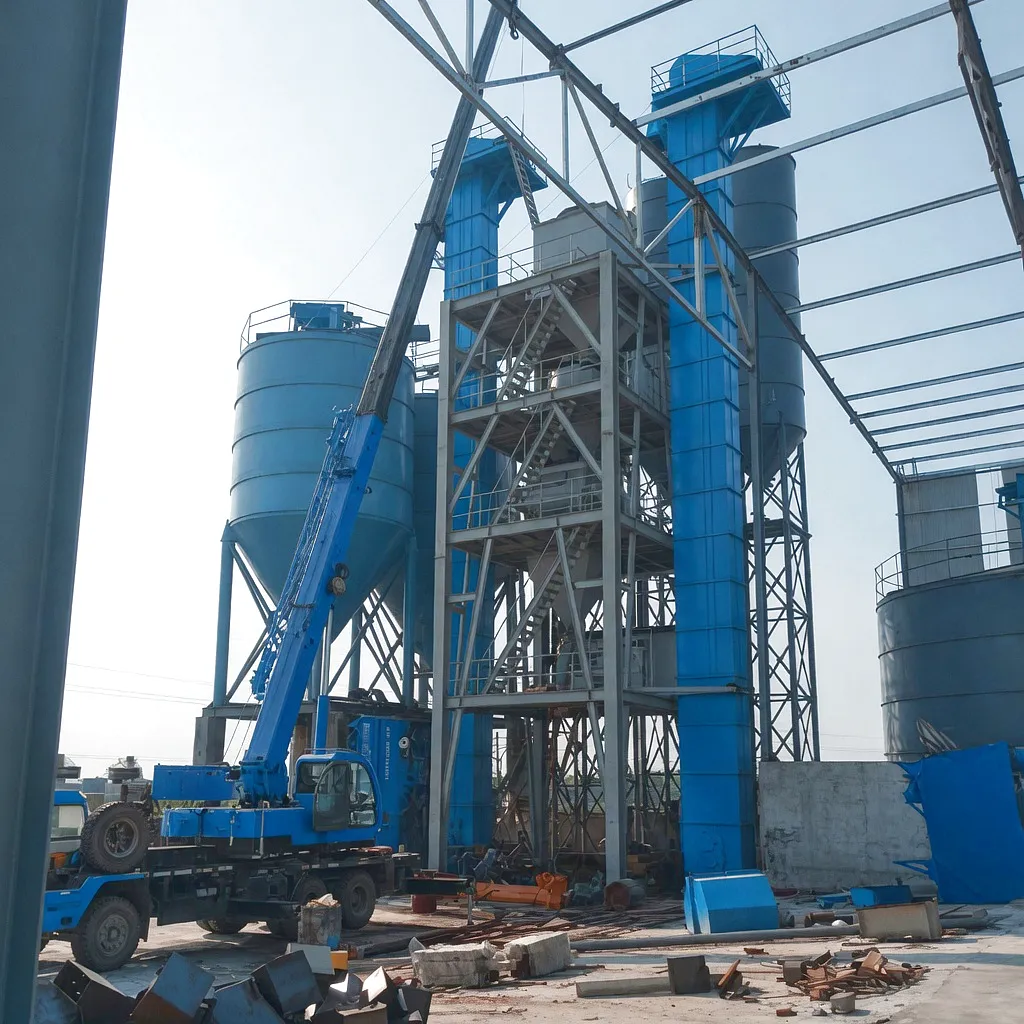
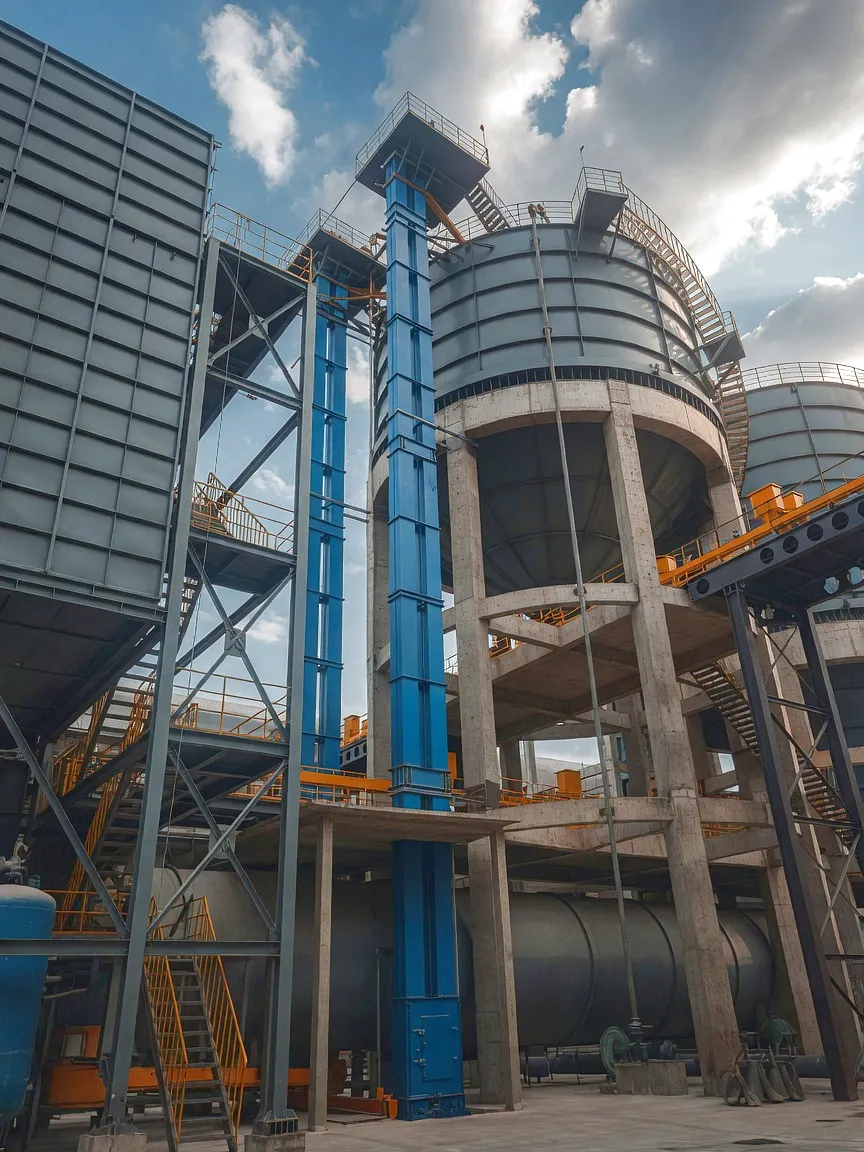 The Ever Power replacement worm gear shaft reducer was commissioned in May 2024. At the 12-month service inspection in May 2025, the worm wheel tooth faces showed uniform wear within expected parameters — a dramatic contrast to the scoring damage seen at equivalent inspection intervals on the previous unit. Sheffield Steel Products’ maintenance manager confirmed that the annualised cost of unplanned downtime associated with elevator reducer failures had dropped from approximately £48,000 per year to zero in the first full operating year following the Ever Power installation. The direct payback period on the premium-specified replacement reducer and lubrication upgrade was calculated at under seven months, with ongoing savings accruing from both eliminated unplanned downtime and extended planned maintenance intervals.
“The Ever Power worm gear shaft reducer completely solved the heat-related failure cycle we’d been fighting for years. Their application engineering team identified the root cause within a single consultation call and specified the right aluminium bronze wheel and PAG lubricant combination. Twelve months without a single unplanned stop — that’s what we needed.”
“We needed a non-standard reduction ratio for our grain elevator retrofit — 37.5:1 is not something you find in any catalogue. Ever Power engineered it to our exact shaft speed requirement, supplied full material certificates, and delivered to our Birmingham depot on schedule. The self-locking performance under full load stop is exactly as specified. We’ve now ordered three more units for our other sites.”
“Our fertiliser plant in Teesside operates IP55-rated worm gear shaft reducers from Ever Power on six bucket elevator lines. The epoxy housing coating has shown zero corrosion after two years of potassium chloride dust exposure and regular pressure wash-down. The documentation package — material certs, test reports, dimensional records — is exactly what our QA team requires. Genuinely impressive supply chain reliability.”
Frequently Asked Questions
Send your application parameters, drive duty cycle, and delivery location to our engineering team. Response within one business day.