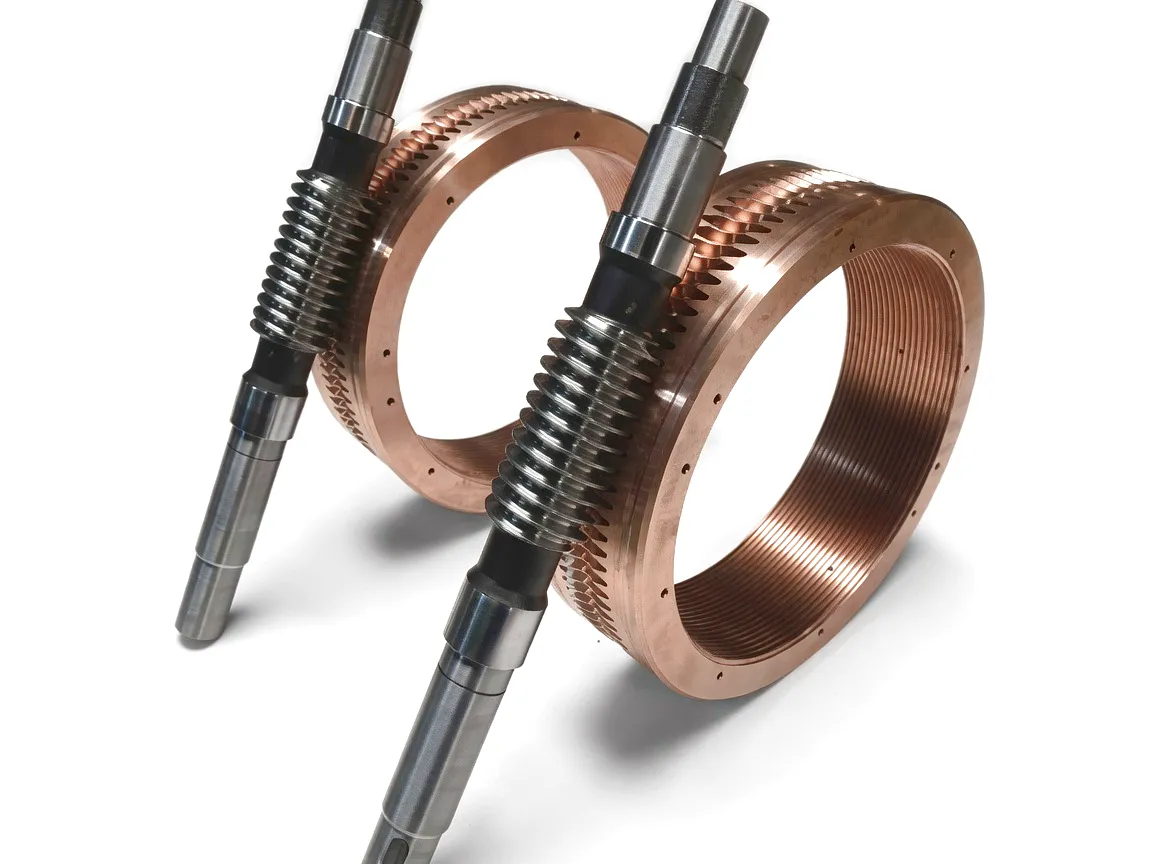
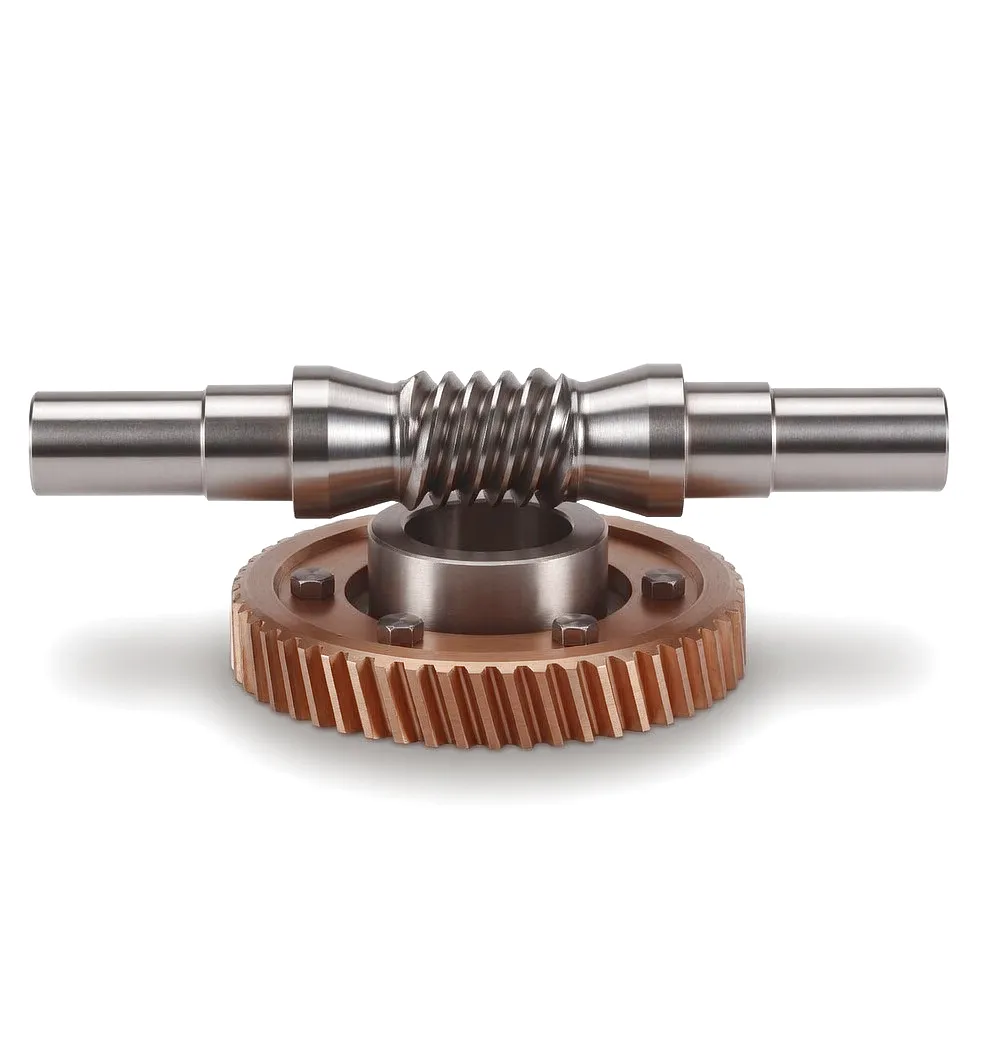
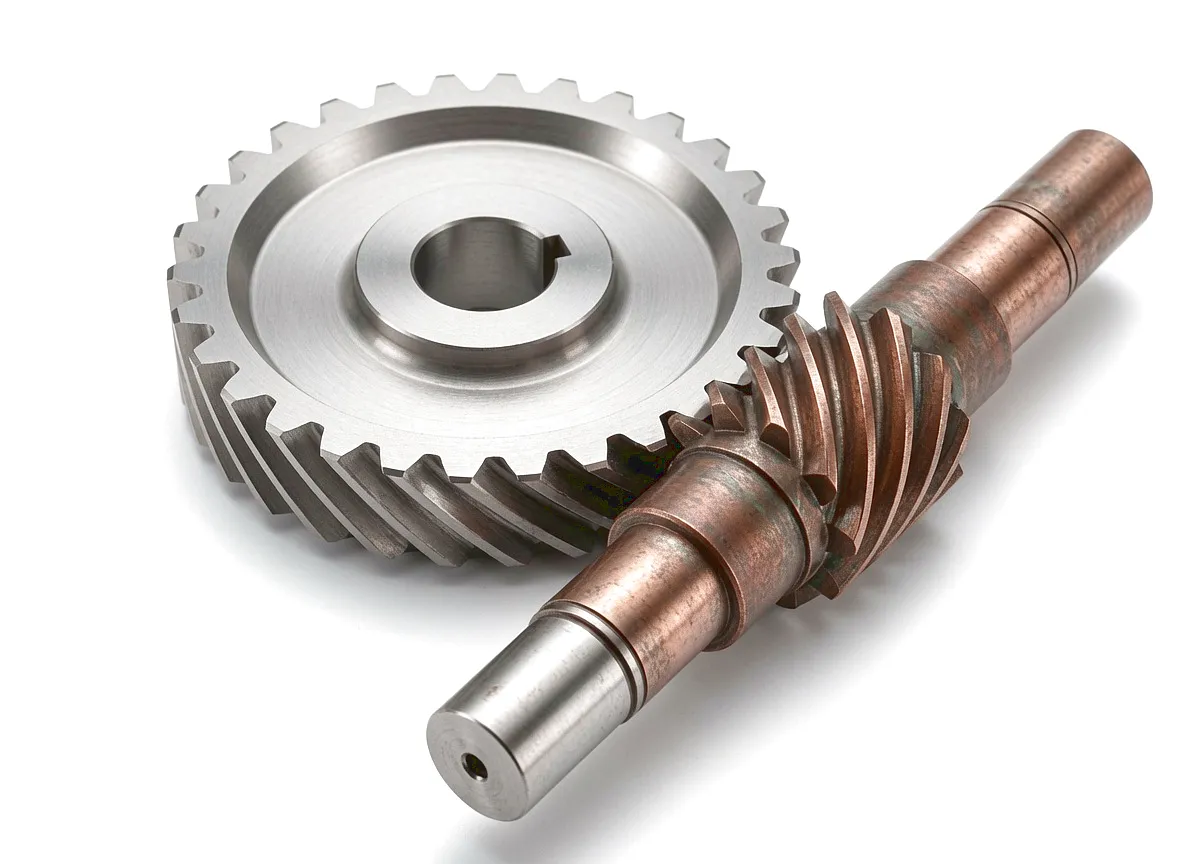
The worm gear shaft occupies a unique position in mechanical power transmission — one that blends geometry, metallurgy, and precision manufacturing into a single component capable of handling enormous torque while occupying a surprisingly compact footprint. Unlike parallel-axis gear arrangements, the worm gear shaft operates on a crossed-axis principle: the helical thread of the worm engages the teeth of the mating worm wheel at a 90-degree angle, producing a smooth, near-silent reduction ratio that can range from 5:1 up to 100:1 in a single stage. This makes it indispensable across sectors where controlled deceleration, high torque multiplication, and self-locking behaviour are demanded simultaneously. Whether you find it buried within a traction elevator drive system rising through a Sheffield high-rise, or quietly working inside the conveyor infrastructure of a Birmingham automotive assembly plant, the worm gear shaft is among the most versatile workhorses in the mechanical engineer’s toolkit.
What makes this component particularly compelling from an engineering standpoint is its inherent design tension. The same sliding contact mechanism that generates its characteristic self-locking capability also produces heat through friction, demanding careful material selection and lubrication strategy. Engineers working in demanding UK manufacturing environments — from the heavy fabrication yards of the North East to the precision aerospace supply chains of the Midlands — understand that specifying the right worm gear shaft means understanding this trade-off in depth. Getting it wrong costs downtime; getting it right can mean decades of reliable service with minimal intervention.
Ready to source a precision worm gear shaft for your application?
How a Worm Gear Shaft Works: The Mechanical Principle
Crossed-Axis Engagement
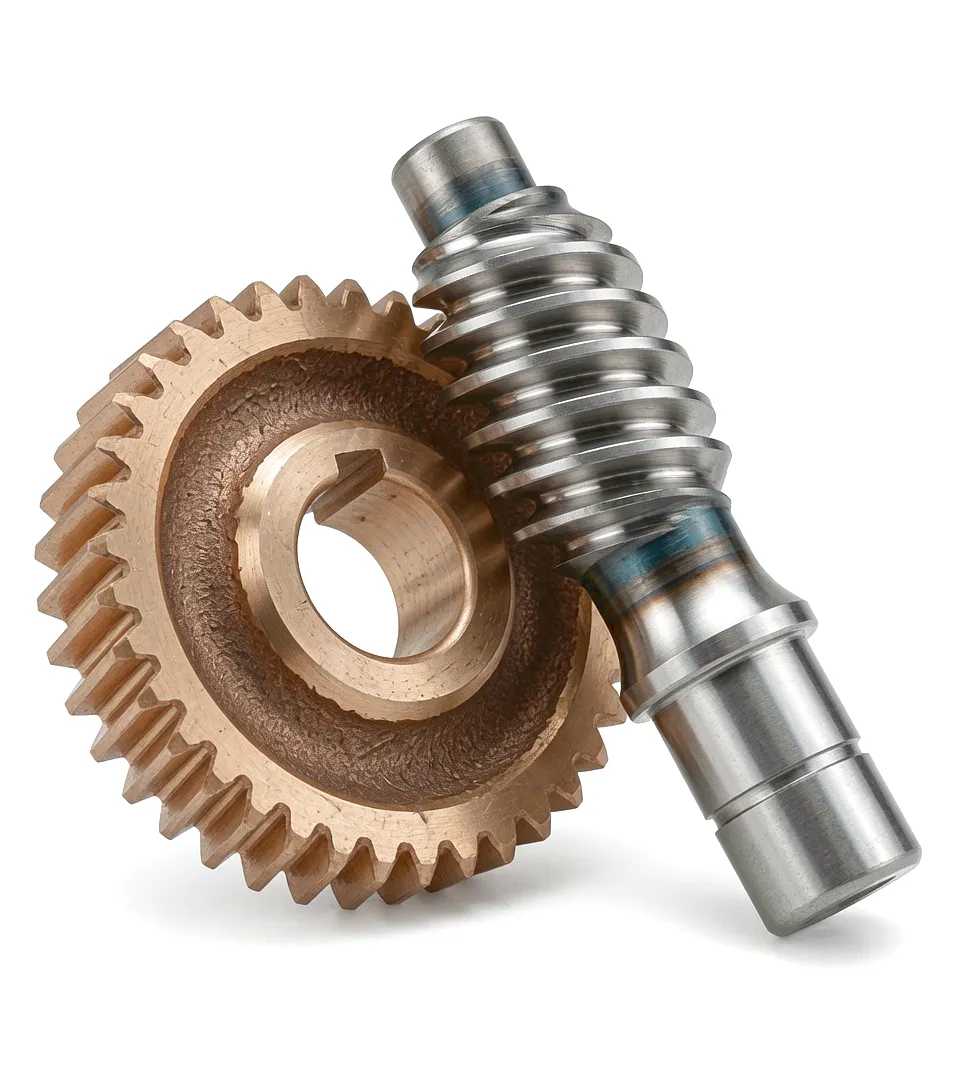
The worm — a helical screw — meshes with the worm wheel at precisely 90 degrees. Rotation of the worm shaft causes the wheel to turn, but not vice versa under most conditions, which gives the assembly its inherent self-locking characteristic.
Reduction Ratio Mechanics
The ratio is determined by dividing the number of teeth on the worm wheel by the number of starts (threads) on the worm. A single-start worm paired with a 60-tooth wheel gives a 60:1 reduction — enormous torque amplification in a single stage without requiring a multi-stage gearbox.
Contact Geometry
Unlike spur gears where contact occurs on a narrow line, the worm gear shaft engages across a curved surface area. This distributed contact spreads the load, reduces stress concentration, and contributes to the smooth, low-vibration operation that makes worm drives particularly suited to precision positioning and sensitive material handling applications.
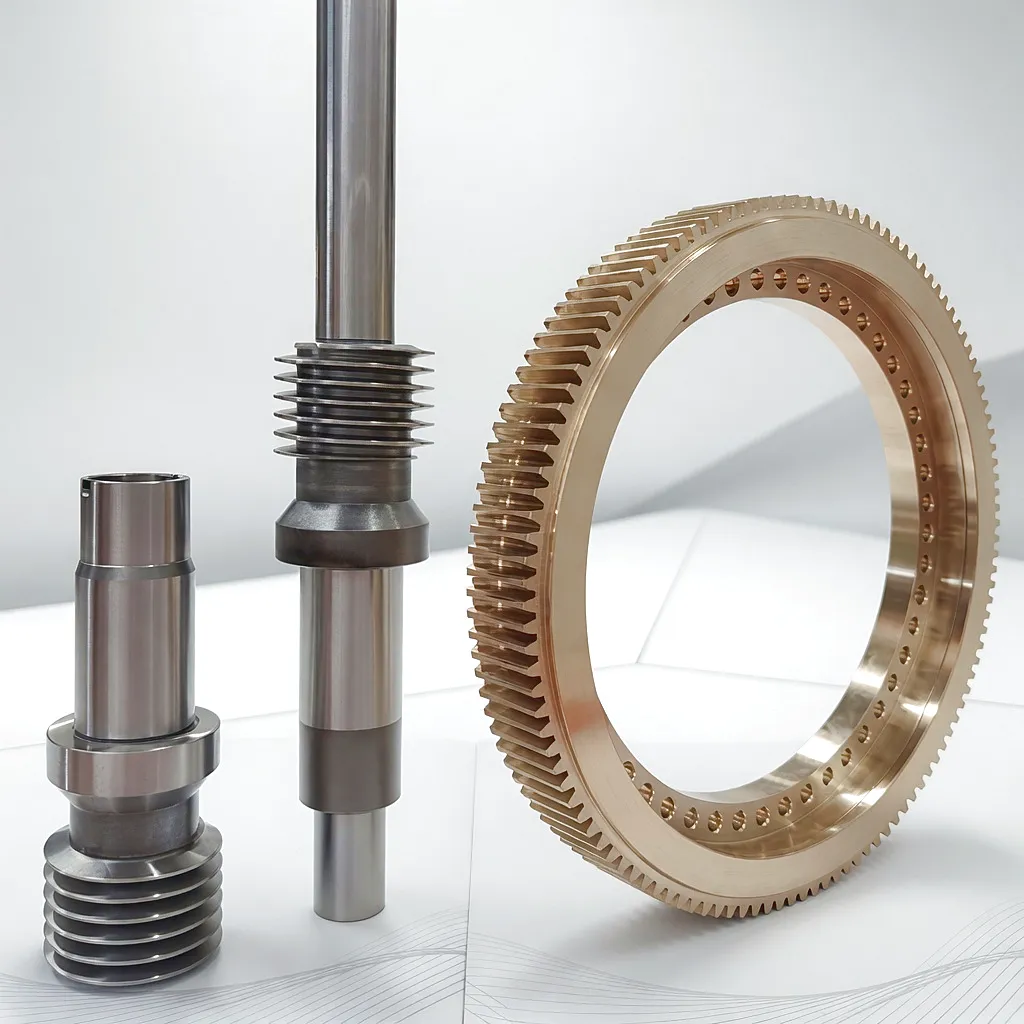
Understanding the kinematics in greater depth reveals why the worm gear shaft behaves the way it does under load. The lead angle — the angle between the helix of the worm and the plane perpendicular to its axis — is the critical variable governing efficiency and self-locking behaviour. When the lead angle falls below approximately 5 to 6 degrees, the friction forces acting in the gear mesh exceed the driving force, preventing back-driving. This is exactly the condition required in traction elevator systems: the cab must not be able to descend under gravity when the motor is de-energised. Engineers designing elevator drive trains in the UK have relied on this principle for over a century, and modern designs in buildings across London, Manchester, and Leeds continue to specify worm gear shafts for precisely this reason.
The pitch of the worm — defined as the axial distance between corresponding points on adjacent threads — must be matched precisely to the circular pitch of the worm wheel. Any deviation introduces backlash, vibration, and accelerated wear. This precision requirement is why manufacturing tolerances for worm gear shafts are typically specified to IT6 or tighter in high-duty applications, and why material selection is inseparable from process planning in quality manufacturing environments.
Core Materials in Worm Gear Shaft Manufacturing
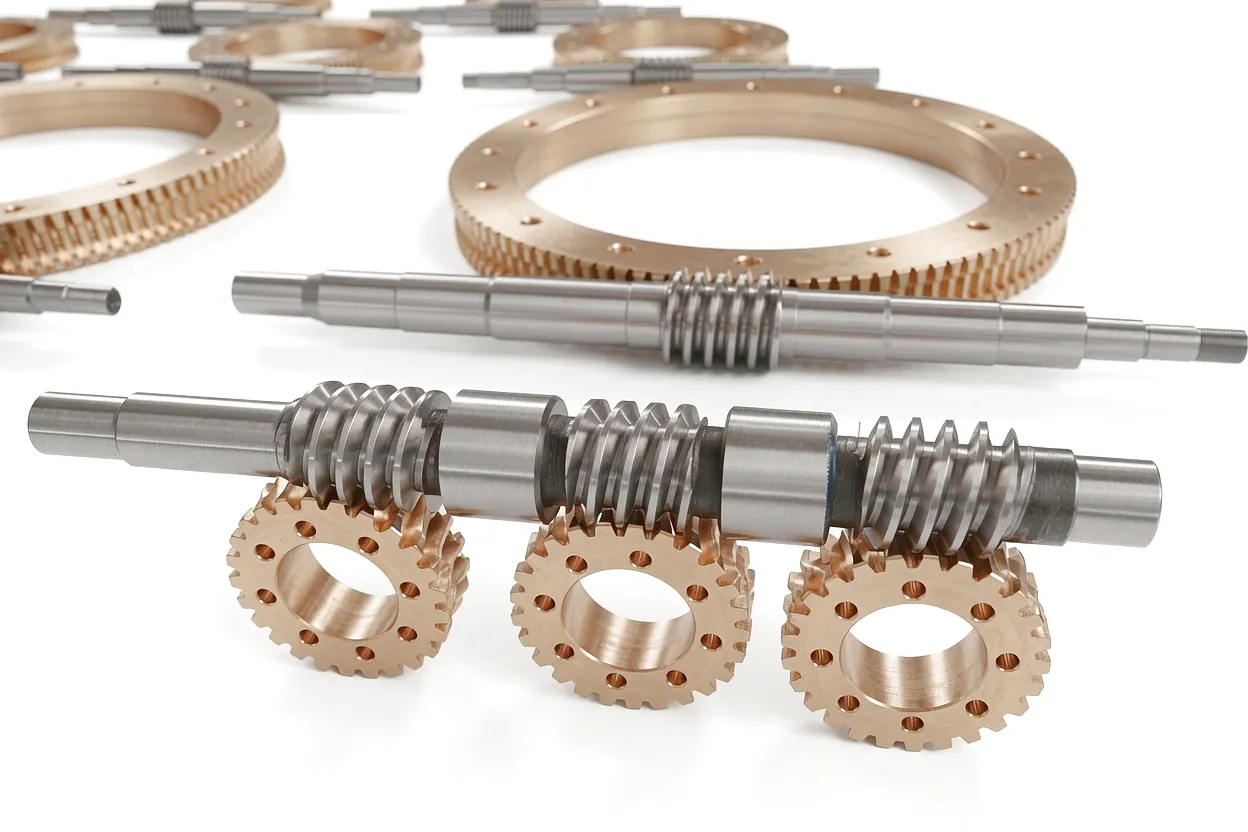
Material selection for a worm gear shaft is a balancing act between hardness, ductility, thermal conductivity, and machinability. The worm itself — the shaft component — is typically manufactured from steel alloys, while the mating worm wheel is commonly produced in a softer, tribologically compatible bronze alloy. This deliberate dissimilarity in hardness between the mating surfaces reduces abrasive wear, because the softer wheel material sacrifices itself preferentially, protecting the harder worm shaft over the long term. The choice of specific alloy grades depends heavily on the application’s operating speed, load magnitude, duty cycle, and the thermal environment of the installation.
Worm Shaft Steel
20CrMnTi / 42CrMo4
Case-hardened alloy steels with surface hardness reaching HRC 58–62. Excellent fatigue strength and wear resistance at the working flank surfaces.
Stainless Option
304 / 316 Stainless Steel
Preferred where corrosion resistance is essential — food processing, pharmaceutical, or coastal installations across the UK. Trades some hardness for environmental resilience.
Bronze Wheel (Pair)
CuSn12 / Aluminium Bronze
Tin bronze provides excellent tribological compatibility with steel worms. Aluminium bronze is chosen for higher shock-load environments where hardness matters more.
Heat Treatment
Carburising + Quench + Grind
Case-hardening to a depth of 0.8–1.5 mm followed by precision thread grinding achieves the surface finish (Ra 0.4–0.8 µm) essential for efficient, quiet worm gear shaft operation.
Technical Performance Parameters
| Parameter | Standard Range | High-Duty Range | Unit |
|---|---|---|---|
| Output Torque | 10 – 500 | 500 – 5,000+ | N·m |
| Reduction Ratio (Single Stage) | 5:1 – 60:1 | 60:1 – 100:1 | i |
| Shaft Axis Angle | 90° | Custom (45°–120°) | degrees |
| Worm Shaft Surface Hardness | HRC 45–50 | HRC 58–62 | HRC |
| Thread Surface Finish | Ra 1.6 – 3.2 | Ra 0.4 – 0.8 | µm |
| Shaft Diameter Range | 20 – 100 | 100 – 350+ | mm |
| Efficiency (Standard) | 70 – 82% | 82 – 92% | % |
| Lead Angle (Self-locking) | < 5 – 6 | Custom profiled | degrees |
| Shaft Material Standard | C45 / 20CrMnTi | 42CrMo4 / Stainless | — |
Key Technical Advantages of the Worm Gear Shaft
🔒
Inherent Self-Locking
At low lead angles, the worm gear shaft assembly resists back-driving without any external braking mechanism. This passive safety feature is critical for elevator and hoisting applications throughout the UK’s built environment, eliminating the need for additional holding brakes in many configurations.
🔍
High Reduction in Single Stage
Achieving a 60:1 or 80:1 reduction ratio in a single stage allows machine designers to reduce drivetrain complexity, lower the overall gearbox count, and shrink the installation footprint considerably. For compact production machinery operating in space-constrained UK factory floors, this is a decisive advantage.
🔅
Quiet, Low-Vibration Operation
The smooth sliding contact geometry of the worm gear shaft generates significantly less noise and vibration than spur or bevel gear alternatives. In noise-sensitive environments — hospital facility management systems, cleanroom handling equipment, or residential building elevator installations — this characteristic is not merely a comfort benefit but a regulatory compliance factor.
⚡
Right-Angle Output Flexibility
The 90-degree axis arrangement inherent to most worm gear shaft configurations allows machine designers to redirect drive force around corners, through tight spaces, or in orientations that helical or spur gears simply cannot achieve. This geometric versatility underpins its widespread adoption in conveyor systems, packaging lines, and automated guided vehicle drivetrains.
🔧
Compact High-Torque Density
For its physical size, a properly specified worm gear shaft delivers exceptional torque density. A shaft assembly that fits within a 200 mm centre distance can handle output torques that would require substantially larger helical gearbox configurations. This torque-to-size ratio makes the worm gear shaft the preferred choice for mobile plant and portable industrial equipment.
🗸
Smooth Load Distribution
The helical tooth engagement of the worm gear shaft means that contact pressure is spread across multiple thread turns simultaneously, reducing peak Hertzian stress and extending component life considerably compared to spur gear alternatives. Under fluctuating load conditions — typical of conveyor and mixing applications — this distributed engagement prevents premature pitting and fatigue failure.
Industrial Application: Traction Elevator Drive Systems
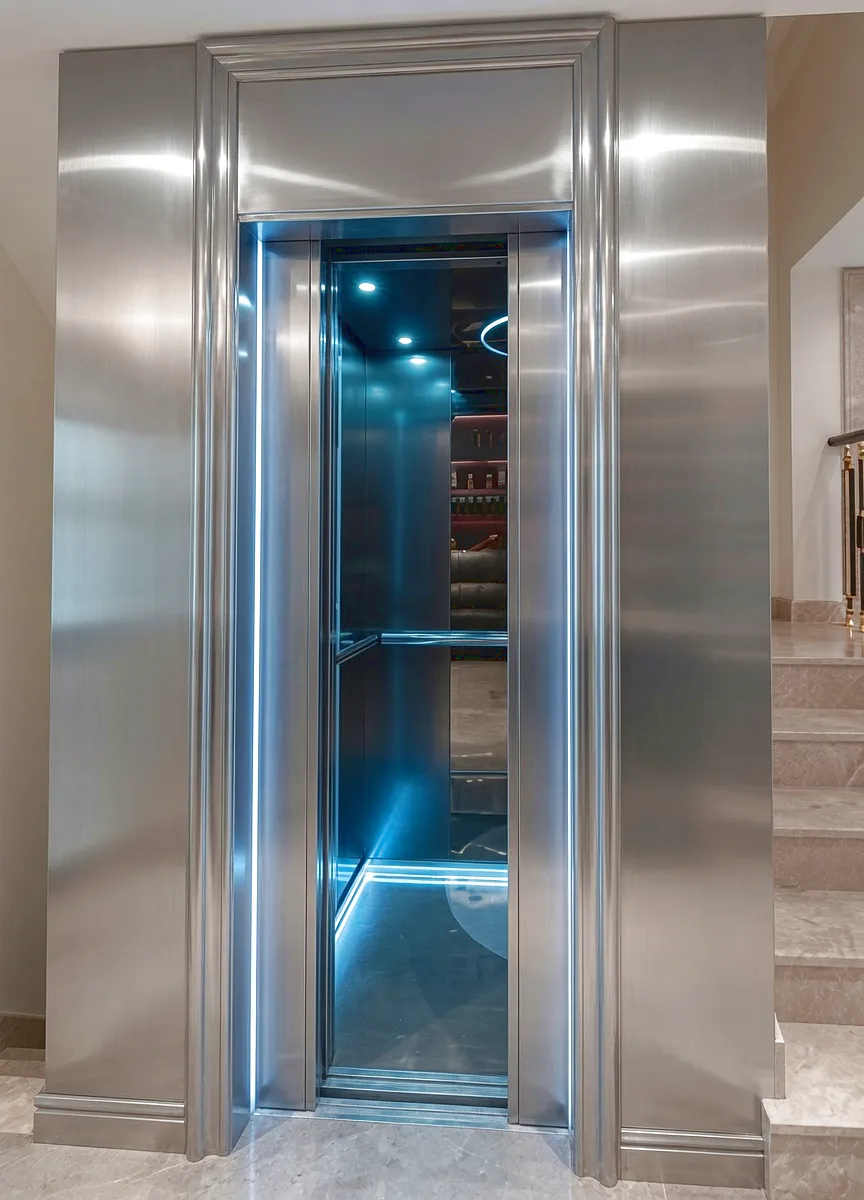
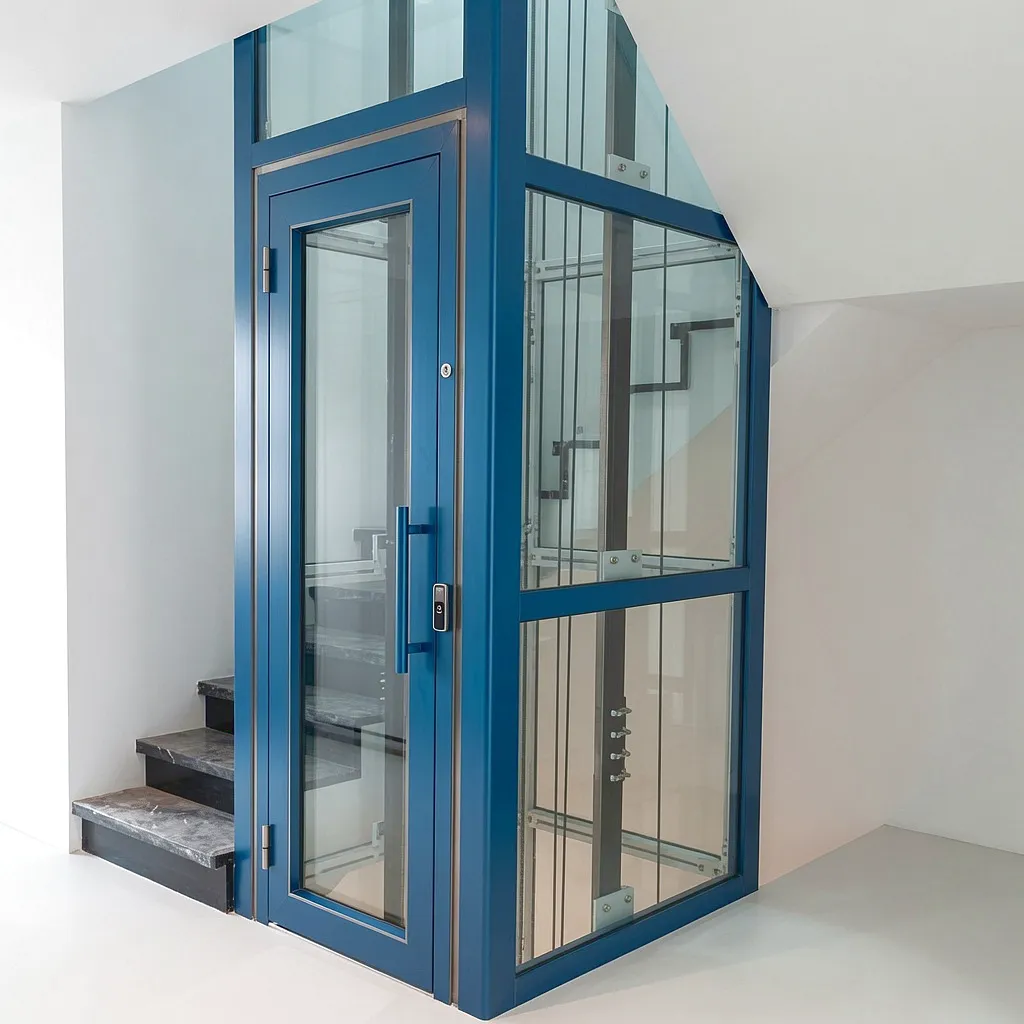
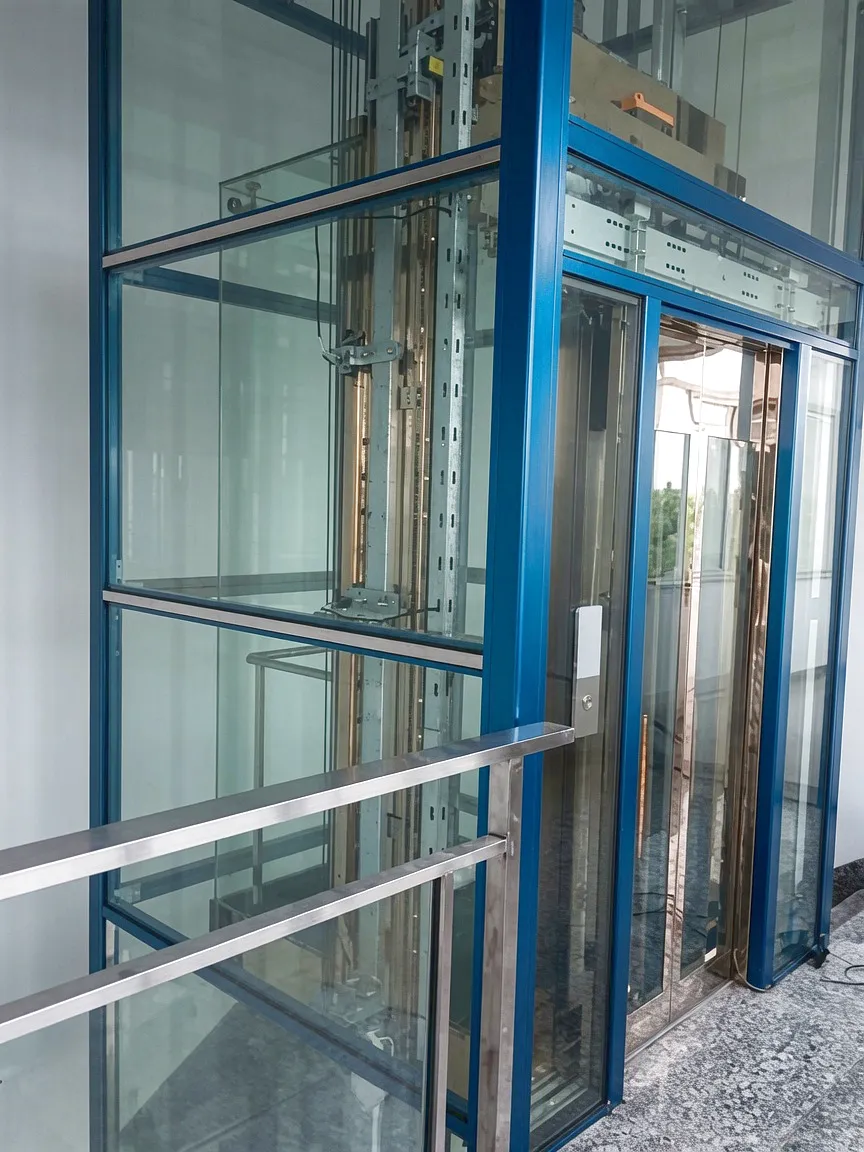
The traction elevator remains the most widespread and safety-critical application of the worm gear shaft in the built environment, and nowhere is this more apparent than in the United Kingdom’s dense urban and commercial building stock. From the Victorian-era retrofits of central London office buildings to the new-build residential towers rising across Manchester, Leeds, and Cardiff, traction elevator drive machines have depended on the worm gear shaft’s combination of self-locking safety, compact geometry, and smooth torque delivery for well over a hundred years. The fundamental operating principle is straightforward: an electric motor drives the worm shaft at high speed, which engages the worm wheel and reduces that speed dramatically while multiplying the torque, which then winds or unwinds the hoist ropes attached to the elevator car and its counterweight.
The design requirements for an elevator worm gear shaft are among the most stringent in any mechanical application. Relevant UK and European standards — including EN 81-20 and EN 81-50 — set out precise requirements for braking capacity, rated load factors, and the dynamic behaviour of the drive machine under emergency stop conditions. The worm gear shaft must maintain its dimensional integrity and performance over a service life that can span 25 to 40 years of continuous cycling. Operating conditions inside a machine room vary considerably: ambient temperatures in UK machine rooms can range from near-freezing in poorly heated rooftop plant rooms to above 40°C in summer, and the shaft must maintain lubricant film consistency across this thermal range without degradation of the mesh contact.
🏢
Residential Buildings
Low-rise to mid-rise housing across UK cities. Quiet operation, compact machine room footprint, and compliance with BS EN 81 standards. Typical reduction ratios: 30:1 – 50:1. Shaft materials: 42CrMo4 with case hardening.
🏚
Commercial & Office Towers
High-duty cycle requirements in London’s Canary Wharf, Manchester’s Spinningfields, or Birmingham’s business district. Shaft diameters 80–150 mm, precision-ground thread flanks, high-capacity double-enveloping worm geometry for maximum torque.
🏥
Hospitals & Healthcare
Noise-critical environments in NHS trusts across England, Scotland, and Wales. Ultra-quiet worm gear shaft configurations, vibration isolation mounting, and extended service intervals to minimise maintenance disruption in 24-hour operational facilities.
🛒
Retail & Logistics Centres
Distribution warehouses and retail hubs from Glasgow to Bristol deploy worm gear shaft-based goods lifts handling pallet loads exceeding 5,000 kg. Robust bearing arrangements, sealed housings, and IP65-rated protection for dusty or humid loading bay environments.
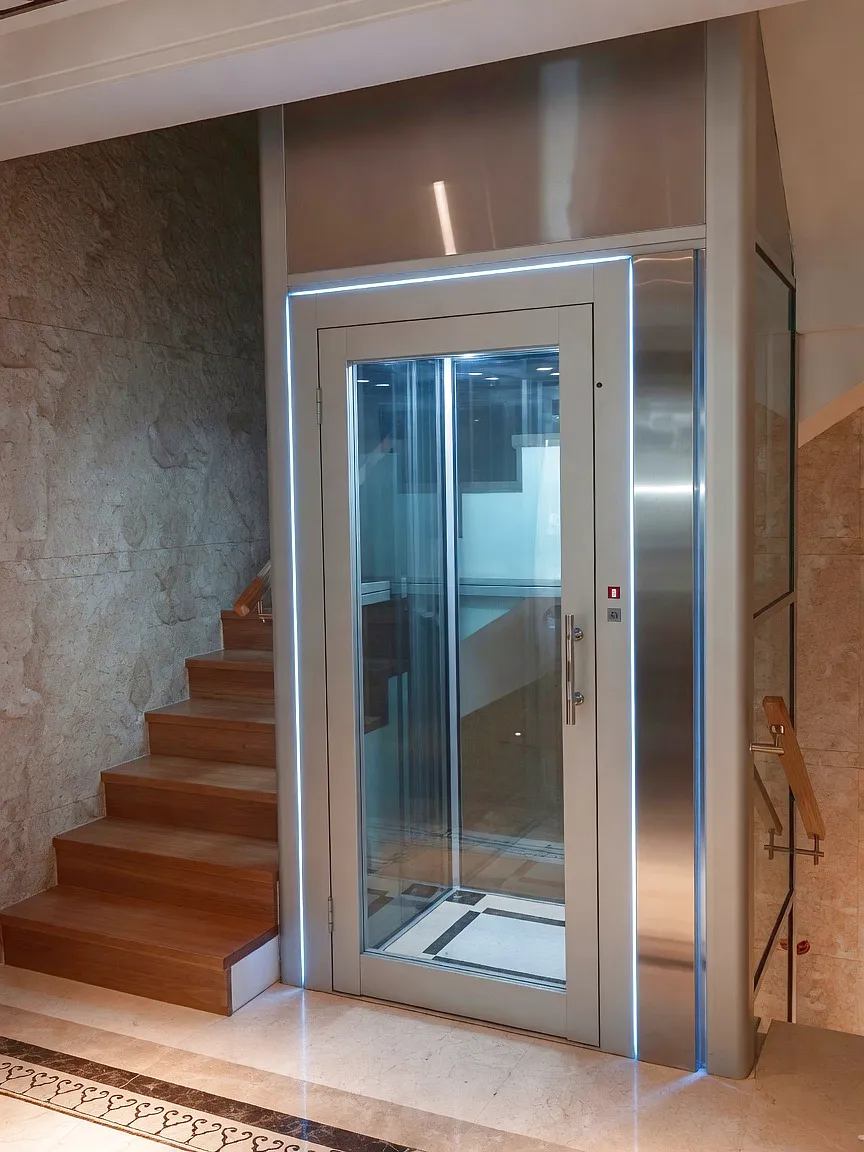
Beyond the vertical transport sector, the worm gear shaft finds extensive deployment across a remarkably diverse spread of UK industries. In Birmingham’s automotive manufacturing cluster, it drives the precision indexing tables of transfer lines assembling engine components. In Sheffield’s specialist steel fabrication and toolmaking sector, worm gear shaft assemblies control the feed mechanisms of heavy-duty milling and boring machines, where the self-locking feature prevents table drift during the cutting operation. Along the east coast, wind farm nacelle maintenance equipment uses worm gear shaft drives for their pitch and yaw adjustment mechanisms, where a failure to hold position under load would have catastrophic consequences.
The packaging and food processing industries — heavily represented in locations such as Peterborough, Northampton, and the Vale of York — depend heavily on worm gear shaft gearboxes to drive conveyor systems, filling machines, and labelling equipment. Stainless steel worm shaft variants are specified as standard in these environments, both to satisfy hygiene regulations and to resist the caustic cleaning chemicals used during washdown cycles. The right-angle output geometry of the worm gear shaft is particularly practical in these applications, as it allows machine designers to keep motors and gearboxes tucked neatly beneath or beside conveyor frames, maintaining clear sight lines and access for operatives.
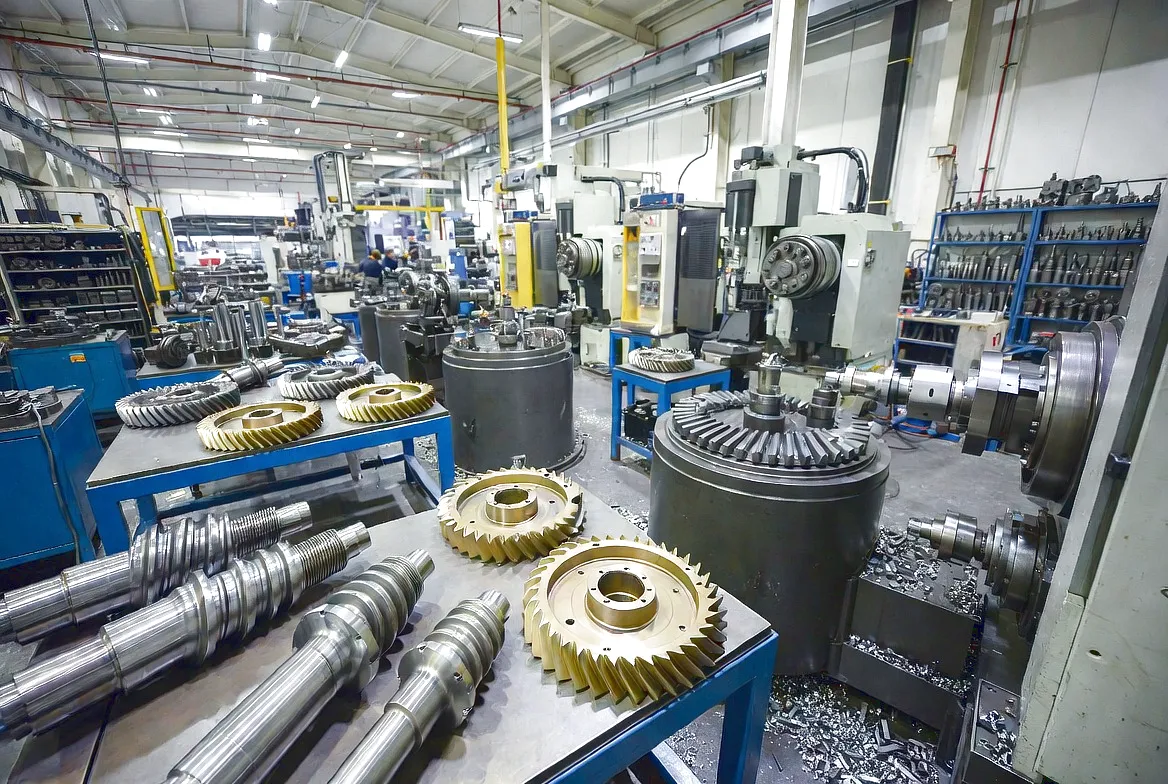
Customer Success Story: Leeds Commercial Tower Refurbishment
CASE STUDY · LEEDS, WEST YORKSHIRE
Major Office Campus Vertical Transport Upgrade
A property management group overseeing a six-building commercial campus in central Leeds, comprising approximately 340,000 square feet of Class A office space, engaged their lift maintenance contractor for a comprehensive elevator modernisation programme. Twelve traction elevators across the campus had reached the end of their service life, with the original worm gear shaft drive machines showing severe gear wear, increased noise levels, and declining positioning accuracy that was causing complaints from tenants and delays in lift response times during peak morning and evening transit periods.
The maintenance contractor specified precision replacement worm gear shafts through Ever Power after evaluating several international suppliers. The critical requirement was dimensional compatibility with the existing gearbox housings — the budget did not extend to complete drive machine replacement, so drop-in shaft and wheel assemblies were needed. Ever Power’s engineering team conducted a detailed survey of the worn components, produced reverse-engineered shaft drawings, and manufactured twelve matched sets of worm shafts in 42CrMo4 with case-hardened flanks ground to IT5 accuracy and Ra 0.6 µm thread finish. Bronze worm wheels in CuSn12 were cast centrifugally and gear-hobbed to match the existing lead precisely.
Following installation across all twelve lifts over a four-week rolling programme, noise measurements taken in the machine rooms showed average reductions of 9 dB(A) compared to the pre-replacement baseline. Positioning accuracy improved to within ±3 mm consistently across all floors, eliminating the step hazard that had been the subject of a formal building safety notice. The property group’s facilities director confirmed that tenant satisfaction scores for vertical transport improved significantly in the quarter following completion, and that the components have operated without fault through the first eighteen months of service.
📈 Project Outcomes
✅ 9 dB(A) noise reduction
✅ ±3 mm positioning accuracy
✅ 12 elevators upgraded
✅ 4-week rolling programme
✅ 18 months fault-free service
★★★★★
“The dimensional accuracy on the replacement worm gear shafts was exceptional. We were sceptical that a reverse-engineered part would match the original tightly enough, but the fit was perfect on every housing. The noise reduction after installation was immediately noticeable — our maintenance engineers were genuinely impressed.”
M. Richardson
Senior Lift Engineer — Leeds
★★★★★
“Ever Power’s technical team worked with us from the drawing stage right through to delivery. The documentation package — material certificates, hardness reports, dimensional inspection sheets — was exactly what our quality assurance team needed. Lead times were competitive and the parts arrived well-packaged with no damage. We have since specified their worm gear shaft assemblies on two further projects.”
D. Hartley
Procurement Manager, Facilities Engineering — Sheffield
★★★★★
“We have a long-standing requirement for stainless steel worm gear shafts in our food processing equipment, and Ever Power handles our repeat orders reliably. The 316-grade shaft with the modified thread pitch they developed for us runs quieter than anything we had previously, and the surface finish holds up well under daily washdown. Their customisation capability is genuinely useful for an OEM like us.”
A. Thornton
Engineering Director, Food Processing OEM — Birmingham
Frequently Asked Questions About Worm Gear Shafts
Ever Power · Precision Worm Gear Shaft Manufacturer
Ready to Specify Your Worm Gear Shaft?
Send your technical requirements — drawing, dimensions, application brief, or worn sample — and our engineering team will respond with a specification and quotation.
edit by gzl