Worm Gear Shaft: Engineering Principles, Material Science & Industrial Applications for the UK Market
A precision worm gear shaft is far more than a simple mechanical part. It is the engineered backbone of controlled, high-ratio power transmission — found across heavy manufacturing, food processing, automated conveyor systems, and precision robotics. For UK engineers, procurement managers, and plant operators sourcing reliable drive components, understanding the full technical picture behind worm gear shaft design is essential to making decisions that reduce downtime and extend service life.
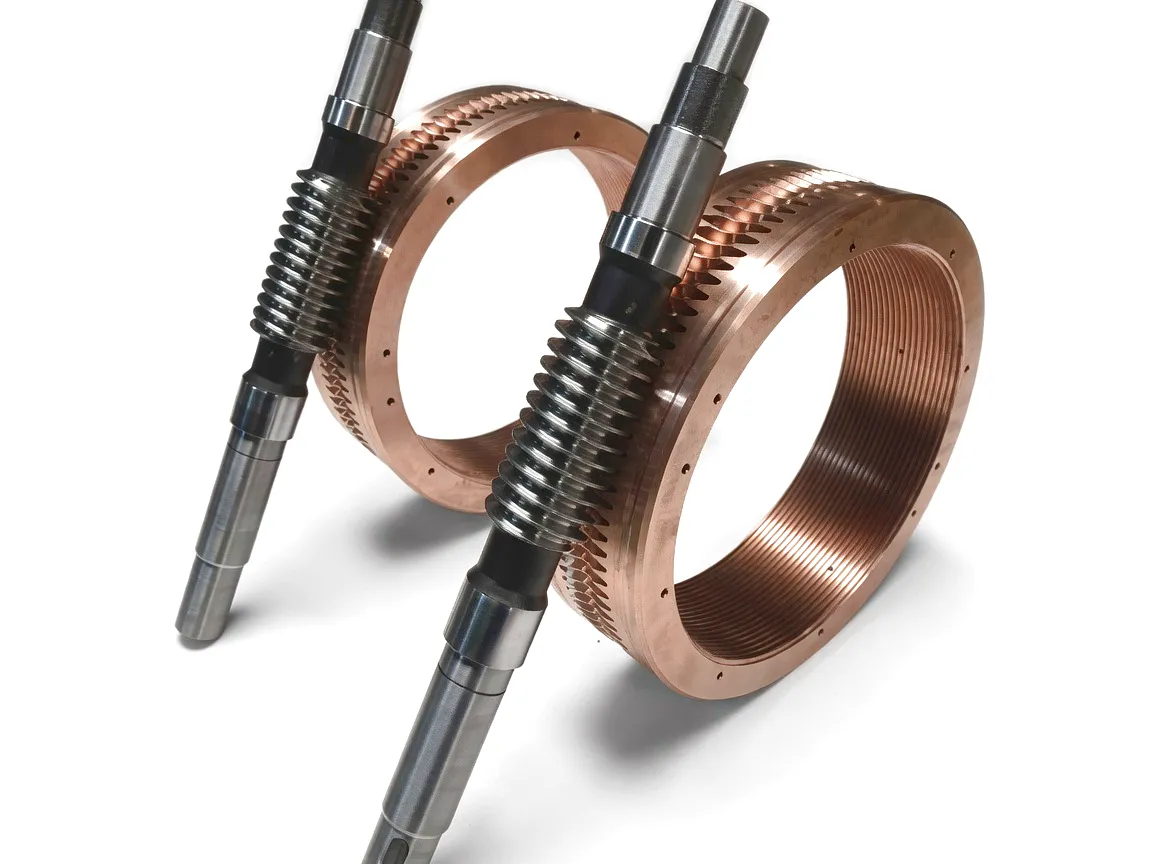
How a Worm Gear Shaft Actually Works
Helical Thread Engagement
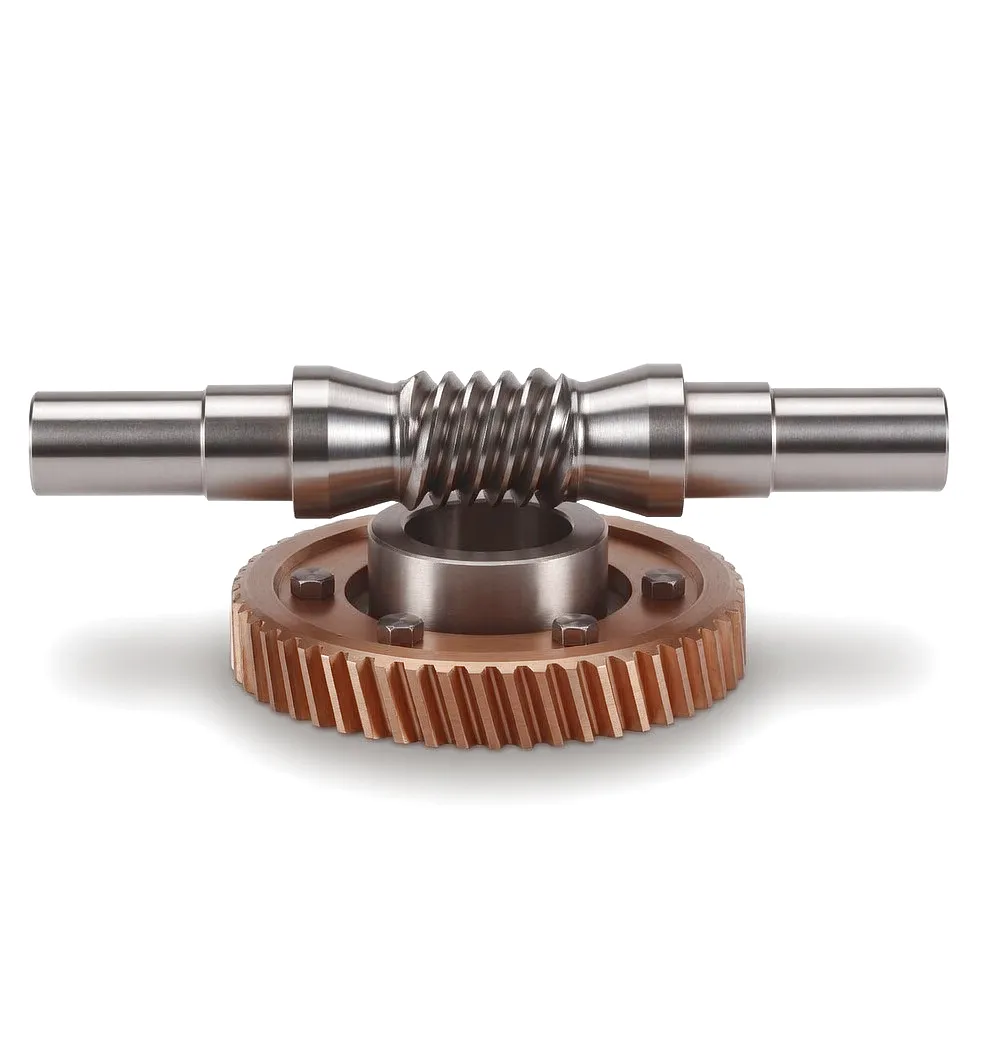
The worm shaft carries a precisely formed helical thread — machined at a defined lead angle — that engages the teeth of the worm wheel at exactly 90 degrees. As the shaft rotates, each thread flank slides against the curved tooth face of the wheel, creating a smooth rolling-sliding contact. The continuous, wrap-around nature of this engagement means that multiple tooth contacts share the load simultaneously, distributing stress across a broad surface and enabling exceptionally high torque transmission relative to the shaft’s physical size. The geometry of this contact zone, calculated using parameters like the worm’s module and pressure angle, determines both the load-bearing capacity and the heat generated during operation.
Self-Locking & Back-Drive Prevention
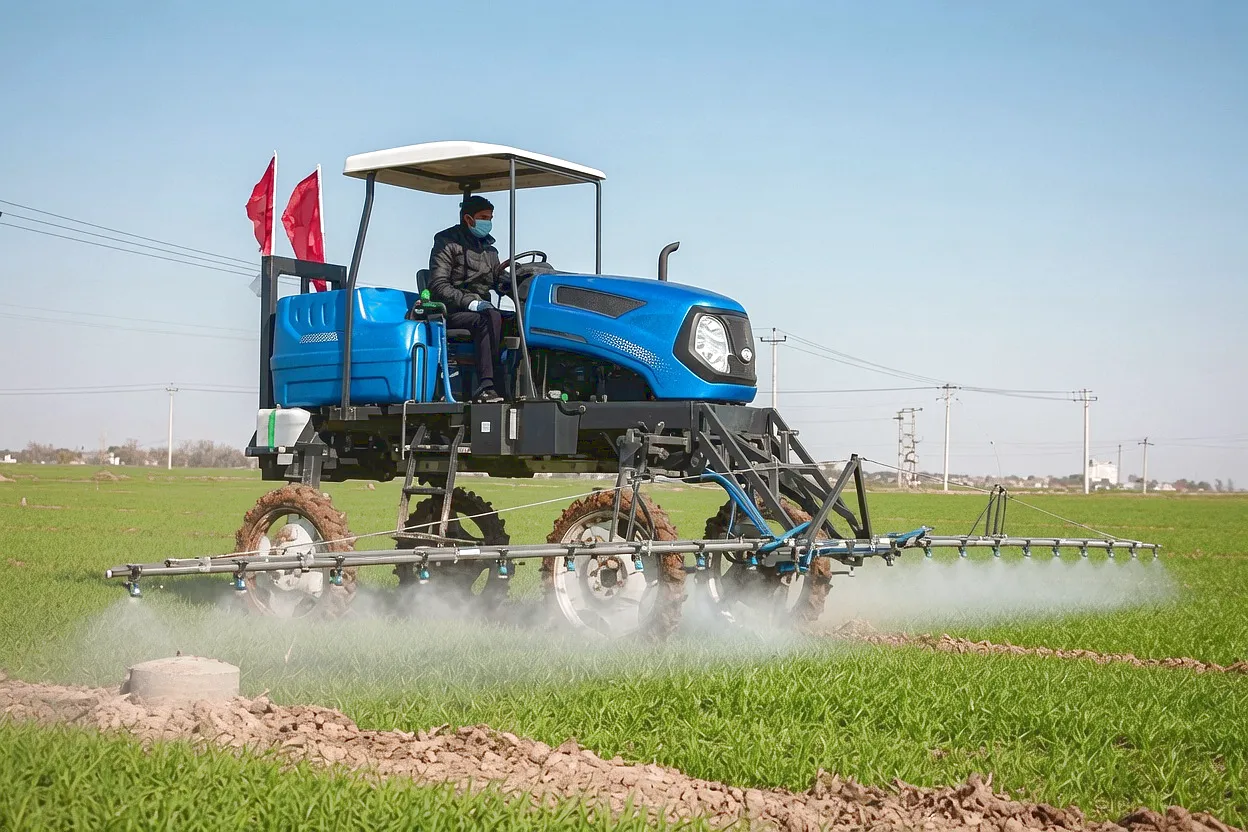
One of the most commercially significant characteristics of a worm gear shaft arrangement is its potential for self-locking. When the lead angle is sufficiently shallow — typically below the friction angle of the meshing surfaces — the mechanism becomes irreversible under reverse loading. This means the output shaft cannot back-drive the worm, even when substantial torque is applied from the load side. In practical terms, a self-locking worm gear shaft acts as a mechanical brake: a lifting platform holds position without a separate braking system, a valve actuator maintains its setting during power loss, and a boom mechanism on agricultural equipment stays deployed safely even when hydraulic pressure drops. The precise lead angle at which self-locking behaviour engages depends on the coefficient of friction between the worm and wheel surfaces, making material and lubrication choices just as important as geometry.
Gear Ratio & Reduction Logic
Gear ratio in a worm drive is determined by dividing the number of teeth on the worm wheel by the number of thread starts on the worm shaft. A single-start worm paired with a 60-tooth wheel yields a 60:1 reduction — something that would require three or four stages of conventional gear reduction to achieve. A four-start worm against the same wheel gives 15:1, with significantly higher efficiency. This flexibility allows engineers to dial in the precise speed reduction required without redesigning the entire drivetrain. For UK machine builders designing against tight installation envelopes, the compactness of this single-stage high-ratio reduction is frequently the deciding factor in selecting a worm gear shaft drive over alternative arrangements. The output shaft speed and the available holding torque at each ratio follow directly from these geometric parameters.
Material Selection: The Foundation of Worm Shaft Performance
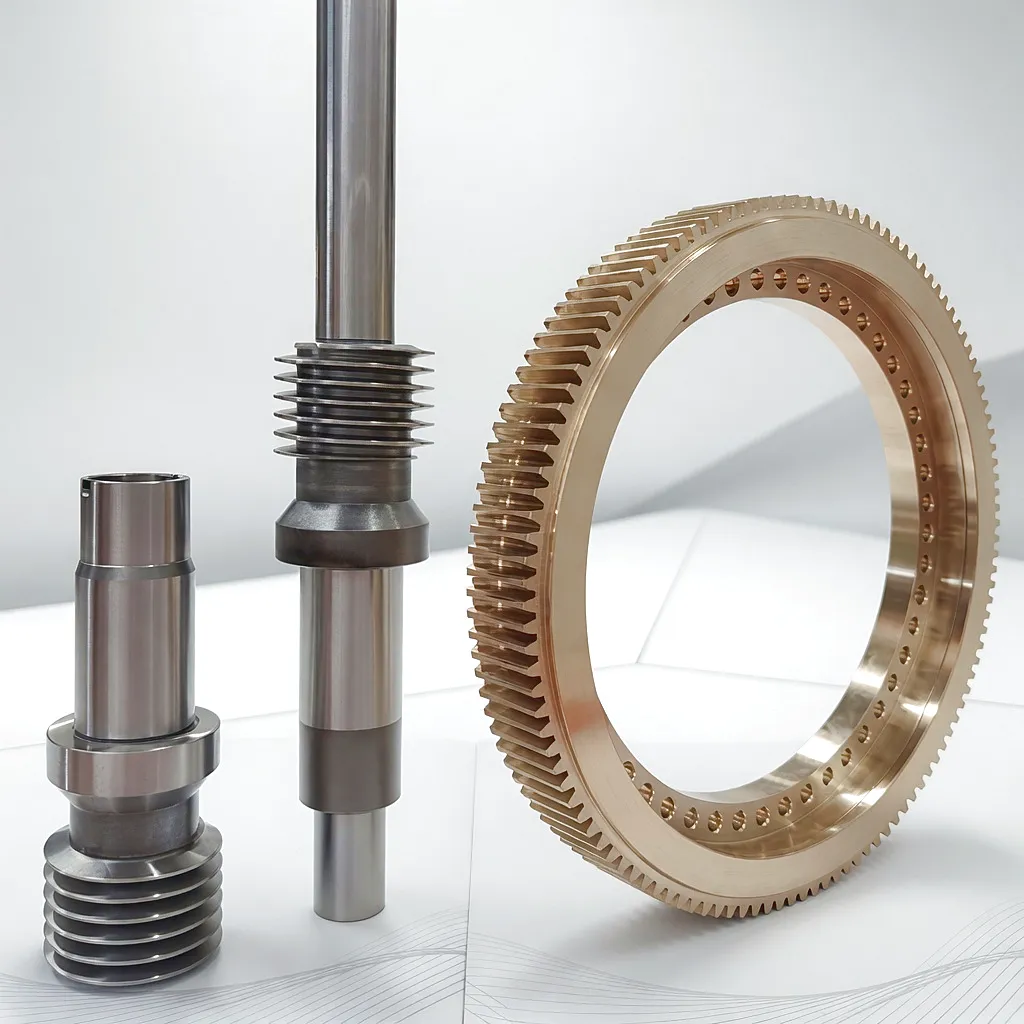
| Material | Typical Component | Hardness (HRC/HB) | Key Advantage | Typical Application |
|---|---|---|---|---|
| 20CrMnTi | Worm shaft | 58–62 HRC (case) | High surface hardness, tough core | Heavy-duty conveyor, lifting |
| 42CrMo | Worm shaft | 48–55 HRC | Excellent fatigue & shock resistance | Mining, steel plant equipment |
| 40Cr | Worm shaft | 50–55 HRC | Good strength-to-cost ratio | Packaging machinery, HVAC |
| 316L Stainless | Worm shaft | 28–35 HRC | Corrosion resistance, hygienic finish | Food & pharma processing lines |
| Phosphor Bronze PB1 | Worm wheel | 80–120 HB | Low friction vs steel, conformable | Standard industrial gearboxes |
| Cast Iron GG25 | Worm wheel | 180–220 HB | Cost-effective, good damping | Light-duty, intermittent use |
Technical & Performance Parameters
| Parameter | Typical Range | Unit | Notes |
|---|---|---|---|
| Shaft diameter | 10 – 200 | mm | Custom sizes available on request |
| Module (m) | 1 – 20 | mm | Per ISO 3408; governs tooth size and load |
| Gear ratio | 5:1 – 100:1 | — | Single-stage; higher ratios via multi-stage |
| Output torque | 5 – 50,000 | Nm | Dependent on shaft size and ratio |
| Helix/lead angle | 3° – 30° | degrees | Self-locking tendency below ~6° |
| Shaft cross angle | 90° | degrees | Standard; non-standard angles on request |
| Transmission efficiency | 50% – 92% | % | Higher with multi-start worms |
| Operating temperature | -30 – +120 | °C | Lubricant grade selection critical |
| Surface roughness (Ra) | 0.4 – 0.8 | µm | Thread flank ground and polished |
| Input speed (max) | Up to 3,000 | rpm | Application-specific; consult datasheet |
Core Technical Advantages of Precision Worm Gear Shafts
Compact High-Ratio Reduction
A single worm gear stage achieves ratios impossible with one stage of spur or helical gearing, saving space and reducing component count. For British machine builders working within tight cabinet or frame dimensions, this compactness translates directly into reduced machine footprint and simplified assembly procedures — advantages that feed back into competitive pricing on finished equipment.
Smooth, Low-Noise Operation
The progressive, sliding-contact nature of worm gear engagement generates significantly less vibration and audible noise than equivalent spur gear drives. This property is particularly valued in food preparation environments, hospital infrastructure, and automated warehouse systems, where noise and vibration compliance form part of the regulatory and operational specification. Well-machined worm shafts with ground thread flanks run perceptibly quieter still, a direct consequence of the improved surface accuracy.
Built-In Overload Protection
The relatively gradual tooth engagement geometry of a worm gear shaft system provides a degree of inherent shock absorption. When sudden load spikes occur — a common hazard in mining conveyors or aggregate processing equipment — the distributed contact zone and the compliant bronze wheel material absorb much of the impact energy, protecting upstream motor and gearbox components from damage. This built-in compliance reduces maintenance intervals and prolongs service life even in variable-load applications.
Design Flexibility & Customisation
Worm gear shafts are highly adaptable across a wide range of bore sizes, thread profiles, shaft lengths, and mounting configurations. Engineers can specify left-hand or right-hand threads, hollow bores, keyway profiles to DIN or ISO standards, and surface coatings ranging from standard oil blackening to electroless nickel plating or specialist hard chrome for aggressive environments. For UK OEMs supplying machinery into export markets, this adaptability allows a single base platform to serve multiple regional specifications without fundamental redesign.
Industrial Application Scenarios Across the UK
The worm gear shaft’s combination of high torque density, self-locking capability, and compact cross-axis geometry makes it applicable across an exceptionally broad range of industrial sectors. The following scenarios reflect current usage patterns across British industry, where this component type continues to be a first-choice solution for demanding drive applications.



Ever Power: Precision Manufacturing & Custom Worm Gear Shaft Solutions
When technical performance requirements exceed what catalogue products can offer, Ever Power’s precision manufacturing capabilities deliver engineered worm gear shaft solutions tailored to the exact mechanical, material, and dimensional requirements of each application.
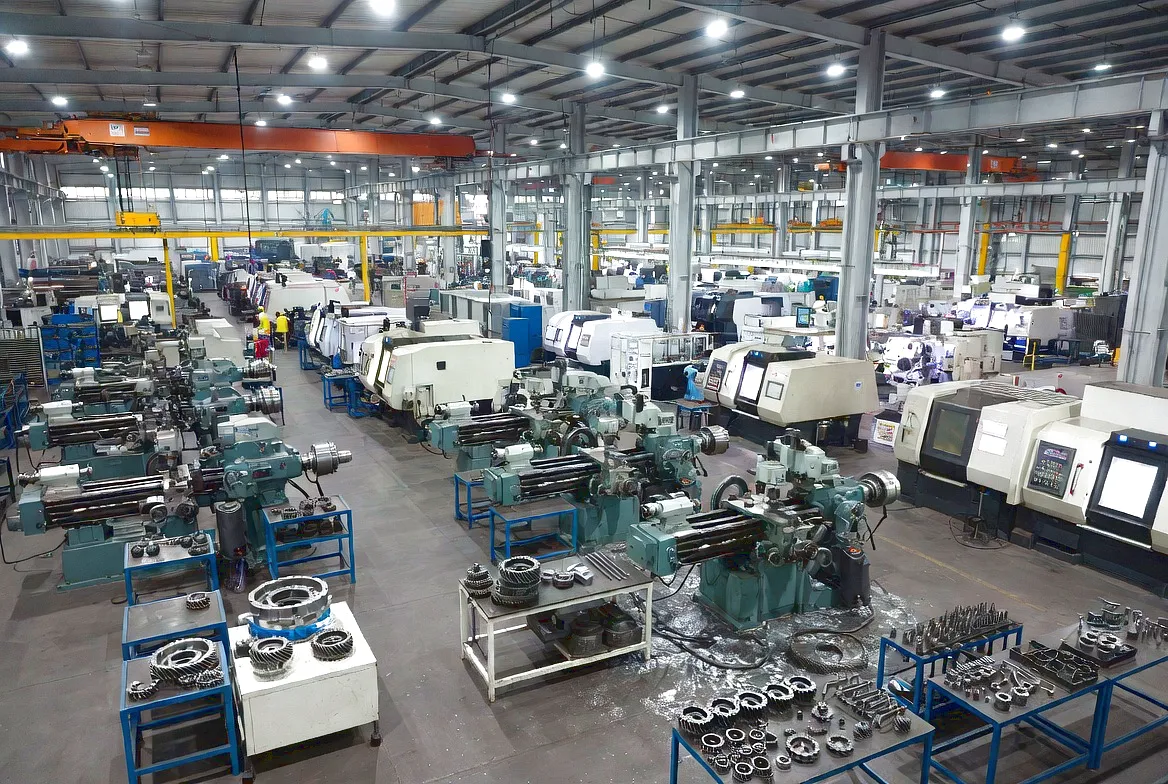
Full Custom Geometry
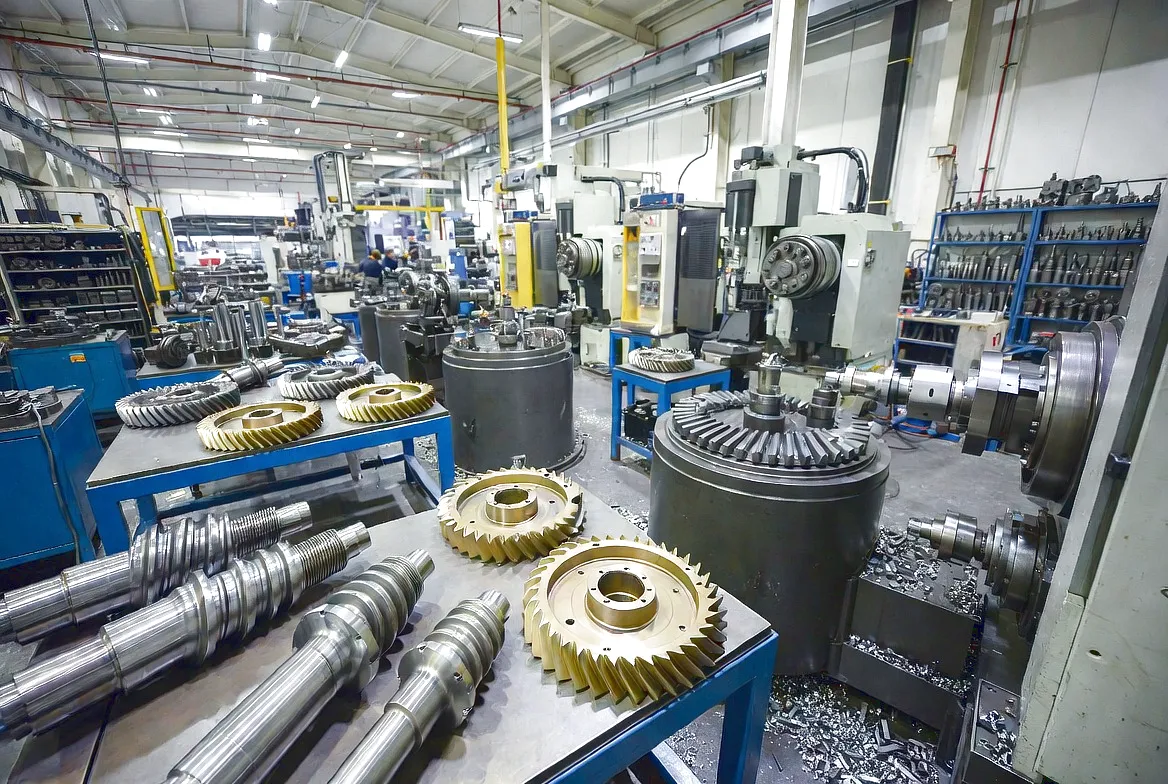
Ever Power engineers bespoke worm gear shafts from initial drawing through to finished, inspected component — accommodating non-standard modules, unusual thread profiles, and shaft lengths or bore configurations not available from standard ranges. All custom designs are fully documented and repeatable.
Precision CNC Grinding
Thread flanks are finish-ground on multi-axis CNC grinding centres to achieve Ra values of 0.4 µm or better, ensuring the close surface contact and efficient lubrication film formation that high-duty cycle applications demand. Thread accuracy is verified using CMM inspection equipment against agreed DIN or ISO standards.
Fast Turnaround & UK Supply Chain
Ever Power maintains stock of semi-finished worm shaft blanks and rapid machining capacity, supporting urgent delivery requirements commonly encountered in UK plant maintenance situations. Comprehensive packing, DDP Incoterms, and direct door-to-door logistics to UK postcodes keep lead times competitive even for bespoke specifications.
Material & Test Certification
Full material traceability is provided with every shipment. Mill certificates, heat treatment records, hardness test reports, and dimensional inspection documentation are available to meet UK OEM quality management system requirements. Third-party witness inspection can be accommodated for critical orders.
Ready to discuss your worm gear shaft specification with Ever Power’s engineering team? Send your drawing, application data, or performance requirements and receive a detailed technical quotation.
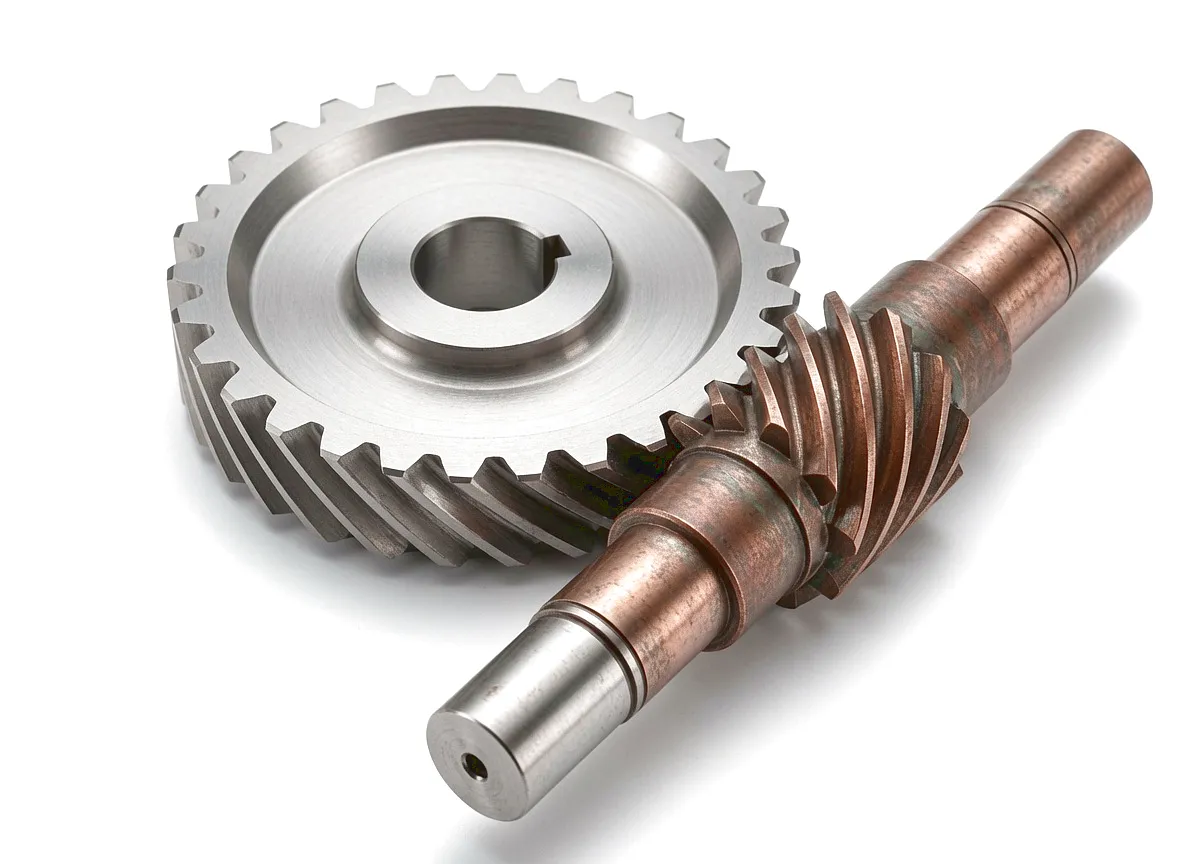
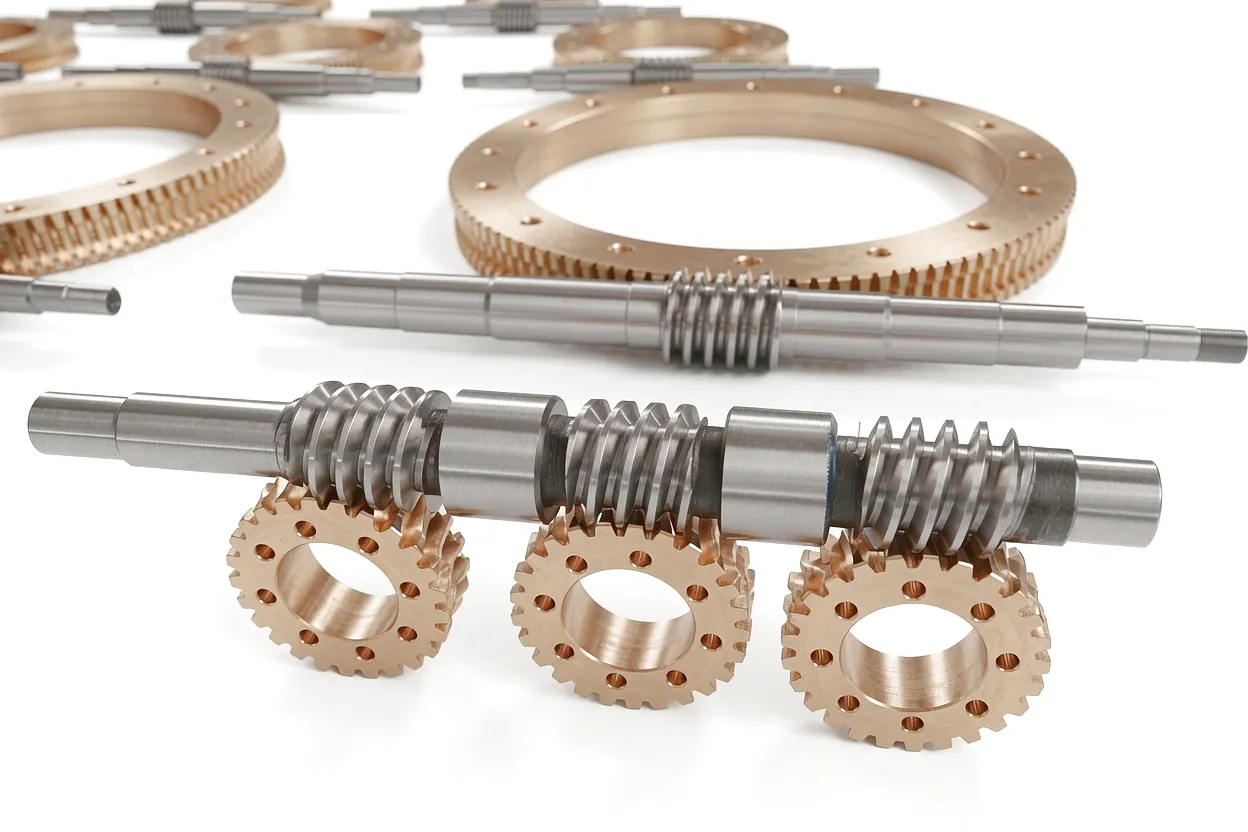
Product Gallery: Precision Worm Gear Shafts from Ever Power
Customer Success Story: Sheffield Foundry Equipment Upgrade
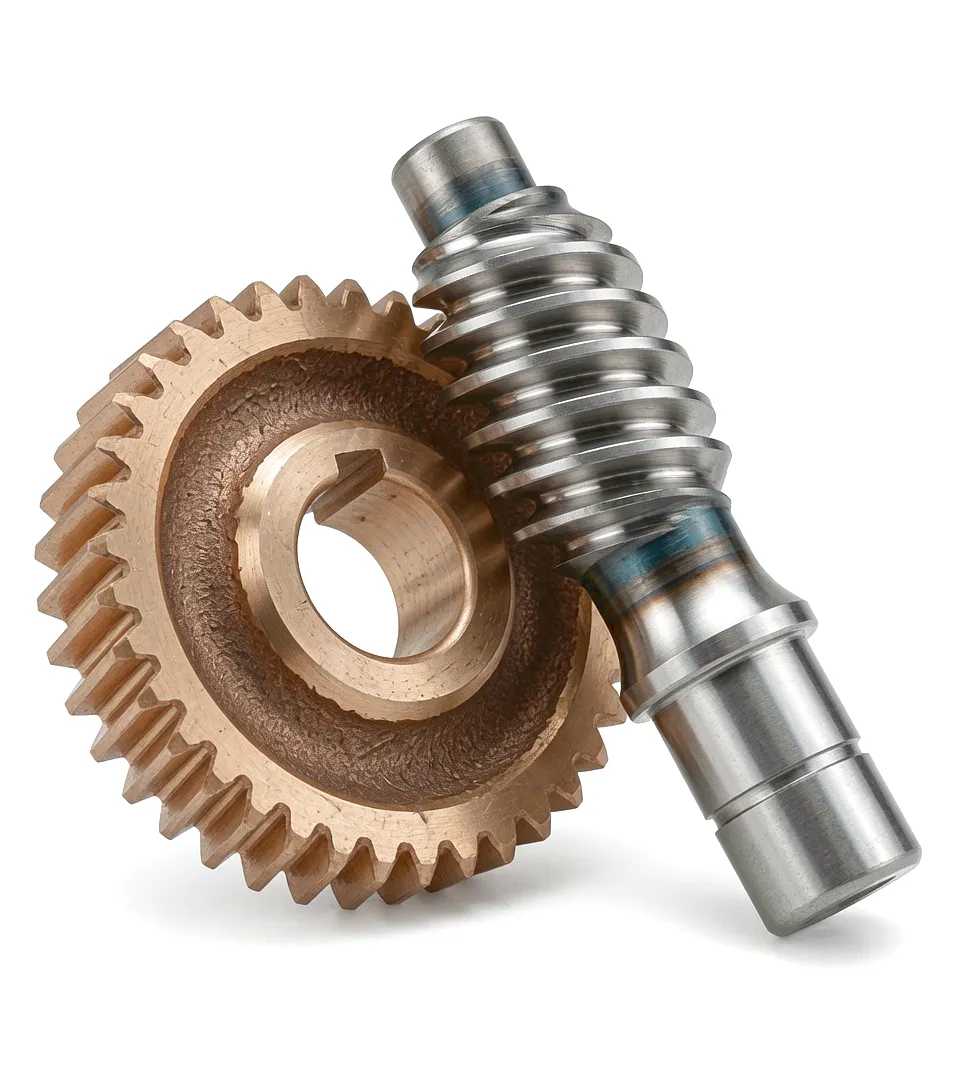 A mid-scale specialist steel casting operation in Sheffield had been running legacy worm gear shaft-equipped ladle tilting mechanisms for over two decades. While the original drives had given years of reliable service, increasing production demands had exposed limitations in the original specification: excessive thermal buildup under sustained cycling, audible backlash that had developed in worn thread flanks, and growing difficulty sourcing replacement shafts from the original European supplier. When a routine maintenance inspection revealed that two of the four ladle tilting units were within three months of needing full replacement, the site engineering manager contacted Ever Power to evaluate options.
Ever Power’s technical team reviewed the original shaft drawings, operating cycle data, and the thermal history from the site’s maintenance logs. The conclusion was that the original 40Cr shafts, which had been ground to a standard Ra 0.8 µm profile, could be replaced with an upgraded 42CrMo specification with case hardness improved to 55 HRC and thread flanks ground to Ra 0.4 µm. A modified double-enveloping worm geometry was proposed to increase the contact ratio under partial load conditions and reduce the backlash accumulation that had plagued the previous design after heavy use cycles.
Four custom albero a vite senza fine assemblies were manufactured, inspected against agreed dimensional and hardness criteria, and delivered DDP to the Sheffield site within six weeks of order placement. Installation was completed during a planned maintenance weekend shutdown with full dimensional verification carried out on site. Following the upgrade, operating temperatures at steady-state load dropped by approximately 12 degrees Celsius, backlash measurements reduced to within the original design specification, and the site has completed over 14 months of continuous production since the upgrade without unplanned drivetrain intervention. The engineering manager confirmed that the material upgrade and improved surface finish were the primary factors in the performance improvement, and that Ever Power’s willingness to engage technically with the existing operating constraints — rather than simply supplying catalogue replacements — had been central to the project’s success.
What UK Engineers Say About Ever Power Worm Gear Shafts
“We specified a custom worm gear shaft for a new rotary indexer build, with an unusual bore size and a non-standard module. Ever Power turned around drawings for approval within 48 hours and delivered finished shafts within five weeks. The thread surface finish was excellent and they ran within backlash spec immediately on assembly. No issues at all through six months of continuous two-shift operation.”
“We source worm gear shafts for our conveyor drive range from Ever Power. Consistency between batches is genuinely very good — we get the same dimensional accuracy and hardness results order after order, which is critical for a product that goes into our customers’ equipment under warranty. Their technical team actually understands what we are asking for when we specify performance, which is not always the case with other suppliers.”
“Our plant had an urgent requirement for replacement worm shafts after a supplier failure. Ever Power’s response was rapid — full quotes within 24 hours and they had semi-finished stock that could be machined to our drawing. We had parts on site in four weeks. The quality certification they supplied with the delivery was detailed and traceable, which was exactly what our QA audit required. Pricing was genuinely competitive, not just for an emergency supply.”
Installation, Lubrication & Service Guidance
 A correctly specified worm gear shaft can only deliver its rated performance if the surrounding installation and maintenance regime is executed properly. The most common cause of premature worm drive failure in UK industrial facilities is not mechanical overload but lubrication neglect — either the wrong lubricant grade, insufficient quantity, or intervals that are too long for the actual duty cycle. The worm shaft’s thread flanks operate under a sliding contact regime that generates more heat per unit of transmitted power than rolling contact gears, and the lubricant film must maintain sufficient viscosity at operating temperature to prevent metal-to-metal contact. For typical industrial duty applications, an ISO VG 220 or VG 320 gear oil with EP additive package is the baseline recommendation, but applications running above 80°C ambient, or demanding long drain intervals, may benefit from a synthetic PAO-based lubricant with significantly extended film-strength characteristics at elevated temperature.
Correct Oil Level
The worm shaft should be partially immersed in oil to a level that ensures both the shaft thread and the lower portion of the worm wheel are in continuous contact with the lubricant. Overfilling causes churning losses and elevated operating temperature; underfilling results in starvation at the thread flanks.
Running-In Period
New worm gear shaft assemblies should be run under reduced load — typically 25% of rated torque — for the first 50 hours of operation. This allows the bronze wheel teeth to bed against the shaft thread flanks and establish the optimal contact pattern. The first oil change after running-in is particularly important to remove metallic debris from the bedding process.
Thermal Monitoring
Regular infrared or contact thermometer checks of the gearbox housing surface provide early warning of lubrication deterioration or overload. A steady rise in operating temperature between service intervals — even when the lubricant level remains correct — often indicates that the viscosity grade is too low for the duty cycle or that the oil’s additive package has depleted and an oil change is overdue.
Shaft Alignment
Misalignment between the worm shaft and the drive motor’s output shaft concentrates bearing loads and accelerates seal wear. Even minor angular misalignment in the coupling connecting the motor to the worm input affects bearing life significantly. A straightforward laser alignment check during installation and after any disturbance to the mounting arrangement is best practice for any precision worm drive application.
Frequently Asked Questions
Have a worm gear shaft requirement? Let Ever Power’s engineers support you.
Custom geometry, urgent delivery, full material certification, and DDP to the UK — all handled from a single email.