Worm Gear Shaft: Complete Engineering Guide for Industrial Transmission Systems
Expert insights for procurement engineers, mechanical designers & OEM buyers across the UK manufacturing sector
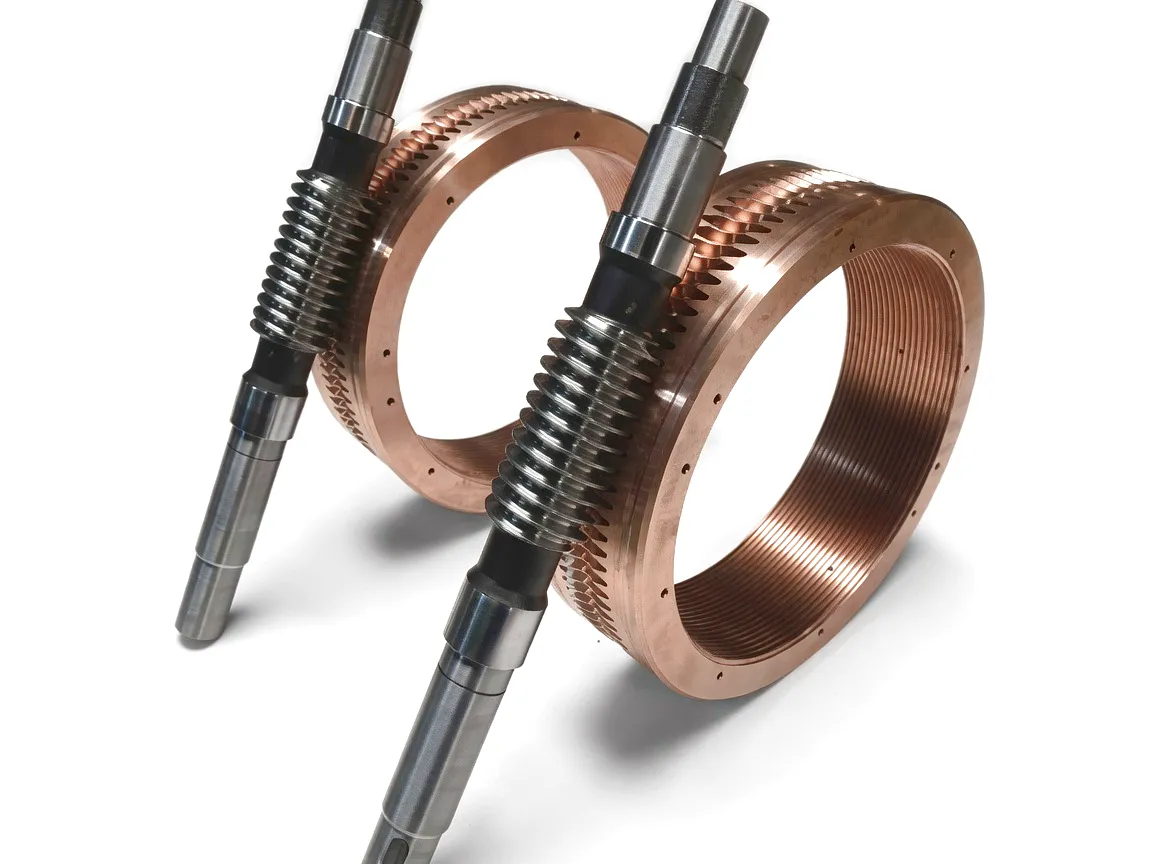
How a Worm Gear Shaft Works: The Engineering Principle
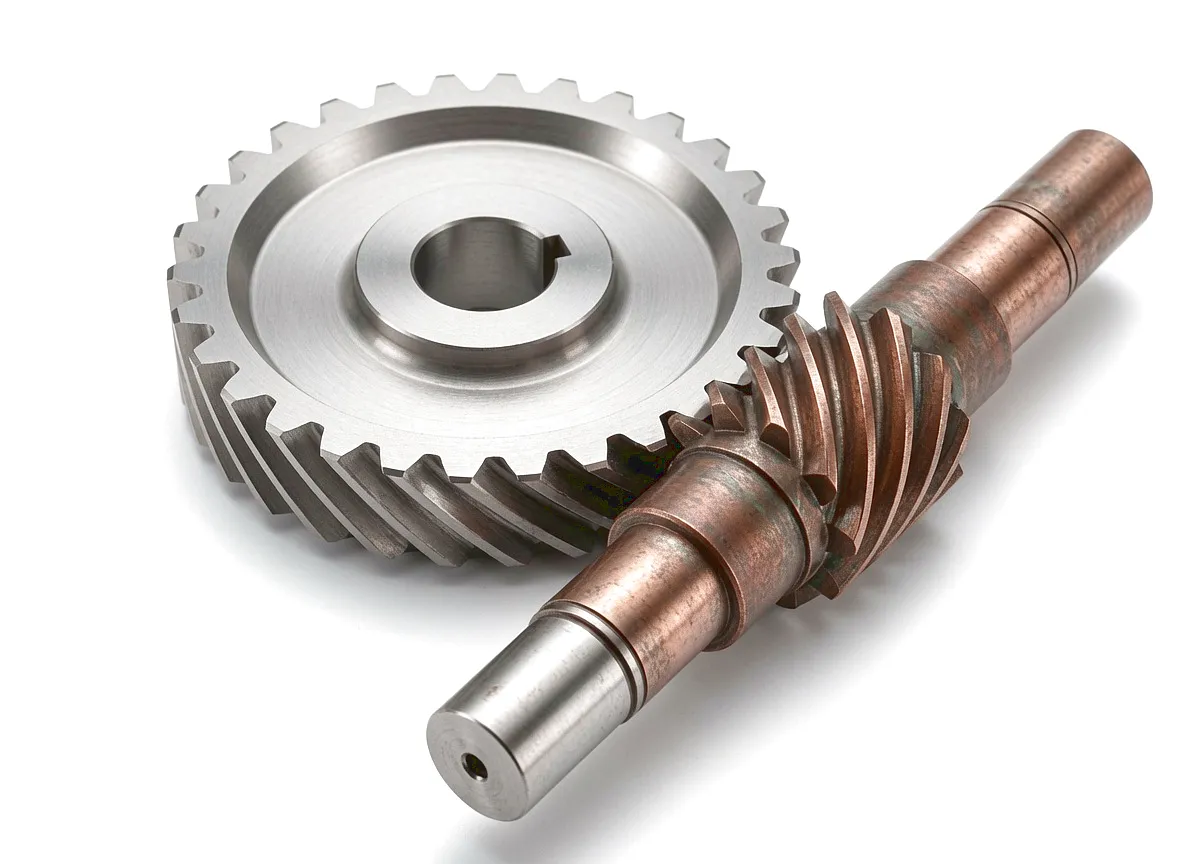
Core Materials Used in Worm Gear Shaft Manufacturing
The choice of material for a worm gear shaft is not a single decision but a layered selection process that considers the base alloy, heat treatment, surface engineering, and coating — each layer adding measurable performance to the finished component. The vast majority of industrial worm gear shafts produced for the UK market are machined from case-hardening steels, most commonly 20CrMnTi, 20MnCr5 (equivalent to EN36), or the widely-used 42CrMo4 (EN19T) where through-hardening is preferred. These alloys offer the toughness needed to handle shock loads — a critical requirement on quarry conveyors and agricultural threshing mechanisms — while accepting a hardened case that resists the abrasive sliding contact inherent in worm engagement.
The workhorse material for general industrial worm shafts. After case-carburising to a depth of 0.8–1.5 mm and hardening to 58–62 HRC at the surface, the core retains a toughness of 45–55 HRC. Excellent resistance to fatigue and contact stress makes this alloy the default specification for conveyor, mixer, and hoist drive applications throughout the West Midlands and North West industrial sectors.
Preferred where uniform hardness through the cross-section is required, such as on large-diameter shafts where case depth would be impractical. Quenched and tempered to achieve 28–34 HRC throughout, 42CrMo4 offers outstanding machinability, consistent hardness under heavy intermittent loads, and good weldability for flanged shaft assemblies common in heavy equipment built in Sheffield’s still-active steel fabrication sector.
Specified for food processing and pharmaceutical drive applications where corrosion resistance is non-negotiable. 316L stainless provides excellent resistance to chloride environments encountered in fish processing facilities on the Scottish coast and in coastal engineering applications around Portsmouth. 17-4PH precipitation-hardening stainless allows higher surface hardness up to 44 HRC while maintaining corrosion resistance — the material of choice for medical device and aerospace-adjacent precision drives.
While the worm is typically steel, the worm wheel is conventionally bronze — and the selection of the bronze grade directly affects the tribological system of the shaft-wheel pair. Phosphor bronze, with its tin and phosphorus additions, provides the best conformability to the hardened steel worm surface and the anti-scuffing characteristics needed during run-in. Aluminium bronze (AB2) is used where higher load capacity is required, though its wear-in characteristics demand more careful lubrication management during commissioning.
Surface engineering adds a further performance layer beyond the base material selection. Nitriding, applied as either gas nitriding (580°C for 20–60 hours) or plasma nitriding, creates a compound layer of 10–20 µm depth with hardness reaching 900–1100 HV. This surface treatment is increasingly specified on worm gear shafts for intermittently reversing drives — such as automated gate mechanisms and conveyor diverters — because the nitrided surface maintains dimensional stability under thermal cycling far better than a quench-hardened case. Hard chrome plating, HVOF (High Velocity Oxygen Fuel) carbide coatings, and DLC (Diamond-Like Carbon) coatings represent the high end of the market, specified for aerospace actuation and precision semiconductor equipment drives.
Worm Gear Shaft Technical & Performance Specifications
| Parameter | Standard Range | High-Performance Range | Unit / Notes |
|---|---|---|---|
| Shaft Diameter | 10 – 120 | 5 – 500 | mm, custom OD to order |
| Module (m) | 1 – 12 | 0.5 – 50 | ISO 1328 compliant |
| Number of Thread Starts | 1 – 4 | 1 – 8 | Single-start for self-locking |
| Lead Angle | 3° – 25° | 1° – 45° | Below 6° = self-locking zone |
| Transmission Ratio | 5:1 – 80:1 | 3:1 – 300:1 | Single-stage |
| Output Torque | Up to 500 N·m | Up to 50,000 N·m | Dependent on shaft size & ratio |
| Tooth Profile Accuracy | ISO Grade 7–8 | ISO Grade 4–6 | DIN 3974 reference |
| Surface Hardness (worm) | 58 – 62 HRC | 62 – 65 HRC (nitrided) | After case carburising or nitriding |
| Thread Surface Finish (Ra) | 0.8 – 1.6 µm | 0.2 – 0.4 µm | Post-grinding or superfinishing |
| Efficiency (single stage) | 50% – 75% | 75% – 92% | Higher lead angle improves efficiency |
| Operating Temperature | -20°C – +80°C | -40°C – +200°C | Depends on lubricant & sealing |
| Shaft Material Options | 20CrMnTi, 42CrMo4, C45E | 17-4PH, M2 HSS, Tool Steel | Custom alloys on request |
| Gear Angle (shaft cross angle) | 90° | 45°, 60°, 90°, custom | Non-standard angles available |
Why Engineers Specify the Worm Gear Shaft: Core Technical Advantages
A single worm gear shaft stage can achieve ratios from 5:1 up to 300:1 — a range that would require three or more stages using conventional spur or helical gears. This compactness reduces gearbox envelope dimensions substantially, enabling machine designers to fit drives into constrained installation spaces without sacrificing torque multiplication.
When the lead angle is below the friction angle — typically below 5–6° for standard steel-on-bronze contact — the worm gear shaft cannot be back-driven. The output load cannot rotate the worm. This eliminates the need for external holding brakes in many lifting, positioning, and valve-actuation applications, directly reducing system cost and maintenance complexity.
The continuous sliding contact of the worm thread with the wheel teeth creates an inherently smooth torque transmission compared with the tooth-to-tooth engagement of spur gears. This translates to significantly lower noise levels — an advantage recognised in food production facilities, office building HVAC drives, and automated warehouse systems throughout the UK, where noise emission standards are increasingly enforced.
The inherent 90° shaft cross-angle (or non-90° variants for non-standard configurations) enables right-angle power routing without additional bevel stages. This geometric versatility is exploited extensively in escalator drives, mixer gearboxes, and the steering systems of industrial vehicles — applications where axial space is constrained but right-angle torque delivery is essential.
A precision-manufactured worm gear shaft operating within its rated load band and with appropriate EP (Extreme Pressure) gear oil will achieve service lives exceeding 20,000 operating hours — and in many documented cases, significantly beyond. The key durability drivers are thread surface finish, the accuracy of tooth geometry, and the quality of the bronze wheel material mated against the shaft.
The worm gear shaft can be manufactured with integral flanges, splined ends, keyways, oil passages, hollow bores, and surface coatings to match virtually any installation requirement. This adaptability makes it uniquely suited to OEM applications where a standard off-the-shelf component would not satisfy the dimensional and performance envelope of the host machine.
Industrial Application Sectors: Where the Worm Gear Shaft Delivers
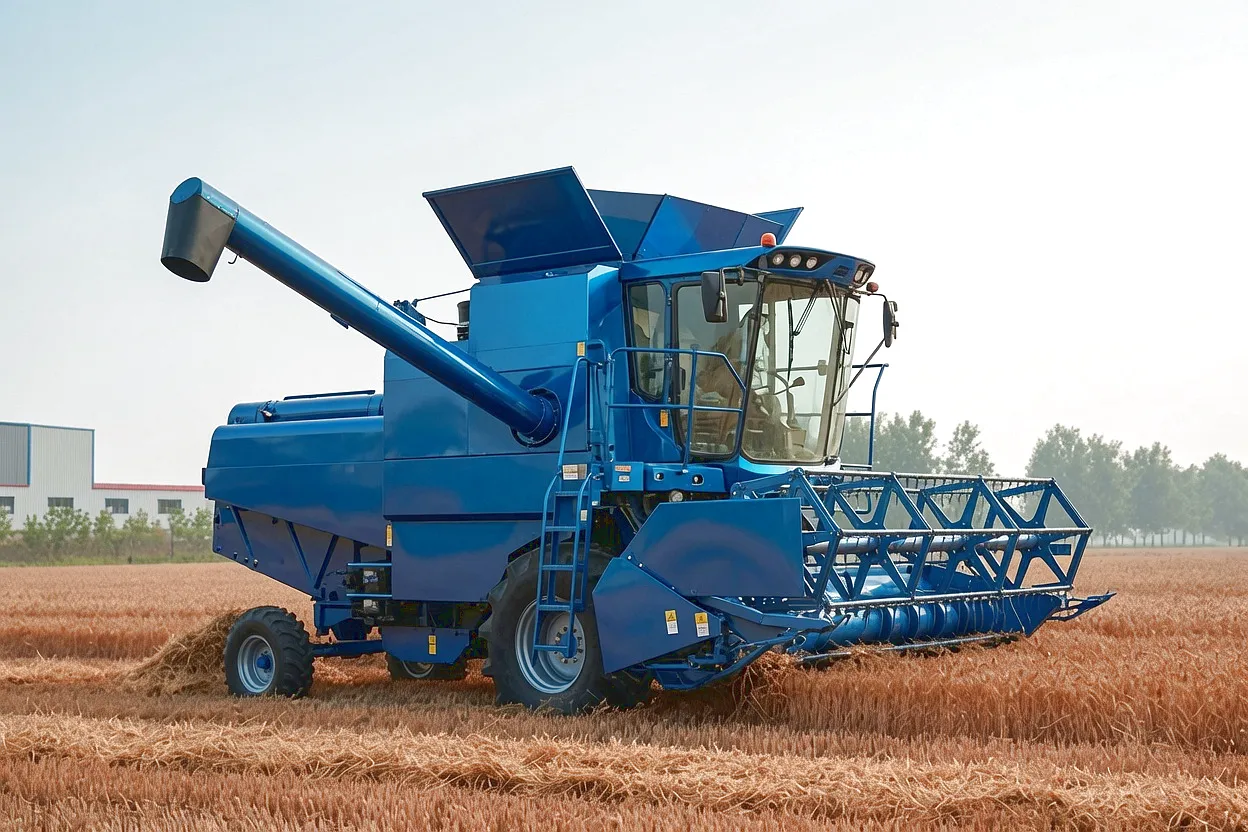
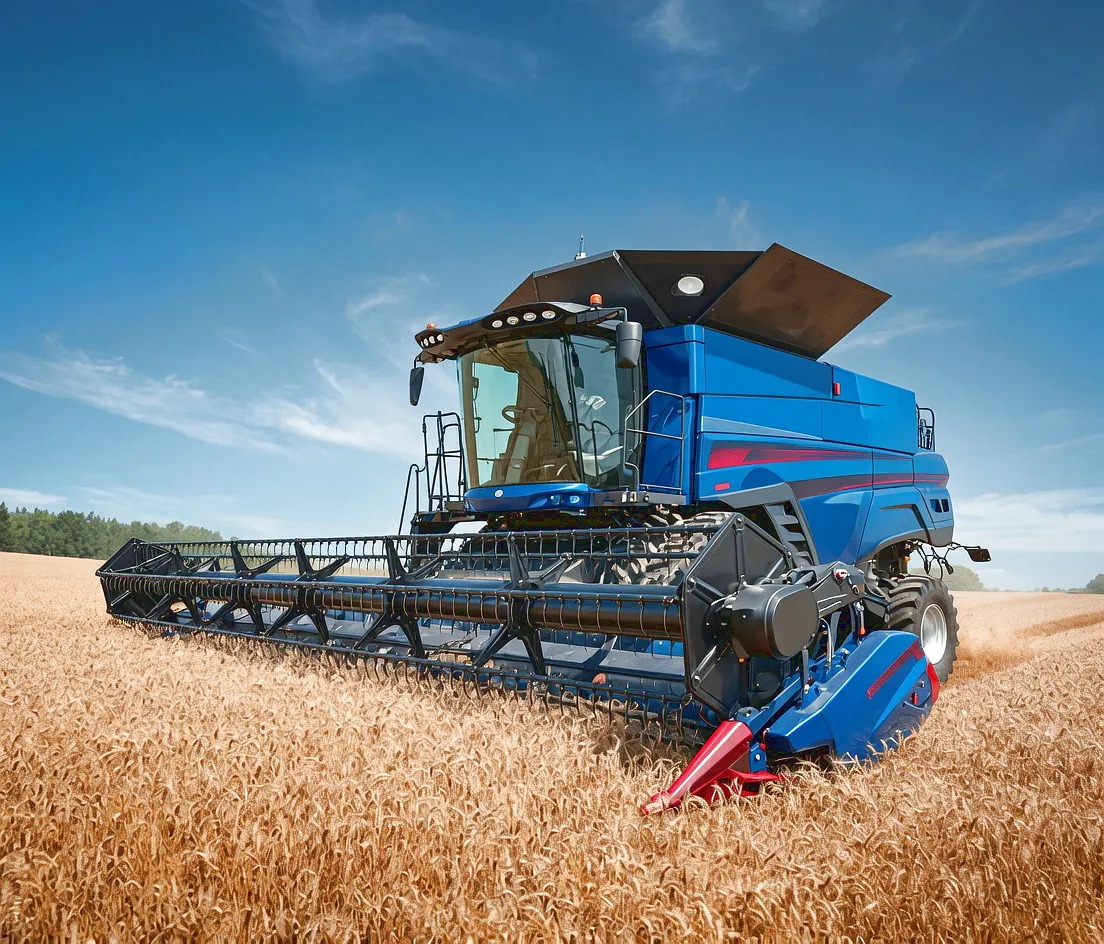
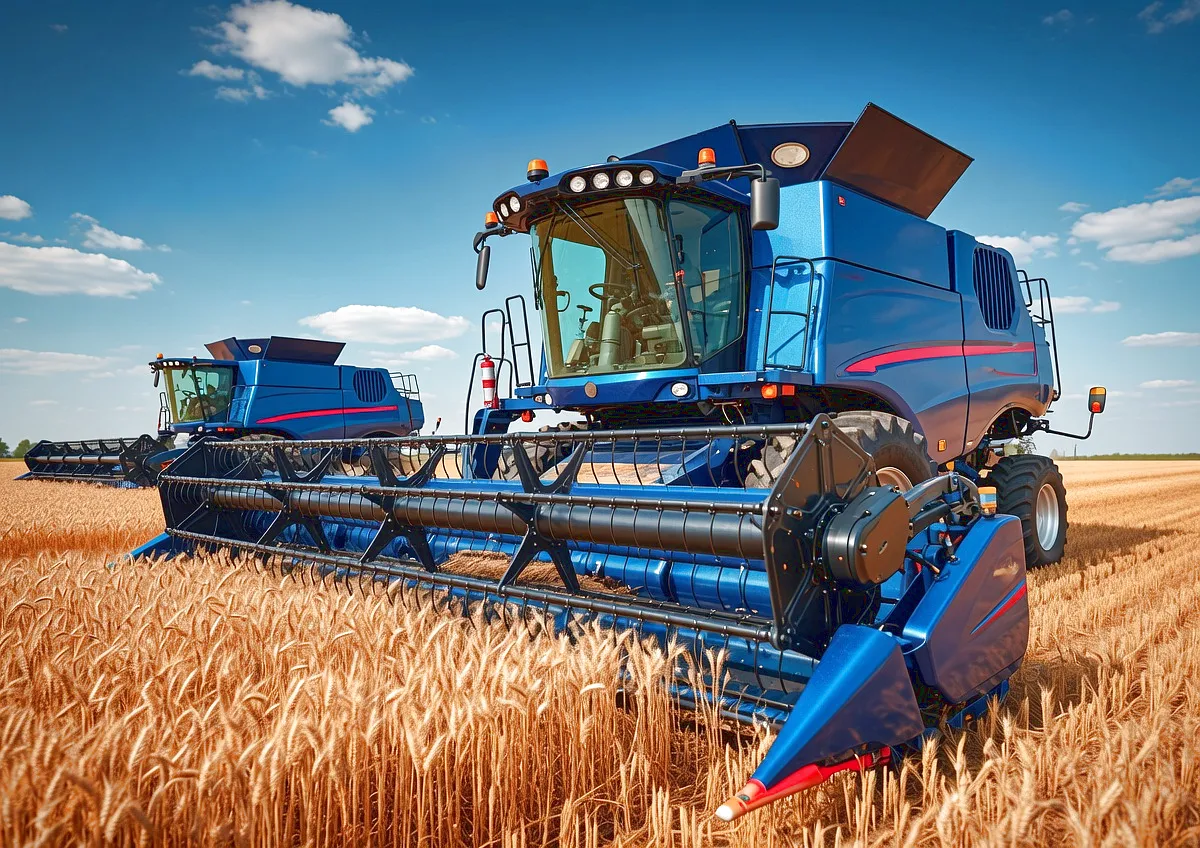
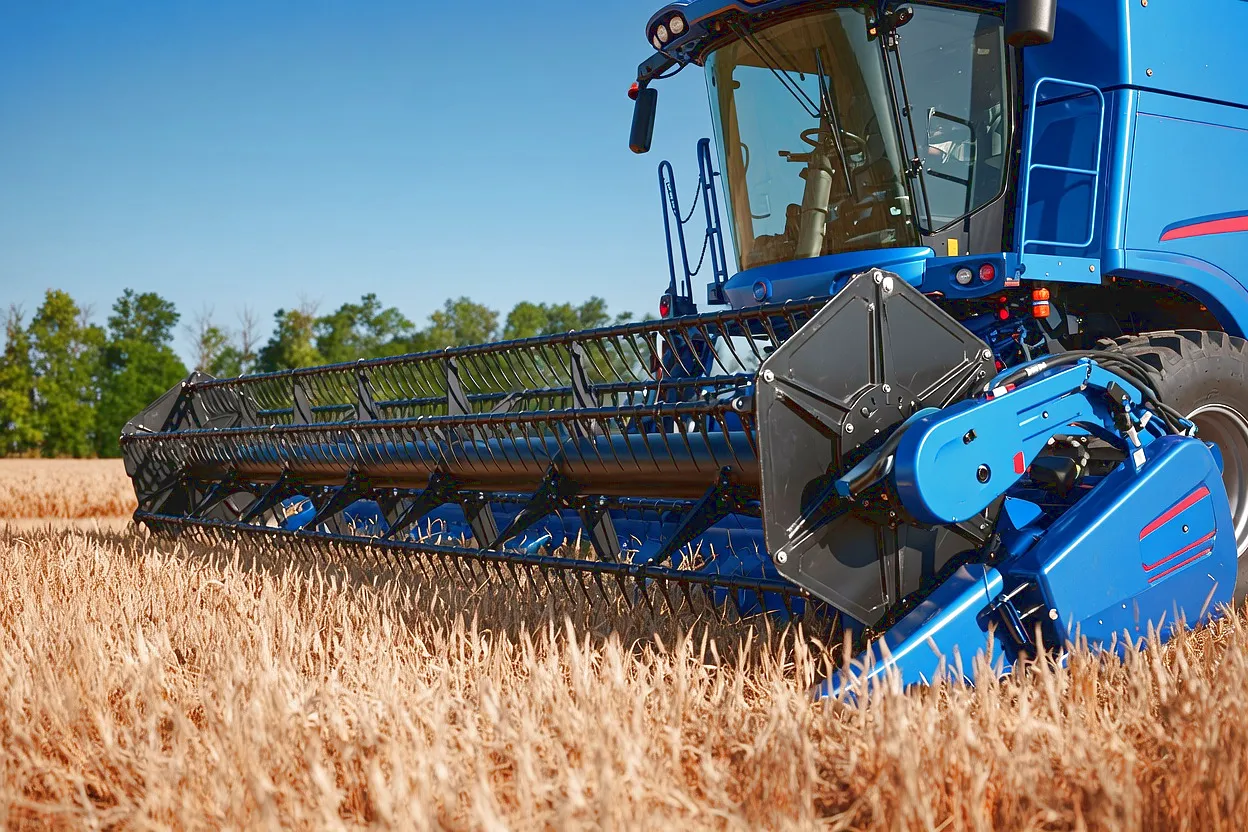
Beyond these headline sectors, the worm gear shaft finds application across an extensive range of UK industrial categories: gate automation and access control systems in commercial and industrial estates; indexing tables and rotary dial feed mechanisms in West Midlands precision engineering subcontractors; solar panel tracking drives on ground-mounted arrays across Scotland and Wales; textile machinery tensioning systems in Yorkshire’s still-active technical textiles sector; and valve actuators throughout the UK’s water treatment infrastructure managed under AMP8 investment programmes.
Ever Power: Precision Manufacturing & Custom Worm Gear Shaft Solutions
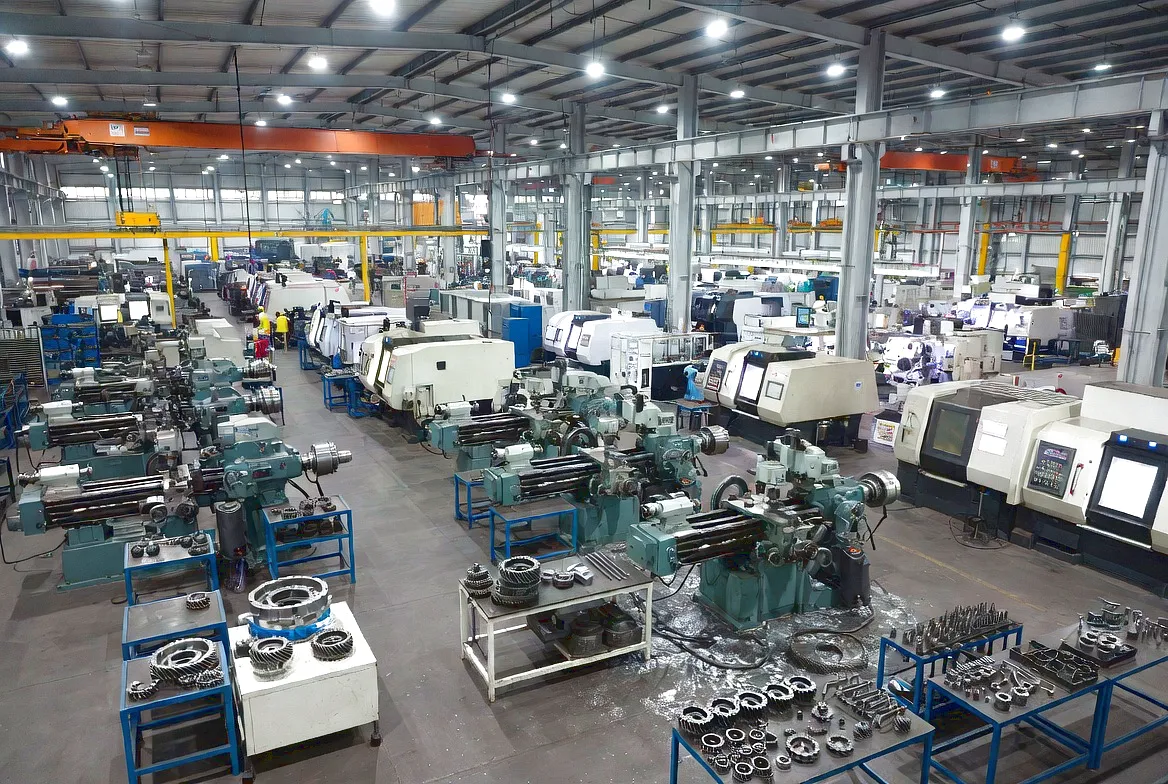
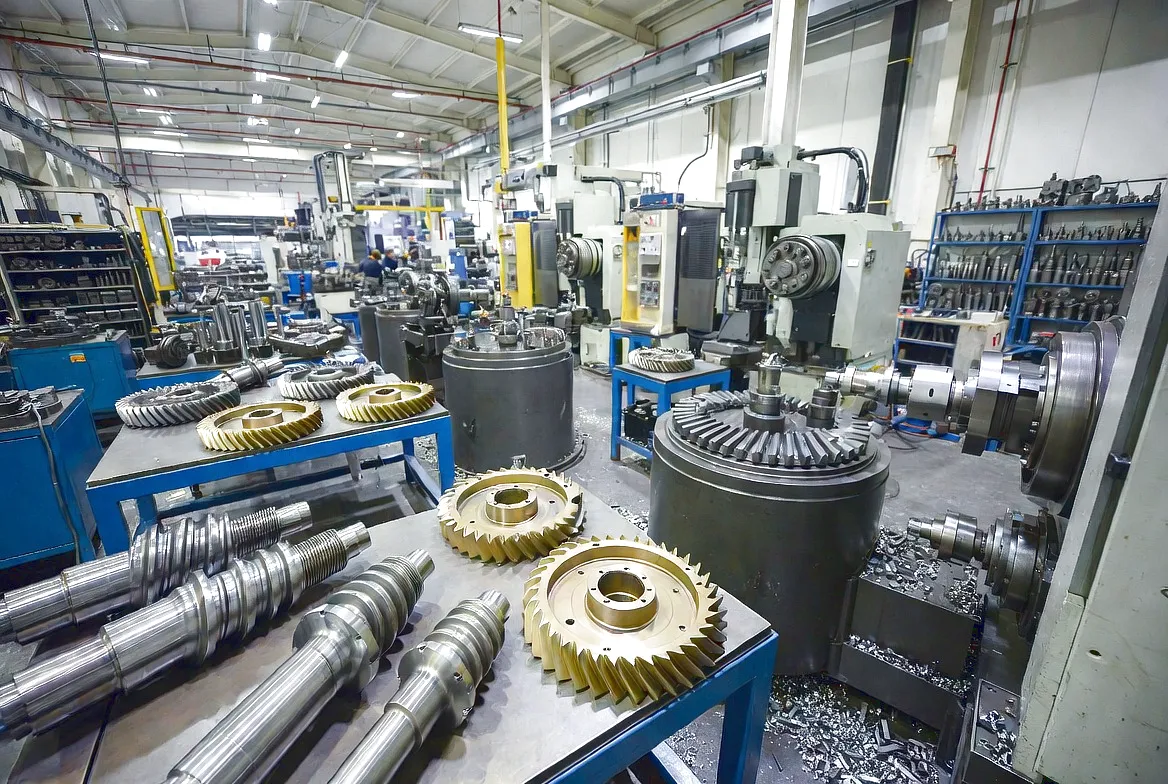
At Ever Power, the manufacture of worm gear shafts is not a catalogue exercise — it is a precision engineering discipline backed by decades of production experience and a manufacturing infrastructure built around the demands of global OEM clients. The workshop operates a fleet of CNC thread-milling and worm-grinding centres, capable of processing shaft diameters from 5 mm miniature precision components through to large-diameter shafts of 500 mm and above. Thread grinding accuracy is maintained to DIN 3974 Grade 5 tolerance as standard, with capability to Grade 4 for high-precision servo and robotics applications. Every batch undergoes CMM (Coordinate Measuring Machine) verification of pitch error, lead error, and tooth profile deviation before release, with full dimensional reports available as standard deliverables for quality-critical UK procurement processes.
The customisation capability at Ever Power extends well beyond specifying an off-catalogue diameter. Engineering enquiries regularly involve non-standard lead angles, multi-start threads on compact shaft bodies, integral splined or keyed driving ends, flanged output ends for coupling to customer-specific housings, and shaft geometries that combine the worm thread with additional features such as gear teeth, eccentric profiles, or precision bores in a single-piece component. The advantage of single-piece construction over assembled shaft-and-worm configurations is dimensional integrity under cyclical loading — a consideration that drives OEM engineers designing high-cycle automated systems for the UK automotive and logistics sectors toward specifying integral worm shafts rather than interference-fitted assemblies.
Supply chain reliability for UK buyers is addressed through Ever Power’s dual-track delivery model: a stocked range of standard worm gear shaft specifications available for short lead-time dispatch, and a dedicated custom manufacturing track with project management from drawing review through to first-article inspection, typically delivering prototype quantities within 3–5 weeks for medium-complexity parts. UK-specific requirements — including material certification to BSEN standards, RoHS compliance documentation, and PPAP-level quality packages for automotive supply chain requirements — are handled as routine deliverables rather than exceptional requests.
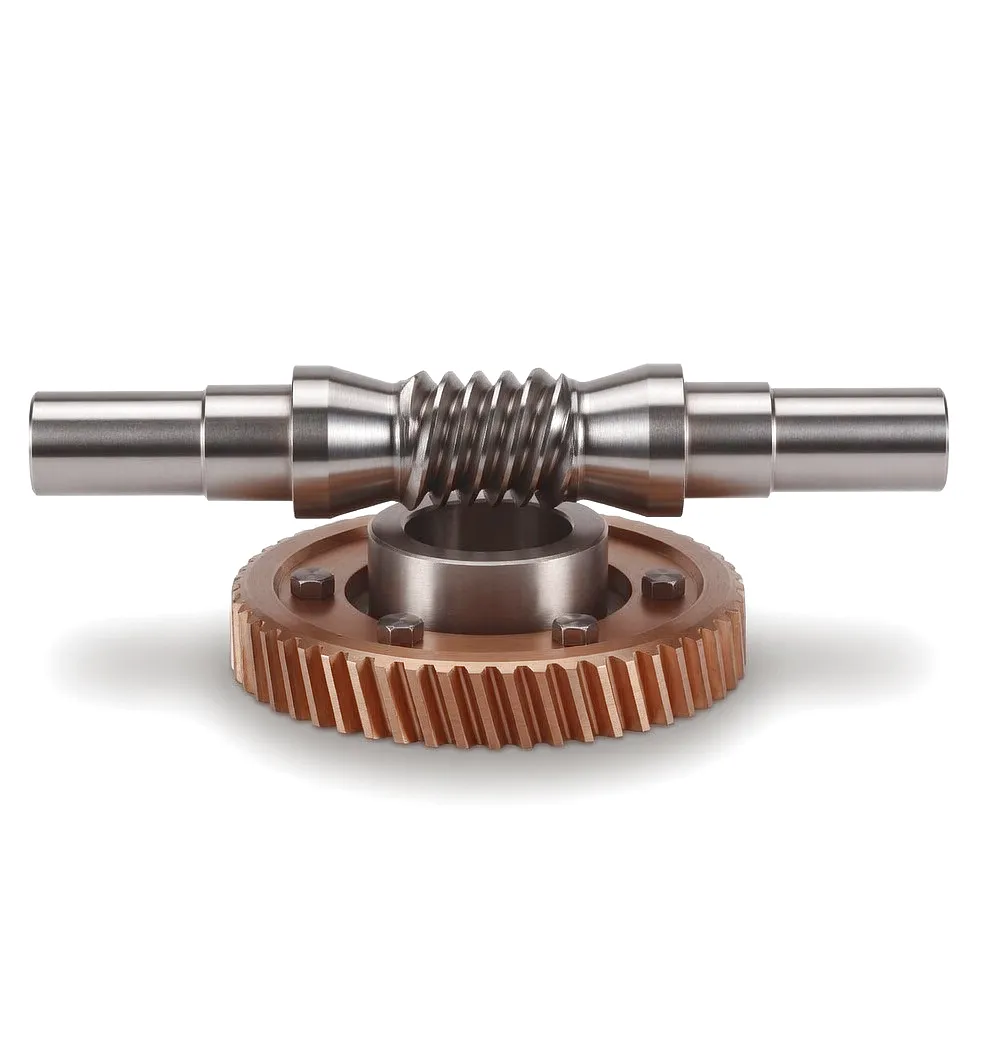
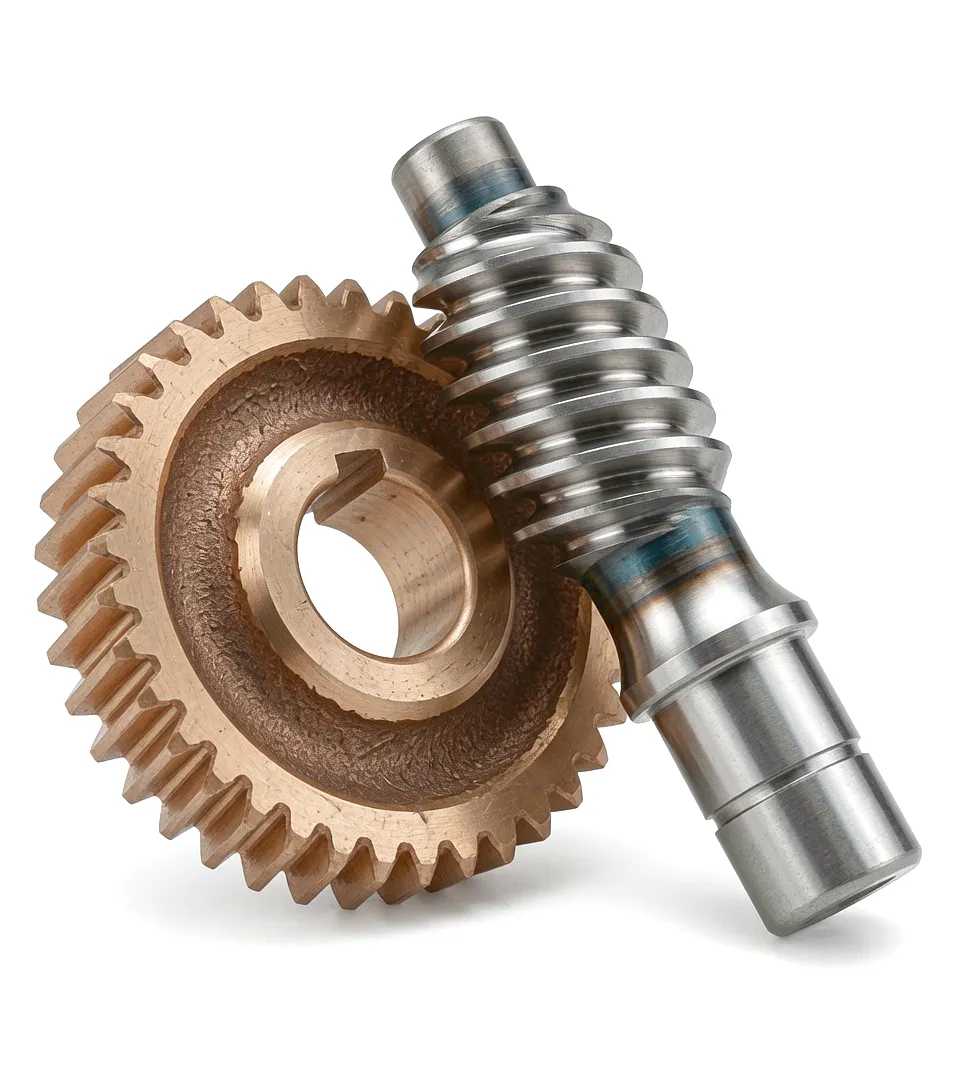
Worm Gear Shaft Product Gallery
Customer Success: Precision Worm Gear Shaft Retrofit for a Sheffield Automated Forge
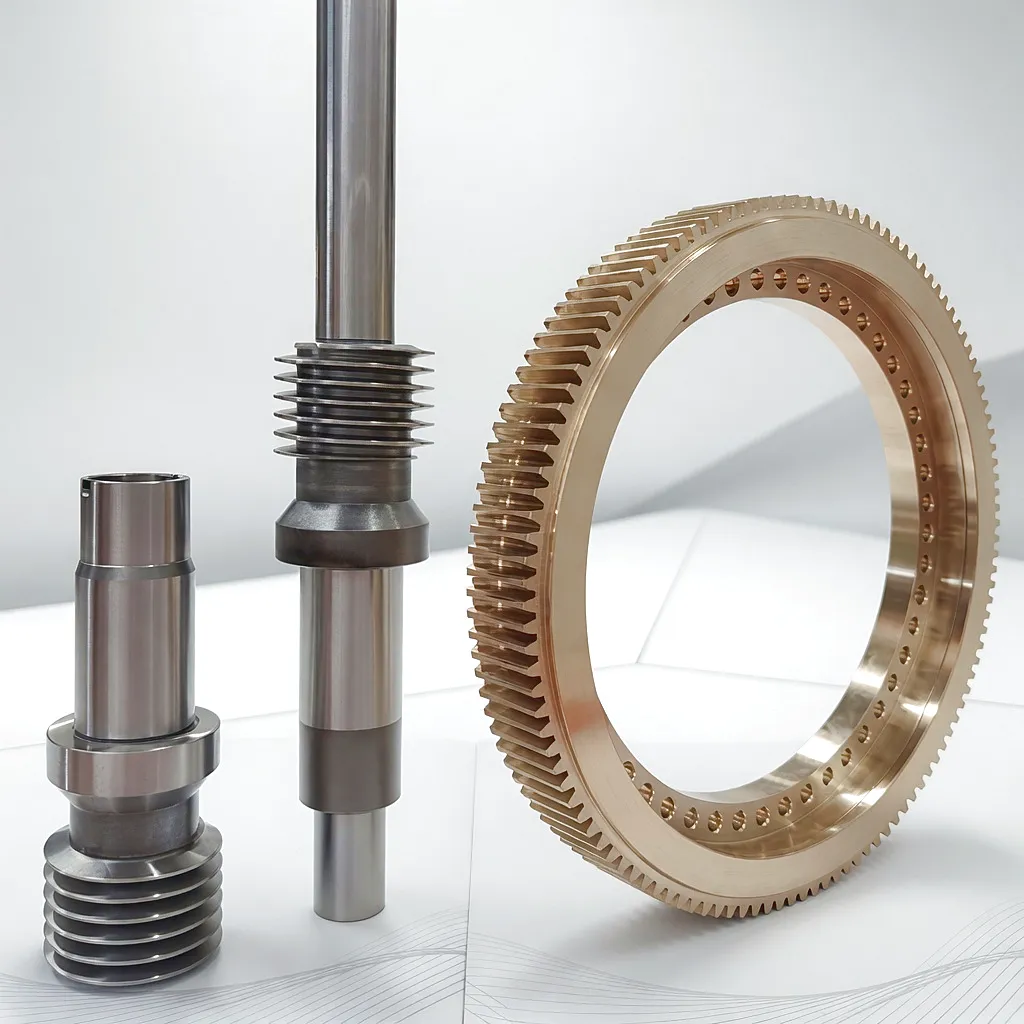 A specialist precision forging company based in Sheffield — one of the UK’s historic hubs for steel working and advanced materials processing — approached Ever Power following repeated failures of the worm gear shaft assemblies driving the feed indexing mechanism on their automated closed-die forging press line. The existing shafts, sourced from a European catalogue supplier, were experiencing premature thread flank wear at approximately 4,000 operating hours, significantly below the 15,000-hour service target required to align with the press line’s major overhaul schedule. The failures were generating unplanned downtime averaging three days per event across a production line running two shifts, six days per week — a significant financial impact during a period when Sheffield’s precision forging sector was running at near-full capacity on aerospace and automotive structural component contracts.
After receiving the failed shaft samples and the full dimensional and load specification from the Sheffield team, Ever Power’s engineering review identified two root causes: the original shaft material (a standard C45E medium-carbon steel, case-hardened to only 55 HRC) was insufficiently hard to resist the abrasive particles introduced from the forging scale environment, and the thread surface finish of 1.4 µm Ra was too rough for the lubrication film conditions achievable with the gear oil specification in use. Ever Power’s proposal was a redesigned shaft in 20CrMnTi case-hardening steel, carburised and hardened to 60–62 HRC, with thread grinding to 0.4 µm Ra, and a nitrided compound layer overlay on the thread flanks to provide oxidation resistance against the forge atmosphere.
The first production batch of 12 shafts was delivered to Sheffield within six weeks of order placement, complete with full CMM inspection reports and material certificates. Eighteen months after installation, the shafts continue to operate without measurable wear progression at monthly inspection intervals. The Sheffield company has since qualified Ever Power as a preferred supplier for all albero a vite senza fine requirements across their three-site UK operation, placing a standing order covering both planned replacement stock and urgent breakdown cover with a committed dispatch lead time of 48 hours for shafts held in the agreed stock buffer.
“The redesigned shaft specification from Ever Power solved a problem our in-house team had been chasing for two years. Thread hardness, surface finish, and the material certificate package all exceeded what we had been getting from our previous European supplier. The CMM report included with each batch lets our quality department close off incoming inspection without additional gauge checks — that alone saves us meaningful time every delivery.”
“Lead time to our Sheffield facility has been consistently within the agreed 48-hour emergency stock window and 3-week standard delivery. For a production line running near capacity, having a worm gear shaft supplier with that kind of responsiveness and a UK-market-aware stock profile makes a real operational difference. The custom nitriding specification they developed for our forge environment is something we had not been able to get from any other supplier we approached.”
“We specified a custom dual-start worm shaft in 17-4PH stainless for a wash-down conveyor upgrade at our food processing facility in West Yorkshire. Ever Power handled the full engineering conversation — material selection rationale, surface roughness targets, and the food-grade lubricant compatibility check — without us needing to chase. The finished parts were dimensionally perfect on first article, which is not something we take for granted with custom precision components.”
Specifying the Right Worm Gear Shaft: Key Engineering Decisions
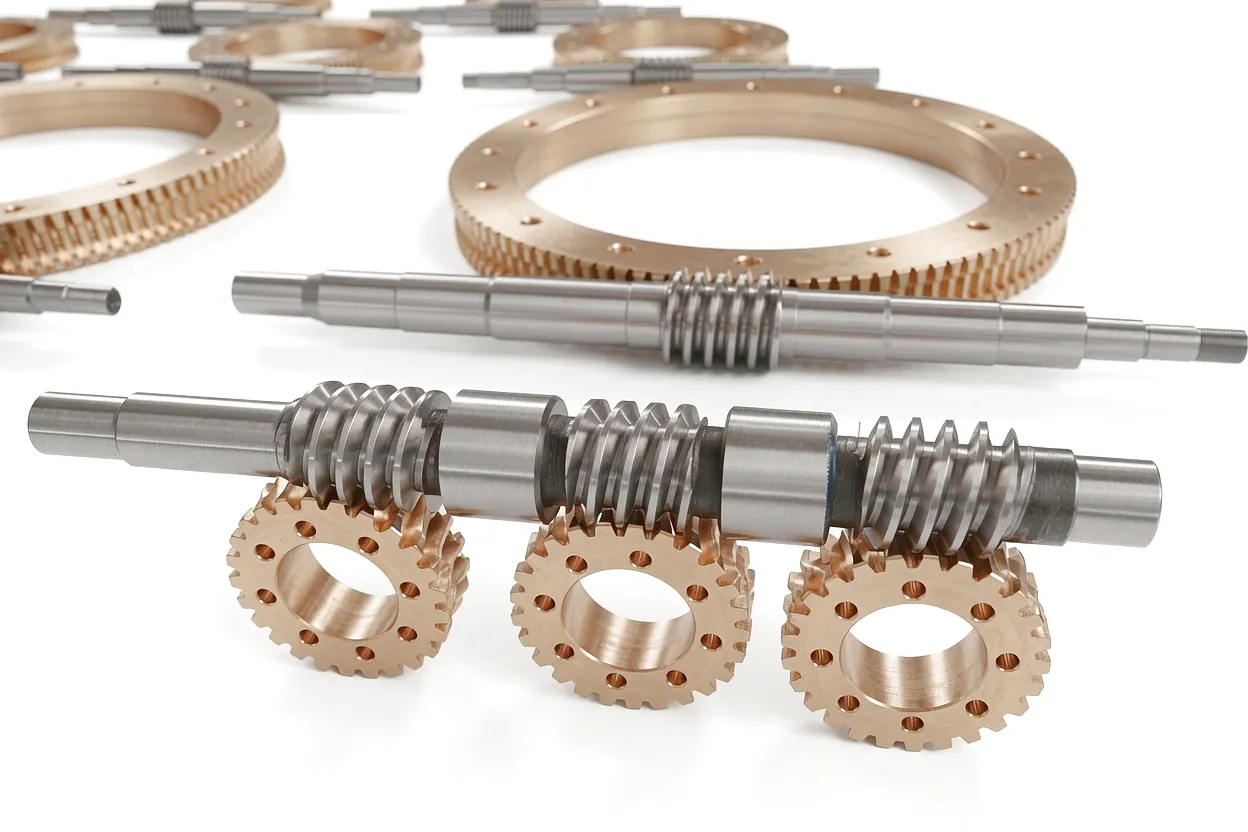
Selecting the correct worm gear shaft for a given application begins with a clear definition of the duty cycle. A conveyor running eight hours per day on a smooth, non-reversing load will generate radically different shaft requirements than an indexing mechanism reversing hundreds of times per hour under varying torque. The duty cycle governs both the thermal design of the gear unit and the surface engineering requirements of the shaft thread. Continuous-duty high-speed applications demand the best surface finish achievable — ground to 0.4 µm Ra or better — while intermittent-duty low-cycle applications may be adequately served by a milled and hobbed thread at 0.8 µm Ra with a significant cost advantage.
The self-locking requirement is the next critical branch in the specification decision. If the application requires position hold without a brake, the lead angle must be selected to remain below the friction angle across the entire operating temperature range — because rising temperature reduces oil viscosity and can marginally increase friction, but the critical consideration is the static coefficient of friction between the specific shaft material and wheel bronze in the as-running condition. An application that is borderline self-locking at low temperature may lose that property when the gear unit reaches thermal equilibrium after two hours of continuous operation. This is particularly relevant on UK installations where ambient temperatures vary between cold storage warehouse environments (below 0°C) and foundry environments (above 40°C ambient).
Efficiency requirements create a direct tension with ratio requirements in the worm gear shaft specification. High ratios demand low lead angles and single-start threads, which inherently produce lower efficiency. When the transmission ratio exceeds 30:1 and efficiency below 60% is unacceptable, the designer must consider whether a two-stage worm arrangement, a combined worm-helical gearbox, or a planetary-worm hybrid best meets the brief. Ever Power’s engineering team regularly supports UK OEM customers through these specification decisions, providing efficiency-ratio trade-off analysis as part of the application engineering service.
| Application Characteristic | Recommended Shaft Specification | Notes |
|---|---|---|
| Self-locking required | Single-start, lead angle 3°–5° | Confirm friction conditions at operating temp |
| High efficiency priority | Multi-start (4–6), lead angle 20°+ | Sacrifices high ratio; consider two-stage |
| Wash-down / food sector | 316L or 17-4PH stainless, IP65+ housing | Food-grade EP lubricant required |
| Shock / reversing loads | 42CrMo4, through-hardened, higher safety factor | Avoid borderline self-locking specs |
| Continuous high-cycle duty | Ground thread, Ra ≤ 0.4 µm, nitrided | Lubrication system review essential |
| Corrosive atmosphere | Stainless or DLC / HVOF coated alloy steel | Specify coating adhesion standards |