Worm Gear Shaft: The Complete Engineering Guide for Industrial Buyers
Precision transmission engineering · UK industrial supply · Ever Power custom manufacturing
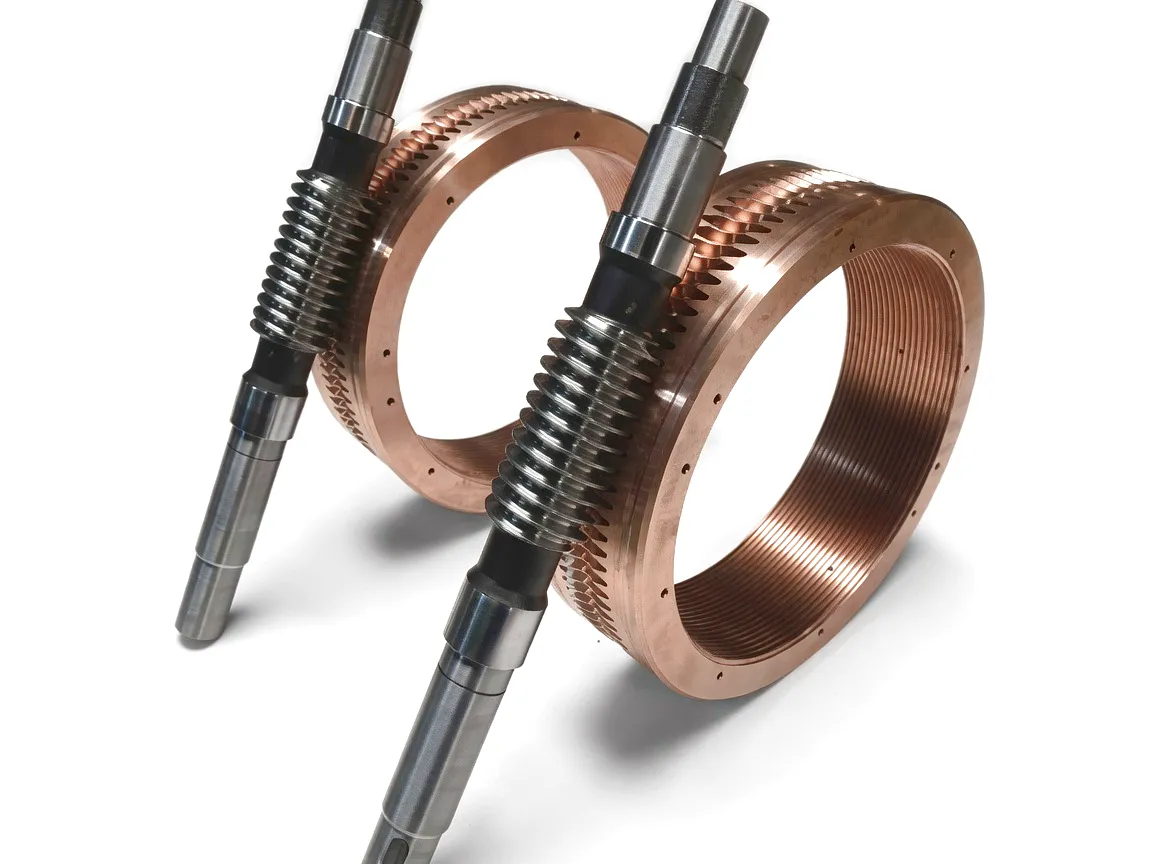
How a Worm Gear Shaft Works: The Engineering Principle
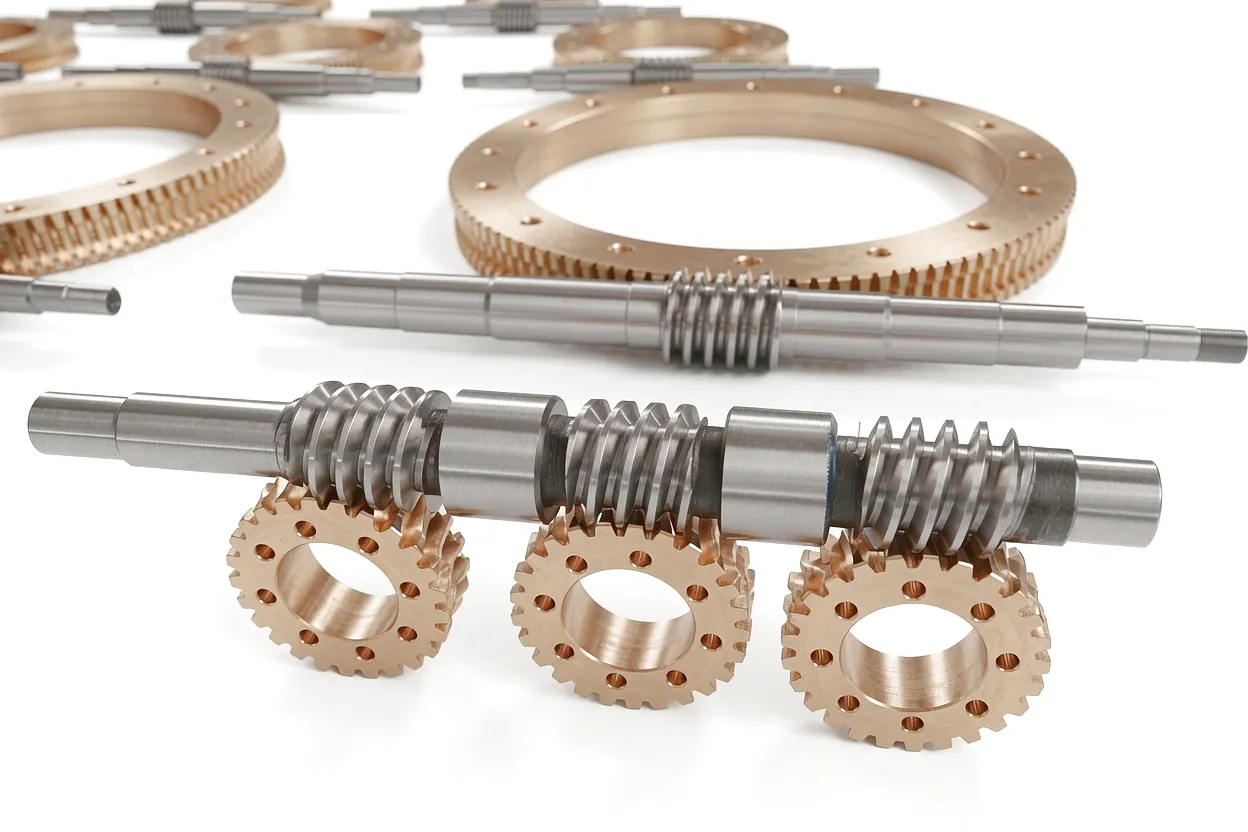
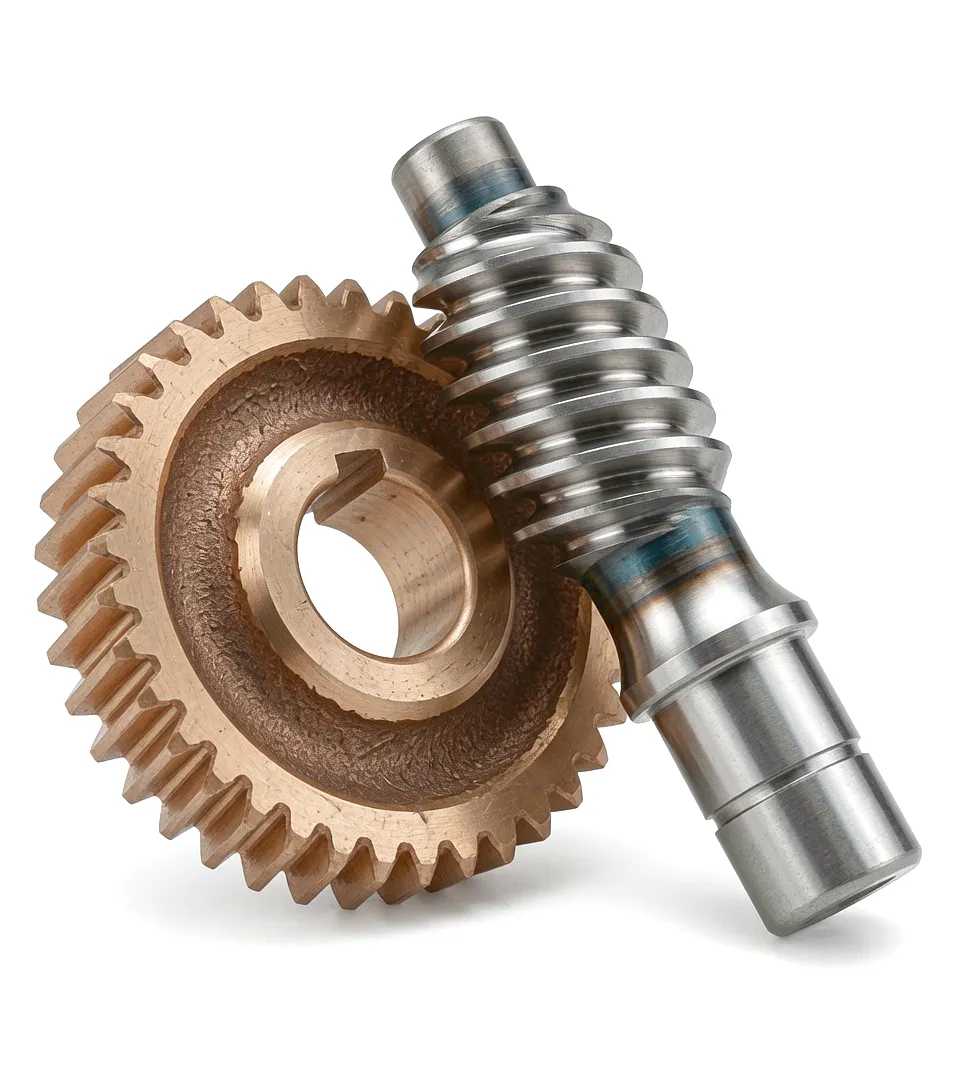
The worm gear shaft operates on crossed-axis helical gear geometry. The shaft — also called the worm — is machined with one or more helical threads that mesh continuously with the teeth of the worm wheel. As the shaft rotates, each thread pushes the wheel teeth tangentially, generating torque multiplication proportional to the gear ratio. The lead angle of the thread, the pitch diameter, and the number of thread starts together define both the mechanical advantage and the efficiency envelope. Single-start worms yield the highest reduction ratios and the strongest self-locking tendency, while multi-start worms (2, 3, or 4 starts) trade some ratio for improved efficiency, making them appropriate for drives where back-driving or regeneration matters.
Self-locking is one of the most commercially important characteristics of the worm gear shaft — and the reason it appears in everything from industrial lift systems to precision actuators. When the lead angle falls below the friction angle (typically below 6°), the gear set becomes irreversible: the output shaft cannot back-drive the input, even under significant load. This passive braking behaviour eliminates the need for separate holding brakes in many vertical-load or positioning applications. For UK conveyor manufacturers or machine-tool builders who need a cost-effective way to hold position under power-off conditions, a properly specified worm gear shaft provides that function inherently, without adding hydraulic or electromagnetic brake assemblies to the BOM.
The pitch and module of a worm gear shaft follow either the axial or the normal pitch convention, with the former being predominant in British and continental European engineering practice. Module values of 1, 1.25, 1.5, 2, 2.5, 3, 4, 5, 6, 8, and 10 are standardised under BS/ISO norms, giving procurement teams a clear reference when comparing suppliers. The centre distance between the worm gear shaft axis and the wheel axis is a critical assembly parameter, typically held to IT6 or IT7 tolerance grades. Misalignment of even a few hundredths of a millimetre causes concentrated contact stress, accelerated surface fatigue on the wheel teeth, and elevated operating temperatures — all of which condense service life dramatically.
Core Materials: What Makes the Difference
Case-Hardened Steel (20CrMnTi / 42CrMo4)
The most widely used shaft material in high-load applications. Low-carbon alloy steel is carburised, quenched, and tempered to achieve a hard outer shell (58–62 HRC surface) with a tough, ductile core. The core absorbs impact and torsional shock loads — crucial in mining conveyors and heavy press feeding machinery found across South Yorkshire — while the hardened thread flanks resist abrasive wear from the worm wheel bronze. 20CrMnTi dominates Chinese-manufactured shafts; 42CrMo4 (EN 1.7225) is the preferred designation under British and EN standards, offering excellent machinability alongside fatigue strength above 900 MPa.
Induction-Hardened Carbon Steel (C45 / EN8)
Where through-carburising is impractical or where a cost-effective general-purpose shaft is acceptable, medium-carbon steel grades — C45 under ISO or EN8 (080M40) under British specification — are selectively induction hardened at the thread profile. Surface hardness reaches 50–56 HRC with case depths controlled between 1.2 and 2.5 mm. EN8 is ubiquitous in the UK supply chain, stocked by major distributors including Metals4U and Barrett Steel, which simplifies spare part and repair sourcing for UK plant maintenance teams who need rapid turnaround rather than an imported bespoke shaft.
Stainless Steel (304 / 316L)
Food-grade processing lines, pharmaceutical mixing equipment, and marine applications along the British coastline demand corrosion resistance over peak hardness. Austenitic grades 304 and 316L are machined and electropolished to Ra ≤ 0.8 µm on shaft surfaces. The lower hardness (typically 200–220 HB) means these shafts carry reduced torque ratings compared to alloy steel counterparts, but their compliance with UK food safety regulations (BRCGS, HACCP requirements) and resistance to aggressive CIP cleaning chemicals make them the only practical material choice in wet-process environments.
Bronze Pairing (Wheel) — SAE 65 / CC491K
While not the shaft itself, the worm wheel material is inseparable from shaft specification. Centrifugally cast tin-bronze (SAE 65; CC491K under EN1982) is the dominant wheel material, chosen for its combination of conformability — it gradually beds to the shaft surface under load — and self-lubricating properties from tin oxide tribofilm formation. This pairing is the global industry standard. Specifying the wrong wheel material alongside an excellent shaft results in micro-seizing under cold-start conditions and dramatically shortens the service interval, a lesson often learned expensively on first-generation conveyor builds.
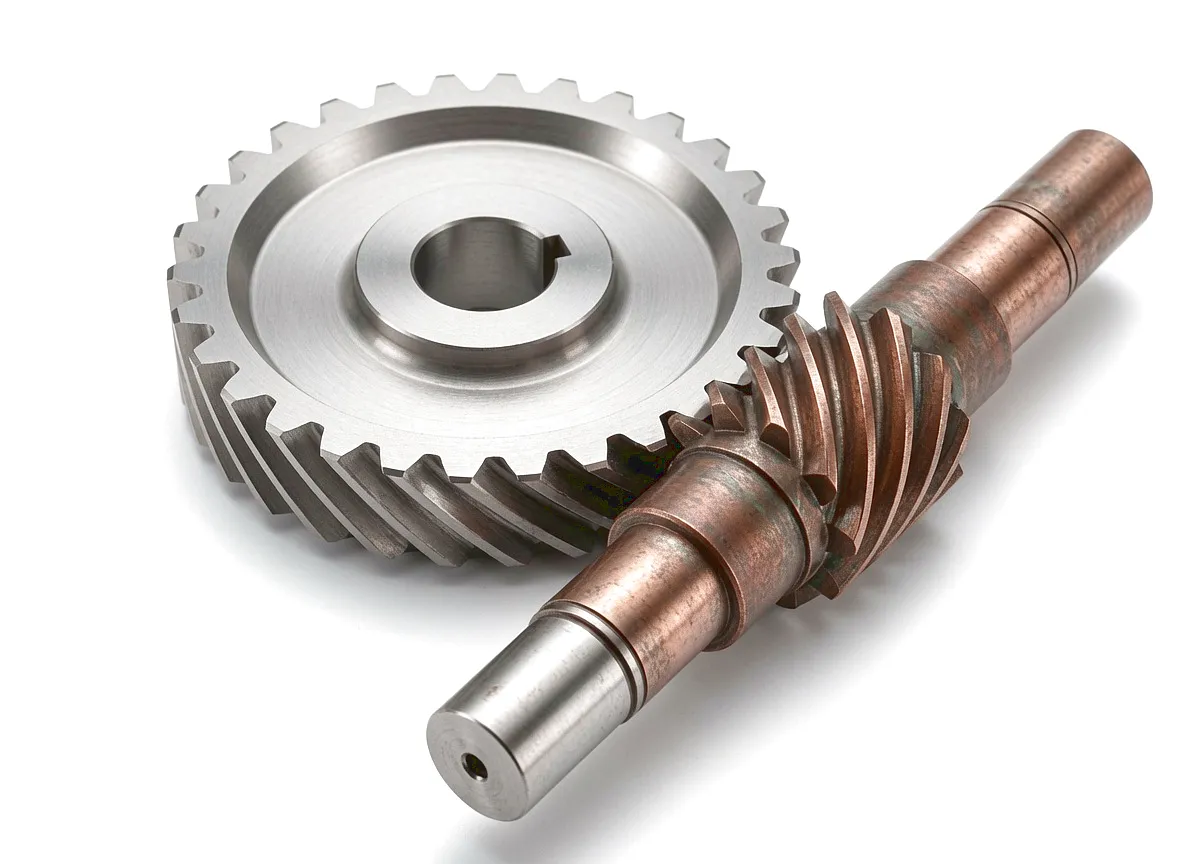
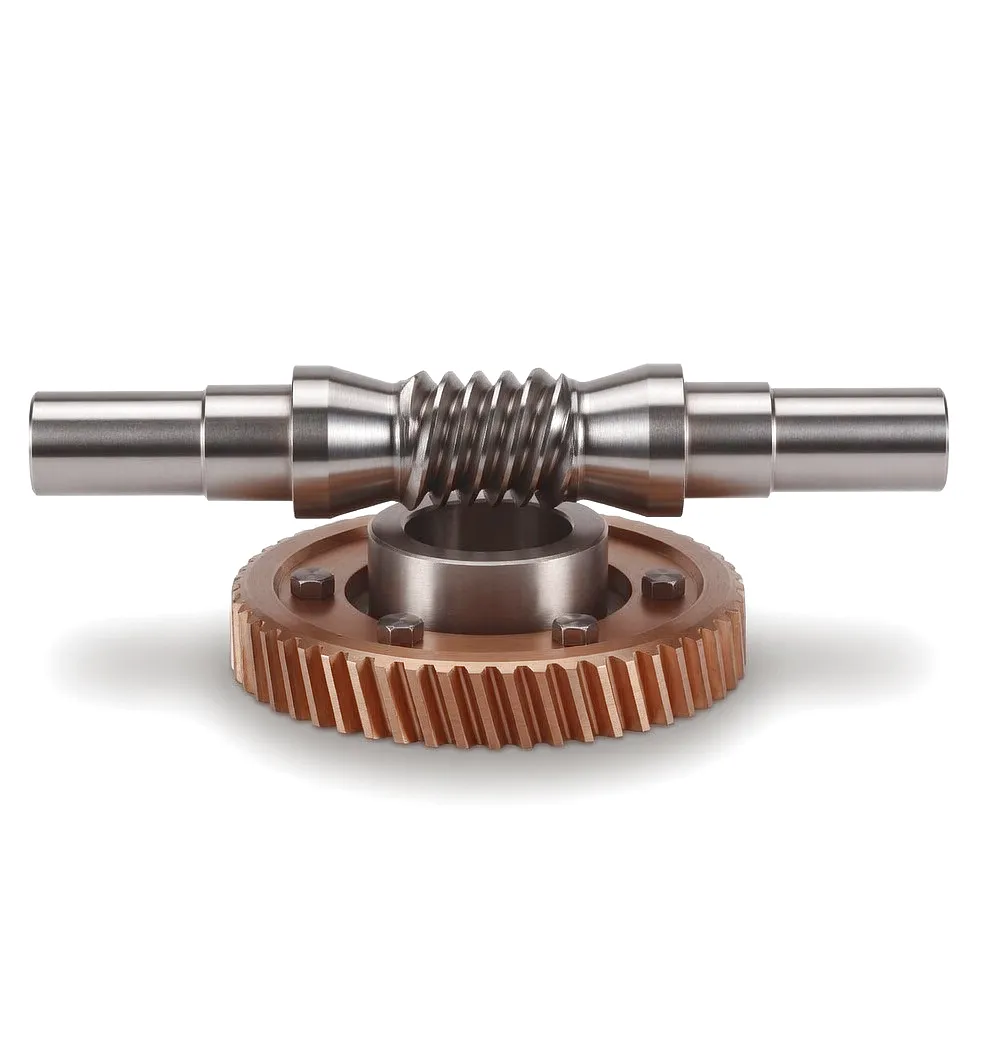
Product Advantages: Why the Worm Gear Shaft Outperforms Alternatives
High Gear Ratio in a Single Stage
Ratios from 5:1 to 100:1 — occasionally higher for specialist applications — are achievable within a single gear mesh, without the volume, weight, or complexity penalties of multi-stage parallel-axis transmissions. For UK OEM designers operating under strict package envelopes, this single-stage efficiency is a decisive competitive advantage that directly reduces product weight and enclosure cost.
Inherent Self-Locking Under Load
At lead angles below the friction angle, the worm gear shaft cannot be driven from the output side. This eliminates the need for external brake assemblies in lift gates, valve actuators, and overhead conveyor systems, reducing both initial cost and ongoing maintenance intervals — a highly valued attribute in the UK’s asset-intensive process industries where planned maintenance windows are tightly constrained.
Quiet, Smooth Operation
The sliding-contact nature of worm gear engagement, combined with the continuous thread mesh, produces markedly lower noise levels than equivalent spur or bevel gear sets. This is not a trivial benefit — UK Health and Safety Executive guidelines on workplace noise exposure under the Control of Noise at Work Regulations 2005 put real commercial pressure on machine builders to control transmission noise. A well-lubricated worm gear shaft system routinely operates below 72 dB(A) even under full load.
Right-Angle Transmission Layout
The perpendicular input-output arrangement that the worm gear shaft naturally provides often eliminates an entire bevel-gear stage and the associated couplings, creating a cleaner, shorter mechanical signal path. For machine architects laying out linear motion stages, conveyor drives, and valve actuation trains, this right-angle geometry simplifies mechanical design significantly while reducing the number of potential failure points in the drivetrain.
Shock Load Tolerance
The distributed tooth contact across the full thread length of a worm gear shaft means shock loads from agricultural machinery, industrial presses, and mining equipment are spread over a wide contact area. Unlike parallel-axis gears where instantaneous tooth contact can create high Hertz contact stress spikes, the worm’s progressive engagement acts as an inherent shock absorber, reducing peak stress transmission by 30–50% compared to single-tooth contact events in spur gear sets of equivalent pitch.
Long Service Life with Correct Lubrication
When matched with ISO VG 220 or 460 EP gear oil (or synthetic PAO-based equivalent for wide-temperature ranges), a precision ground worm gear shaft achieves L10 bearing-equivalent lives exceeding 20,000 hours in continuous industrial service. UK maintenance teams operating rotating equipment under the Machinery Directive and PSSR 2000 find that predictable lubricant change intervals at 4,000–6,000 hours represent a manageable, auditable maintenance regime compared to higher-frequency brake or coupling inspections on alternative transmissions.
Technical and Performance Parameters
The following table summarises standard performance data across the worm gear shaft range. Values shown are representative design-point figures; actual parameters vary by module, lead angle, and material grade. Custom specifications beyond these ranges are available from Ever Power on request.
Industrial Application Scenarios
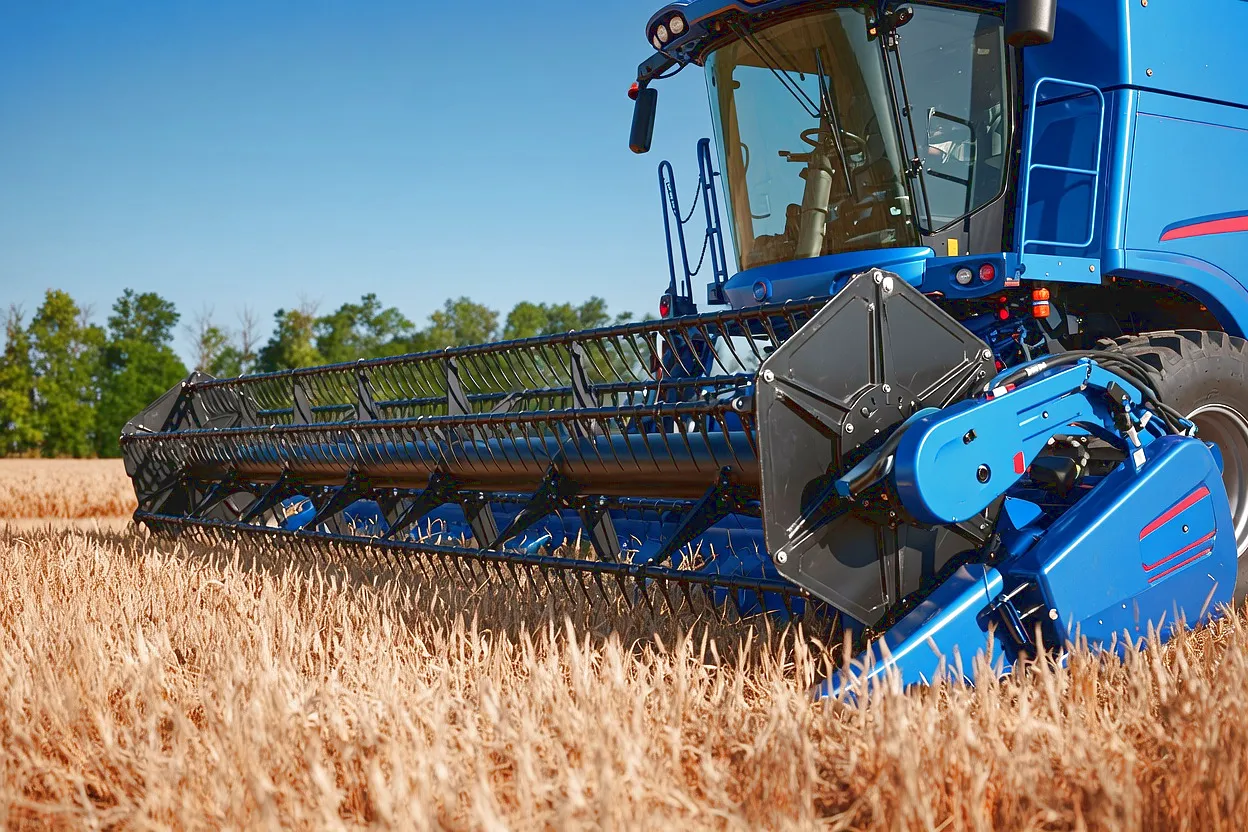
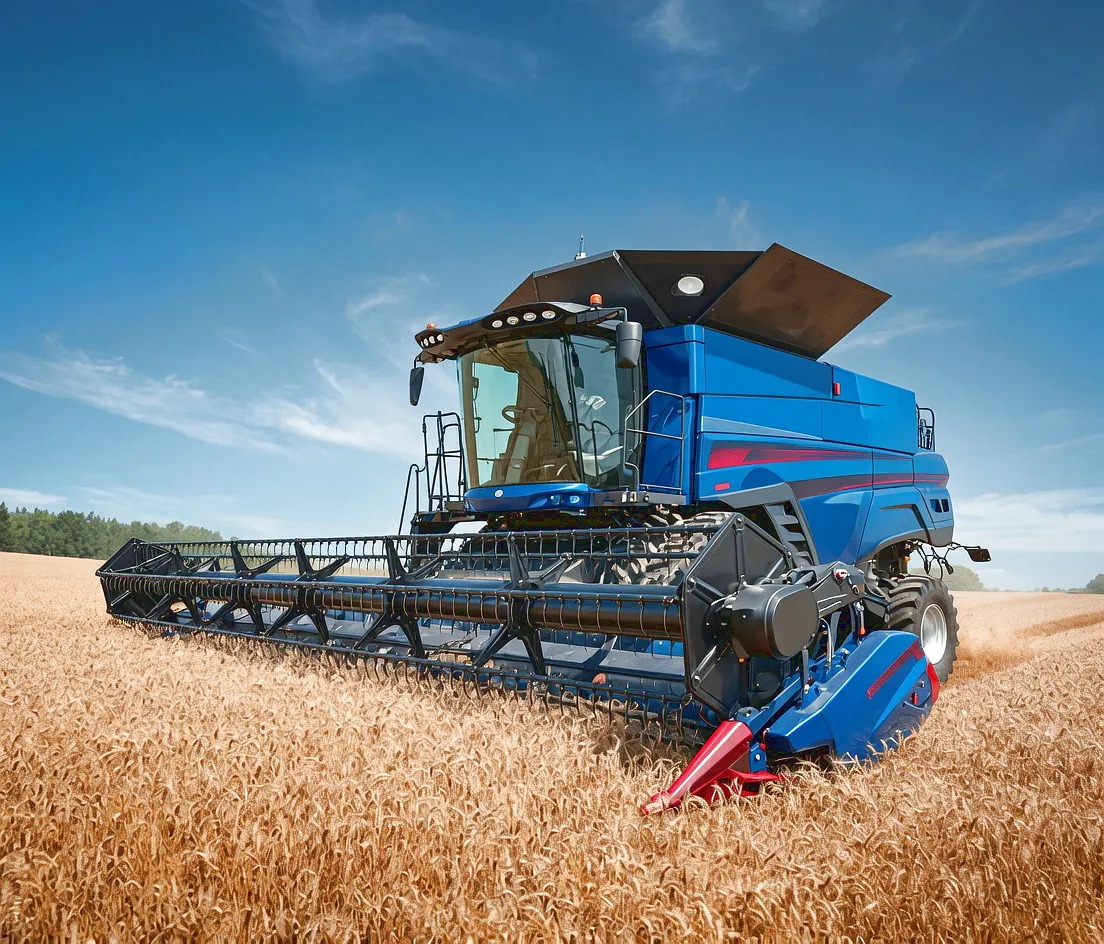
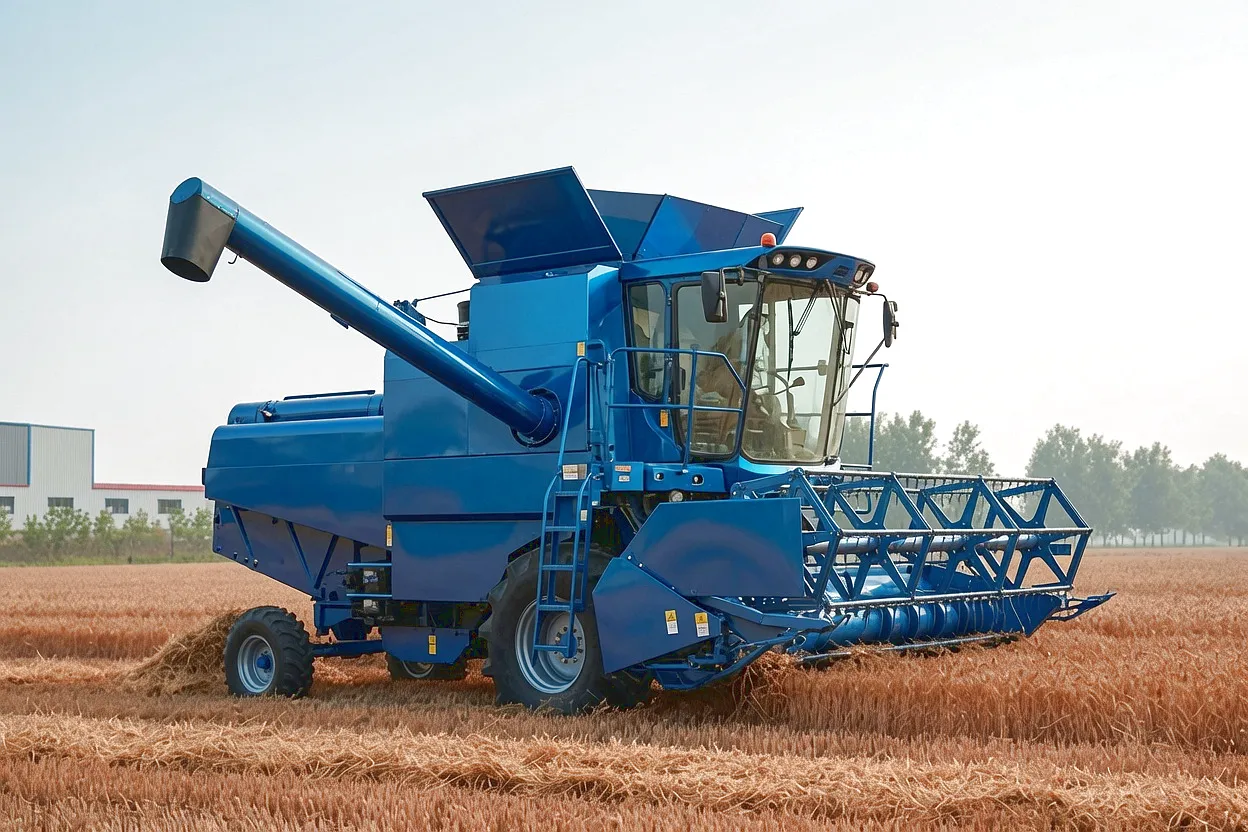 Large combine harvesters — including machines of the John Deere S680 class operating across the East Midlands’ grain-growing counties — rely on worm gear shaft assemblies at multiple critical adjustment points throughout the machine. The header width adjustment, the threshing drum clearance setting, and the cleaning sieve aperture control all use worm gear transmission precisely because these positions must be adjustable by the operator from the cab during harvest while maintaining their set position under sustained vibration and load. Gear ratios of 40:1 to 60:1 are standard for these adjustment mechanisms, paired with electric or hydraulic actuators to deliver ±5 mm positional precision on clearance-critical settings. The self-locking property of the worm gear shaft is non-negotiable here: the threshing drum clearance, once set, must remain fixed regardless of the vibration levels generated by throughput of dense barley or wheat. Any back-drift would cause uneven grain separation, increased broken grain percentages, and potential damage to the concave. The compactness of the worm gear shaft design also fits within the packaging constraints of modern harvester headers, where competing for space with hydraulic lines, electrical conduits, and the crop-flow path makes every cubic centimetre significant.
 Distribution and logistics warehouses across the West Midlands and Greater Manchester rely heavily on belt and roller conveyor systems driven by worm gearboxes. The worm gear shaft in these applications operates at low output speeds — 15 to 60 rpm is typical — translating the 1,450 rpm output of a standard IEC frame motor into the low-speed, high-torque drive needed to move palletised goods on inclined sections. The combination of high torque at the output shaft and passive back-drive prevention on inclined sections means the conveyor holds position during controlled stops and emergency e-stop events without additional braking hardware. This directly reduces the cost of the drive package and simplifies the safety assessment under EN ISO 13849 machinery safety standards. Worm gear shaft gearboxes in frame-mounted conveyor applications typically range from NMRV063 to NMRV150 housing sizes, representing output torques from 120 N·m to 1,500 N·m depending on the module and ratio selected.
 The oil and gas sector, water treatment infrastructure, and chemical processing plants that cluster around Teesside’s industrial estuary make heavy use of valve actuators incorporating worm gear shaft drives. Gate valves, butterfly valves, and ball valves in DN200 to DN1200 pipe sizes require substantial torque to open against pipeline pressure — torques measured in hundreds to thousands of Newton-metres — yet the actuator mechanism itself must be compact enough to fit the available valve bonnet real estate. A worm gear shaft with a 40:1 or 60:1 ratio reduces the required motor torque by a factor equal to the gear ratio multiplied by efficiency, typically delivering 35× effective multiplication after accounting for losses. The absolute self-locking property eliminates valve drift on safety-critical isolation duties, meeting the demand of Functional Safety standards relevant to SIL 2 certified valve actuator packages. Stainless steel shaft variants see widespread use in water treatment and food-grade process lines throughout Scotland and the North West.
 Sheffield’s precision engineering heritage did not come about by accident. The precision boring and turning machines produced in the city’s engineering workshops have relied on worm gear shaft mechanisms for feed screw drives, rotary table indexing, and cross-slide positioning for over a century. Modern CNC turning centres and boring mills still incorporate worm gear shaft assemblies in their auxiliary axis drives, rotary tables, and steady rest adjustments. The low backlash achievable through precision grinding and matched-pair assembly — typically less than 3 arc-minutes on precision-grade worm gear shafts — makes them suitable for angular positioning applications where helical gear sets would require expensive anti-backlash mechanisms to achieve equivalent positional accuracy. Pitch accuracy grades of 6 to 8 under ISO 1328 define the performance tier suitable for machine tool applications, and Ever Power manufactures to these grades routinely for export to European machine tool integrators.
Ever Power: Precision Manufacturing and Custom Worm Gear Shaft Solutions
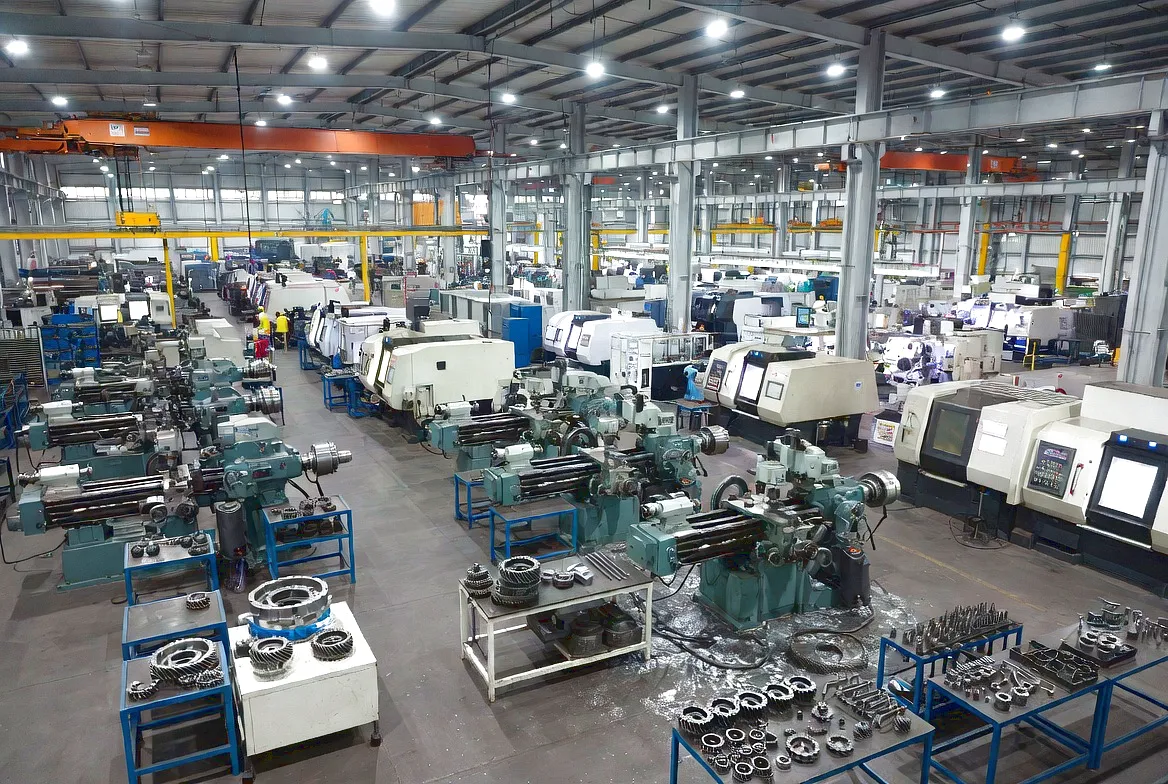
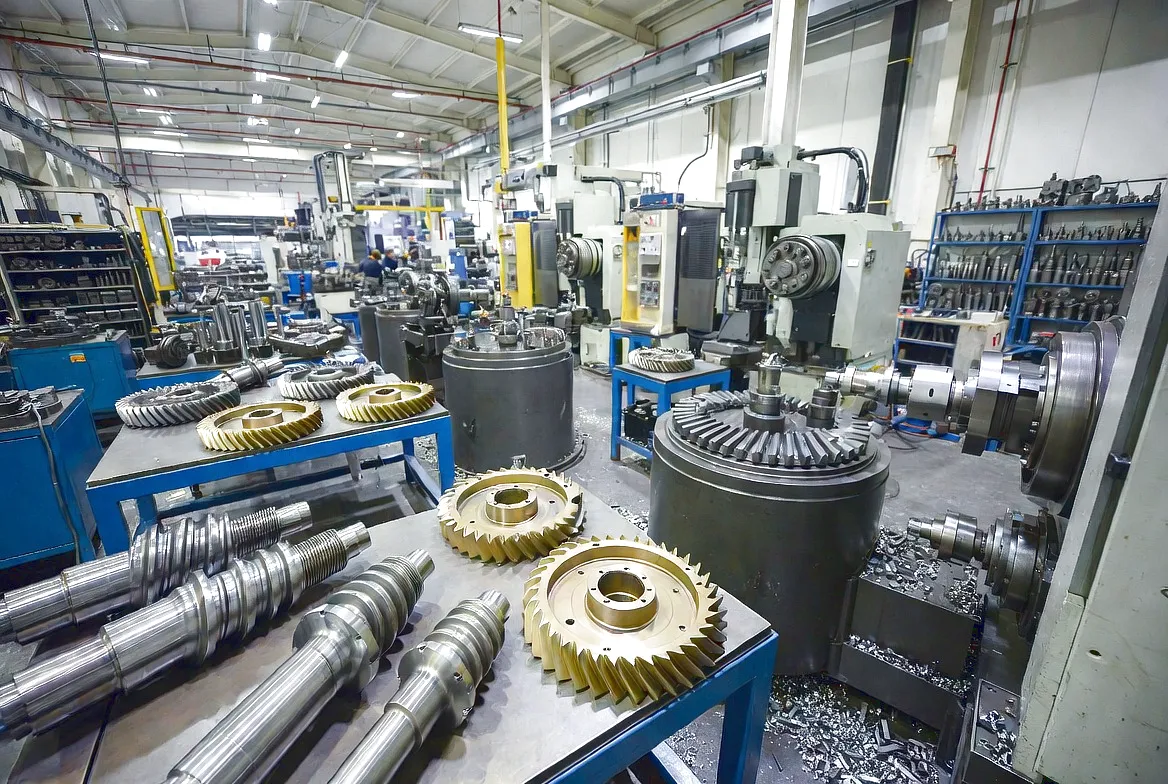
Ever Power operates a dedicated worm gear shaft manufacturing facility equipped with multi-axis CNC turning centres, precision thread-grinding machines calibrated to DIN 3975, and automated hardness verification stations. The production line handles module 1 through module 12, shaft diameters from 15 mm to 320 mm, and centre distances from 40 mm to 630 mm as standard range products. Beyond those boundaries lies the true strength of Ever Power’s value proposition: a custom engineering service that translates your drawing, performance requirement, or even a worn-out sample component into a production-ready worm gear shaft within a lead time designed to keep UK maintenance teams operational.
Customisation at Ever Power covers the full design envelope: thread profile selection from ZA, ZN, ZI, or ZK profiles; material upgrades to 316L stainless or EN36 case-hardening steel; special keyway or involute spline shaft ends; flanged mounting faces; integral tapered roller bearing journals; and surface coatings including electroless nickel plating, hard chrome, or Teflon-impregnated PTFE for corrosive environments. UK supply chain integration is supported through UK-standard packaging, CE-marked documentation packages, and freight-on-board pricing to major UK logistics hubs including Felixstowe, Southampton, and Tilbury, with typical transit times of 18–25 days on standard sea freight and 5–7 days via air freight for urgent replacement stock.
20+
Years Manufacturing Worm Gear Components
50+
Countries Supplied Including UK, Germany, Australia
ISO
9001:2015 Certified Production Facility
72h
Technical Quotation Turnaround for Custom Enquiries
[email protected] · Technical drawings and samples welcome
Customer Success Story: Leeds Aggregates Processing Facility
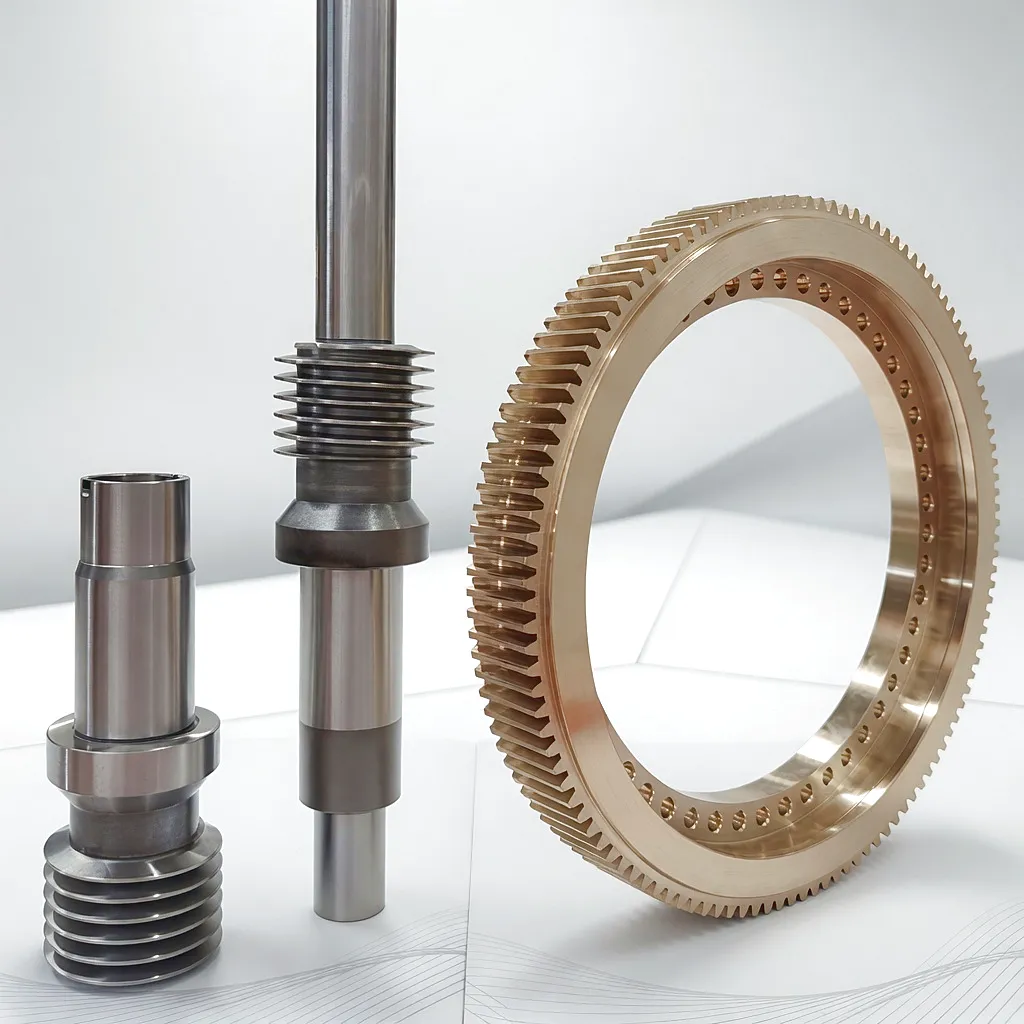 A large aggregates processing operator based near Leeds faced a recurring premature-failure problem with the albero a vite senza fine assemblies driving the inclined transfer conveyors in their stone-crushing plant. The original shafts — sourced from a European distributor at considerable cost — were failing at the thread root at roughly 6,000 operating hours, significantly below the 18,000-hour target lifecycle. Strip-down inspection revealed inadequate case-hardening depth (below 1.0 mm), combined with a shaft material specified as C45 rather than the alloy steel grade the demanding load cycle required. Each shaft replacement required a planned shutdown of 6 to 8 hours, during which several thousand tonnes of product could not be processed — a daily loss in excess of £12,000 at prevailing aggregate prices.
The facility’s maintenance manager reached Ever Power through the worm-shaft.com technical enquiry channel after a recommendation from a peer contact at another Yorkshire quarrying operation. Ever Power’s technical team reviewed the existing shaft drawings, the gearbox housing data, and the load cycle data — including the frequent impact loading generated by irregular stone feed into the crusher — and recommended a 42CrMo4 shaft with a carburised-and-ground thread profile at Ra 0.4 µm, with case-hardening depth increased to 1.8 mm minimum. The shaft ends were redesigned with a parallel key-seat tolerance tightened from JS9 to K7 to eliminate the fretting wear that had been causing secondary damage at the bore connection.
Three sample shafts were shipped from Ever Power’s facility with a 14-day air freight lead time, fitted during the next planned maintenance window, and put into service alongside the existing fleet for comparative monitoring. After 10,000 hours of continuous operation — including two unusually hard winters that pushed ambient temperatures to -8°C — none of the three Ever Power shafts had shown measurable thread wear on the endoscope inspection conducted at the Leeds facility. The operation converted its full conveyor fleet to Ever Power shafts in the subsequent maintenance cycle, with an annual procurement value that offset the original sample and testing investment by a factor of 14. The maintenance manager noted that the combination of technical data provision, responsive sampling, and price transparency made Ever Power the most professionally run supplier they had engaged with in the mechanical power transmission category.
“We replaced the shaft with Ever Power’s 42CrMo4 unit and the improvement was immediate. No more micro-pitting on the thread flanks after the first 2,000 hours — the quality of the ground finish is noticeably superior to anything we had previously from European distributors. The technical documentation provided was complete and saved us significant re-certification effort.”
— Senior Mechanical Engineer, Aggregates Processing, Leeds
“Ever Power turned around a bespoke stainless shaft quotation within 48 hours and delivered the production batch in 22 days. For our food processing line in Sheffield, the 316L stainless specification and Ra 0.4 surface finish met our BRCGS audit requirements without any additional work. The pricing was 18% below our previous European source for equivalent specification.”
— Procurement Manager, Food Processing Equipment, Sheffield
“We specified a flanged worm gear shaft with a custom spline profile for our valve actuator programme — not the sort of thing most suppliers will quote without a large minimum order. Ever Power quoted a 20-piece sample run at a fair development rate and the dimensional accuracy on delivery was within 8 microns of the drawing. They are now our primary supplier for worm gear shaft components across our actuator range.”
— Design Engineer, Valve Actuator Systems, Birmingham
Frequently Asked Questions
Ready to source precision worm gear shafts for your UK operation?
Ever Power’s engineering team is ready to review your requirements, provide free technical consultation, and deliver a competitive quotation within 72 hours.
edit by gzl