What Is a Worm Gear Shaft and Why Does It Matter?
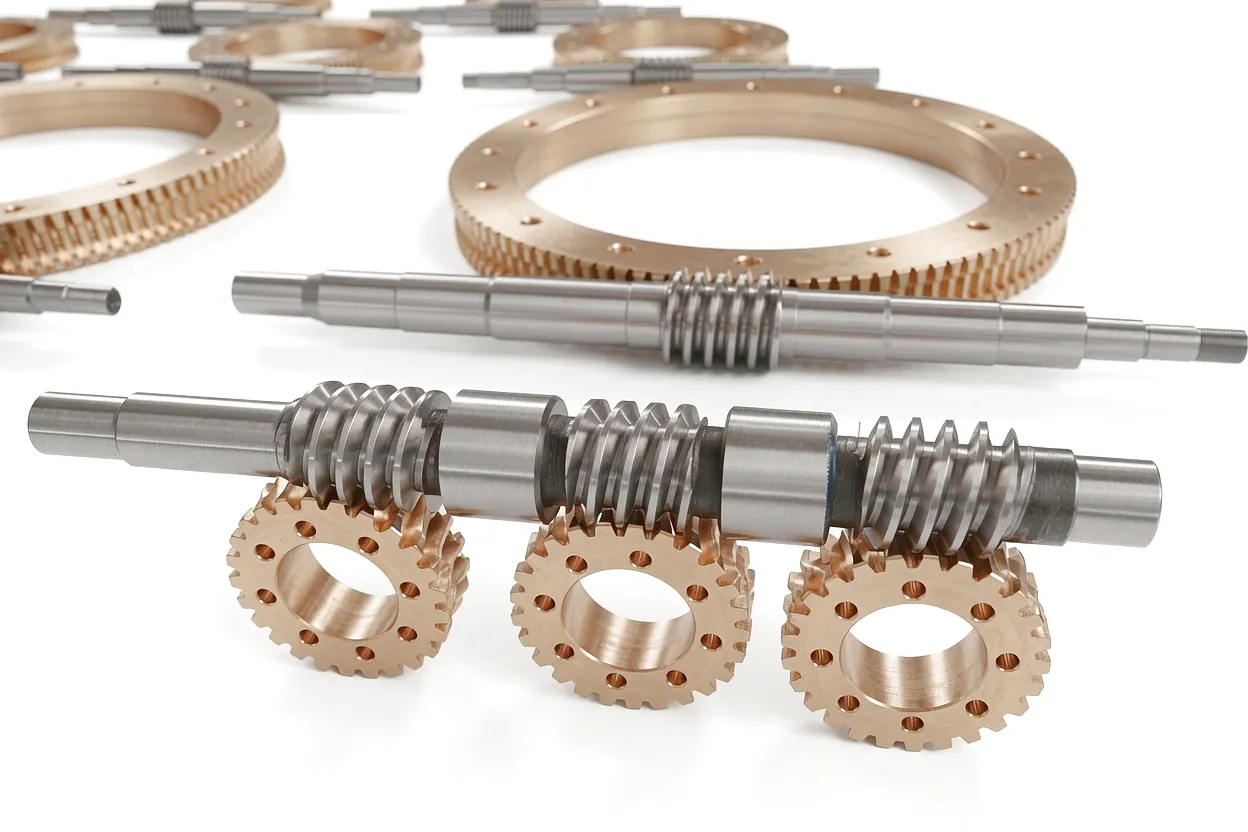
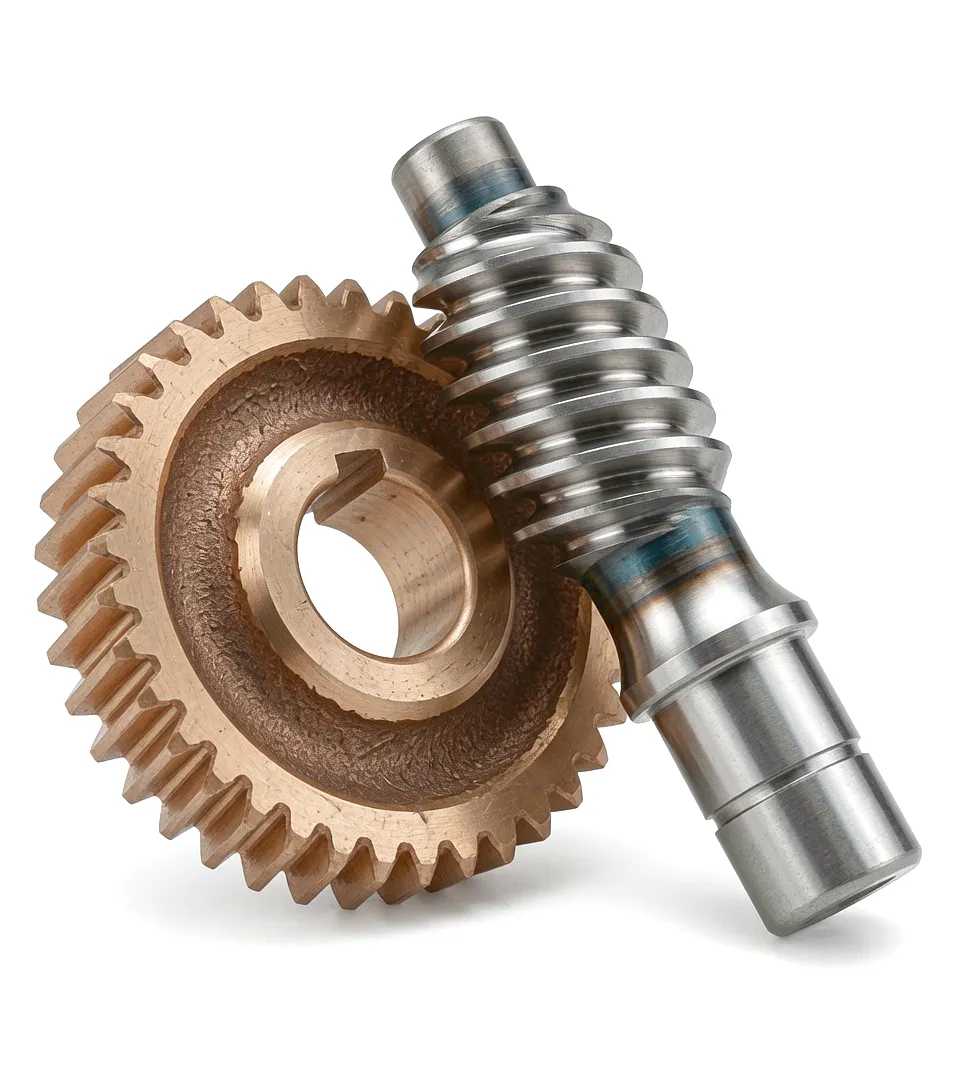
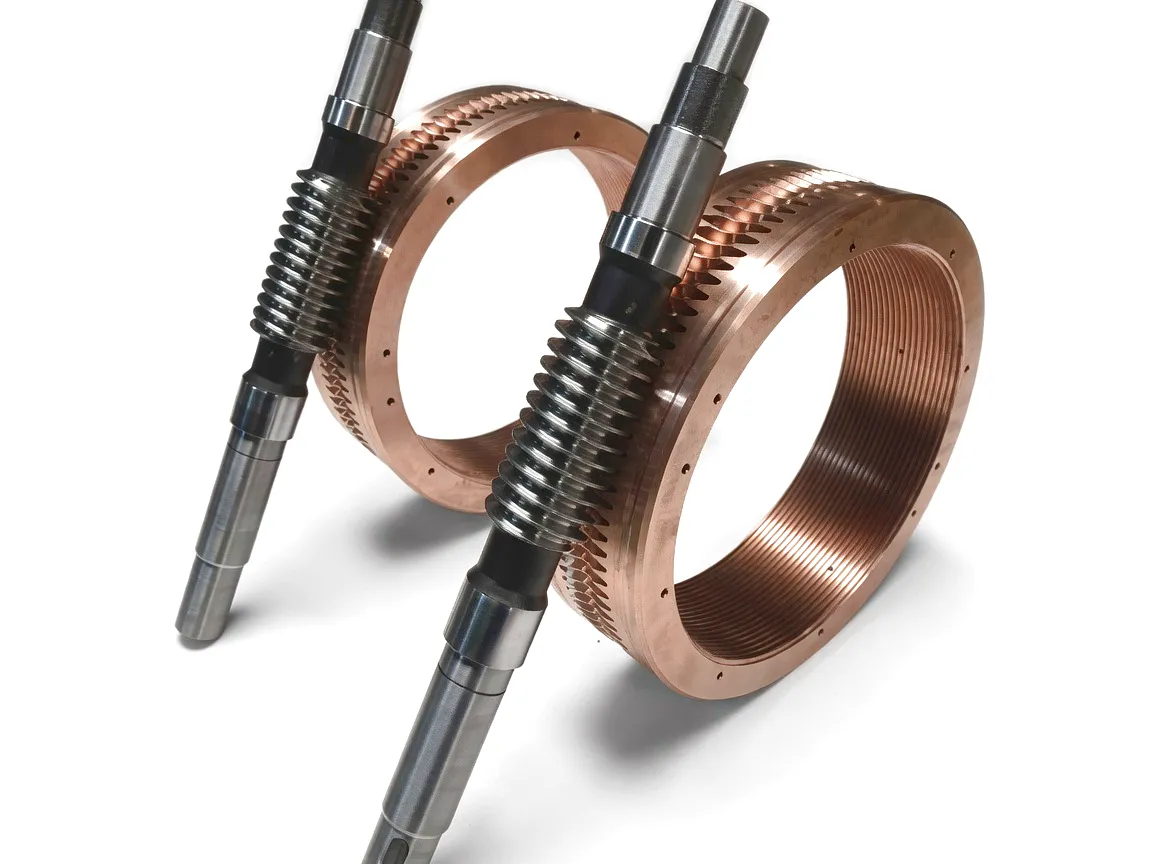 A worm gear shaft is the rotating helical driving member at the heart of a worm gear reduction system. It engages with a worm wheel — the larger circular gear — through a continuous sliding action, converting high-speed motor rotation into controlled, high-torque output at dramatically reduced speeds. Unlike spur or helical gear pairs, the worm gear shaft operates on non-intersecting, perpendicular axes, generating a unique combination of compact geometry and substantial gear ratio in a single stage. The lead angle carved into the shaft’s cylindrical or hourglass profile determines whether the drive is self-locking, a property that makes worm gear shafts indispensable in applications where back-driving must be prevented without an external brake. For conveyor systems, lifting equipment, packaging lines, and robotics, that self-locking characteristic is not simply convenient — it is often a non-negotiable safety requirement. Understanding the shaft’s geometry, material science, and heat-treatment protocols is therefore the practical starting point for any engineer selecting or specifying a worm drive for demanding industrial duty.
Across the United Kingdom, the demand for reliable worm gear shafts has grown steadily alongside renewed investment in automated manufacturing, food processing modernisation, and infrastructure projects. Plants in Birmingham, Sheffield, Leeds, and the wider Midlands industrial corridor all routinely specify worm gear sets rated for continuous-duty cycles, aggressive environmental conditions, and tight dimensional tolerances. The shaft component itself is frequently the critical variable: a sub-standard worm gear shaft will fatigue prematurely, generate excessive heat through inefficient sliding contact, and ultimately compromise an entire drivetrain costing many times the price of the shaft alone. Selecting a precision-machined shaft from a qualified manufacturer is therefore an economic decision as much as an engineering one.
How a Worm Gear Shaft Works: The Mechanical Principle
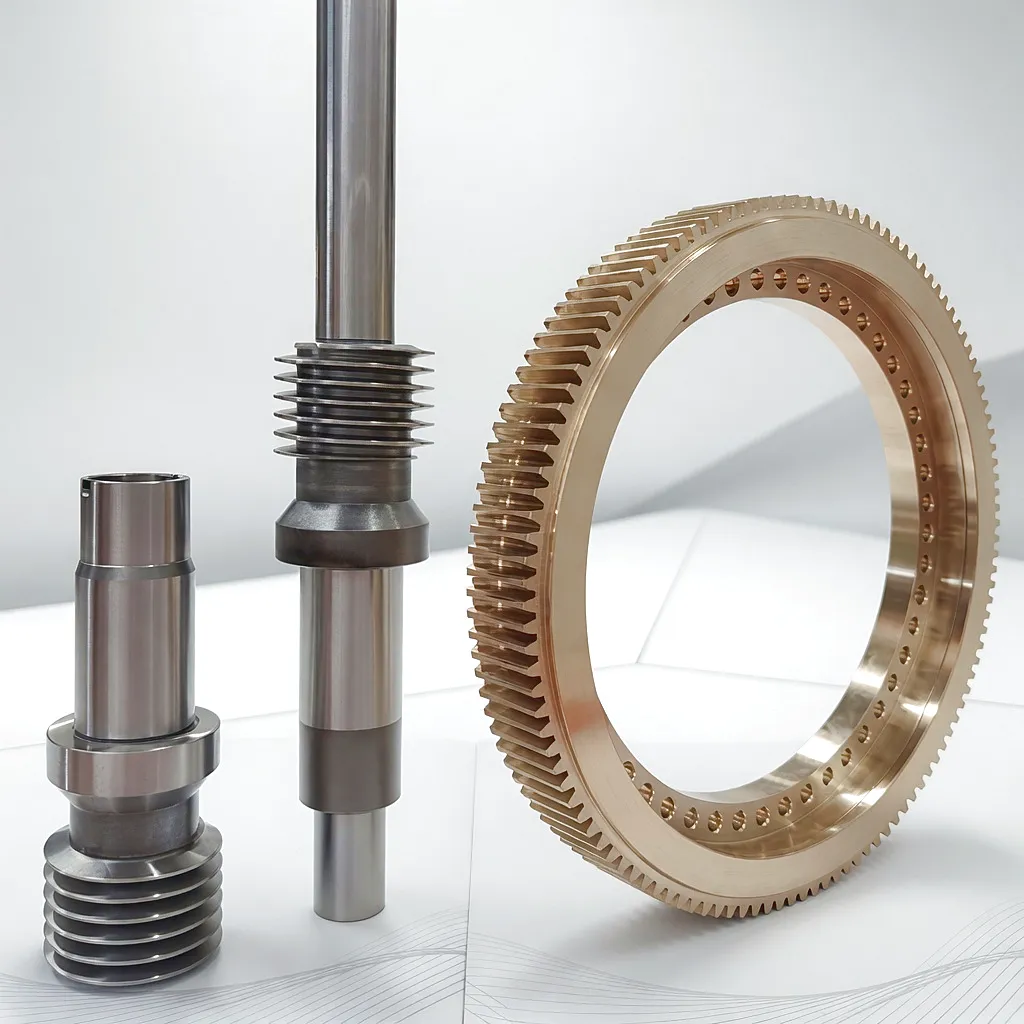
The operating principle of a worm gear shaft is rooted in the geometry of helical screw-thread engagement. When the shaft rotates, its helical thread — shaped much like an ACME or involute screw thread — continuously meshes with the teeth of a bronze or cast-iron worm wheel. Each full revolution of the shaft advances the wheel by only one or two tooth pitches, producing a speed reduction ratio that can range from 5:1 to over 100:1 within a single gear stage. This concentrated ratio is the primary reason engineers reach for worm drives when they need to reduce a standard three-phase motor running at 1,450 r/min down to the 5–60 r/min range required to drive a belt conveyor, a hoist drum, or a packaging carousel.
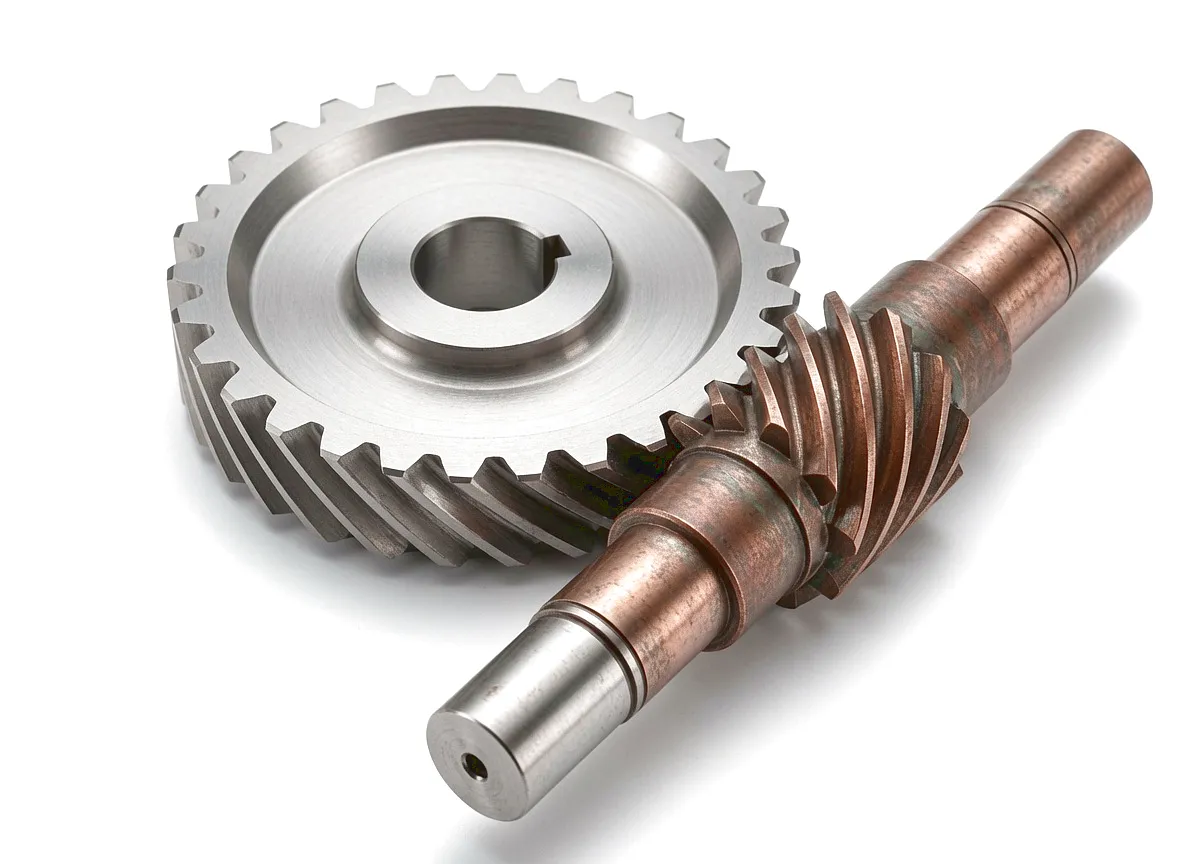
The contact between worm and wheel is not rolling contact as in spur or bevel gears — it is predominantly sliding contact. This sliding generates substantial heat under high load, which is why the tooth surface material pairing is so important. Typically the worm gear shaft is manufactured from hardened alloy steel, while the mating wheel is cast from phosphor bronze or tin bronze, because bronze offers low friction against hardened steel, excellent seizure resistance, and sufficient fatigue strength to survive continuous service. The lubricant film maintained in the contact zone does the heavy lifting: a well-specified gear oil (typically ISO VG 220–460 for worm drives) reduces the coefficient of friction, carries away heat, and prevents premature pitting of the gear shaft surface.
The lead angle of the worm gear shaft thread is the single geometry parameter that governs self-locking behaviour. When the lead angle is less than approximately 5°, the friction force acting on the thread flanks exceeds any reversing torque the load can generate, meaning the shaft holds position without any external braking force. Belt conveyors in inclined configurations, material hoists, and gate actuators all exploit this characteristic. Higher lead angles, by contrast, trade self-locking for improved efficiency — a worm gear shaft with a 20° lead angle can achieve transmission efficiency above 80%, while a very-low lead-angle shaft may only achieve 40–50%. Understanding where your application sits on this efficiency-versus-self-locking trade-off curve is fundamental to correct shaft specification.
Materials That Define Worm Gear Shaft Performance
The choice of shaft material is not merely an engineering detail — it is the single biggest determinant of service life, load capacity, and total cost of ownership over the drivetrain’s operational period. Ever Power sources and processes a curated range of materials, each matched to specific duty-cycle and environmental conditions. The following breakdown covers the most common material families used in precision worm gear shaft manufacture, along with the processing routes that give each grade its final mechanical properties.
The industry workhorse for medium-to-heavy duty worm gear shafts. Case-hardened to HRC 58–62 and ground to Ra 0.4–0.8 µm, these chromium-manganese grades deliver surface hardness sufficient to resist pitting and case fatigue while retaining a tough core that absorbs shock loads. Ideal for conveyor and hoist applications running 16–24 hours per day.
Preferred for larger-bore shafts where a high through-hardness (HRC 28–34) is required rather than a thin case layer. Q&T treatment produces excellent toughness at the tensile strengths needed for high-torque, low-speed drives in mining conveyors, aggregate handling, and steel rolling mills common across South Yorkshire’s industrial base.
A premium choice for high-cycle, high-contact-stress worm gear shafts used in aerospace ground support equipment and precision servo drives. The deep carburised case achievable with nickel-chromium grades provides unmatched surface fatigue resistance, while the nickel content keeps core toughness high even at sub-zero ambient temperatures found in cold-chain logistics facilities.
Specified where corrosion resistance outweighs load capacity as the primary design constraint. Food-grade conveyor lines, marine port equipment around ports such as Southampton and Felixstowe, and pharmaceutical processing installations all routinely call for stainless worm gear shafts that can withstand wash-down protocols, salt-air atmospheres, and aggressive cleaning chemicals without corrosion-induced fatigue.
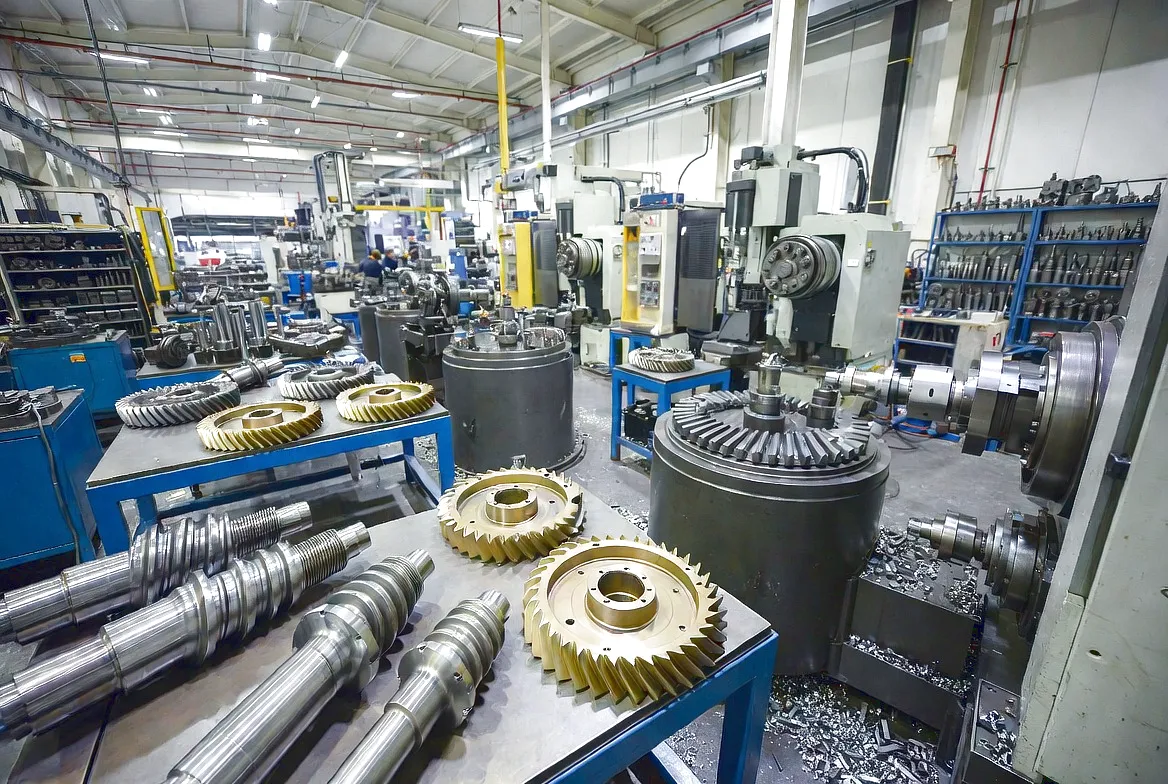
Regardless of base material, surface finishing is the final quality gate for a precision worm gear shaft. Thread grinding to DIN 3974 tolerances and subsequent hard-chrome or DLC (Diamond-Like Carbon) coating can lift efficiency by 3–5 percentage points and extend service life by a factor of two or more compared to an identically sized uncoated shaft.
Core Technical Advantages of a Precision Worm Gear Shaft
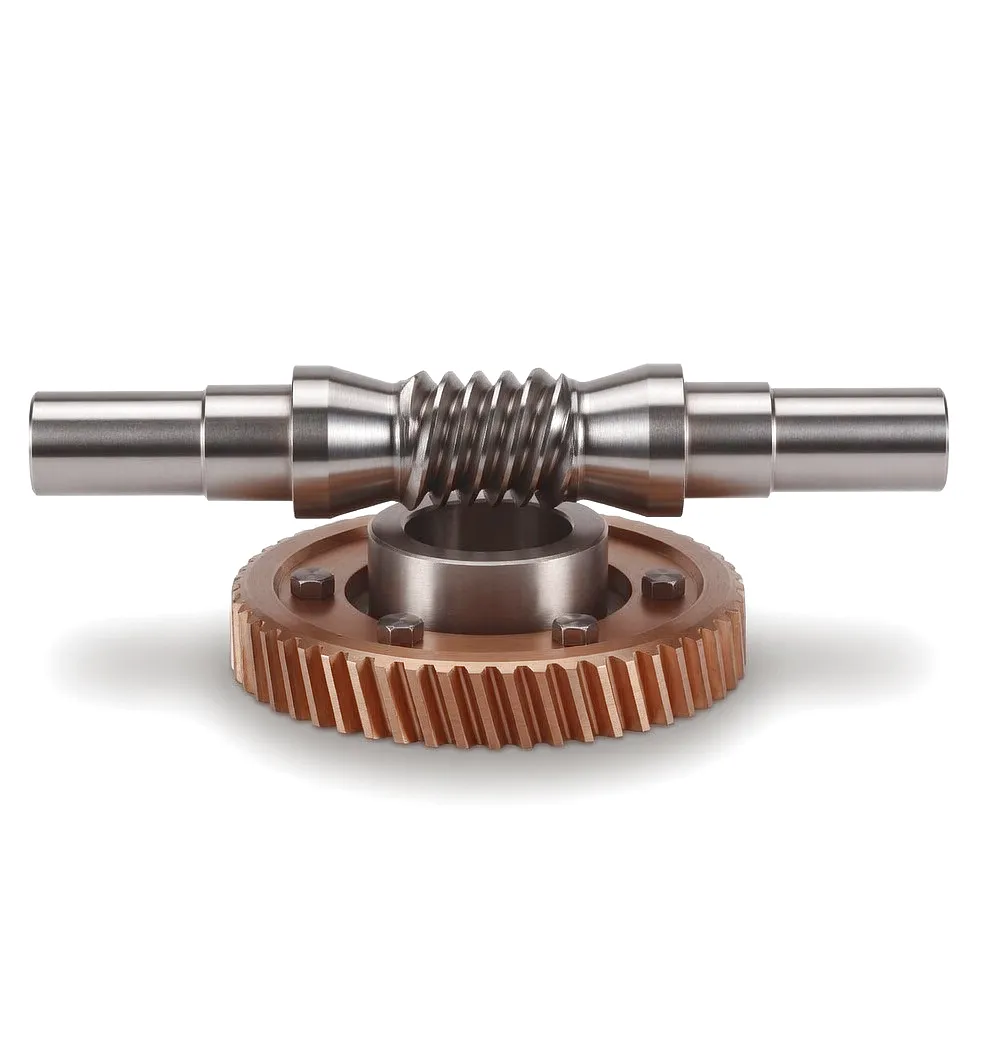
When engineers compare worm gear shafts against competing reduction technologies, several characteristics consistently tip the decision in the worm gear shaft’s favour. These are not abstract engineering virtues — each maps directly to operational benefits that UK plant engineers and procurement managers can put into business cases and ROI calculations. The following points draw on real-world performance data from installations running in automotive manufacturing in Coventry, chemical processing on Teesside, and automated warehousing in the East Midlands distribution corridor.
At lead angles below 5°, the worm gear shaft holds the load positively without any external brake, eliminating the cost, maintenance, and failure risk of a separately sourced braking device. This is critical for elevated conveyor lines and vertical lifting arms where power failure must not allow back-driving.
A standard worm gear shaft pair achieves 5:1 to 100:1 reduction — a range that would require two or three stages of helical gearing to replicate. The resulting drive unit is substantially smaller and lighter, which is particularly valued in space-constrained OEM machinery designs and retrofit modernisation projects.
The continuous sliding tooth contact of the worm gear shaft creates inherently smoother torque transmission than the impulsive contact of spur gears, reducing noise emissions and vibration transmitted to machine frames. This matters greatly in food processing halls, pharmaceutical clean rooms, and logistics warehouses where noise standards are stringent.
The 90° axis crossing between shaft and wheel simplifies machine layouts that require a direction change of power flow, such as turning a horizontal motor drive into a vertical output or vice versa. This eliminates the additional bevel gear stage that would otherwise be needed, reducing part count and potential failure points in the drivetrain.
Case-hardened alloy steel worm gear shafts ground to precision tolerances exhibit excellent resistance to momentary overload events that are common when conveyors start under full load or materials handling equipment encounters unexpected blockages. The continuous thread geometry distributes shock force across multiple contact points simultaneously.
Modern WPA, WPB, and WD series worm gear reducers incorporating precision worm gear shafts are fully compatible with variable frequency drive control, enabling stepless speed adjustment across 0.1 to 3 m/s belt speed without mechanical modification. This adaptability is increasingly required as UK factories migrate to Industry 4.0 process automation platforms.
Worm Gear Shaft: Product Technical & Performance Parameters
The table below consolidates the primary engineering parameters used to specify and validate a worm gear shaft for belt conveyor applications and general industrial power transmission. All values represent the production range available from Ever Power and are confirmed against third-party inspection records. Engineers should always verify final selection against application-specific load spectra, duty cycle, and environmental rating requirements before ordering.
| Parameter | Value / Range | Unit | Notes |
|---|---|---|---|
| Output Torque Range | 2.6 – 4,500 | N·m | Covers WPA30 to WPA250 frame sizes; custom higher torque available |
| Gear Ratio Range | 5:1 – 100:1 | — | Single stage; preferred conveyor ratios: 20:1 – 60:1 |
| Input Speed (Motor) | Up to 1,500 | r/min | Standard 50 Hz, 4-pole induction motor output; 1,450 r/min typical |
| Output Speed (Belt Drive) | 5 – 60 | r/min | At 1,450 r/min input; VFD allows 0–100% of nominal |
| Conveyor Belt Speed | 0.1 – 3.0 | m/s | Standard fixed-speed; 0.5–3 m/s most common for bulk handling |
| Shaft Material (Standard) | 20CrMnTi / 42CrMo4 | — | Case-hardened or Q&T per load class; 316L stainless on request |
| Surface Hardness | HRC 58 – 62 | HRC | Thread flank; case depth 0.8–1.5 mm depending on module |
| Thread Surface Finish | Ra 0.4 – 0.8 | µm | Thread-ground to DIN 3974 Class 7e or better |
| Lead Angle (Self-locking) | < 5° | degrees | Self-locking confirmed with lubricated mesh at rated torque |
| Transmission Efficiency | 40 – 85 | % | Lower bound: low lead angle; upper bound: multi-start high lead angle |
| Operating Temperature | -25 to +80 | °C | Standard oil-bath lubrication; synthetic lubricant extends to -40 °C |
| Centre Distance Range | 28 – 500 | mm | Custom centre distances outside standard range on request |
| Protection Rating | IP55 / IP65 | — | Housing; shaft seals rated to operating pressure; food-grade available |
| Axial Play (Assembled) | < 0.05 | mm | Tapered roller bearing preload adjusted at factory; critical for smooth indexing drives |
Industrial Application Scenarios Across UK Sectors
The worm gear shaft’s unusual combination of high ratio, compact envelope, quiet running, and optional self-locking makes it applicable across an exceptionally wide range of industrial sectors. UK industry in particular — with its concentration of automotive, food processing, pharmaceutical, and materials handling operations — draws heavily on worm gear shaft-equipped reducers as the preferred speed reduction choice for medium-to-low power conveying and actuating applications. The following scenarios represent the most commercially significant deployment environments.
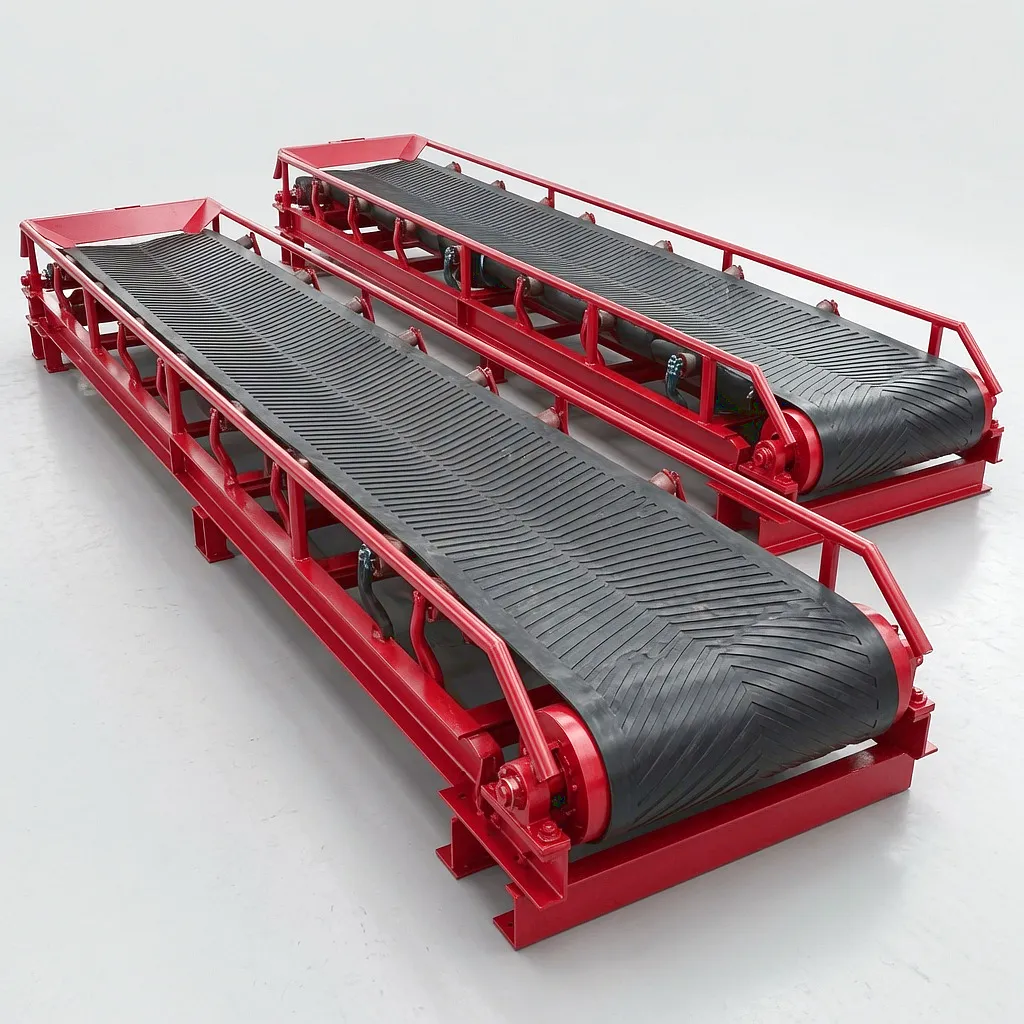
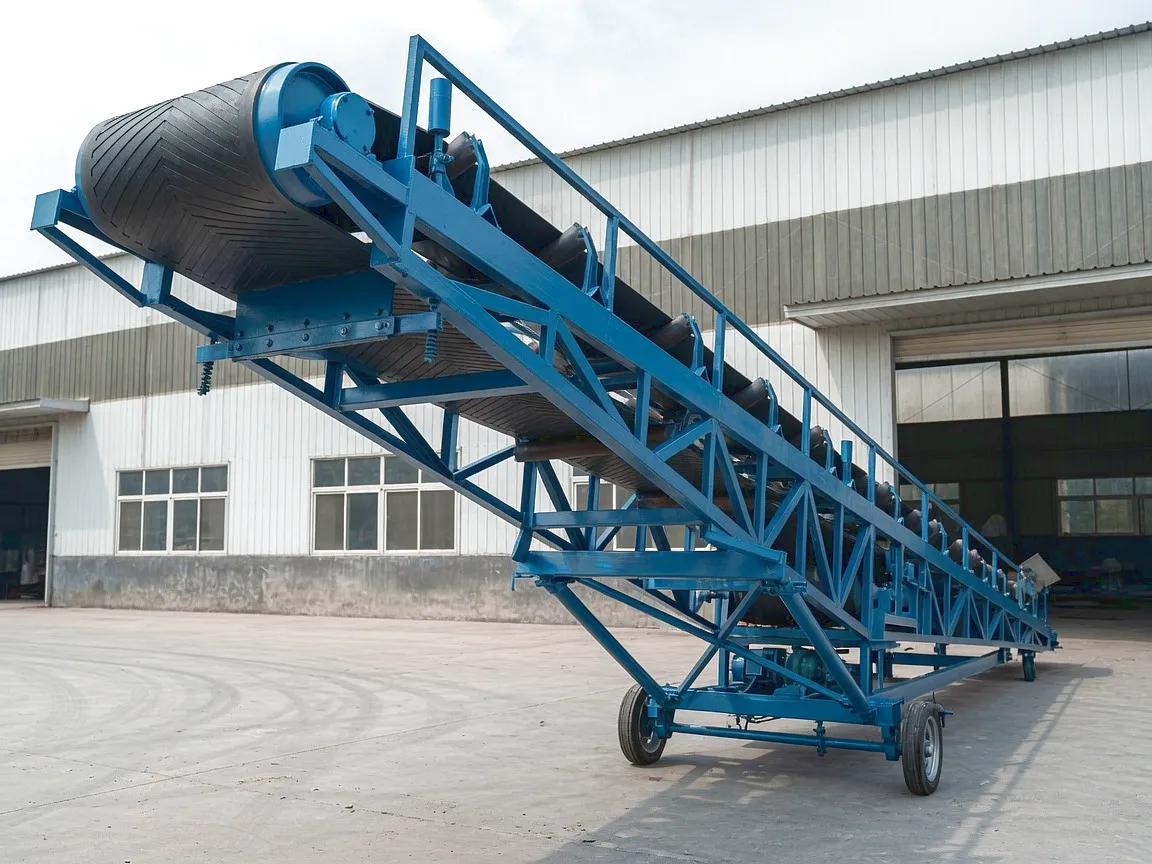
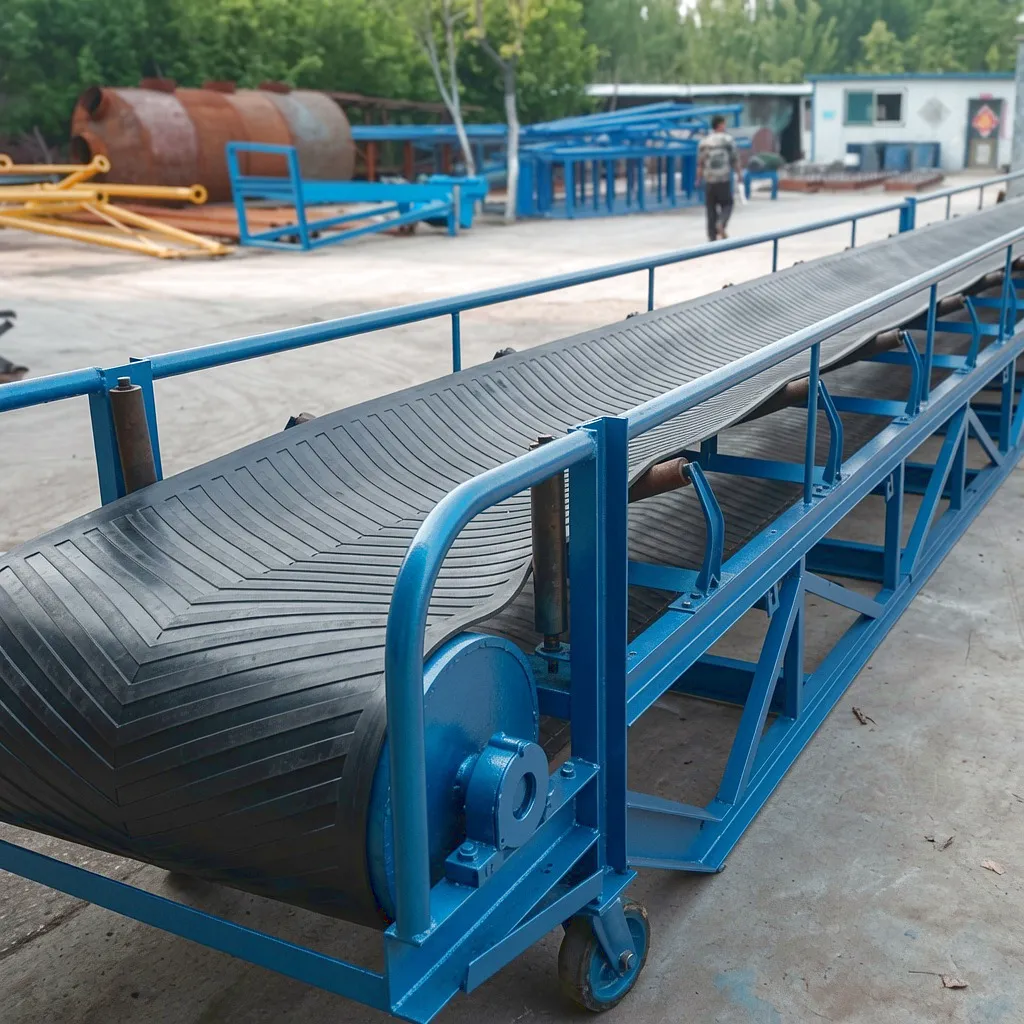
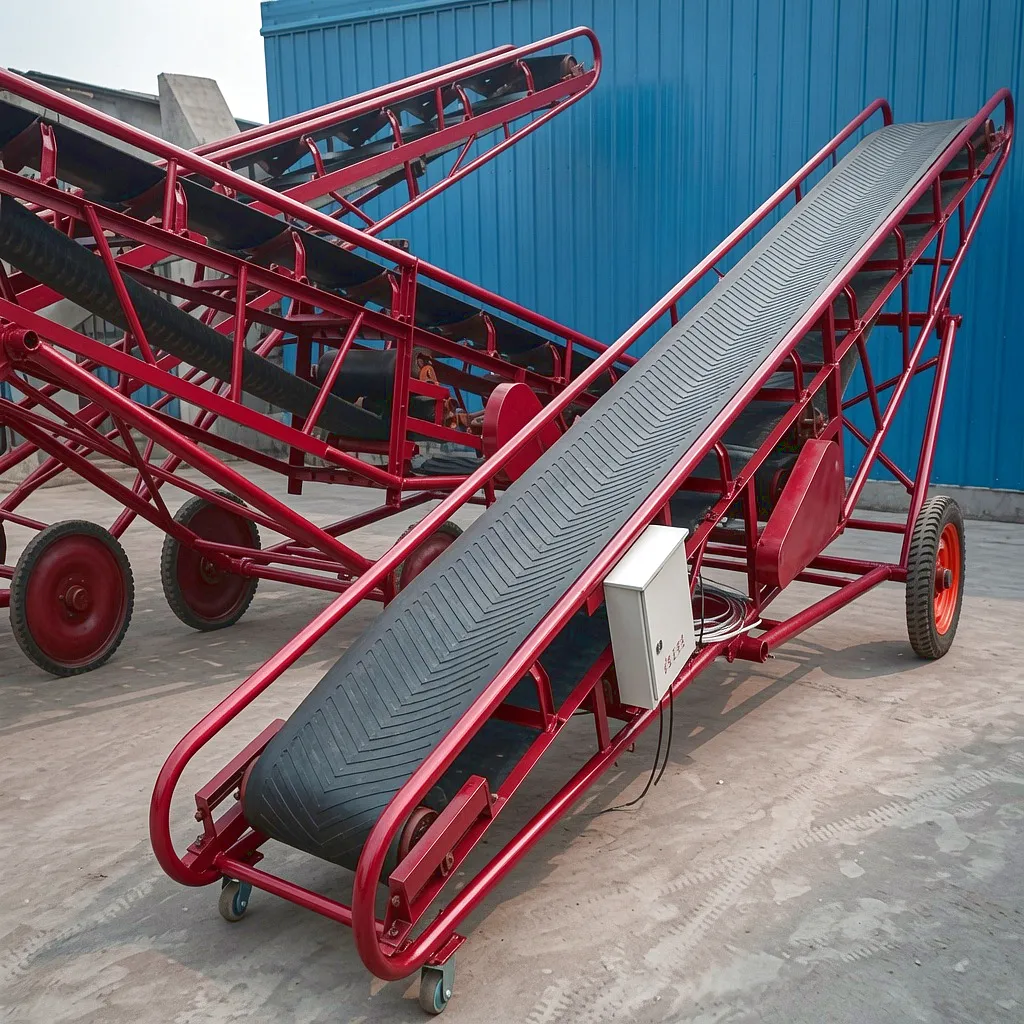 The most prevalent application for worm gear shafts in UK industry is the belt conveyor drive, where the reducer is mounted directly on the drive-roller shaft end. Standard three-phase motors running at 1,450 r/min are stepped down to 5–60 r/min output through WPA, WPB, or WD series housings incorporating precision-ground worm gear shafts. This configuration drives belts at 0.5–3 m/s in aggregate quarrying operations in the Derbyshire Dales, automotive parts logistics at facilities in the West Midlands, and sorting conveyors at e-commerce fulfilment centres across the country. The integration of a variable frequency drive upstream of the motor extends the controllable belt speed range to 0.1–3 m/s, enabling a single drivetrain to serve both slow accumulation zones and fast transfer sections without mechanical changeover.
 In workshops and warehouses across Sheffield’s still-active steel fabrication sector and Birmingham’s metalworking SME base, overhead gantry cranes, jib cranes, and chain hoists rely on worm gear shafts for their self-locking travel and lift mechanisms. The inherent hold-in-place characteristic of a low-lead-angle worm gear shaft eliminates brake-release delays and reduces wear on friction brake linings, resulting in lower total maintenance cost over a five-year service period compared to helical-plus-brake alternatives. Ever Power manufactures worm gear shafts for hoisting service to FEM duty class M3–M5, with 100% torque capacity testing on every batch.
 Food manufacturing facilities require drives that can be cleaned regularly with pressurised water and chemical sanitisers without risk of contamination or corrosion damage. Stainless steel worm gear shafts with food-grade lubricant, IP65-rated housings, and NSF H1 lubricant compatibility are standard for baked goods conveyor lines in the North West, bottling plant laning systems in Scotland, and poultry processing transfer belts in East Anglia. The low running noise of worm gear shaft drives also meets noise-at-work regulations more easily than alternative gear types in the confined processing halls typical of food manufacturing sites.
 Precision packaging lines requiring repeatable index positioning — blister pack machines, filling heads, capping units — use compact worm gear shaft gearboxes because the tight axial play of a preloaded bearing arrangement enables accurate position repeatability without encoder feedback correction at each cycle. In the medical device manufacturing cluster around Cambridge and Oxford, miniature worm gear shafts rated for ISO 5 clean-room use drive the sample carousel mechanisms of analytical instruments and the positioning stages of radiotherapy linear accelerators. Here, dimensional tolerances are measured in micrometres and shaft-to-housing concentricity must be held within 0.01 mm or better.
Customer Success Story: Sheffield Bulk Materials Handling
 Hallam Industrial Conveyors Ltd, a contract conveyor manufacturer serving the aggregate and recycled materials processing sector across Yorkshire and the Humber, approached Ever Power in late 2024 with a specification challenge. Their existing OEM-supplied worm gear shaft assemblies were consistently failing within 14 months of installation on an inclined belt conveyor serving a Sheffield scrap metal shredding facility, where shock loading from oversized feed material caused tooth flank pitting on the albero a vite senza fine threads, leading to a cascade of noise, vibration, and ultimately gearbox seizure. Unplanned downtime was costing the end client approximately £18,000 per incident in lost production and emergency maintenance callout fees.
Ever Power’s applications engineering team reviewed the original drivetrain specification and identified three root causes: the worm gear shaft material (a standard C45 grade shaft with induction hardening) was under-specified for the shock-load peak factors present at start-up under full load; the thread surface finish was Ra 1.6 µm against the recommended Ra 0.8 µm, increasing the running-in wear rate; and the original lead angle of 7.5° produced insufficient self-locking friction margin, allowing partial back-driving during emergency stops on the 18° inclined section.
Ever Power supplied replacement worm gear shafts manufactured from 20CrMnTi carburised and case-hardened to HRC 60, thread-ground to Ra 0.4 µm, and re-profiled with a reduced lead angle of 4.5° to guarantee self-locking under lubricated conditions. Three units were installed in January 2025. By the 12-month review in January 2026, zero failures had occurred, conveyor availability had risen from 81% to 97.4%, and the facility maintenance manager confirmed that lubricant analysis showed no metallic debris — indicating healthy, non-fatiguing tooth contact. Hallam subsequently standardised on Ever Power worm gear shafts across their entire conveyor range.
What Our Customers Say
“The Ever Power worm gear shafts have transformed the reliability of our inclined conveyor fleet. We have gone from replacing shaft assemblies every 12–14 months to genuine 3+ year intervals. The thread quality is noticeably superior to anything we sourced previously — the surface finish alone tells you these are precision-made components, not catalogue spares.”
“We specified a bespoke worm gear shaft in 316L stainless with a non-standard keyway configuration for a food-grade belt drive. Ever Power’s engineering team turned around a proposal with full dimensional drawings within 48 hours, and the first production samples arrived on time with every certificate we needed for our HACCP audit. Genuinely impressive supply chain performance.”
“Price comparison with three other suppliers showed Ever Power was competitive on unit cost, but the deciding factor was the torque testing certificate included with every batch and the willingness to accommodate a 42CrMo4 shaft material that other manufacturers simply would not quote for in our quantity. The performance data after six months in service confirms the right choice was made.”
Frequently Asked Questions — Worm Gear Shaft
Custom engineering. Certified quality. Competitive pricing. Fast delivery to the UK. Get in touch today and receive a detailed technical proposal within 48 hours.
📧 Get a Quote — [email protected]