Mechanical Transmission · Engineering Insight

Worm Gear Shaft in CNC Machine Tool Indexing & Feed Systems

A precision-driven reference for engineers, procurement managers, and OEM designers working with CNC rotary tables, tilting heads, and feed reduction drives across UK manufacturing industries.

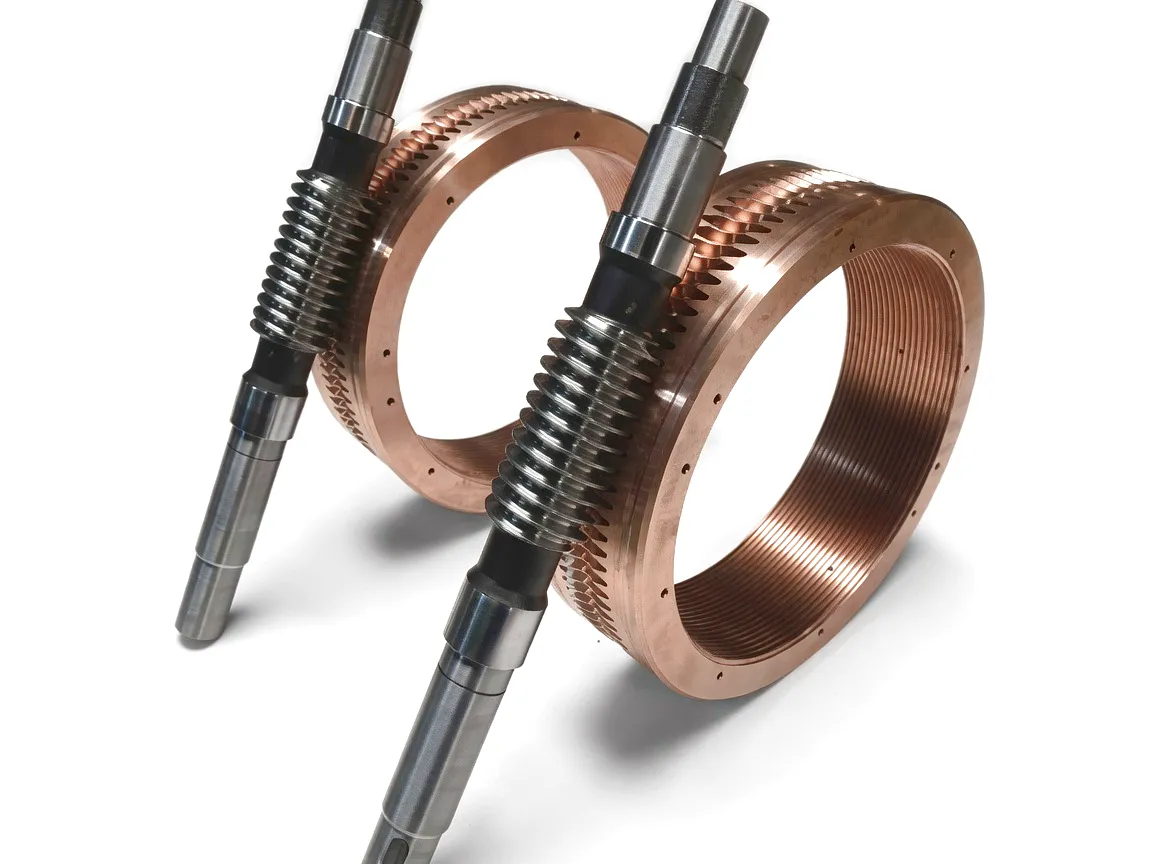
Worm gear shaft precision component

Among the many precision transmission elements used in modern manufacturing, the worm gear shaft occupies a uniquely critical position — particularly in the domain of CNC machining. In vertical machining centres (VMC), horizontal machining centres (HMC), CNC milling machines, and CNC lathes, the worm gear shaft is the backbone of rotary indexing tables and certain feed-axis reduction drives. The helical thread form wrapped around the shaft engages the worm wheel with a contact pattern that allows single-stage transmission ratios ranging from 40:1 all the way to 90:1, and it achieves this while maintaining the mechanical self-locking characteristic that eliminates the need for auxiliary braking devices during cutting operations. For engineers designing fourth- and fifth-axis systems, this combination of high reduction ratio, compactness, and inherent position-holding capability makes the worm gear shaft indispensable.

In the United Kingdom’s advanced manufacturing belt — from Birmingham’s precision engineering firms to Sheffield’s aerospace subcontractors and the automotive supply chains of the East Midlands — demand for high-accuracy CNC rotary systems has intensified over the past decade. The worm gear shaft, once considered a standard catalogue component, is increasingly specified as a precisely engineered, application-matched part. Understanding its operating principles, material science, performance parameters, and industrial deployment scenarios is therefore essential for any engineer or procurement specialist working in this sector.

Custom Worm Gear Shaft Solutions — UK & Global Supply

Need a High-Precision Worm Gear Shaft?

✉ Get a Quote Now → [email protected]

Operating Principle

How the Worm Gear Shaft Drives CNC Indexing Systems
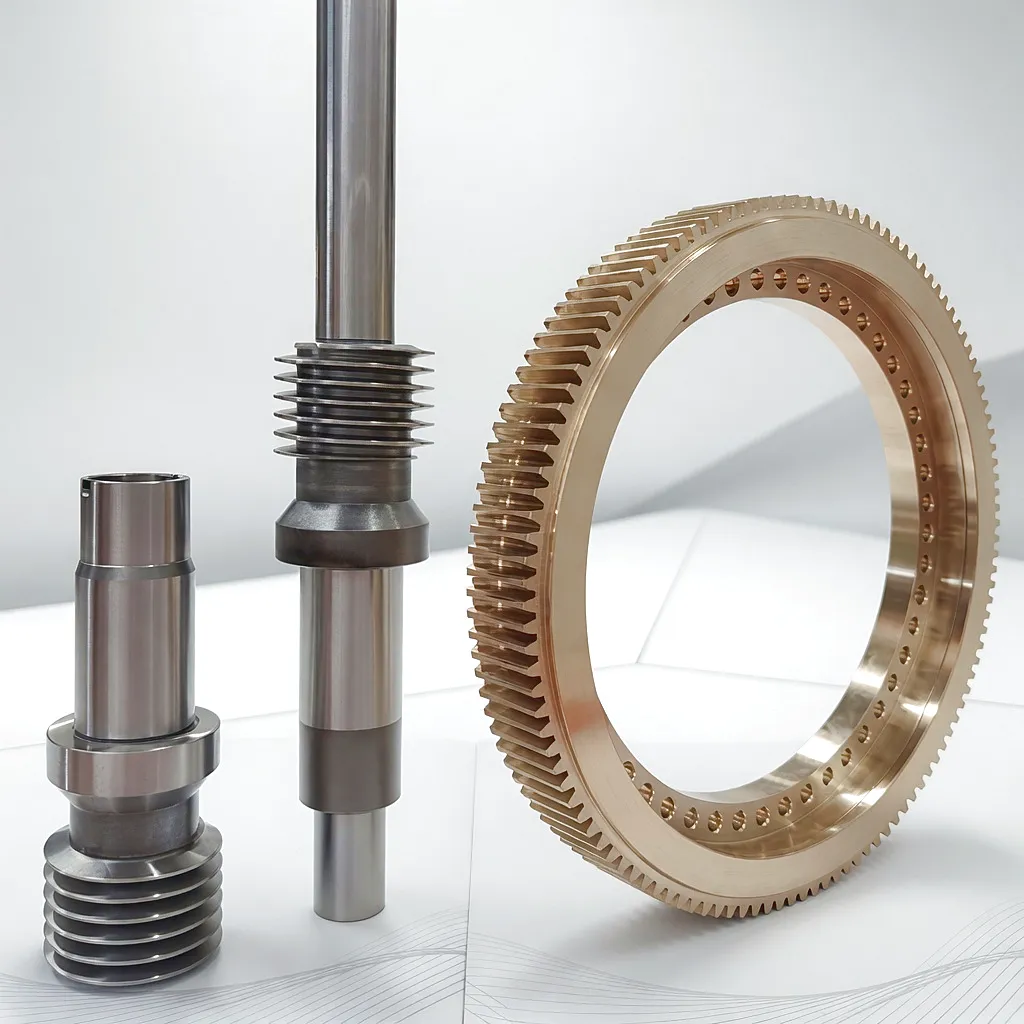
Worm gear shaft internal mechanism

The worm gear shaft is the driving member in a worm gear transmission. It is machined with a helical thread — the worm — that wraps around a cylindrical shaft body. When a servo motor drives this shaft through a flexible coupling, the thread engages the teeth of the mating worm wheel, converting high-speed rotary motion from the motor into slow, high-torque rotation at the table. The contact geometry is a crossed-axis arrangement, typically at 90 degrees, meaning the shaft axis and the wheel axis are perpendicular. This configuration makes compact right-angle gear reduction possible within a tight envelope, a critical advantage in CNC machine tool design where internal space is severely constrained.

The self-locking characteristic emerges from the friction relationship between the lead angle of the worm thread and the friction angle of the mating surfaces. When the lead angle is smaller than the friction angle — a condition readily engineered in standard worm gear shaft designs — the assembly is irreversible under back-driving loads. The worm wheel cannot rotate the worm shaft, meaning the rotary table maintains its indexed position without additional clamping during light-duty or intermittent cutting operations. In heavy-duty five-axis machining, however, hydraulic clamping is still applied to handle peak cutting moments.

Dual Lead (Variable Lead) Backlash Elimination

Modern high-precision CNC rotary tables invariably specify a dual lead worm gear shaft, also known as a variable lead worm. In this design, the two flanks of each thread carry different lead values — the left flank has one lead and the right flank a slightly different one. By making an axial adjustment to the worm shaft position (typically via a preload adjuster or shim arrangement), the tooth flank contact migrates progressively and the backlash between shaft and wheel is reduced to sub-arcsecond levels. This technique allows the same worm gear shaft to be re-adjusted in service after wear, extending the useful life of the assembly and preserving indexing accuracy well beyond what a conventional single-lead design could offer. Sheffield-based precision table manufacturers have adopted dual-lead shaft specifications as a baseline requirement for export-grade rotary heads destined for the aerospace sector.

The tilting head (B-axis or A-axis swivel) in five-axis machining centres uses an almost identical arrangement. The worm gear shaft drives a worm wheel that swings the spindle head through a range of typically ±90° or ±110°. Transmission ratios in these applications are commonly 60:1 to 72:1, and after gear reduction, fine angular interpolation by the CNC controller allows the head to reach and hold any arbitrary angle within that arc. The hydraulic clamp is engaged once the target angle is confirmed, and milling loads are borne structurally rather than by the gear mesh alone. This separation of the positioning function from the load-bearing function is what allows relatively compact worm gear shaft assemblies to survive decades of production service in demanding aerospace and automotive tooling environments.

Material Science

Core Materials for Worm Gear Shaft Manufacturing

⚙️
Case-Hardened Alloy Steel (20CrMnTi / 18CrNiMo7-6)

The worm shaft itself — the driving helix member — is almost universally produced from alloy steel grades that respond well to case-hardening. Grades such as 20CrMnTi (Chinese standard) or the European equivalent 18CrNiMo7-6 are carburised, quenched, and tempered to achieve a surface hardness of HRC 58–62 while retaining a tough, ductile core. This combination is critical: the hard surface resists wear and contact fatigue under the sliding contact that dominates worm mesh, while the tough core absorbs shock loads without brittle fracture. Thread flanks are subsequently precision-ground to achieve surface roughness values of Ra 0.4 µm or below, directly influencing transmission efficiency and service life.

🔩
Phosphor Bronze (CuSn10P / C93200)

The mating worm wheel is typically cast or centrifugally cast from phosphor bronze or tin bronze. The deliberate mismatch of hardness between shaft (steel, HRC 58+) and wheel (bronze, HB 70–100) is a studied design choice. Bronze’s lower hardness means it sacrifices material preferentially during running-in, creating a conforming contact pattern that improves load distribution over time. Its inherent lubricity under boundary lubrication conditions reduces adhesive wear on the harder steel shaft thread flanks. For CNC rotary table applications where the worm gear shaft must maintain indexing accuracy over millions of cycles, this material pairing provides the optimal balance of longevity and precision retention.

🛡️
Stainless Steel & Specialty Alloys (316L / 17-4PH)

In food processing machinery, pharmaceutical manufacturing, and marine-environment CNC equipment — all significant industries in UK coastal and port regions — the worm gear shaft may be produced from austenitic stainless steel 316L or precipitation-hardening grades such as 17-4PH. These alloys resist corrosion from washdown chemicals, saline atmospheres, and aggressive cleaning agents. While achievable surface hardness is lower than case-hardened alloy steel, special nitriding surface treatments can raise hardness to HV 900–1200 on the thread flanks, providing adequate wear resistance for moderate-duty worm gear shaft applications in hygiene-critical environments.

Technical Advantages

Why Engineers Choose the Worm Gear Shaft
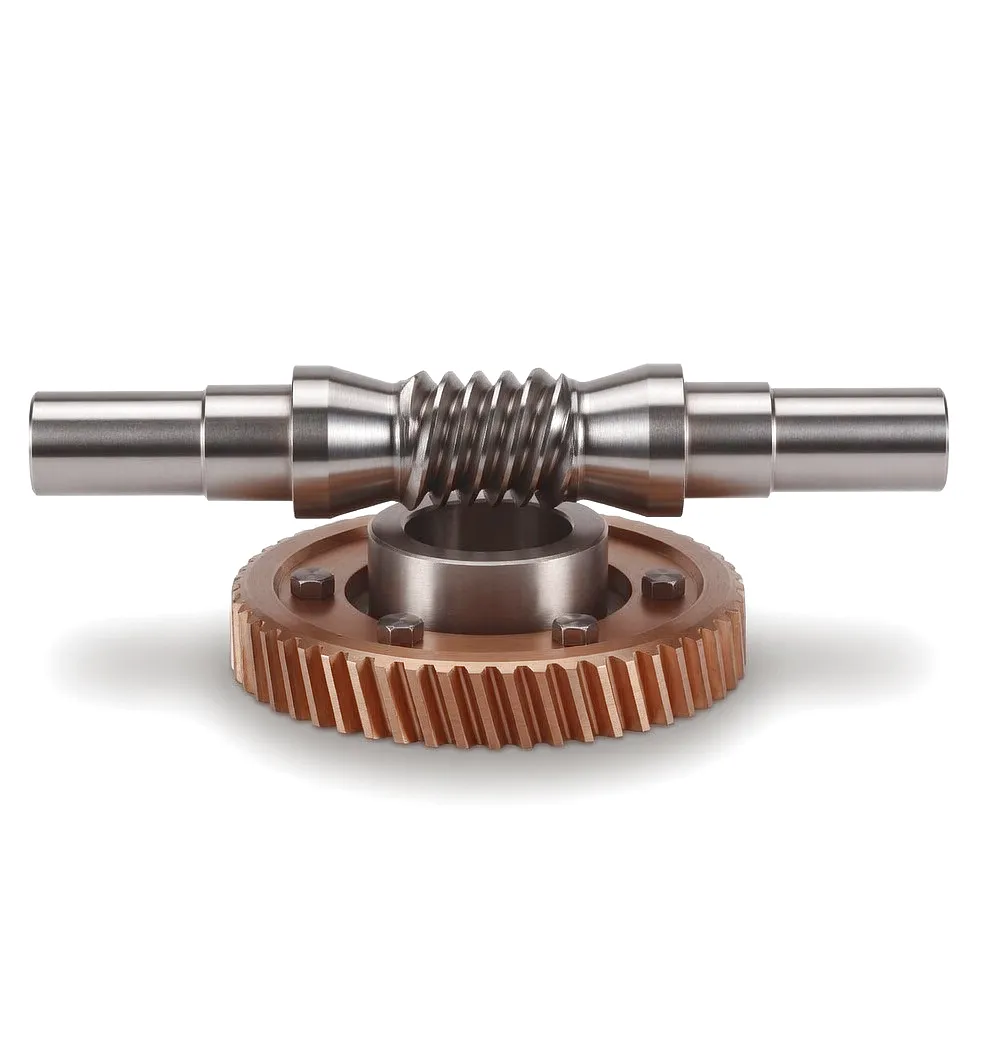
Precision worm gear shaft product

The technical appeal of the worm gear shaft goes beyond simple ratio availability. It is a compact, quiet, and mechanically elegant solution to a problem that other gear types — bevel, helical, planetary — address less efficiently in the specific context of right-angle, high-ratio, space-constrained drives. The single-stage gear reduction it offers in a small package is unmatched by parallel-axis gear systems, which would require multiple reduction stages to achieve equivalent ratios. For machine tool builders in Birmingham and across the West Midlands who are designing next-generation rotary tables and trunnion-style five-axis heads, the worm gear shaft continues to be the component around which the transmission architecture is built, not a second-choice substitute.

📐
High Single-Stage Reduction Ratio

Transmission ratios from 5:1 to 100:1 achievable in one stage. Eliminates intermediate shafts, simplifies gearbox design, and reduces overall drive system weight — a significant benefit for machine tool frame and spindle head engineering where mass directly affects dynamic performance.

🔒
Inherent Self-Locking

When lead angle is engineered below the friction angle, back-driving is impossible. The rotary table holds position without energised brakes or clutches, reducing electrical power consumption in multi-axis machining centres and improving system reliability through fewer active holding components.

🔇
Low Noise, Smooth Operation

The sliding action of worm gear shaft teeth produces far lower noise and vibration levels than spur or helical gears at comparable loads. This is particularly valued in precision metrology environments and optical lens grinding machines where vibration must be minimised to sub-micron levels.

📦
Compact Right-Angle Drive

The 90-degree axis crossing allows gearbox housings to be designed around the machine tool’s structural geometry rather than requiring the transmission architecture to dictate machine layout. This spatial flexibility is directly exploited in trunnion and nutating-table five-axis configurations.

🎯
Adjustable Backlash (Dual Lead)

The dual-lead worm gear shaft design allows in-situ backlash compensation through axial shaft adjustment. As the tooth faces wear over service life, the mesh can be re-tightened without replacement of either member, restoring original angular accuracy and extending the economic life of the rotary table by years.

High Output Torque Density

Because the torque multiplication is direct and single-stage, the output torque relative to the physical size of the gear assembly is exceptionally high. This is why worm gear shaft assemblies driving large-diameter rotary tables can handle workpieces of several hundred kilograms without oversized housing or shaft diameters.

Technical Data

Worm Gear Shaft: Technical & Performance Parameters

The following table summarises the key technical specifications and typical performance ranges for worm gear shafts deployed in CNC machine tool indexing and feed systems. Values reflect standard industrial grades as well as the precision-grade specifications required for five-axis machining centres and aerospace-standard rotary tables.

ParameterStandard GradePrecision GradeUnit / Note
Transmission Ratio (i)5:1 – 60:140:1 – 90:1Single stage
Output Torque50 – 2,000 N·m200 – 5,000 N·mDepends on centre distance
Shaft Material40Cr / C45E20CrMnTi / 18CrNiMo7-6Alloy steel, case-hardened
Surface Hardness (Shaft)HRC 45 – 52HRC 58 – 62Rockwell hardness
Thread Surface RoughnessRa 0.8 µmRa 0.2 – 0.4 µmGround & polished flanks
Backlash (Standard)3 – 8 arcmin<30 arcsec (dual lead)Adjustable in service
Lead Angle3° – 15°2.5° – 6° (self-locking range)Affects efficiency & self-lock
Transmission Efficiency60% – 75%70% – 85%Higher lead angle = higher eff.
Shaft Diameter Range20 – 100 mm25 – 160 mm (custom)Matched to centre distance
Axis Crossing Angle90°90° (standard); custom angles availableNon-90° for special drives
Mounting MethodFlange / foot / hollow boreIntegrated or separate assemblyPer OEM drawing
Operating Temperature-10°C – +80°C-20°C – +100°CLubrication-dependent

Industrial Applications

Where Worm Gear Shafts Are Deployed Across UK Industry
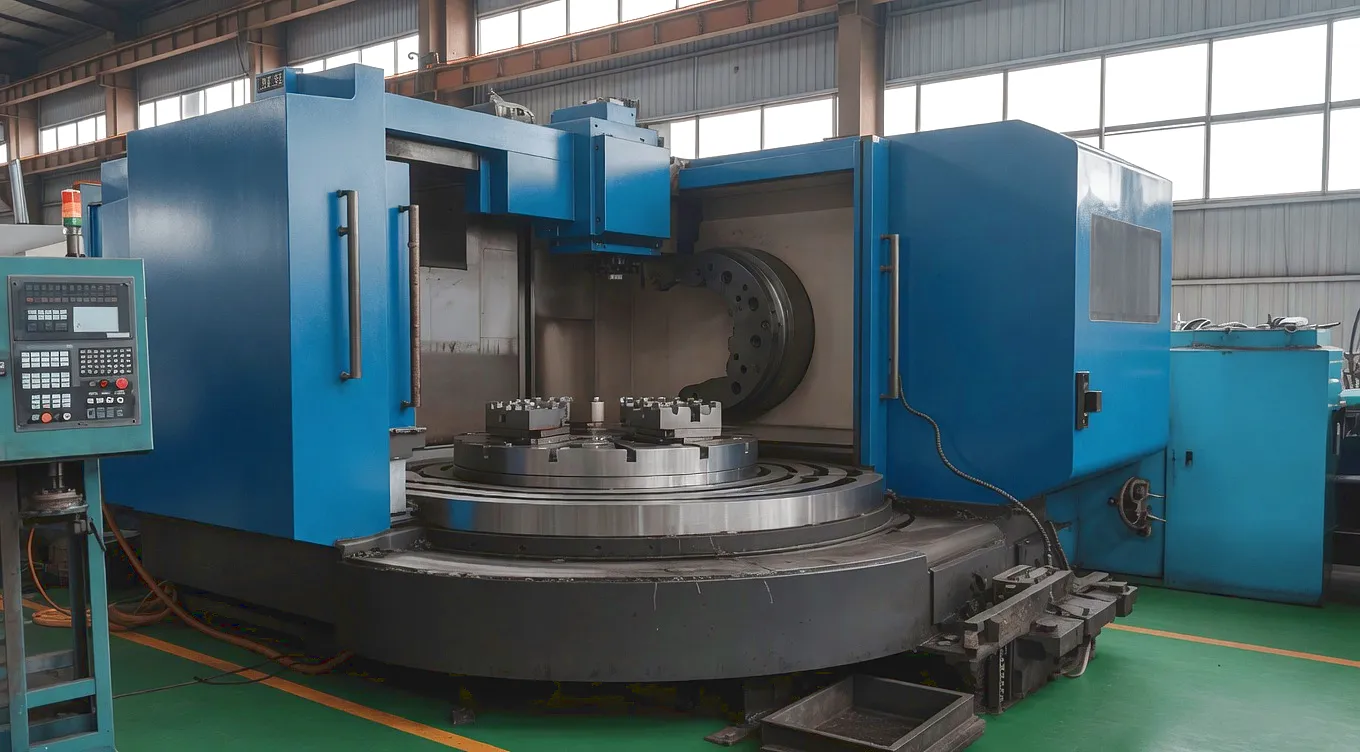
CNC rotary table application worm gear shaft

Application 01 — CNC Fourth & Fifth Axis Rotary Tables

The CNC rotary indexing table (fourth axis) is the most prevalent and mechanically demanding application for the precision worm gear shaft. In vertical and horizontal machining centres across Birmingham’s precision engineering sector and the aerospace supply chain centred on Derby and Bristol, the rotary table allows complex multi-face machining in a single workpiece setup, dramatically reducing handling time and accumulated setup error. The worm gear shaft drives the table through a high-ratio reduction — typically 72:1 to 90:1 — with the dual-lead arrangement ensuring that repeated bidirectional indexing achieves angular repeatability within ±5 arcseconds or better. This level of positional accuracy is non-negotiable for aerospace turbine blade fixturing and automotive differential housing machining, where angular position directly controls machined feature relationships.

Five axis tilting head application

Application 02 — Five-Axis Tilting Head (B / A Axis)

In contemporary five-axis machining centres, the swivelling spindle head is the feature that separates a true five-axis machine from a simple 3+2 indexing platform. The B-axis (or A-axis) tilt mechanism invariably employs a worm gear shaft to transmit servo torque through a 60:1 to 72:1 reduction, allowing the spindle to sweep through its ±90° or ±110° working arc with sub-degree interpolation capability. Sheffield’s advanced manufacturing research ecosystem — connected to the University of Sheffield AMRC — has documented the performance envelopes of worm-driven tilting heads extensively, confirming that the combination of high reduction ratio and self-locking allows smaller, lighter servo motors to be used without sacrificing positional authority. After positioning, a hydraulic clamp engages to transfer milling forces directly into the machine column, protecting the worm gear shaft from shock overload during high-feed roughing.

ATC tool magazine worm gear application

Application 03 — Automatic Tool Changer (ATC) Magazine Drive

The carousel-type tool magazine used in machining centres with automatic tool changing depends on a reliable, self-locking drive to index each tool pocket into the change position and hold it there without energised clamping during the tool-exchange cycle. The worm gear shaft is the standard solution for this application precisely because the self-locking property eliminates the need for a separate magazine brake solenoid, reducing the control system complexity and the number of components that can fail. Tool magazine capacities range from 16 to over 120 pockets in large production machining centres, and the worm gear shaft must deliver accurate pocket positioning cycle after cycle — a demand met reliably by the high-resolution transmission ratio combined with repeatability from the self-locking mesh. UK machine tool system integrators based in Coventry and Redditch routinely specify precision worm gear shafts in ATC assemblies for automotive body panel tooling programmes.

Feed axis reduction worm gear shaft drive

Application 04 — Auxiliary Systems: Coolant Pumps, Chip Conveyors & Counterbalance

Beyond the primary axes and ATC, worm gear shaft assemblies are found throughout the auxiliary systems of a modern CNC machining centre. The chip conveyor drive — which carries swarf away from the cutting zone continuously during production — uses a worm gear reducer because the low-speed, high-torque, continuous-duty characteristics match perfectly with what the worm transmission inherently provides. Coolant pump gear drives and the counterbalance weight systems on large vertical machining centres similarly benefit from the worm gear shaft’s compact format and maintenance-free holding capability. In UK facilities operating under ISO 14001 environmental management standards, the sealed worm gear shaft assemblies used in coolant-adjacent drives prevent lubricant contamination of cutting fluid recycling systems, supporting both regulatory compliance and sustainable manufacturing goals.

Manufacturer Profile

Ever Power — Precision Worm Gear Shaft Manufacturing & Custom Engineering
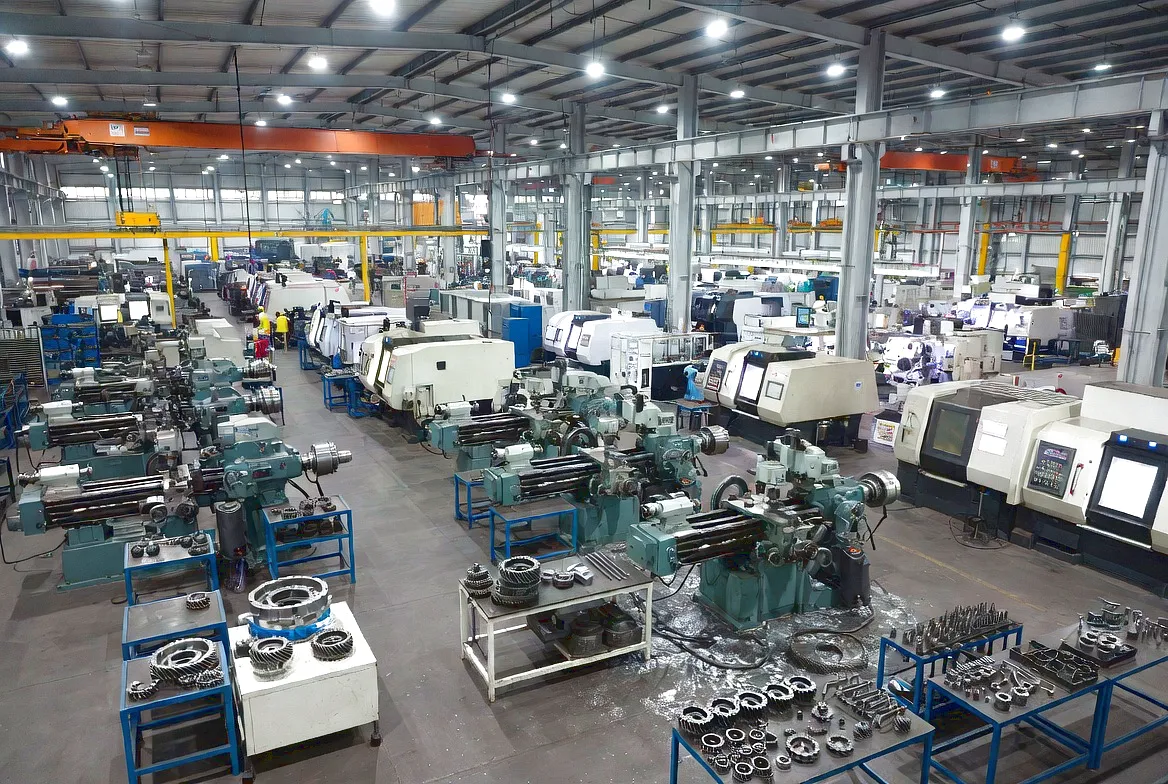
Ever Power worm gear shaft manufacturing workshop
Ever Power precision gear shaft production line

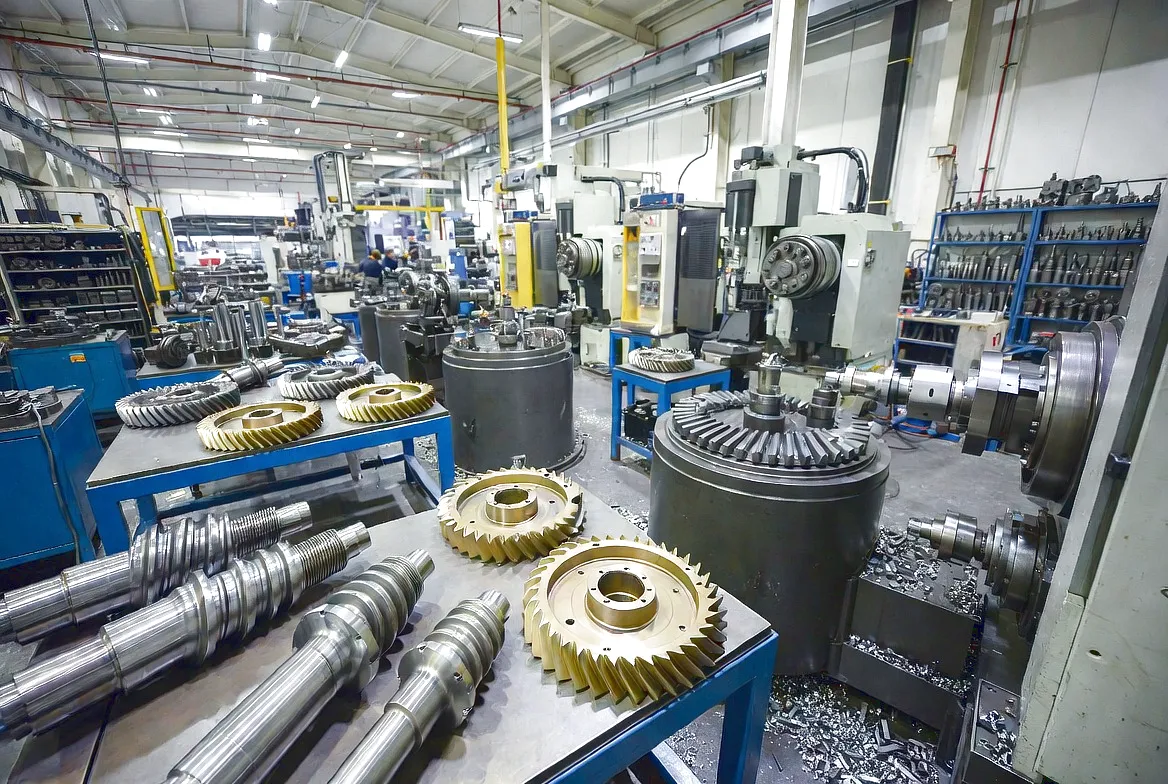
Ever Power has built its reputation as a specialist manufacturer of precision worm gear shafts and complete worm drive assemblies over more than two decades of continuous production. Our manufacturing facility operates a dedicated worm gear shaft production line encompassing all critical processing stages — raw material procurement to verified material certification, precision CNC turning of blank forgings, thread milling, carburising and hardening in atmosphere-controlled furnaces, precision cylindrical grinding of journals and thread flanks, final lapping and surface finish verification, and comprehensive quality inspection using CMM systems capable of thread helix error measurement to arcsecond resolution. This end-to-end capability under a single roof is what allows Ever Power to guarantee dimensional traceability and performance consistency that third-party-assembled supply chains cannot match.

🔧
Full Custom Engineering

Dual-lead, single-lead, hollow bore, special thread profiles, non-standard ratios — all engineered to your drawing or performance specification. DXF / STEP files accepted; reverse engineering from worn samples available.

📋
Material Traceability

Full batch material certificates (EN 10204 3.1 or 3.2), heat treatment records, and inspection reports supplied as standard for aerospace and defence supply chain orders requiring AS9100 aligned documentation.

🚢
UK-Ready Logistics

Express air freight to UK ports including Felixstowe and Southampton for urgent replacement orders. Sea freight container consolidation for volume production supply. DDP terms available for hassle-free customs clearance.

📦
MOQ Flexibility

Prototype quantities from 1 piece, series production from 10 pieces, and volume supply contracts with guaranteed annual pricing and scheduled delivery — all accommodated within a single supplier relationship with Ever Power.

Ready to Source Precision Worm Gear Shafts from Ever Power?

Send your drawing, sample, or specification. Our engineering team responds within 24 hours with a detailed quote and technical review.
✉ Request a Custom Quote → [email protected]

Product Gallery
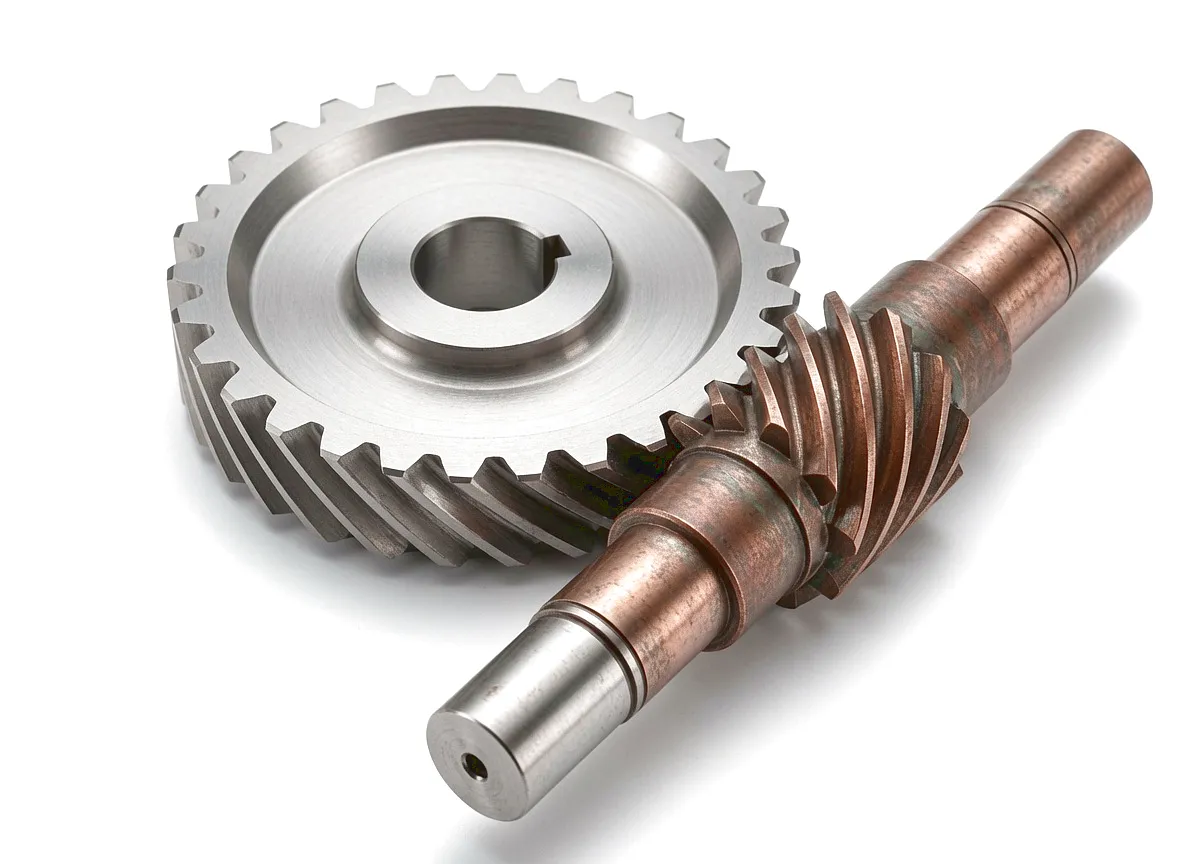
Worm gear shaft product view 1
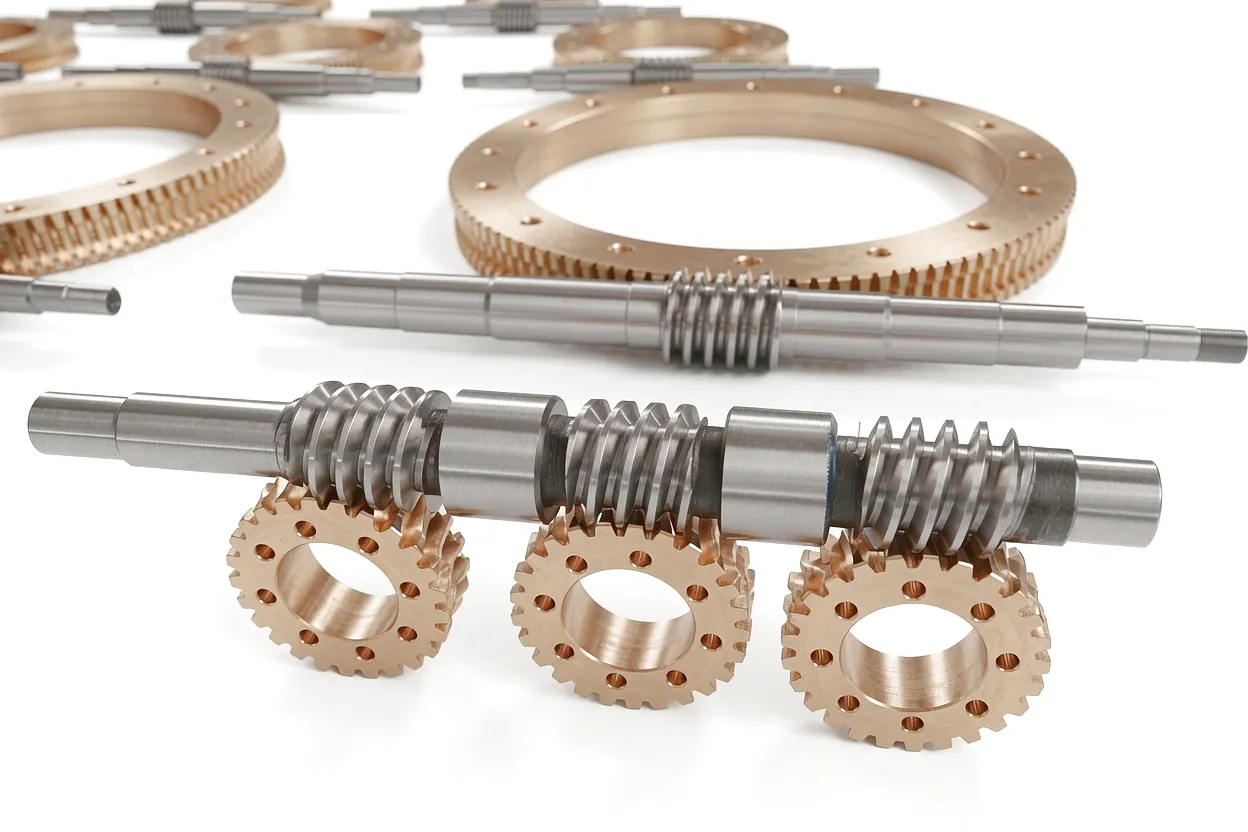
Worm gear shaft product view 2

Customer Success Story

Sheffield Aerospace Subcontractor Achieves Sub-10-Arcsecond Repeatability with Ever Power Custom Worm Gear Shafts
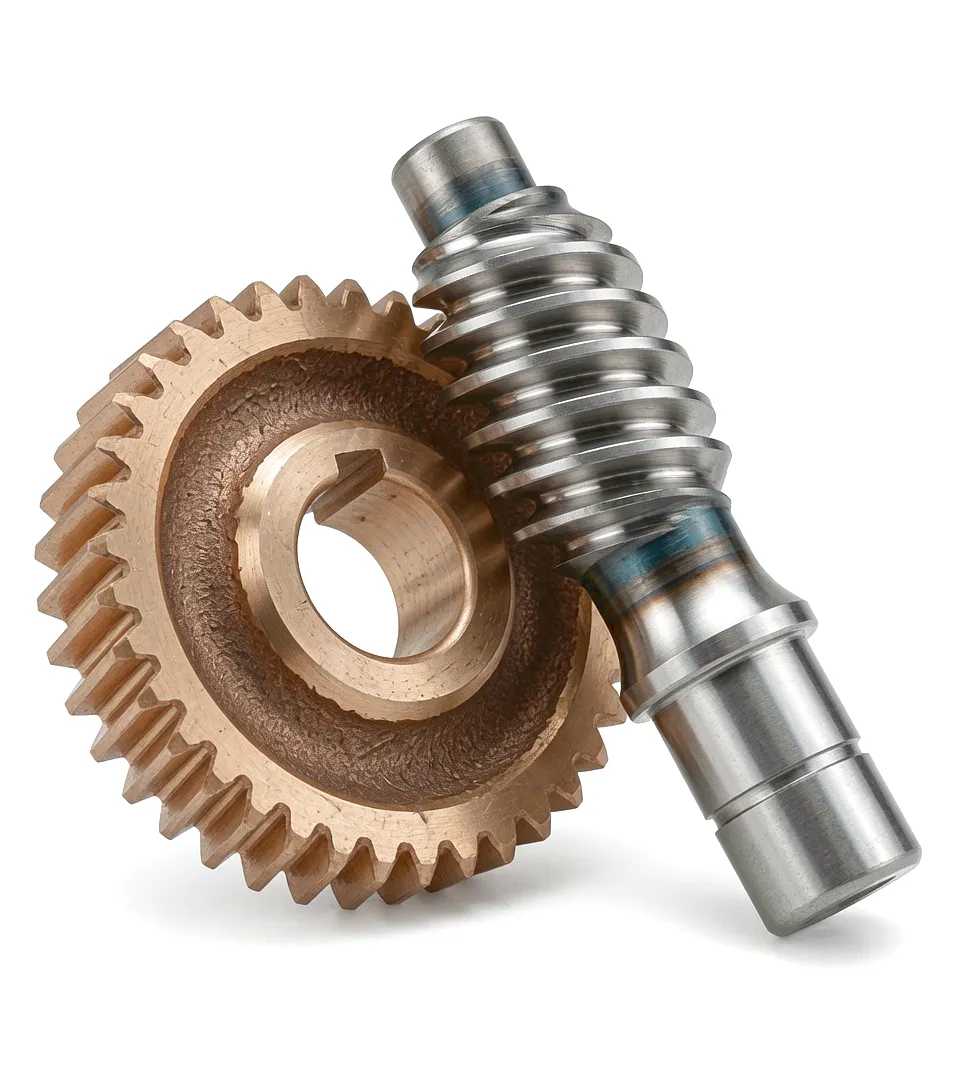
Worm gear shaft product view 3Precision Aerostructures Ltd (PAL), a first-tier aerospace subcontractor operating a 12,000 sq ft precision machining facility on the Shepcote Lane Industrial Estate in Sheffield, was commissioned in early 2024 to manufacture structural titanium brackets for a next-generation regional aircraft programme. The work required consistent angular positioning accuracy on a trunnion-style five-axis machining centre, with the specification demanding that B-axis repeatability remain within ±8 arcseconds over a production run of approximately 3,400 components. Their existing OEM worm gear shaft had developed measurable backlash after 18 months of two-shift operation, and the accumulated angular error was beginning to show up as statistical variation in hole-position tolerances during in-process inspection.

PAL’s engineering manager contacted Ever Power after a referral from a Birmingham-based machine tool retrofitter who had previously sourced replacement albero a vite senza fine components for robotic welding positioner upgrades. Ever Power’s technical team conducted a remote consultation, reviewing the worn shaft dimensions, the original OEM drawing, and the current backlash measurement data. The recommendation was a dual-lead worm gear shaft in 18CrNiMo7-6 carburised steel, thread-flanks ground and polished to Ra 0.3 µm, with a custom journal shoulder arrangement to suit the existing bearing housing without machine modification.

Sample shafts were delivered to Sheffield within 14 working days of drawing confirmation. After installation and axial preload adjustment using the dual-lead feature, PAL’s metrology team measured B-axis bidirectional repeatability at ±4.7 arcseconds — well within the programme specification. The production run was completed without further angular accuracy concerns, and PAL subsequently placed a standing order with Ever Power for annual replacement shaft inventory to support planned maintenance schedules across their five-axis machining cell.

What Our Clients Say

★★★★★

“The dual-lead shaft Ever Power supplied dropped straight into our B-axis housing and took backlash from 22 arcminutes down to under 5 arcseconds after adjustment. We went from worrying about angular variation failing our first article inspection to shipping all 3,400 brackets without a single positional rejection. That kind of performance difference makes the choice of shaft supplier extremely straightforward for our next programme.”

— James H., Engineering Manager
Precision Aerostructures Ltd, Sheffield
★★★★★

“We had been using a domestic UK supplier for our rotary table worm shafts, but lead times stretched to 16 weeks during post-pandemic supply disruptions. Ever Power quoted us a full custom specification, matched our existing OEM drawing tolerances exactly, and delivered within 12 working days. The surface quality on the thread flanks was noticeably better than what we had been receiving — our assembly team commented on it immediately.”

— Sandra M., Procurement Director
Advanced Machining Systems Ltd, Birmingham
★★★★★

“We rebuild and retrofit older Deckel and TOS horizontal boring mills for the UK engineering job shop market, and sourcing non-standard worm gear shafts with obsolete thread geometry is always the hardest part of any project. Ever Power reverse-engineered two worn samples for us — both in different materials — provided CMM inspection reports with the final components, and delivered DDP to our workshop in Coventry. The price was competitive, the documentation was complete, and the lead time beat every other supplier we had approached.”

— Paul W., Technical Director
Heritage Machine Tool Restoration, Coventry

FAQ

Frequently Asked Questions about Worm Gear Shafts

How does a dual lead worm gear shaft actually eliminate backlash in a CNC rotary table used in UK aerospace machining?
A dual lead worm gear shaft carries two different lead values on the left and right flanks of each thread. When the shaft is shifted axially within its housing — typically by a matter of tenths of a millimetre using a precision shim or adjustment nut — the contact point on the wheel tooth migrates along the flank, progressively tightening the mesh. This takes up accumulated tooth wear and eliminates the angular free movement (backlash) that would otherwise allow the rotary table to shift slightly when the drive direction reverses. In UK aerospace machining operations working to tight angular tolerances — particularly in Sheffield and Derby where turbine component manufacture is concentrated — this in-service adjustability is what allows a dual-lead worm gear shaft assembly to maintain sub-10-arcsecond positioning performance through multiple years of production service, rather than requiring expensive worm wheel replacement after the initial wear-in period.
What is the typical price range or cost I should budget for a custom precision worm gear shaft for a five-axis CNC machining centre in the UK?
Pricing for custom precision worm gear shafts varies considerably with the shaft diameter, thread module, material grade, surface finish requirement, and whether dual-lead geometry is specified. For standard alloy steel shafts in the 30–80 mm diameter range with ground thread flanks, prototype quantities typically range from £180 to £650 per piece, depending on complexity. Precision-grade dual-lead shafts in case-hardened alloy steel with Ra 0.4 µm or finer finish — the type required for five-axis CNC tables — tend to start from £280 for smaller diameters and can reach £900 or more for large centre-distance assemblies. Volume production orders of 20 pieces or more attract meaningful price reductions. For an accurate quote specific to your drawing or worn sample, contacting Ever Power directly at [email protected] is the fastest route to a binding commercial proposal.
Which material should I specify for a worm gear shaft operating in a food processing line in the UK where hygiene regulations apply?
For food processing environments regulated under UK Food Standards Agency guidelines and where machinery is subject to CIP (clean-in-place) or washdown with chlorine-based sanitisers, the worm gear shaft should be specified in 316L austenitic stainless steel as a minimum. If higher wear resistance is required, 17-4PH stainless in H900 condition, or a nitrided 316L shaft, provides improved surface hardness. The worm wheel material in food-grade applications is often IGUS Iglide polymer for oil-free operation, eliminating lubricant contamination risk entirely. Sealed stainless housing and FDA-compliant food-grade grease are equally important in completing a hygienic drive assembly. Ever Power can engineer and supply the complete hygiene-grade worm gear shaft assembly with relevant material certifications for UK food industry supply chain compliance.
Where can I find a reliable UK supplier or manufacturer who can provide a custom worm gear shaft with fast delivery and full inspection documentation?
While several UK-based gear manufacturers produce standard catalogue worm shafts, custom precision worm gear shaft production with short lead times and comprehensive documentation — CMM inspection reports, material certificates, heat treatment records — is most efficiently sourced from specialist manufacturers operating dedicated production lines. Ever Power supplies UK customers directly, with typical delivery windows of 10–18 working days for custom shafts and air freight options available for urgent replacement orders. Documentation packages compatible with AS9100, ISO 9001, and customer-specific first article inspection requirements are prepared as standard. To initiate an enquiry, email [email protected] with your drawing, sample photograph, or specification, and a detailed quotation will be returned within 24 hours.
How do I know when my CNC rotary table worm gear shaft needs replacing and what signs should I look out for during maintenance?
The clearest indicator of worm gear shaft wear in a CNC rotary table is increasing bidirectional backlash — the table’s tendency to move slightly before the drive engages when reversal direction changes. On dual-lead shaft designs, moderate backlash can be corrected by axial adjustment, which should be attempted before considering replacement. When the adjustment range is exhausted and backlash remains outside specification, or when visible pitting, scoring, or surface fatigue is found on the thread flanks during inspection, replacement is warranted. Other warning signs include unusual noise during indexing (indicating surface damage), elevated gearbox operating temperature (suggesting increased friction from tooth profile distortion or lubrication breakdown), and servo motor current anomalies flagged by the CNC controller’s drive diagnostics. UK-based maintenance teams working to a planned maintenance programme should measure backlash every 2,000–3,000 operating hours and log the trend to predict replacement intervals accurately.
What transmission ratio range does a worm gear shaft support, and how does the ratio selection affect efficiency and self-locking in CNC machine applications?
A single-stage worm gear shaft can be engineered to deliver transmission ratios from approximately 5:1 for fast, moderate-torque drives up to 100:1 for very slow, high-torque applications. In CNC rotary table and five-axis tilting head applications, ratios of 40:1 to 90:1 are typical, chosen to match the servo motor’s speed range with the required table indexing speed while delivering the necessary output torque. The ratio selection also governs the lead angle of the worm thread, which directly determines whether self-locking occurs. A higher ratio generally means a smaller lead angle, which produces stronger self-locking but lower mechanical efficiency (often 55–70%). A lower ratio gives a larger lead angle, which is more efficient (up to 85%) but no longer self-locking, requiring a separate brake or torque-maintaining servo drive for position holding. For CNC indexing applications where the table must hold position passively during a power interruption, ratios above 30:1 with appropriately small lead angles are invariably selected to ensure reliable self-locking.

Ever Power — Your Precision Worm Gear Shaft Partner for UK & Global Manufacturing

Custom engineering · Rapid prototyping · Full documentation · DDP delivery to Birmingham, Sheffield, Coventry and across the UK

✉ Get a Quote → [email protected]

edit by gzl