✉ Get a Free Quote from Ever Power
Response within 4 business hours · Custom specs welcome · UK stock available
How a Worm Gear Shaft Actually Works
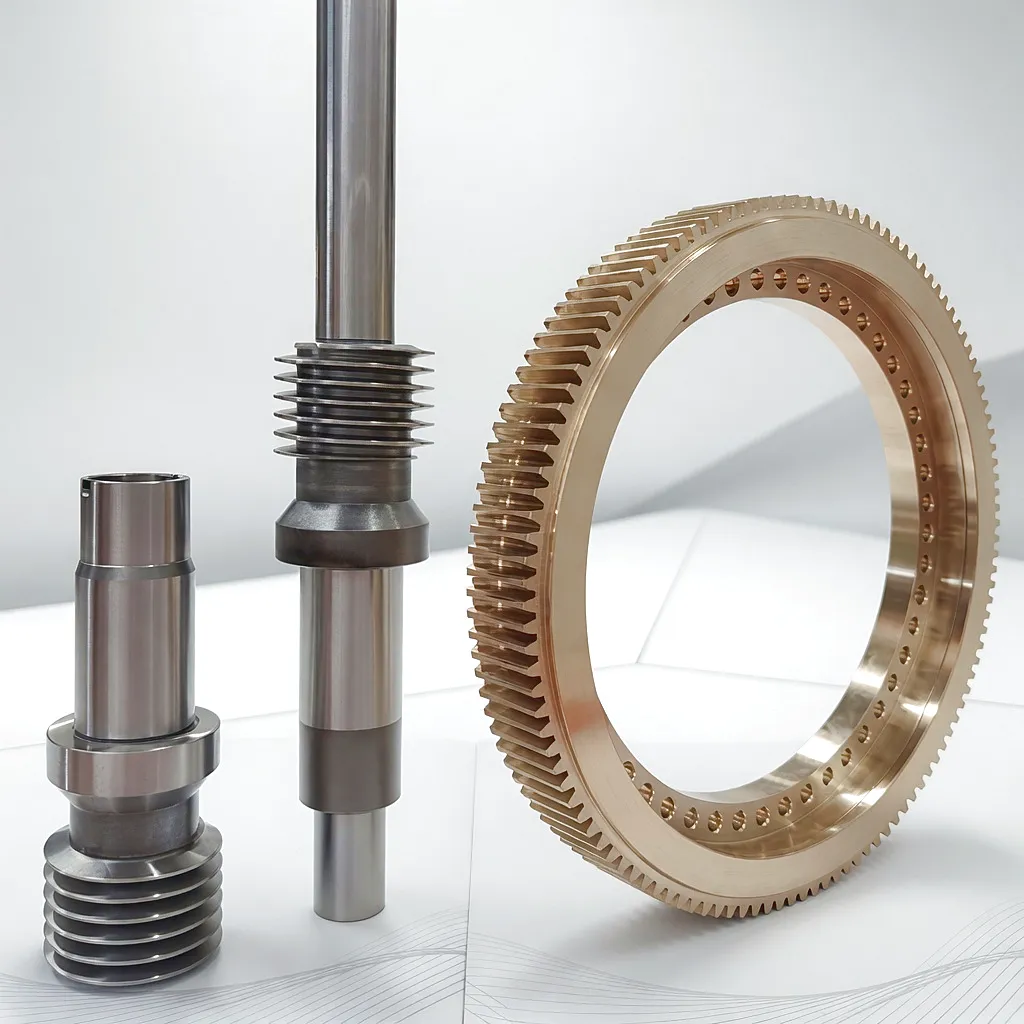
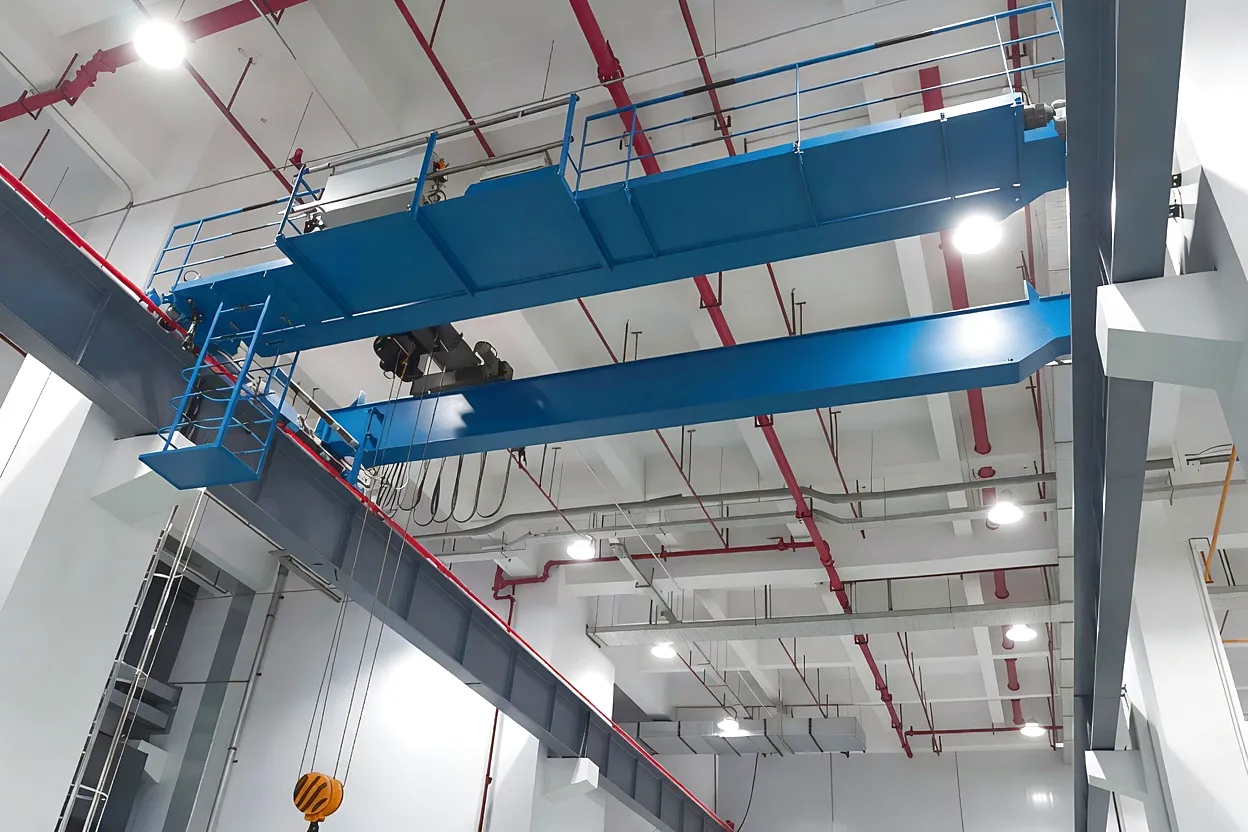
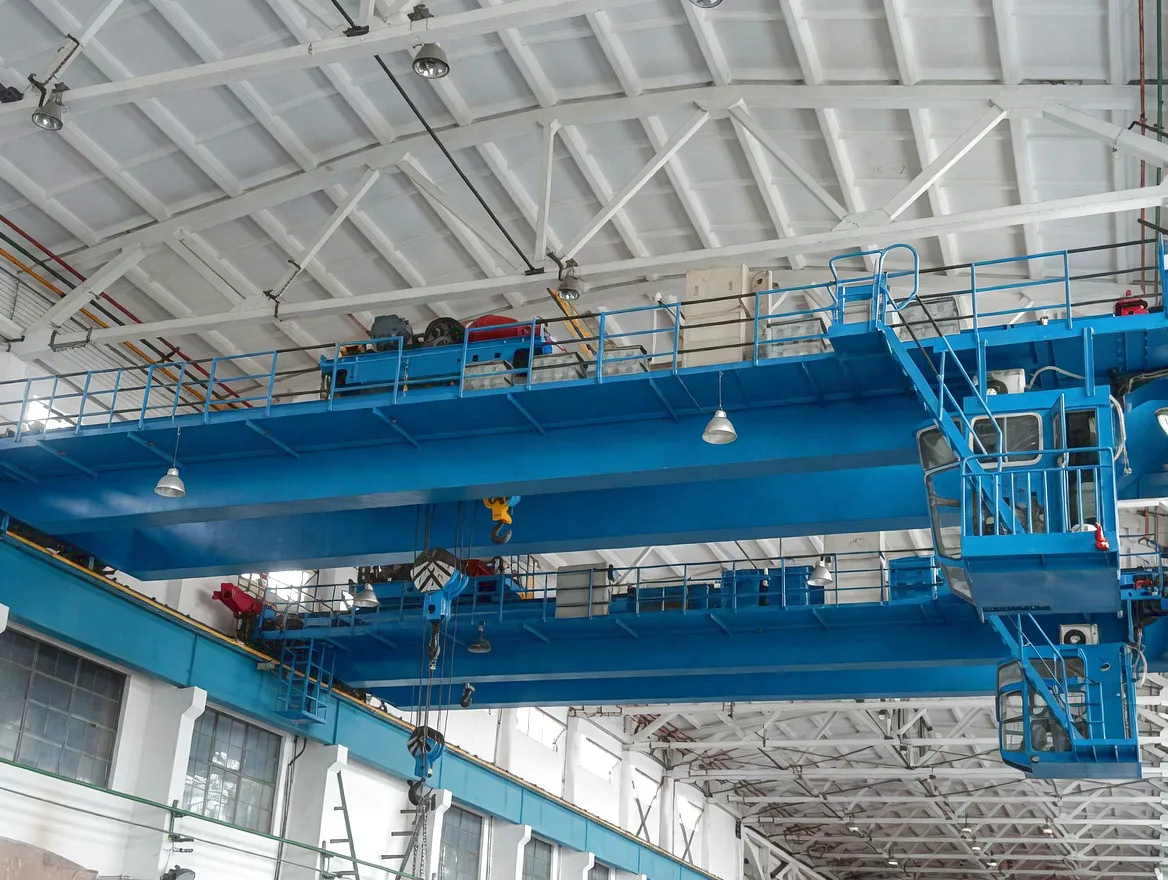
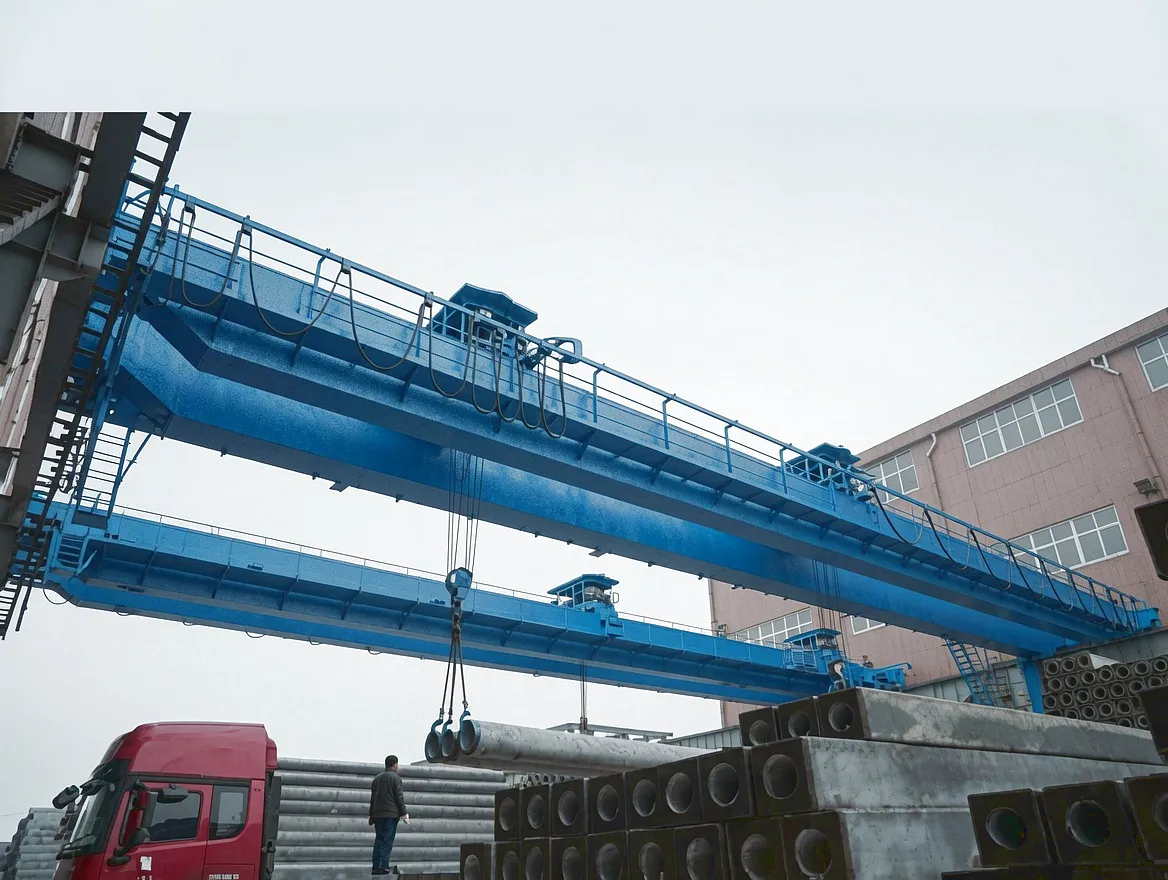
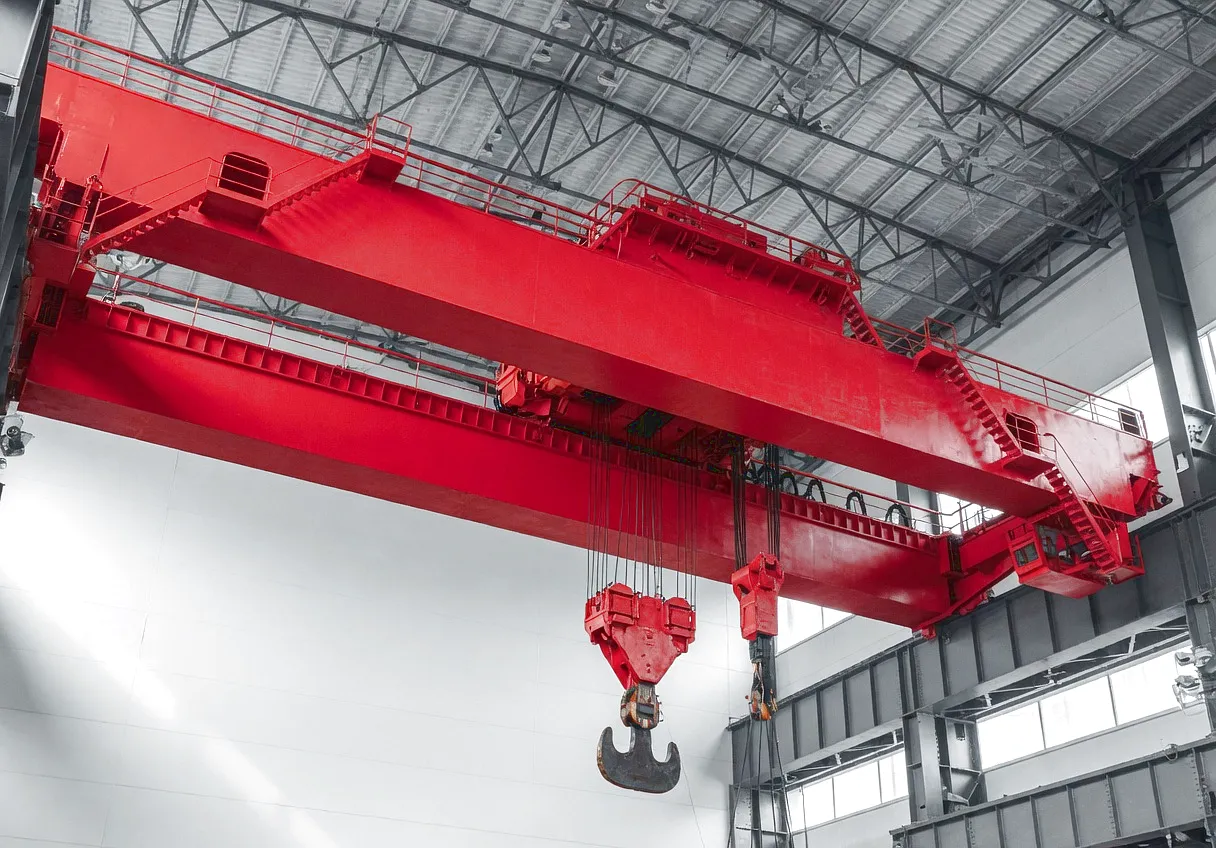
The velocity ratio of a worm gear shaft system is expressed as VR = T/n, where T is the number of teeth on the worm wheel and n is the number of starts on the worm thread. This simple relationship masks considerable engineering complexity: as the ratio increases, mechanical efficiency tends to decrease because the proportion of sliding to rolling contact rises. Engineers must therefore balance the desired reduction ratio against the thermal and efficiency constraints of the application, sometimes opting for multi-start worm threads to improve efficiency in continuous-duty cycles while accepting a modestly lower ratio. In emergency braking applications — such as the secondary safety lock role that worm gear shaft assemblies perform on bridge crane hoist mechanisms — low efficiency is actually desirable, because it means the gear cannot back-drive when the primary brake fails, preventing the uncontrolled descent of suspended loads and protecting personnel on the shop floor below.
Material Selection: The Science Behind Long Service Life
Worm Shaft Material
Case-Hardened Alloy Steel
Grades such as 20CrMnTi, 42CrMo4, and EN36C are carburised and case-hardened to surface hardness values of 58–62 HRC, creating an exceptionally hard contact surface that resists pitting and abrasive wear while retaining a tough, ductile core to absorb shock loading. The combination of a high surface modulus and core toughness is essential in applications like crane hoists, where impact loads from sudden braking events must not propagate cracks through the shaft body. After machining, shafts are typically ground to IT6 or better tolerances, with surface roughness values of Ra 0.4–0.8 µm on the thread flanks to ensure consistent lubricant film formation.
Worm Wheel Material
Phosphor Bronze / Centrifugal Cast Bronze
Centrifugally cast phosphor bronze (PB1, CuSn12) is the near-universal choice for worm wheel rims mating with steel worm shafts. The tin-copper-phosphorus alloy offers excellent conformability — the soft bronze self-polishes during run-in, accommodating minor geometric imperfections and creating a macro-contact pattern that distributes load across multiple teeth. Its low coefficient of friction against hardened steel (approximately 0.02–0.06 in oil) drastically reduces the heat generated at the sliding interface. For aggressive environments such as chemical plants in Teesside or offshore installations operating out of Aberdeen, aluminium bronze or nickel-aluminium bronze grades offer substantially improved corrosion resistance without sacrificing the tribological compatibility with steel worm shafts.
Stainless & Specialty Grades
316 Stainless / Duplex / PEEK-Tipped
Where hygiene regulations demand washdown resistance — food processing plants in Yorkshire, pharmaceutical manufacturers in Cambridge, or beverage facilities across Scotland — worm gear shaft components are produced from 304 or 316L stainless steel, with NSF-compliant food-grade lubricants completing the hygienic design. For food contact zones requiring absolute metal-free operation, PEEK-composite worm wheels running against stainless shafts represent the cutting edge, offering corrosion immunity, thermal stability up to 250°C, and compliance with EU food-contact material regulations still referenced by post-Brexit UK standards bodies.
Product Technical & Performance Parameters
Standard specification range for Ever Power worm gear shaft products. Custom parameters available on request.
| Parameter | Standard Range | Custom / Extended | Notes |
|---|---|---|---|
| Gear Ratio (i) | 5:1 – 100:1 | Up to 300:1 | Multi-stage or custom starts |
| Output Torque | 5 N·m – 50,000 N·m | Up to 120,000 N·m | Dependent on centre distance |
| Input Speed | 50 – 3,000 rpm | Up to 6,000 rpm | Cooling required above 1,500 |
| Shaft Diameter | 10 mm – 200 mm | Up to 500 mm | Hollow or solid output |
| Lead Angle | 3° – 30° | Custom per application | <6° = self-locking |
| Shaft Material | 20CrMnTi / 42CrMo4 | 316 SS / EN36C / custom | Stainless for food/pharma |
| Surface Hardness | 58 – 62 HRC | Up to 64 HRC (nitrided) | Thread flanks ground post-harden |
| Mechanical Efficiency | 45% – 92% | Optimised per duty cycle | Higher with multi-start design |
| Operating Temp. | -20°C to +120°C | -40°C to +180°C | Special seals and lubricants |
| Thread Profile | ZI / ZA / ZN / ZK | Archimedes / Custom | Per ISO 6336 / DIN 3996 |
| Centre Distance | 25 mm – 630 mm | Up to 1,200 mm | Defines torque capacity |
Core Technical Advantages of the Worm Gear Shaft
Industrial Application Scenarios Across the UK
Manufacturing Excellence
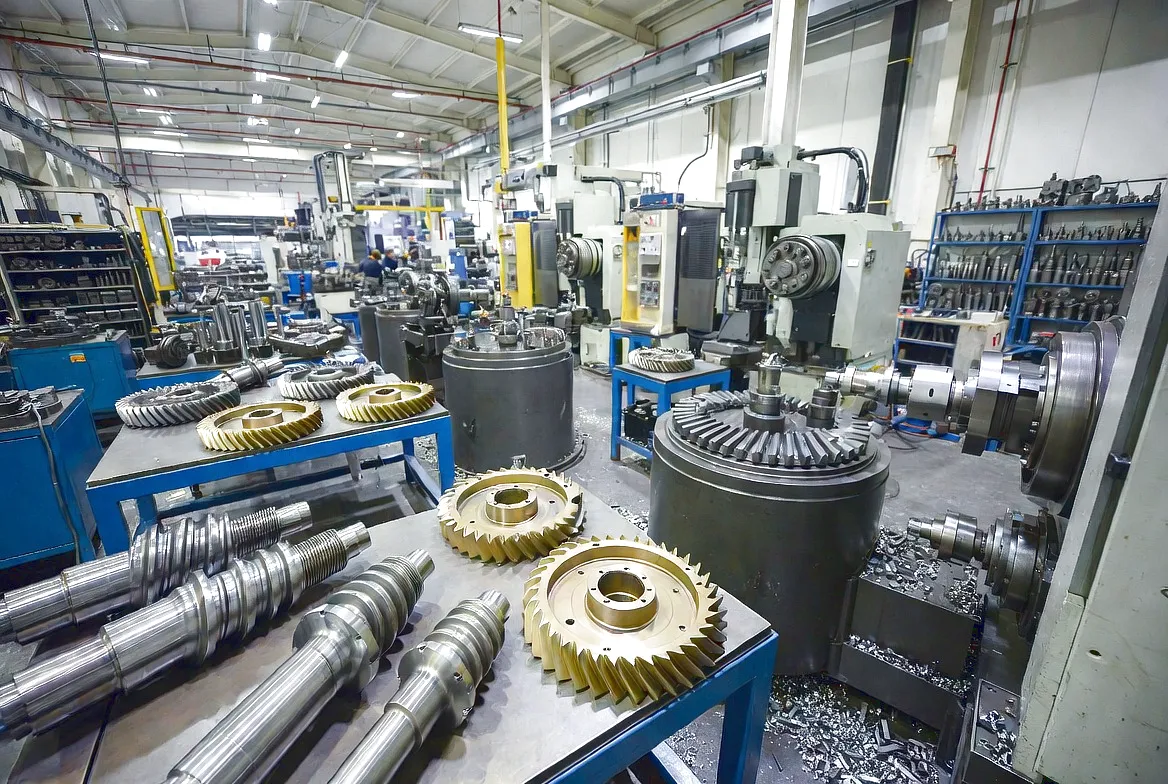
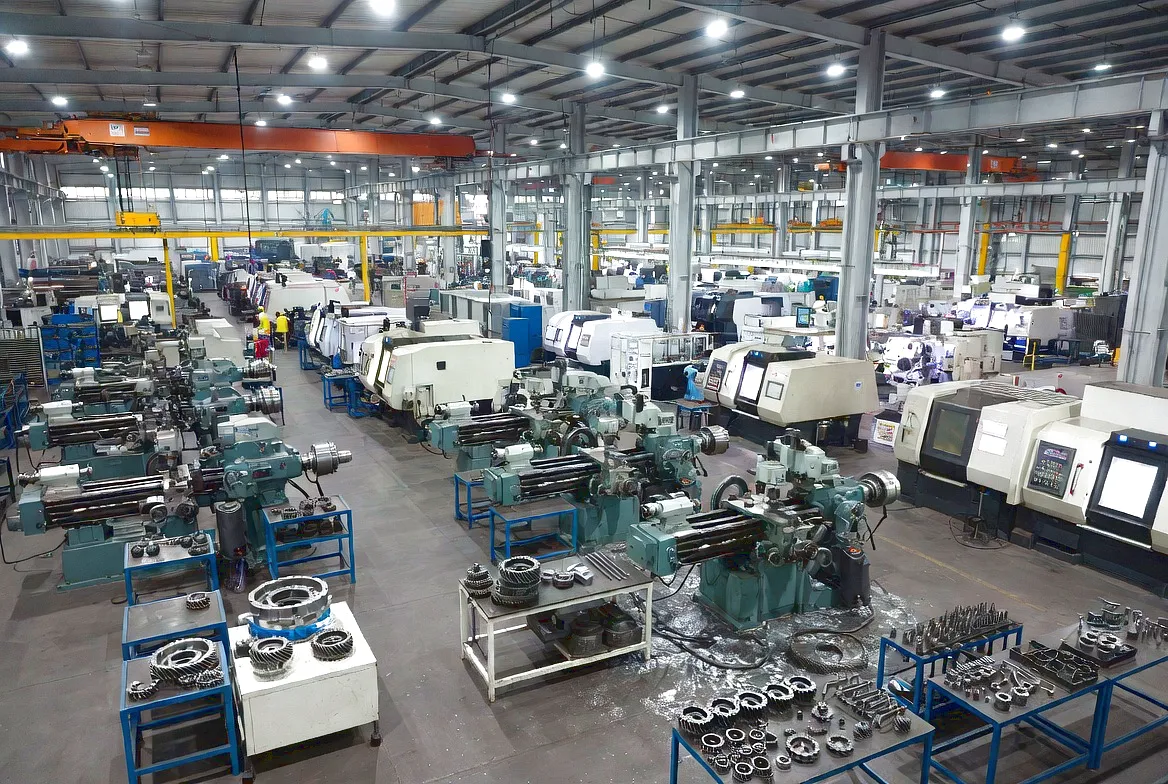
Ever Power: Precision Worm Gear Shaft Manufacturing & Custom Engineering
20+
Years of Precision Manufacturing
ISO 9001
Certified Quality System
500+
Custom Specifications Delivered
18–25d
Standard UK Delivery Window
Ready to discuss your worm gear shaft specification?
Ever Power’s engineering team responds to UK enquiries within 4 business hours. Send your drawing, specification sheet, or a simple description of the application — we handle the rest.
Customer Success Story
Sheffield Special Steels: Eliminating Hoist Failures Through Secondary Safety Locking
Industry
Special Steels Manufacturing
Location
Sheffield, South Yorkshire, UK
Challenge
Bridge crane hoist secondary braking failure
Outcome
Zero hoist incidents over 36-month monitoring period
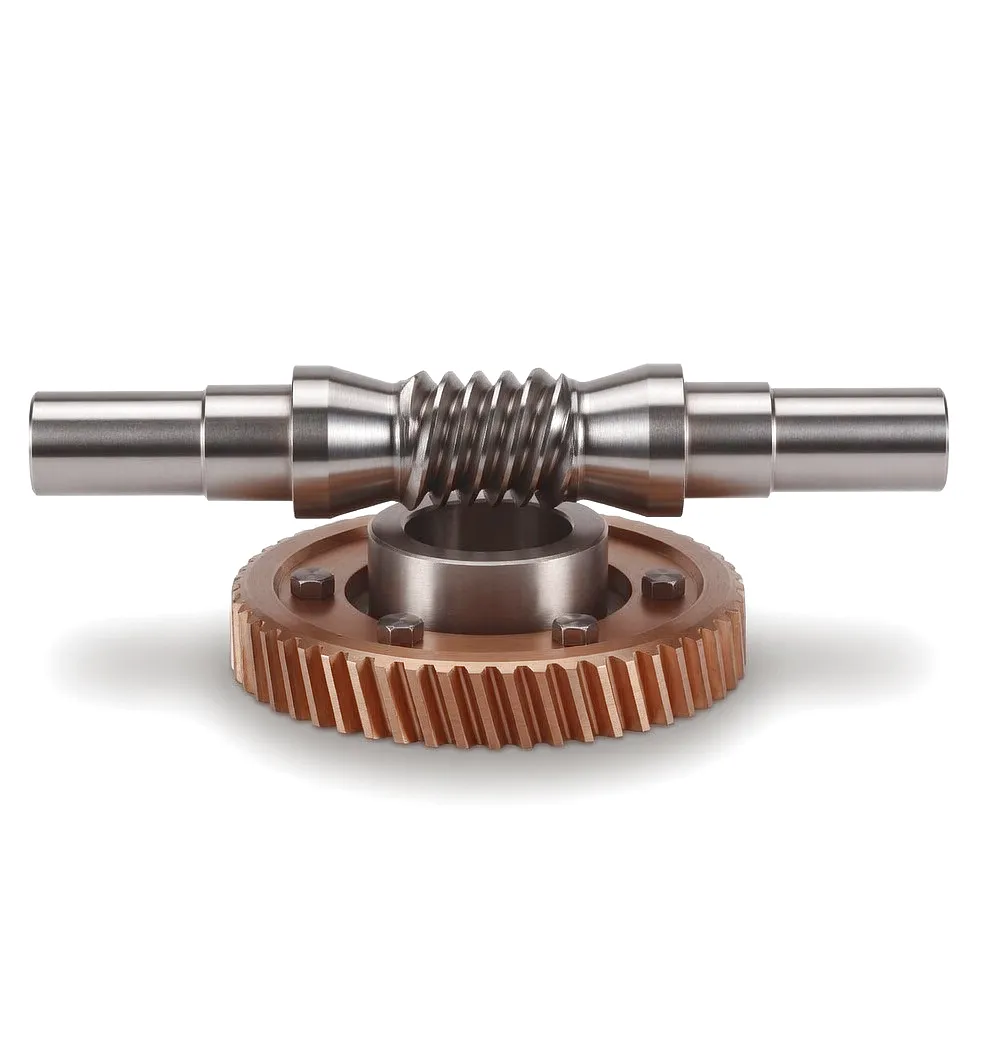 A Sheffield-based special steels producer operating two 35-tonne bridge cranes in their melt shop had experienced three separate incidents over an 18-month period in which the primary electromagnetic hoist brakes exhibited delayed engagement following rapid stop commands. In each case, the load descended several centimetres before the backup friction drum brake arrested movement. While no injuries occurred, the incidents triggered a detailed risk assessment under the Lifting Operations and Lifting Equipment Regulations 1998 (LOLER), which identified the absence of a mechanically self-locking secondary safety stage in the hoist drivetrain as the root cause of the unsafe behaviour.
The plant’s mechanical engineering team contacted Ever Power with a detailed specification: a worm gear shaft reducer module capable of accepting a 3,000 rpm input from the existing variable-frequency drive, delivering a 60:1 reduction stage with a lead angle below 5.5 degrees to guarantee self-locking in both loaded and unloaded conditions, rated for a 45-tonne dynamic load at a 1.5 service factor, and dimensioned to retrofit directly onto the existing hoist gearbox output shaft without structural modifications to the crane bridge. The requirement also included full EN 13135 documentation pack — the European standard for crane equipment design — and material certifications to 3.1 level per EN 10204.
Ever Power’s application engineering team produced a proposal within 48 hours, including a preliminary FEA summary confirming tooth-root bending stress margins, and delivered the first fully inspected worm gear shaft assembly within 23 days of purchase order placement. Installation was completed during a scheduled weekend maintenance shutdown. In the 36 months since commissioning, the melt shop has recorded zero hoist-related safety incidents, and the quarterly LOLER inspection records show consistent primary brake engagement times with no secondary safety lock activation — confirming that the worm gear shaft’s self-locking function has never needed to activate in service, which is precisely what good fail-safe engineering should achieve.
What UK Engineers Say About Ever Power Worm Gear Shaft Products
★★★★★
“The 60:1 worm gear shaft units we sourced from Ever Power for our crane hoist retrofit have performed flawlessly through two years of continuous three-shift operation. The dimensional accuracy was extraordinary — the retrofit was genuinely bolt-on, which is rare in our experience. Documentation for the LOLER file was comprehensive and arrived before the physical goods. We would not hesitate to specify Ever Power again for safety-critical drivetrain components.”
David Hargreaves
Senior Mechanical Engineer, Special Steels Division — Sheffield, South Yorkshire
★★★★★
“We approached Ever Power with a stainless albero a vite senza fine requirement for our hygienic conveyor project — a spec that most suppliers either cannot meet or will heavily upcharge. Ever Power’s engineering team understood the BRC hygiene requirements immediately, recommended the right seal specification, and turned around a fully documented 316L unit within three weeks. The surface finish on the shaft thread was genuinely impressive under the surface roughness tester. Ongoing orders placed without hesitation.”
Claire Whitmore
Automation Projects Manager, Food Processing OEM — Leeds, West Yorkshire
★★★★★
“As a procurement lead for an industrial gate manufacturer supplying flood defence infrastructure to the Environment Agency, I deal with highly demanding technical specifications and very little tolerance for delivery delays. Ever Power delivered a custom duplex stainless worm gear shaft to a non-standard centre distance with 2.2B torque class rating within our agreed timeline. The material certification pack met the EN 10204 3.1 requirement without any chasing on my part. Price-to-quality ratio was significantly better than European alternatives we had quoted.”
Mark Forsyth
Head of Procurement, Hydraulic Gate Systems — Norwich, Norfolk
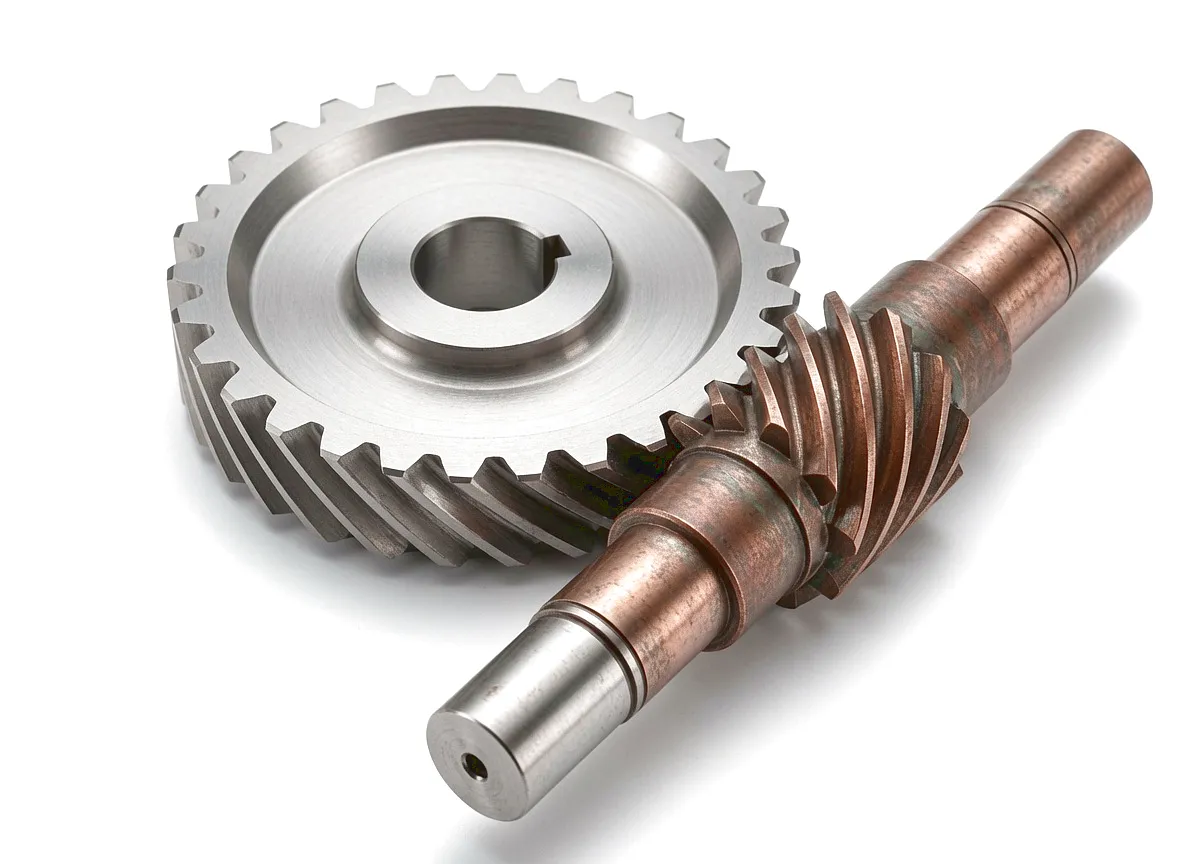
Specifying the Right Worm Gear Shaft: An Engineer’s Selection Guide
Frequently Asked Questions
Questions UK Engineers & Buyers Ask About Worm Gear Shafts
Ever Power · Precision Worm Gear Shaft Manufacturing
Ready to Specify Your Worm Gear Shaft?
Send your specification, drawing, or application description to Ever Power’s engineering team. Standard catalogue products and full custom manufacturing available. UK delivery within 18–25 days as standard.
✉ Contact Ever Power: [email protected]
ISO 9001:2015 Certified · EN 10204 3.1 Material Certs · LOLER-Compatible Documentation
edit by gzl · Ever Power Worm Gear Shaft Technical Guide · © 2024 Ever Power · All technical data subject to engineering review and application validation