How the Worm Gear Shaft Works as a Secondary Safety Lock
Helical Thread Engagement
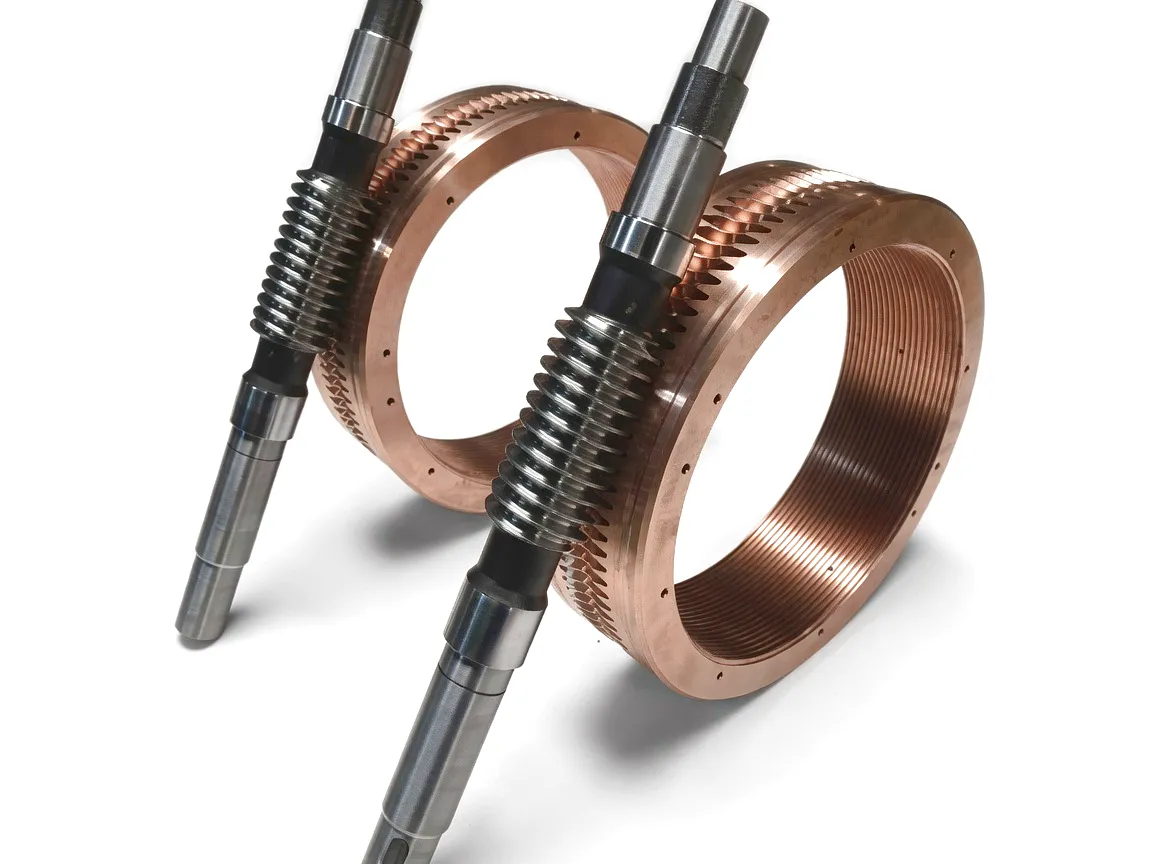
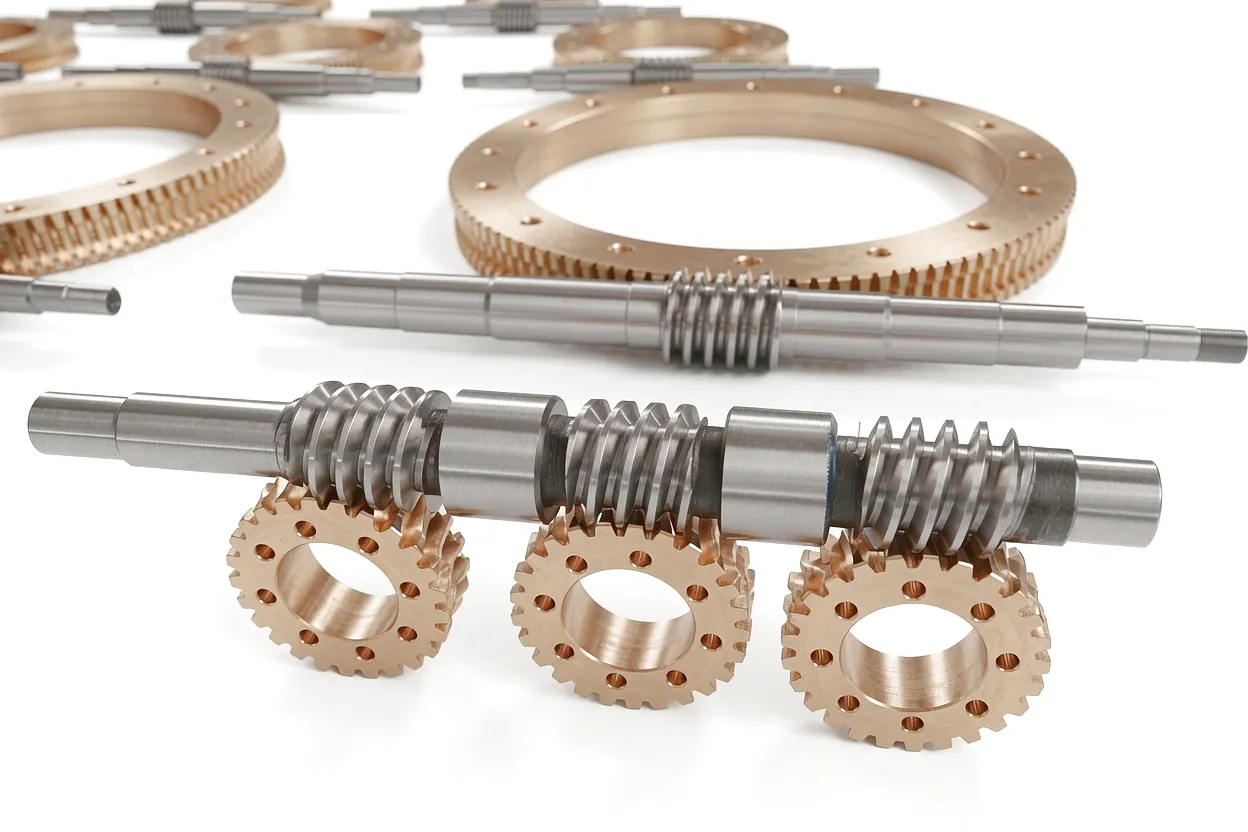
The worm (the shaft component) carries a continuous helical thread that meshes with the teeth of the worm wheel. The thread angle is precisely engineered so that rotational input from the motor side turns the wheel, but the geometry makes reverse rotation — load pushing back through the wheel to spin the shaft — mechanically impossible beyond a critical friction threshold.
The Self-Locking Condition
Self-locking occurs when the lead angle of the worm thread is less than the friction angle between the mating surfaces. In practical terms, this means the coefficient of friction (typically 0.08–0.15 for bronze on hardened steel) must exceed the tangent of the lead angle. When this condition is satisfied, the worm gear shaft becomes a passive mechanical brake, locking the drum against load-induced reverse rotation without any external force or electrical power.
Position in the Drive Train
Installed at the rear stage of the gear reducer — between the reducer output and the rope drum — the worm gear shaft assembly operates quietly during normal lifting cycles. Its moment arrives during primary brake failure. Where the electromagnetic disc brake loses power or mechanical integrity, the worm gear shaft assumes the full suspended load, buying critical seconds for workers below to evacuate and for maintenance teams to implement emergency procedures.
The physics behind the worm gear shaft’s locking behaviour stems from the geometry of the helix. When the lead angle lambda is small — typically between 3 degrees and 8 degrees for safety-critical crane applications — the component of the axial force that would otherwise drive back-rotation is overwhelmed by the tangential friction force at the thread-wheel interface. Engineers designing hoisting systems for facilities in cities like Leeds, Coventry, and Wolverhampton often specify a lead angle of 5 degrees or less, providing a generous safety margin above the theoretical locking threshold. This conservative design philosophy reflects both UK workplace safety regulations and the hard-won wisdom of engineers who have seen what happens when secondary safety systems are underspecified. The ratio of input motion to output rotation — the gear ratio of the worm drive — can reach 100:1 in a single stage, making the worm gear shaft simultaneously a torque multiplier and a safety device, a dual role that no other standard transmission component fulfils with comparable compactness.
Material Science Behind the Worm Gear Shaft
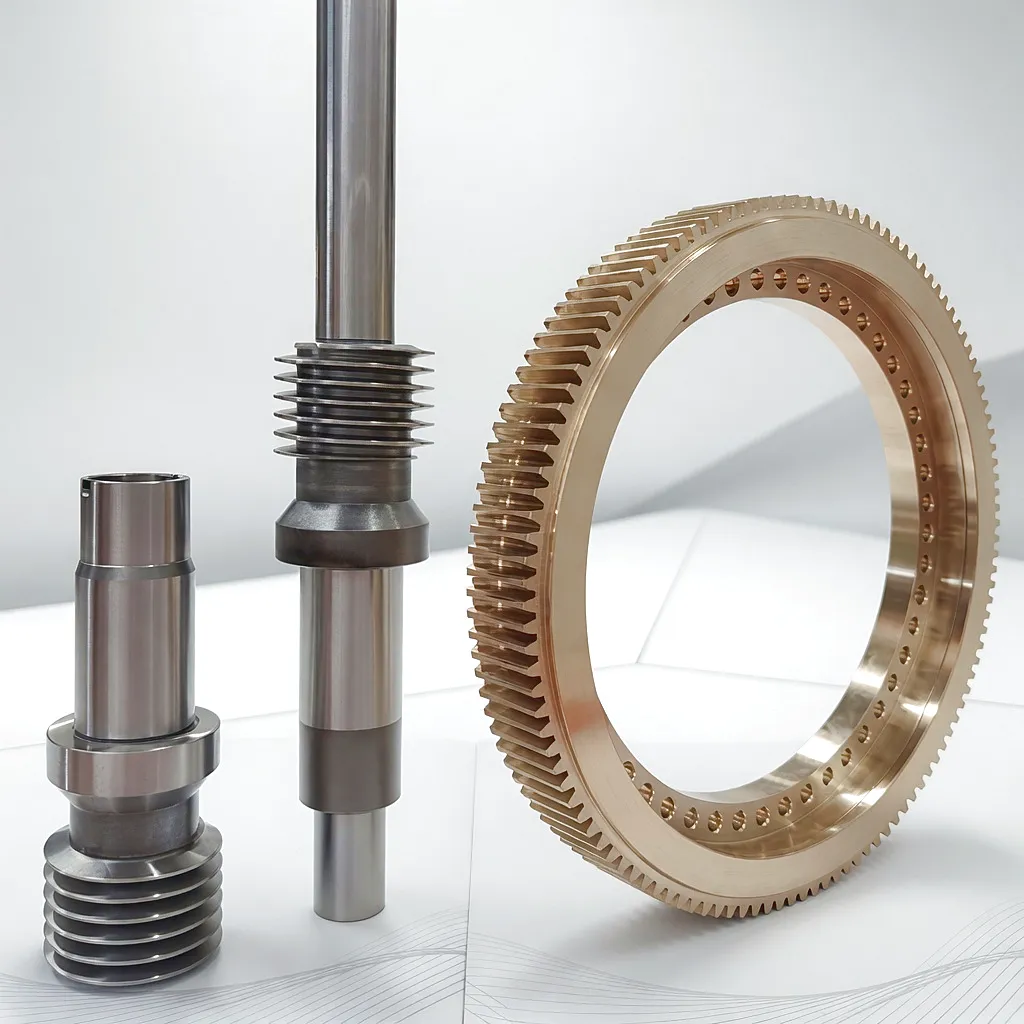
The material pairing of the worm shaft and the worm wheel is one of the most consequential decisions in any worm drive design, and nowhere is this more true than in crane hoisting applications where the secondary safety lock must remain reliable across decades of intermittent high-load engagement. The classical and still-dominant pairing uses a hardened alloy steel worm shaft against a phosphor bronze or tin bronze worm wheel. The rationale is rooted in tribology: the softer bronze wheel conforms slightly to the harder steel thread under contact stress, creating a gradually improved contact pattern while keeping friction coefficients low enough to allow efficient forward drive — yet maintaining the surface conditions that sustain self-locking under reverse loading.
20CrMnTi Alloy Steel
Case-carburised to 0.8–1.2 mm depth; core tensile strength 900–1100 MPa; surface hardness 58–62 HRC. Dominant choice for crane worm shafts in UK heavy industry. Combines high surface hardness with excellent core toughness for shock absorption during emergency locking events.
42CrMo4 (EN19) Steel
Through-hardened and induction-hardened at the thread surface; hardness 54–58 HRC; tensile strength up to 1250 MPa. Preferred for medium-high duty cycle cranes. The chromium-molybdenum composition provides exceptional fatigue resistance under repeated load cycles, critically important in high-throughput manufacturing environments.
Phosphor Bronze (CuSn10P)
Used for the mating worm wheel; tin content 9–11%; tensile strength 280–350 MPa; Brinell hardness 80–110 HB. The tin content governs the alloy’s anti-scuffing properties and its ability to embed small abrasive particles, preventing accelerated wear of the steel worm thread — a virtue much appreciated in dusty foundry environments across the West Midlands.
Cast Iron (GGG40/GGG50)
Spheroidal graphite cast iron used for low-speed, lower-duty secondary safety assemblies. Its graphite inclusions provide inherent lubrication properties and dampen vibration. Cost-effective for lower-load installations where budget constraints are a factor, common in smaller fabrication shops across Yorkshire and the East Midlands.
Surface treatment is the final layer of material engineering that determines long-term performance. Ground and superfinished worm shaft threads coated with manganese phosphate offer improved oil retention in the micro-valleys of the surface topography, sustaining a thin but resilient lubricant film during both normal operation and the high-pressure contact of an emergency locking event. For cranes operating in corrosive environments — coastal port facilities in ports such as Southampton or Teesside’s industrial waterfront — nickel-chrome plating on the steel shaft, combined with sealed bearing housings and high-viscosity synthetic gear oils, extends service intervals significantly and reduces lifecycle ownership costs.
Core Technical Advantages of the Worm Gear Shaft in Hoisting Safety Systems
Passive Self-Locking — No Power Required
The most fundamental advantage of the worm gear shaft is that its locking behaviour requires no electrical signal, hydraulic pressure, or spring force. The geometry of the helix-to-tooth interface creates the locking condition as a direct consequence of the laws of friction and mechanics. This means that even in a complete power outage — a scenario that can simultaneously fail electromagnetically released brakes — the worm gear shaft continues to hold the suspended load without any intervention. For UK facilities operating under the Lifting Operations and Lifting Equipment Regulations 1998 (LOLER), this passive redundancy is not merely a technical benefit; it is increasingly written into risk assessments and formal safe systems of work as a required secondary measure for overhead crane hoisting systems handling loads above defined thresholds.
High Gear Ratio in a Compact Envelope
Achieving gear ratios from 10:1 to 100:1 within a single worm-and-wheel stage, the worm gear shaft delivers the torque multiplication that heavy hoisting demands without requiring the multi-stage planetary arrangements that would occupy far more axial space in the crane drive train. This compactness is particularly valued in retrofit applications where an existing bridge crane must be upgraded with a secondary safety system but the available installation envelope is constrained. The ability to manufacture a worm gear shaft assembly that slots into a restricted space — while delivering the required self-locking torque capacity — is a practical engineering advantage that no alternative transmission type can readily match.
Smooth and Quiet Operation
The sliding contact between the worm thread and wheel teeth, rather than the rolling contact of spur or helical gears, generates significantly lower noise during normal operation. In manufacturing environments where noise regulations under the Control of Noise at Work Regulations 2005 impose strict limits, and where workers operate in close proximity to overhead cranes, this characteristic has measurable value. A well-lubricated worm gear shaft assembly operating at its design speed and load can run at under 70 dB(A) — a figure that many competing drive configurations struggle to approach. The smooth engagement also reduces vibration transmission into the crane bridge structure, protecting structural welds and bolted connections from fatigue cracking over the crane’s service life.
Controlled Speed Reduction for Precision Positioning
In cranes used for precision placement tasks — setting precast concrete elements, positioning heavy press tools, or lowering sensitive equipment in aerospace manufacturing facilities — the large gear ratio of the worm gear shaft stage provides a natural speed reduction that translates motor shaft speed into a slow, controllable drum rotation. This precision is difficult to achieve through electronic variable-speed control alone; the mechanical gear ratio creates an inherent ceiling on maximum load speed that prevents runaway conditions even if the drive control system malfunctions. Engineers in precision-critical industries such as the aerospace clusters around Bristol and the North West appreciate this mechanical backstop against electronic failure, which no software update can fully replicate.
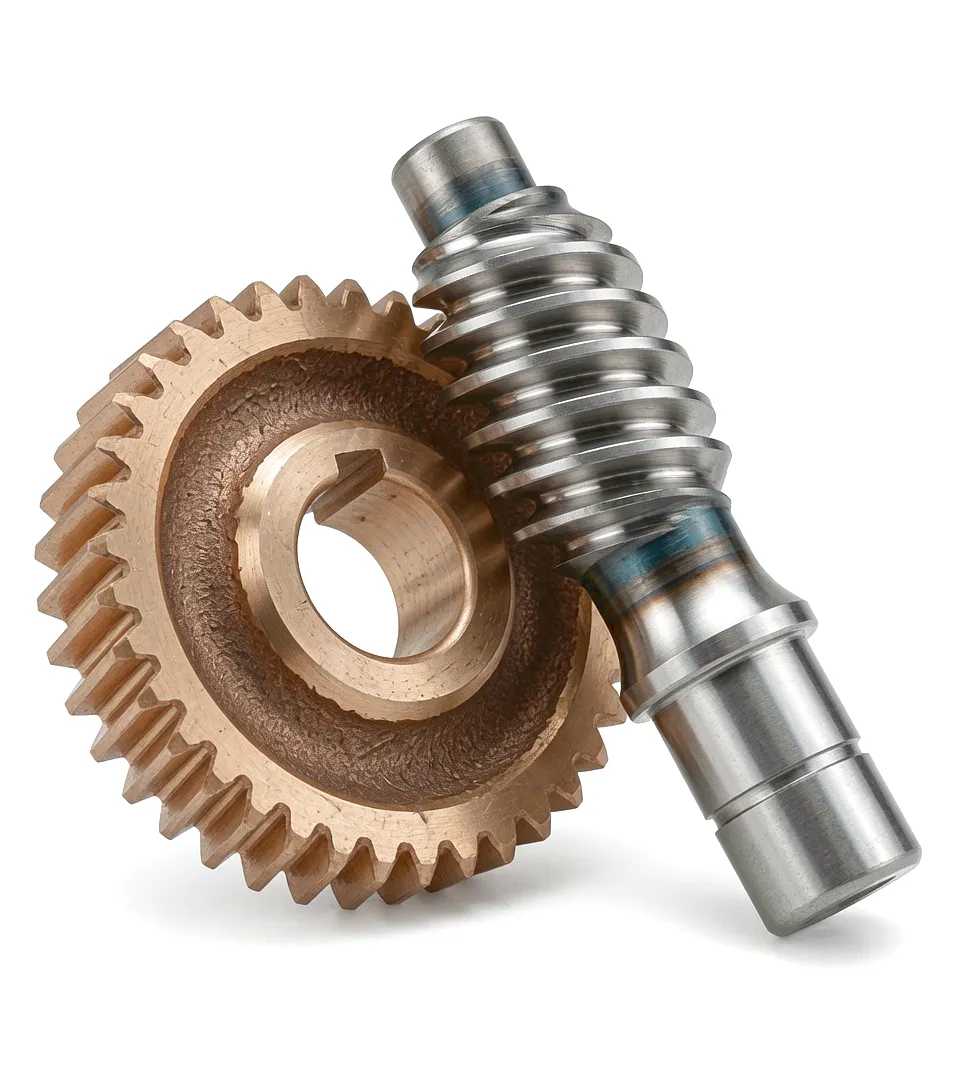
Product Technical and Performance Parameters
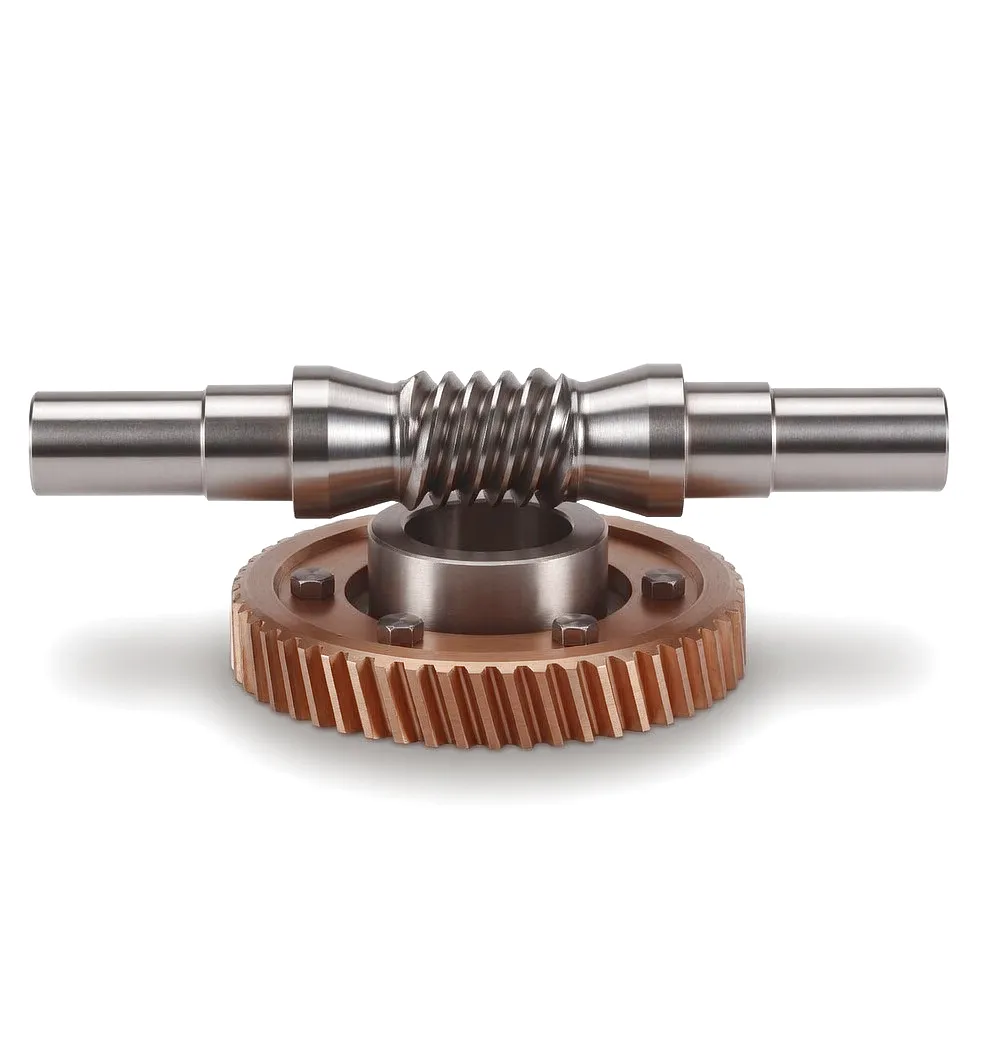
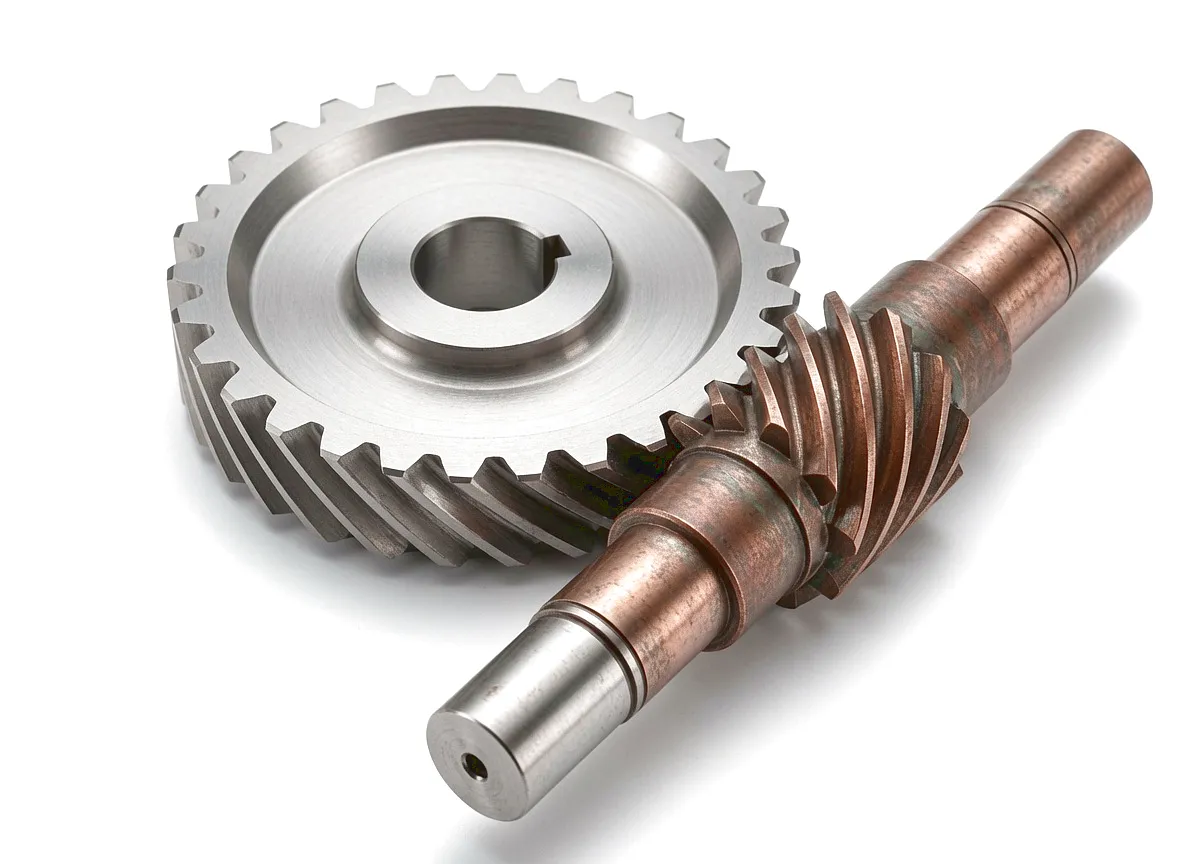
The following table consolidates the key technical parameters for worm gear shaft assemblies as manufactured and supplied by Ever Power for bridge crane hoisting and secondary safety lock applications. These figures represent standard production ranges; custom specifications beyond these parameters are available on request and represent a significant portion of our order book for UK and European crane OEMs and end-user facilities.
| Parameter | Standard Range | Unit | Notes |
|---|---|---|---|
| Output Torque | 50 – 50,000 | N·m | Custom torque up to 120,000 N·m available for heavy lifting duty cranes |
| Gear Ratio | 5:1 – 100:1 | — | Single stage; fine ratio increments available in 1-tooth steps |
| Lead Angle (Self-Lock) | 3 – 8 | degrees | 5 degrees or less recommended for crane hoisting secondary brake applications |
| Shaft Material | 20CrMnTi / 42CrMo4 | — | Case-carburised or induction-hardened per application specification |
| Surface Hardness (Shaft) | 58 – 62 | HRC | Ground and superfinished to Ra 0.4 µm; verified by profile measurement |
| Wheel Material | CuSn10P / CuAl10Fe | — | Phosphor bronze or aluminium bronze; selected by load and duty cycle |
| Thread Form | ZA / ZI / ZN / ZK | — | ZA (Archimedes) standard; ZI (involute) for high-efficiency variants |
| Centre Distance | 40 – 500 | mm | Larger centre distances available for bespoke heavy-duty OEM projects |
| Crossing Angle | 90 | degrees | Standard; non-perpendicular configurations available for special installations |
| Mechanical Efficiency | 55 – 85 | % | Lower efficiency at high ratios; inverse relationship with self-locking margin |
| Input Speed (max) | up to 3000 | rpm | Continuous rated; intermittent peaks permissible per duty cycle classification |
| Operating Temperature | -20 to +80 | °C | Extended low-temperature variants for outdoor UK winter crane operations |
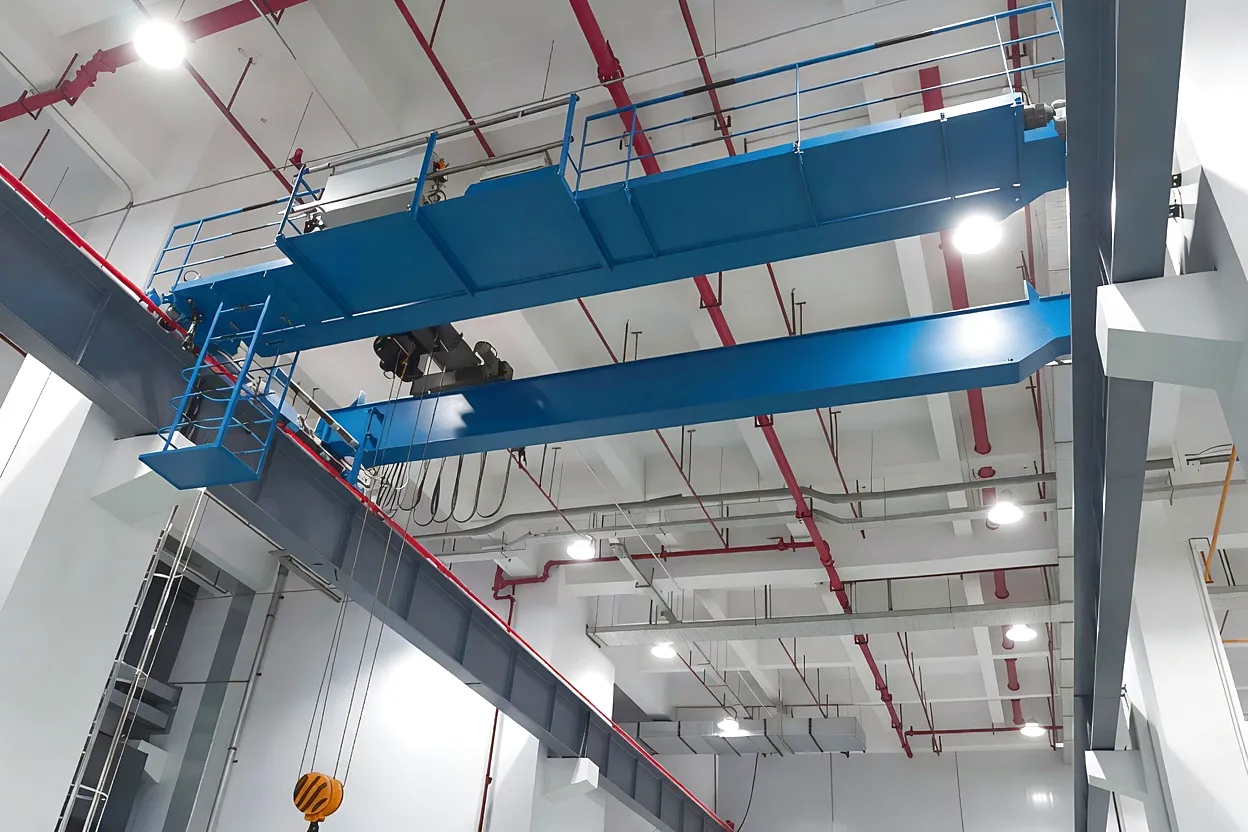
Industrial Application Scenarios Across UK Manufacturing Sectors
🏭
Steel and Metals Production
Sheffield’s steel production heritage is inseparable from the overhead crane, and the worm gear shaft has long served as the quiet guardian of ladle cranes that transport molten steel between furnace and casting bay. The extreme heat radiated from ladles at 1600°C demands that crane hoisting components operate reliably even as ambient temperatures in the building reach 50°C or higher. High-temperature gear oils, sealed bearing housings with enhanced seals, and wheel materials selected for dimensional stability at elevated temperatures are all part of the worm gear shaft specification developed specifically for metals production cranes.
🚗
Automotive Manufacturing
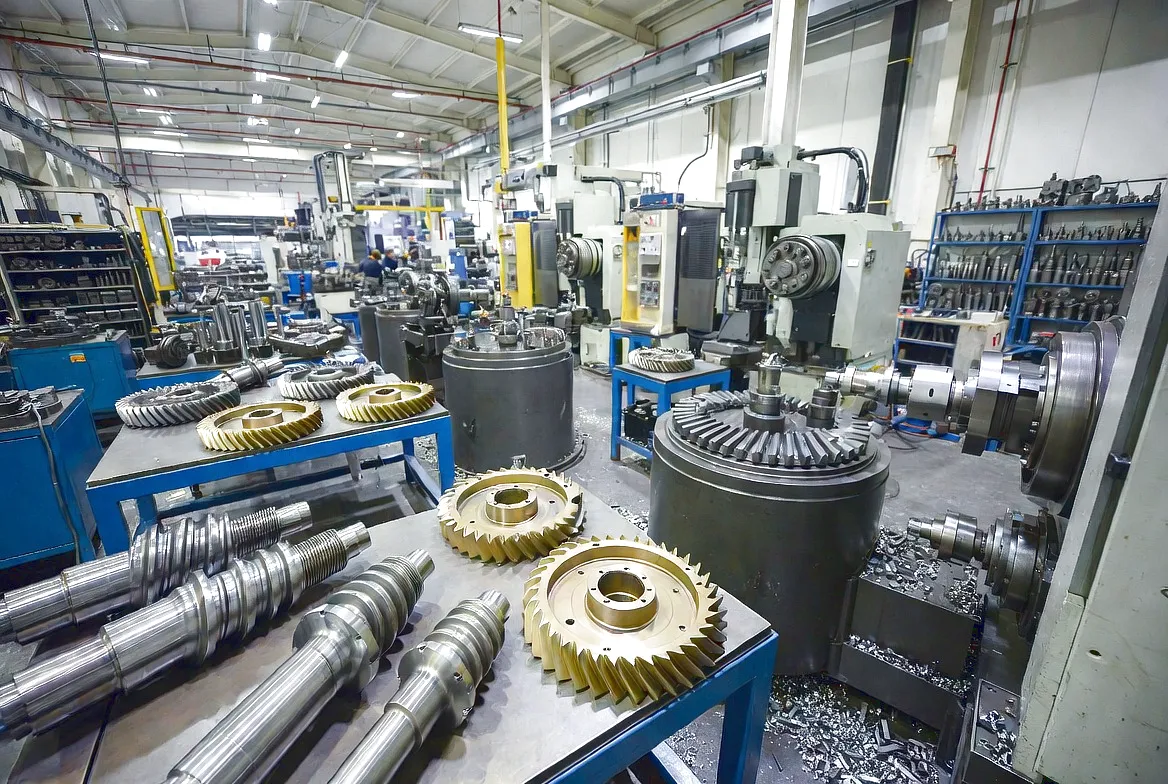
The automotive assembly plants concentrated in the West Midlands, particularly around Coventry and Birmingham, use bridge cranes extensively for engine block transfer, body-in-white handling, and press tool changes. The worm gear shaft in these applications must combine the self-locking safety function with a very high number of lift cycles — often exceeding 200,000 per year on a busy transfer line. Durability under high-cycle conditions demands precise hobbing tolerances, superior surface finish on the thread form, and carefully controlled lubrication replenishment intervals — all areas where Ever Power’s manufacturing process has been refined through extended cooperation with automotive OEM crane suppliers.
⚓
Port and Marine Operations
Major UK ports including Southampton, Felixstowe, and the Port of Tyne operate container cranes and ship-to-shore gantries where the worm gear shaft secondary lock provides an additional layer of protection during container handling over vessels and quayside. The marine environment’s combination of salt spray, humidity, and the corrosive atmosphere that permeates port infrastructure places extraordinary demands on surface treatment and sealing arrangements. Worm gear shaft assemblies for port equipment are typically specified with stainless steel shaft extensions, IP67-sealed housings, and corrosion-resistant paint systems to achieve the 20-year or greater service life expected in maritime infrastructure.
✈️
Aerospace and Defence Manufacturing
Facilities producing aircraft fuselages, wing assemblies, and defence vehicle components in the aerospace corridors around Bristol and Farnborough require the most precise crane positioning achievable. The worm gear shaft, with its large speed reduction ratio producing very slow drum rotation per motor revolution, enables the millimetre-level positioning accuracy demanded when aligning large aerostructures for jig assembly. Traceability documentation accompanying the worm gear shaft — material certificates, dimensional reports, hardness test data, and load test records — must often meet AS9100 quality management system requirements, standards that Ever Power routinely fulfils for aerospace supply chain customers.
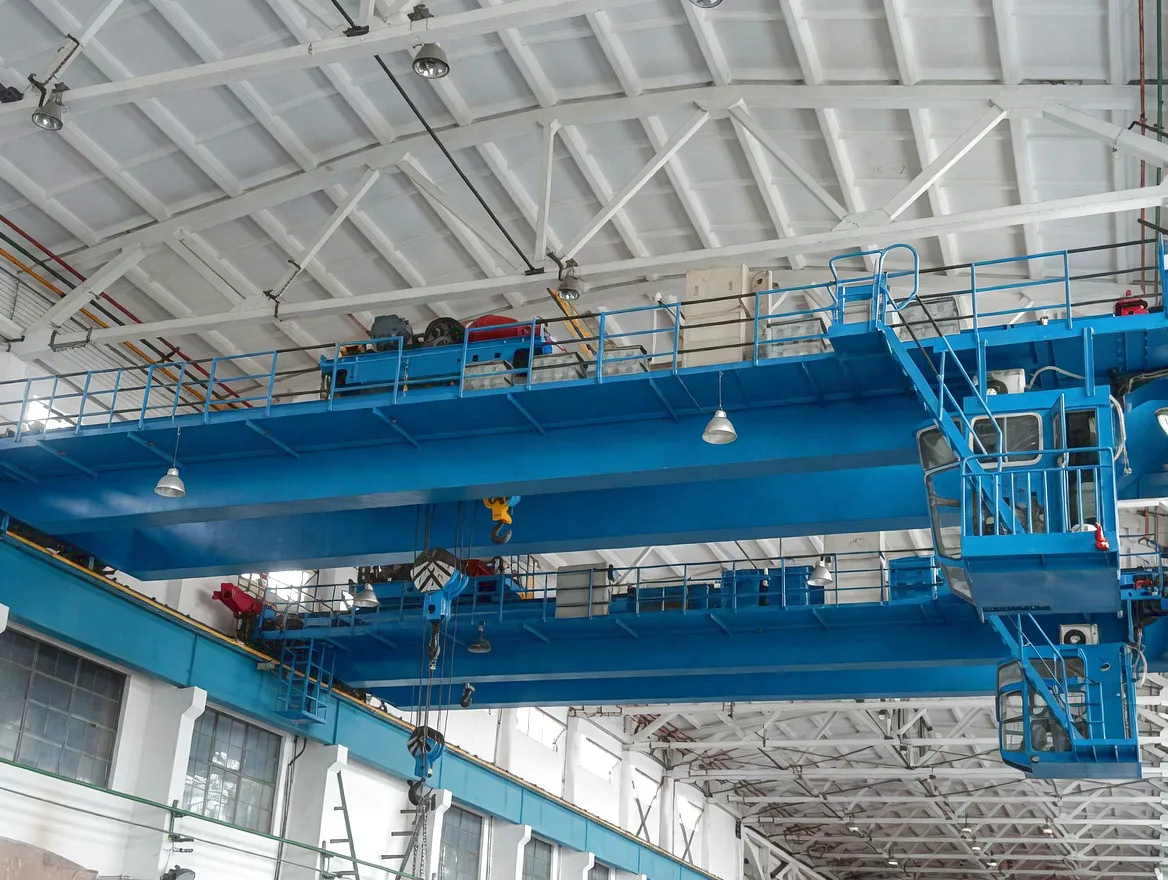
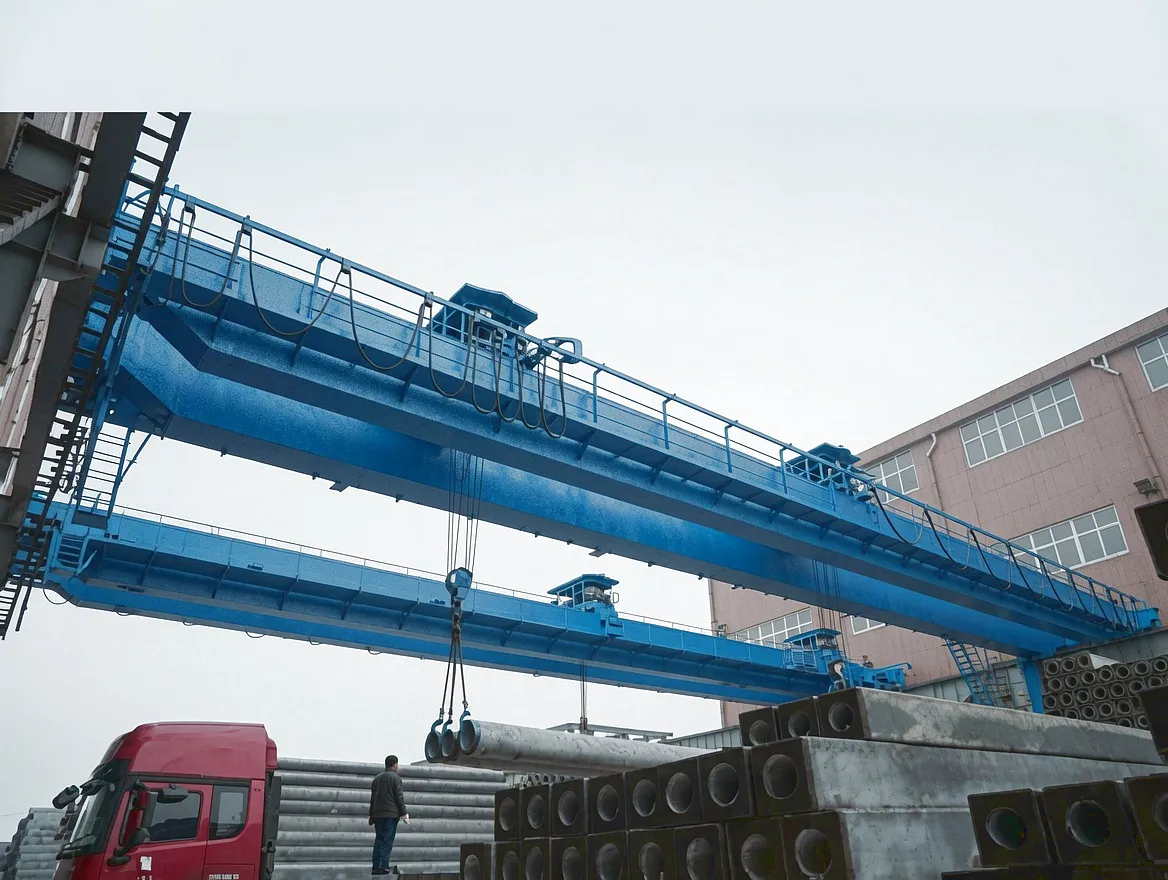
Beyond crane systems, the worm gear shaft finds additional application in actuator mechanisms for industrial gates, dam sluice controls, and large-format printing machinery — any situation where the combination of high reduction ratio and inherent position-holding capability eliminates the need for a separate active braking system. The construction sector, particularly firms operating tower cranes on major infrastructure projects across London and the South East, represents a growing market for worm gear shaft secondary safety assemblies as contractors respond to increasingly stringent risk assessments under CDM Regulations. The versatility of this component, and its ability to serve equally well as a drive element and a passive safety device, ensures that demand from the full spectrum of UK industry will remain robust as manufacturing facilities invest in safety compliance and productivity improvement simultaneously.
Customer Success Story: Sheffield Forgemaster Upgrade Project
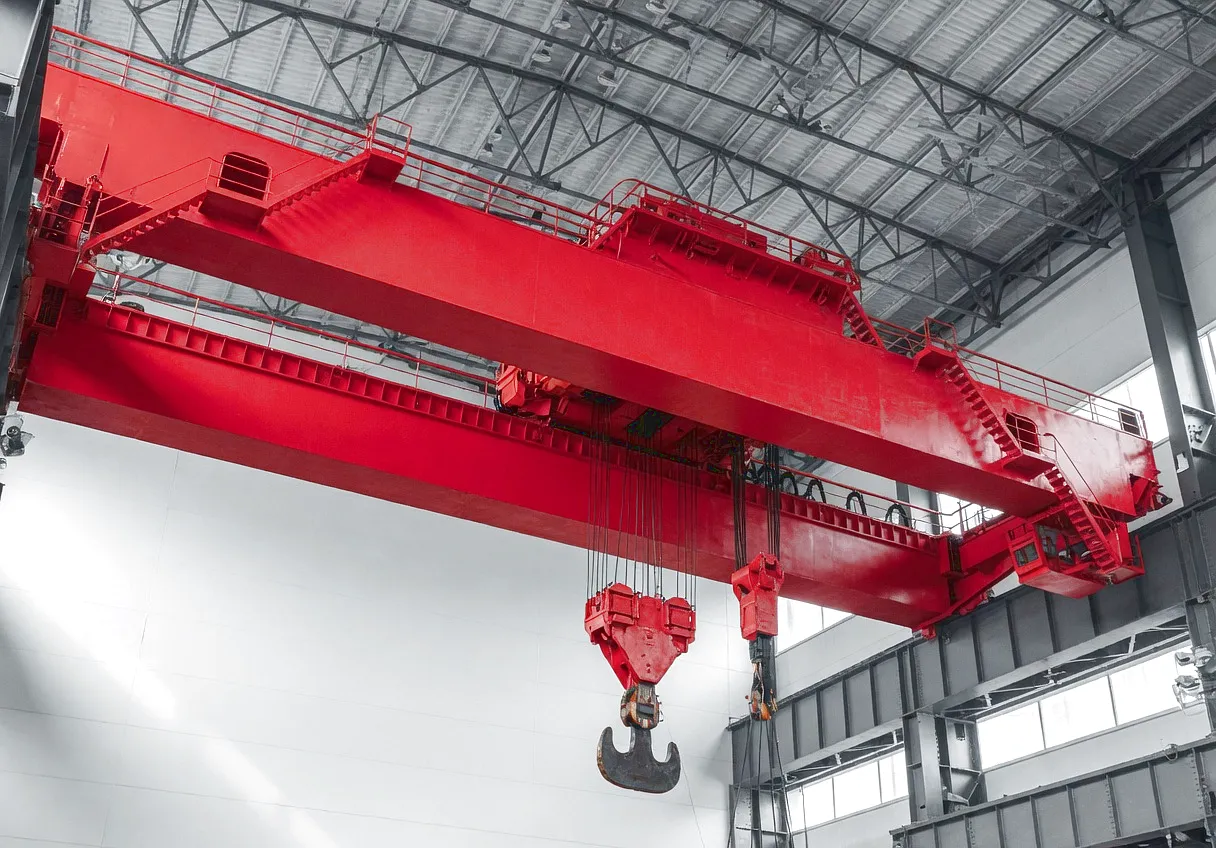
A mid-sized steel forging company in Sheffield’s Lower Don Valley — specialising in large open-die forgings for the oil and gas pipeline and power generation sectors — approached Ever Power following a near-miss incident during routine crane operation. The facility’s 80-tonne bridge crane, installed in the mid-1990s, had never incorporated a secondary safety lock in its hoisting mechanism. When an electromagnetic brake actuator malfunctioned under thermal stress during a summer heat event, the load — a 60-tonne forging ingot — began to descend uncontrolled. Fortunately, the crane operator reacted quickly and regained control using the hoist motor in regenerative braking mode, but the incident triggered an immediate safety review by the facility’s engineering team and their insurance assessors.
Ever Power’s application engineering team was engaged to design a retrofit worm gear shaft secondary safety assembly compatible with the existing reducer output shaft configuration. The challenge was significant: the available installation space between the reducer output flange and the rope drum was only 280 mm, and the secondary lock assembly had to handle the full 80-tonne rated load torque of 48,500 N·m without any redesign of the crane structure. Our engineers designed a custom worm gear shaft assembly with a 60:1 ratio, a 4.8-degree lead angle (well within the self-locking margin with a coefficient of friction of 0.12 for the chosen material pairing), and a centre distance of 160 mm — fitting within the available space with 18 mm to spare for housing fastener access. The worm shaft itself was manufactured from 42CrMo4 induction-hardened to 56 HRC at the thread surface, meshing with a centrifugally-cast phosphor bronze CuSn10P worm wheel rim bonded to a fabricated steel hub.
The complete assembly, including a self-contained oil bath lubrication system and integrated temperature monitoring capability for connection to the crane’s existing PLC, was manufactured, tested under full rated load on Ever Power’s test rig, documented, and delivered to the Sheffield site within nine weeks of the initial specification sign-off. Installation was completed by the facility’s own maintenance engineering team in a single planned shutdown over one weekend, using the detailed installation drawing package and assembly manual provided by Ever Power. The crane returned to service on Monday morning having gained a secondary safety system that will remain passive and maintenance-free between annual oil changes for the foreseeable life of the crane structure. The facility’s insurance premium for crane operation liability was subsequently renegotiated downward by approximately 18% following submission of the safety upgrade documentation — a commercial benefit that the site engineering manager noted had not been anticipated when the project was initially approved on pure safety grounds.
What Our Customers Say
“Ever Power’s engineering team understood our application immediately and designed a retrofit worm gear shaft assembly that addressed every constraint we had — space, torque capacity, and the self-locking margin our risk assessment required. The component performed flawlessly under the load test witnessed by our insurers. The documentation package they provided was exactly what we needed for LOLER compliance. I’ve recommended them to two other crane operators in the Sheffield area already.”
James Hartley
Chief Mechanical Engineer, Sheffield Precision Forgings Ltd
“We run a large automotive stamping plant near Coventry and put in an order for eight worm gear shaft secondary safety assemblies across our overhead crane fleet as part of a planned maintenance upgrade. The quality consistency across all eight units was impressive — every one passed the hardness test and profile check our QC department ran on delivery. The gear ratio we specified was achieved within 0.3% of nominal on every unit, which matters for our load-speed calculations. Delivery was inside the agreed nine-week lead time despite the units being fully custom. Very satisfied.”
Patricia Ngozi
Plant Maintenance Director, Midlands Stamping Technologies
“As a crane OEM building ship-to-shore container cranes for the Port of Tyne expansion, we needed a worm gear shaft supplier who could provide full material traceability and load test certification. Ever Power met all our documentation requirements without hesitation and turned around the technical file within 48 hours when we needed it for our CE marking submission. The worm gear shaft components themselves showed no measurable wear after 6 months of operational monitoring in a salt-spray environment — that’s exactly the durability we required for a 25-year design life structure. We’re specifying Ever Power on our next port crane project.”
Andrew MacPherson
Senior Design Engineer, Northern Port Crane Systems Ltd, Gateshead
Frequently Asked Questions
Partner with Ever Power for Your Next Worm Gear Shaft Project
From standard stock components to fully engineered custom assemblies for bridge crane secondary safety systems — Ever Power delivers precision, documentation, and reliable supply to UK and global industrial clients.
edit by gzl