Mechanical Power Transmission · Technical Knowledge Series

Worm Gear Shaft: The Complete Technical Guide for B2B Engineers & Procurement Teams

From working principles and material science to UK industrial applications and precision customisation — everything you need to specify, source, and deploy worm gear shaft solutions with confidence.

ISO 6336 Compliant
UK Market Focused
Custom Manufacturing Available

Worm Gear Shaft Product

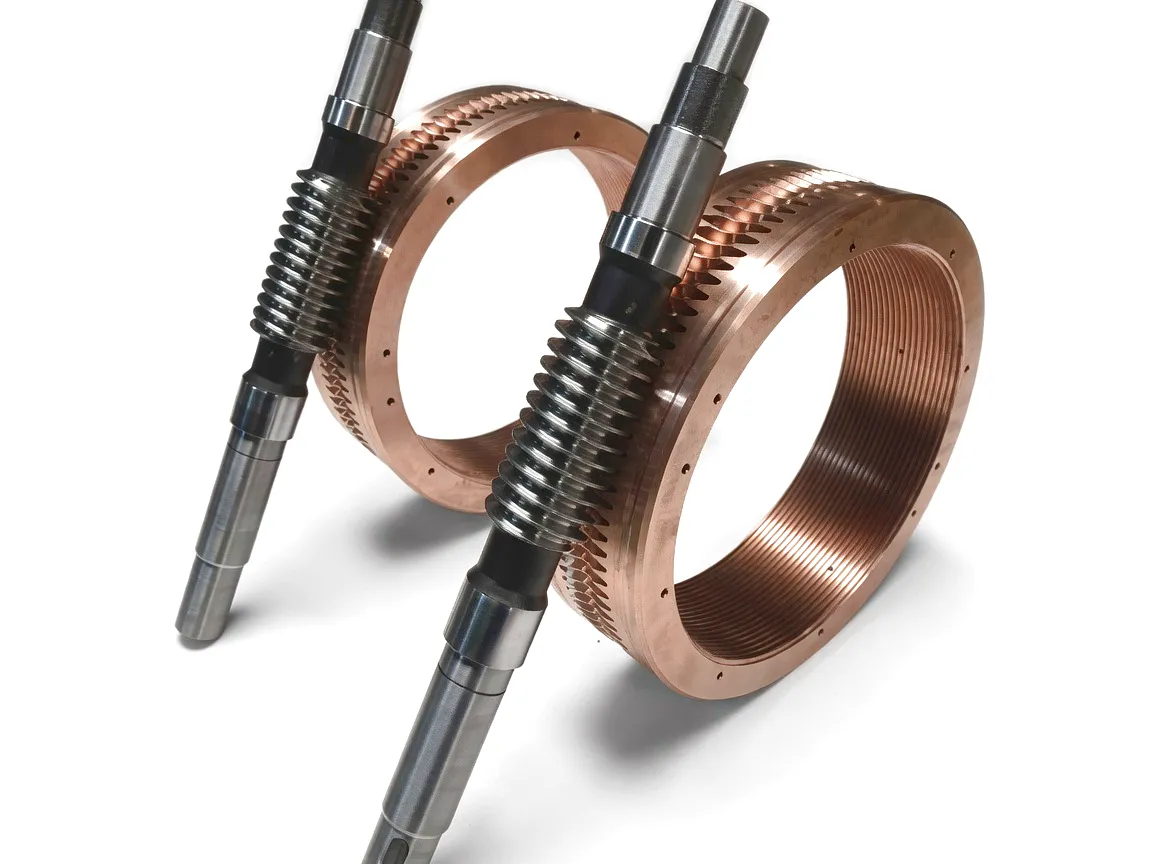
The worm gear shaft sits at the intersection of mechanical elegance and engineering necessity. In virtually every sector of British heavy industry — from the steel fabricators of Sheffield to the aerospace suppliers clustered around Birmingham’s manufacturing corridor — this deceptively compact component performs some of the most demanding torque-transmission duties imaginable. A worm gear shaft is not simply a threaded rod; it is a precision-engineered helical element designed to mesh with a mating worm wheel, converting high-speed rotational motion into controlled, high-torque output at dramatically reduced speeds. What makes this component genuinely remarkable is the geometry of the contact: the worm thread advances like a screw along the shaft axis, creating a sliding rather than rolling mesh with the wheel, which simultaneously generates substantial mechanical advantage and introduces a key safety characteristic — self-locking behaviour under certain lead angle conditions. For any engineer tasked with specifying power transmission components for conveyors, hoists, packaging machinery, or industrial gates, understanding the worm gear shaft in granular technical detail is not optional. It is the foundation of sound mechanical design. This guide brings together the working principles, material specifications, performance parameters, UK application data, and supplier intelligence you need to make confident engineering and procurement decisions.

✉ Get a Free Quote from Ever Power

Response within 4 business hours · Custom specs welcome · UK stock available

How a Worm Gear Shaft Actually Works
Worm Gear Shaft Mechanism

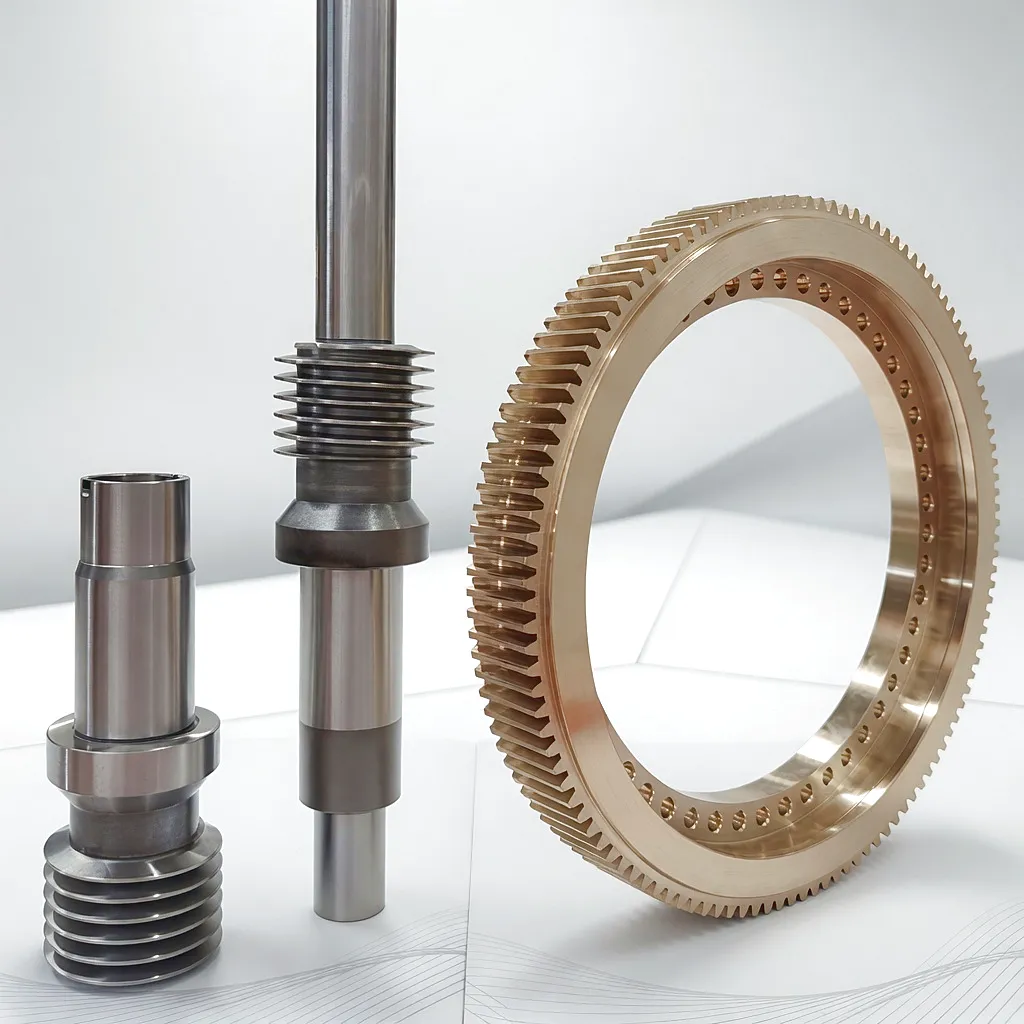
The operating principle of a worm gear shaft system is rooted in the geometry of crossed-axis helical gearing. The worm — the shaft itself — carries one or more helical threads that run continuously around its cylindrical body, much like the thread of a screw. When the worm rotates, its thread engages with the teeth of the worm wheel (also called the worm gear), which is oriented at 90 degrees to the worm’s rotational axis. Each full rotation of the worm advances the wheel by exactly one tooth pitch, meaning that a worm with a single start thread and a wheel with 40 teeth will produce a gear ratio of 40:1 from a single reduction stage. This remarkable ratio density is one reason worm gear shaft assemblies are so widely preferred in applications where large speed reductions are needed in a compact package. The contact mechanics, however, differ fundamentally from spur or helical gears: the worm thread slides across the wheel tooth surface rather than rolling, creating a tribological regime that demands careful attention to lubrication, material pairing, and surface finish. It is precisely this sliding contact that generates heat under continuous heavy load, which is why bronze worm wheels paired with hardened steel worm shafts have been an industry standard for decades. The lead angle of the thread — the angle between the helix and a plane perpendicular to the axis — governs both mechanical efficiency and the critical self-locking property. When the lead angle falls below approximately 6 degrees, back-driving becomes impossible without external assistance, giving the assembly its inherent safety characteristic that proves invaluable in hoisting and lifting equipment across UK construction and materials-handling sites.

The velocity ratio of a worm gear shaft system is expressed as VR = T/n, where T is the number of teeth on the worm wheel and n is the number of starts on the worm thread. This simple relationship masks considerable engineering complexity: as the ratio increases, mechanical efficiency tends to decrease because the proportion of sliding to rolling contact rises. Engineers must therefore balance the desired reduction ratio against the thermal and efficiency constraints of the application, sometimes opting for multi-start worm threads to improve efficiency in continuous-duty cycles while accepting a modestly lower ratio. In emergency braking applications — such as the secondary safety lock role that worm gear shaft assemblies perform on bridge crane hoist mechanisms — low efficiency is actually desirable, because it means the gear cannot back-drive when the primary brake fails, preventing the uncontrolled descent of suspended loads and protecting personnel on the shop floor below.

Material Selection: The Science Behind Long Service Life

Worm Shaft Material

Case-Hardened Alloy Steel

Grades such as 20CrMnTi, 42CrMo4, and EN36C are carburised and case-hardened to surface hardness values of 58–62 HRC, creating an exceptionally hard contact surface that resists pitting and abrasive wear while retaining a tough, ductile core to absorb shock loading. The combination of a high surface modulus and core toughness is essential in applications like crane hoists, where impact loads from sudden braking events must not propagate cracks through the shaft body. After machining, shafts are typically ground to IT6 or better tolerances, with surface roughness values of Ra 0.4–0.8 µm on the thread flanks to ensure consistent lubricant film formation.

Worm Wheel Material

Phosphor Bronze / Centrifugal Cast Bronze

Centrifugally cast phosphor bronze (PB1, CuSn12) is the near-universal choice for worm wheel rims mating with steel worm shafts. The tin-copper-phosphorus alloy offers excellent conformability — the soft bronze self-polishes during run-in, accommodating minor geometric imperfections and creating a macro-contact pattern that distributes load across multiple teeth. Its low coefficient of friction against hardened steel (approximately 0.02–0.06 in oil) drastically reduces the heat generated at the sliding interface. For aggressive environments such as chemical plants in Teesside or offshore installations operating out of Aberdeen, aluminium bronze or nickel-aluminium bronze grades offer substantially improved corrosion resistance without sacrificing the tribological compatibility with steel worm shafts.

Stainless & Specialty Grades

316 Stainless / Duplex / PEEK-Tipped

Where hygiene regulations demand washdown resistance — food processing plants in Yorkshire, pharmaceutical manufacturers in Cambridge, or beverage facilities across Scotland — worm gear shaft components are produced from 304 or 316L stainless steel, with NSF-compliant food-grade lubricants completing the hygienic design. For food contact zones requiring absolute metal-free operation, PEEK-composite worm wheels running against stainless shafts represent the cutting edge, offering corrosion immunity, thermal stability up to 250°C, and compliance with EU food-contact material regulations still referenced by post-Brexit UK standards bodies.

Product Technical & Performance Parameters

Standard specification range for Ever Power worm gear shaft products. Custom parameters available on request.

Parameter Standard Range Custom / Extended Notes
Gear Ratio (i) 5:1 – 100:1 Up to 300:1 Multi-stage or custom starts
Output Torque 5 N·m – 50,000 N·m Up to 120,000 N·m Dependent on centre distance
Input Speed 50 – 3,000 rpm Up to 6,000 rpm Cooling required above 1,500
Shaft Diameter 10 mm – 200 mm Up to 500 mm Hollow or solid output
Lead Angle 3° – 30° Custom per application <6° = self-locking
Shaft Material 20CrMnTi / 42CrMo4 316 SS / EN36C / custom Stainless for food/pharma
Surface Hardness 58 – 62 HRC Up to 64 HRC (nitrided) Thread flanks ground post-harden
Mechanical Efficiency 45% – 92% Optimised per duty cycle Higher with multi-start design
Operating Temp. -20°C to +120°C -40°C to +180°C Special seals and lubricants
Thread Profile ZI / ZA / ZN / ZK Archimedes / Custom Per ISO 6336 / DIN 3996
Centre Distance 25 mm – 630 mm Up to 1,200 mm Defines torque capacity

Core Technical Advantages of the Worm Gear Shaft

High Ratio, Compact Envelope

Gear ratios from 5:1 to 100:1 in a single-stage reduction that occupies a fraction of the footprint required by spur or planetary gear trains of equivalent ratio. This is particularly valued on automated production lines in the West Midlands manufacturing belt, where floor space commands a significant premium per square metre.

Self-Locking Safety Function

When the lead angle is engineered below 6 degrees, the worm gear shaft assembly becomes self-locking: torque applied from the output (wheel) side cannot back-drive the input (worm) shaft. This intrinsic mechanical safety feature is the reason worm gear shafts are the preferred secondary safety lock in bridge crane hoist systems — when a primary brake fails, the self-locking action prevents catastrophic load descent, buying critical time for emergency response.

Silent, Vibration-Free Operation

The sliding mesh geometry that limits efficiency also provides something that rolling-contact gears rarely achieve without noise-damping accessories: inherently quiet, smooth transmission without the harmonic excitation that causes noise and vibrational fatigue. For applications in hospitals, laboratories, and precision-measurement facilities across the UK, this acoustic profile is not a luxury — it is a specification requirement.

Right-Angle Power Transmission

The 90-degree axis arrangement between the worm shaft and the worm wheel allows engineers to redirect power flow around corners, between floors, and across awkward mechanical layouts without additional bevel gears or universal joints. This geometric flexibility simplifies machine designs considerably, reducing both part count and potential failure points in complex conveyor and drive systems.

Shock Load Tolerance

The multi-tooth contact characteristic of worm gear mesh — where several teeth share load simultaneously rather than a single tooth pair — gives the worm gear shaft assembly significantly better shock absorption than single-tooth-contact spur gears. In the steel mills of Rotherham and the port-side heavy equipment operations of Southampton and Tilbury, where sudden torque spikes from raw-material handling are routine, this distributed contact resilience translates directly into longer service intervals and lower maintenance costs.

Broad Customisation Potential

Unlike standardised spur gearboxes with fixed bolt patterns and ratios, the worm gear shaft lends itself to deep customisation. Thread start count, lead angle, centre distance, shaft end configurations (keyed, splined, hollow-bore, flanged), housing material, sealing arrangement, and lubrication type can all be varied to create a component that fits an existing machine with zero compromises — a capability that Ever Power’s precision manufacturing facility is specifically equipped to deliver at commercially competitive lead times.

Industrial Application Scenarios Across the UK
Bridge Crane Hoist Application

Overhead Crane & Hoist Systems

Bridge Crane Safety Locking — Sheffield & Rotherham Steel Works

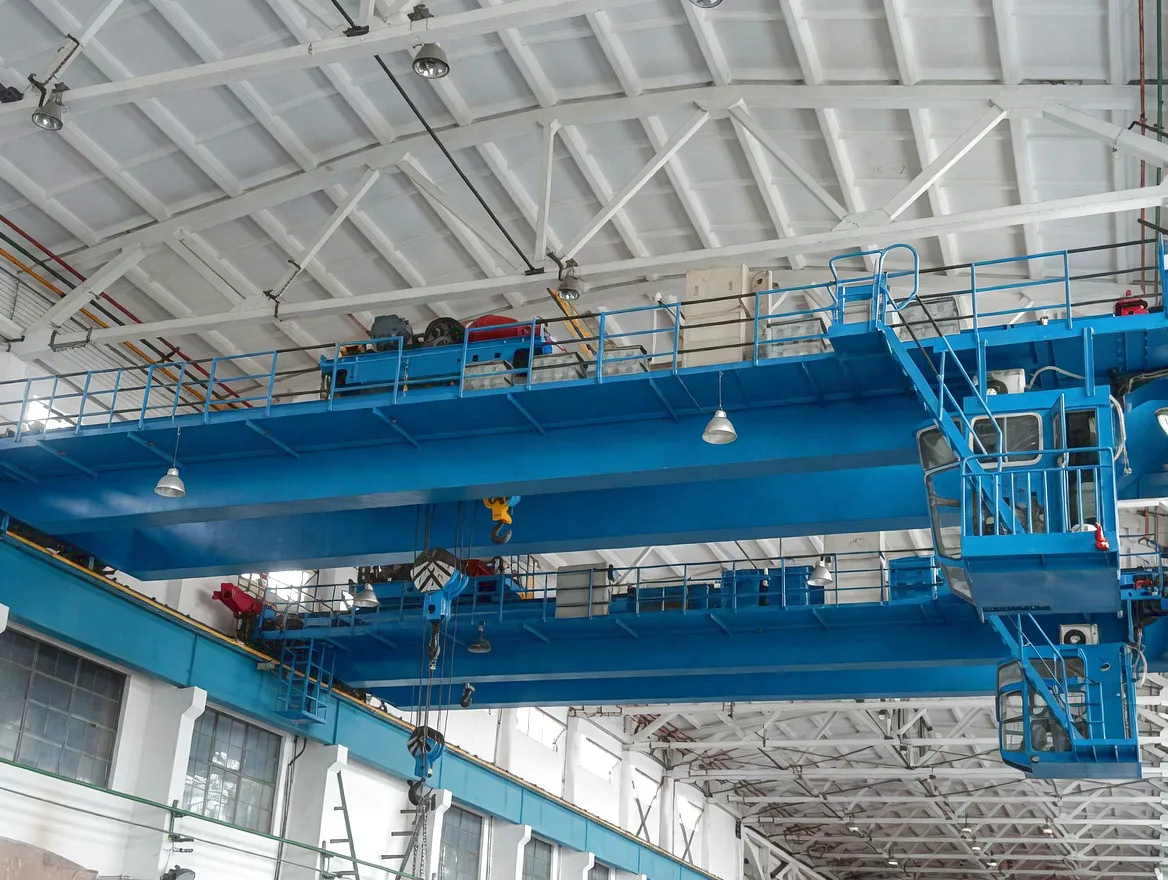
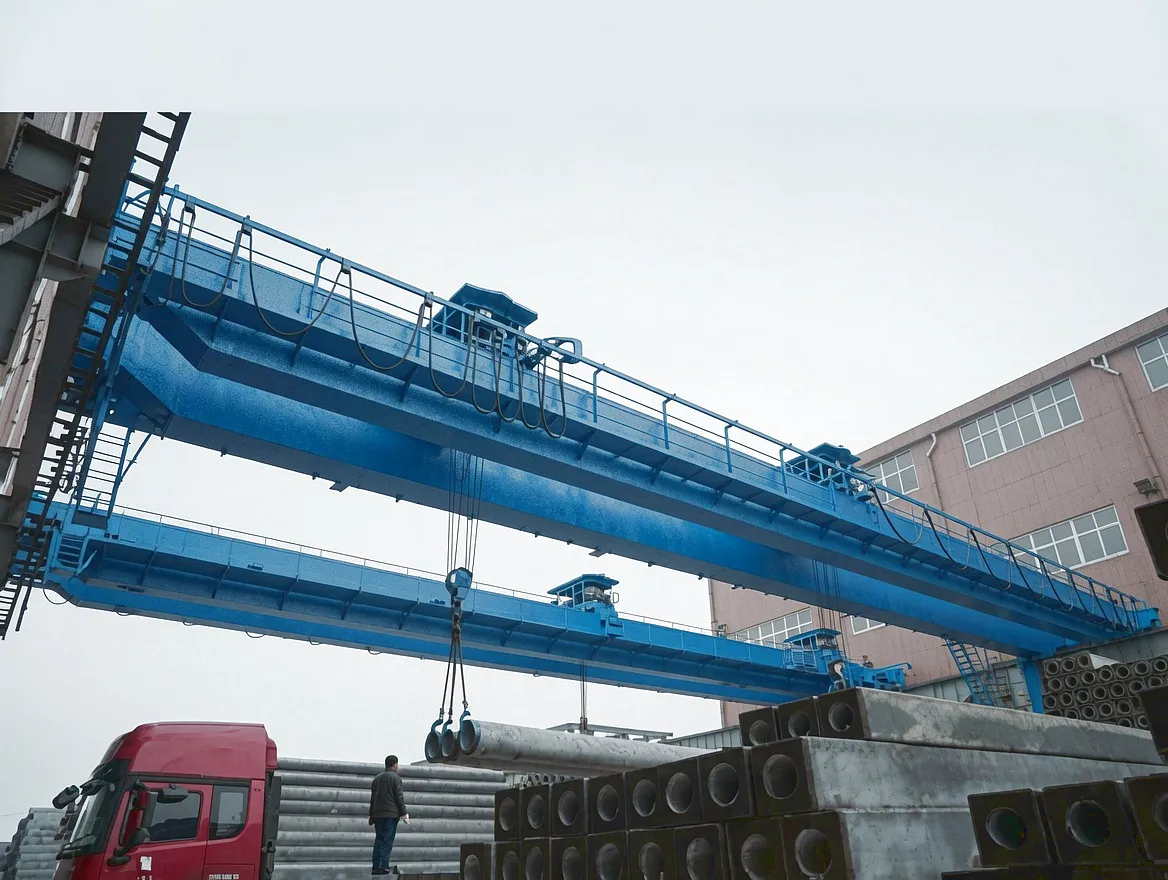
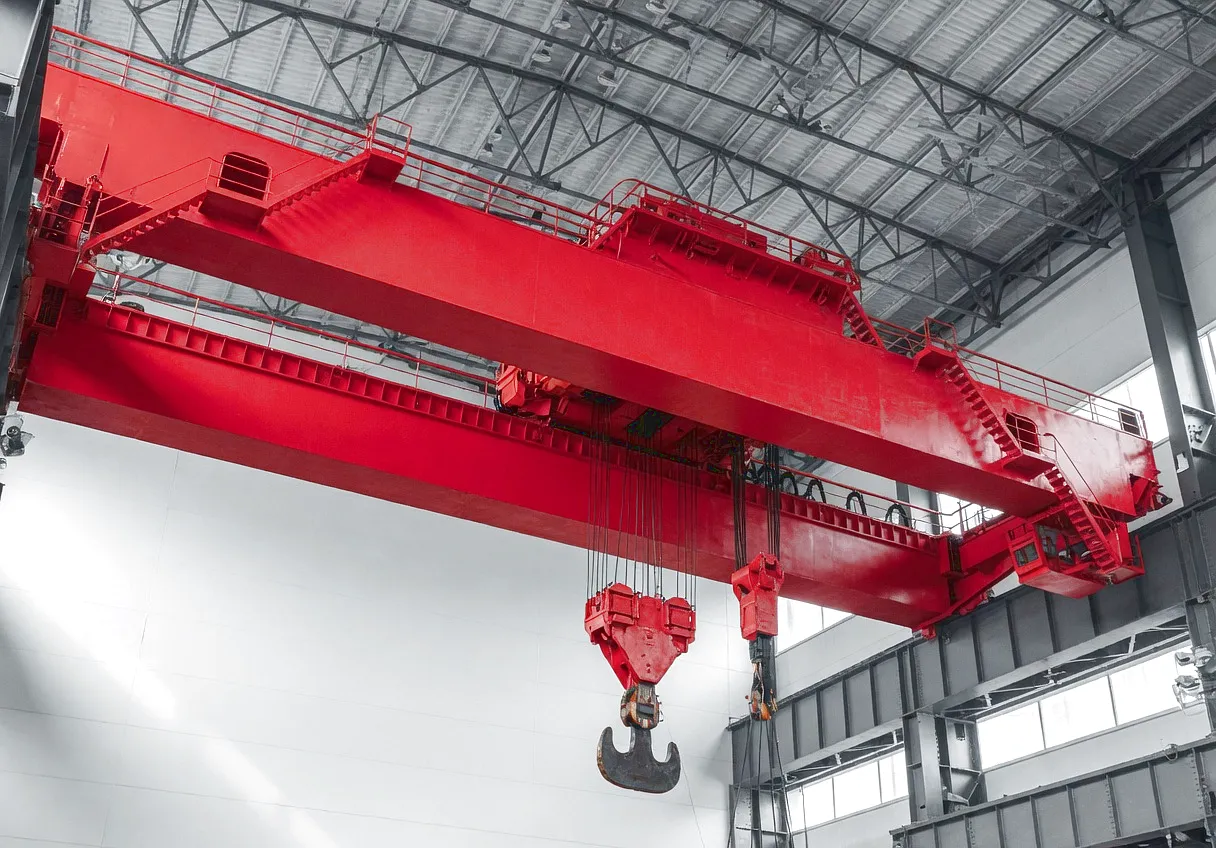
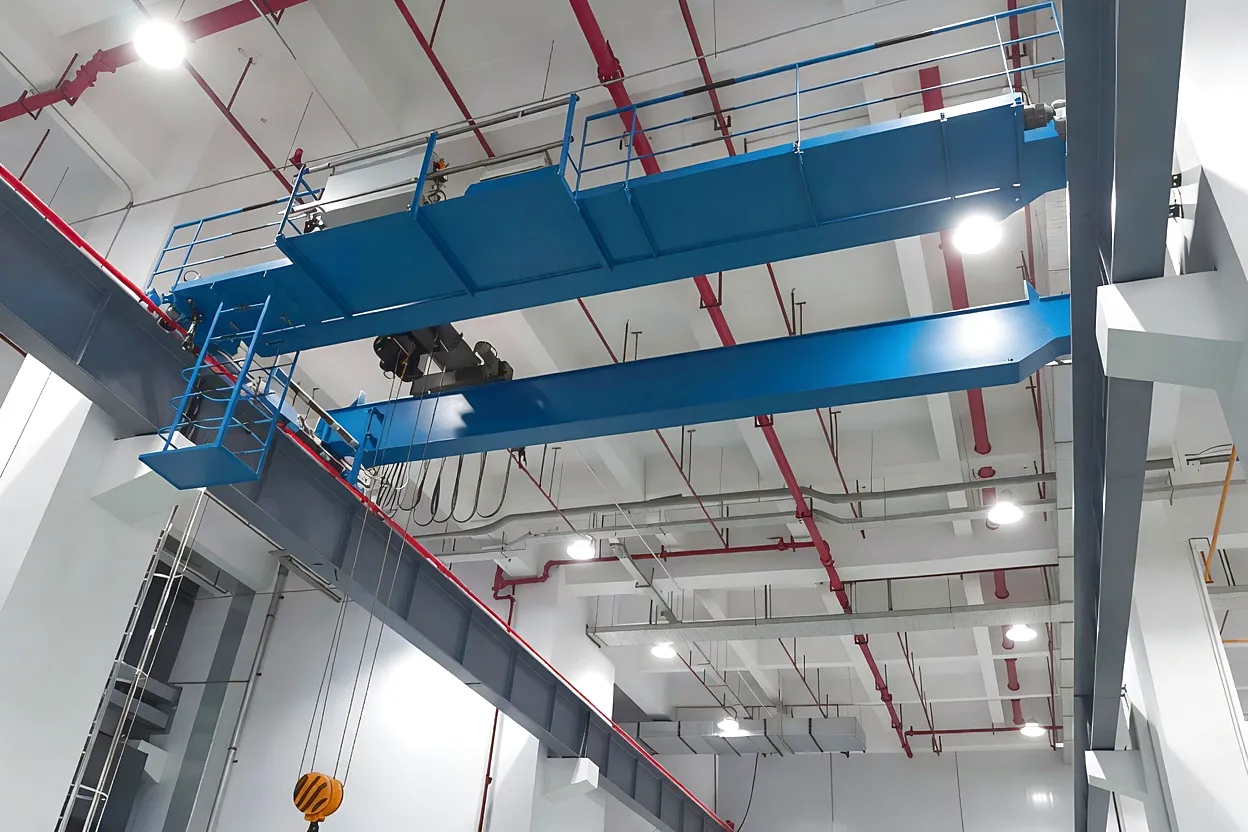
In the bridge crane hoist mechanism, the primary drive typically uses a wound-rotor or variable-frequency electric motor driving the rope drum through a cylindrical gear reduction stage. The worm gear shaft assembly is installed as a secondary safety lock at the output stage of the reducer. Under normal operating conditions, the worm transmits motion efficiently, but when the primary electromagnetic brake fails or loses power, the low lead angle of the worm gear shaft mesh immediately prevents reverse rotation of the output shaft, holding the suspended load stationary. This is not a passive friction brake — it is an active mechanical interlock, and it is precisely this distinction that makes the worm gear shaft the preferred safety-critical component in the steel plants of Sheffield and Rotherham, where suspended loads can exceed 50 tonnes and failure consequences are catastrophic.

Conveyor Drive Application

Conveyor & Materials Handling

Distribution Centre Belt Drives — Birmingham & Coventry Logistics

The automotive supply chain warehouses surrounding Birmingham and Coventry operate some of the UK’s most demanding conveyor networks, running 24 hours a day with minimal maintenance windows. Worm gear shaft reducers drive the conveyor head pulleys, combining the high gear ratio needed for smooth slow-speed belt movement with the self-locking characteristic that prevents laden belts from running backwards on inclined sections during power interruptions. The compact housing dimensions allow multiple drive units to be integrated into narrow conveyor frames without interfering with the product tracking zones, and the right-angle output configuration makes it straightforward to mount the drive motor above or below the conveyor structure as space demands.

Food Processing Application

Food & Beverage Processing

Hygienic Drive Solutions — Yorkshire & Scottish Production Plants

Food manufacturers in Yorkshire and across Scotland’s whisky and dairy sectors require power transmission components that withstand daily high-pressure washdown cycles without corroding, harbouring bacteria, or contaminating products. Stainless steel worm gear shaft assemblies with food-grade lubricant filling and IP66 or IP69K-rated sealed housings are the technical answer to these hygiene demands. The worm gear shaft’s inherently smooth, enclosed design — with no exposed gear teeth or lubricant splash zones — aligns naturally with UK food safety standards and the BRC Global Standard for Food Safety, which many major UK retailers mandate from their processing suppliers.

Industrial Gate Application

Industrial Gate & Valve Actuation

Water Infrastructure & Flood Defence — East Anglia & Thames Estuary

The flood defence infrastructure protecting East Anglia’s low-lying agricultural land and the Thames Barrier’s ancillary gate systems rely heavily on worm gear shaft actuators to open and close massive flood gates and sluice valves. The combination of self-locking behaviour — which holds gate positions without continuous power — and the ability to produce the enormous output torques needed to move flood structures against significant head pressure makes the worm gear shaft an engineering default for water infrastructure. Environment Agency contractors specify worm gear shaft actuators with duplex stainless steel shafts, double-lip seals, and ATEX-rated housings where methane risk exists in foul water applications.

Manufacturing Excellence

Ever Power: Precision Worm Gear Shaft Manufacturing & Custom Engineering
Ever Power Worm Gear Shaft Workshop

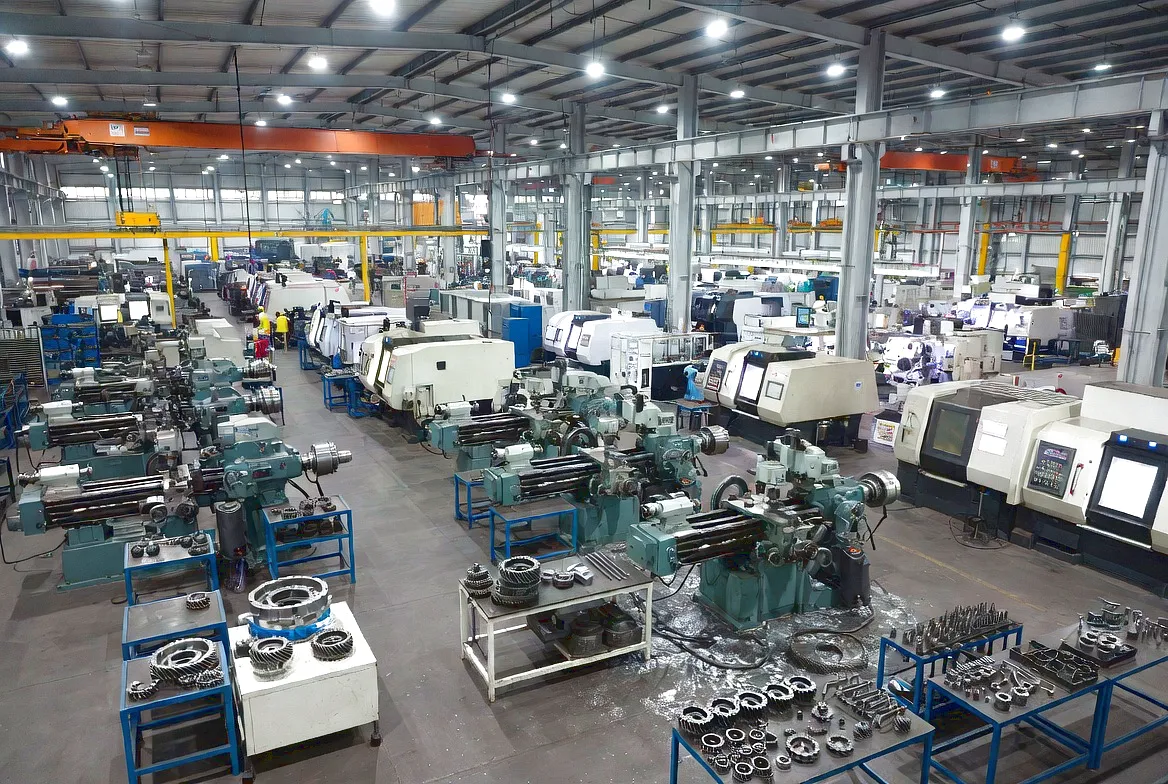
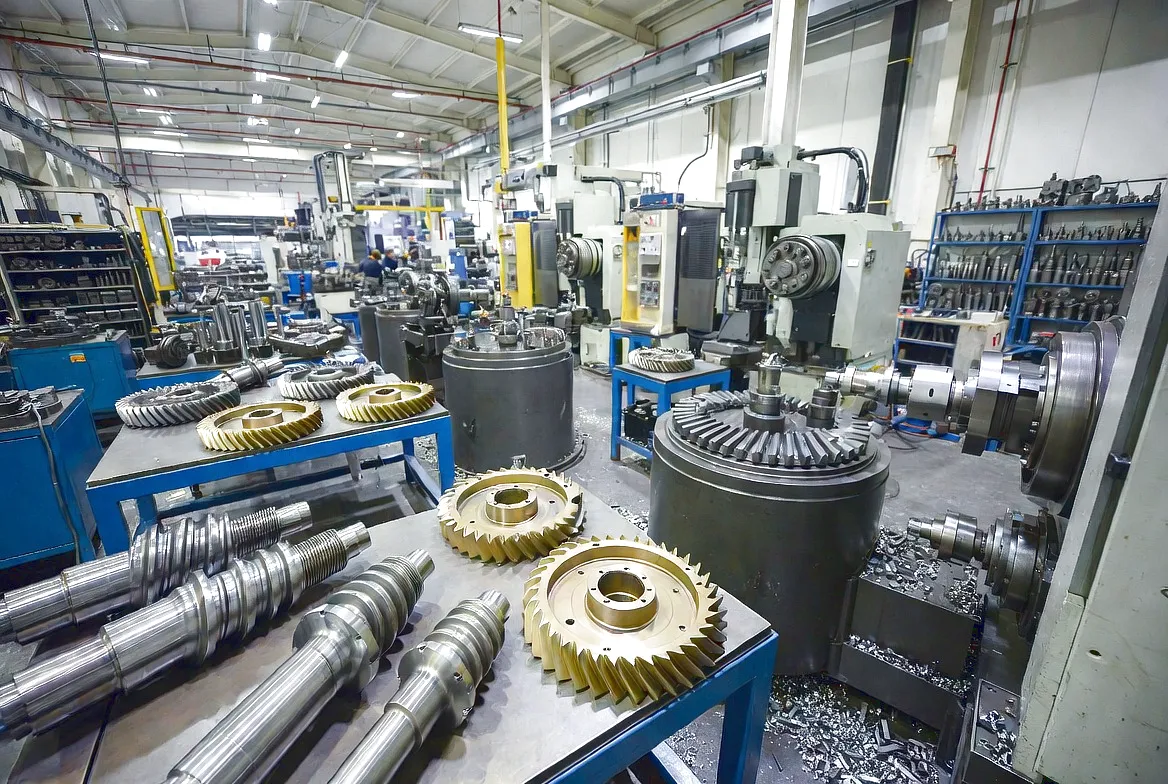
Ever Power has built its reputation across two decades of supplying precision worm gear shaft components to demanding industrial customers across Europe, with an increasingly strong foothold in the UK’s engineering supply chain. The company’s manufacturing campus operates a comprehensive suite of CNC gear-grinding centres, multi-axis turning and milling cells, heat treatment furnaces with atmosphere control, and coordinate measuring machines capable of validating tooth geometry to sub-micron tolerances. Every worm gear shaft that leaves the facility has passed through a full inspection protocol covering material certification, dimensional verification, surface roughness measurement, and hardness testing with traceable calibration documentation — the kind of quality trail that UK purchasing teams and their end-customer auditors require without exception. The production team includes degreed mechanical engineers who work directly with customers from initial specification through design validation and first-article approval, compressing the typical custom development timeline from months to weeks.

Ever Power CNC Worm Shaft Production

Ever Power’s customisation service extends far beyond simply adjusting shaft diameter or changing a keyway dimension. The engineering team routinely undertakes projects involving entirely non-standard thread profiles, asymmetric tooth geometries for unidirectional load optimisation, integrated sensor-ready designs with pre-machined encoder mounting features, and multi-material assemblies combining steel shafts with polymer wheel elements for low-noise applications. UK customers benefit from a dedicated account management structure, with a named commercial and technical contact, documentation in English, CE marking where applicable, and a quality management system certified to ISO 9001:2015. Logistics to UK destinations are handled through established freight partnerships, with standard sea-freight lead times of 18–25 days and expedited air freight available for urgent replacement components — a service arrangement that several Birmingham and Leeds-based machinery OEMs have embedded into their standard supply agreements.

20+

Years of Precision Manufacturing

ISO 9001

Certified Quality System

500+

Custom Specifications Delivered

18–25d

Standard UK Delivery Window

Ready to discuss your worm gear shaft specification?

Ever Power’s engineering team responds to UK enquiries within 4 business hours. Send your drawing, specification sheet, or a simple description of the application — we handle the rest.

✉ Get a Quote — [email protected]

Customer Success Story

Sheffield Special Steels: Eliminating Hoist Failures Through Secondary Safety Locking

Industry

Special Steels Manufacturing

Location

Sheffield, South Yorkshire, UK

Challenge

Bridge crane hoist secondary braking failure

Outcome

Zero hoist incidents over 36-month monitoring period
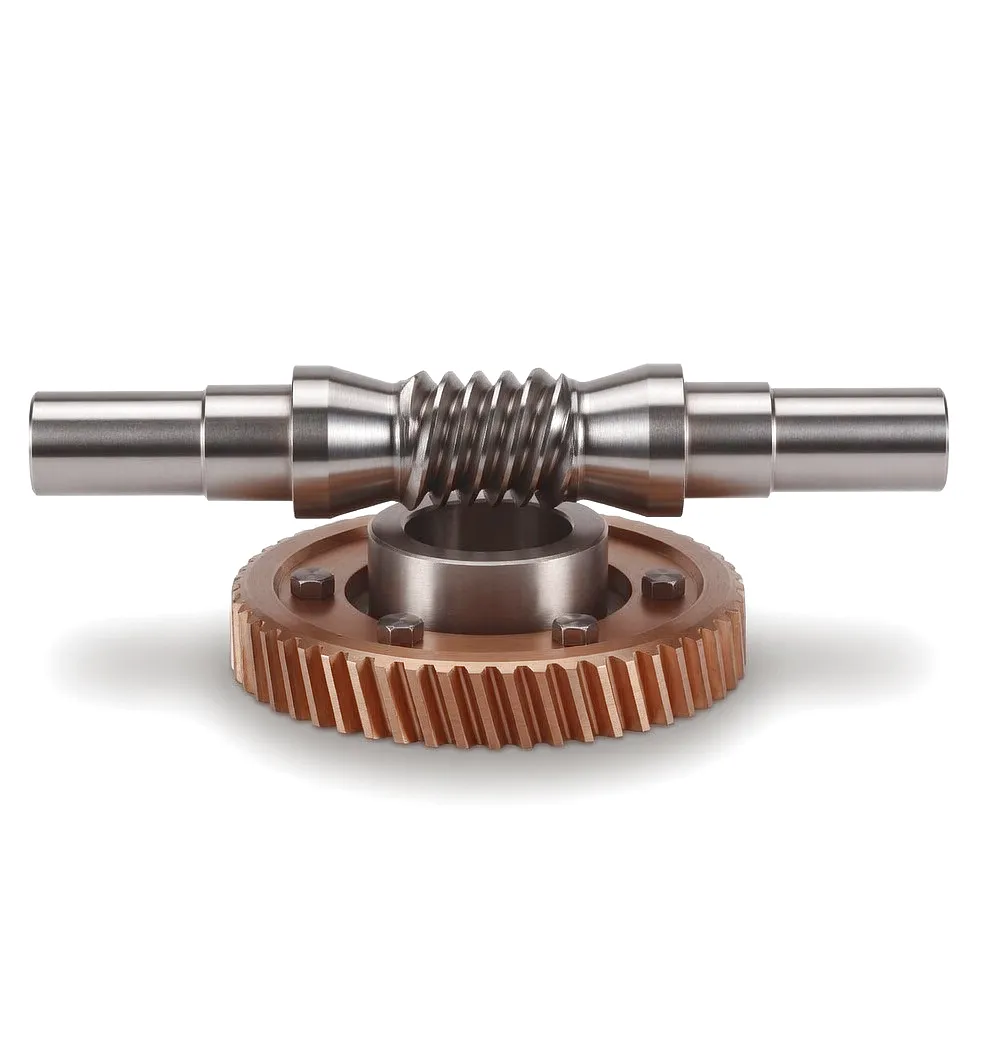
Worm Gear Shaft Technical AdvantagesA Sheffield-based special steels producer operating two 35-tonne bridge cranes in their melt shop had experienced three separate incidents over an 18-month period in which the primary electromagnetic hoist brakes exhibited delayed engagement following rapid stop commands. In each case, the load descended several centimetres before the backup friction drum brake arrested movement. While no injuries occurred, the incidents triggered a detailed risk assessment under the Lifting Operations and Lifting Equipment Regulations 1998 (LOLER), which identified the absence of a mechanically self-locking secondary safety stage in the hoist drivetrain as the root cause of the unsafe behaviour.

The plant’s mechanical engineering team contacted Ever Power with a detailed specification: a worm gear shaft reducer module capable of accepting a 3,000 rpm input from the existing variable-frequency drive, delivering a 60:1 reduction stage with a lead angle below 5.5 degrees to guarantee self-locking in both loaded and unloaded conditions, rated for a 45-tonne dynamic load at a 1.5 service factor, and dimensioned to retrofit directly onto the existing hoist gearbox output shaft without structural modifications to the crane bridge. The requirement also included full EN 13135 documentation pack — the European standard for crane equipment design — and material certifications to 3.1 level per EN 10204.

Ever Power’s application engineering team produced a proposal within 48 hours, including a preliminary FEA summary confirming tooth-root bending stress margins, and delivered the first fully inspected worm gear shaft assembly within 23 days of purchase order placement. Installation was completed during a scheduled weekend maintenance shutdown. In the 36 months since commissioning, the melt shop has recorded zero hoist-related safety incidents, and the quarterly LOLER inspection records show consistent primary brake engagement times with no secondary safety lock activation — confirming that the worm gear shaft’s self-locking function has never needed to activate in service, which is precisely what good fail-safe engineering should achieve.

What UK Engineers Say About Ever Power Worm Gear Shaft Products

★★★★★

“The 60:1 worm gear shaft units we sourced from Ever Power for our crane hoist retrofit have performed flawlessly through two years of continuous three-shift operation. The dimensional accuracy was extraordinary — the retrofit was genuinely bolt-on, which is rare in our experience. Documentation for the LOLER file was comprehensive and arrived before the physical goods. We would not hesitate to specify Ever Power again for safety-critical drivetrain components.”

David Hargreaves

Senior Mechanical Engineer, Special Steels Division — Sheffield, South Yorkshire

★★★★★

“We approached Ever Power with a stainless worm gear shaft requirement for our hygienic conveyor project — a spec that most suppliers either cannot meet or will heavily upcharge. Ever Power’s engineering team understood the BRC hygiene requirements immediately, recommended the right seal specification, and turned around a fully documented 316L unit within three weeks. The surface finish on the shaft thread was genuinely impressive under the surface roughness tester. Ongoing orders placed without hesitation.”

Claire Whitmore

Automation Projects Manager, Food Processing OEM — Leeds, West Yorkshire

★★★★★

“As a procurement lead for an industrial gate manufacturer supplying flood defence infrastructure to the Environment Agency, I deal with highly demanding technical specifications and very little tolerance for delivery delays. Ever Power delivered a custom duplex stainless worm gear shaft to a non-standard centre distance with 2.2B torque class rating within our agreed timeline. The material certification pack met the EN 10204 3.1 requirement without any chasing on my part. Price-to-quality ratio was significantly better than European alternatives we had quoted.”

Mark Forsyth

Head of Procurement, Hydraulic Gate Systems — Norwich, Norfolk
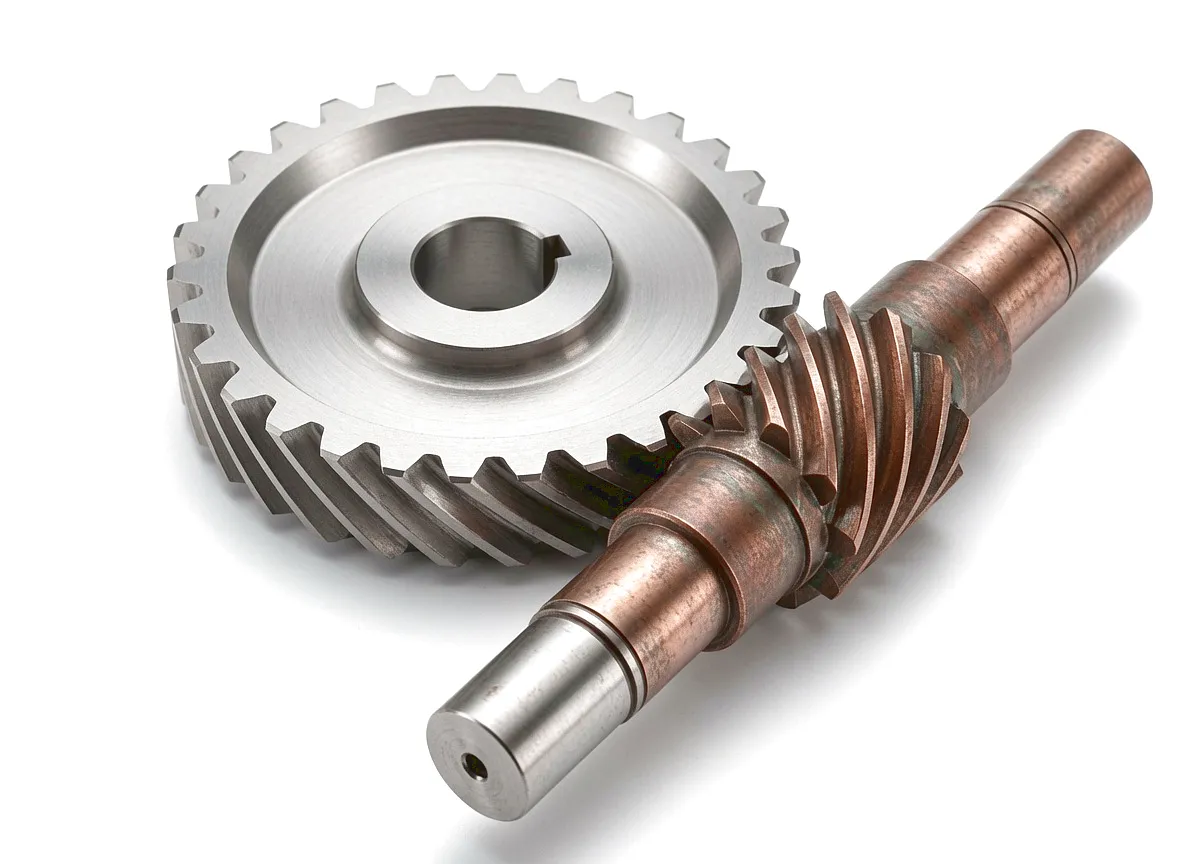
Worm Gear Shaft Assembly

Lubrication: The Silent Determinant of Service Life

The sliding contact mechanics of a worm gear shaft assembly place extraordinary demands on the lubricant. Unlike rolling-element bearing lubrication or spur gear splash oiling, the worm-wheel interface generates a mixed-film to boundary-lubrication regime across much of the operating speed range, meaning the lubricant film must be thick enough to prevent direct metal-to-metal contact while remaining sufficiently fluid to avoid viscous churning losses that would reduce efficiency further. ISO VG 220 or VG 460 polyalphaolefin (PAO) synthetic gear oils are the current engineering consensus for high-duty applications, offering significantly better viscosity-temperature stability than mineral-based alternatives and reducing the thermal operating ceiling by absorbing and dissipating heat more efficiently through the housing walls. In UK applications where ambient temperatures fluctuate between near-freezing winters and warm summer production environments, the synthetic lubricant’s relatively flat viscosity-temperature curve maintains adequate film thickness year-round without seasonal oil changes. Worm gear shaft assemblies in food processing must use NSF H1-registered lubricants — a requirement that Ever Power’s food-grade variants are pre-filled with at the factory, eliminating any risk of incorrect lubricant specification during installation.

Specifying the Right Worm Gear Shaft: An Engineer’s Selection Guide
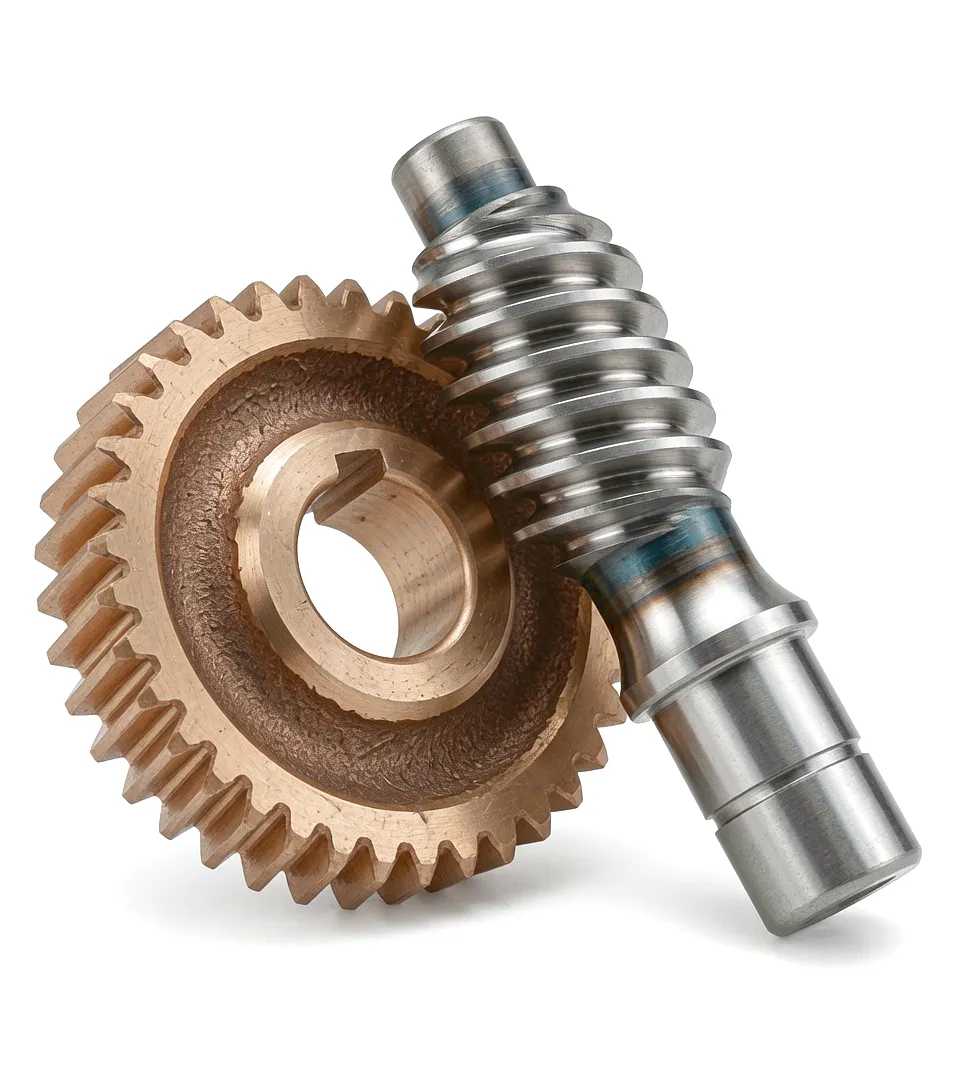
Worm Gear Shaft Selection

Selecting the right worm gear shaft for a given application is not simply a matter of matching gear ratio and shaft diameter from a catalogue table. The process begins with a thorough characterisation of the duty cycle: the peak torque demand, the continuous torque demand, the input speed, the degree of shock loading, and the number of operating hours per day. From these inputs, the required output torque multiplied by a service factor — typically 1.0 to 2.5 depending on shock severity and duty class — defines the minimum rated torque of the assembly. The centre distance of the worm gear shaft drive is then selected from this torque requirement using the manufacturer’s rated torque tables, which account for the combined effect of gear geometry, material properties, and thermal dissipation capacity of the housing.

The lead angle selection deserves particular attention for applications with a safety function. If self-locking is required, the lead angle must be confirmed to produce a lock under the actual coefficient of friction conditions expected in service — not just under idealised dry conditions. Ever Power’s engineering team uses a validated friction model based on empirical data from in-house wear testing to confirm self-locking reliability for safety-critical specifications, with appropriate safety margins applied to the lead angle selection. For continuous-duty applications where efficiency is the primary driver and self-locking is not required, multi-start thread forms with lead angles of 15 to 25 degrees can achieve mechanical efficiencies of 75 to 92 percent, dramatically reducing the motor power required and operating energy costs over the machine’s lifetime — a consideration that aligns well with UK industrial sustainability targets and the growing emphasis on energy efficiency in manufacturing operations.

Frequently Asked Questions

Questions UK Engineers & Buyers Ask About Worm Gear Shafts

How does a worm gear shaft create self-locking behaviour, and which crane applications in the UK rely on this feature?
+
Self-locking in a worm gear shaft occurs when the lead angle of the worm thread is smaller than the arctangent of the coefficient of friction at the sliding contact surface — typically below 6 degrees for well-lubricated steel-on-bronze pairings. Under these conditions, the friction force at the contact prevents the worm wheel from rotating the worm backwards, effectively locking the load in position without any external braking mechanism. In the UK, this property is particularly valued in bridge crane hoist systems in Sheffield, Rotherham, and Teesside steel plants, where it functions as a secondary safety lock, preventing catastrophic load descent if the primary electromagnetic brake fails during a lifting cycle.
What is the typical price range for a custom worm gear shaft in the UK, and how do I get an accurate quote from a reliable supplier?
+
The cost of a custom worm gear shaft varies considerably depending on size, material grade, gear ratio, surface finish specification, and quantity. Standard single-reduction units in alloy steel for moderate torque duty range from £150 to £600 per unit at production quantities. Large-diameter or stainless-steel units for safety-critical or hygienic applications can run from £800 to several thousand pounds per unit. To receive an accurate quotation from Ever Power, simply email [email protected] with your shaft diameter range, centre distance or gear ratio requirement, required output torque, material specification, and approximate annual quantity. Ever Power’s team typically responds within 4 business hours with a detailed technical and commercial proposal.
Which material is best for a worm gear shaft used in a food processing plant in Yorkshire that requires daily washdown?
+
For food processing environments in Yorkshire that undergo daily pressure washdown, the recommended worm gear shaft material is 316L austenitic stainless steel for the shaft body, paired with a PEEK composite or NSF-registered bronze worm wheel. The 316L grade offers superior resistance to chloride-based cleaning agents compared with 304 stainless, and its smooth, non-porous surface finish eliminates bacterial harbouring sites. The complete assembly should be housed in a sealed enclosure rated to at least IP66 (preferably IP69K for direct-impact washdown scenarios) and pre-filled with an NSF H1-registered food-grade synthetic lubricant. Ever Power produces this full hygienic assembly configuration as a standard product line, available with CE marking and all documentation required for BRC audits.
Where can I find a reliable UK-serving worm gear shaft supplier that offers custom ratios and same-specification replacement units?
+
Ever Power serves UK customers directly with a comprehensive worm gear shaft product range, covering both standard catalogue sizes and fully custom-engineered units. Every production run is documented with traceable inspection records, meaning that replacement orders are manufactured to precisely the same specification as the original — critical for maintenance operations in facilities where cross-contamination of shaft specifications could cause installation errors. UK shipments are consolidated weekly through established freight forwarding partners, with delivery times of 18 to 25 days for standard lead times. Expedited air freight for urgent replacements — a service frequently used by Birmingham and Leeds-based maintenance teams — can reduce delivery time to 5 to 7 working days. Contact [email protected] with your existing unit’s drawings or measurements for a same-spec quotation.
How do I calculate the correct gear ratio for a worm gear shaft application, and what torque values should I specify when requesting a quote?
+
The gear ratio is determined by dividing the input speed (motor rpm) by the required output speed. For example, if your motor runs at 1,450 rpm and you need an output shaft speed of 29 rpm, the required ratio is 50:1. For torque specification, calculate the required output torque as: Output Torque = (Motor Power in Watts × Efficiency × 9.55) / Output Speed in rpm. Apply a service factor (1.25 for uniform load, 1.5 for moderate shock, 2.0 for heavy shock, 2.5 for very heavy shock) to arrive at the design torque for specification purposes. When requesting a quote from Ever Power, provide: motor power (kW), motor speed (rpm), required output speed or ratio, duty cycle description, and any safety or self-locking requirements. The engineering team will select the appropriate centre distance and confirm thermal performance at your duty point.
When should an engineer in the Birmingham manufacturing sector choose a worm gear shaft over a helical gearbox for a conveyor drive application?
+
A worm gear shaft is preferred over a helical gearbox on a conveyor drive when: (1) the required gear ratio exceeds 30:1 in a single stage, because a helical gearbox would require two stages and additional cost and complexity; (2) the conveyor is inclined and self-locking is needed to prevent belt rollback during power interruptions; (3) the available installation space does not accommodate the in-line layout of a helical reducer; or (4) the right-angle power arrangement simplifies the mechanical design by eliminating bevel gears or universal joints. For Birmingham automotive component suppliers operating high-cycle conveyors, the quiet, smooth operation of the worm gear shaft also reduces acoustic footprint in open-plan manufacturing environments — a benefit that can influence planning permission for facility expansions.

Ever Power · Precision Worm Gear Shaft Manufacturing

Ready to Specify Your Worm Gear Shaft?

Send your specification, drawing, or application description to Ever Power’s engineering team. Standard catalogue products and full custom manufacturing available. UK delivery within 18–25 days as standard.

✉ Contact Ever Power: [email protected]

ISO 9001:2015 Certified · EN 10204 3.1 Material Certs · LOLER-Compatible Documentation

edit by gzl · Ever Power Worm Gear Shaft Technical Guide · © 2024 Ever Power · All technical data subject to engineering review and application validation