Worm Gear Shaft: Engineering Principles, Materials, Applications and Precision Manufacturing
An in-depth technical guide for industrial engineers, procurement managers and OEM designers seeking reliable, high-performance worm gear shaft solutions across the UK and global markets.
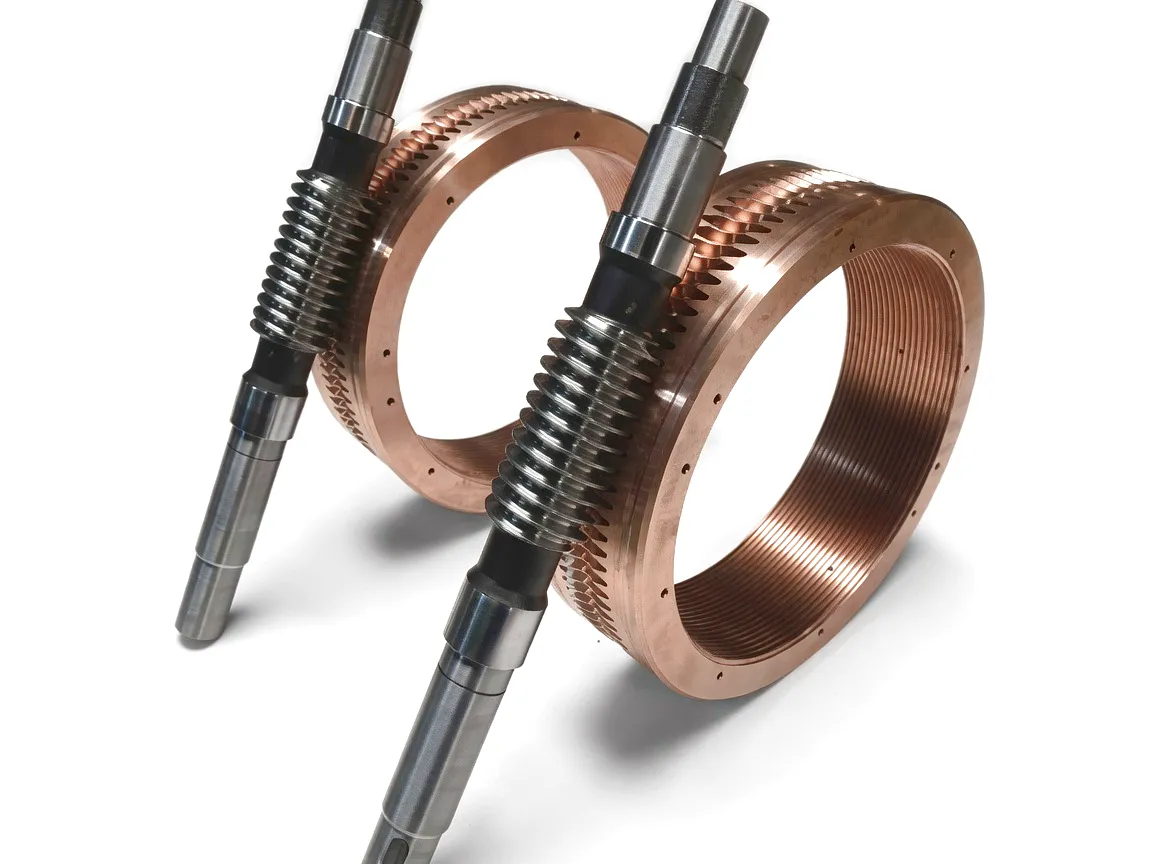
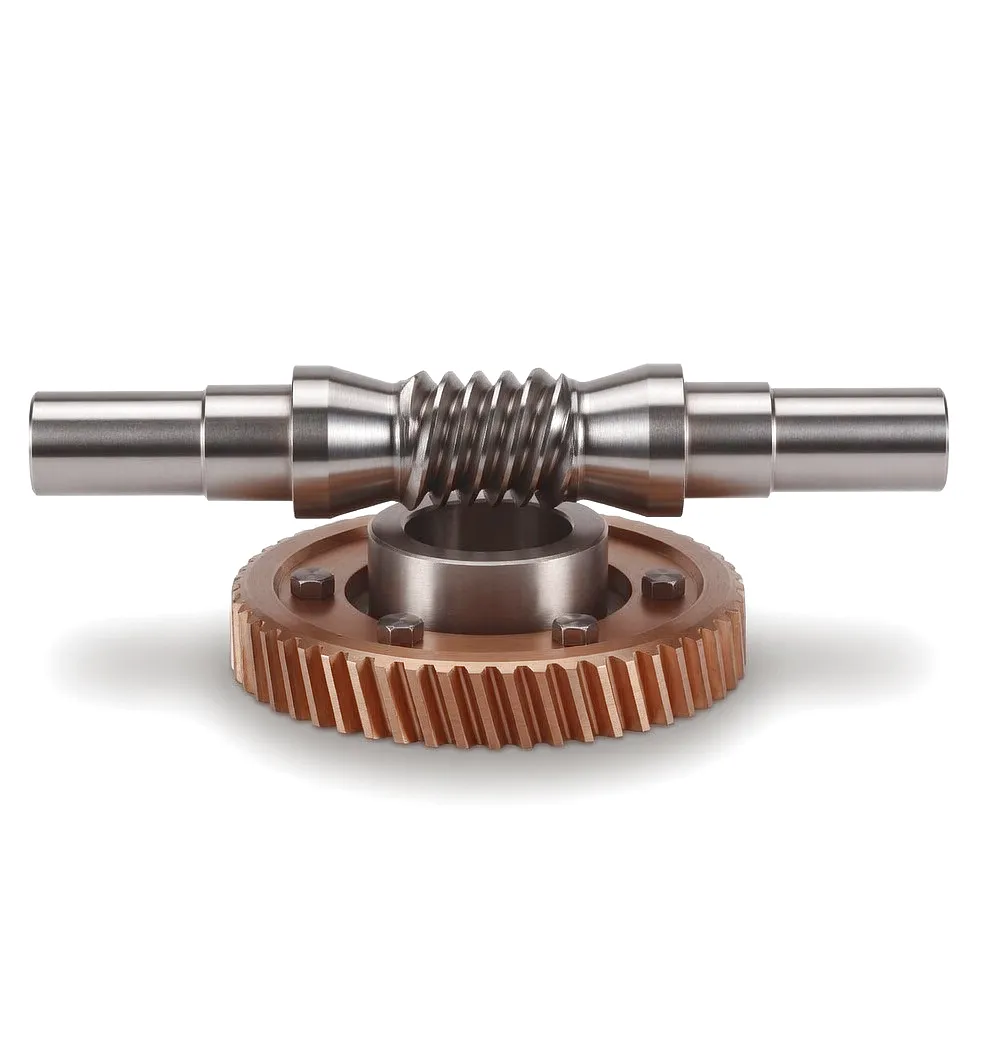
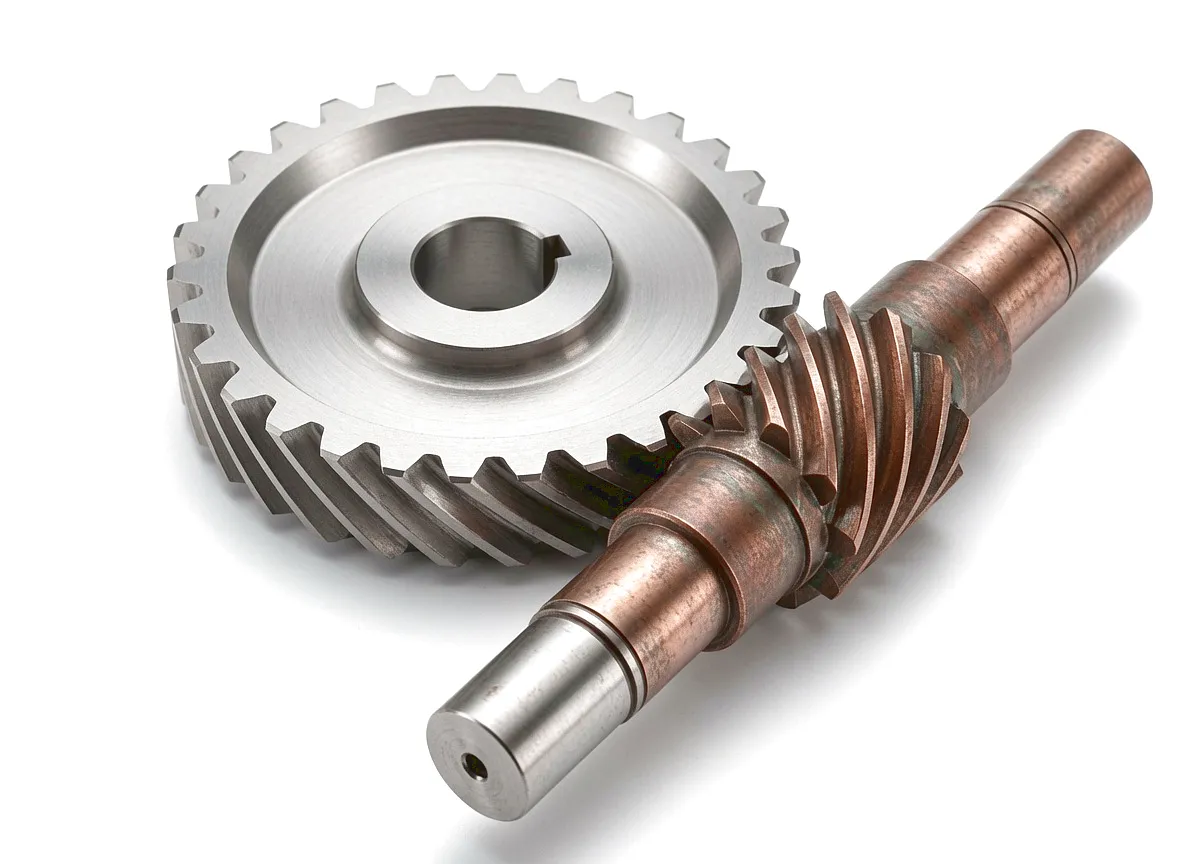
The worm gear shaft stands as one of the most dependable and mechanically elegant components in industrial power transmission. At its core, this assembly combines a helical screw thread — the worm — with a mating toothed wheel, the worm wheel, to transmit torque between non-intersecting, perpendicular shafts. The worm gear shaft serves as the primary driven element of this system, carrying rotational input from a motor and converting it into a precisely controlled, reduced-speed output. Industries from automotive and food processing through to heavy engineering and agricultural machinery rely on the geometry and material integrity of this shaft to deliver consistent, safe and efficient motion control. The inherent design compactness makes it particularly appealing in space-constrained installations, while its natural self-locking tendency offers a passive braking function that no external device can replicate with such simplicity. In Birmingham tooling workshops, Sheffield steel fabrication plants and across Scotland offshore supply chain facilities, the worm gear shaft has earned an indispensable place on the engineering specification sheet. This article examines how it works, what it is made from, what makes it technically superior, where it is applied across UK industry, and how Ever Power delivers precision-manufactured solutions tailored to exacting customer requirements.
How a Worm Gear Shaft Works: The Mechanical Principle
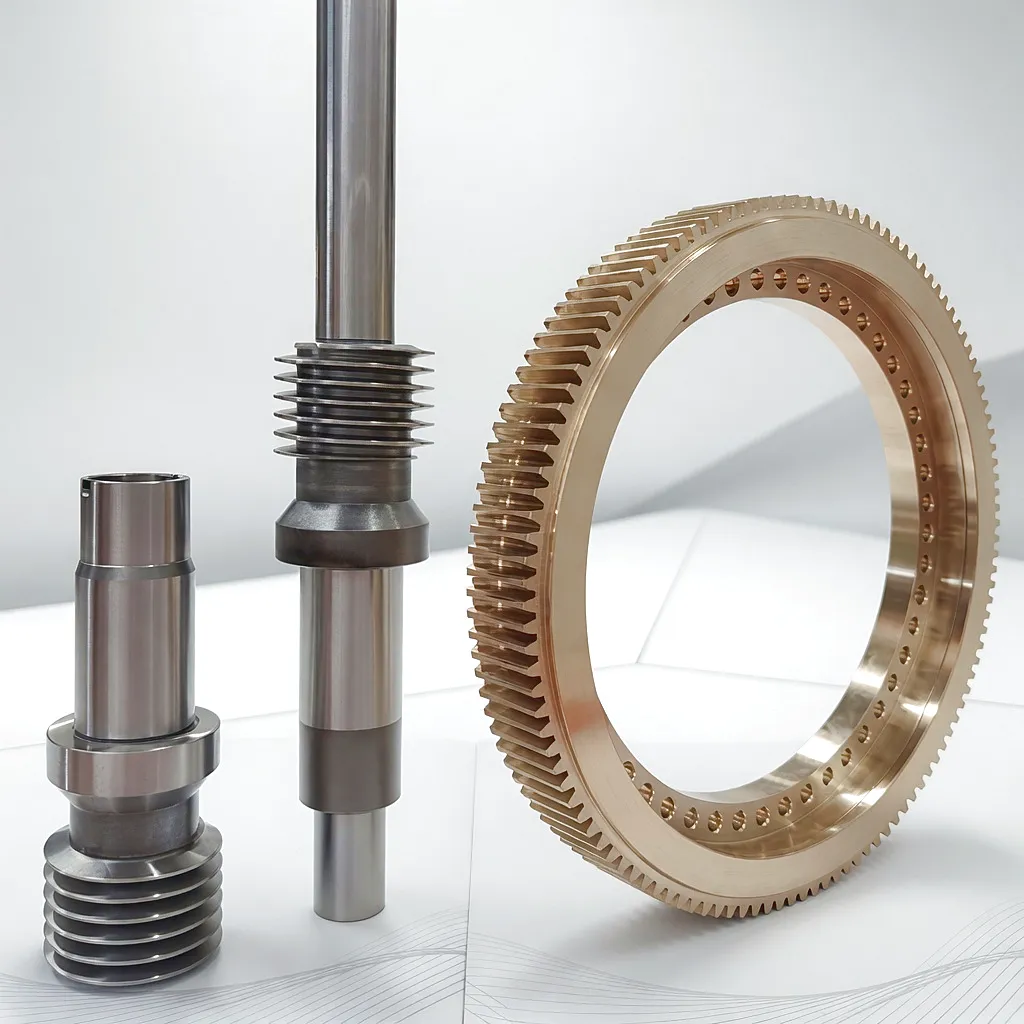
The operating principle of a worm gear shaft draws directly from the physics of a screw thread advancing through a nut. The worm is essentially a threaded cylinder whose helical ridges mesh continuously with the teeth of the worm wheel. As the worm rotates, each thread pushes a tooth on the wheel through an arc, generating rotation on the output shaft at a fraction of the input speed but with dramatically amplified torque. The transmission ratio — commonly expressed as the number of wheel teeth divided by the number of worm starts — can range from 5:1 up to 100:1 in a single stage, making the worm gear shaft uniquely suited to applications demanding large speed reductions in a single compact housing. The contact between worm and wheel is a sliding mesh rather than a rolling mesh, which produces a smoother, quieter engagement than spur or helical gears of comparable ratio. This characteristic makes the worm gear shaft a preferred choice wherever acoustic comfort matters, such as in hospital-grade lifting equipment, HVAC damper drives and passenger conveyor systems.
A critical mechanical behaviour arising from this sliding geometry is self-locking. When the lead angle of the worm thread is below the friction angle of the mating surfaces — typically when the helix angle falls below approximately 6 degrees — back-driving becomes mechanically impossible. The worm gear shaft will not rotate in reverse under load without a positive driving input. This self-locking property acts as an integral mechanical brake, removing the need for separate holding brakes in many lifting, indexing and positioning applications. Conversely, when a non-self-locking ratio is specified for applications requiring back-drivability, the geometry is adjusted so the helix angle exceeds the friction threshold. Understanding this relationship between lead angle, friction coefficient and back-drive tendency is fundamental to selecting the correct worm gear shaft specification for any given application.
Core Materials Used in Worm Gear Shaft Manufacturing
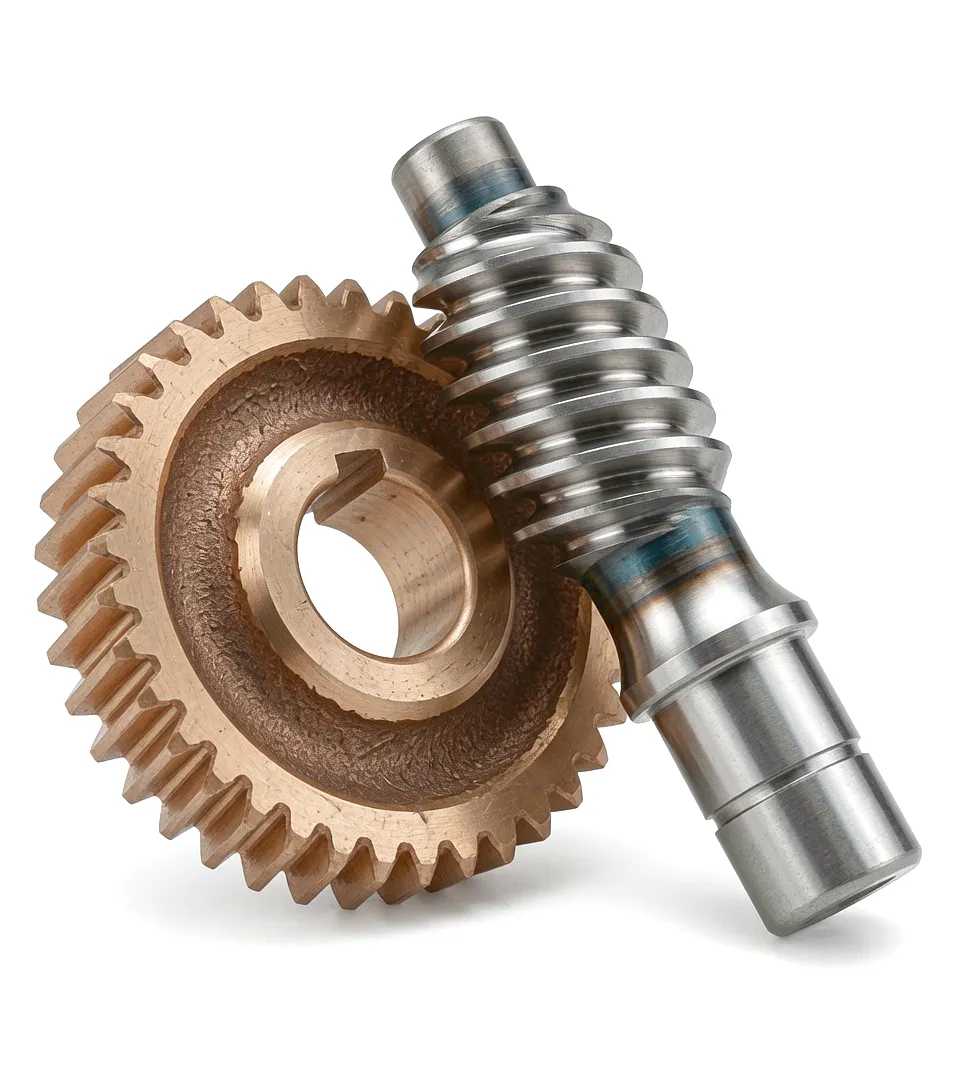 Material selection for the worm gear shaft is not a single decision — it is a system-level engineering choice that balances hardness, toughness, machinability, thermal conductivity and corrosion resistance across the operating environment. The worm shaft itself is almost universally machined from medium to high carbon steel or alloy steel, with case hardening applied to the thread flanks after machining. Through-hardened grades such as 42CrMo4 (EN 10083 designation, widely specified by UK engineering standards bodies) provide a combination of core toughness and surface hardness that resists both fatigue failure and adhesive wear. Where higher torsional loads are encountered — as in the large-diameter drives serving press lines in the West Midlands automotive tier supply chain — alloy steels such as 20CrMnTi or 18CrNiMo7-6 are carburised and case hardened to achieve surface hardness values between 58 and 62 HRC while maintaining a tough ductile core. This prevents brittle fracture under shock loading while preserving the surface integrity needed for a long, wear-resistant contact life.
The mating worm wheel is almost always manufactured from a copper alloy — centrifugal cast phosphor bronze (C90700 or similar) being the industry standard for medium-to-heavy duty service. The natural affinity between a hardened steel worm gear shaft and a bronze wheel produces an excellent tribological pairing: the softer bronze conforms minutely to the harder steel during run-in, creating a closely matched contact surface that minimises stress concentrations and supports a healthy hydrodynamic lubricant film at operating speed. For high-temperature environments or where lubricant availability is restricted, sintered and impregnated bronze composites, or even engineering polymer wheel materials, are employed against the steel worm gear shaft, each pairing requiring careful analysis of contact pressure, velocity and thermal conditions.
Core Technical Advantages of Worm Gear Shaft Assemblies
Why engineers across UK industry continue to specify worm gear shaft solutions over competing transmission architectures:
Worm Gear Shaft — Technical and Performance Parameter Reference
The table below consolidates the principal technical parameters that engineers and procurement teams should evaluate when specifying a worm gear shaft for a new or retrofit application. These figures represent the typical range achievable across Ever Power standard and custom product line. Individual projects may exceed or fall below these ranges depending on configuration and material choices.
| Parameter | Typical Range / Value | Notes |
|---|---|---|
| Gear Ratio | 5:1 — 100:1 (single stage) | Up to 3600:1 in multi-stage arrangements |
| Output Torque | 10 Nm — 50,000 Nm+ | Dependent on centre distance and worm shaft diameter |
| Input Speed | 50 — 3000 rpm | Higher speeds require enhanced lubrication and bearing specification |
| Centre Distance | 25 mm — 500+ mm | Standard series at 40, 50, 63, 80, 100, 125, 160 mm per ISO 9085 |
| Shaft Material | 20CrMnTi / 42CrMo4 / 316 SS | Custom alloy grades available on request |
| Thread Surface Hardness | 58 — 62 HRC (carburised) | 44 — 52 HRC for through-hardened grades |
| Thread Surface Finish (Ra) | Ra 0.4 — 0.8 µm | Ground finish to support hydrodynamic oil film |
| Shaft Angle | 90 degrees (standard) | Non-standard angles available for specialised designs |
| Efficiency | 40% — 95% | Varies with ratio, lubrication and lead angle; higher efficiency at lower ratios |
| Number of Worm Starts | 1, 2, 4, or 6 | More starts increase efficiency but reduce achievable ratio |
| Operating Temperature | -30°C — +120°C | Extended range achievable with synthetic lubricant and appropriate sealing grade |
| IP Rating (housing) | IP44 — IP67 standard | IP69K available for washdown and marine environments |
| Mounting Configuration | Foot / Flange / Hollow Bore | Solid output shaft, keyed or shrink-disc coupling options |
Industrial Application Scenarios for Worm Gear Shaft Systems
From precision agriculture to heavy port machinery — where the worm gear shaft delivers decisive engineering value:
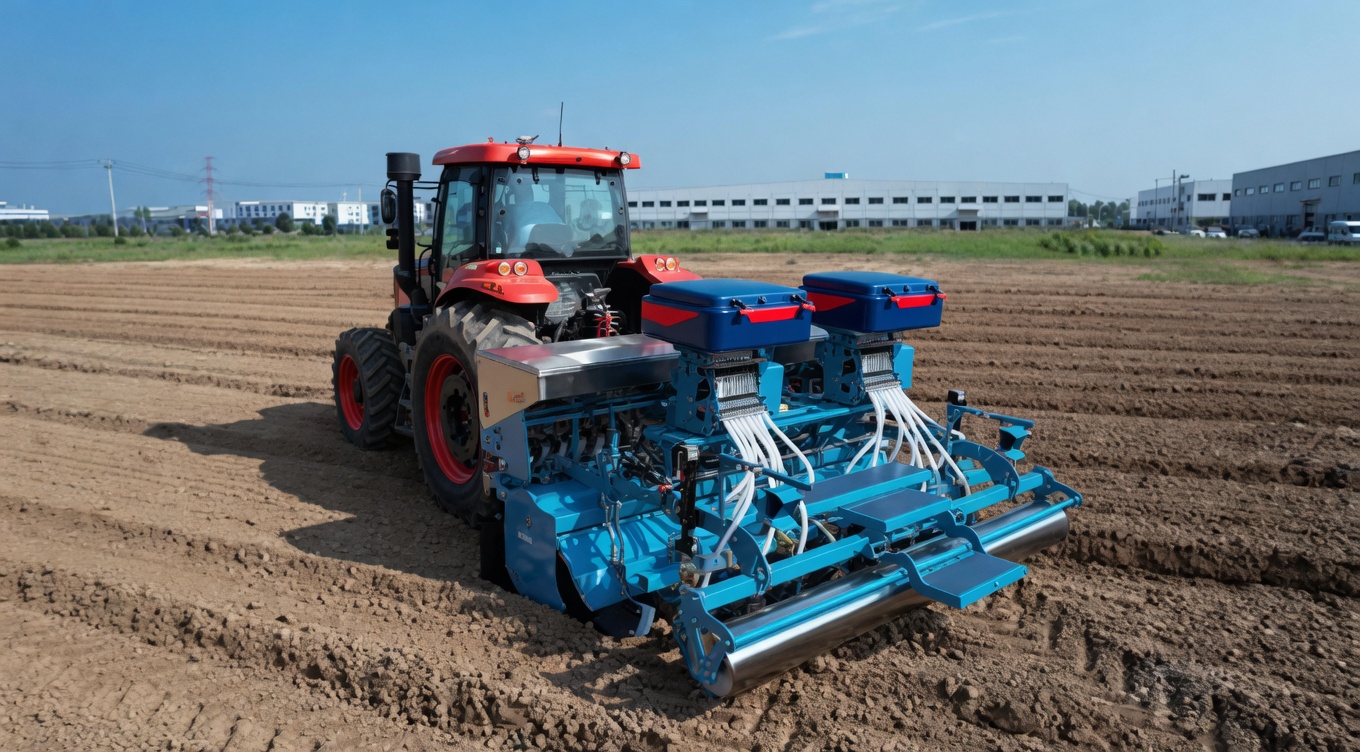
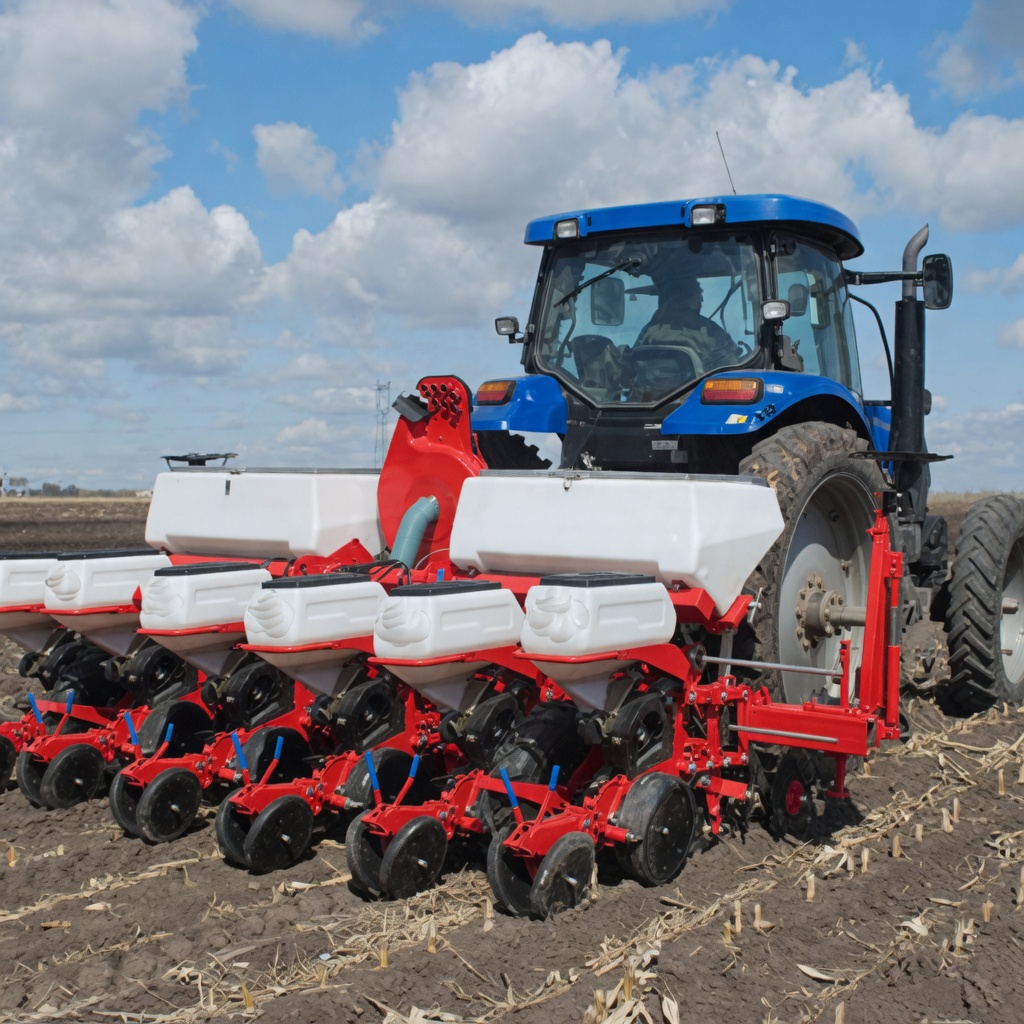
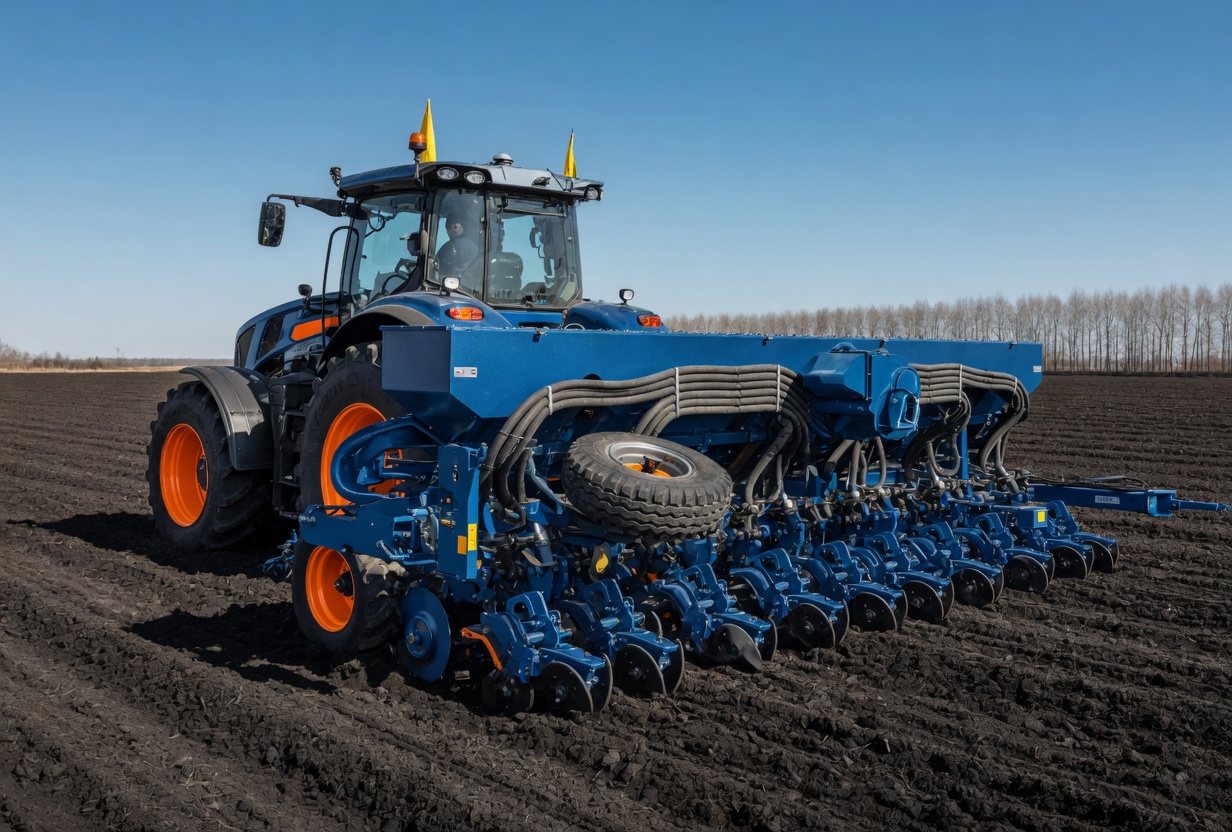
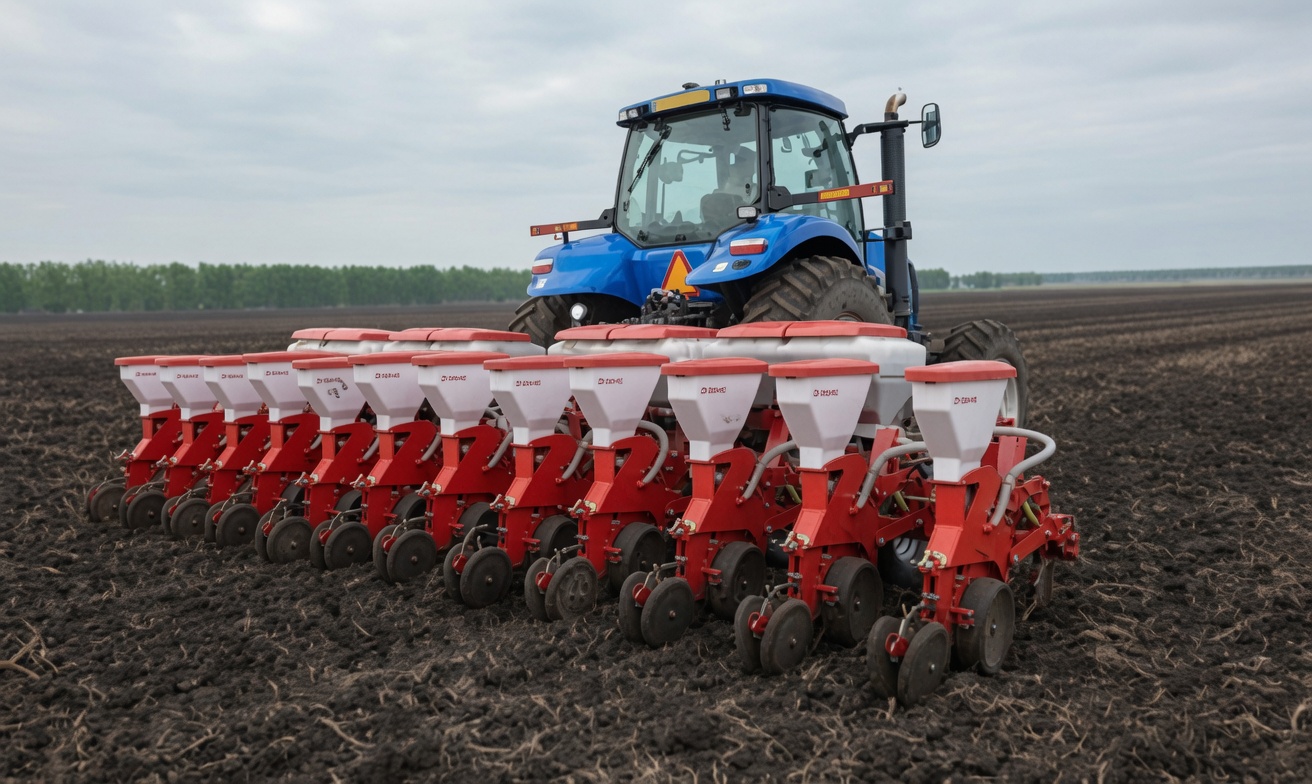
Beyond the four primary application sectors illustrated above, the worm gear shaft finds consistent deployment in a wide range of other mechanical systems. Rotary indexing tables in CNC machining centres and assembly automation lines use multi-start worm gear shaft configurations to achieve repeatable positioning accuracy within arc-minutes of angular resolution — critical in Birmingham precision engineering cluster, where automotive component machining tolerances are governed by strict PPAP quality documentation. In the security and building services sectors, automatic gate openers, roller shutter drives and smoke-curtain deployment mechanisms use self-locking worm gear shaft units to ensure that once a position is reached, no external force can cause unintended movement without a powered input. Valve actuation systems in UK water treatment infrastructure — operated by Thames Water, Severn Trent and Scottish Water — specify worm gear shaft actuators as the primary quarter-turn drive for butterfly and ball valves, drawing on the self-holding and torque-amplification characteristics that no electric actuator alone can replicate with equal simplicity and reliability.
Marine and offshore applications present perhaps the most demanding environment for any transmission component. The oil and gas supply chain serving Aberdeen North Sea sector routinely specifies marine-grade worm gear shaft assemblies for deck crane slewing drives, winch secondary speed reducers and hatch cover actuators. These units are manufactured to DNV or Lloyd Register approval, incorporating duplex stainless steel or nickel-alloy worm shafts, double-lip seals against sea spray ingress and epoxy-coated housings resistant to ISO 12944 C5-M atmospheric corrosivity. The worm gear shaft high ratio in a single stage allows the crane slewing drive to be powered by a standard industrial motor without an intervening intermediate gearbox, reducing drivetrain mass and the number of potential failure points in a safety-critical application.
Ever Power: Precision Manufacturing and Custom Worm Gear Shaft Solutions
Engineering-grade worm gear shaft components designed and manufactured to your exact specification, backed by a global supply chain and UK-responsive technical support.
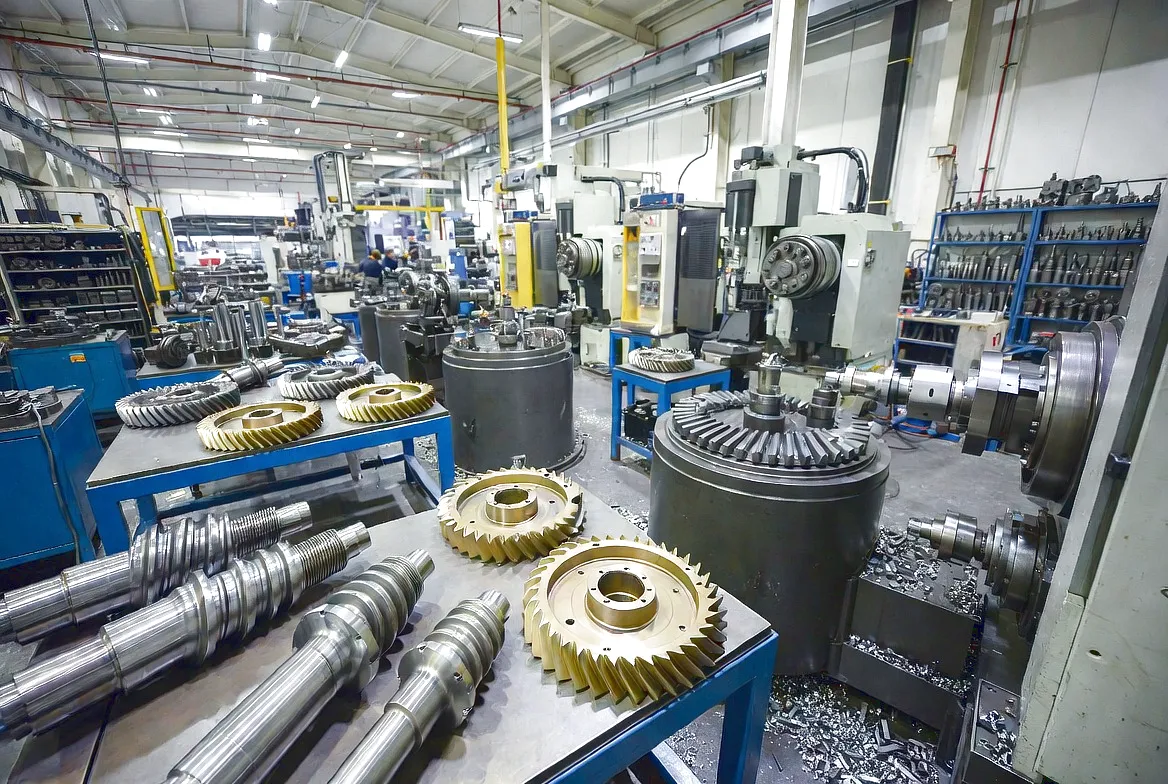
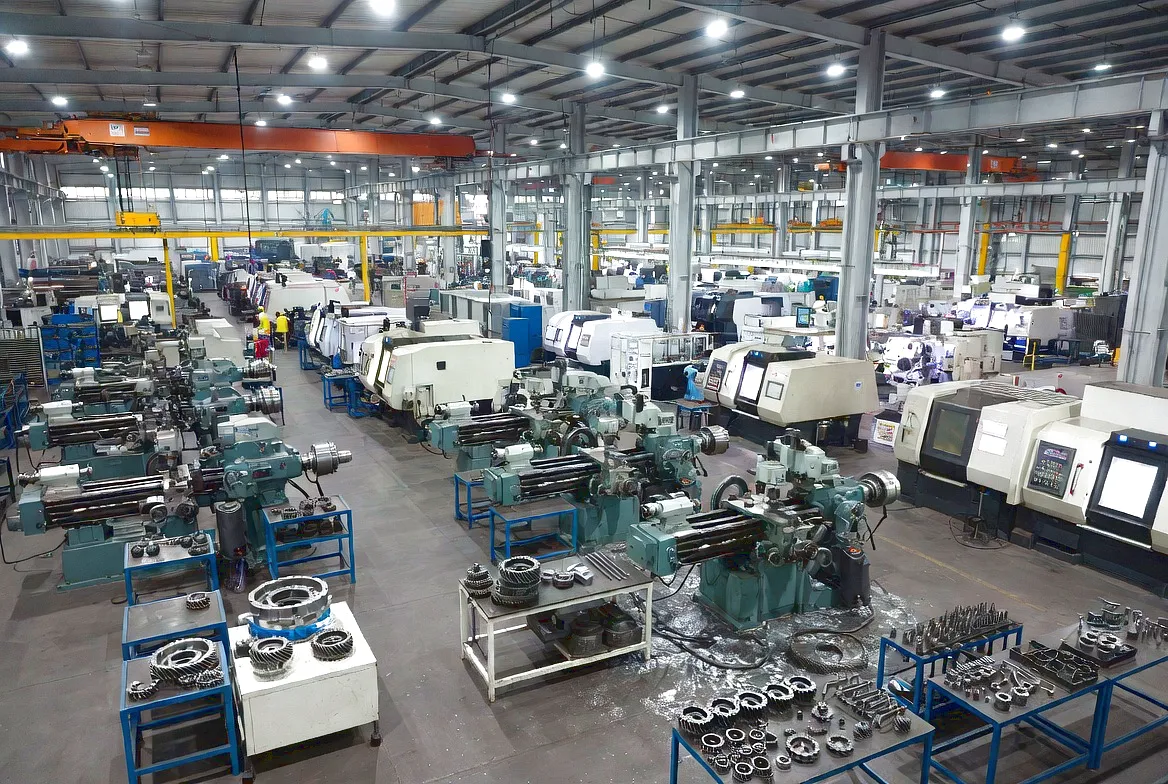
Ever Power has built its reputation as a trusted worm gear shaft supplier through a commitment to engineering precision that goes beyond catalogue tolerance bands. The company operates dedicated CNC thread-grinding and cylindrical-grinding production lines staffed by specialists whose sole focus is the production of high-quality worm gear shaft components. Every shaft produced passes through a multi-stage quality protocol including coordinate measuring machine (CMM) dimensional verification, surface profilometry, magnetic particle inspection for sub-surface defects, and hardness spot-checking traceable to national standards. This level of process discipline ensures that each worm gear shaft leaving the facility performs to the specification agreed at the quotation stage — not merely to a generic grade tolerance that may or may not satisfy the actual duty conditions of the application.
Ever Power customisation capability covers every dimension of the worm gear shaft geometry: shaft diameter and length, thread module, lead angle, number of starts, keyway profile, spline end configuration, flange-mounting arrangement, hollow bore design and custom surface coatings including hard chrome, electroless nickel, and specialist anti-corrosion treatments for marine applications. For UK customers requiring documentary evidence of material traceability for structural or safety-critical applications — such as those governed by the Pressure Systems Safety Regulations 2000 or the Machinery Directive 2006/42/EC — full heat treatment certificates, third-party material test reports and first-article inspection documentation are available as standard deliverables. The supply chain operates with transparent lead times, and a UK-based technical liaison service provides direct engineering support during the design and procurement phase, reducing the miscommunication risk that can arise from time-zone differences with overseas manufacturing sources.
Ready to specify your worm gear shaft? Our engineering team will respond within 48 hours with a technical proposal.
Customer Success: Sheffield Forgemasters — Heavy Press Feeder Drive Replacement
 A major Sheffield-based open-die forging operation approached Ever Power after experiencing repeated failures of the incumbent worm gear shaft assemblies driving their hydraulic press billet feeder tables. Operating at 24 hours per day, 7 days per week, the feeder drives were subject to severe cyclic shock loading as 1,200°C steel billets were loaded, indexed and extracted by the automated transfer arms. The existing units — sourced from a European catalogue supplier — were experiencing surface pitting of the worm thread flanks within 1,400 operating hours, causing progressive backlash growth that disrupted the press indexing cycle and required costly emergency shutdown maintenance. Each unplanned stop cost the operation approximately £8,000 in lost production and overtime maintenance labour.
The Ever Power engineering team conducted a detailed failure analysis from the worn shaft specimens, identifying the primary cause as inadequate case depth on the original worm gear shaft thread flanks — the heat-affected zone from induction hardening had not penetrated sufficiently to support the Hertzian contact stress under shock load. Ever Power proposed a redesigned worm gear shaft in 18CrNiMo7-6 steel, carburised to a case depth of 1.2 mm and ground to a thread surface finish of Ra 0.4 µm, with journal bearing diameters held to h6 tolerance for precision housing fit. The new assemblies were installed across all four press feeder stations during a planned maintenance window and commissioned by the Ever Power technical team.
After 6,000 operating hours — more than four times the previous service life — the Ever Power worm gear shaft assemblies showed no measurable backlash growth on CMM verification. The elimination of unplanned press stoppages saved the Sheffield operation an estimated £190,000 in the first year of deployment. The maintenance team now operates on a predictive replacement schedule at 8,000 hours, and has standardised the Ever Power worm gear shaft specification across all six of their press lines at the South Yorkshire facility.
What Our UK Customers Say
“The backlash performance of these worm gear shaft assemblies has transformed our press feeder reliability. We saw four times the service life compared with our previous supplier, with no measurable wear after 6,000 hours. The Ever Power technical team understood our shock-loading duty cycle immediately and specified exactly the right case depth and surface finish. A genuinely impressive engineering capability.”
“We needed stainless worm gear shaft units to pass our BRC food hygiene audit without compromise. Ever Power delivered IP67 assemblies with NSF H1 lubricant pre-fill and full material traceability documentation within our six-week project timeline. The 316 stainless shafts have now run through two annual washdown audits without any corrosion or seal degradation. Our site auditor was specifically complimentary about the quality of the material test certificates.”
“For our North Sea deck crane slewing application, we required a worm gear shaft to DNV Type Approval with duplex stainless material certification and a 10-year design life under ISO 12944 C5-M corrosivity. The Ever Power team presented a fully costed engineering proposal within 48 hours and supplied the units with all classification society documentation in order. The Aberdeen offshore procurement team has already placed repeat orders for our sister vessel build programme.”
Frequently Asked Questions — Worm Gear Shaft
Answers to the questions engineering teams and procurement managers most commonly ask when sourcing and specifying worm gear shaft components in the UK:
How much does a custom worm gear shaft cost from a UK supplier, and what factors affect the price?
⌄
What is the best worm gear shaft material for a food processing application in the UK where frequent washdown takes place?
⌄
How can I get a fast turnaround quote for a replacement worm gear shaft for a Birmingham automotive press line that has gone down?
⌄
Which industries in the UK use worm gear shaft drives most commonly, and where are the major demand centres?
⌄
What is the typical delivery lead time when ordering a custom worm gear shaft from Ever Power to a UK address?
⌄
How does a worm gear shaft self-locking feature work, and when should I specify a non-self-locking version for my application?
⌄
Who are the most reliable worm gear shaft suppliers in the UK, and how do I evaluate their quality claims before placing an order?
⌄
Tell Ever Power your application parameters and receive a precision-engineered proposal within 48 hours.
Ever Power — Precision Worm Gear Shaft Engineering | ISO 9001 Certified | UK Technical Support Available
edit by gzl