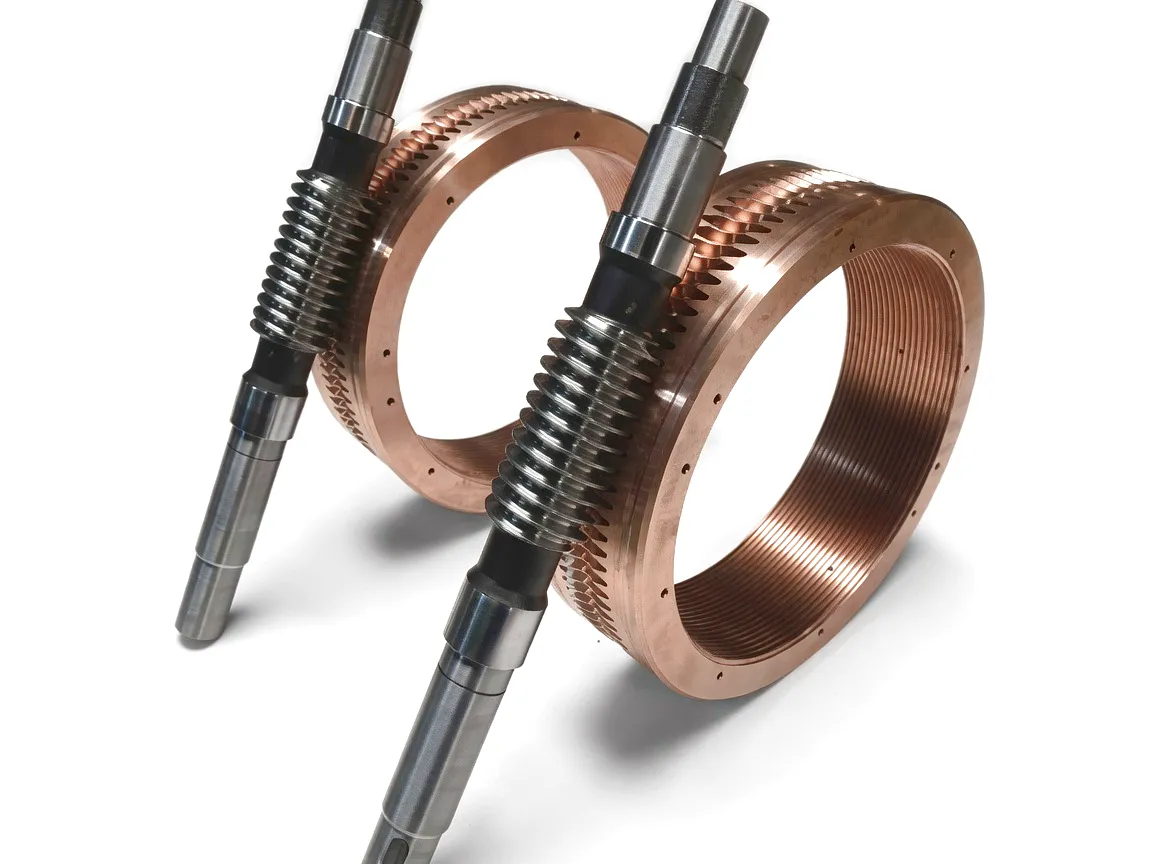
What Is a Worm Gear Shaft and Why Does It Matter?
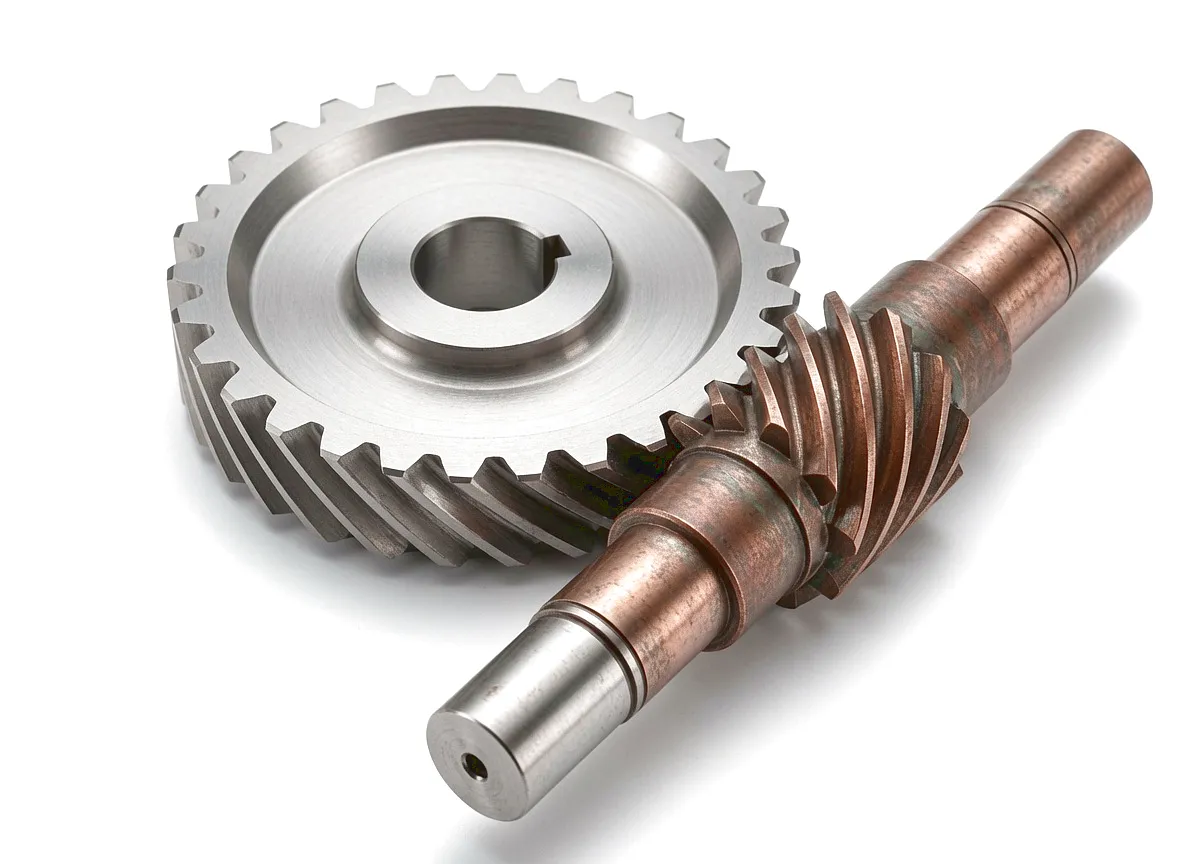
The worm gear shaft sits at the heart of some of the most demanding mechanical systems operating in British manufacturing today. It is a cylindrical rod precision-machined with a helical thread profile that meshes with a corresponding worm wheel, producing the high reduction ratios and orthogonal output direction that make this component indispensable across packaging lines in Birmingham, steel processing plants in Sheffield, and food production facilities throughout the Midlands. Unlike conventional spur or helical gearing, the worm gear shaft transmits motion through sliding contact across its thread flanks, generating both significant mechanical advantage and an inherent self-locking characteristic that many applications cannot achieve any other way. The geometry of the thread — its lead angle, pressure angle, and pitch — determines everything from efficiency to heat generation, making the specification and manufacture of a worm gear shaft a discipline that demands both theoretical understanding and hard-won production experience. When a conveyor system in a South Yorkshire distribution warehouse needs to hold a loaded pallet at any angle without a braking device, or when an automated packaging line requires smooth deceleration without backlash shock, it is almost invariably a worm gear shaft arrangement doing the work quietly and reliably, shift after shift.
The Working Principle: Motion Through Helical Engagement
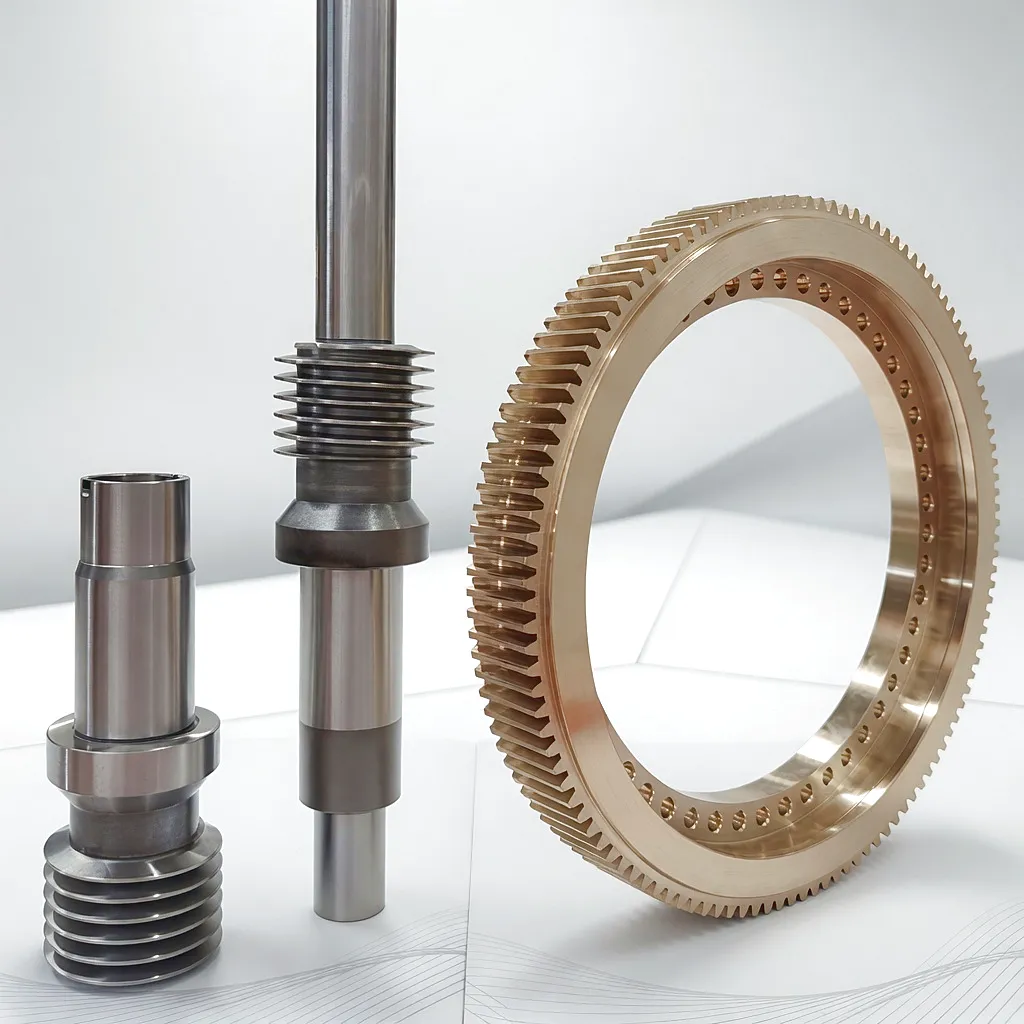
The operating principle of a worm gear shaft relies on the continuous envelopment of the worm thread by the curved teeth of the mating worm wheel. As the worm gear shaft rotates about its own axis, each thread of its helical profile sweeps across the face of the worm wheel teeth in a sliding motion, pushing the wheel around its own, perpendicular axis. The critical geometric parameter here is the lead angle — the helix angle measured at the pitch cylinder — because this single value governs both the mechanical efficiency and the self-locking behaviour of the entire assembly. A worm gear shaft with a lead angle below roughly 6 degrees will be self-locking under back-driven loads, meaning the output shaft cannot rotate the worm regardless of applied torque at the wheel. This is not a friction side-effect; it is a direct consequence of the thread geometry and is deliberately engineered into lifting columns, valve actuators, and any positioning system where unintentional back-driving would cause equipment damage or safety hazards.
The sliding contact between worm and wheel differs fundamentally from the rolling contact found in helical or bevel gears. Sliding produces higher surface pressures and requires the consistent presence of a high-quality gear oil film, which is why worm gear shaft assemblies are typically specified with synthetic or semi-synthetic lubricants offering extreme-pressure additives. Without adequate lubrication the phosphor-bronze or aluminium-bronze worm wheel surface will gall against the hardened steel worm thread within a relatively short service period. The contact ratio in a well-designed worm gear shaft mesh is considerably higher than in single-tooth contact gearing, which distributes the transmitted load across multiple thread sections simultaneously, smoothing out torque ripple and extending fatigue life. This is one reason why worm gear shaft arrangements are often preferred in applications where smooth, vibration-free output is more important than peak efficiency.
Sliding Contact Principle
Thread flanks slide rather than roll, enabling high reduction in a single stage while distributing load across multiple contact lines simultaneously.
Self-Locking Geometry
Lead angles below 6 degrees produce inherent back-drive prevention, eliminating the need for external braking on lifting and positioning systems.
High Reduction Ratio
A single-stage worm gear shaft can routinely achieve ratios from 5:1 up to 100:1, outperforming multi-stage spur or helical arrangements in compactness.
Material Specification: The Foundation of Long Service Life
Choosing the correct material for a worm gear shaft is not a matter of simply specifying the hardest steel available. The worm gear shaft and its mating wheel must be treated as a tribological pair, and the materials chosen for each must complement one another to manage the sliding contact without excessive wear or heat generation. For the worm gear shaft itself, the predominant material choice across UK industrial suppliers is case-hardened alloy steel, typically 20CrMnTi or 17CrNiMo6, which is carburised to achieve a surface hardness of 58 to 62 HRC while retaining a tough, ductile core that absorbs shock loading without fracture. The very high surface hardness of the worm gear shaft thread is essential because it allows polishing to a surface finish of Ra 0.4 to 0.8 micrometres, reducing friction and wear against the softer wheel material during the critical running-in period and throughout normal service.
For applications where corrosion resistance takes priority alongside mechanical performance — common in food processing facilities in Yorkshire and coastal industrial estates around Plymouth or Bristol — 316L stainless steel provides a practical solution for the worm gear shaft body, though the lower base hardness demands tighter lubrication discipline and may require a surface treatment such as nitriding or hard chrome plating to bring thread flank hardness up to acceptable levels. In high-volume, lower-load applications such as light conveying or vending equipment, flame-hardened medium-carbon steel (C45 or EN8) represents a cost-effective shaft specification that reduces machining costs without significantly compromising service life when properly lubricated. The worm wheel material paired with a hardened steel worm gear shaft is almost universally a tin-bronze or aluminium-bronze alloy, chosen because the softer copper-based material sacrifices itself preferentially under marginal lubrication, protecting the hardened worm thread and enabling the assembly to be salvaged by wheel replacement alone.
● 20CrMnTi Case-Hardened Steel
Surface HRC 58–62, core toughness retained. Ideal for heavy industrial and agricultural shaft applications. Standard choice for high-cycle service.
● 316L Stainless Steel
Excellent corrosion resistance. Suitable for food, pharmaceutical, and marine environments. Surface-treated to boost thread hardness where required.
● C45 / EN8 Flame-Hardened
Cost-effective for light conveying and general industrial use. Achieves HRC 50–55 on thread flanks with good machinability and dimensional stability.
● 17CrNiMo6 Alloy Steel
Premium European alloy for high-torque, high-cycle applications. Exceptional fatigue strength and through-hardened core impact resistance for shock loads.
Product Technical and Performance Parameters
Standard specification range for Ever Power worm gear shaft product range. Custom parameters available on request.
| Parameter | Standard Range | Notes |
|---|---|---|
| Shaft Diameter | 10 mm – 200 mm | Custom non-standard diameters available |
| Reduction Ratio | 5:1 – 100:1 | Single-stage; multi-stage compound available |
| Output Torque | 5 N·m – 50,000 N·m | Depends on shaft diameter and ratio specification |
| Lead Angle | 3° – 30° | Below 6° provides self-locking characteristic |
| Thread Form | ZK, ZI, ZN, ZA profiles | ZI (involute) preferred for high-accuracy CNC grinding |
| Shaft Material | 20CrMnTi / 17CrNiMo6 / 316L SS / C45 | Case-hardened, nitrided, or induction-hardened |
| Surface Hardness | HRC 58 – 62 (carburised) | HRC 50–55 achievable via flame hardening |
| Thread Surface Finish | Ra 0.4 – 0.8 μm | Achieved by CNC thread grinding + lapping |
| Centre Distance | 25 mm – 500 mm | Standard series per ISO 3408 / DIN 3975 |
| Output Shaft Angle | 90° standard; 60°, 45° available | Non-perpendicular angles by custom arrangement |
| Mechanical Efficiency | 40% – 90% | Highly dependent on lead angle and lubrication quality |
| Number of Thread Starts | 1, 2, 4 starts | More starts → higher efficiency, lower ratio per revolution |
| Dimensional Standard | ISO 3408, DIN 3975, BS/EN standards | Full compliance with UK and European norms |
Core Technical Advantages of the Worm Gear Shaft
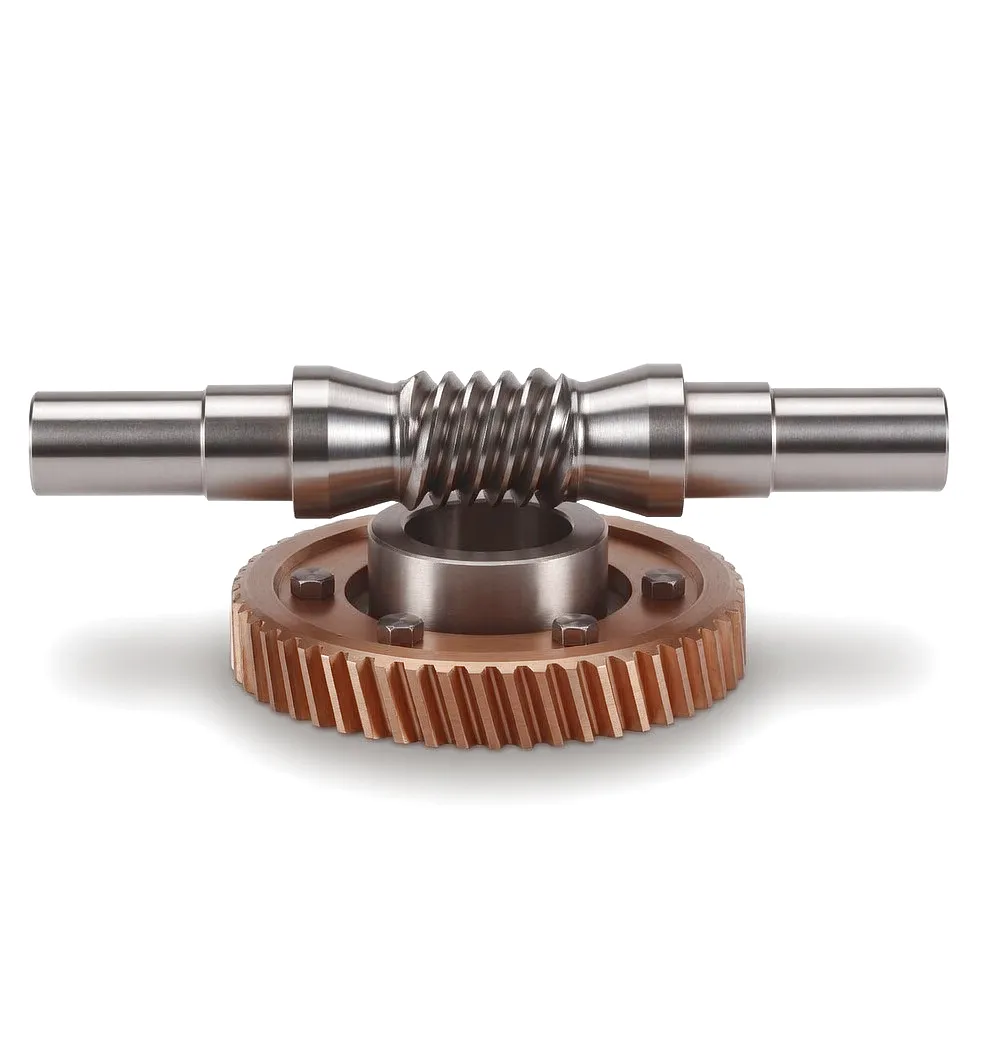
The worm gear shaft offers a constellation of engineering advantages that explains its continued dominance in specific transmission niches despite the theoretical efficiency disadvantage relative to helical gearing. The single most compelling attribute for most UK mechanical design engineers is the extraordinary torque multiplication achievable within a physically compact and orthogonal arrangement. Where a helical or bevel gear set achieving a 40:1 ratio would require multiple stages, each adding length and mass to the powertrain, the worm gear shaft accomplishes the same ratio in a single mesh whose overall envelope is often smaller than a human fist in light-industrial grades. This geometric compactness is not merely convenient — in environments where available installation volume is limited, such as within the chassis of an automated guided vehicle or behind the panel of an industrial elevator, it represents the difference between a design that fits and one that does not.
Noise and vibration suppression is another area where the worm gear shaft consistently outperforms competing transmission types. The continuous sliding contact between the worm thread and the wheel tooth produces a smooth, progressive force transfer that lacks the tooth-frequency impact common in spur or helical gears. In practice, worm gear shaft assemblies operating in packaging halls, retail distribution centres, or hospital lift shafts are often imperceptible to staff working nearby, a quality that carries real commercial value in environments governed by noise at work regulations. The inherent self-locking characteristic — addressed in detail under the working principle section — eliminates external braking components on many vertical or angular positioning systems, reducing system cost, assembly time, and the number of components requiring scheduled maintenance.
✓ High Reduction in Single Stage
Ratios from 5:1 to 100:1 without multi-stage complexity. Reduces drivetrain length, mass, and assembly cost in compact machinery.
✓ Inherent Back-Drive Prevention
No external brake required on self-locking configurations. Simplifies design, reduces BOM count, and enhances safety in lifting applications.
✓ Low Noise and Vibration
Continuous sliding mesh produces smooth, quiet output. Ideal for noise-sensitive environments including offices, hospitals, and residential lifts.
✓ Right-Angle Output Geometry
90-degree shaft orientation simplifies machine layout, eliminates a bevel gear stage in many installations, and allows motor placement flexibility.
✓ High Contact Ratio
Multiple thread-tooth contact lines distribute load evenly, extending fatigue life and enabling sustained high-cycle operation without premature failure.
✓ Compact Packaging
Tight centre-distance design allows integration into machinery frames where no other transmission type physically fits. A major advantage for OEM machine builders.
Industrial Application Scenarios Across the UK
The breadth of sectors relying on the worm gear shaft for daily production in the United Kingdom reflects how thoroughly this component is embedded in the manufacturing and processing infrastructure of the country. In the West Midlands automotive supply chain, where stampings, castings, and assemblies move along transfer lines at rates that leave no tolerance for positioning errors, the worm gear shaft drives the indexing mechanisms that advance component pallets from station to station with sub-millimetre repeatability. In Sheffield, with its deep roots in steel processing, large-format worm gear shaft assemblies drive the rolling mill feed tables and coiler mandrels that handle strip and section steel in tonnages that would destroy any form of planetary gearing lacking the equivalent ground-contact area. These are not niche applications — they reflect a pattern of use stretching across nearly every heavy and precision industry operating within British borders.
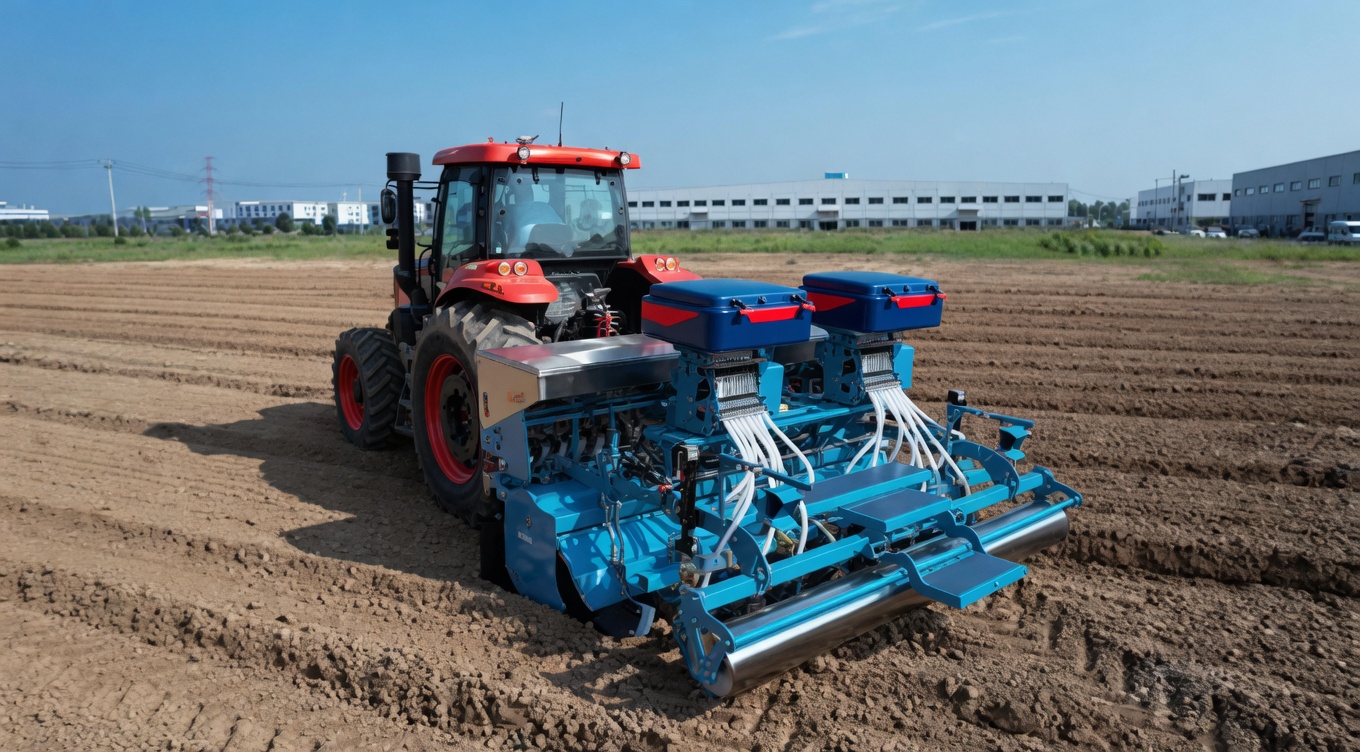
Precision Seeder Drive Systems
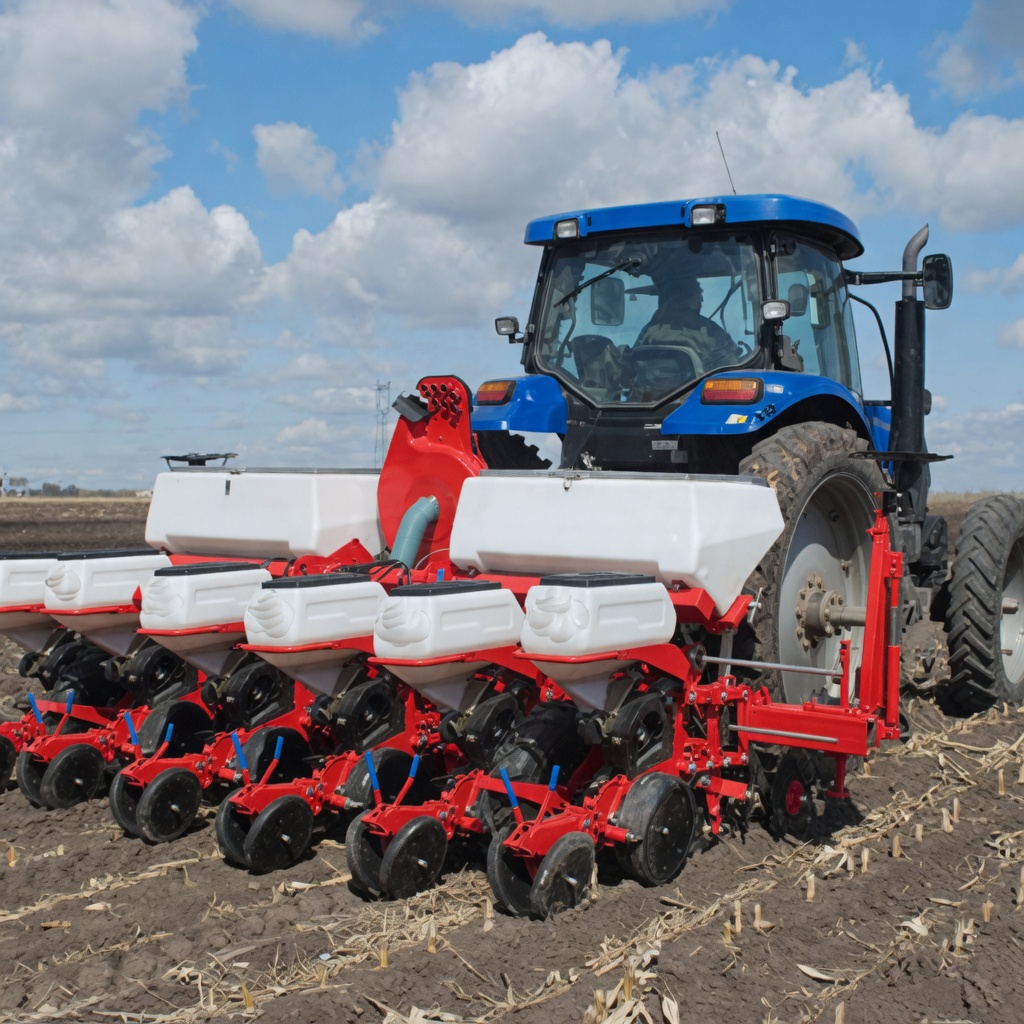
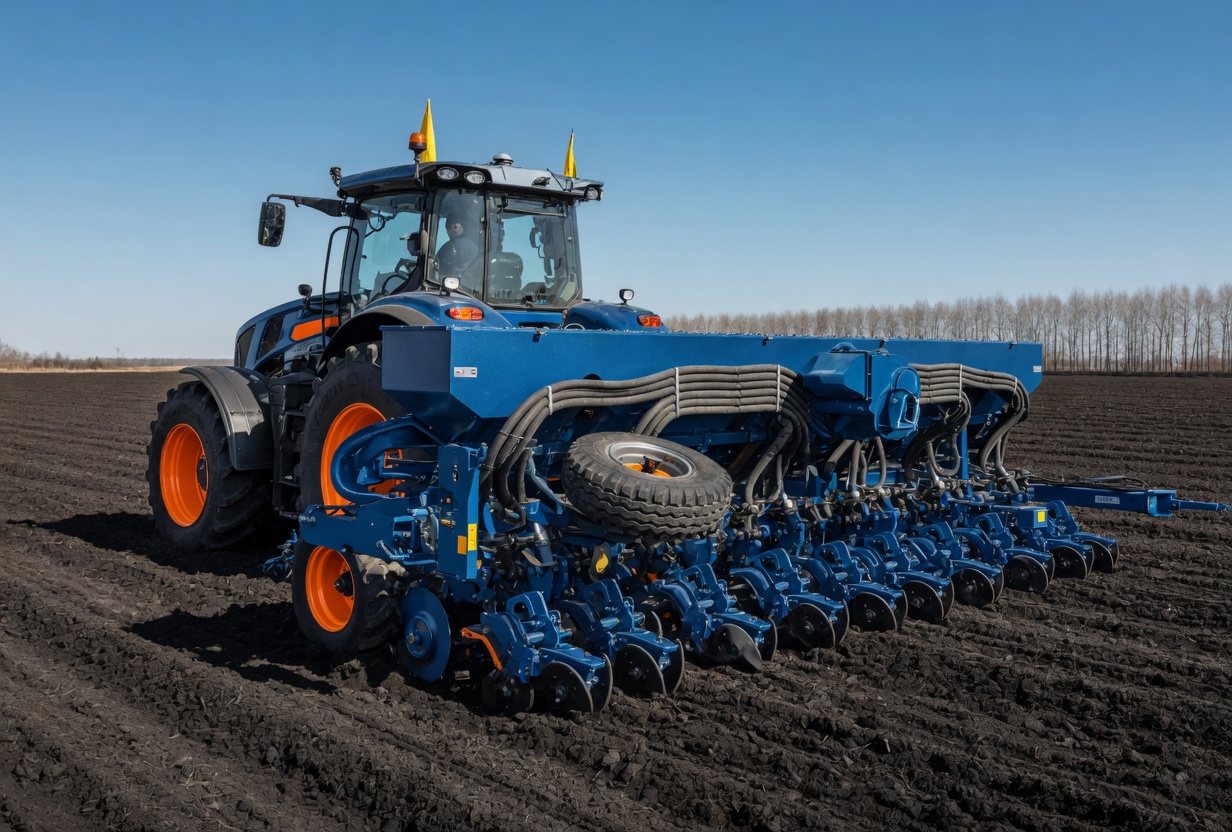
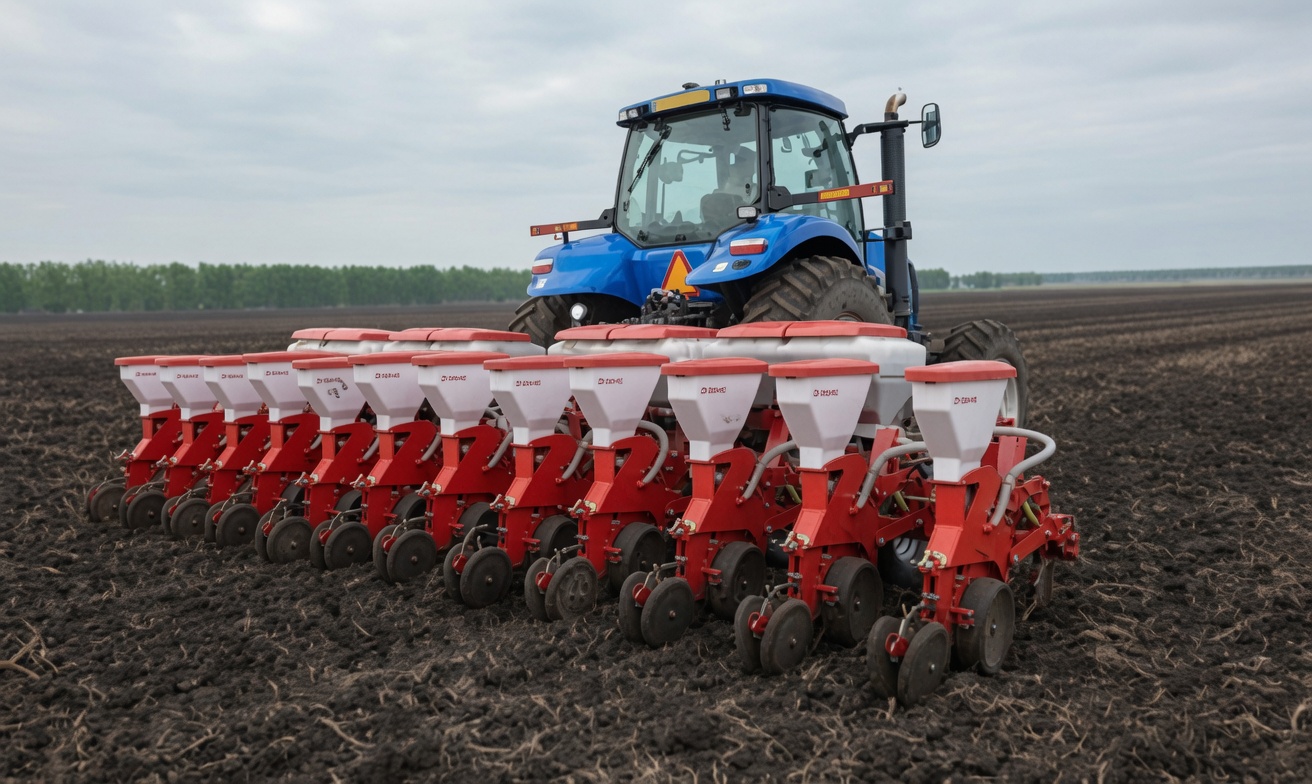
In precision sowing machinery — particularly single-grain planters for soya bean and maize used across East Anglian and Lincolnshire arable farms — the worm gear shaft within the seed metering drive reduces the rotation of the ground wheel (which turns as the machine advances) to the exact, slower speed required by the seed disc. The typical reduction ratio in these applications falls between 20:1 and 30:1, ensuring that the disc advances precisely one cell per 25 to 40 centimetres of forward travel, depositing one seed per interval with consistent accuracy. Critically, the self-locking characteristic of the worm gear shaft is not merely convenient here — it is functionally essential. The instant the machine halts, the worm geometry locks the disc in place, preventing the ground wheel inertia from carrying the disc forward and releasing an additional seed. No other compact transmission type offers this combination of high ratio, correct output speed, and instantaneous positional lock in a package that survives years of field dust, vibration, and seasonal outdoor storage without adjustment.
In the pharmaceutical manufacturing clusters around Macclesfield and Hertfordshire, the worm gear shaft drives tablet press feed frames, capsule fill turrets, and blister packaging indexing cams — all applications where output speed regularity and mechanical silence are as important as positional accuracy. Elevator manufacturers operating in the Scottish central belt and London Docklands specify worm gear shaft units with confirmed self-locking ratings for the traction drives of residential and commercial lifts, relying on the thread geometry rather than an electromechanical brake to maintain cage position under static load. Marine equipment fabricators around Portsmouth and Plymouth use worm gear shaft arrangements for hatch operating gear and anchor windlass secondary drives, where the shaft can be specified in duplex or super-duplex stainless steel to resist the combined assault of salt spray, humidity, and vibration.
Manufacturing Excellence
Ever Power: Precision Manufacturing and Custom Solutions
Established Manufacturer
Ever Power
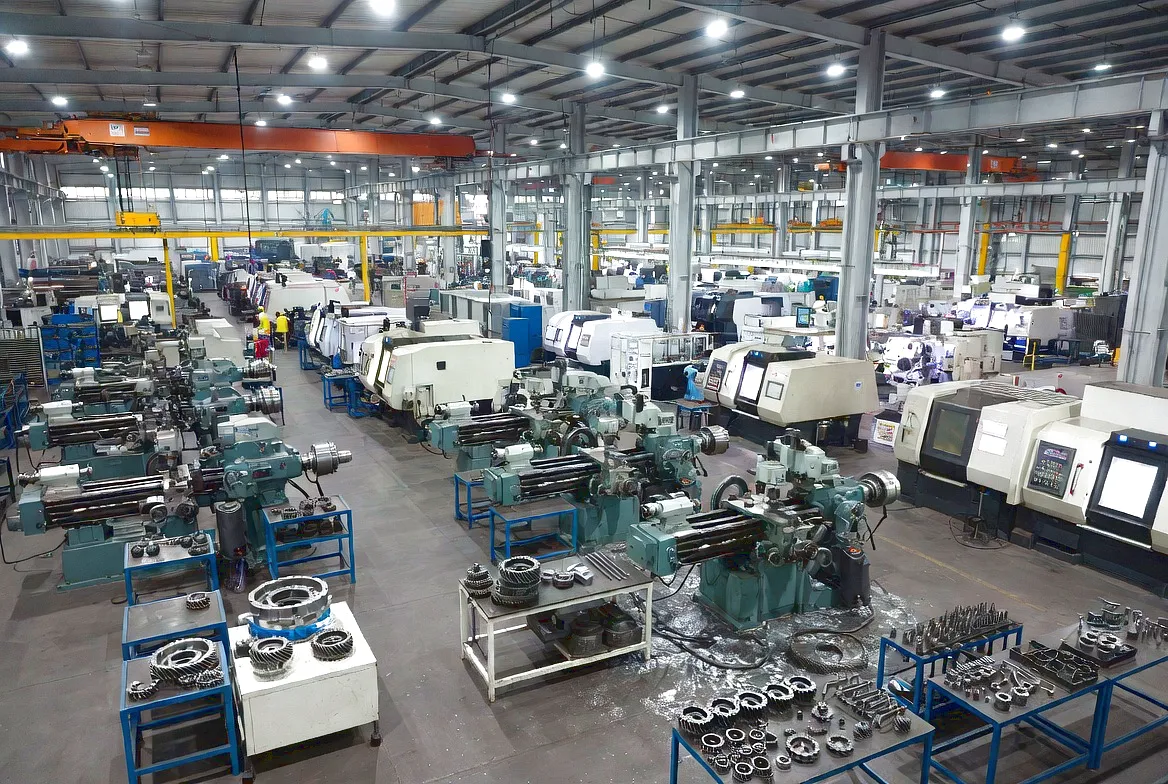
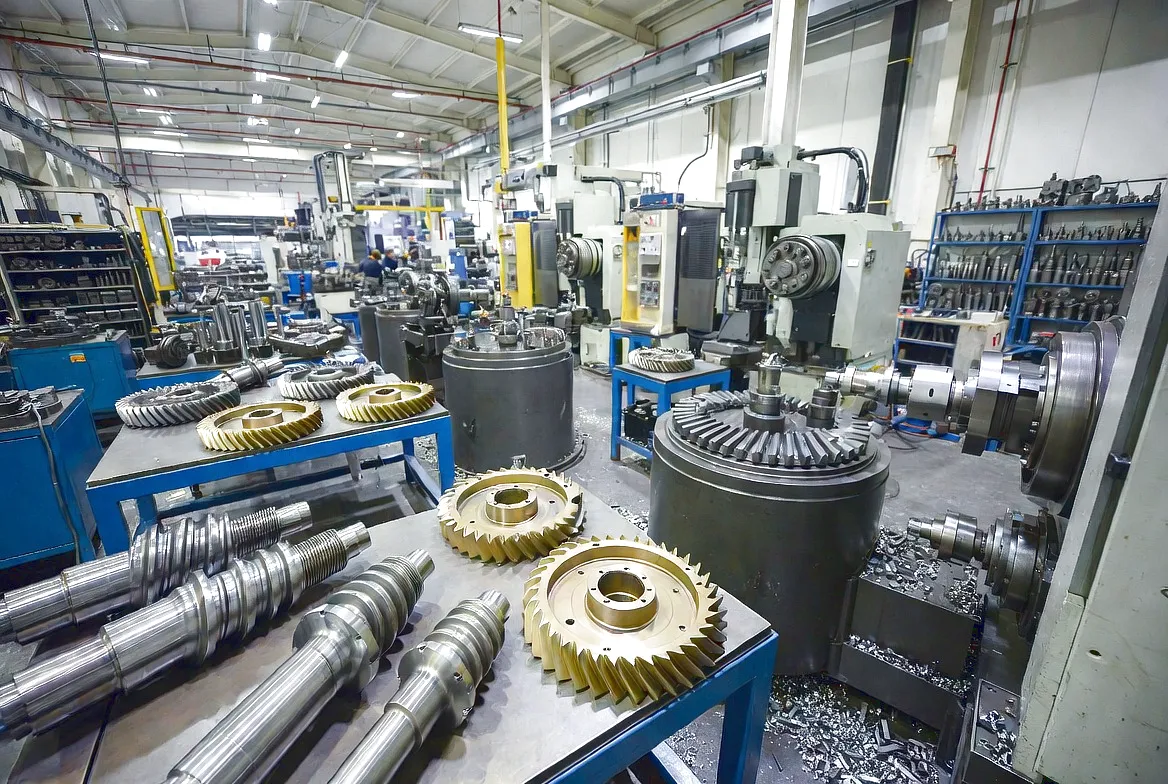
Ever Power brings two decades of specialised worm gear shaft engineering to every customer engagement, combining a vertically integrated manufacturing facility with the technical depth to genuinely understand the application rather than simply fulfil a drawing. The facility operates a dedicated worm gear shaft production line equipped with multi-axis CNC thread grinding machines, carburising furnaces capable of batch processing large shaft diameters to case depths exceeding 2.0 mm, and a coordinate measuring machine bay that checks thread form, pitch error, and lead error against DIN 3975 tolerance grades before any component is cleared for despatch. This in-house metrology capability is not a quality formality — it is the mechanism by which Ever Power guarantees that worm gear shaft assemblies supplied to UK OEM customers perform identically across consecutive production batches.
The customisation capability at Ever Power extends well beyond altering shaft diameter or overall length. The engineering team regularly works from functional specifications — output torque, reduction ratio, available envelope, ambient operating temperature, and permissible back-drive condition — and designs the worm gear shaft geometry from the ground up to optimise mechanical efficiency and bearing arrangement simultaneously. Customers in the UK benefit from a direct technical liaison service with bilingual engineering support, lead times that respect British production schedules, and packaging optimised for third-party logistics consolidation at UK freight hubs. For high-volume OEM supply agreements, Ever Power maintains buffer stock programmes that eliminate the sourcing risk faced by manufacturers whose production cannot wait for a standard six-week manufacturing cycle.
20+
Years Experience
500+
Custom Shaft Profiles
ISO
Certified Production
UK
Logistics Network
10–200
mm Diameter Range
Customer Success Story
Sheffield Steel Processor Eliminates Unplanned Downtime with Ever Power Worm Gear Shaft Upgrade
Client:
A mid-scale structural steel fabricator in Sheffield, operating automated section shears and press-brake loading robots on a two-shift production pattern.
The Challenge:
The facility had been running a legacy worm gear shaft arrangement on its main transfer conveyor indexer for eleven years. Over the preceding eighteen months, three shaft replacements had been required, each costing approximately four hours of production stoppage and sourcing delay on standard off-the-shelf components that never quite matched the original bore and keyway specification. The management team engaged Ever Power after an industry contact mentioned the firm’s capacity for custom-to-drawing supply.
The Solution:
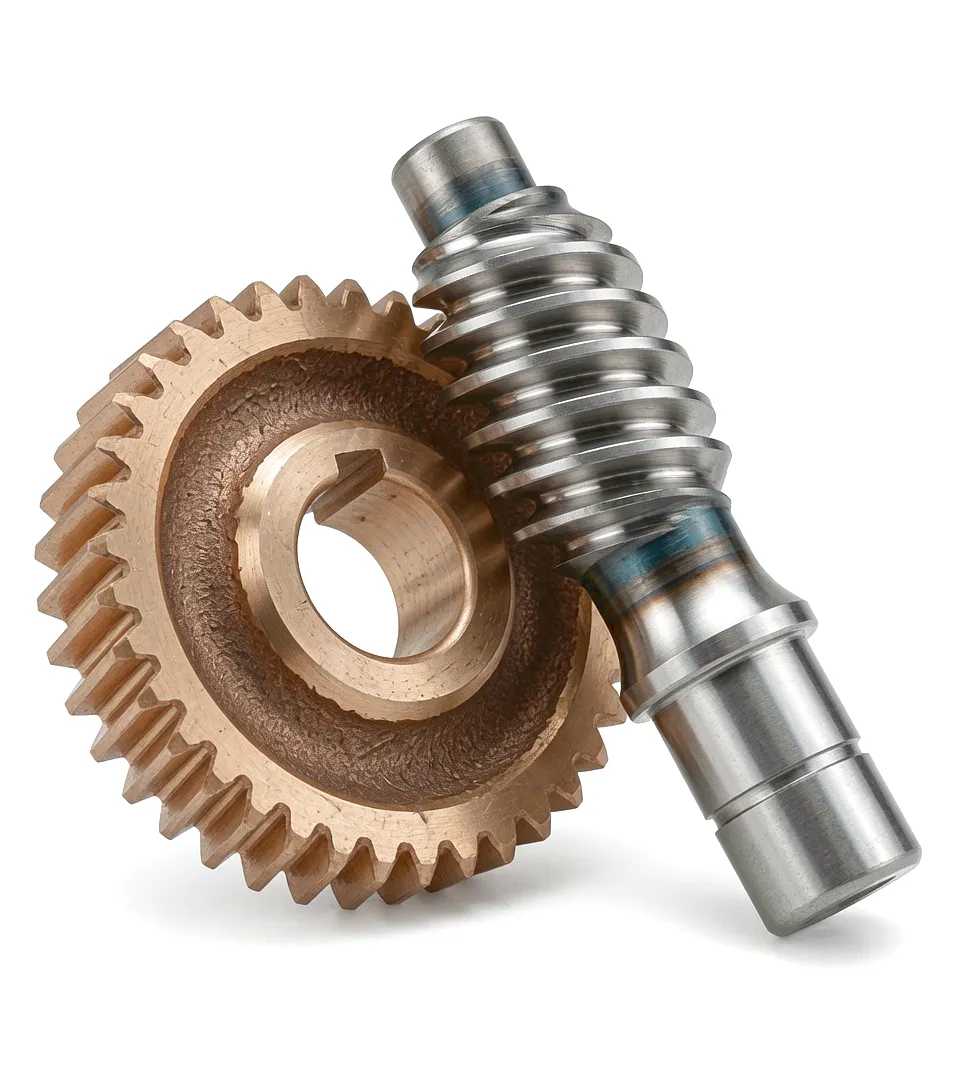
Ever Power reverse-engineered the worn shaft from a dimensional report and operating torque calculation, then manufactured a replacement albero a vite senza fine in 20CrMnTi with a case depth of 1.6 mm, an upgraded thread surface finish of Ra 0.5 micrometres, and re-specified bearing journal tolerances to k6 for an interference fit in the housing bore. A buffer stock of four shafts was agreed under a blanket supply arrangement, held at a UK logistics hub near Doncaster for next-day despatch.
Outcome After 14 Months of Service:
0
Unplanned shaft replacements
£18,400
Estimated downtime cost saving
24 hrs
Max replenishment lead time from buffer stock
Ra 0.5
μm thread finish achieved
Customer Reviews
★★★★★
“The thread profile on these worm gear shaft components is noticeably more consistent than what we had been receiving from our previous supplier. Running in was faster and operating temperature on the gearbox housing stabilised a full 12 degrees lower than before. That alone extended oil change intervals considerably.”
— Maintenance Manager, Sheffield Structural Fabricator
★★★★★
“We specified a non-standard bore size with a metric keyway and expected the usual story about minimum quantities and long turnaround. Ever Power came back with a technical drawing for review within 48 hours and delivered fully machined worm gear shaft components in four weeks. That kind of responsive engineering support is genuinely rare from an overseas manufacturer.”
— Procurement Director, West Midlands Automotive Tier 1 Supplier
★★★★★
“Our pharmaceutical packaging line requires absolute positional repeatability from the indexing mechanism, and the worm gear shaft supplied by Ever Power has delivered that without a single positioning fault in nine months of continuous three-shift operation. The material test certificates and dimensional reports supplied with each batch give our quality team exactly what they need for our regulatory documentation.”
— Engineering Lead, Pharmaceutical Packaging Facility, Macclesfield
How to Specify the Right Worm Gear Shaft for Your Application
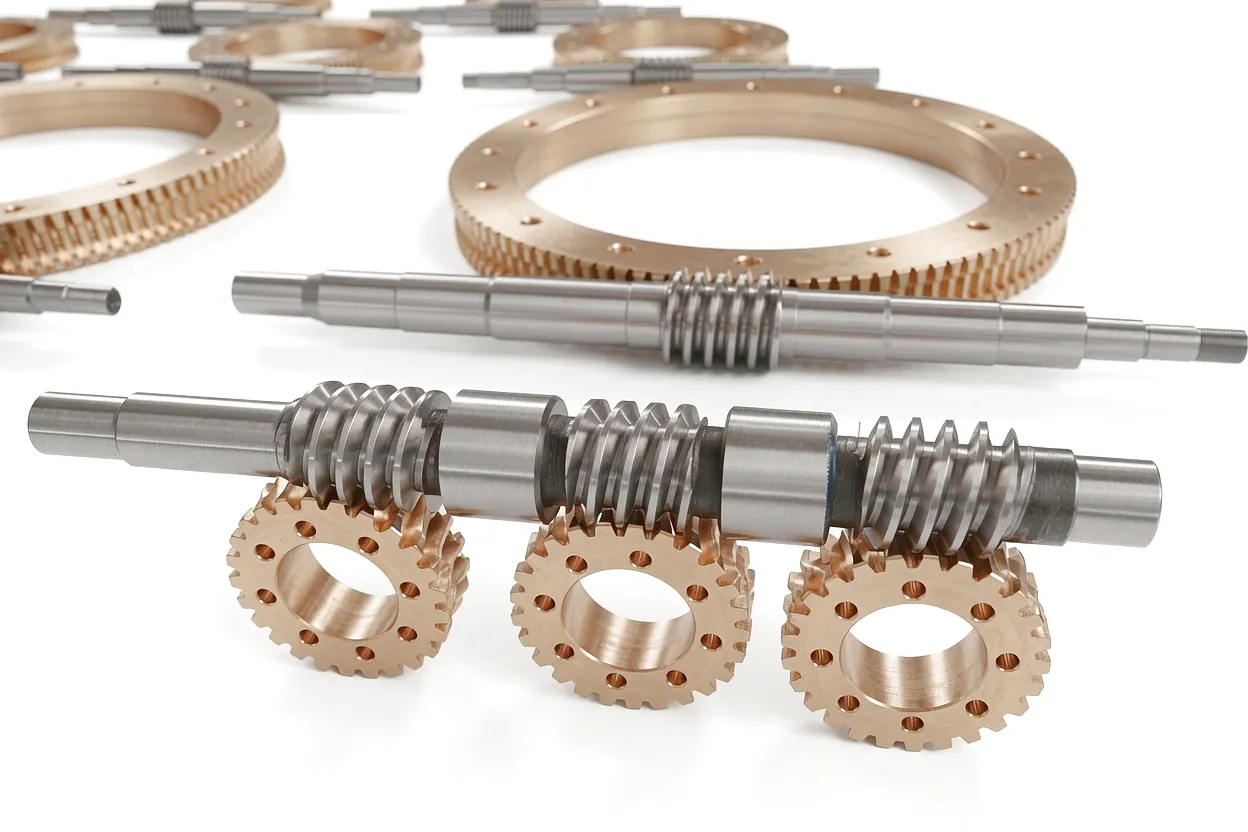
Choosing a worm gear shaft for a new or replacement application requires working systematically through a small number of critical parameters before any catalogue or custom drawing can be evaluated. The starting point is always the transmitted power at the input shaft, expressed in kilowatts, and the input speed in revolutions per minute. From these two values the input torque is immediately determined, and once the required output speed is known the target reduction ratio follows by simple arithmetic. It is worth noting that the mechanical efficiency of a worm gear shaft mesh varies considerably with the chosen lead angle — a single-start worm at a 40:1 ratio may operate at only 50 to 60 percent efficiency, meaning the thermal rejection from the gearbox housing must be factored into the bearing and lubrication specification from the outset, particularly for continuous-duty applications in confined machine frames where heat cannot dissipate freely.
The second most important specification parameter is the back-driving requirement. If the application is a conveyor, mixing drum, or rotary table where the load can remain stationary under power-off conditions without any risk of gravity-driven reversal, a moderately high-lead-angle worm gear shaft with good efficiency is likely the better choice. If the application is a lifting column, valve gate, or dam gate drive where uncontrolled back-drive could cause a safety incident or product loss, specifying a worm gear shaft with a confirmed self-locking geometry — and obtaining the coefficient of friction data to verify this under the anticipated operating temperature — is non-negotiable. Many applications in the food and pharmaceutical sector around Northamptonshire and Nottinghamshire have learned this lesson through experience rather than careful specification, resulting in costly retrofitting of external brake units that would have been unnecessary with the correct initial worm gear shaft geometry.
Specification Checklist for Worm Gear Shaft Sourcing
☐ Input power (kW) and input speed (rpm)
☐ Required output speed and torque
☐ Duty cycle (intermittent vs continuous)
☐ Self-locking requirement (yes/no)
☐ Ambient temperature and IP rating
☐ Bore, keyway, and shaft orientation
☐ Material and corrosion resistance needs
☐ Lubrication type and relubrication access
FAQ
Frequently Asked Questions About Worm Gear Shafts
Ready to Source?
Get Your Worm Gear Shaft Quote from Ever Power
Whether you need a standard size or a fully custom worm gear shaft engineered to your application specification, Ever Power delivers precision, reliability, and responsive technical support to UK manufacturers.
edit by gzl