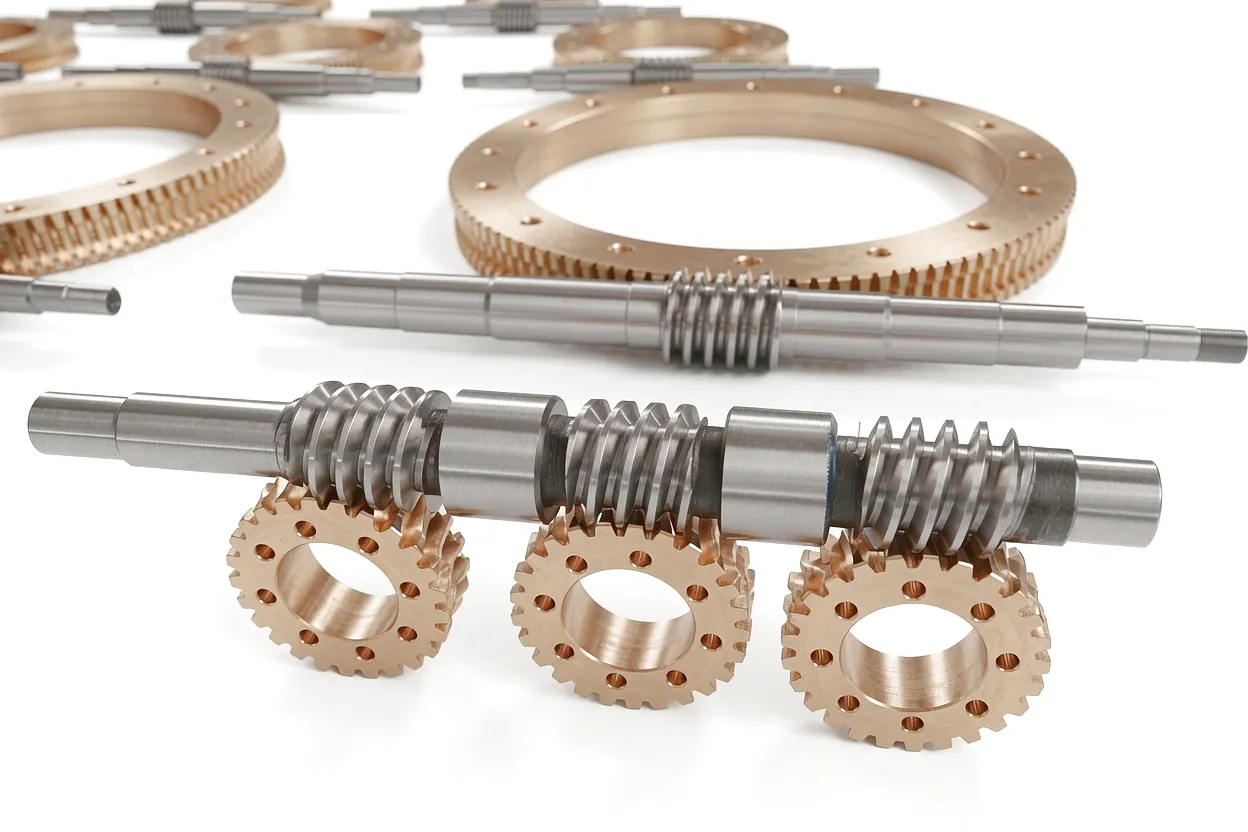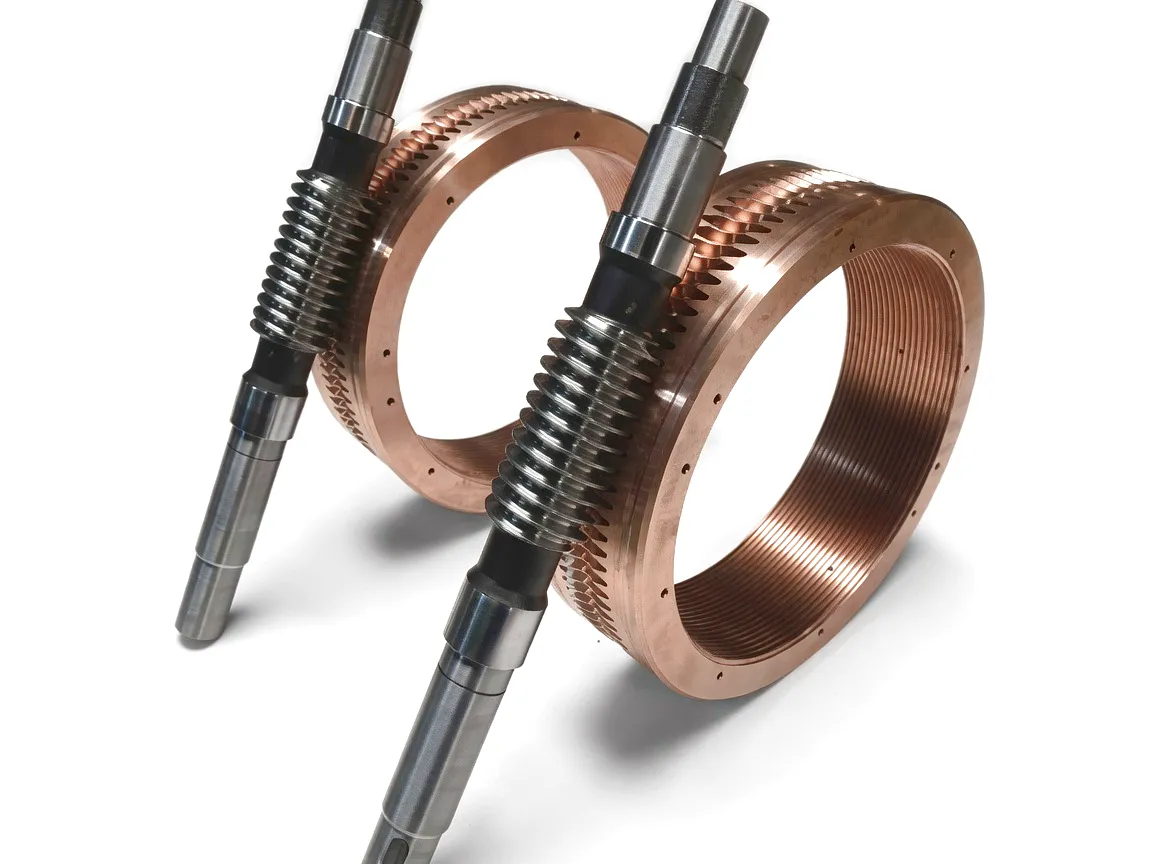
Worm Gear Shaft · Technical Knowledge Hub

Worm Gear Shaft for Roller Conveyor Systems: The Complete Engineering Guide

How distributed micro-drive worm gear reducers are transforming roller conveyor efficiency across UK manufacturing lines — from Birmingham logistics hubs to Sheffield fabrication plants.

0.1–1 kW Drive Power
20–60 r/min Output Speed
Distributed Drive Architecture
Zero-Pressure Accumulation

Worm gear shaft for roller conveyor

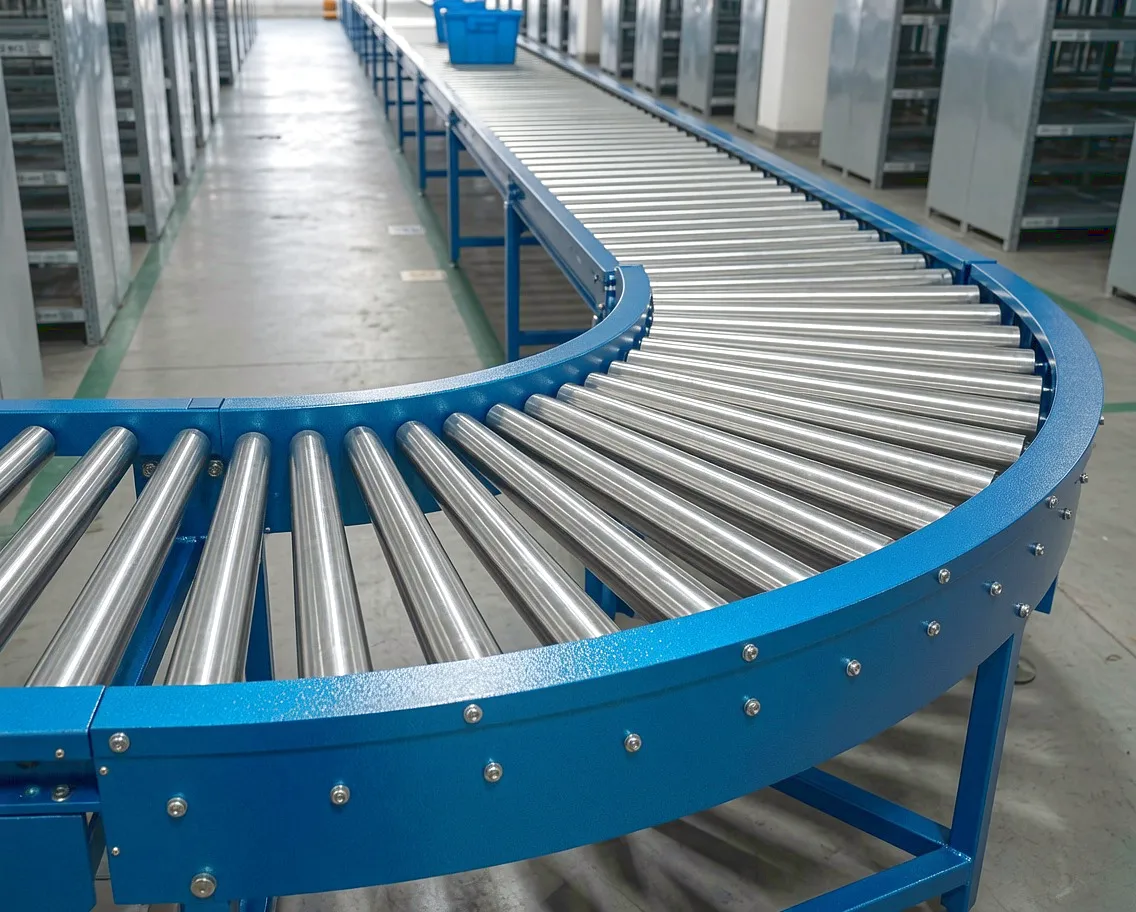
In modern industrial logistics and manufacturing environments, the roller conveyor stands as one of the most versatile and widely adopted material-handling solutions. Whether it is moving automotive sub-assemblies along a production line in Coventry, transporting packaged goods through a distribution centre near Milton Keynes, or feeding sheet metal blanks into a press shop in Sheffield, the roller conveyor must operate reliably, quietly, and with precise speed control. At the heart of every individual driven roller sits a remarkably compact piece of engineering: the worm gear shaft integrated into a micro-drive gearmotor. Understanding how this component works, why it outperforms alternative solutions, and how to specify it correctly can make a measurable difference to plant uptime and total operating cost.

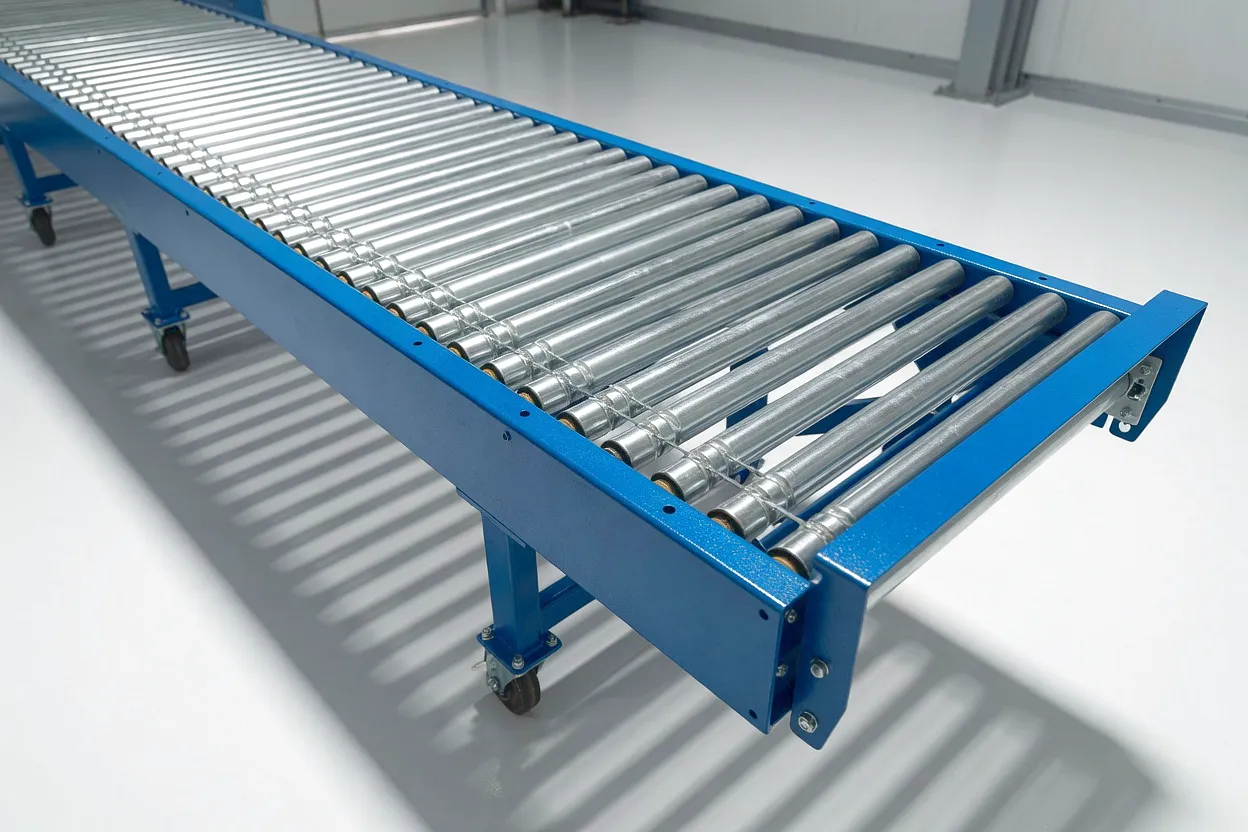
Each driven roller on a roller conveyor system is typically paired with its own micro-drive worm gear reduction motor, rated at as little as 0.1 kW and as much as 1 kW depending on the load being transported. The output shaft rotates at 20 to 60 revolutions per minute — a speed range that provides the gentle, controlled movement required for accumulation zones, directional transfers, and delicate product handling. This principle of distributing individual drives along the conveyor length, rather than running a single large motor through a chain or belt system, opens up a world of operational advantages that centrally driven conveyors simply cannot match. The worm gear shaft is the mechanical enabler that makes this distributed architecture both practical and cost-effective.

How a Worm Gear Shaft Actually Works Inside a Roller Conveyor Drive

⚙️

The Worm Thread Engagement

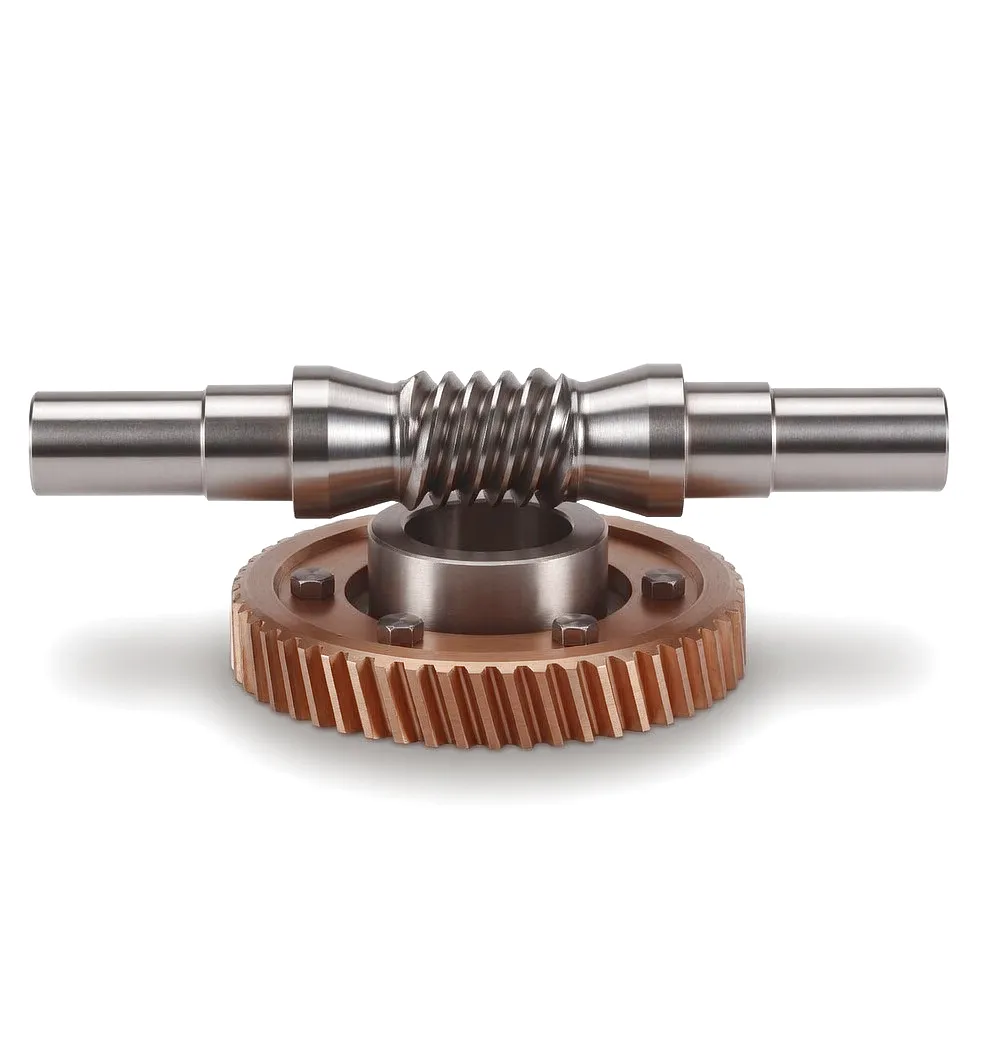
The worm — a helical screw thread machined directly onto the input shaft — meshes with the teeth of a worm wheel (gear) mounted at a 90° axis. As the motor spins the worm shaft at high speed, the thread pushes each tooth of the wheel around in sequence. The single-start or multi-start thread geometry determines the gear ratio: a single-start worm advances the wheel by exactly one tooth per revolution, producing ratios from 10:1 up to 100:1 in a single compact stage. This mechanical configuration converts the motor’s high-speed, low-torque rotation into the slow, high-torque output that drives the conveyor roller at the required 20–60 r/min, without any additional gearstages or complex linkages.

🔩

Self-Locking Characteristic

One of the most valuable properties of the worm gear shaft arrangement is its inherent self-locking behaviour at low lead angles. When the helix angle of the worm thread is smaller than the friction angle of the engaged surfaces, back-driving becomes impossible without external power. In a roller conveyor context, this means that when the gearmotor is de-energised, the rollers stop immediately and hold position — no braking clutch, no solenoid, no additional holding device required. This characteristic is especially important in inclined conveyor sections within Birmingham automotive plants or multi-level picking towers in fulfilment warehouses, where gravity would otherwise cause products to drift on power interruption. The self-locking action is a natural safety feature built into the geometry of the worm gear shaft itself.

🔄

Distributed Drive Integration

Because each worm gear shaft assembly is compact enough to be housed within the drum of a motorised roller or mounted externally beside each drive roller, the entire drive system scales horizontally with the conveyor length. Adding a zone is as simple as adding another gearmotor unit. Each zone can be independently enabled, speed-adjusted, or reversed by its own controller, enabling accumulation (zero-pressure buffering), sorting diverters, and speed-staged transitions — all from the same standardised worm drive architecture. This is the foundation of the zone-controlled roller conveyor concept that has become a cornerstone of modern UK fulfilment and manufacturing operations, and the worm gear shaft is its mechanical backbone.

Core Materials Used in Worm Gear Shaft Manufacturing
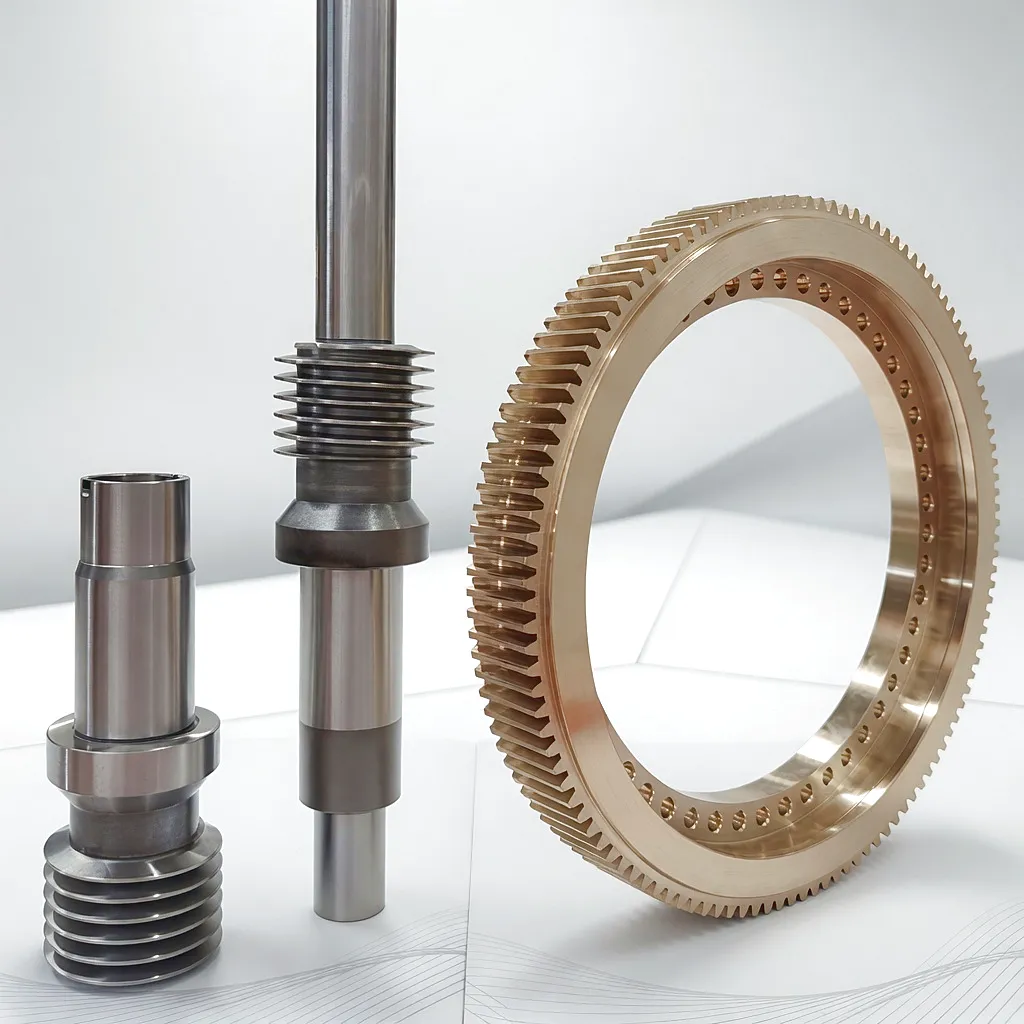
Worm gear shaft material quality

The choice of material for a worm gear shaft is not a trivial decision — it directly determines the fatigue life, surface hardness, friction characteristics, and resistance to the harsh environments found in food processing, automotive, and heavy fabrication settings. The worm shaft itself is almost always manufactured from alloy steel grades such as 20CrMnTi or 42CrMo4 (also written 42CrMo in UK standard equivalents). These grades offer the dual advantage of a tough, ductile core that resists impact and bending shock loads, combined with a surface that responds exceptionally well to case-hardening and carburising treatments. After heat treatment, the worm thread flanks can reach surface hardnesses of 58–62 HRC, ensuring that the sliding contact zone — where most wear occurs — lasts the full design life of the conveyor system without measurable profile degradation.

The worm wheel is almost universally made from a centrifugally cast phosphor bronze alloy — typically CuSn10Pb1 or an equivalent. Phosphor bronze has a low coefficient of friction against hardened steel, which is critical given that worm gear contact is predominantly sliding rather than rolling. The bronze wheel dissipates frictional heat efficiently, conforms slightly to the worm profile under load to improve tooth contact, and resists the formation of micro-welding adhesion that would rapidly destroy a ferrous wheel. In food-grade and washdown conveyor environments — a growing requirement across UK food manufacturing in areas like Grimsby and the Vale of Evesham — stainless steel variants of the worm shaft (316L or 420 grade) are specified alongside food-safe synthetic lubricants to meet BRCGS and HACCP standards without compromising mechanical performance.

🔧
Albero a vite senza fine
20CrMnTi / 42CrMo4 alloy steel, case-hardened to 58–62 HRC
⚗️
Worm Wheel
Centrifugal-cast phosphor bronze CuSn10Pb1, HB 80–100
🛡️
Food-Grade Variant
316L / 420 stainless steel shaft, FDA-approved synthetic lubricant
🏠
Housing
Die-cast aluminium alloy or grey cast iron GG25, IP65/IP67 rated sealing

Product Technical and Performance Parameters

Key specifications for worm gear shaft gearmotor units used in roller conveyor drives

ParameterStandard RangeTypical Conveyor ValueNotes
Rated Motor Power0.1 kW – 1 kW0.18 kW / 0.37 kWPer individual drive roller zone
Output Speed20 r/min – 60 r/min30–40 r/minAdjustable via VFD control
Gear Ratio10:1 – 100:130:1 – 60:1Single-stage worm reduction
Output Torque10 N·m – 500 N·m50–120 N·mDependent on ratio and motor size
Shaft Axis Angle90°90° (standard)Ideal for right-angle roller mounting
Worm Shaft MaterialAlloy steel 20CrMnTi / 42CrMo420CrMnTi (carburised)Surface hardness 58–62 HRC
Worm Wheel MaterialPhosphor bronze CuSn10Pb1CuSn10Pb1 centrifugal castHB 80–100, anti-seizure property
Housing MaterialDie-cast aluminium / Cast iron GG25Aluminium (light duty), GG25 (heavy)IP54 standard; IP65/67 optional
Mechanical Efficiency60% – 92%78–85% (multi-start worm)Higher starts = higher efficiency
Ambient Temperature-25°C – +80°C-10°C – +40°C (indoor)Cold store variants available
LubricationMineral or synthetic gear oilSynthetic PAO ISO VG 220Lifetime-lubricated sealing possible

Why Worm Gear Shaft Drives Outperform Alternatives in Conveyor Applications

Engineering advantages that make worm-drive gearmotors the preferred choice for roller conveyor systems across the UK manufacturing sector

📦

Extreme Compactness

The 90-degree shaft arrangement of a worm gear shaft gearmotor means the motor axis runs parallel to the conveyor frame while the output shaft drives the roller perpendicular — exactly the geometry needed in tight roller pitch applications. Units fitting within a 60 mm mounting profile are routinely installed between rollers pitched at 75 mm centre-to-centre, a requirement that rules out helical-bevel gearmotors entirely. This compactness is not achieved by compromising on torque capacity; rather, the worm drive geometry inherently achieves high reduction ratios in a single stage, eliminating the additional gearstages that make competing designs bulkier.

🔇

Low Noise Profile

The sliding contact that gives worm drives their self-locking characteristic also acts as a natural noise damper. Unlike helical or spur gears where tooth engagement generates periodic impact impulses, the worm thread glides along the wheel teeth in a smooth progressive meshing action. Noise levels in correctly aligned and adequately lubricated worm gear shaft assemblies typically fall in the 58–68 dB(A) range at the gearmotor housing, well within the limits acceptable under UK workplace health and safety regulations (Control of Noise at Work Regulations 2005). For conveyor systems in distribution centres co-located with office areas — an increasingly common arrangement in modern UK fulfilment campuses — this quiet operation is a significant operational benefit.

🛡️

Inherent Overload Tolerance

When a product jams on a roller conveyor — an inevitable occurrence in any production environment — the worm gear shaft assembly absorbs short-duration overload torque through the ductile compliance of the phosphor bronze wheel. Rather than transmitting peak loads back through the driveline to break belts or strip gear teeth as chain-drive systems might, the worm drive yields slightly, then recovers. This behaviour extends the operational life of surrounding components and significantly reduces unplanned maintenance downtime. Many UK operations engineers specify an overload capacity of 2.5× rated torque for jam conditions, a requirement that well-designed worm gear shaft gearmotors meet within their standard ratings without the need for external torque-limiting couplings.

🔁

Bi-Directional and Reversible

Multi-start worm gear shaft configurations (two-start or four-start threads) allow efficient bi-directional rotation — critical for sorter conveyors, return paths, and divert mechanisms. By simply reversing the motor supply phase sequence or adjusting the VFD command, the conveyor zone reverses direction without any mechanical modification. This flexibility makes the worm drive gearmotor a universal platform for complex conveyor topologies including loop systems, cross-belt sorters, and oscillating accumulation tables, which are increasingly specified in the UK’s growing logistics automation sector.

💰

Low Total Cost of Ownership

The purchase price of a worm gear shaft gearmotor is consistently lower than that of an equivalent-ratio helical-bevel unit. Combined with minimal maintenance requirements — modern sealed units are lifetime-lubricated with synthetic oil and require no field-servicing until major overhaul at 20,000+ hours — the total cost of ownership over a five-year operating cycle strongly favours the worm drive solution. For system integrators building UK conveyor projects on fixed budgets, this cost profile often allows a higher-specification drive controller or additional zone count within the same project envelope, improving overall system capability without increasing capital expenditure.

VFD and Smart Drive Compatible

When paired with variable frequency drives (VFDs) or 24 V DC brushless motors, the worm gear shaft gearmotor becomes a fully programmable speed element within an Industry 4.0 conveyor control architecture. Zone speed, acceleration ramp, and braking can all be parameterised centrally, enabling the conveyor to adapt dynamically to product mix, throughput demand, and energy-saving schedules. Integration with warehouse management systems (WMS) and PLC networks via EtherCAT, Profibus, or IO-Link protocols is straightforward, making the worm gear shaft-based roller drive a practical building block for smart factory deployments across the UK.

Industrial Application Scenarios Across the UK
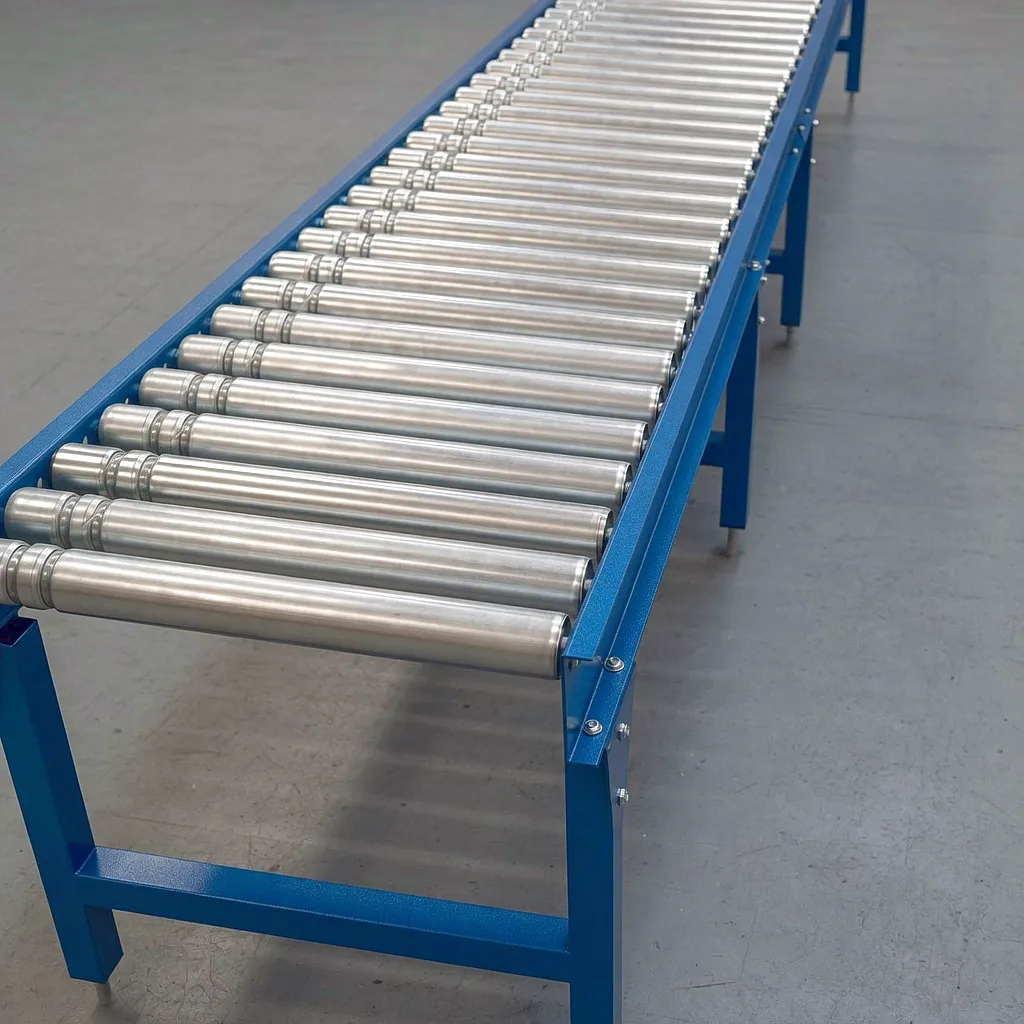
Roller conveyor application worm gear shaft

E-Commerce Fulfilment and Distribution Centres

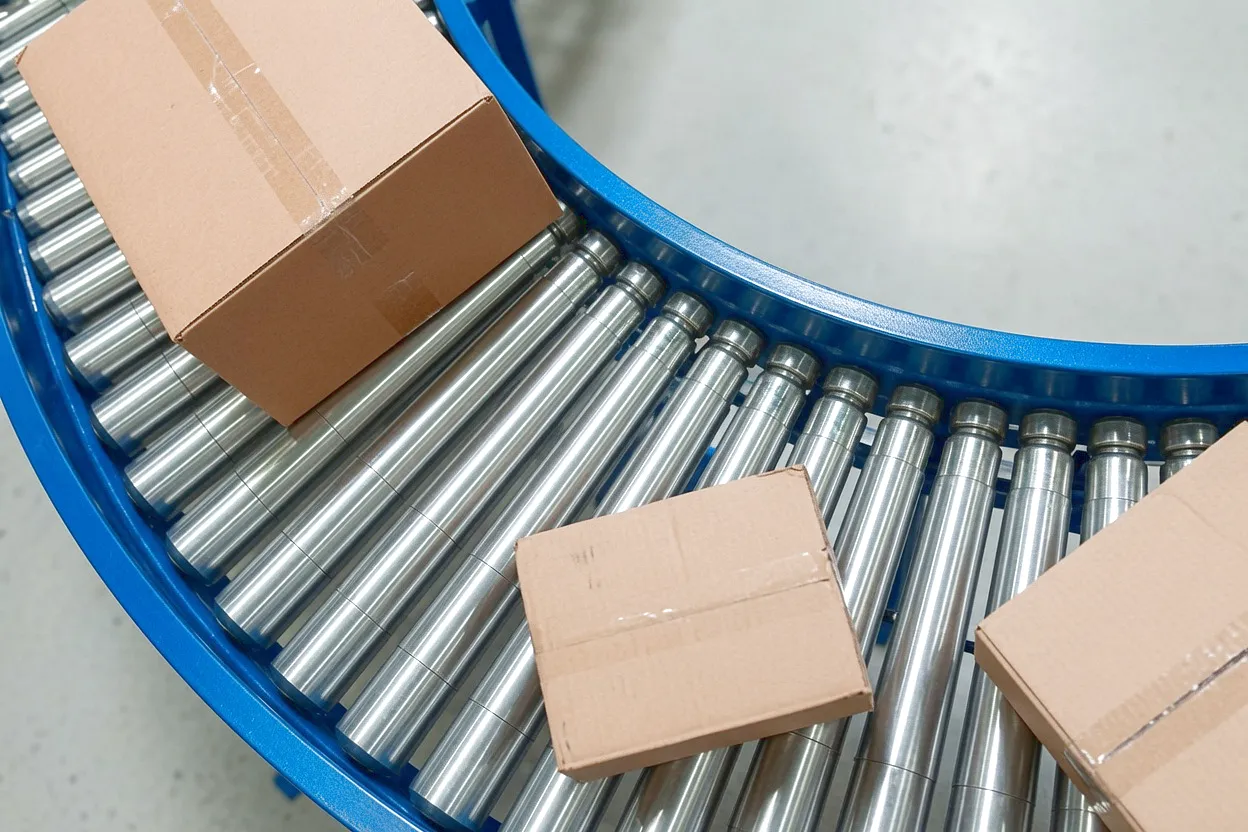
The growth of next-day delivery operations across UK logistics parks — particularly the large-scale facilities along the M1 corridor, around Milton Keynes, and in the Midlands distribution golden triangle — has driven enormous demand for zone-controlled roller conveyors using worm gear shaft gearmotors. In these environments, parcel conveyors must handle thousands of mixed-size cartons per hour, accumulating products in buffer zones without allowing pressure accumulation that could damage goods or cause jams. Each driven roller zone, powered by its own worm gear shaft gearmotor, activates and de-activates under sensor control as cartons arrive and depart. The result is a zero-pressure accumulation conveyor that protects fragile consumer goods, reduces jam-clearance downtime, and operates efficiently 24 hours a day with minimal maintenance intervention. The ability to control individual zones independently also enables dynamic re-routing to alternative sorter lanes during peak trading periods such as Black Friday and Christmas, when throughput demands can surge by 300% above normal operating levels.

Automotive assembly line roller conveyor

Automotive Assembly and Sub-Component Manufacturing

Birmingham has long been the heartland of UK automotive manufacturing, and roller conveyors fitted with worm gear shaft drive units are embedded throughout body-in-white shops, trim-and-final assembly lines, and engine sub-assembly areas. The self-locking characteristic of the worm drive is particularly valued here: when a carrier pallet loaded with a cylinder head assembly or a door panel arrives at a workstation, it must stop precisely and hold position for the operator to perform fastening operations. The worm gear shaft gearmotor achieves this without any additional braking solenoid, reducing the bill of materials and eliminating a potential failure mode. In the battery assembly facilities that are increasingly being established across the West Midlands as EV production ramps up, the worm drive’s low electromagnetic interference profile also reduces the risk of nuisance trips in the sensitive battery cell quality-measurement equipment operating nearby on the same production floor.

Food and beverage conveyor worm drive

Food and Beverage Processing Lines

Food manufacturing facilities across the UK — from bakeries in the Thames Valley to seafood processors in Grimsby and dairy operations in Yorkshire — rely on roller conveyor systems with worm gear shaft gearmotors to transport packaged products through chilling, wrapping, labelling, and palletising stages. In these environments, the gearmotors must withstand frequent washdown with high-pressure hot water and cleaning chemicals, making the IP65 or IP67 rating of the worm gear shaft housing absolutely non-negotiable. Stainless steel shaft variants eliminate corrosion risk in zones where condensation accumulates or where cleaning cycles operate on a six-hour rotation. The compact dimensions of the worm drive also allow the gearmotor to be housed within the roller frame profile, preventing the accumulation of debris and bacteria in exposed mechanical components — a significant advantage when HACCP compliance audits take place at these facilities.

Steel fabrication roller conveyor Sheffield

Steel and Metal Fabrication — Sheffield and Beyond

Sheffield’s steel and special alloys manufacturing sector presents some of the most demanding roller conveyor requirements in UK industry. Heavy gauge steel blanks, billets, and fabricated sections weighing hundreds of kilograms must be moved through shearing, bending, grinding, and surface-treatment lines while being positioned accurately for each machining operation. Worm gear shaft gearmotors specified for this duty are selected with cast iron housings, Class F motor insulation to cope with radiant heat from nearby furnaces, and output shaft-mounted roller bearings rated for combined axial and radial loads from heavy pallet carriers. The high gear ratios achievable in a single worm stage allow motors of just 0.75 kW to drive heavy-duty roller sections against realistic installed loads, keeping energy demand manageable on a process line that may run dozens of driven roller zones simultaneously across a single shopfloor.

Ever Power Worm Gear Shaft — Product Gallery
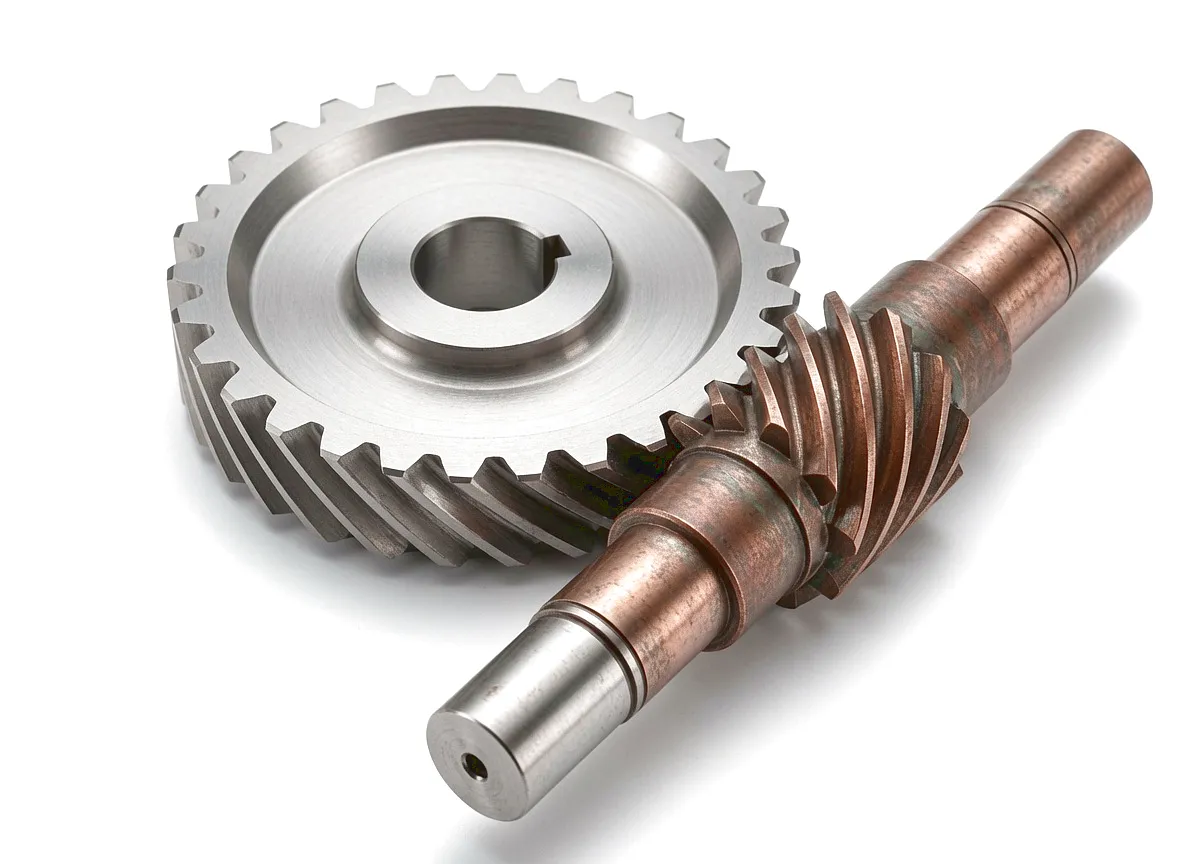
Worm gear shaft product
Worm gear shaft detail
Worm shaft precision machined

Ever Power: Precision Manufacturing and Custom Worm Gear Shaft Solutions

Meeting the exacting requirements of global B2B clients with engineering depth, supply chain reliability, and true customisation capability
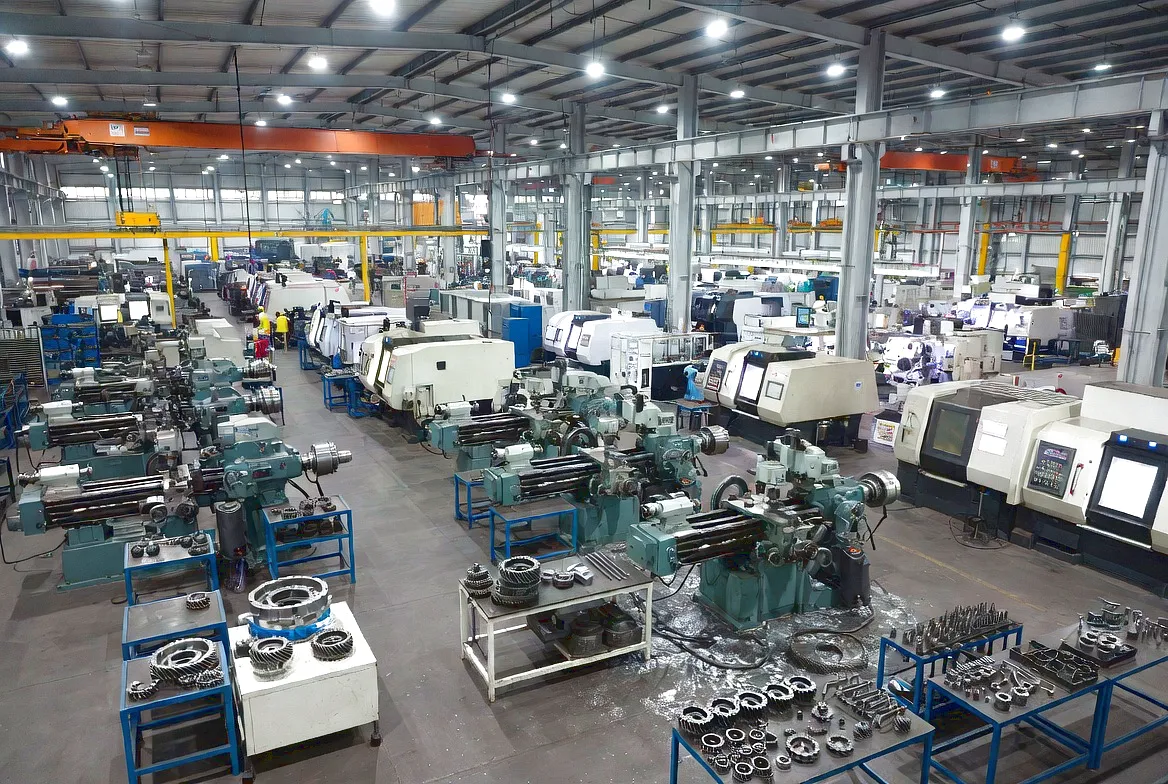
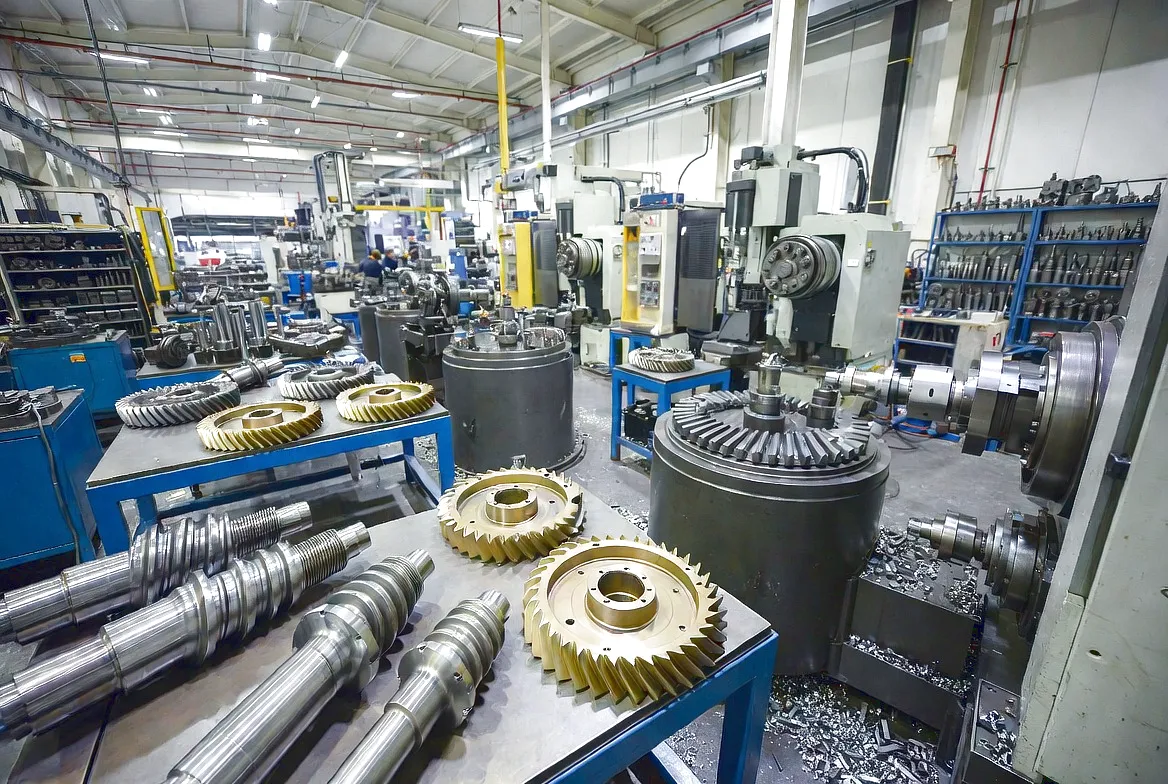
Ever Power worm gear shaft workshop
Ever Power factory CNC machining
🏭
6 CNC Machining Centres
5-axis CNC turning and grinding for worm shaft thread profiles to DIN 3975 accuracy grade 5
🔬
CMM Quality Inspection
Coordinate measuring machine inspection of every worm shaft batch; full dimensional report supplied on request
📐
Full Customisation Scope
Shaft diameter, thread starts, helix angle, mounting flange, keyway, oil port position — all modifiable to customer drawing
🚚
UK-Friendly Logistics
DDP delivery to UK mainland, including export documentation and CE/UKCA conformity declaration
⏱️
Lead Time: 15–25 Days
Standard range ex-stock; custom-engineered worm gear shaft units within 25 working days from approved drawing
📜
ISO 9001:2015 Certified
Quality management system covers raw material procurement through to final test and despatch

Ever Power’s engineering team works directly with conveyor OEMs and end-user plant engineering departments to define the exact worm gear shaft specification needed for each project. The customisation process begins with a detailed application questionnaire covering installed load, roller pitch, conveyor inclination, duty cycle, ambient temperature, and IP rating requirement. From this data, the team generates a gear tooth contact stress calculation, a thermal rating check, and a bearing life estimate — all delivered to the client within 48 hours as part of the pre-sales technical service. Sample units for fitment trials can be despatched to UK addresses within five working days of order confirmation, allowing conveyor builders to validate mechanical fit and performance before committing to a full production quantity. This combination of engineering rigour, manufacturing precision, and commercial flexibility has made Ever Power the preferred worm gear shaft supplier for system integrators serving sectors from automotive and food processing to pharmaceutical cold chain and heavy steel fabrication.

Customer Success Story

Sheffield Precision Engineering Ltd: From Chronic Downtime to 99.2% Conveyor Availability

Sheffield, South Yorkshire · Special Alloys Fabrication Industry · Roller Conveyor Upgrade Project
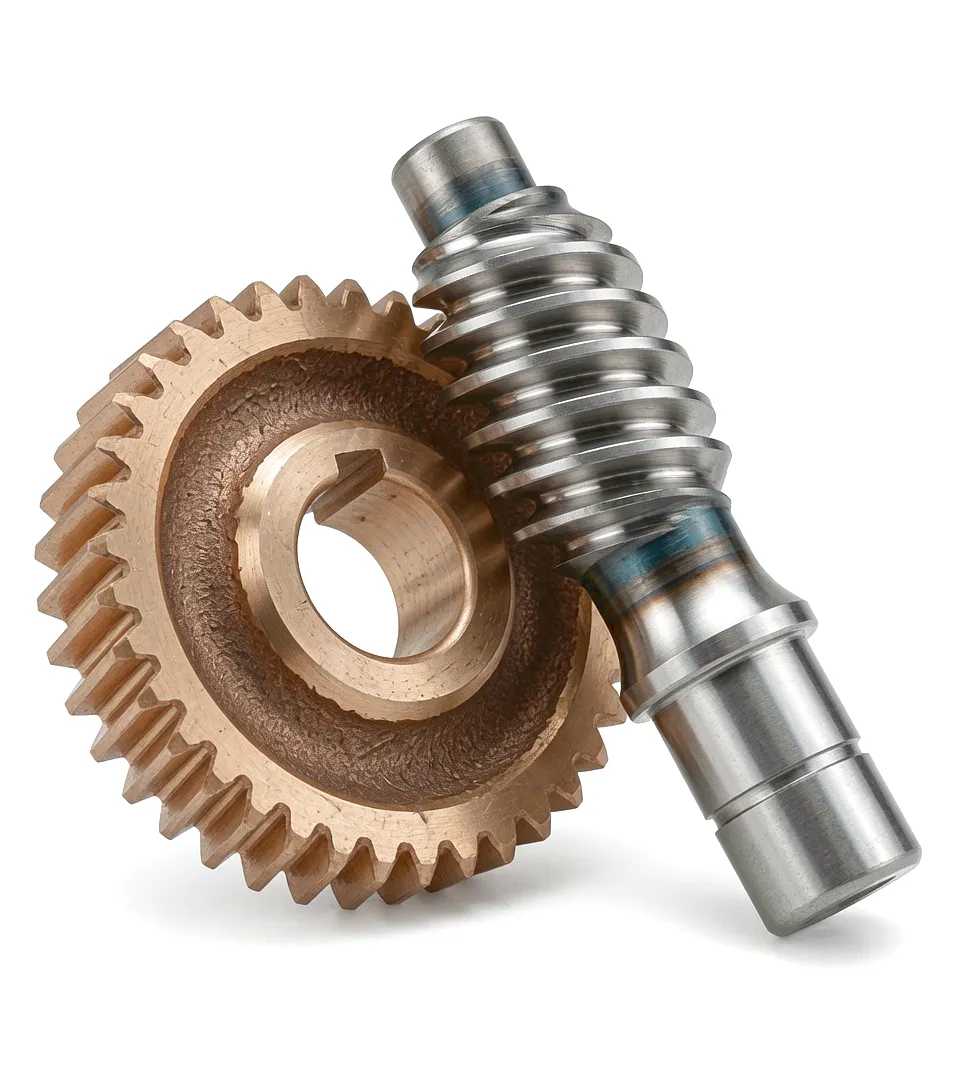
Worm gear shaft assemblySheffield Precision Engineering Ltd operates a 4,800 m² fabrication facility producing hardened tool steel blanks and special alloy bar stock for the aerospace and tooling industries. Their existing roller conveyor system — a 47-metre line moving bar stock between a draw bench, annealing oven, and straightening press — relied on a single central chain-drive motor fitted with a standard helical gearbox. The system had operated reasonably well for its first three years, but as production tonnage increased to meet growing demand from aerospace suppliers in the East Midlands, the chain drive began showing signs of chronic fatigue failure. Emergency breakdown callouts averaged 2.3 incidents per month, each requiring a minimum of four hours to diagnose and repair. With each hour of downtime costing an estimated £1,800 in lost capacity and overtime, the financial impact was significant and escalating.

The plant engineering manager contacted Ever Power after finding their technical documentation during a search for distributed roller conveyor drive solutions suitable for heavy-duty industrial use. The initial enquiry was straightforward: could Ever Power supply worm gear shaft gearmotors that would fit within the 90 mm roller centres on their existing conveyor frame, handle a distributed load of up to 480 kg per zone, and survive the ambient conditions — which included oil mist from the nearby hydraulic press and radiant heat from the annealing oven raising bay temperatures to 45°C? Ever Power’s engineering team conducted a full application review, calculated thermal derating requirements for the elevated temperature environment, and specified 0.75 kW worm gear shaft gearmotors with IP65-rated cast iron housings and Class F insulation. A sample set of six units was delivered to Sheffield within seven working days, and after a two-week installation and trial period, the plant placed a series order for 38 units to replace the entire chain-drive system.

After twelve months of operation with the new worm gear shaft distributed drive system, Sheffield Precision Engineering Ltd recorded zero drive-related breakdown incidents. Overall conveyor availability climbed from 87.4% to 99.2%, and the independent zone control enabled by the distributed architecture allowed the plant to introduce staged speed sequencing between the draw bench outfeed and the oven infeed, reducing bar-end impact damage by an estimated 23%. The capital investment in the new drive system was recovered within eight months through eliminated downtime costs alone. The plant engineering manager has since specified Ever Power albero a vite senza fine units for two additional conveyor systems under construction at the Sheffield facility.

What Our Clients Are Saying

★★★★★

“We replaced a complete chain-drive system with Ever Power’s worm gear shaft gearmotors and the difference has been night and day. The units run quietly, the self-locking action holds bar stock perfectly at each workstation, and in twelve months we haven’t had a single gearmotor failure. Their pre-sales technical team provided detailed thermal calculations that proved the units would work in our elevated-temperature bay — exactly the level of support a plant engineer needs before committing to a major upgrade.”

James Hargreaves, Plant Engineering Manager
Sheffield Precision Engineering Ltd, Sheffield, South Yorkshire
★★★★★

“Ever Power supplied us with stainless steel worm gear shaft units for our fresh seafood packing line in Grimsby. IP67 rated, food-grade synthetic lubricant, absolutely no leaks after six months of twice-daily hot washdowns. The lead time was 18 days from drawing approval to delivery on our loading dock, which is genuinely impressive for a custom order of this specification. The price was also more competitive than anything we were quoted by UK distributors carrying European brands.”

Sarah Buckingham, Operations Director
Northern Catch Processing Ltd, Grimsby, Lincolnshire
★★★★★

“As a conveyor systems integrator based in Birmingham, we’ve specified Ever Power worm gear shaft gearmotors on seven projects in the past two years, including two EV battery sub-assembly lines and a major parcel sortation upgrade at a Midlands logistics campus. The consistency of dimensional accuracy across batches means our fabricators never need to modify the mounting brackets, and the DDP delivery with UKCA documentation saves our compliance team hours of paperwork. Ever Power has become our go-to worm drive supplier without question.”

David Okafor, Technical Director
Midland Conveyor Systems Ltd, Birmingham, West Midlands

FAQ · Voice Search Friendly

Frequently Asked Questions About Worm Gear Shaft Roller Conveyor Drives

Answers to the real questions UK engineers, procurement managers, and plant operators ask about specifying and sourcing worm gear shaft solutions

What exactly is a worm gear shaft and how does it drive an individual roller on a conveyor system?+
A worm gear shaft is the input shaft of a worm gear reducer, machined with a helical thread profile that meshes at 90 degrees with the teeth of a mating worm wheel. In a roller conveyor, this shaft is connected to a small electric motor. The high-speed rotation of the motor turns the worm shaft, which in turn rotates the worm wheel at a much lower speed and proportionally higher torque. The output of the worm wheel is then connected directly to the conveyor roller tube, spinning it at the required 20–60 r/min. Because each roller gets its own gearmotor unit, every zone of the conveyor can be independently controlled — a fundamental requirement for accumulation, sorting, and speed-transition functionality.
How much does a worm gear shaft gearmotor for roller conveyors typically cost, and can I get a competitive price for a bulk UK order?+
The unit price of a worm gear shaft gearmotor varies widely depending on power rating, gear ratio, IP protection level, and shaft material. For a standard 0.37 kW aluminium-housed unit at a 40:1 ratio, indicative prices at quantity from specialist suppliers like Ever Power range from £45 to £85 per unit depending on order volume. Custom stainless steel or cast iron variants command a premium of 20–40% over the standard aluminium equivalents. For UK bulk orders — typically 50 units and above — Ever Power offers volume pricing that is consistently competitive against European-branded equivalents, with DDP delivery included in the quoted price. Request a formal quotation via [email protected] with your quantity, specification, and delivery timeline.
Which worm gear shaft specification should I choose for a food processing conveyor in a UK factory that requires regular washdown?+
For food processing conveyor applications requiring regular washdown — a requirement found throughout UK food manufacturing from Grimsby seafood plants to Vale of Evesham produce packers — the recommended specification is a 316L stainless steel worm shaft with an IP65 or IP67 rated housing, filled with an NSF H1-registered food-grade synthetic lubricant such as PAO-based ISO VG 220. The double-lip shaft seal arrangement prevents water ingress during high-pressure cleaning cycles, and the stainless material eliminates corrosion risk at the shaft-to-roller interface where moisture accumulates. The housing should ideally have smooth external surfaces without exposed bolt pockets to prevent food residue accumulation. Ever Power offers a specific food-grade range with all these features as standard, with HACCP compliance documentation available on request.
Where can I find a reliable worm gear shaft supplier in the UK who can deliver custom units quickly for a Birmingham automotive plant project?+
For automotive plant projects in Birmingham and the wider West Midlands, the key criteria when selecting a worm gear shaft supplier are dimensional repeatability across batches, confirmed IP65 compliance with test certificates, and the ability to supply UKCA documentation for machinery compliance. Ever Power ships DDP to all UK mainland addresses, meaning no import duties or brokerage surprises on delivery. Standard aluminium-housed units can be despatched from stock within 3–5 working days; custom cast iron or stainless units with modified shaft dimensions are typically ready within 15–25 working days from drawing sign-off. Email [email protected] with your plant specification and timeline to receive a technical proposal and formal quotation within 24 hours.
How do I calculate the correct worm gear shaft gear ratio for my roller conveyor when my required roller output speed is 35 r/min?+
The calculation is straightforward. Start with the synchronous speed of your chosen motor: a standard 4-pole 50 Hz motor in the UK runs at approximately 1,400 r/min (accounting for slip). Divide this by the required output speed: 1,400 / 35 = 40. So you need a 40:1 worm gear ratio. In practice, it is worth checking whether your motor will be controlled by a VFD (in which case you can select a slightly different standard ratio and adjust the output frequency to fine-tune the roller speed), or whether it will run direct-on-line (in which case the 40:1 ratio is the precise requirement). Standard worm gear shaft gearmotors are available in ratios of 7.5:1, 10:1, 15:1, 20:1, 25:1, 30:1, 40:1, 50:1, 60:1, 80:1, and 100:1, so a 40:1 is a standard stocked item at most suppliers.
When is it worth upgrading from a single central motor and chain drive to individual worm gear shaft gearmotors on a Sheffield fabrication shop conveyor?+
The business case for upgrading from chain drive to distributed worm gear shaft gearmotors becomes compelling when any of these conditions apply: breakdown frequency exceeds 1.5 incidents per month; the conveyor needs to be extended or reconfigured (which is trivial with zone drives but complex with chain drives); accumulation of products without pressure is required; or energy consumption is being reviewed (zone drives that turn off when their zone is empty deliver measurable energy savings over a always-on chain system). For Sheffield fabrication shops handling heavy bar stock or sections, the added benefit of the self-locking worm drive characteristic — holding material position without a separate brake — typically justifies the upgrade independently of downtime considerations.
Who should I contact to get a quote for custom worm gear shaft gearmotors with a non-standard output shaft diameter for a UK conveyor project?+
Contact Ever Power’s technical sales team directly at [email protected]. Include in your enquiry: the required output shaft diameter and length, keyway dimensions if needed, gear ratio, motor power, IP rating, housing material preference, and your target quantity and delivery date. The team will respond within 24 hours with a technical review and preliminary pricing. If a sample is needed before committing to a production order, this can also be arranged at the quotation stage. Ever Power regularly supplies non-standard shaft diameters from 14 mm to 65 mm, and can accommodate custom thread-form modifications on the worm shaft for applications requiring specific contact ratio adjustments.

Ready to Specify the Right Worm Gear Shaft for Your Conveyor Project?

Ever Power’s engineering team is ready to support your UK project — from initial specification through sample delivery and full-quantity production. Get your technical proposal within 24 hours.

✉ Get a Quote · [email protected]

edit by gzl