Technical Knowledge Series

Worm Gear Shaft: The Engineering
Backbone of Modern Power Transmission

A deep-dive technical guide covering working principles, material science, performance parameters, UK industrial applications, and custom sourcing from Ever Power.

📅 Updated June 2025
🇬🇧 UK Market Focus
⚙️ 3,000+ Word Technical Guide

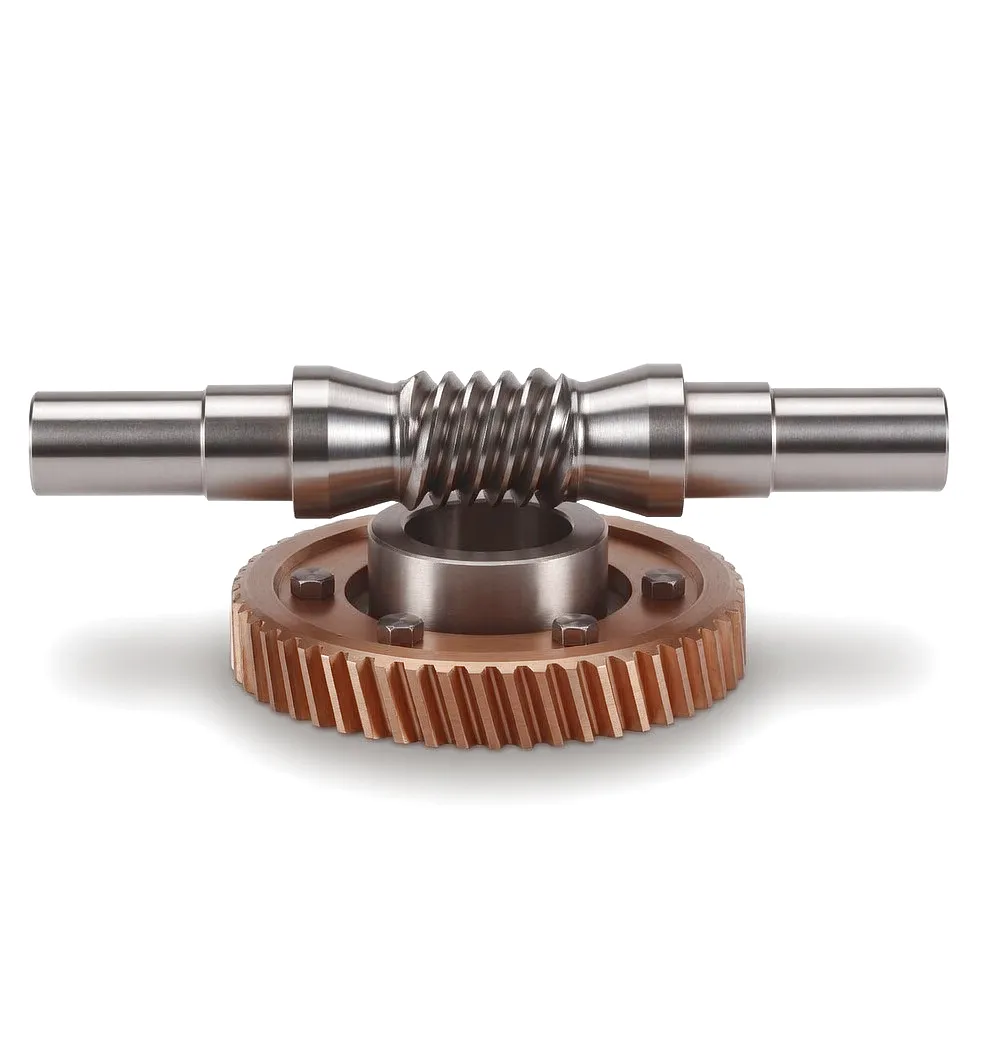
Worm Gear Shaft ProductAt the heart of virtually every speed-reduction drive system you encounter on a factory floor in Birmingham, a packaging line in Sheffield, or a conveyor installation in Manchester, you will find a worm gear shaft doing its job with quiet, mechanical certainty. This single component — a precision-threaded shaft that meshes with a corresponding worm wheel — is responsible for translating rotational energy from a high-speed motor into the controlled, high-torque output that keeps production lines moving efficiently. The worm gear shaft is not a secondary part. It is the primary driver of the entire reduction mechanism, and its geometry, material composition, surface treatment, and dimensional accuracy determine everything from gear ratio and thermal performance to load capacity and operational life expectancy. For engineers and procurement managers specifying drives for belt conveyors, packaging equipment, and lifting systems, understanding the worm gear shaft in depth is a genuine competitive advantage. This article delivers exactly that level of technical knowledge, grounded in real-world British industrial applications and backed by the manufacturing expertise of Ever Power.

A worm gear shaft operates on the principle of a worm engaging with a worm wheel, where the worm itself is machined directly onto, or press-fitted to, a hardened steel shaft. The thread form of the worm determines how power is transferred through the mesh. Single-start worms deliver the highest reduction ratios but the lowest efficiency; multi-start worms sacrifice some ratio in exchange for better energy throughput. In a belt conveyor context — which is one of the most demanding environments for this type of component — the worm gear shaft must endure continuous cyclic loading, thermal expansion during extended operation, and the ingress of dust or moisture that is characteristic of aggregate handling, food processing, or mining logistics facilities. The engineering response to these stresses is embedded in the design choices that define a quality worm gear shaft: thread profile, helix angle, centre distance, and the hardness differential between the worm and its mating wheel.

Working Principle

How a Worm Gear Shaft Converts Speed into Torque
Worm Shaft Detail

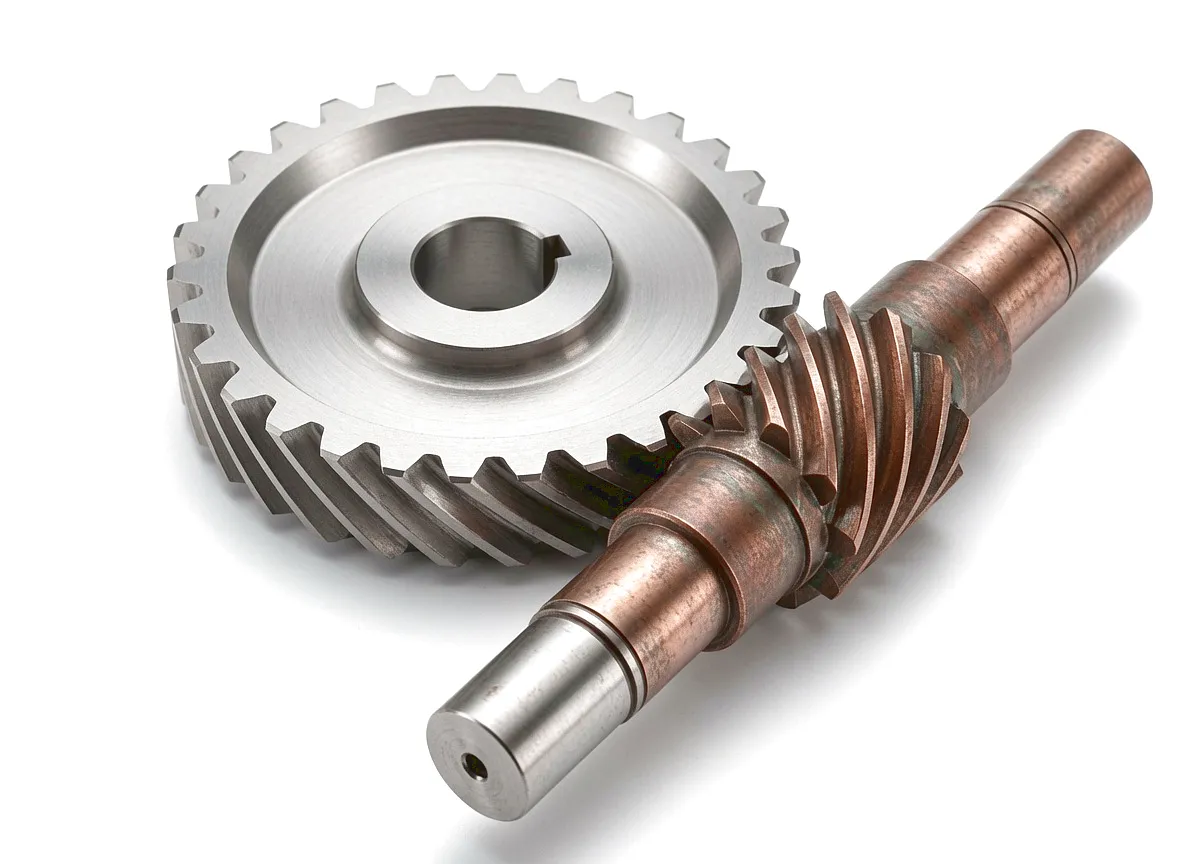
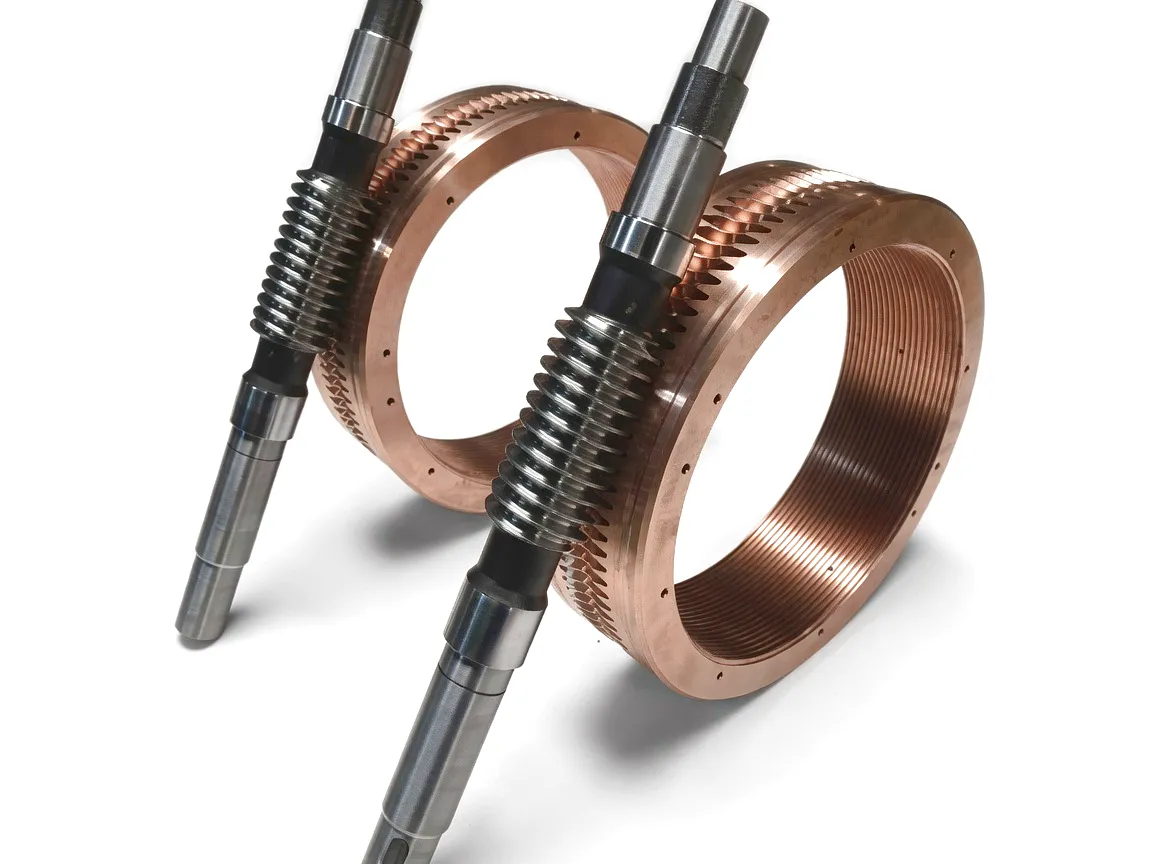
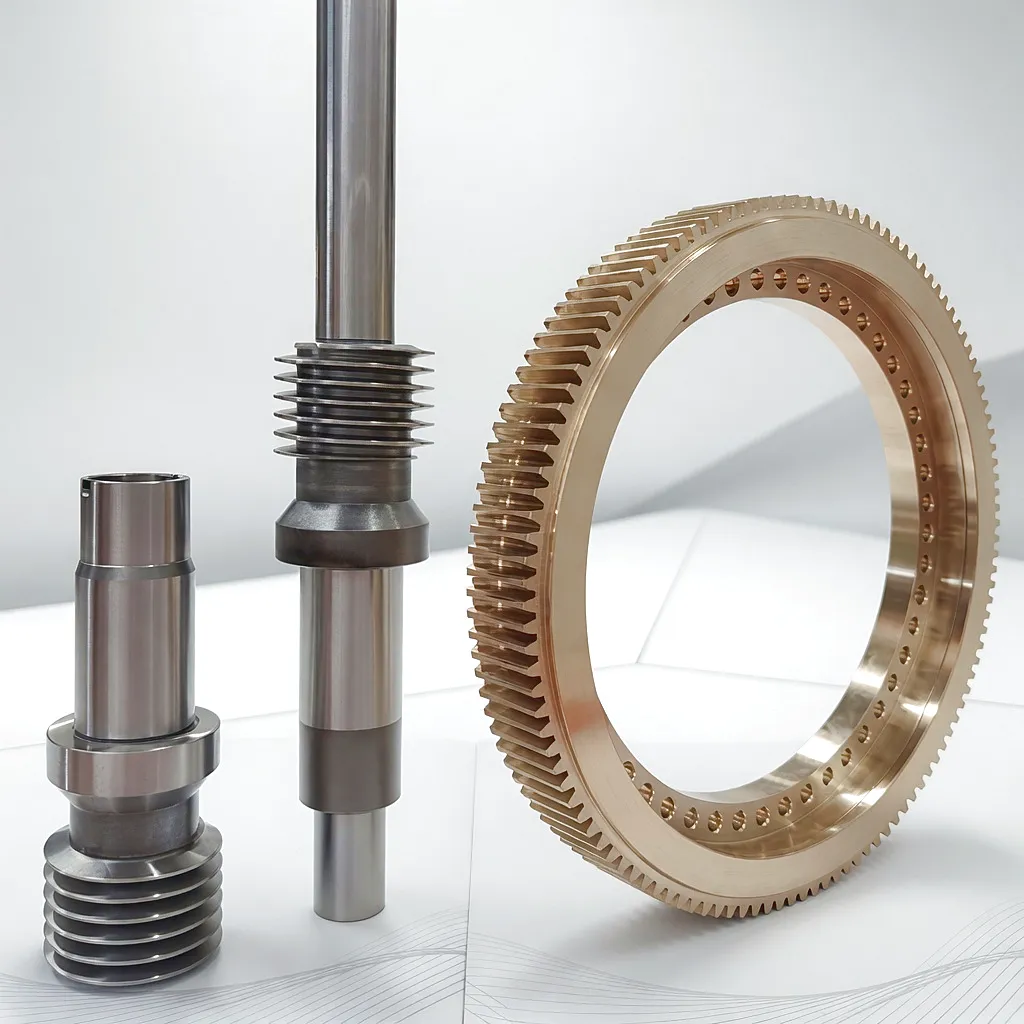
The functional logic of a worm gear shaft is deceptively elegant. The shaft itself is machined to carry a helical thread — the worm — that wraps around its cylindrical body at a defined helix angle. When the shaft rotates, each revolution of the worm advances the mating wheel by exactly one tooth, one tooth pitch, or multiple pitches depending on the number of thread starts. This mechanical geometry is what delivers high reduction ratios from a compact housing, which is why worm gearboxes remain the preferred choice in situations where a large speed reduction must be achieved in a single stage without occupying excessive space on the machine frame. In a typical three-phase motor drive pairing found on British belt conveyor installations, the input shaft speed coming from the motor may be 1,450 rpm — the synchronous speed standard for 50 Hz mains supply in the UK — and a single-stage worm gearbox housing can bring this down to anywhere between 5 and 60 rpm at the output shaft, depending on the gear ratio specified.

The contact between the worm and the wheel is fundamentally a sliding action rather than the rolling contact that characterises spur or helical gears. This sliding creates friction heat, which is why lubrication management and material pairing between the worm shaft and the wheel are so critical. The worm shaft is almost always made from a harder, ferrous material — typically case-hardened alloy steel — while the worm wheel gear is made from a softer, more ductile material such as phosphor bronze. This deliberate hardness differential allows the bronze wheel to wear predictably and in a controlled manner over time, without damaging the far more expensive and geometrically precise worm shaft. The worm shaft’s thread flanks are precision-ground to achieve the tight tolerances needed for consistent tooth contact, reducing noise and ensuring that the full face width of the worm wheel is engaged under load. This tooth engagement pattern has a direct bearing on the shaft’s load-carrying capacity, thermal stability, and the noise profile of the assembled gearbox during continuous duty cycles.

⚙️
Sliding Mesh Action

Worm-to-wheel contact is a sliding engagement, generating heat that demands proper oil viscosity and material pairing to achieve rated service life.

🔄
Single-Stage Reduction

Ratios from 5:1 to 100:1 are achievable in a single-stage arrangement — a major spatial advantage over planetary or parallel-shaft designs.

🔒
Self-Locking Potential

At low lead angles, the worm shaft can be self-locking — meaning the load cannot back-drive the input. This is essential for hoist and lifting applications where uncontrolled reverse motion is a safety risk.

📐
Right-Angle Layout

Worm gearboxes redirect power through 90 degrees in the same housing — integrating speed reduction and shaft re-orientation into a single compact unit.

Material Science

Core Materials Used in Worm Gear Shaft Manufacturing

Worm Shaft Material

Material selection for a worm gear shaft is not a secondary consideration — it is a primary design decision that cascades through every aspect of the component’s performance, from its fatigue resistance under cyclic bending and torsion to its tribological behaviour at the tooth contact zone. The dominant material in high-performance worm shaft manufacturing is 20CrMnTi case-hardening steel, a chromium-manganese-titanium alloy that delivers a tough, ductile core with a hard, wear-resistant surface layer after the carburising and hardening heat treatment cycle. The surface hardness after treatment typically reaches HRC 58–62, providing a tooth flank that resists micro-pitting and abrasive wear even under sustained high loads. An alternative route for general-purpose and medium-duty applications is through-hardened 42CrMo4 alloy steel, which offers excellent tensile strength in the range of 1,000–1,200 MPa and good machinability, allowing the manufacturer to hold tighter dimensional tolerances during the grinding operations that define thread geometry accuracy.

For applications where corrosion resistance is a decisive requirement — such as worm gear shafts installed in food processing facilities in Yorkshire or coastal logistics operations in ports around Southampton — stainless steel grades such as 316L or 17-4PH precipitation-hardened stainless are specified. These materials sacrifice some surface hardness compared to carburised alloy steels, but they provide excellent resistance to chloride-induced corrosion and are compatible with washdown protocols mandated by food safety regulations. In lower-load, high-speed applications where weight reduction and corrosion immunity are both priorities, certain modern designs also use nitrided steel shafts, where a gaseous nitriding process creates a thin but very hard compound layer on the thread flanks without the distortion risks associated with conventional quench-hardening. The nitriding layer, typically 0.1–0.4 mm deep, achieves surface hardness values of HV 900–1,100 while maintaining tight dimensional accuracy that is essential for the precision fits required in assembled worm gearboxes. Ever Power’s manufacturing process incorporates all these material pathways, allowing the engineering team to recommend the optimal shaft material specification based on the client’s duty cycle, environment, and budget parameters.

20CrMnTi Alloy Steel

Case-hardened to HRC 58–62. Industry standard for demanding worm gear shaft applications requiring high fatigue strength and surface wear resistance.

42CrMo4 Alloy Steel

Through-hardened. Tensile strength 1,000–1,200 MPa. Preferred for medium-duty drives where machinability and dimensional stability are priorities.

316L / 17-4PH Stainless

Specified for food-grade and marine environments. Excellent chloride resistance with compatibility for washdown cleaning protocols.

Nitrided Steel Shaft

Surface hardness HV 900–1,100 with 0.1–0.4 mm compound layer. Minimal distortion, suitable for precision-ground, close-tolerance applications.

Product Advantages

Why Engineers Choose Worm Gear Shafts for Drive Systems

Worm Shaft Advantages

There are many reasons why worm gear shafts continue to hold a dominant position in industrial drive engineering despite the advancing capabilities of alternative reduction technologies. The most cited advantage is the combination of high torque multiplication with a compact physical footprint. A worm gearbox housing a well-designed shaft can multiply input torque by a factor of 10, 20, or even 60 within a sealed, oil-lubricated casing no larger than a domestic brick. For machine builders in Birmingham and Leicester who are working within constrained machine frame envelopes — particularly in packaging automation, conveyor infeed stations, and automated guided vehicle (AGV) drive units — this spatial efficiency is a decisive engineering benefit that no amount of supplementary gearing in alternative configurations can easily replicate. The right-angle power transfer built into a standard worm gearbox housing simultaneously resolves the need for bevel gears or shaft re-routing, consolidating two engineering functions into a single, low-maintenance assembly.

The smooth, quiet operation of a precision-ground worm gear shaft is another advantage that distinguishes this technology in noise-sensitive production environments. Because the tooth engagement is gradual and the contact zone is relatively large compared to spur gear pairs, vibration transmission through the drivetrain is inherently lower, resulting in smoother motion at the conveyor belt, rotary table, or mixer drive output. In environments governed by the UK’s Control of Noise at Work Regulations, selecting a worm-driven system over a noisier bevel or chain-drive alternative can contribute to compliance without the need for additional acoustic enclosures. The worm gear shaft’s potential for self-locking behaviour at low lead angles also delivers a passive safety function in hoist and lifting drives — preventing uncontrolled back-driving of the load without requiring additional braking hardware, which simplifies machine design and reduces component count.

High Torque Density

Delivers torque multiplication ratios up to 100:1 in a single stage — dramatically reducing gearbox length compared to multi-stage parallel-shaft units.

Right-Angle Power Transfer

Integrates 90-degree shaft redirection with speed reduction in a single compact housing — eliminating the need for additional bevel gear stages.

Low Noise Operation

Gradual tooth engagement suppresses vibration and noise — valuable in environments governed by UK noise-at-work legislation.

Self-Locking Safety

Self-locking worm shafts prevent load from back-driving the input — providing a passive mechanical safety function in hoist, lift, and gate drive systems.

Long Service Life

Precision-ground, case-hardened worm shafts combined with phosphor bronze wheels deliver service lives exceeding 20,000 hours when correctly specified and lubricated.

Variable Drive Compatibility

Worm gearboxes accept VFD-driven motor inputs, enabling 0.1–3 m/s stepless output speed control on belt conveyors without additional mechanical speed variation devices.

Technical Data

Worm Gear Shaft — Product Technical & Performance Parameters

The performance envelope of a worm gear shaft spans a wide range of torque levels, gear ratios, and centre distances, giving design engineers considerable flexibility when specifying drives for new machinery or replacement purposes. The table below consolidates the key technical parameters applicable to standard WPA, WPB, and WD series worm gearbox shaft configurations, covering the range most commonly deployed in UK industrial installations. These values represent typical specifications; Ever Power manufactures custom worm gear shafts beyond these standard ranges upon request, with engineering support available for bespoke ratio and shaft geometry requirements.

ParameterWPA SeriesWPB SeriesWD SeriesCustom Range
Input Speed (rpm)750 – 1,450750 – 1,450960 – 1,450Up to 3,000
Output Speed (rpm)5 – 605 – 6010 – 801 – 200
Gear Ratio10:1 – 60:110:1 – 60:15:1 – 60:15:1 – 100:1
Output Torque (Nm)20 – 50050 – 1,500100 – 2,000Up to 10,000
Centre Distance (mm)40 – 16050 – 20063 – 250Custom
Shaft Material20CrMnTi20CrMnTi / 42CrMo442CrMo4 / NitridedSS316L / Custom
Shaft Surface HardnessHRC 58–62HRC 58–62HV 900–1,100Per specification
Belt Speed (m/s) [Conveyor]0.5 – 1.50.5 – 2.50.5 – 3.00.1 – 3.0+
Efficiency (%)60 – 7565 – 7870 – 82Up to 88
Helix Angle (degrees)3.5 – 113.5 – 115 – 20Custom
Mounting PositionHorizontal / VerticalHorizontal / VerticalAnyAny

Application Scenarios

Where Worm Gear Shafts Are Deployed Across UK Industry
Belt Conveyor Application

Belt Conveyor Drive Systems

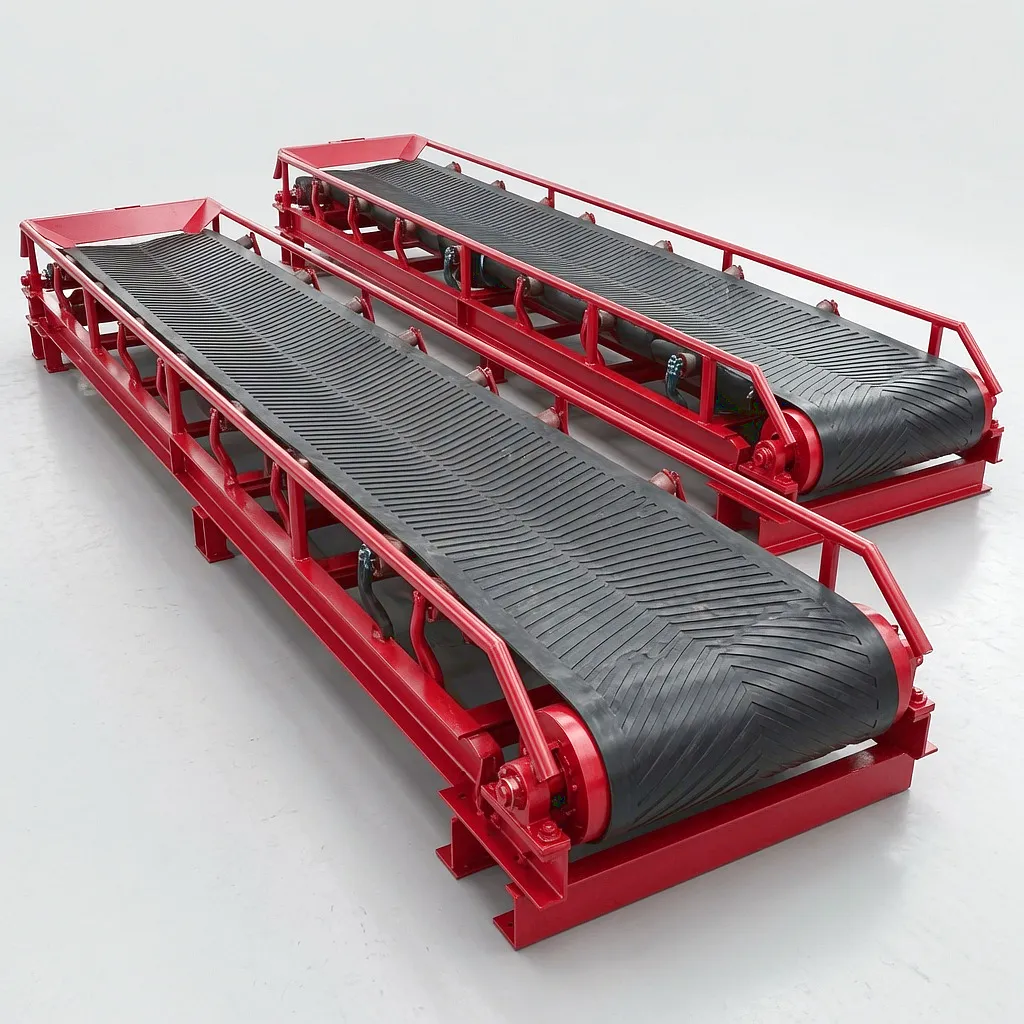
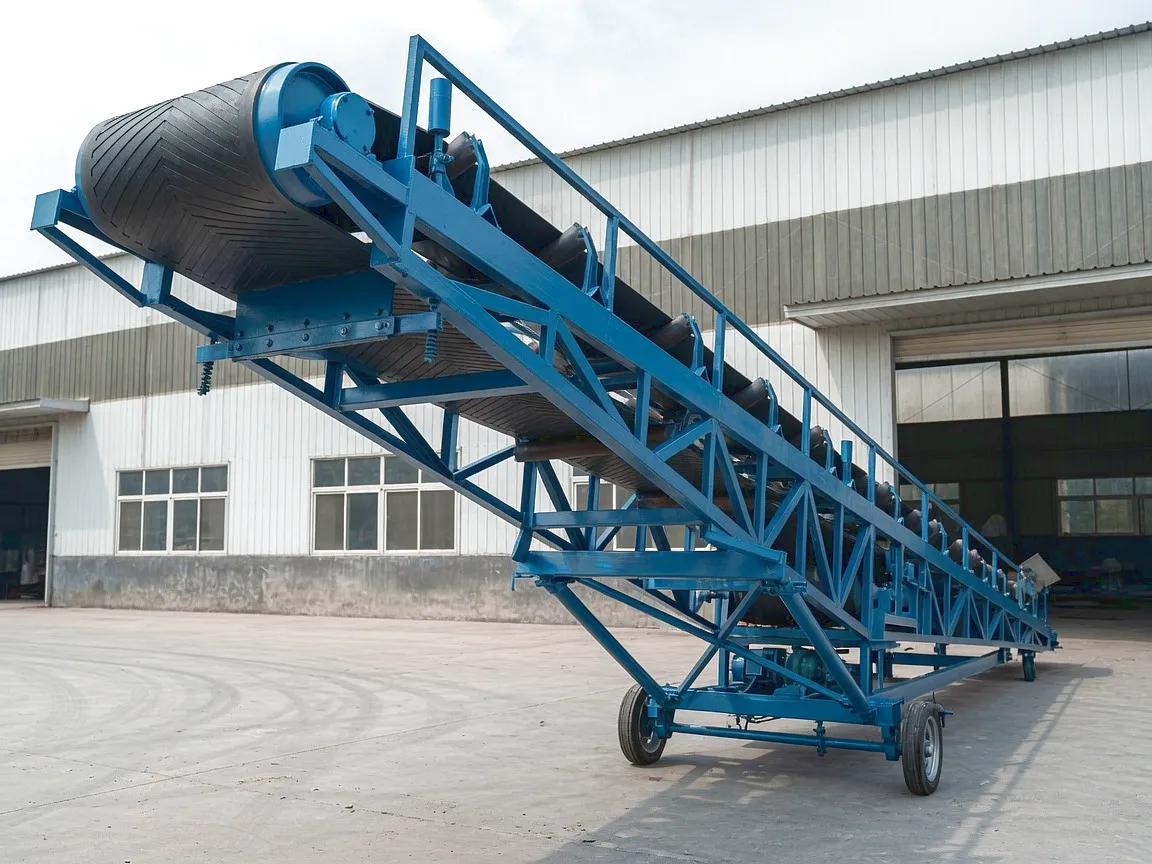
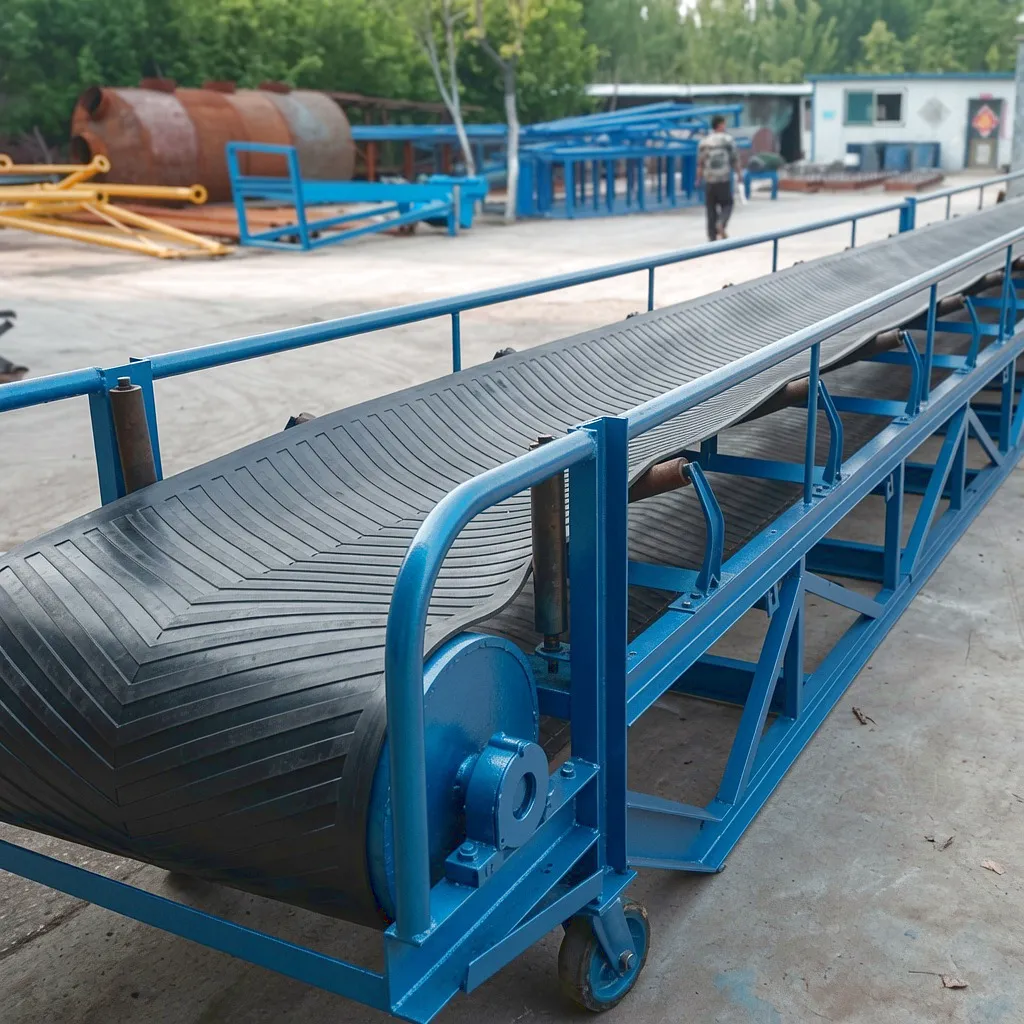
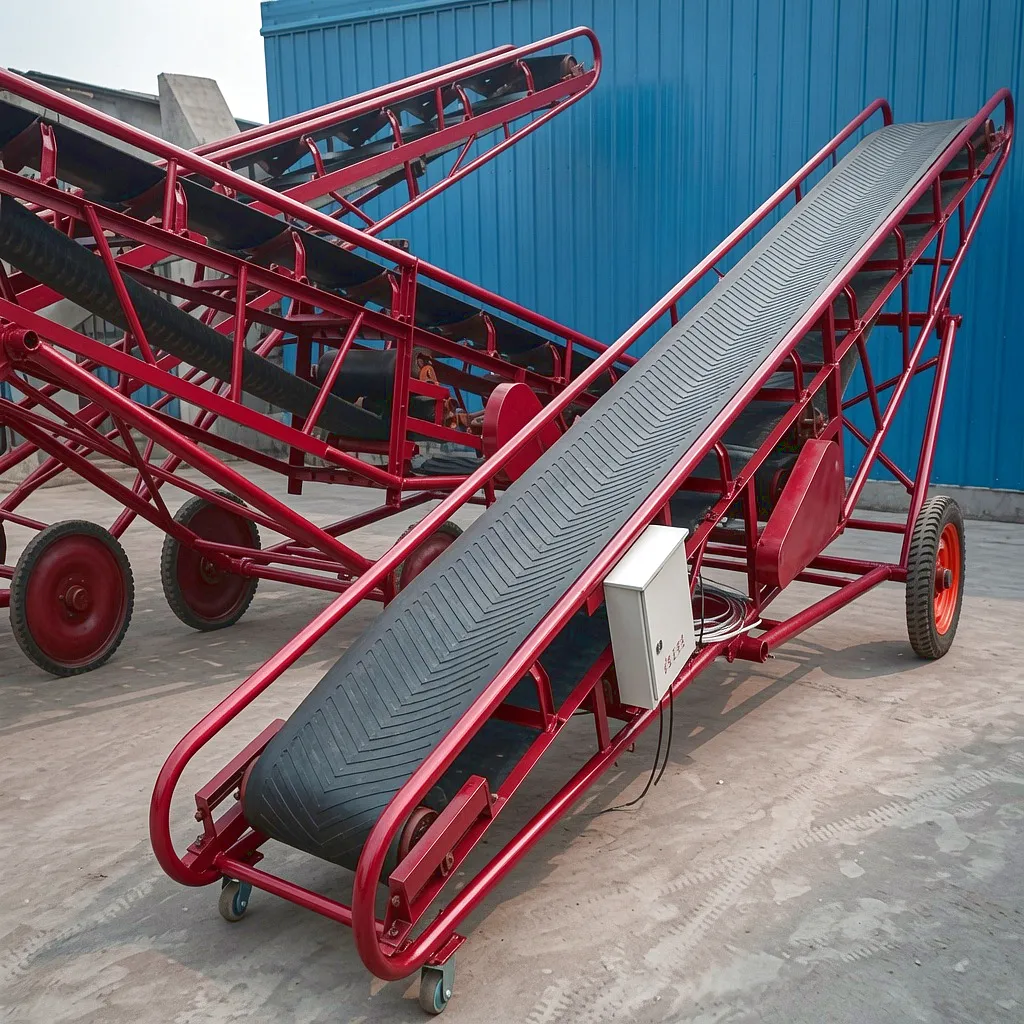
In the UK’s aggregate, mining, food processing, and distribution logistics sectors, belt conveyors represent the largest single application base for worm gear shaft drives. The worm gear shaft sits at the driving drum end of the conveyor, translating the high-speed motor output — typically 1,450 rpm on a standard 4-pole induction motor operating on the UK’s 50 Hz supply — down to the 5–60 rpm range needed to drive the belt at surface speeds between 0.5 and 3 m/s. WPA and WPB series worm gearboxes are the most common configurations in this setting, often specified with three-phase asynchronous motors or inverter-duty motors where variable speed control is required. Installations in distribution centres around Northampton and Coventry frequently combine worm-drive gearboxes with variable frequency drives (VFDs) to achieve the stepless 0.1–3 m/s belt speed range needed to synchronise multiple conveyor zones without mechanical speed variation devices.

Packaging Machine Application

Packaging & Processing Machinery

Worm gearboxes equipped with precision worm gear shafts are a staple of the packaging machinery sector, which has a strong concentration of OEM builders across the East Midlands and Yorkshire. The compact geometry of a worm-drive unit makes it suitable for mounting directly on filling machine frames, labelling head drives, and indexing turntable mechanisms where the machine designer must minimise the drive assembly’s spatial footprint without sacrificing torque output or drive stiffness. In food-grade packaging environments — such as ready-meal lines in Leeds or dairy product facilities in Cheshire — stainless steel worm shafts and IP65 or IP67 sealed gearbox housings are specified to comply with BRC Global Standards and the UK Food Safety Act requirements for hygienic machinery design. The smooth, low-noise output of a worm drive is also valued in packaging environments where operator noise exposure must be managed within legal limits under COSHH and associated noise regulations.

Material Handling Application

Material Handling & Hoist Systems

Overhead crane hoisting mechanisms, warehouse pallet lifts, and dock levelling equipment rely on the self-locking characteristic of worm gear shaft drives to provide load-holding safety without dedicated electromagnetic brakes on every unit. In heavy steel stockholding yards in Sheffield and Rotherham — where tonnes of structural sections and plate must be moved safely and repeatedly — this passive braking behaviour of the worm shaft at low lead angles is a critical safety feature that reduces both hardware cost and the risk of brake failure releasing a suspended load. The worm gear shaft in these hoist applications is typically designed for intermittent duty, with generous thermal ratings built into the gearbox selection to handle the repeated start-stop cycles characteristic of crane and lifting service, and the shaft design specifies generous taper or shrink-disc connections at the drum end to transmit the high hoist torques reliably without fretting on the connection interface.

Mixer and Agitator Application

Mixers, Agitators & Screw Conveyors

Industrial mixers and agitators in chemical processing, pharmaceutical manufacturing, and agricultural feed production represent another sizeable market segment for worm gear shaft drives in the UK. In these applications, the worm gearbox is frequently mounted vertically, with the output shaft pointing downward to drive an impeller or paddle, and the worm gear shaft must therefore be designed with end-thrust load capacity on its bearing arrangement to handle the axial force component generated by the helical thread geometry under load. Screw conveyor drives share a similar requirement: the worm shaft must resist the axial reaction force created when the screw pushes material along the trough. Leading manufacturers of chemical processing equipment in the Northeast of England — particularly in the Teesside chemical processing corridor — standardise on worm gearbox configurations for these drives because of the inherent reduction ratio capability and the ease with which the compact housings can be integrated into existing plant pipe racks and structural steelwork without major civil works modifications.

Manufacturer Profile

Ever Power — Precision Worm Gear Shaft Manufacturing & Custom Engineering

Ever Power is a dedicated precision transmission component manufacturer with deep specialisation in worm gear shaft design, production, and custom engineering services. The company operates state-of-the-art manufacturing facilities equipped with CNC gear hobbing centres, precision thread grinding machines, and multi-axis CNC turning and milling cells, all calibrated to deliver dimensional accuracy and surface finish standards that exceed the requirements of ISO 1328 gear quality grades. Every worm gear shaft leaving Ever Power’s production lines passes through a rigorous quality control sequence encompassing dimensional inspection on CMM (coordinate measuring machines), surface roughness verification, hardness testing, and gear geometry analysis before being cleared for despatch.
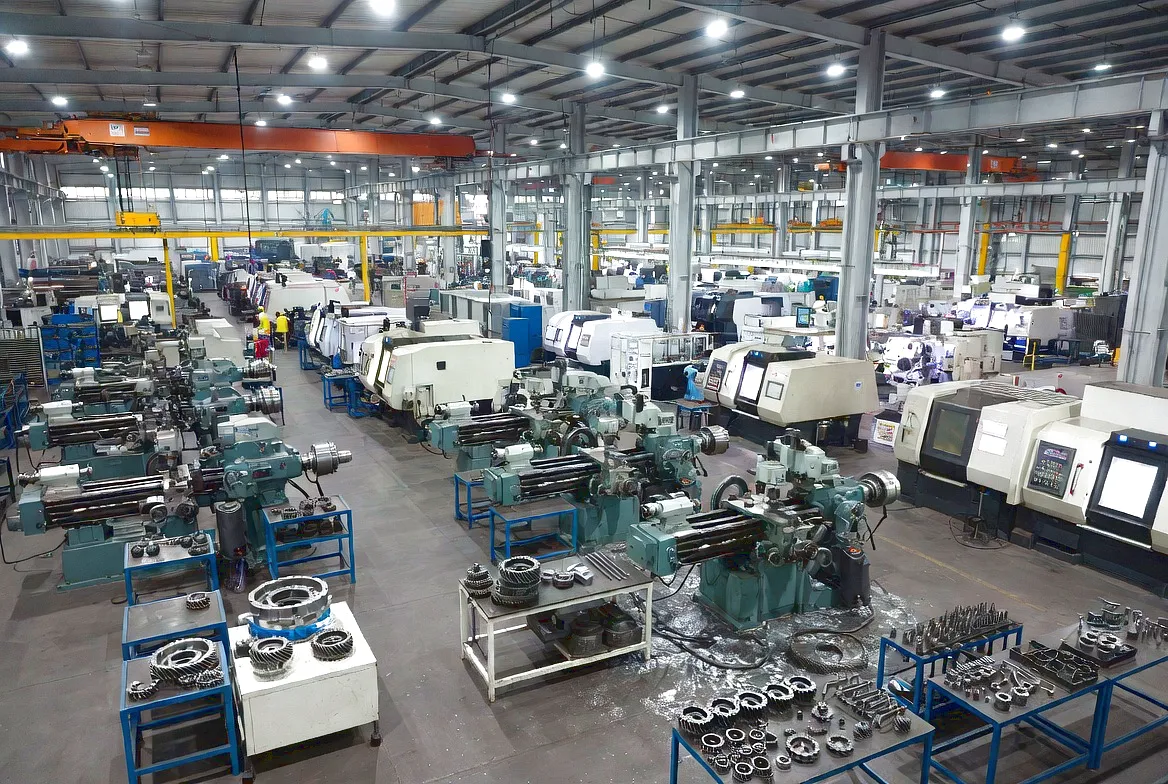
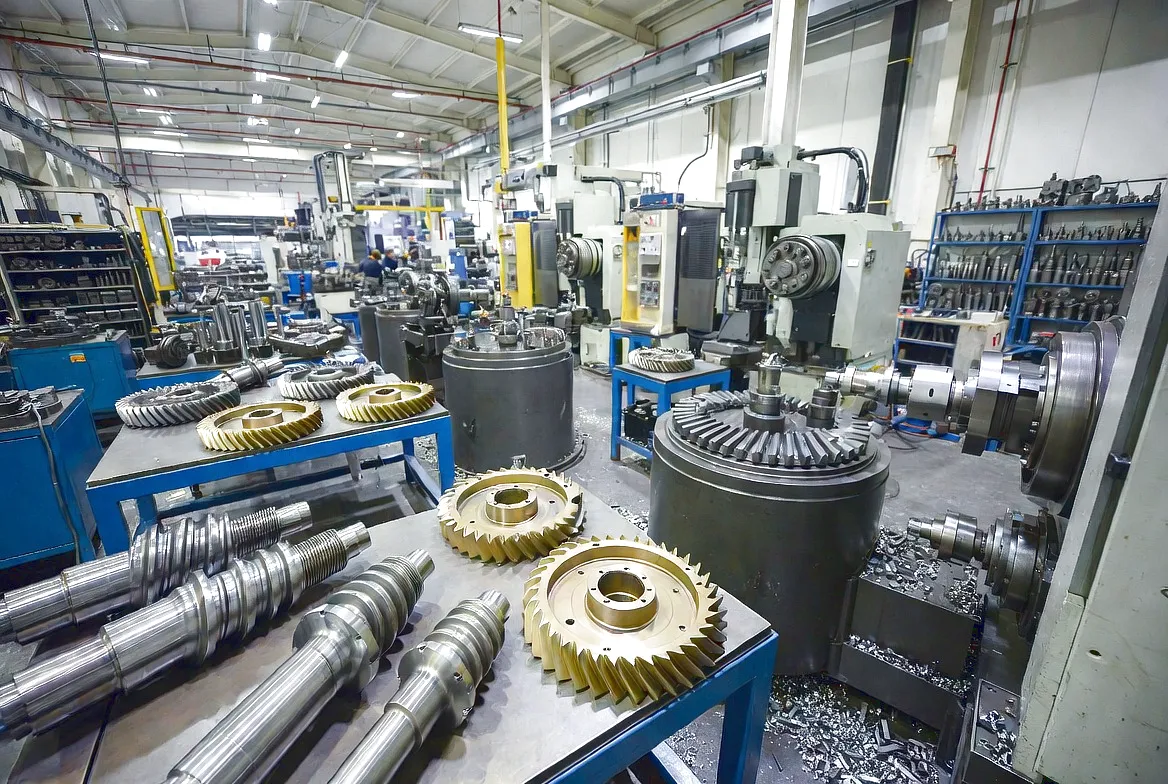
Ever Power Workshop
Ever Power Manufacturing

Ever Power’s customisation capability is one of its most valued differentiators for UK buyers who require worm gear shafts that go beyond standard catalogue specifications. The engineering team works directly with customers to define shaft geometry, thread start count, helix angle, material grade, surface treatment, and end connection type — whether keyed bore, tapered shaft end, splined connection, or flange mounting — to produce a worm gear shaft that integrates precisely into the customer’s gearbox housing and drive arrangement. For procurement teams at OEM machine builders across the Midlands, North West England, and Scotland, Ever Power provides technical drawings, 3D STEP files, and pre-production samples within agreed lead times, supporting the customer’s design validation cycle before series production commences. The supply chain management capability includes blanket order agreements and kanban-style delivery scheduling for high-volume customers who need assured supply without large in-house stock holdings.

🏭
Full CNC Production

CNC hobbing, grinding, and turning centres delivering ISO 1328 Grade 5–6 accuracy on all worm shaft geometry.

🔧
Bespoke Engineering

Custom ratio, shaft diameter, key dimension, and connection type. OEM drawings and 3D STEP data provided as standard.

📦
Reliable UK Delivery

Established freight partnerships with FedEx, DHL, and specialist industrial freight carriers ensure reliable delivery to UK destinations.

Full QC Traceability

CMM inspection reports, material certs, and hardness test records supplied with every order — supporting customer incoming QC and audit requirements.

Customer Success Story

Sheffield Steel Stockholder Reduces Conveyor Downtime by 40%
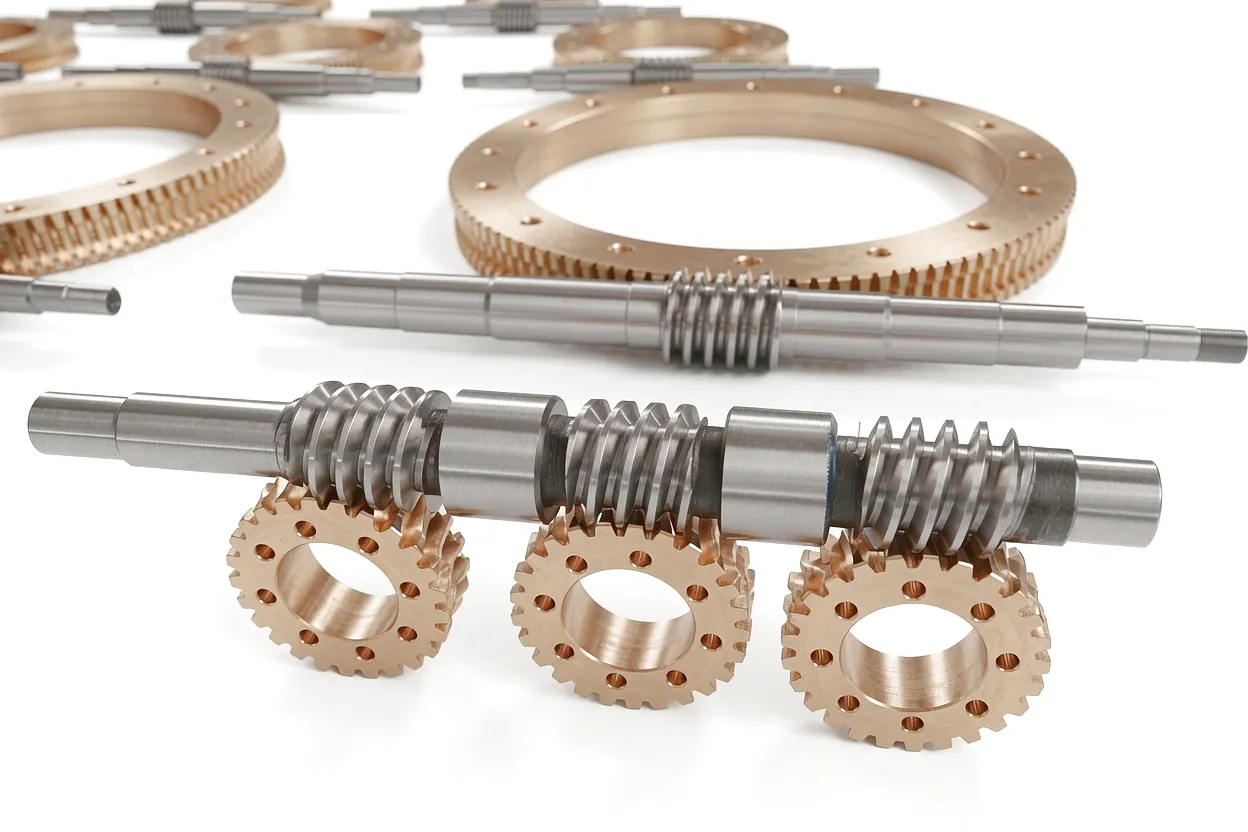
Worm Gear Shaft Product 5A major structural steel stockholder operating from a 12-acre site in Sheffield had been experiencing chronic reliability issues with their existing conveyor drive gearboxes on the 80-metre main stock-movement conveyor linking the cutting centre to the despatch bays. The installed worm gearboxes were a mixed-make selection that had accumulated over more than fifteen years of incremental capacity expansion, and by the time the maintenance team carried out a reliability study, they found that unplanned gearbox failures — most attributable to құрт тәрізді беріліс білігі wear and bearing failures triggered by inadequate heat dissipation from the aging shaft geometry — were causing an average of 18 unplanned stoppages per year, each averaging 3.5 hours of production disruption at a total cost estimated by the plant manager at around £95,000 annually in lost throughput and maintenance labour.

After evaluating several potential suppliers, the maintenance and procurement team selected Ever Power to supply a standardised range of WPB-series worm gearboxes fitted with 20CrMnTi case-hardened worm gear shafts and phosphor bronze worm wheels. The key factors in the selection decision were Ever Power’s willingness to provide custom shaft-end configurations matched to the existing drum shaft dimensions — eliminating the need for adapter sleeves — and the technical support provided during the selection process, which included re-rating calculations for the thermal capacity of the gearboxes under the site’s actual ambient conditions and duty cycle. Installation of the first four units was coordinated during a scheduled plant shutdown weekend, with the remaining six units replaced on a rolling basis during subsequent planned maintenance windows to minimise production interruption. Within eight months of the final replacement, the annualised unplanned stoppage rate attributable to gearbox failures had fallen to eleven hours total — a reduction in excess of 40% — and the maintenance team reported that the worm gear shaft operating temperatures at the gearbox housing were consistently 12–15°C lower than those measured on the previous units, reflecting the improved thermal efficiency of the correctly rated replacement shafts.

★★★★★

“The worm gear shaft geometry that Ever Power delivered was spot-on for our drum connection — no adapter hardware needed, which saved us significant installation time. More importantly, the units have been running continuously for nine months without a single thermal alarm or unexpected shutdown. That kind of reliability is what our plant needs.”

James Ashworth
Maintenance Manager, Sheffield Steel Stockholder
★★★★★

“We specified stainless worm gear shafts from Ever Power for our dairy packaging line in Leeds. The units passed our hygiene validation without any modifications, and the technical data pack — including CMM reports and material certificates — made our incoming inspection process straightforward. Pricing was competitive, and the lead time was exactly as quoted.”

Sarah Mullen
Mechanical Design Engineer, Leeds Food Processing OEM
★★★★★

“Ever Power handled our custom worm shaft order — non-standard helix angle and a flanged output — with proper engineering rigour. They sent a full drawing for approval before cutting any metal, and the finished parts matched the drawing exactly. For a procurement team that has been burned by inconsistent quality from low-cost suppliers before, working with Ever Power has been a refreshingly professional experience.”

Ravi Patel
Senior Buyer, Birmingham Manufacturing Group

FAQ

Frequently Asked Questions — Worm Gear Shaft (UK Industrial Buyers)

How much does a custom worm gear shaft cost when sourced from a UK-approved supplier versus importing directly from a manufacturer like Ever Power?

The price of a custom worm gear shaft varies considerably depending on material grade, thread starts, centre distance, surface treatment, and required quantity. Standard catalogue shafts from UK-stocked distributors typically carry a significant markup to account for local warehousing and distribution overhead. Sourcing directly from Ever Power — which ships to the UK via DHL Express or specialist freight — typically reduces the unit cost by 30–50% for quantities of ten units or more, with competitive pricing available for single-unit replacement orders as well. To receive a formal quotation with delivery estimate and per-unit pricing, send your drawing or specification to [email protected].

What is the typical lead time for a bespoke worm gear shaft order for a belt conveyor installation in Birmingham or Sheffield?

For non-standard worm gear shaft configurations — custom helix angles, special shaft-end connections, or non-catalogue materials — Ever Power typically requires 15–25 working days from drawing approval to despatch, depending on the complexity of the machining operations involved. Standard WPA/WPB series configurations are often available from stock or within 7–10 working days. UK delivery via express courier typically adds 3–5 business days to the manufacturing lead time. For urgent replacement situations, Ever Power can provide priority scheduling on request — contact [email protected] to discuss timeline requirements for your specific installation.

Which worm gear shaft material is best for food processing equipment that requires regular washdown in a UK dairy or ready-meal production facility?

For food processing environments where the gearbox exterior and shaft seals are exposed to water, detergents, and sanitising agents during regular washdown cycles, 316L austenitic stainless steel is the most appropriate shaft material. It provides excellent resistance to the chloride-containing cleaning agents commonly used in UK dairy and food production facilities, and it is compatible with the IP65/IP67 sealed housing requirements typically mandated by BRC Global Standards audits. Where a higher shaft hardness is required to maintain worm thread geometry under load in a stainless configuration, 17-4PH precipitation-hardened stainless is the preferred alternative.

How do I calculate the correct gear ratio for a worm gear shaft driving a belt conveyor at 1.5 m/s belt speed when the motor runs at 1,450 rpm?

To determine the required gear ratio, divide the motor input speed by the required output shaft speed. Output speed is calculated by dividing the desired belt surface speed (in m/s) by the drum circumference (in metres). For example, with a 315 mm drum diameter (circumference = 0.315 x 3.1416 = 0.99 m) and a belt speed of 1.5 m/s, output speed = 1.5 / 0.99 = approximately 1.52 revolutions per second = 91 rpm. Required ratio = 1,450 / 91 = approximately 16:1. A WPB series gearbox with a 15:1 or 20:1 ratio combined with a VFD-adjusted motor speed would be the practical selection. Ever Power’s engineering team can assist with ratio selection and thermal verification calculations.

Where can I find a reliable worm gear shaft supplier in the UK who can provide a same-week quote for replacement gearbox shafts on an industrial conveyor system?

Ever Power provides rapid-response quotation turnaround — typically within 24 hours for standard specifications and 48 hours for custom worm gear shaft configurations — for UK buyers who submit enquiries via email to [email protected]. Include your existing shaft dimensions, required gear ratio, material preference, and current operating conditions, and the technical team will return a detailed quotation with pricing, lead time, and technical confirmation. For urgent breakdown replacement situations, clearly marking your enquiry as URGENT will prompt priority handling of the request.

When should I consider upgrading from a standard worm gear shaft to a multi-start design on my UK manufacturing conveyor drive?

A multi-start worm gear shaft is worth considering when the application requires a higher gear efficiency — above 80% — without sacrificing the compact housing footprint that makes worm drives attractive. Multi-start configurations reduce the friction losses that are inherent in single-start worm engagement, which makes them particularly suitable for high duty-cycle conveyor drives or VFD-controlled applications where the motor is running at variable loads across a wide speed range. The trade-off is that multi-start worms produce lower reduction ratios per stage and may lose the self-locking behaviour that single-start designs offer. Ever Power can advise on the optimal thread-start selection based on your specific duty requirements and thermal load calculations.

Product Gallery

Ever Power Worm Gear Shaft — Product Range
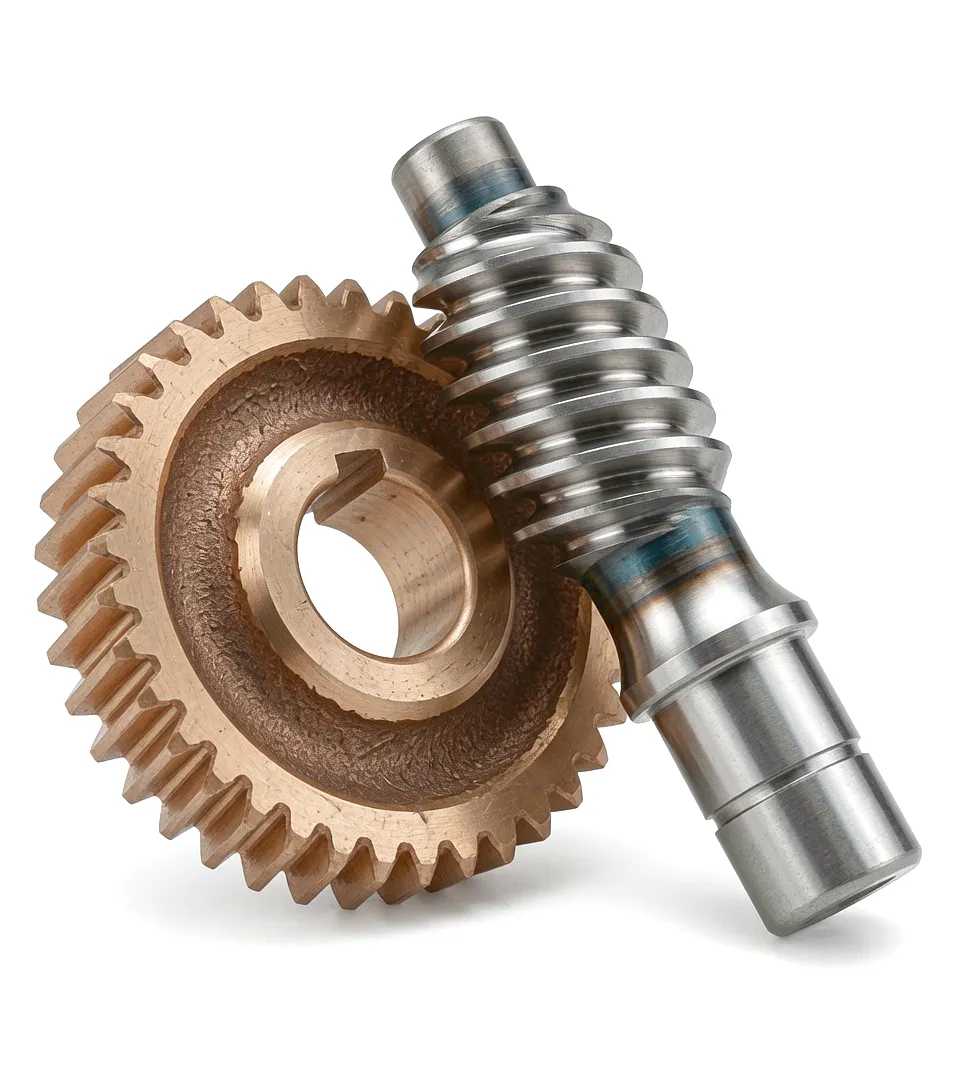
Worm Gear Shaft Product 6
Worm Gear Shaft Product 1
Worm Gear Shaft Product 2

Ready to Specify or Replace Your Worm Gear Shaft?

Ever Power’s engineering team is available to assist UK buyers with technical selection, custom shaft specification, quotation, and delivery planning. Send your enquiry today — standard configurations quoted within 24 hours.


✉ Get a Quote Now

📧 [email protected] · 🇬🇧 Serving UK industry
edit by gzl