Worm Gear Shaft: Engineering Fundamentals, Industrial Applications, and Precision Manufacturing
A technical deep-dive for engineers, procurement specialists, and OEM designers across the United Kingdom and global markets.
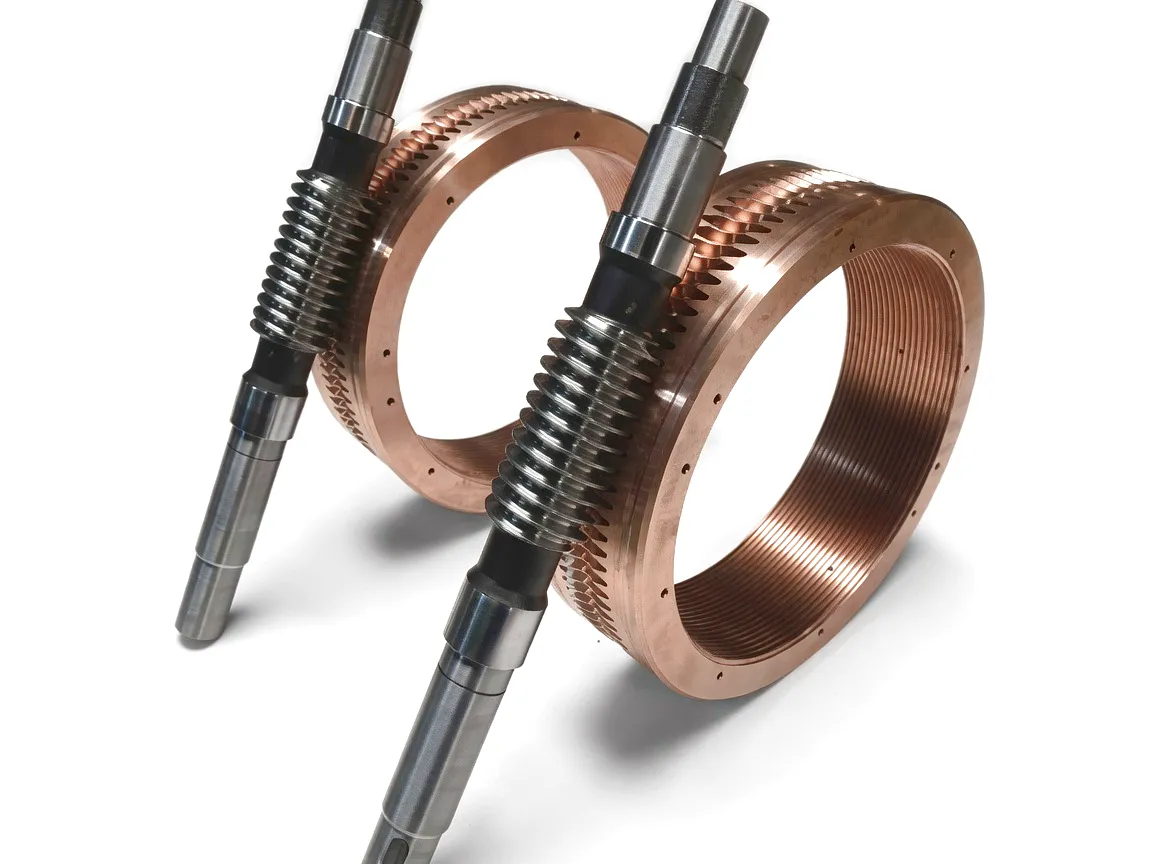
How a Worm Gear Shaft Transmits Power
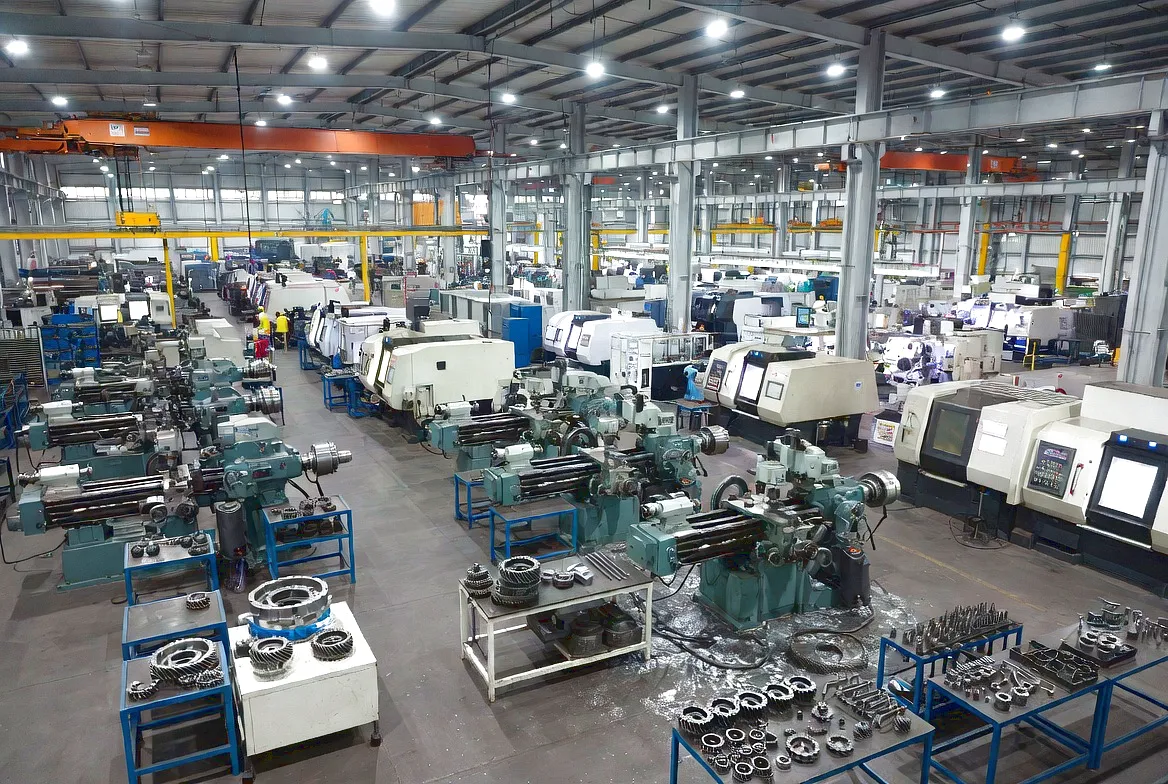
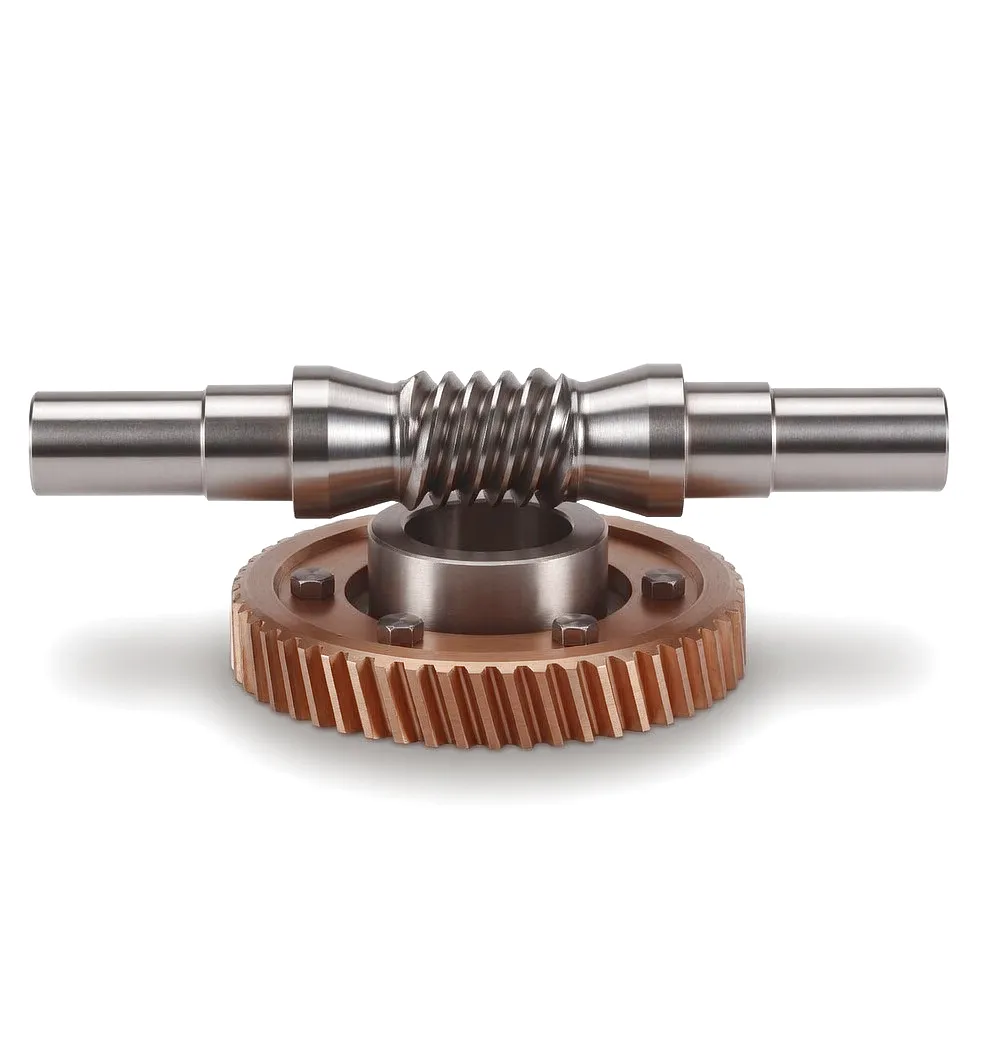
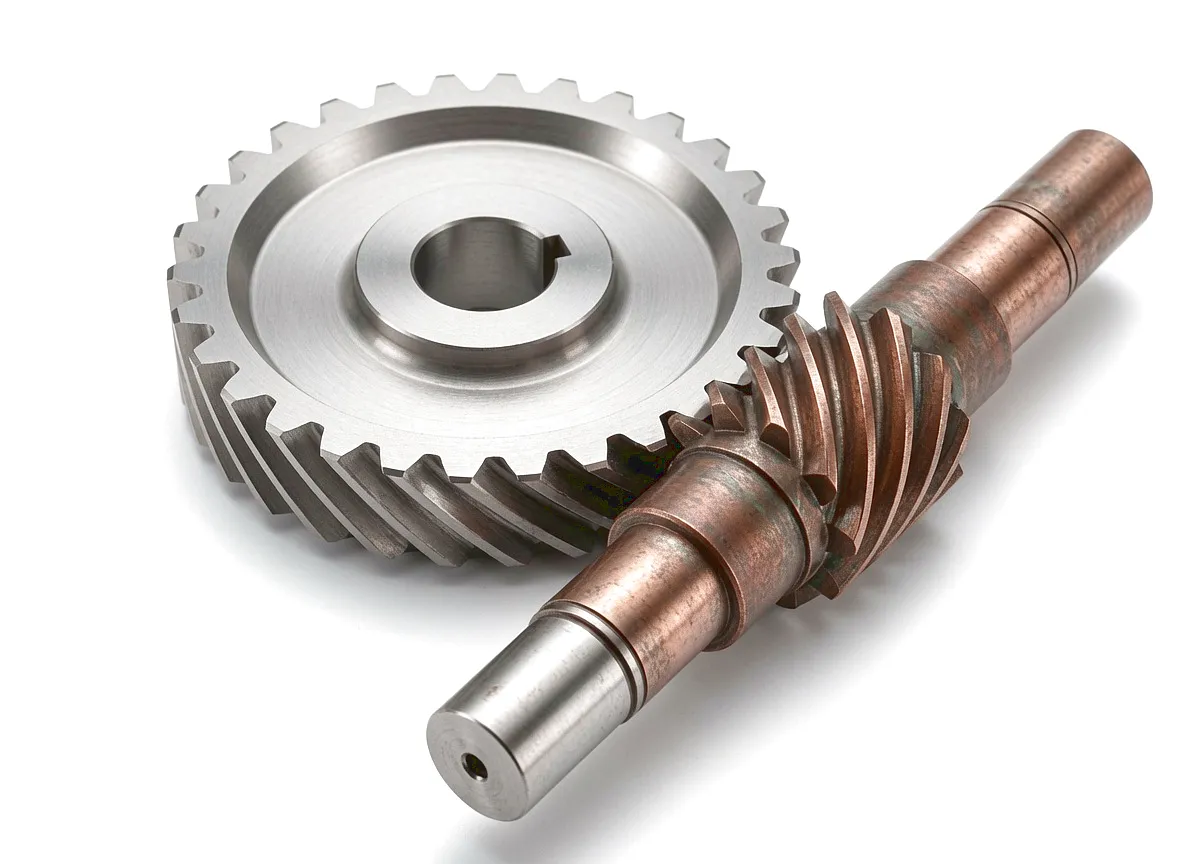
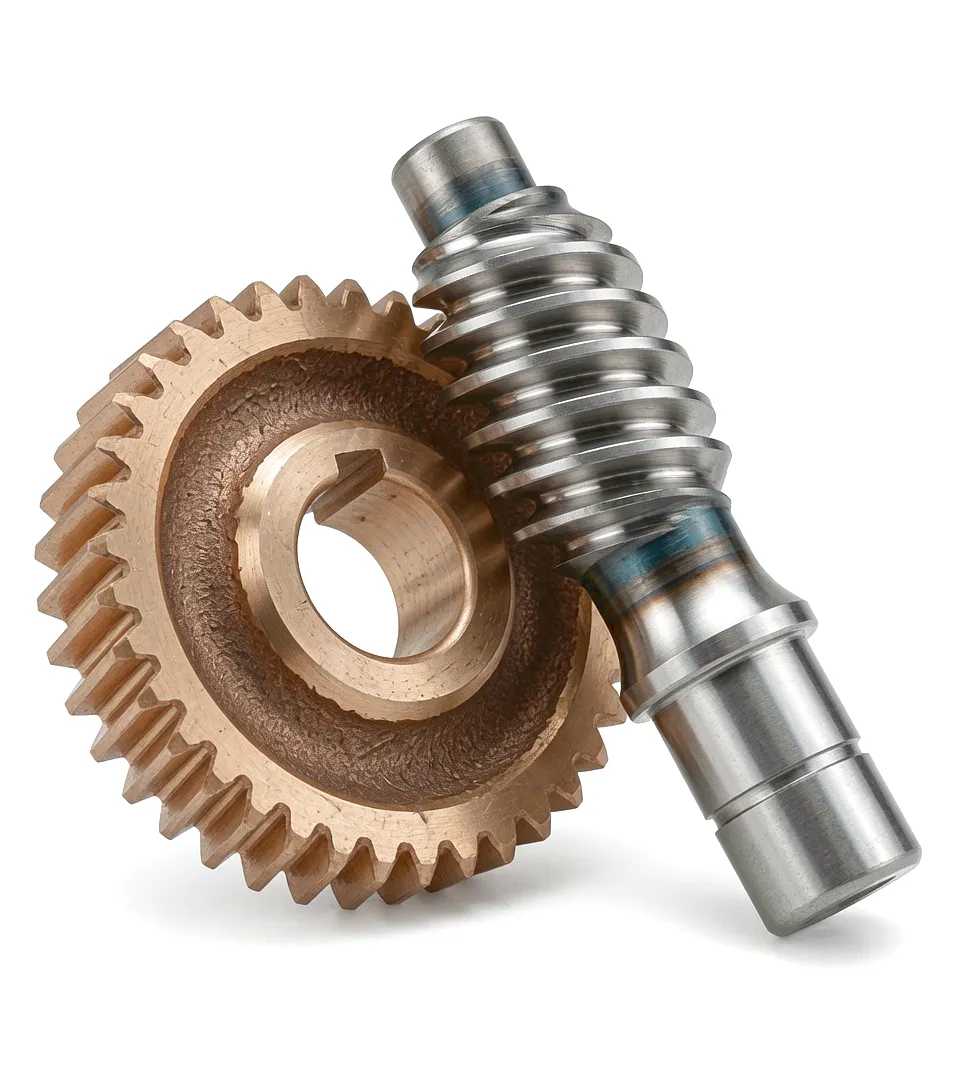
When a motor drives the worm shaft, the helical thread — the “worm” — rotates and pushes against the angled teeth of the worm wheel through a combination of rolling and sliding contact. The lead angle of the thread determines both the mechanical advantage and the self-locking behaviour of the assembly. A low lead angle (typically below 5°) produces strong self-locking: the worm can drive the wheel, but the wheel cannot back-drive the worm, making the drivetrain inherently fail-safe. This is precisely why solar panel azimuth actuators, lift platforms, and automated gates rely on worm gear shafts — the mechanism holds its position the moment the motor stops, without any external brake or holding torque requirement.
The velocity ratio of a worm gear stage is determined by the number of worm wheel teeth divided by the number of worm starts. A single-start worm meshing with a 60-tooth wheel delivers a 60:1 ratio in a single compact stage. Multi-start worms (2, 4, or 6 starts) trade reduction ratio for higher efficiency, since each additional start reduces the sliding velocity proportion relative to the rolling velocity. Efficiency in standard single-start assemblies typically ranges from 40% to 60%, while four-start configurations can reach 80% to 90%. Selecting the correct number of starts is therefore a critical engineering decision that balances the twin demands of efficiency and self-locking. Modern worm gear shafts are also designed with carefully calculated contact patterns — verified via the flank geometry — to distribute load across the maximum possible tooth width, reducing Hertzian contact stress and extending service intervals.
The profile of the worm thread itself comes in several geometrical forms: the ZA (Archimedean), ZN (convolute), ZI (involute), and ZK (milled-flank) types each offer different manufacturing and contact characteristics. Globoid worms — where the shaft body tapers towards both ends to wrap further around the wheel — maximise contact area and are used in the highest-load, highest-shock applications. For the majority of industrial drives, the ZI involute form is preferred because it can be ground to very tight tolerances on standard CNC thread-grinding machines, ensuring repeatable performance across large production batches.
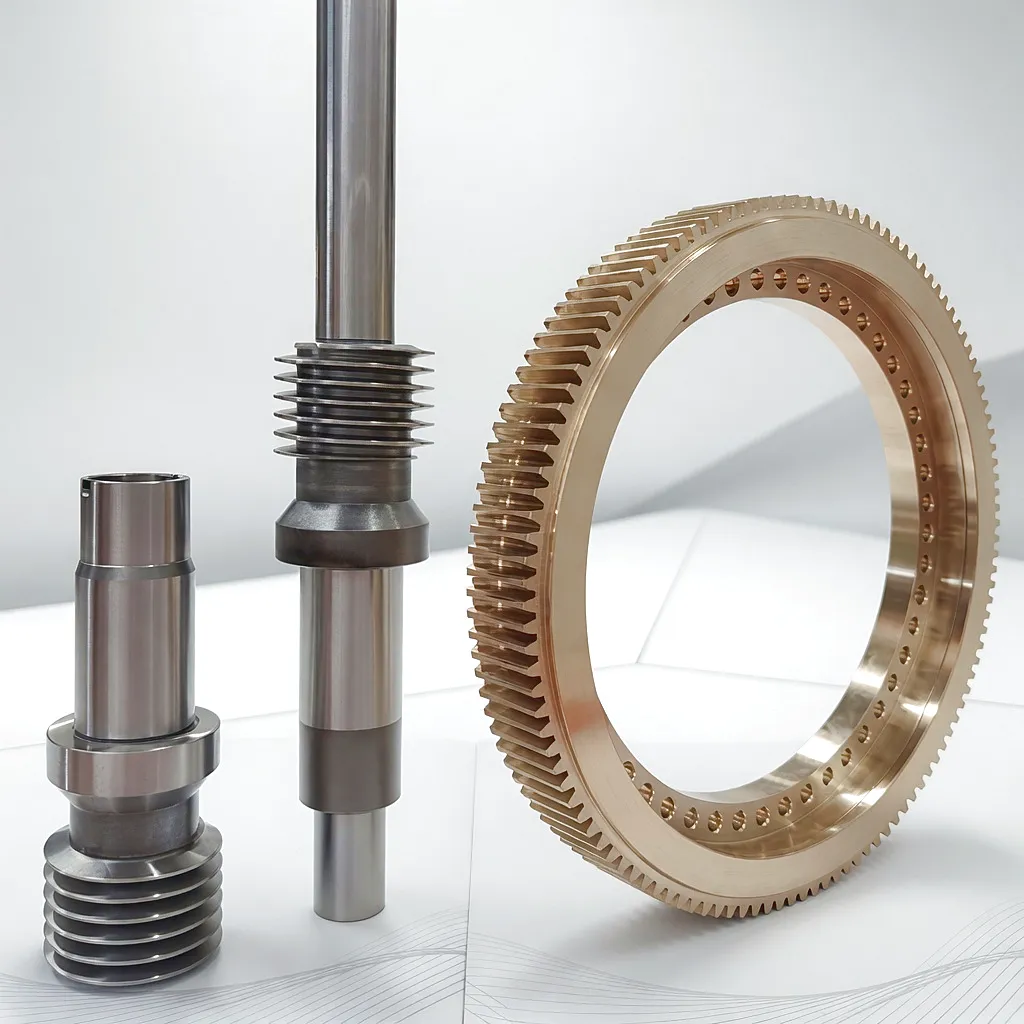
Core Technical Advantages of the Worm Gear Shaft
Single-stage ratios of 5:1 to 100:1 are standard; extended designs reach 300:1, eliminating the need for multi-stage planetary or helical arrangements and reducing gearbox envelope significantly.
With lead angles below 5°, the worm gear shaft arrangement cannot be back-driven, providing passive holding torque. This eliminates secondary braking hardware in lift systems, gate actuators, and positioning mechanisms.
The continuous helical contact between the worm and wheel produces a smooth transmission without the tooth engagement impacts of spur gears. Noise levels are typically 10–15 dB lower than equivalent spur gear stages — vital for residential lift systems, office automation, and public environment equipment.
The 90° shaft crossing angle means the worm gear shaft can redirect power flow without bevel gears or shaft couplings, reducing part count, assembly time, and alignment sensitivity in machine design.
The multi-tooth contact inherent to a properly crowned worm gear shaft geometry distributes applied torque over several teeth simultaneously, giving the assembly a natural shock-absorption characteristic that protects the rest of the drivetrain from pulse loads from presses, crushers, and mixers.
Splash lubrication with ISO VG 220–460 gear oil is sufficient for the majority of worm gear shaft installations. Sealed, pre-greased variants for field installations across UK remote sites require zero scheduled lubrication maintenance for up to 15,000 operating hours.
Product Technical and Performance Parameters
| Parameter | Standard Range | High-Performance Range | Notes / Standards |
|---|---|---|---|
| Output Torque | 5 N·m – 2,000 N·m | 2,000 – 50,000 N·m | DIN 3975, ISO 14521 |
| Gear Ratio | 5:1 – 60:1 | 60:1 – 300:1 (compound) | Single-stage; per DIN 3976 |
| Centre Distance | 25 mm – 250 mm | 250 – 630 mm | ISO standard series |
| Worm Thread Profile | ZI (Involute), ZA, ZN | ZK (Milled), Globoid | ISO 1122-1 |
| Worm Shaft Material | 20CrMnTi, EN36 (case-hardened) | 17-4PH, 316L, EN353 | BS EN 10084 / ASTM A564 |
| Surface Hardness (worm) | 58 HRC – 62 HRC | 60 HRC – 64 HRC (CBN ground) | Vickers HV5 cross-check |
| Thread Accuracy Grade | ISO 6–7 (DIN 3974) | ISO 5–4 (precision ground) | Verified by CMM / gear tester |
| Surface Finish (Ra) | 0.8 µm – 1.6 µm | 0.2 µm – 0.4 µm | CBN grinding, superfinish |
| Lead Angle Range | 3° – 30° | Customised to duty cycle | Self-locking below ~5° |
| Mechanical Efficiency | 40% – 70% (1-start) | 75% – 92% (4-start) | ISO 14521 test method |
| Operating Temperature | -20°C to +80°C | -40°C to +120°C (special grease) | IP65 sealing option |
| Shaft-Crossing Angle | 90° | 45° / non-standard on request | — |
| Shaft Diameter Tolerance | h6 / k6 | j5 / h5 (precision fit) | ISO 286-1 |
Industrial Application Scenarios
The worm gear shaft is a genuinely versatile component whose characteristics — high ratio, compactness, self-locking, and quiet operation — align with the precise demands of dozens of distinct industrial sectors. The following applications illustrate the breadth of environments in which modern precision worm gear shafts are deployed, with particular relevance to UK industrial operations.




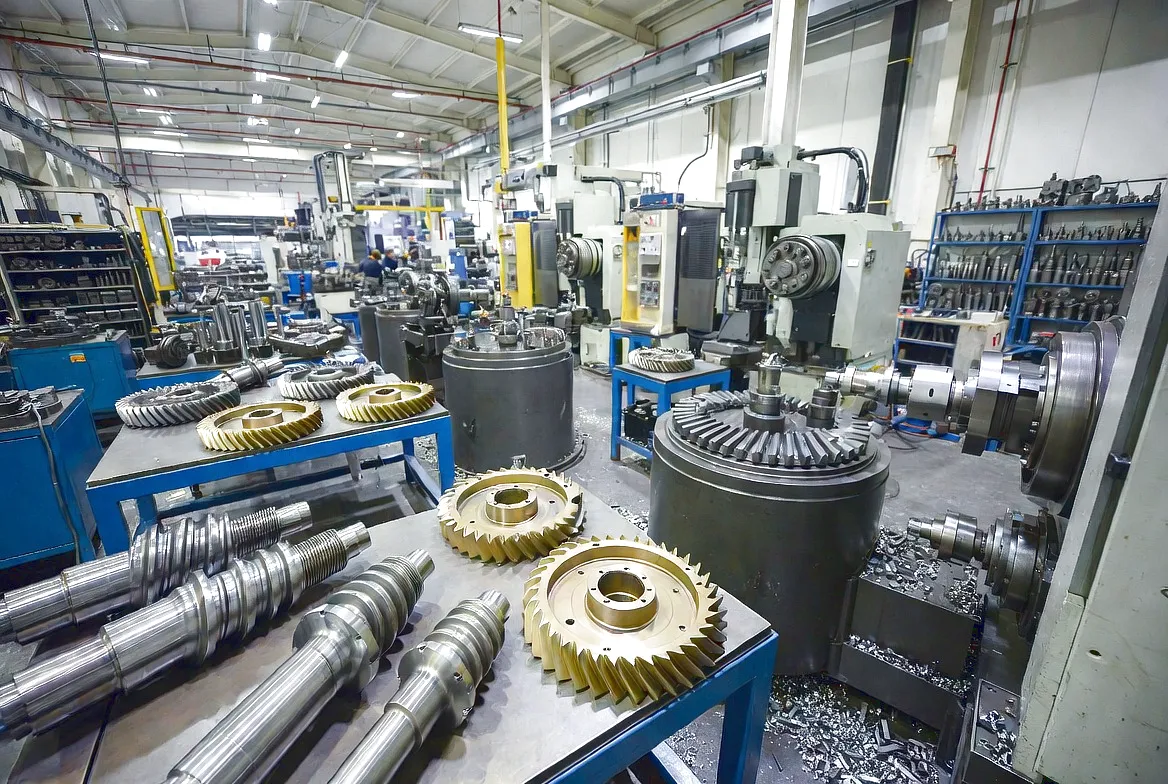
Automating a Sheffield Steel Processing Line with Custom Worm Gear Shafts
Industry: Metals Processing | Location: Sheffield, South Yorkshire, UK | Application: Coil Transfer Conveyor Drive
A mid-sized steel coil processing operation in Sheffield — the city widely regarded as the home of British specialty steelmaking — was experiencing repeated gearbox failures on the drive units of their coil transfer conveyor system. The original gearboxes were standard catalogue helical-bevel units that had been installed when the line was commissioned a decade earlier. As production volumes increased and the line shifted to running heavier gauge coils, the output torque demands exceeded the original design envelope, causing accelerated fatigue in the gear teeth and premature bearing failures every eight to twelve months. The cost of unplanned downtime in this environment — lost throughput on a continuous rolling program — was calculated at over £18,000 per incident.
The Sheffield plant’s engineering manager contacted Ever Power after being referred by a fellow engineer at a similar facility in Rotherham. Ever Power’s technical team conducted a full duty cycle analysis, reviewing the conveyor’s starting torque profile, continuous running load, shock load factors from coil transfer impacts, and the available installation space. The conclusion was that a pair of custom hollow-bore worm gear shaft reducers with a 40:1 ratio, configured in a torque-arm mounting arrangement, would precisely match the duty. The hollow bore design meant the reducer slid directly onto the existing conveyor head shaft, eliminating the need to re-engineer the structural framework — a key consideration given the tight timeline before the next scheduled plant shutdown window.
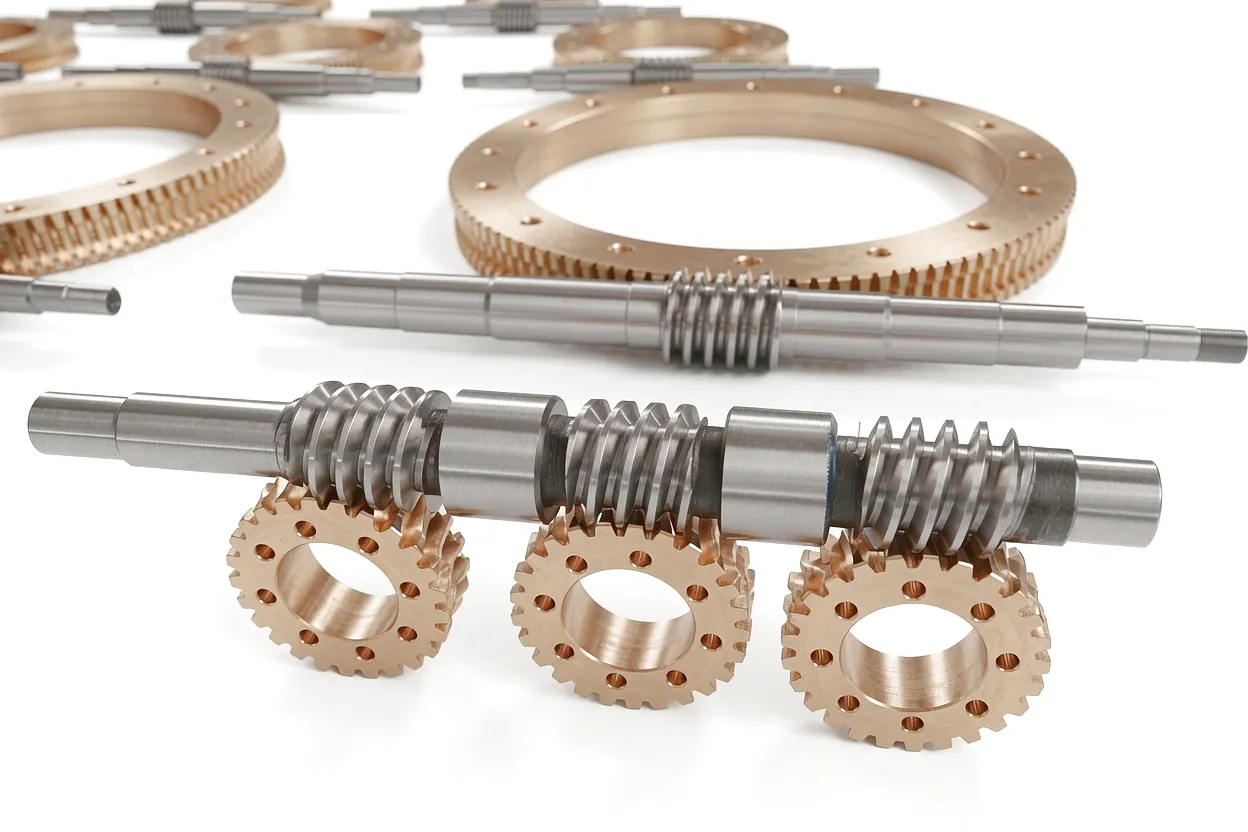
Ever Power manufactured two matched pairs of these worm gear shaft units in EN36 case-hardened steel, ground to DIN accuracy grade 6, with an output torque rating of 4,200 N·m at the specified ratio. The units were delivered to Sheffield via DDP courier within 19 working days of order. The installation was completed in a single shift during the planned maintenance window. In the 22 months since commissioning, the plant has recorded zero gearbox-related downtime events — representing a return on investment achieved within four months through avoided downtime costs alone.
“The hollow-bore worm gear shaft units from Ever Power solved an engineering problem that was costing us serious money every time a failure occurred. The dimensional accuracy on both units was exceptional — they fitted onto our existing shafts with zero rework. We have not had a gearbox failure since installation, and that speaks for itself.”
“We specified a custom 20:1 stainless worm gear shaft assembly for our pharmaceutical packaging indexer in Manchester. The lead time was 17 days, the CMM inspection certificate came with the delivery, and the angular backlash measured at commissioning was within the 4 arcminute tolerance we needed. Ever Power’s pre-sales technical support was better than anything we have received from European suppliers.”
“Our solar tracker project in East Anglia required 320:1 worm gear shaft drives capable of surviving 25 years of outdoor exposure. Ever Power engineered a sealed IP67 unit with a 17-4PH shaft and a bronze wheel meeting our torque and self-locking specifications. The price was competitive against European alternatives, the quality was better, and the DDP delivery to our Norfolk site arrived exactly on schedule.”
Frequently Asked Questions
A worm gear shaft is the helical-threaded input element of a worm and wheel gear pair. It drives the worm wheel through a sliding and rolling contact at a 90-degree shaft crossing angle, converting relatively high-speed rotational input from a motor into slow, high-torque output — typically at ratios from 5:1 to 100:1 in a single compact stage. The geometry of the thread determines whether the assembly can be back-driven or whether it self-locks when the driving motor stops.
Pricing for a custom worm gear shaft depends primarily on diameter, material grade, accuracy class, and order quantity. Standard carbon steel variants for small batch orders typically start from a few hundred pounds per unit, while precision-ground stainless or precipitation-hardened shafts in low quantities can reach into four figures per piece. The most efficient way to get an accurate price is to email your drawing and duty requirements directly to a manufacturer. Ever Power offers no-obligation quotes at [email protected], with written pricing responses typically returned within 24 hours.
For food processing environments — particularly those subject to wet washdown procedures or CIP cleaning regimes common in UK food manufacturing — grade 316L austenitic stainless steel is the standard specification for the worm gear shaft body. The chromium and molybdenum alloying in 316L provides resistance to chloride-bearing cleaning chemicals that would attack standard carbon or case-hardened steel. The worm wheel pairing is typically phosphor bronze or nickel-aluminium bronze, and the gearbox housing should be specified in grade 304 or 316 stainless or a suitable polymer for full hygienic compliance.
Reliability in a worm gear shaft supplier is built on documented quality, dimensional repeatability, and logistics consistency. When evaluating suppliers for delivery into the West Midlands or South Yorkshire, ask for CMM inspection certificates as a standard deliverable, confirm DDP Incoterms availability, and establish whether the supplier has a UK-based technical contact or distributor for after-sales queries. Ever Power delivers to UK mainland destinations via DDP express freight, with typical lead times of 15–19 working days for standard custom batches and express engineering sample schedules available on request.
Solar tracker azimuth drives typically operate at output speeds of 0.1–1 r/min driven by compact servomotors running at 50–150 r/min, meaning the transmission ratio should fall in the range of 300:1 to 1,000:1. This can be achieved either with a single-stage globoid worm gear shaft assembly designed specifically for extreme ratios, or more commonly with a two-stage arrangement combining a first-stage helical or planetary reducer with a final worm gear shaft stage. The worm stage must deliver reliable self-locking at wind gusts up to 18 m/s — specifying a lead angle below 5° confirms this behaviour for the given application.
The worm gear shaft wins on three specific criteria: when you need a 90-degree power transmission angle in a very compact housing; when a single-stage ratio above 20:1 is required without compounding; and when passive self-locking is a functional or safety requirement. For applications where efficiency above 85% is the overriding constraint and high ratios are not needed, helical or helical-bevel arrangements will deliver lower heat generation and operating cost. Noise-sensitive UK applications in built environments — residential lifts, theatre stage machinery, server room HVAC dampers — frequently choose the worm gear shaft primarily for its near-silent operation even at the efficiency trade-off.
UK automotive supply chains centred around the West Midlands corridor and aerospace manufacturing clusters near Bristol, Derby, and Belfast specify worm gear shaft components to very tight tolerance grades — typically DIN 3974 accuracy class 5 or better, with full traceability documentation meeting AS9100 or IATF 16949 requirements. Qualifying manufacturers need thread-grinding capability, in-house CMM gear metrology, material certificates traceable to national standards, and a quality management system that generates full batch records. Ever Power operates to these documentation and accuracy standards and can provide sample inspection reports prior to order placement to facilitate supplier qualification processes.
Ready to Source Precision Worm Gear Shafts?
Send your drawing, duty cycle, and quantity to Ever Power’s engineering team. Quotes returned within 24 hours. DDP delivery available throughout the United Kingdom.
edit by gzl