What Is a Worm Gear Shaft and Why Does It Matter?
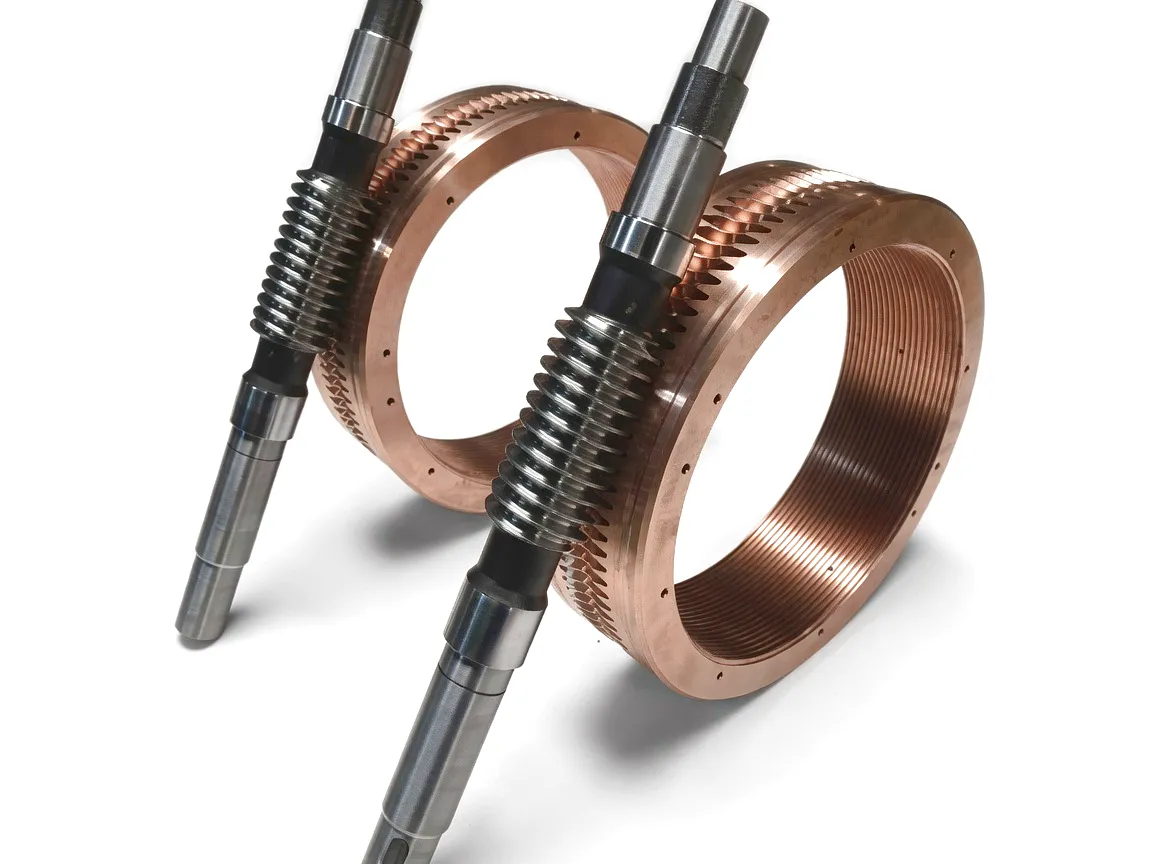
Need a Custom Worm Gear Shaft for Your Application?
Our engineers respond within 24 hours with technical drawings and pricing.
How a Worm Gear Shaft Transmits Power: The Mechanics Explained
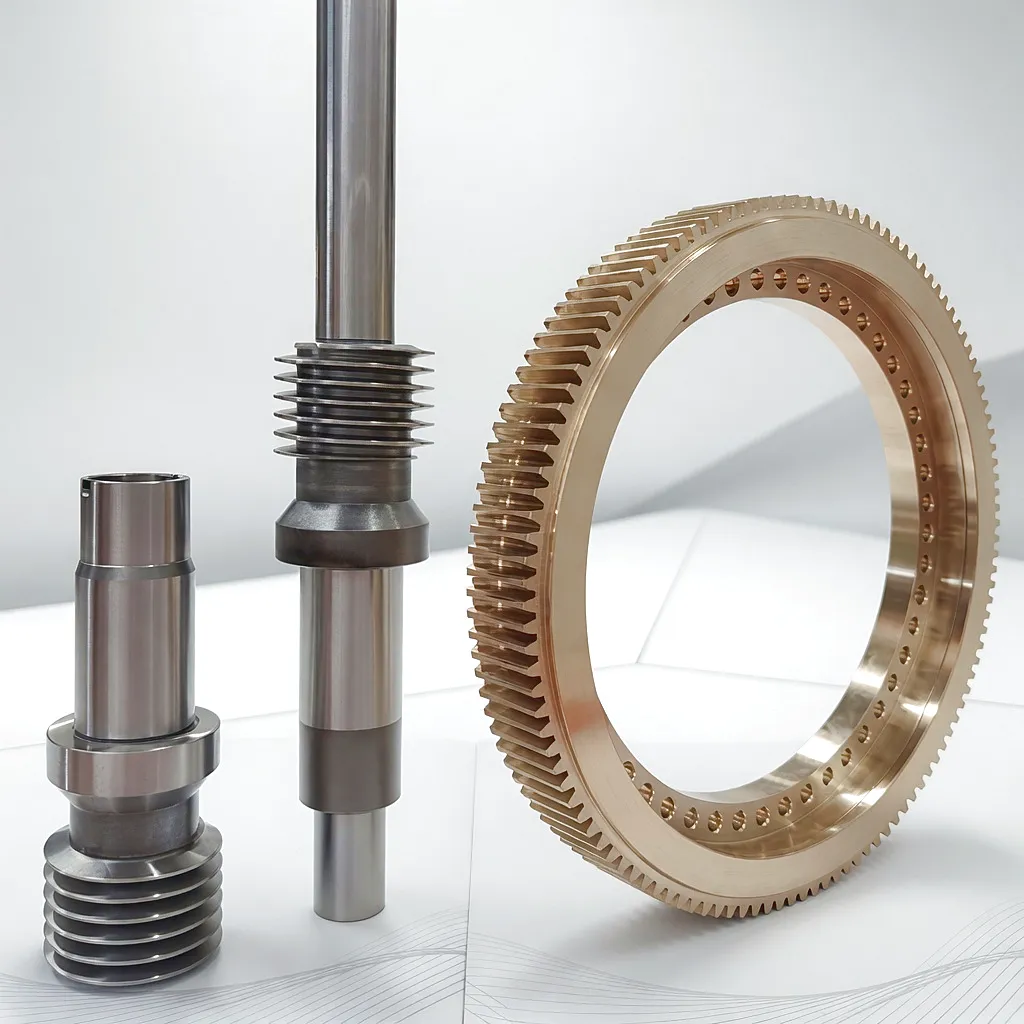
⚙ Helical Thread Geometry
The worm shaft thread form — typically ZA, ZN, ZK or ZI — determines the ease of grinding, the contact ratio and the load distribution across the tooth flank. ZI (involute) worm geometry is widely preferred in British precision engineering because the flank can be finished by conventional cylindrical grinding machines.
📈 Speed Ratio Control
Gear ratio = (Number of worm wheel teeth) / (Number of starts on worm shaft). A 40-tooth wheel paired with a single-start worm shaft gives a 40:1 ratio, delivering massive torque multiplication from a compact housing — a capability that makes the worm gear shaft a cornerstone of conveyor and lifting system design.
🔒 Self-Locking Behaviour
When the lead angle is low and the coefficient of friction sufficiently high, the worm gear shaft becomes inherently self-locking. This eliminates the need for an external brake in many elevator, stairlift and press applications — a significant cost and complexity saving recognised by British machinery safety standards under BS EN ISO 13849.
Core Materials Used in Worm Gear Shaft Manufacturing
The material selection for a worm gear shaft is not an academic exercise — it is the single most consequential decision in the entire design chain. A shaft that transmits 500 Nm of torque at 1,450 rpm while subjected to shock loading from an upstream conveyor drive demands a steel grade with a yield strength substantially above the working stress, adequate surface hardenability to resist pitting and scoring against the worm wheel, and toughness sufficient to absorb the occasional impact overload without brittle fracture. British manufacturers sourcing from long-established supply chains in the Midlands and North East have historically favoured a short list of proven materials, and these remain the dominant choices in contemporary worm gear shaft production.
20CrMnTi / 20CrMo
Case-hardening alloy steels. After carburising and quenching, surface hardness reaches HRC 58–62 while the core remains tough (HRC 28–35). These grades are the backbone of high-load worm gear shaft production, providing the fatigue resistance needed for 24-hour continuous duty cycles in automotive transfer lines.
42CrMo4 / 4140
Through-hardening chromium-molybdenum steel. Commonly induction-hardened at the thread flanks to HRC 52–58 after pre-machining, then finish-ground. This approach gives a superior surface-to-core hardness gradient and is particularly suited to medium-ratio worm gear shafts in food processing and packaging machinery where dimensional repeatability is paramount.
C45 / 1045 Carbon Steel
Medium-carbon steel, often used in lighter-duty or budget-constrained applications where impact loads are modest and surface hardness requirements can be met with flame hardening. Widely stocked by UK steel service centres and straightforward to machine, making it attractive for short-lead-time replacement shafts in legacy equipment.
Stainless Steel 316 / 440C
Selected for corrosion-hostile environments such as wastewater treatment, marine deck machinery and pharmaceutical processing. Grade 316 offers outstanding resistance to chloride pitting; 440C provides higher surface hardness after heat treatment at the cost of slightly reduced toughness, making it the preferred worm gear shaft material in hygienic-design applications across the UK food and beverage sector.
The choice of steel grade must always be evaluated in conjunction with the heat treatment route. A 42CrMo4 worm gear shaft that has been through-hardened to an excessively high bulk hardness may achieve excellent flank wear resistance but will be susceptible to case spalling under shock loads. Conversely, a shaft with insufficient surface hardness — a common outcome when induction hardening depth is under-specified — will exhibit accelerated pitting within the first few thousand hours of operation, particularly when paired with a hardened steel worm wheel rather than the more conforming phosphor bronze. The ideal pairing remains a hard steel worm gear shaft (HRC 58+) against a softer, self-polishing bronze wheel, a combination that has been standard practice in British gear manufacture for well over a century and which continues to offer the best balance of efficiency, quiet operation and service life in the majority of industrial applications.
Core Technical Advantages of the Worm Gear Shaft
High Reduction Ratios in a Single Stage
Worm gear shafts routinely deliver speed reductions of 10:1 to 100:1 within a single mesh — a feat that would require two or three stages of spur or helical gearing to achieve. This compactness translates directly into smaller gearbox housings, lower installation costs and reduced structural support requirements on machine frames.
Exceptionally Quiet, Low-Vibration Operation
Because the worm gear shaft engages the worm wheel in a sliding rather than an impact contact, noise levels are significantly lower than those of equivalent spur gear drives. This makes worm drives the preferred choice in passenger lift mechanisms, hospital equipment and precision laboratory instruments where noise standards are strictly enforced under the UK Noise at Work Regulations.
Inherent Self-Locking Safety
At low lead angles, the worm gear shaft cannot be back-driven by the output load. This passive safety feature eliminates the need for external holding brakes in many lifting and positioning applications, reducing system complexity and the risk of brake failure — a consideration that frequently appears in CE marking risk assessments for UK machinery directive compliance.
Right-Angle Drive in Minimal Space
The standard 90-degree shaft crossing angle allows machine designers to redirect drive shafts through right angles without additional bevel gear stages or costly universal joints. This geometry is used extensively in British-built agricultural machinery, packaging lines and retail escalator drives where spatial constraints demand creative power routing.
Smooth, Shock-Absorbing Torque Delivery
The distributed sliding contact of the worm gear shaft inherently absorbs minor shock loads and torsional vibrations before they reach downstream components. Production machinery driven through worm gears typically shows lower bearing wear rates on output shafts compared with equivalent spur gear drives, reducing maintenance frequency and unscheduled downtime.
Wide Customisation Latitude
Thread profiles, shaft diameter steps, keyway positions, spline forms and shaft end configurations can all be tailored to match legacy gearbox housings or new OEM designs. This flexibility makes the worm gear shaft one of the most adaptable components in the power transmission catalogue, and it is a key reason why UK plant engineers continue to prefer bespoke machined shafts over catalogue-only supply.
Worm Gear Shaft: Technical & Performance Parameter Table
The parameters below represent the standard specification ranges offered by Ever Power. Custom configurations outside these ranges are available on application — contact our engineering team with your torque, ratio and dimensional requirements for a dedicated design review.
| Parameter | Standard Range | Custom / Extended | Notes |
|---|---|---|---|
| Shaft Diameter | 20 mm – 120 mm | Up to 280 mm | To h6 / h7 tolerance per ISO 286 |
| Centre Distance | 40 mm – 400 mm | Up to 800 mm | As per BS EN ISO 9085 |
| Gear Ratio | 5:1 – 80:1 | Up to 100:1 | Single-stage; multi-stage on request |
| Output Torque | 50 Nm – 15,000 Nm | Up to 50,000 Nm | Verified by FEA simulation |
| Input Speed | 750 rpm – 1,450 rpm | Up to 3,000 rpm | Balanced for speeds over 1,500 rpm |
| Lead Angle | 3° – 30° | Custom | <6° = self-locking; >15° = high efficiency |
| Thread Starts | 1, 2, 4 | 6 starts | More starts = higher efficiency |
| Shaft Material | 20CrMnTi / 42CrMo4 / C45 | 316SS / 440C / Nitrided | Matched to load and environment |
| Surface Hardness (Thread) | HRC 56–62 | To HRC 64 | Carburised or induction hardened |
| Thread Surface Finish (Ra) | Ra 0.8 µm | Ra 0.4 µm (precision ground) | CNC thread grinding; CMM verified |
| Thread Accuracy Grade | Grade 7–8 (ISO 1328) | Grade 5–6 | Inspection report provided |
| Mechanical Efficiency | 50% – 90% | Optimised per duty cycle | Depends on lead angle and lubrication |
| Shaft Keyway / Spline | DIN 6885 keyways | DIN 5480 splines / custom | Broached or hobbed to drawing |
Industrial Application Scenarios for Worm Gear Shafts




Elevator & Escalator Drives
Passenger lifts and stairlifts across UK commercial buildings rely on compact worm drive units for smooth, self-locking, low-noise vertical transport.
Agricultural Machinery
Balers, spreaders and field robots using worm gear shafts for compact right-angle drives. UK farm equipment makers in Lincolnshire and East Anglia are a key end market.
Valve & Gate Actuators
Water utilities across Wales and Northern England use worm gear shaft actuators to open and close large-diameter sluice gates, relying on self-locking to hold gate position without hydraulic pressure.
Printing & Packaging Machinery
Register adjustment drives and tension-control roller systems in UK printing and packaging plants use precision worm gear shafts for ultra-fine position control and quiet high-speed operation.
Robotics & CNC Positioning
Precision CNC rotary axes and robot shoulder joints use low-backlash worm gear shafts machined to Grade 5 ISO 1328 accuracy, enabling sub-arc-minute positioning repeatability in automated manufacturing cells.
Marine & Offshore Equipment
Deck windlasses, anchor winches and subsea valve actuators use stainless or duplex steel worm gear shafts with ATEX-rated housings for safe deployment in offshore North Sea installations.
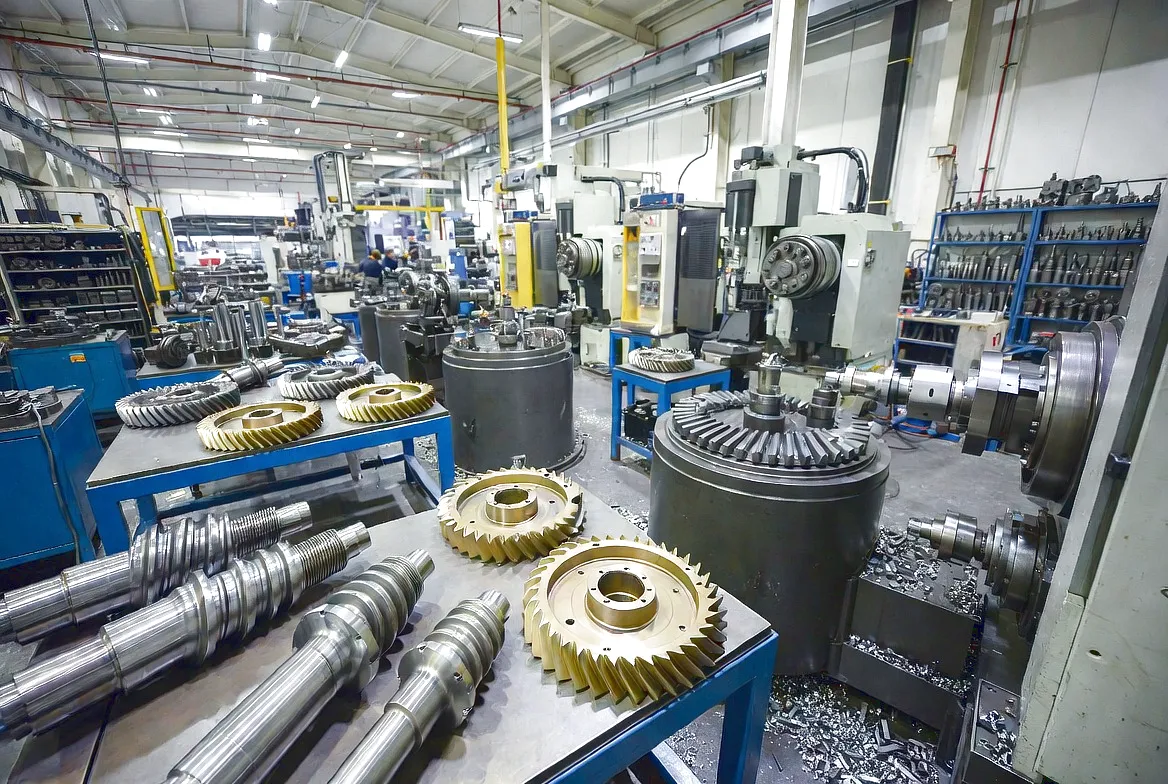
Customer Success Story: Sheffield Heavy Engineering
What Our Customers Say
We’ve run the Ever Power worm gear shaft on our coil upenders for 18 months without a single failure. The case depth upgrade they recommended was exactly the right engineering call — something our previous supplier never thought to question. Technical response times and documentation quality are genuinely impressive for a supply partner at this price level.
Richard A., Plant Engineering Manager
Special Steel Processor, Sheffield
Getting a custom құрт тәрізді беріліс білігі made to a non-standard left-hand thread specification with a non-DIN keyway and specific shaft end chamfer was something I expected to take months with most suppliers. Ever Power turned around a prototype in 12 days and the dimensions were spot-on with the legacy housing. The price was competitive and the inspection report saved us two weeks on our own in-house verification process.
Sarah K., Mechanical Design Engineer
Automated Packaging OEM, Birmingham
We specified stainless worm gear shafts from Ever Power for our hygienic-design filling line rebuild. The 316 stainless material certification, NSF lubricant compatibility confirmation, and EN 1672 compliance documentation were all provided without needing to chase. After six months of daily caustic wash-down, the shafts show zero corrosion and the surface finish on the threads is still measurably within the original Ra 0.8 specification. Exactly what we needed for our BRC audit compliance.
David M., Maintenance Engineering Lead
Food & Beverage Manufacturer, Yorkshire
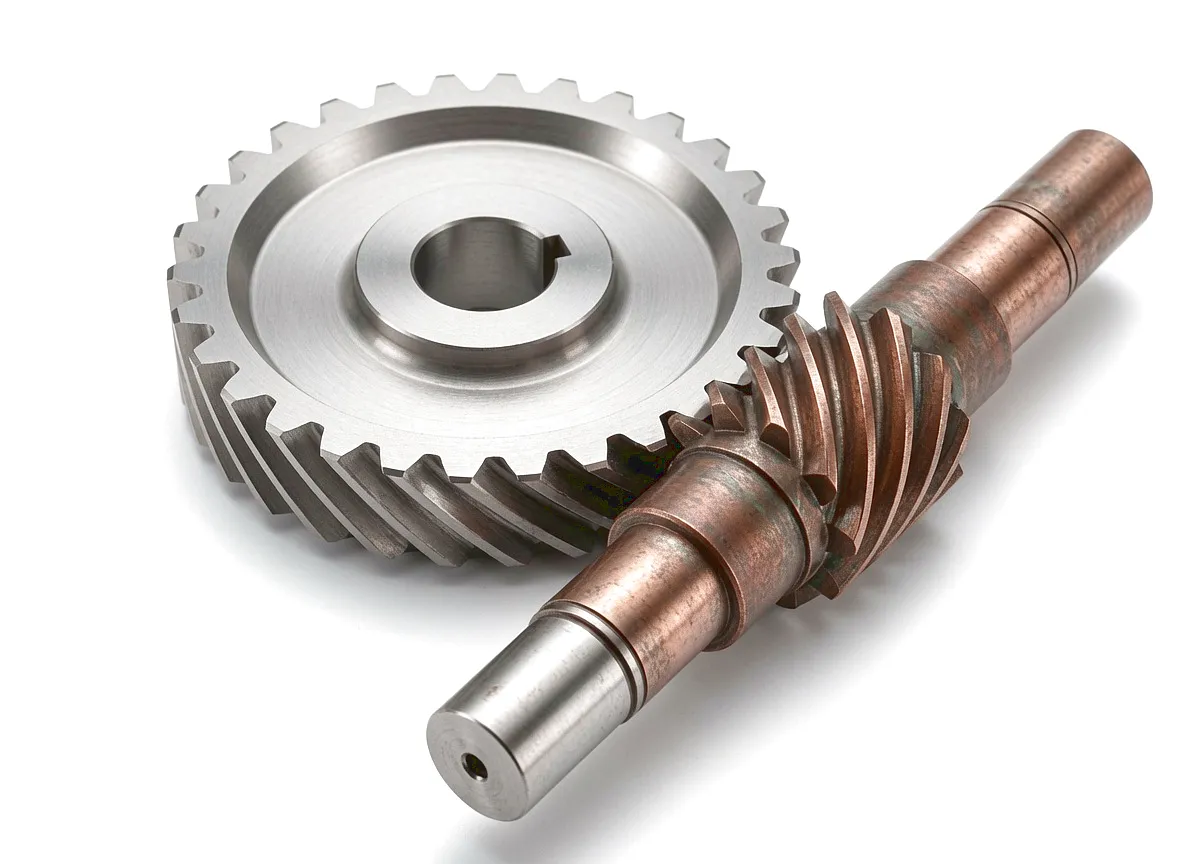
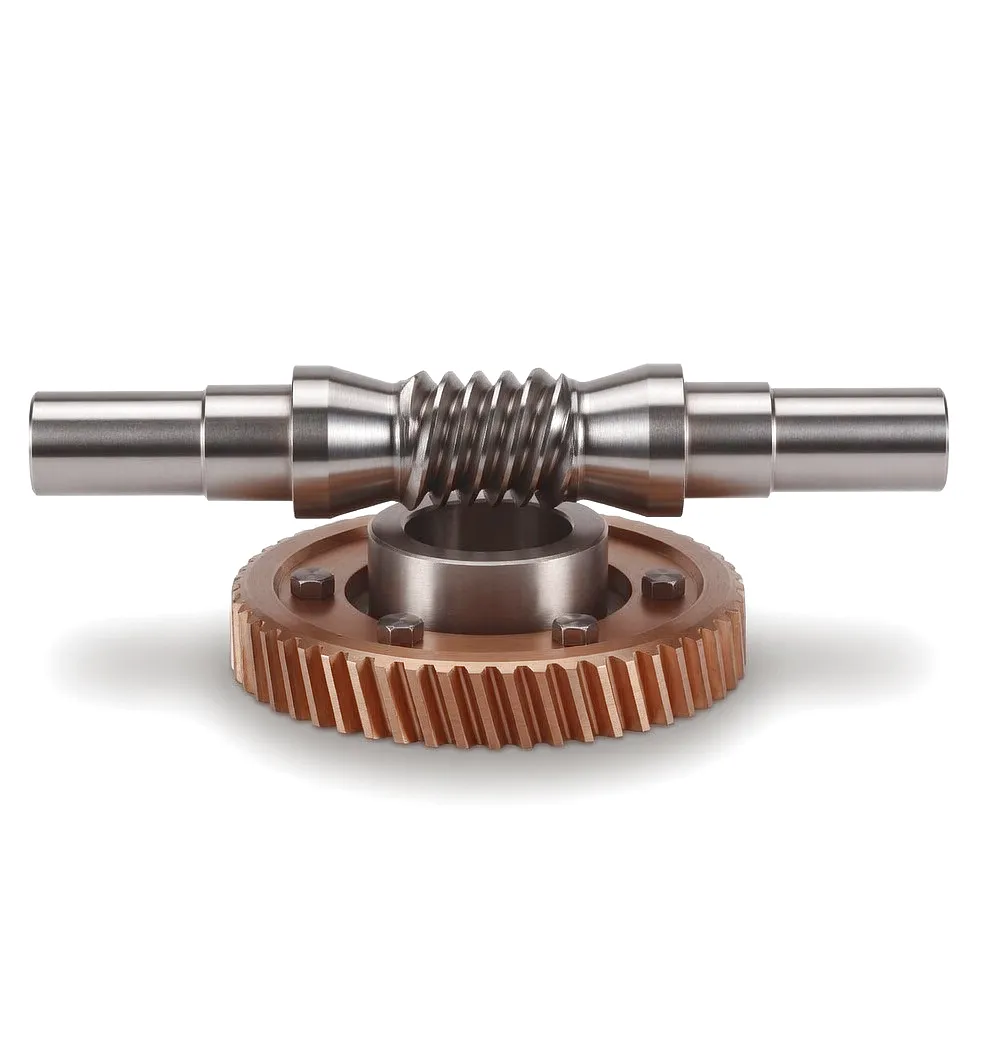
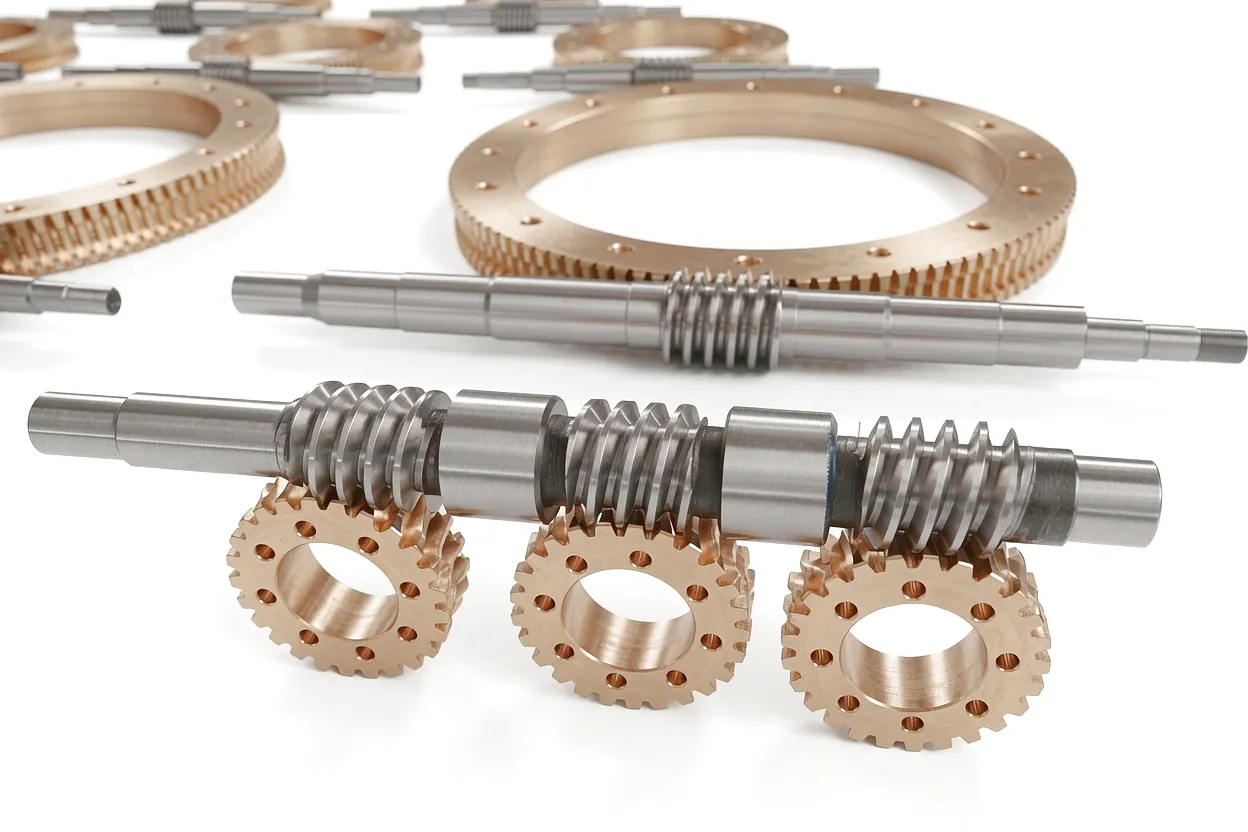
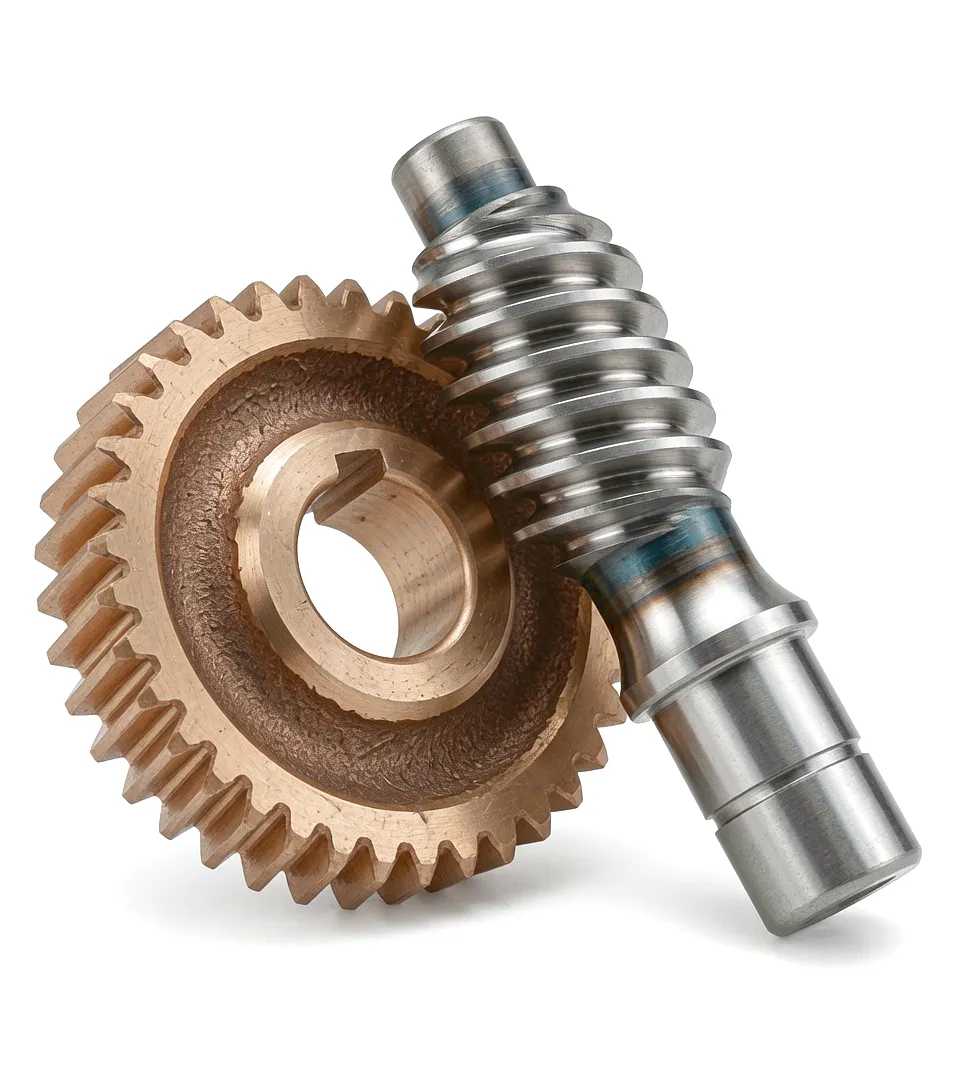
Ever Power Worm Gear Shaft — Product Gallery
Frequently Asked Questions About Worm Gear Shafts
© Ever Power Transmission | worm-shaft.com | edit by gzl