How a Worm Gear Shaft Actually Works in a Belt Conveyor Drive
Working Principle & Mechanical Geometry
The Worm and Wheel Engagement
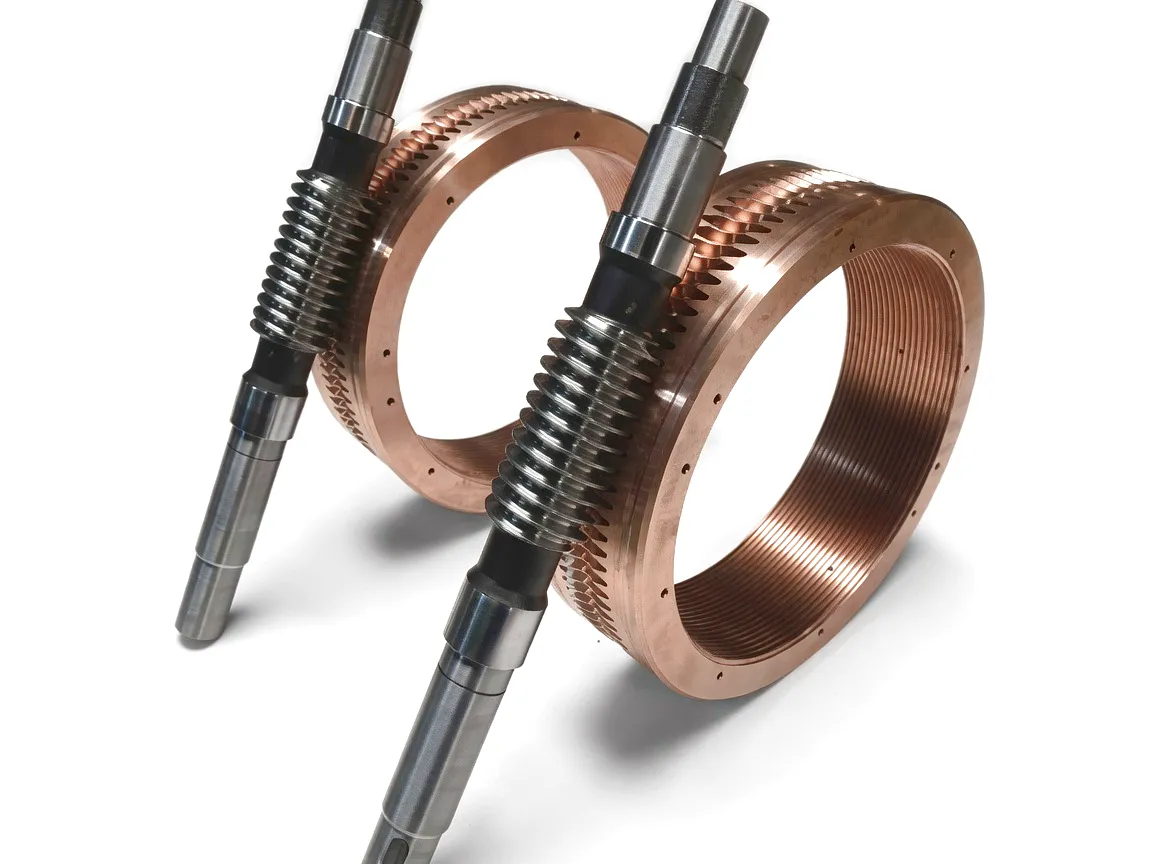
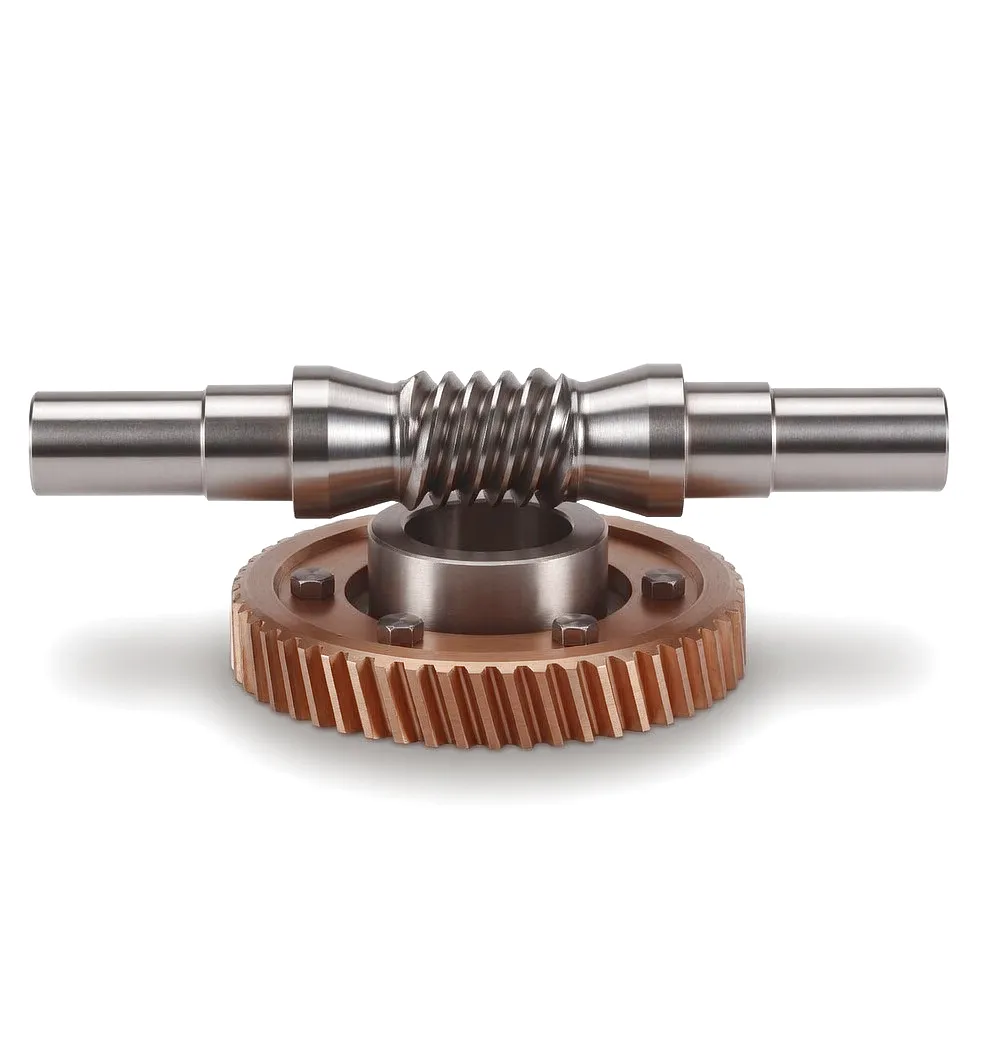
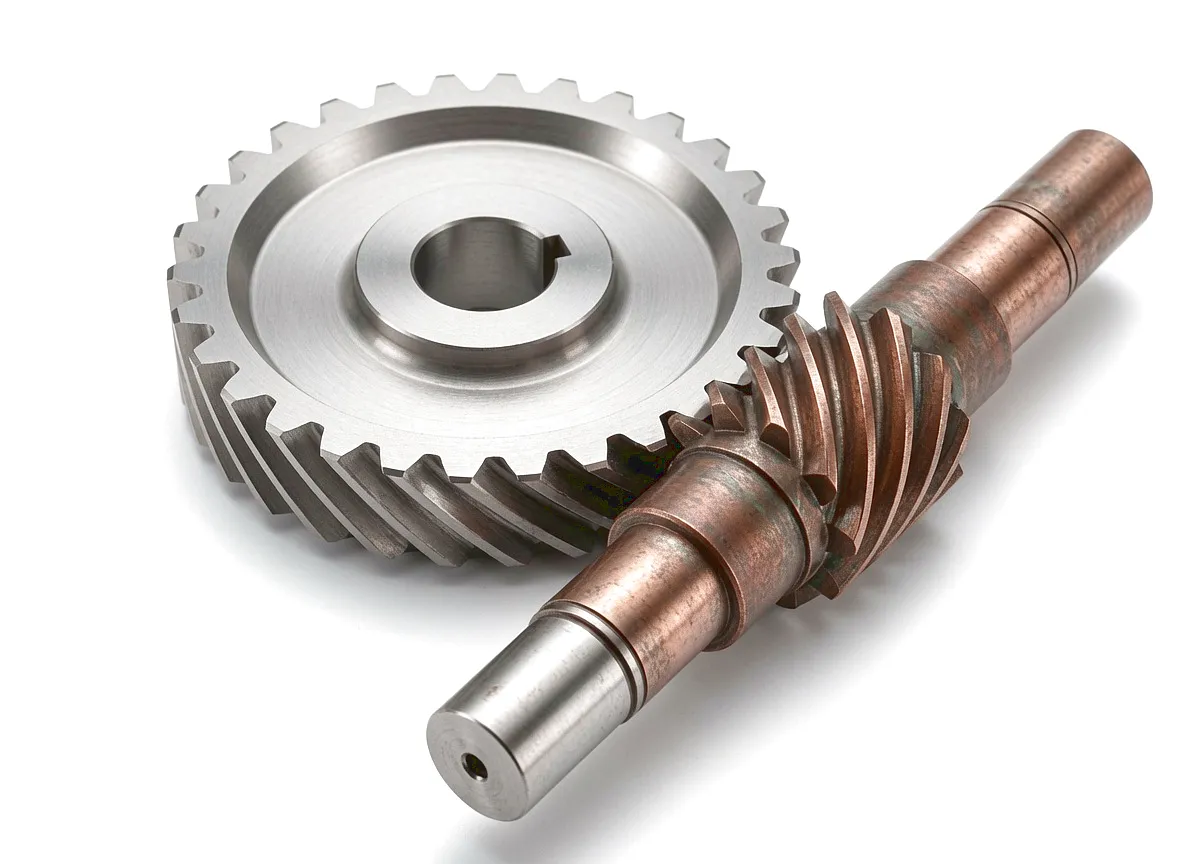
At the core of the assembly, the worm gear shaft — a precision-machined steel component carrying one or more helical thread starts — rotates about its own axis. Its threads mesh at 90 degrees with the teeth of the worm wheel, which is typically a bronze or brass ring gear pressed or keyed onto the driven shaft. The geometry is such that a single revolution of the worm advances the worm wheel by just one tooth pitch; this is the physical mechanism that produces enormous speed reduction in a compact axial envelope. In conveyor drive units installed at British distribution centres and packaging lines, this means that the motor running at 1450 r/min can comfortably drive a conveyor drum shaft at as low as 5 r/min without requiring a multi-stage gearbox or a large chain-and-sprocket reduction train.
Lead Angle and Self-Locking
The lead angle of the worm thread — the angle between the helix and a plane perpendicular to the shaft axis — has a profound effect on both efficiency and self-locking behaviour. At lead angles below roughly 5–6 degrees, the friction between worm and wheel is sufficient to prevent back-driving: the load cannot rotate the input shaft even when no braking torque is applied. This inherent self-locking characteristic makes the worm gear shaft especially valuable in inclined or vertical conveyor applications, such as those found in Birmingham automotive body-panel plants and Sheffield steel-stockholding facilities, where preventing uncontrolled belt rollback during a power cut or E-stop is a genuine safety requirement. Higher lead angles (above 15 degrees) reduce self-locking but improve transmission efficiency, typically from around 60% at low lead angles to above 90% in high-start-count variants.
VFD Integration and Speed Control
Modern conveyor installations — particularly those operating under Industry 4.0 standards increasingly adopted across UK logistics and food-processing facilities — pair the worm gearbox with a variable frequency drive (VFD) motor rather than a fixed-speed three-phase unit. When a VFD feeds the motor, the effective output speed of the worm gear shaft can be modulated continuously across the 0.1 to 3 m/s belt-speed range without mechanical adjustment or manual intervention. The WPA, WPB, and WD series worm gearboxes widely used in the UK market are all designed with thermal ratings that accommodate VFD duty cycles, though the engineer must account for reduced motor cooling at low frequencies and verify that the gearbox lubricant maintains adequate viscosity across the operating temperature range — a particularly important consideration during cold winter starts in unheated Northern England warehouses and dock-side facilities.
Core Technical Advantages of the Worm Gear Shaft in Conveyor Drives
Product Advantages & Engineering Benefits
High Reduction Ratio in a Single Stage
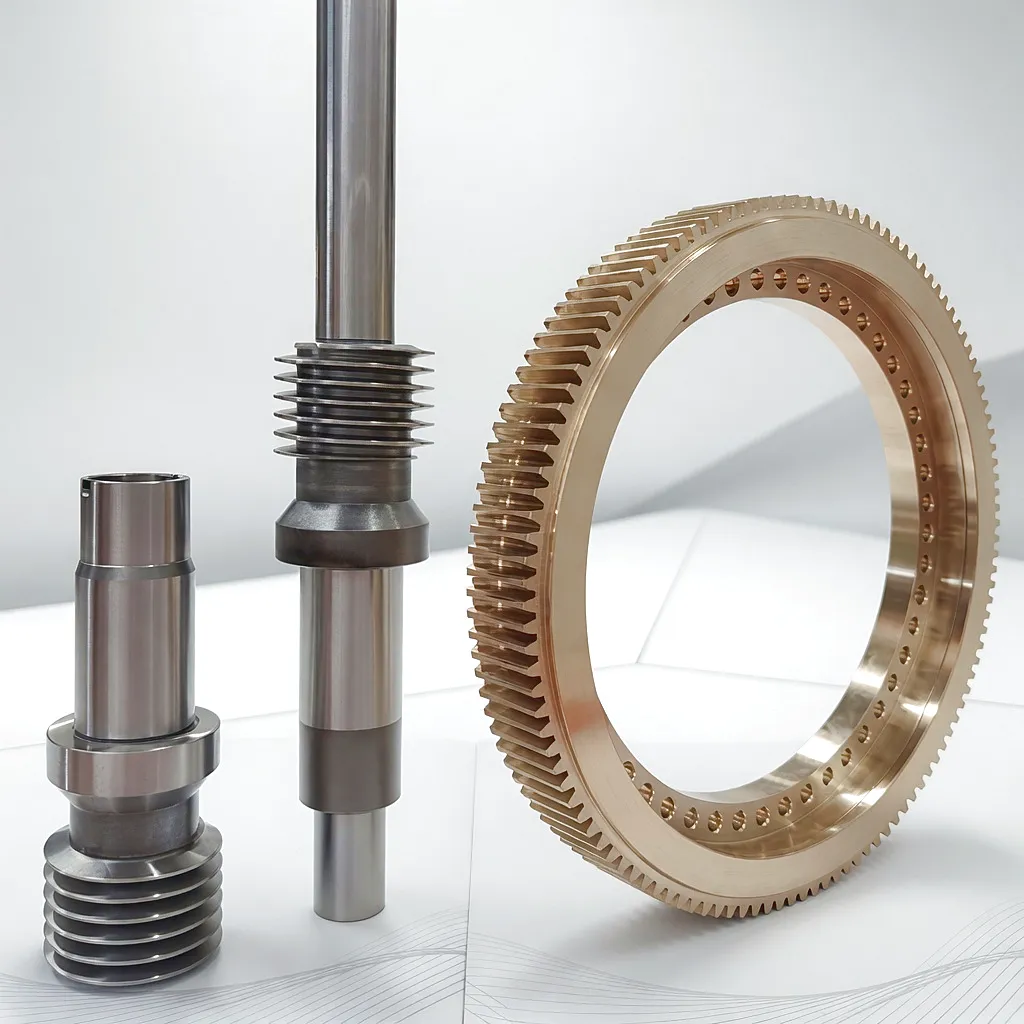
A single worm gear shaft stage can deliver speed reduction ratios from 5:1 up to 100:1 or beyond, depending on the number of worm thread starts and the worm wheel tooth count. Achieving equivalent ratios with helical or spur gearing would require two or three stages, significantly increasing the gearbox footprint and cost. For belt conveyor applications where floor space in a Birmingham distribution centre or a Sheffield forging plant is at a premium, this compactness is a compelling commercial advantage.
Smooth, Low-Noise Operation
The sliding contact between the worm gear shaft and the worm wheel produces inherently smoother engagement than the rolling contact of spur or helical gears, resulting in lower operating noise — typically 60–70 dB(A) at rated load and speed. This attribute makes worm gearboxes the preferred choice for food-processing conveyor lines in facilities across Yorkshire and Lancashire, where noise regulations under UK Workplace (Health, Safety and Welfare) Regulations are rigorously enforced and operator comfort is a priority.
Inherent Self-Locking for Safety
As discussed in the working principle section, worm gearboxes with low lead angles are inherently self-locking under static conditions. In the context of inclined belt conveyors used in UK aggregate quarrying, waste management, and airport baggage handling, this means the load cannot cause the belt to reverse when the motor is de-energised, providing a built-in safety function without the cost and complexity of an external backstop or brake unit. This intrinsic safety feature is particularly valued by engineers designing conveyor systems to meet the BS EN 620 standard for continuous handling equipment.
Compact, Right-Angle Drive
The 90-degree shaft arrangement inherent in all worm gearbox designs means that the motor and gearbox assembly can be positioned at right angles to the driven drum shaft, giving conveyor designers tremendous flexibility in how they lay out the drive head assembly. This is especially valuable in retrofit applications — such as modernising older conveyor lines at legacy manufacturing sites around Coventry, Wolverhampton, and Leeds — where the available installation envelope may not accommodate a parallel-shaft reducer without significant structural modification.
Cost-Effective Total Ownership
Despite their relatively lower transmission efficiency compared to helical or bevel gears, worm gearboxes offer a total cost-of-ownership advantage in many belt conveyor applications because of their simplicity, long service intervals, and low maintenance requirements. A correctly specified and lubricated worm gear shaft and gearbox assembly may run for 30,000 to 50,000 operating hours before requiring any significant overhaul — a compelling value proposition for UK plant operators managing budget-constrained preventive maintenance programmes across high-utilisation logistics and manufacturing sites.
VFD-Compatible for Stepless Speed Control
WPA, WPB, and WD series worm gearboxes are designed to accept VFD-driven motors, enabling the drive system to deliver stepless belt speed control across the 0.1 to 3 m/s range. This capability transforms the belt conveyor into a flexible production tool that can adapt to changing throughput demands — a feature increasingly required in UK fulfilment centres and food manufacturers who need to match conveyor speed to production line output, shift patterns, or product changeovers without stopping the line to change belt pulleys or sprockets.
Technical Performance Parameters
WPA / WPB / WD Series Worm Gear Shaft Gearbox Data
| Parameter | WPA Series | WPB Series | WD Series |
|---|---|---|---|
| Input Speed | 960–1450 r/min | 960–1450 r/min | 960–1450 r/min |
| Output Speed Range | 5–100 r/min | 5–80 r/min | 5–120 r/min |
| Reduction Ratio | 10:1 – 60:1 | 10:1 – 60:1 | 7.5:1 – 100:1 |
| Output Torque | Up to 4,500 N·m | Up to 6,000 N·m | Up to 8,500 N·m |
| Shaft Angle | 90° | 90° | 90° |
| Worm Shaft Material | 20CrMnTi / 42CrMo4 | 42CrMo4 / 18CrNiMo7-6 | 18CrNiMo7-6 |
| Worm Wheel Material | CuSn10 / CuSn12 | CuSn12 | CuAl10Ni5Fe4 |
| Surface Hardness (Worm) | 58–62 HRC | 58–62 HRC | 60–64 HRC |
| Transmission Efficiency | 60–75% | 70–80% | 75–90% |
| Belt Speed (Conveyor) | 0.5–2 m/s | 0.5–2.5 m/s | 0.1–3 m/s (VFD) |
| IP Rating (Housing) | IP54 | IP55 | IP65 (optional) |
| Mounting Position | Foot / Flange | Foot / Flange / Shaft | All positions |
Industrial Application Scenarios Across UK Sectors
Where the Worm Gear Shaft Drives Industry
Aggregate, Mining and Quarrying
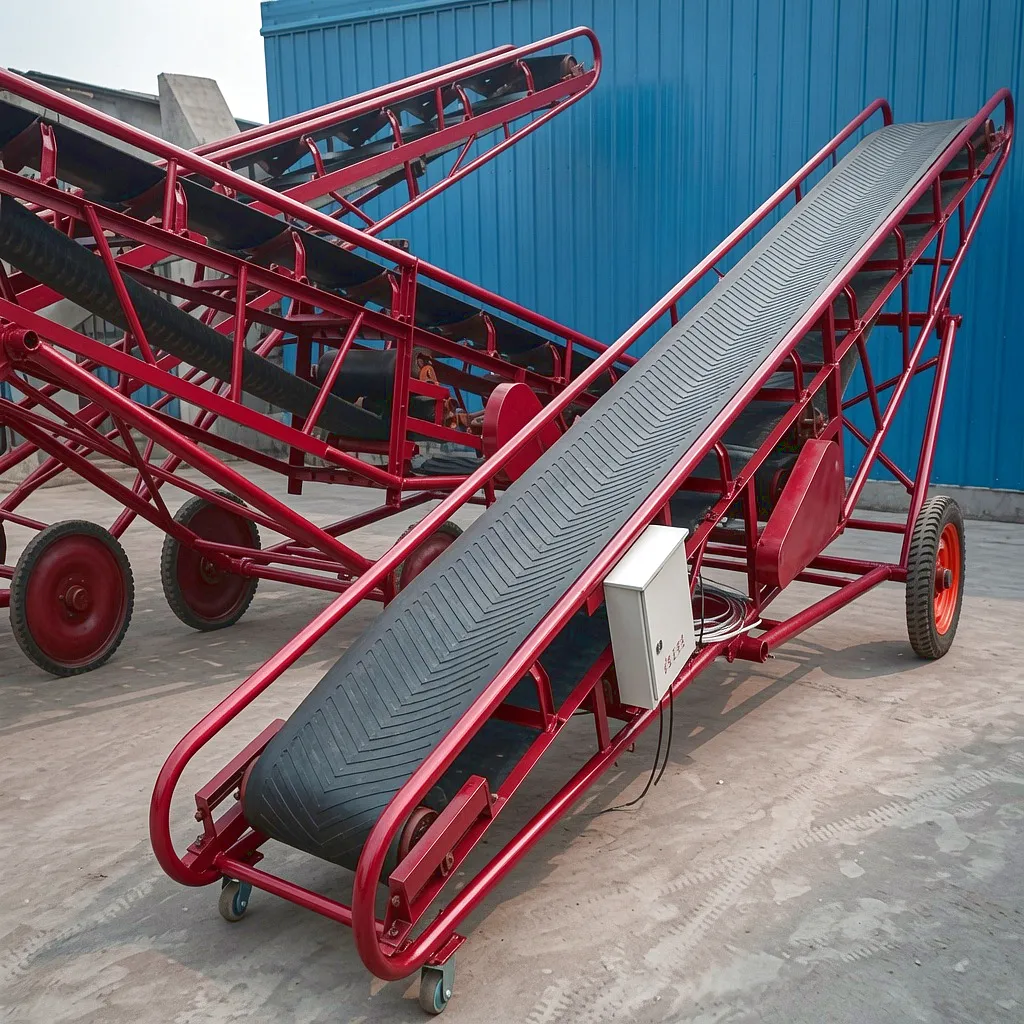
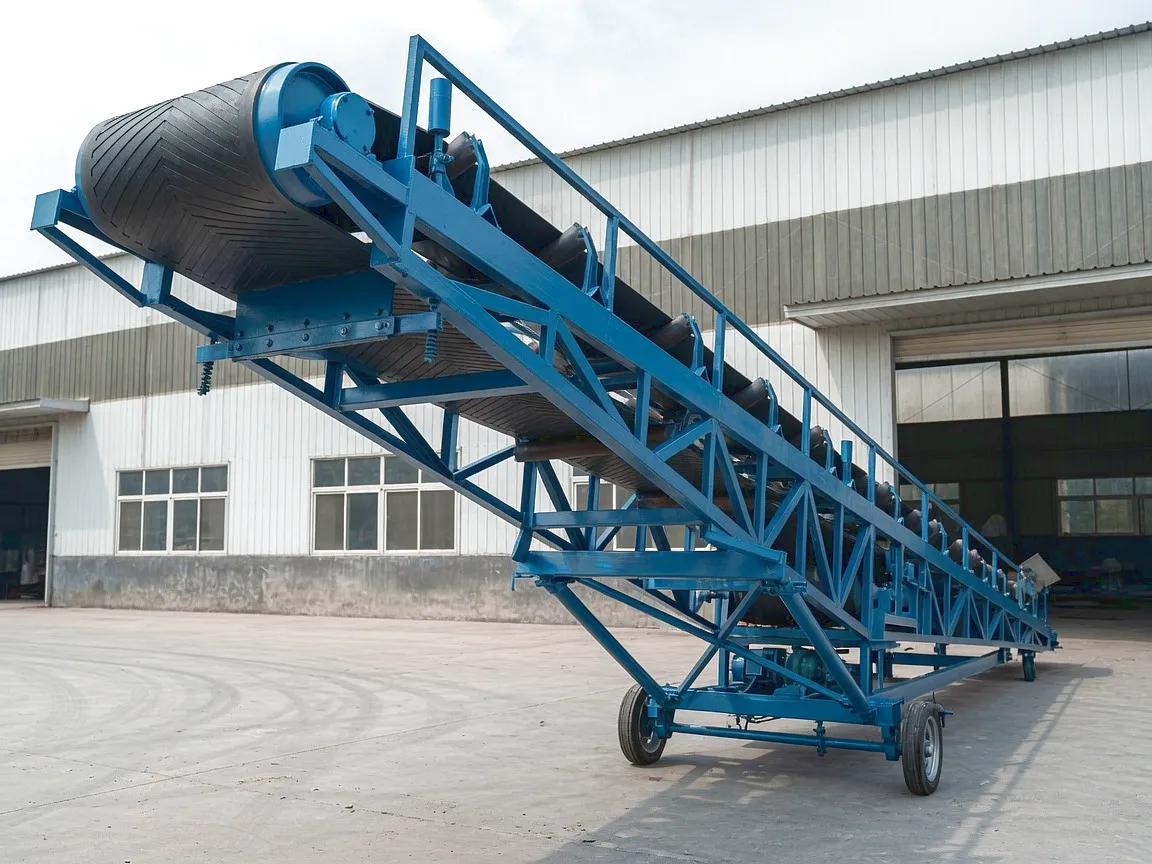
Aggregate and mineral extraction sites across the North of England, Wales, and Scotland represent some of the most punishing operating environments that a worm gear shaft gearbox will ever encounter. Coarse dust, high shock loads from material surges, outdoor installation with wide temperature swings, and often near-zero maintenance access windows demand gearboxes built to the highest engineering standards. WD series units with reinforced output shaft bearings, viton shaft seals, and heavy-duty grey iron housings are the specification of choice for conveyor drives handling limestone, granite, coal, and similar bulk materials. The self-locking property of a correctly specified worm gear shaft provides critical protection against belt run-back on the steep inclined conveyors often used to transport material from quarry floor to processing plant.
Automotive and Steel Manufacturing — Birmingham and Sheffield
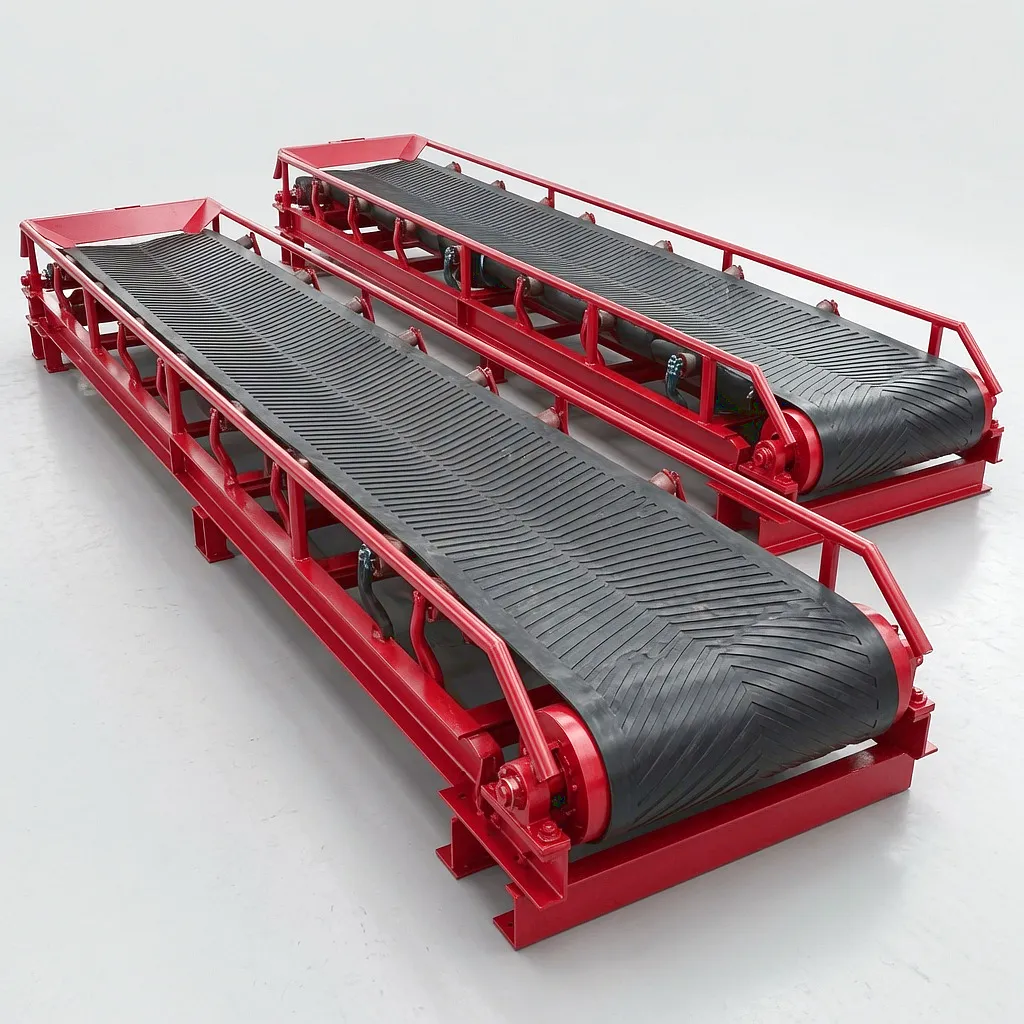
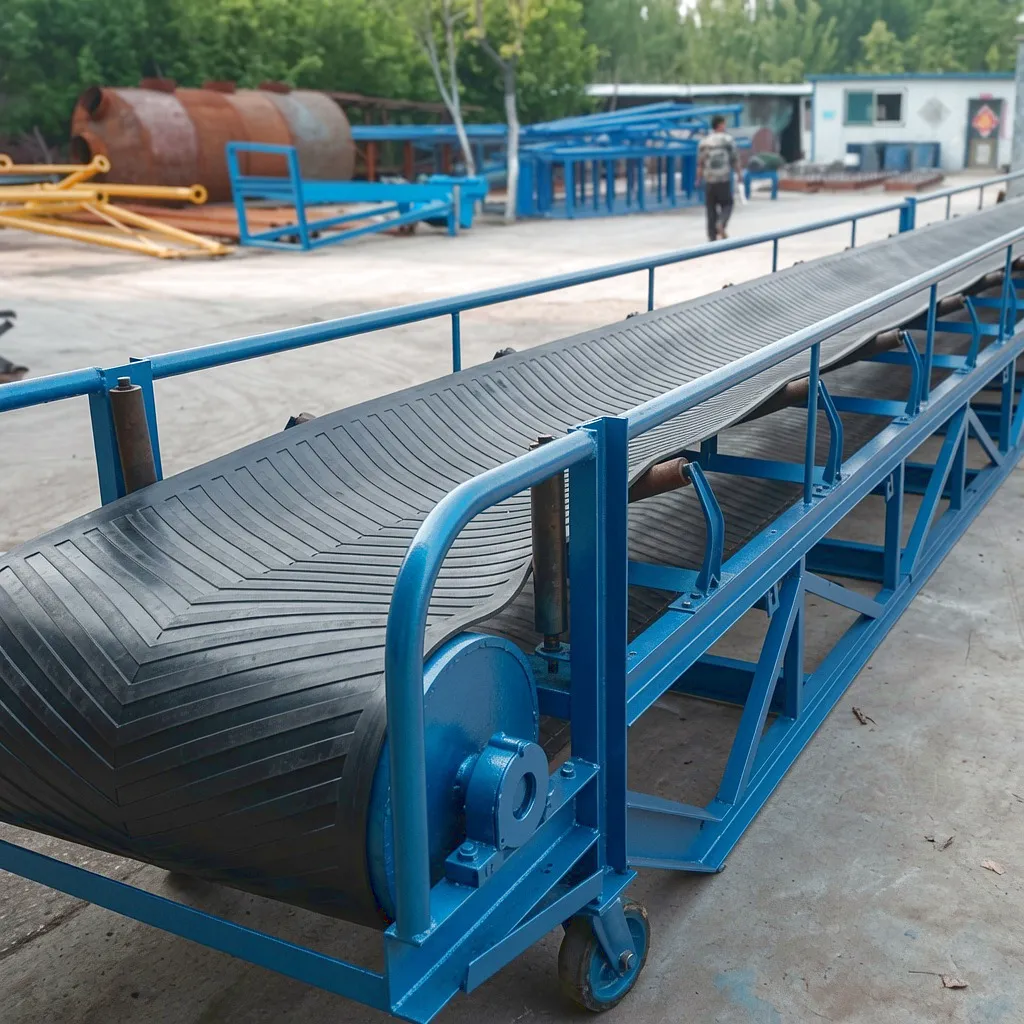
In the West Midlands automotive supply chain and the Sheffield steel sector, belt conveyors handling body panels, forged blanks, and bar stock operate under relentless cycle demands. The worm gear shaft gearboxes fitted to these conveyor drives are typically specified with synthetic PAO or polyglycol lubricants to extend re-lubrication intervals to 20,000 hours or beyond, reducing maintenance downtime on high-OEE production lines. Integration with plant-wide SCADA systems via sensor-equipped gearboxes that monitor oil temperature and vibration spectrum means that condition-based maintenance decisions can replace fixed-interval oil changes, further reducing total maintenance cost. The Birmingham automotive cluster and the Sheffield Special Steel corridor are both active markets where competitive pricing and rapid delivery of the correct worm gear shaft specification can be decisive purchasing factors.
Ever Power: Precision Manufacturing & Custom Worm Gear Shaft Solutions
Factory Capability · Custom Engineering · Supply Chain Excellence
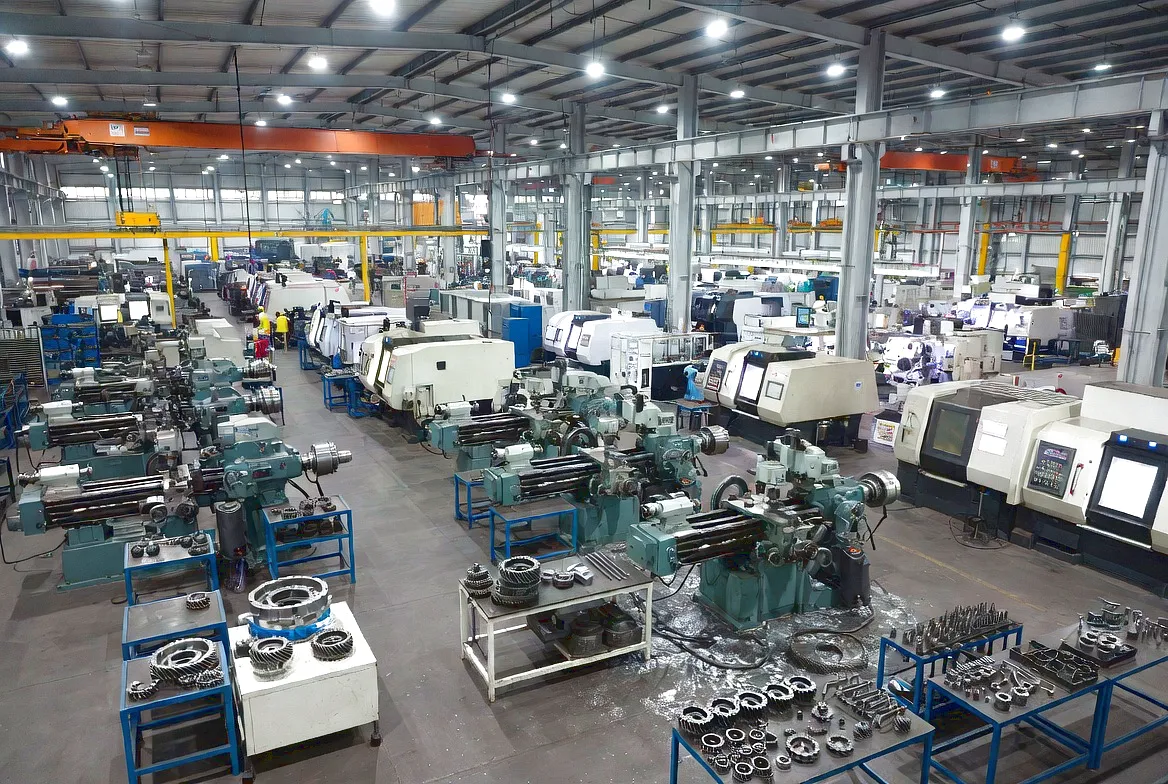
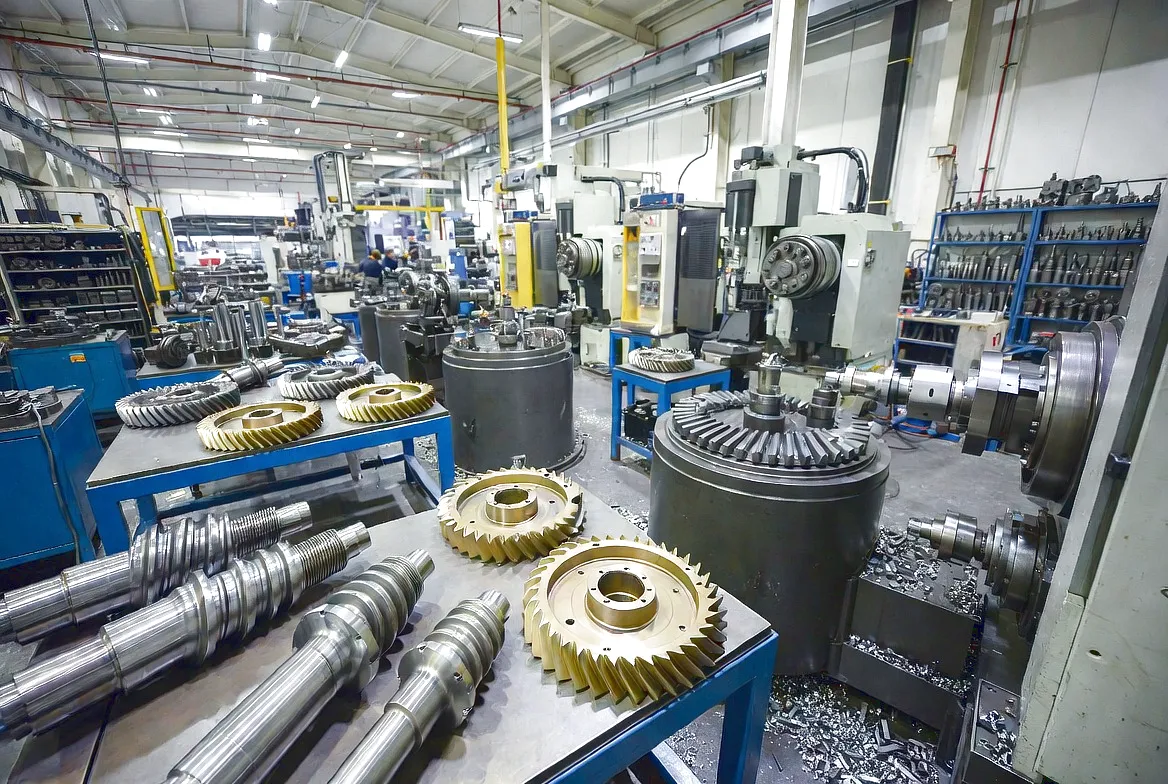
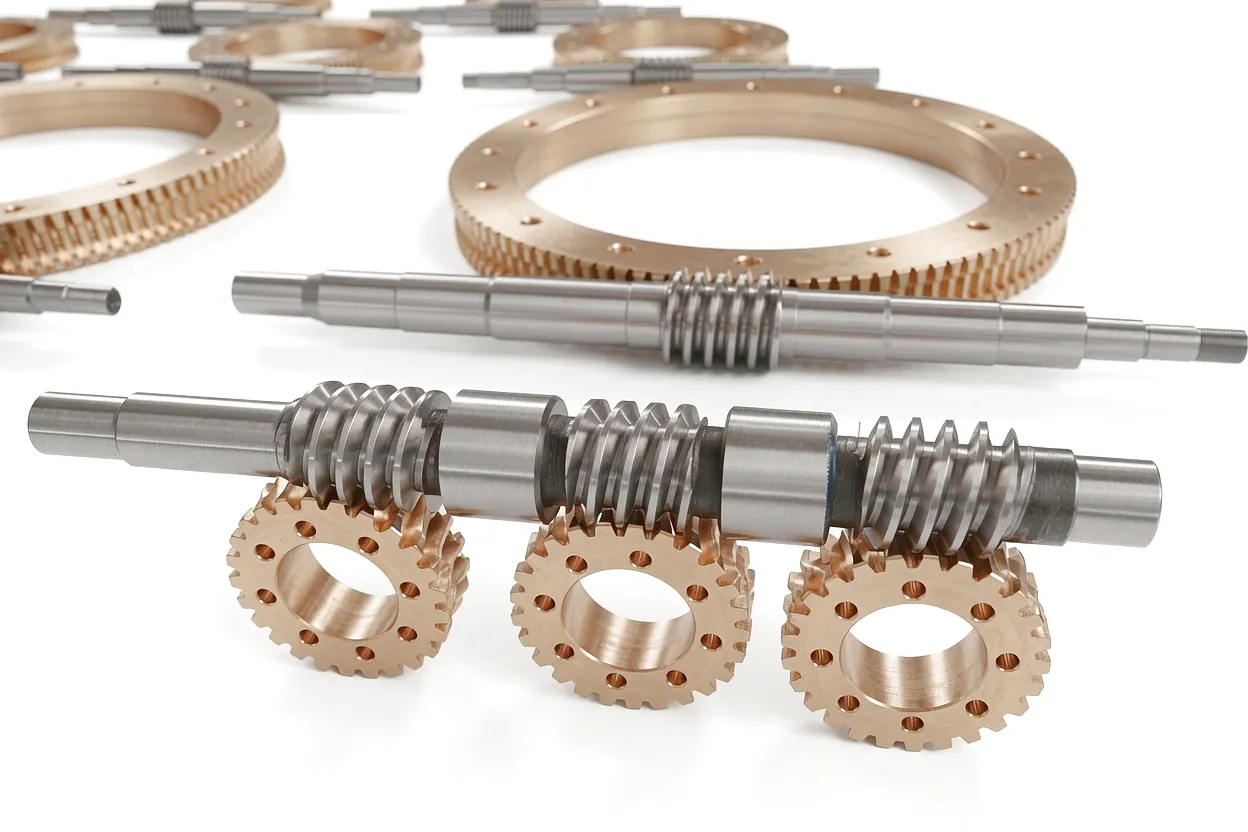
Ever Power has built its reputation on a single, unwavering commitment: delivering precision-engineered worm gear shaft solutions that outperform standard catalogue products in every dimension that matters to UK plant engineers — dimensional accuracy, surface finish, material certification, and delivery reliability. The Ever Power manufacturing facility operates a fully integrated production process, from raw steel billet to finished, tested gearbox, covering every critical stage in-house: CNC thread-milling of the worm shaft profile, gear hobbing and gear shaping for wheel teeth, carburising and hardening, precision cylindrical grinding to achieve the Ra 0.4–0.8 µm surface finish required for optimal lubrication film formation, and CMM-verified dimensional inspection against the customer’s drawing before despatch.
The customisation capabilities at Ever Power extend well beyond selecting from a standard series range. UK customers regularly request tailored worm gear shaft specifications that deviate significantly from catalogue norms: non-standard shaft diameters and keyway profiles to suit existing motor or drum coupling arrangements; special reduction ratios outside the standard series steps; stainless steel shaft extensions for corrosive or washdown environments; dual-output shaft configurations; metric or imperial (inch) shaft dimensions; and integrated backstop mechanisms for inclined conveyor applications. Ever Power’s engineering team works directly with customer technical departments to validate these custom specifications through gear geometry analysis, surface durability checking to AGMA 6034 or ISO 14521, and thermal rating confirmation before manufacture begins. Lead times for standard catalogue worm gear shaft gearboxes are typically 3–7 working days ex-works, while custom-specified units are manufactured and despatched within 20–28 working days. UK-bonded stock of the most common WPA and WPB series frame sizes is held to support urgent conveyor breakdown recoveries across British industry.
Product Gallery
Customer Success Story: Leeds Steel Stockholder
Real-World Performance · UK Heavy Industry
 Northern Steel Supplies Ltd, a Leeds-based steel stockholder and precision processing operation, was experiencing recurring gearbox failures on their bar-stock conveyor lines handling lengths up to 12 metres and weights per piece exceeding 800 kg. The incumbent gearboxes — sourced from a general industrial distributor — had a mean time between failure of just 14 months, driven by inadequate output shaft bearing capacity for the high radial loads imposed by the taper-lock pulleys and by thermal overload in their inadequately rated housing. Unplanned downtime on these conveyor lines was costing the business an estimated £18,000 per incident in lost throughput and emergency maintenance labour, and with three conveyor lines affected, the cumulative impact was becoming unsustainable.
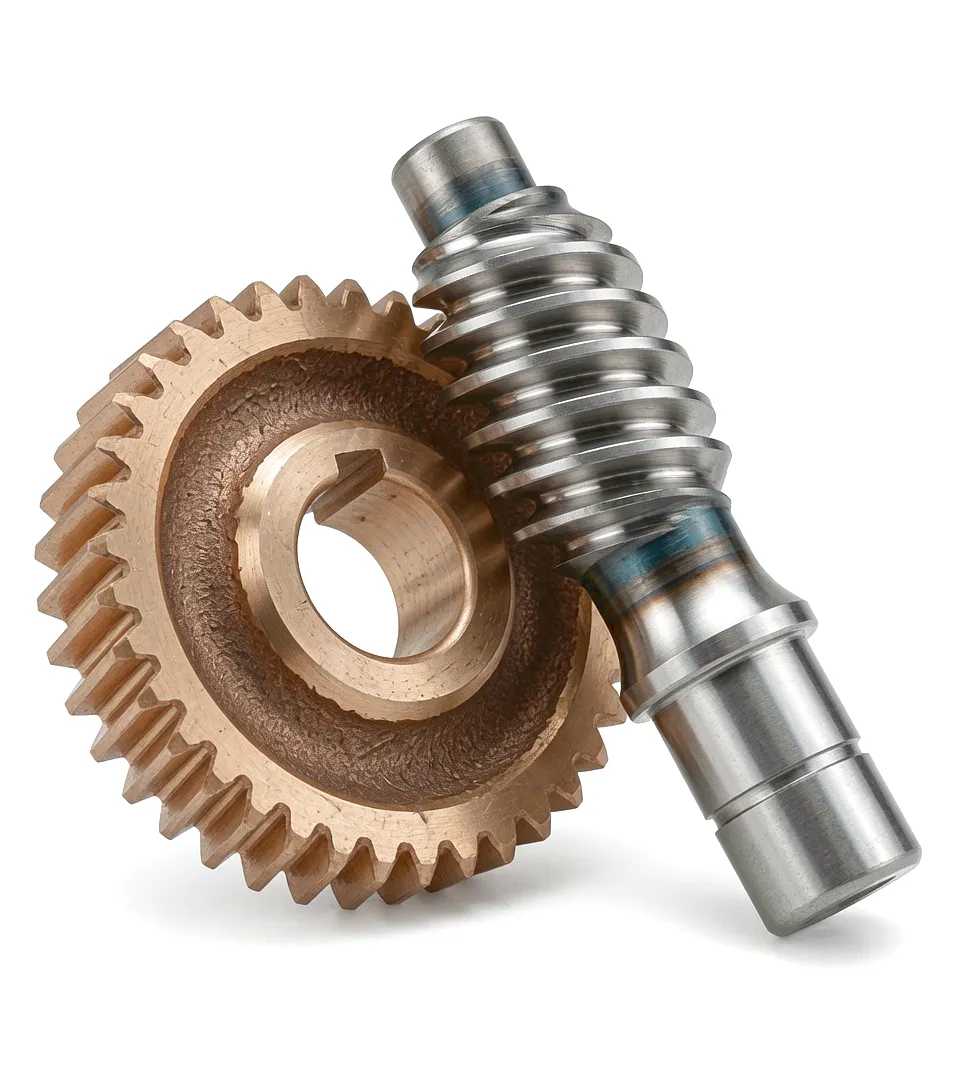
Working through Ever Power’s technical sales team, Northern Steel Supplies conducted a full application review that identified two root causes: the standard worm gear shaft specification offered insufficient case-hardening depth for the cyclic overloads experienced at peak bar-weight shifts, and the nominal thermal rating of the standard gearbox was being regularly exceeded during the summer months when ambient temperatures in the unventilated processing shed routinely reached 32°C. Ever Power’s engineering team proposed a custom WD200 specification with a 18CrNiMo7-6 worm shaft heat-treated to achieve a case depth of 1.4–1.8 mm at 58 HRC minimum, a reinforced output shaft with 280 mm bearing span and upgraded angular-contact ball bearing arrangement, and synthetic PAO ISO VG 320 lubricant selected for its superior viscosity-temperature characteristics to handle both the summer ambient peaks and cold winter morning starts. The gearbox housing was also upgraded to include an integrated finned cooling zone on the worm side cover, providing additional passive thermal capacity without the cost or maintenance commitment of an active cooling circuit.
The three conveyor lines were retrofitted with the new Ever Power custom құрт тәрізді беріліс білігі gearboxes over two consecutive weekend maintenance windows to avoid weekday production impact. Eighteen months after installation, all three units remained in continuous service with no recorded failures, no lubricant changes required (the first change is scheduled at 20,000 hours), and no thermal alarms registered even during the following summer. Northern Steel Supplies estimated the total saving — comparing the new maintenance cost profile against the previous failure frequency — at over £54,000 in the first year of operation alone, delivering a payback period of less than eight months on the premium invested in the custom Ever Power specification over the previous catalogue alternative.
What Our UK Customers Say
“We’ve been through four different gearbox suppliers in eight years trying to solve our bar-conveyor reliability problem. The custom WD200 from Ever Power is the first unit that’s performed exactly as specified. The worm gear shaft profile is visibly superior to anything we’ve received from European catalogue suppliers — the thread finish and the bearing arrangement are simply in a different class. Eighteen months in and not a single issue.”
“Our bakery production lines in Sheffield needed a worm gear shaft gearbox with IP65 rating, NSF H1 food-grade lubrication, and stainless shaft extensions — not exactly a standard catalogue request. Ever Power came back with a fully engineered proposal within 48 hours and delivered the custom units in 22 working days. The reduction ratio is spot-on, belt speed has been rock-solid at 1.2 m/s for over a year, and the wash-down sealing has held without a single lubricant contamination incident. Outstanding service.”
“I specified Ever Power WPA series worm gear shaft gearboxes for a three-zone parcel sortation conveyor system at our West Midlands distribution hub. The pricing was competitive against European alternatives, but what clinched the decision was the technical data pack — full material certification, hardness test reports, CMM reports for the worm shaft bore and keyway dimensions. When you’re fitting 18 gearboxes in a single installation, that level of documented consistency matters enormously. Everything was installed to drawing, zero re-work required.”
Frequently Asked Questions
Worm Gear Shaft · UK Industry · Technical & Commercial Queries
Ready to Specify Your Worm Gear Shaft Solution?
Send your application data to our technical sales team. We respond within one working day with a fully engineered recommendation and competitive UK pricing.
📩 Get a Quote: [email protected]
edit by gzl