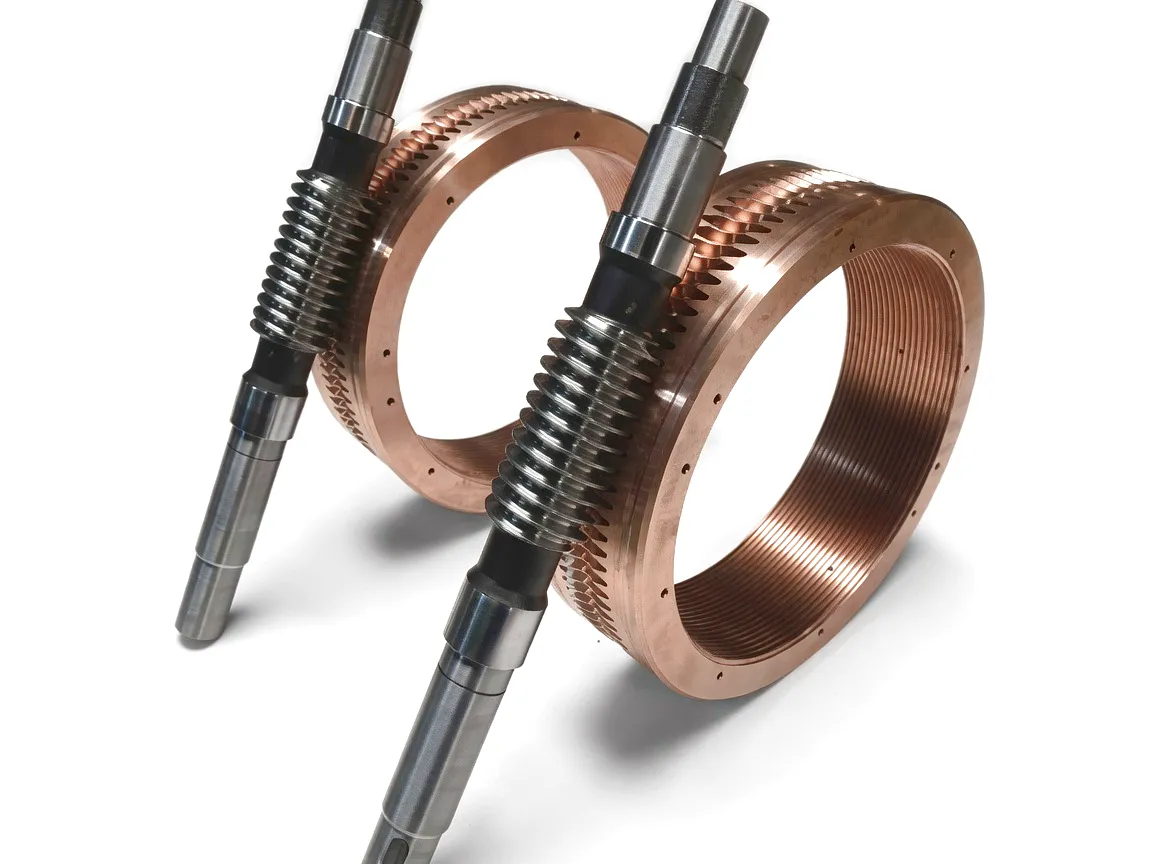
Working Principle of the Worm Gear Shaft in Bucket Elevator Drives
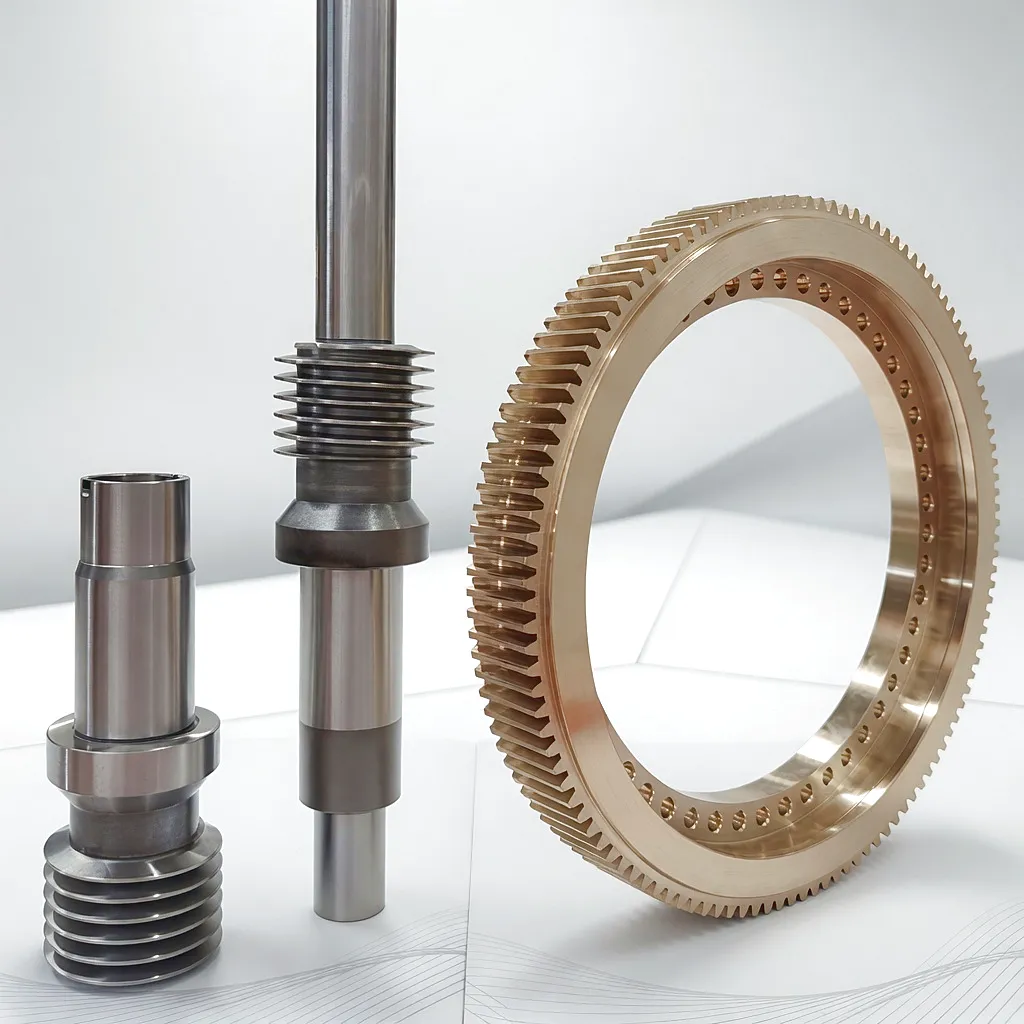
The gear ratio achievable with a single-stage worm gear shaft assembly is remarkably wide — typically from 5:1 to 100:1 — enabling the direct coupling of standard four-pole AC induction motors to low-speed bucket chain sprockets without intermediate stage gearing. This compactness reduces the mechanical footprint of the drive assembly, simplifies the elevator head design, and lowers the total installed cost of the conveying system. The output shaft, which carries the drive sprocket or drum, is supported in heavy-duty tapered or spherical roller bearings housed within the gearbox body, ensuring that radial and axial loads from chain tension are absorbed by the housing rather than transmitted to the worm gear mesh itself. This separation of load paths is a critical design feature that extends the operational life of the worm gear shaft in continuous-duty elevator applications.
Core Materials Used in Worm Gear Shaft Manufacturing
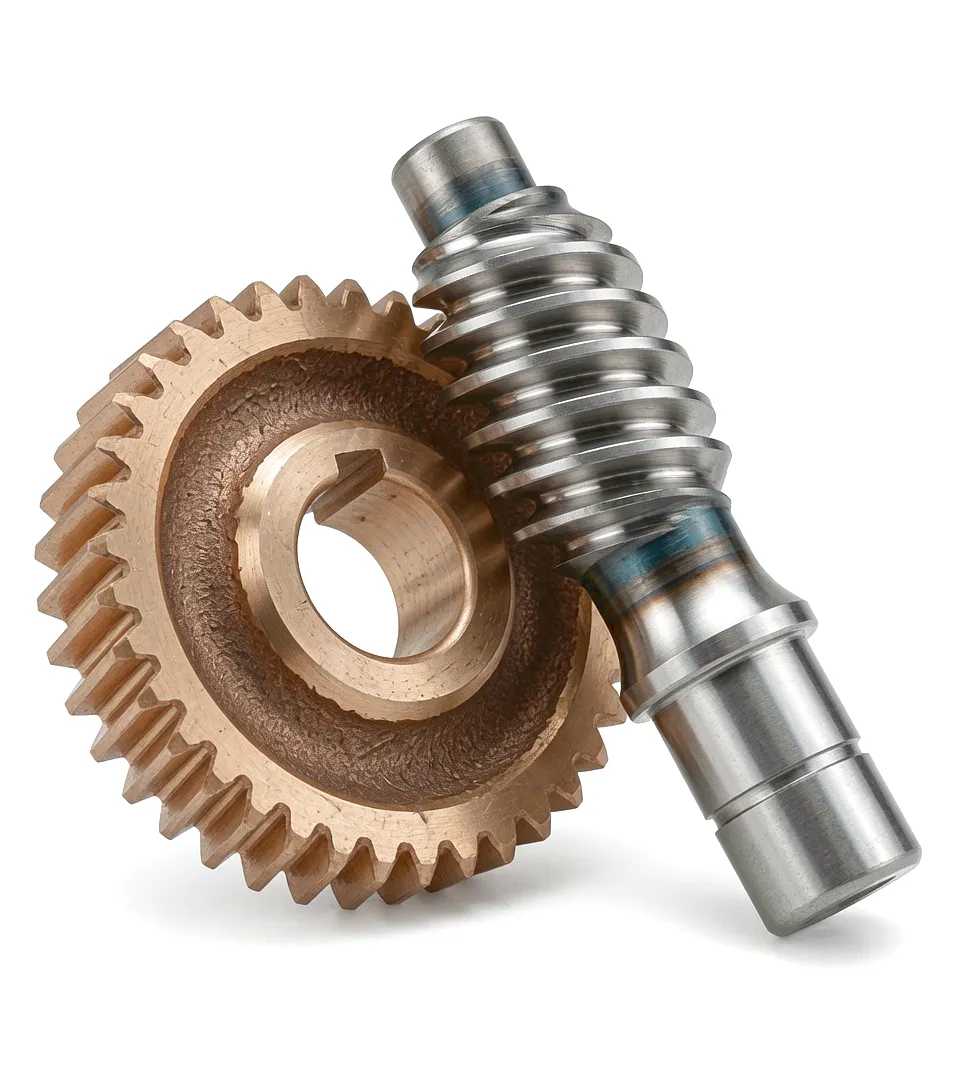
Case-hardening steels such as 20CrMnTi, 42CrMo4, and 18CrNiMo7-6 are the most specified materials for worm shafts in heavy-duty elevator applications. These grades offer core toughness to resist bending fatigue under the cyclic torque loading of continuous operation, while their surface hardenability to HRC 58–62 via carburising and case hardening creates a wear-resistant helix surface. The compressive residual stress introduced by this heat treatment also extends fatigue life under reversing load conditions common in variable-throughput elevator systems serving the UK food and agriculture sector.
The paired worm wheel is almost universally cast from phosphor bronze (typically GB5Cu10Sn10P or CuSn12Ni2) or centrifugally cast tin bronze. The high tin content — normally 8% to 12% — provides the anti-seizing and low-friction characteristics essential for sustained sliding contact against the hardened steel worm. Bronze wheel blanks are frequently cast onto cast iron cores in large-diameter applications to reduce material cost while preserving the critical tribological properties at the tooth surface. In food-grade elevator installations common in UK milling and grain processing, non-toxic bronze alloys may be mandated by hygiene compliance requirements.
GG25 grey cast iron and GGG50 nodular (ductile) iron are standard housing materials for worm gearboxes used in elevator head drives. Their excellent vibration damping characteristics help absorb the shock loads transmitted from bucket chain engagement with the drive sprocket, protecting the worm mesh from impact-induced stress peaks. In aggressive environments — coastal mineral terminals, outdoor fertiliser storage facilities — ductile iron housings may be specified with epoxy powder coat or hot-dip galvanised finishes to meet UK coastal corrosion classification requirements under BS EN ISO 12944.
For pharmaceutical powder handling, certain food-safe bucket elevator systems, and chemical plant installations where product contamination must be eliminated, the output shaft journals and seal areas may be manufactured from 316L stainless steel. This grade provides excellent resistance to cleaning agents and process chemicals without compromising the dimensional stability required for precision bearing fits. Ever Power offers stainless output shaft options as a factory customisation for clients in the UK life sciences manufacturing corridor stretching from Harlow to Cambridge.
Core Technical Advantages of Worm Gear Shafts for Elevator Applications
The lead-angle geometry of standard worm gear shafts prevents back-driving under load. In bucket elevator applications, this eliminates the need for separate mechanical backstops or fail-safe brakes in the majority of installations, cutting capital cost and reducing the number of maintenance-critical components in the drivetrain. UK health and safety regulations under PUWER 1998 require positive means to prevent uncontrolled descent of suspended loads — the worm gear shaft’s self-locking characteristic directly supports compliance.
Single-stage worm gear shaft assemblies achieve speed reduction ratios of 5:1 to 100:1, and dual-stage configurations extend this to 3,600:1. This eliminates the need for multi-stage parallel gear trains in most elevator drive applications, keeping the gearbox housing compact and the overall elevator head structure lighter. For operators refurbishing Victorian-era grain warehouses in the Bristol docklands or installing new cement handling systems in Yorkshire quarries, the ability to fit a high-ratio drive within a restricted head frame significantly lowers civil engineering costs.
The sliding contact action of the worm-and-wheel mesh produces notably lower vibration and noise than equivalent spur gear drives. This is particularly valued in food processing facilities near residential areas, or in indoor malt handling plants where occupational noise limits under UK Control of Noise at Work Regulations 2005 (80 dB action level) must be respected. The absence of high-frequency gear meshing harmonics reduces structure-borne noise transmission through the elevator tower, benefiting both the workforce and the surrounding environment.
The 90-degree output shaft orientation inherent to worm gear shaft design provides enormous flexibility when integrating the gearbox into the restricted geometry of a bucket elevator head. The motor can be positioned horizontally to the side while the drive sprocket shaft runs across the elevator head frame, avoiding interference with the elevator housing or maintenance access platforms. This right-angle drive geometry also simplifies shaft-coupling arrangements and reduces the length of the motor-gearbox assembly on the head frame structure.
Because the worm gear shaft’s self-locking property substitutes for a dedicated anti-run-back device, the overall elevator drive system becomes mechanically simpler. Fewer components means fewer potential failure points, lower spare parts inventory, and reduced preventive maintenance requirements. For operators at UK quarrying and aggregates businesses already managing complex maintenance schedules, eliminating the need to service backstop clutches or hydraulic brake units represents a significant operational cost reduction over a typical 20-year elevator service life.
Centre distance, shaft diameter, output shaft orientation, mounting face configuration, and oil seal specification can all be tailored to meet specific elevator head geometry requirements. Ever Power manufactures worm gear shafts from centre distances of 40 mm up to 500 mm within its standard range, with full custom engineering available beyond these bounds. This flexibility means a single supplier relationship can serve an elevator builder across their complete product range, from compact laboratory-scale conveyors to heavy industrial mineral handling towers.
Worm Gear Shaft Technical Performance Specifications
The following table summarises the core technical parameters for Ever Power’s range of worm gear shafts optimised for bucket elevator drive applications. These values represent standard production range parameters; custom specifications outside these bounds are routinely accommodated through our engineering consultation service. All torque and efficiency values are based on ISO 6336 and DIN 3996 calculation standards, with empirical validation from Ever Power’s dedicated gear testing facilities.
| Parameter | Light Duty | Medium Duty | Heavy Duty | Super Heavy |
|---|---|---|---|---|
| Centre Distance (a) | 40–80 mm | 80–160 mm | 160–250 mm | 250–500 mm |
| Output Torque | Up to 200 Nm | 200–2,000 Nm | 2,000–12,000 Nm | 12,000–50,000 Nm |
| Gear Ratio Range | 5:1 – 20:1 | 10:1 – 40:1 | 20:1 – 60:1 | 40:1 – 100:1 |
| Worm Shaft Material | 20Cr / 42CrMo | 42CrMo4 / 20CrMnTi | 18CrNiMo7-6 | 18CrNiMo7-6 / Custom |
| Surface Hardness (Worm) | HRC 56–60 | HRC 58–62 | HRC 58–63 | HRC 60–64 |
| Worm Wheel Material | Phosphor Bronze | Tin Bronze CuSn10 | CuSn12Ni2 Bronze | Centrifugal Cast Bronze |
| Transmission Efficiency | 72–80% | 75–83% | 78–85% | 80–87% |
| Input Speed (max.) | 3,000 rpm | 2,800 rpm | 1,500 rpm | 1,000 rpm |
| Ambient Temperature | -10°C to +60°C standard; extended range available on request | |||
| IP Rating (Housing) | IP55 standard; IP65 / IP67 available for wash-down or outdoor applications | |||
| Output Shaft Diameter | 14–28 mm | 28–70 mm | 70–140 mm | 140–260 mm |
| Lubrication | ISO VG 220–460 gear oil; food-grade H1 lubricant optional for food/pharma applications | |||
| Shaft Angle | 90° standard; custom crossing angles available for specialist applications | |||
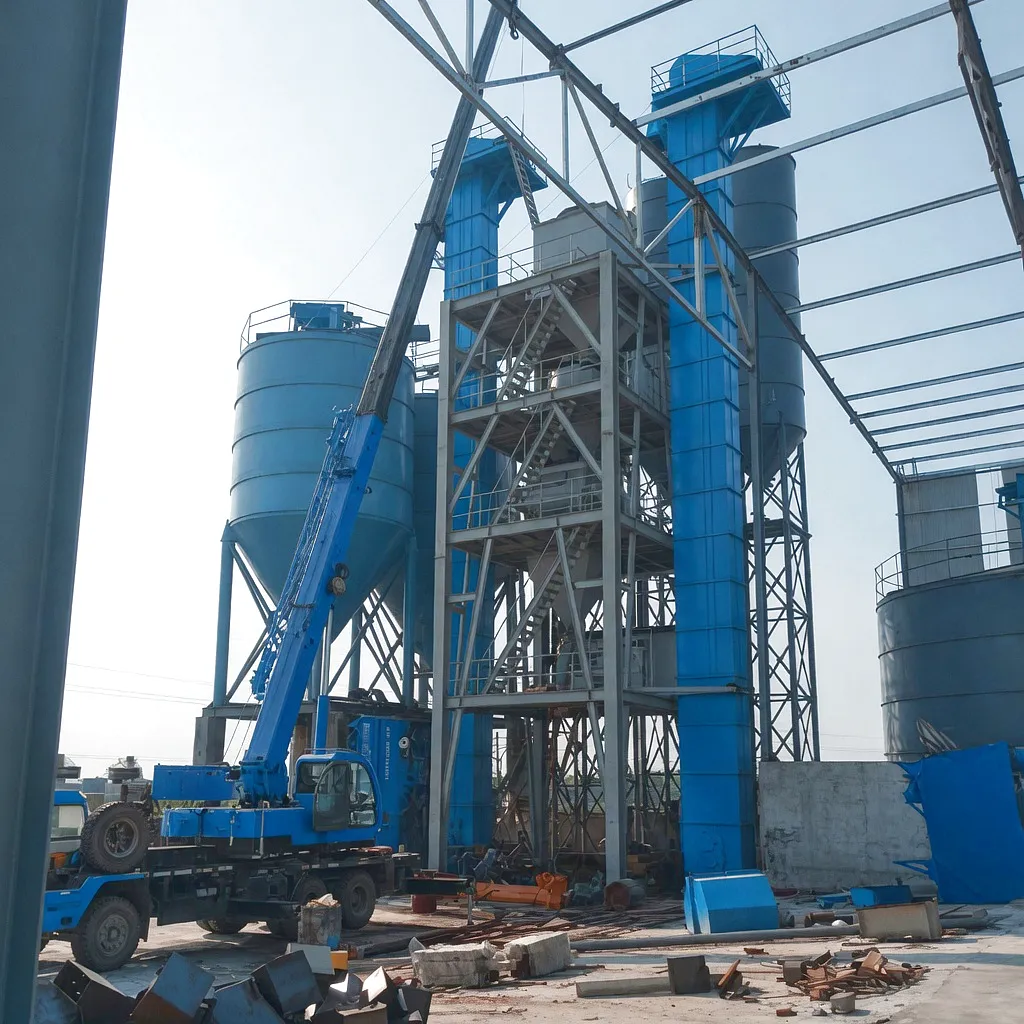
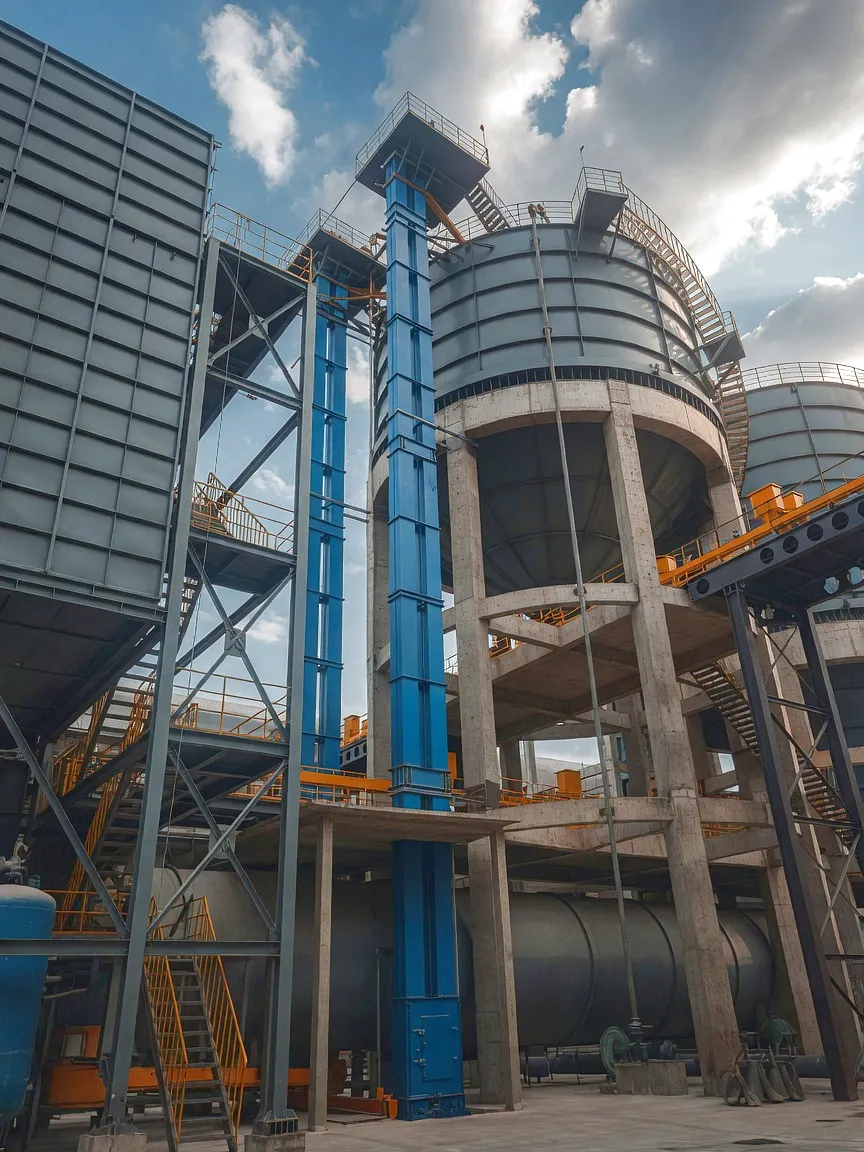
Industrial Application Scenarios for Worm Gear Shafts in Bucket Elevators
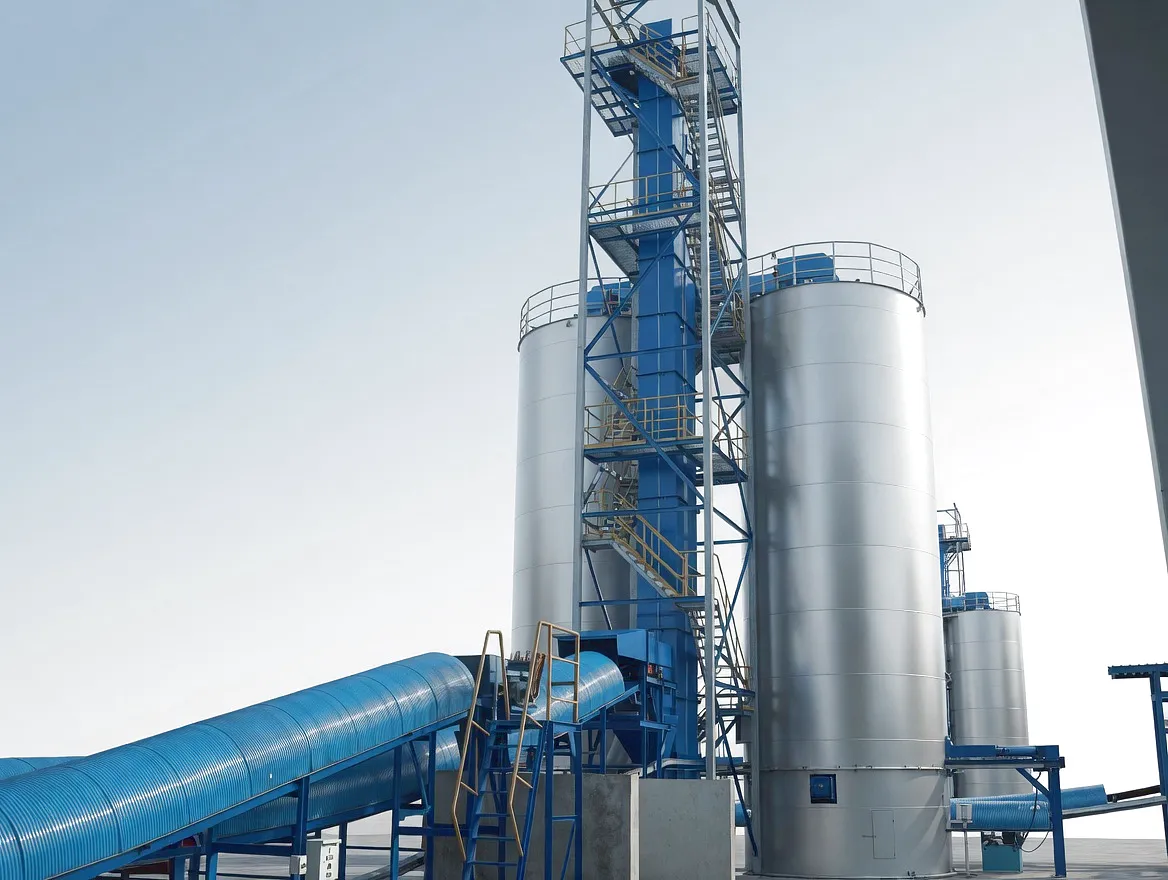
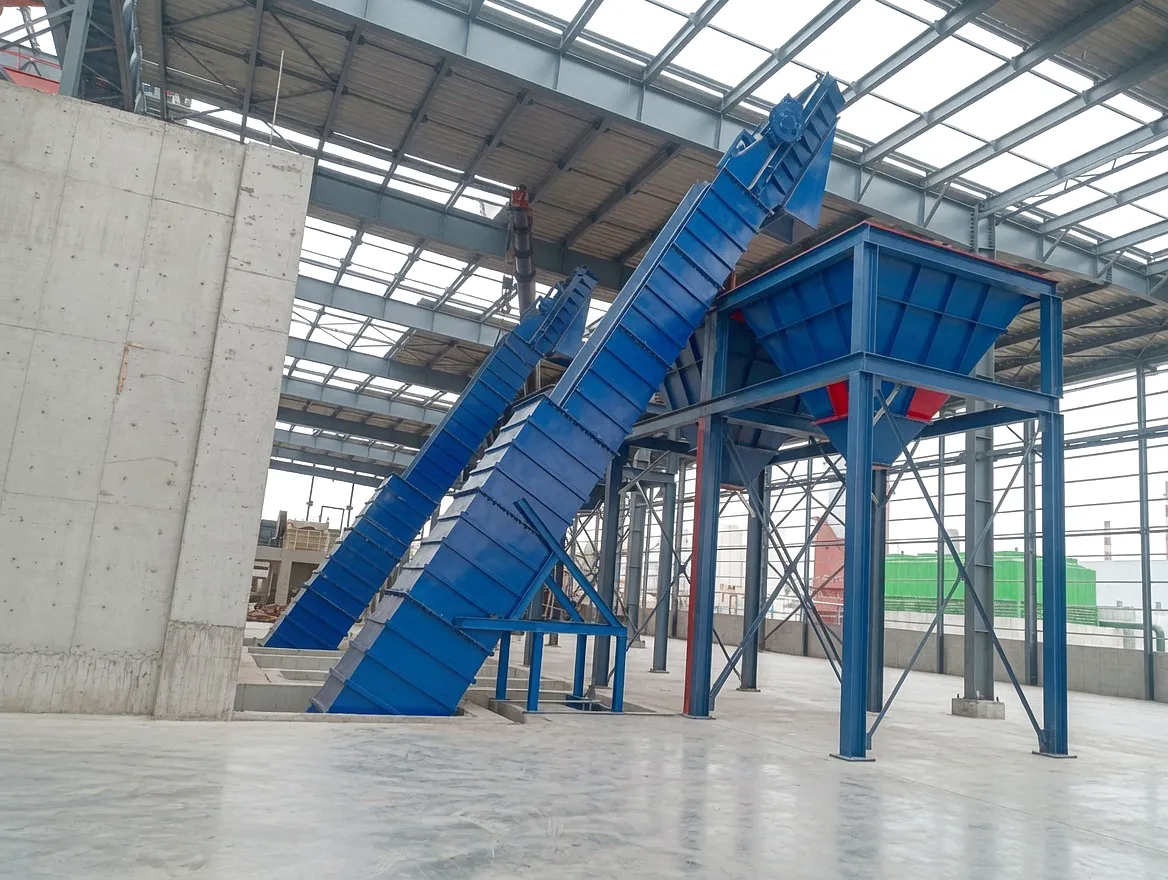
Ever Power: Precision Manufacturing and Custom Worm Gear Shaft Solutions
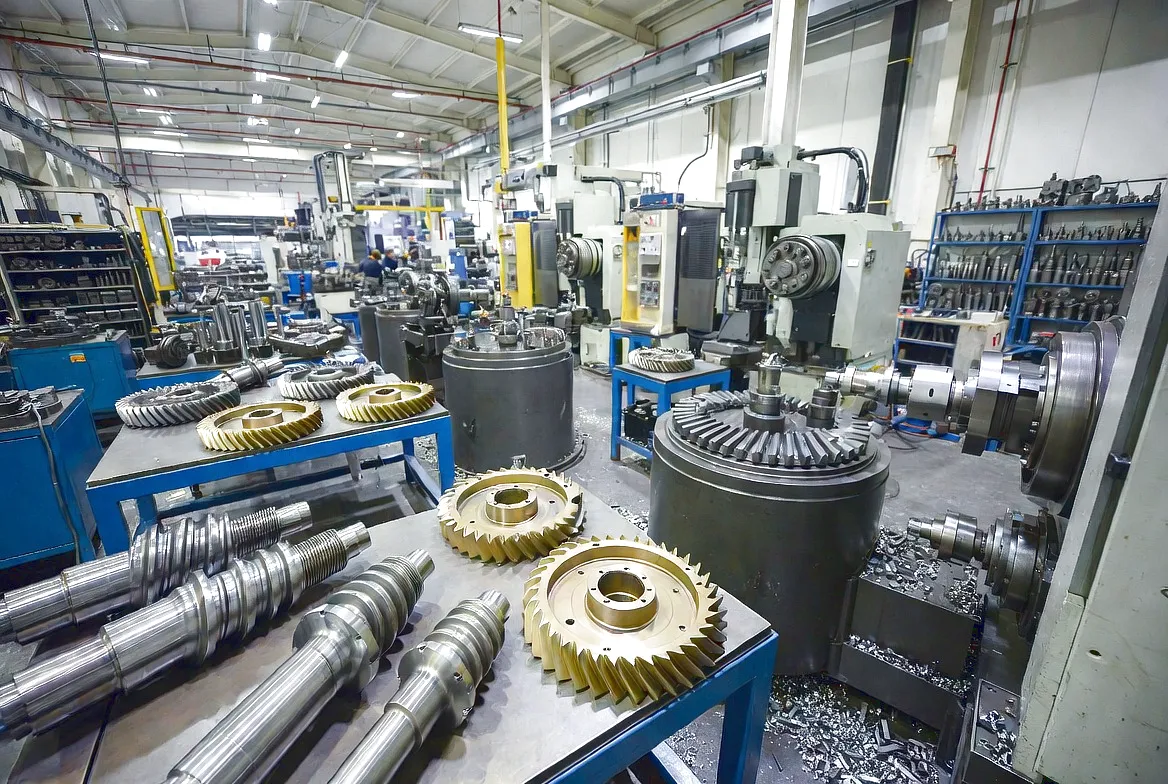
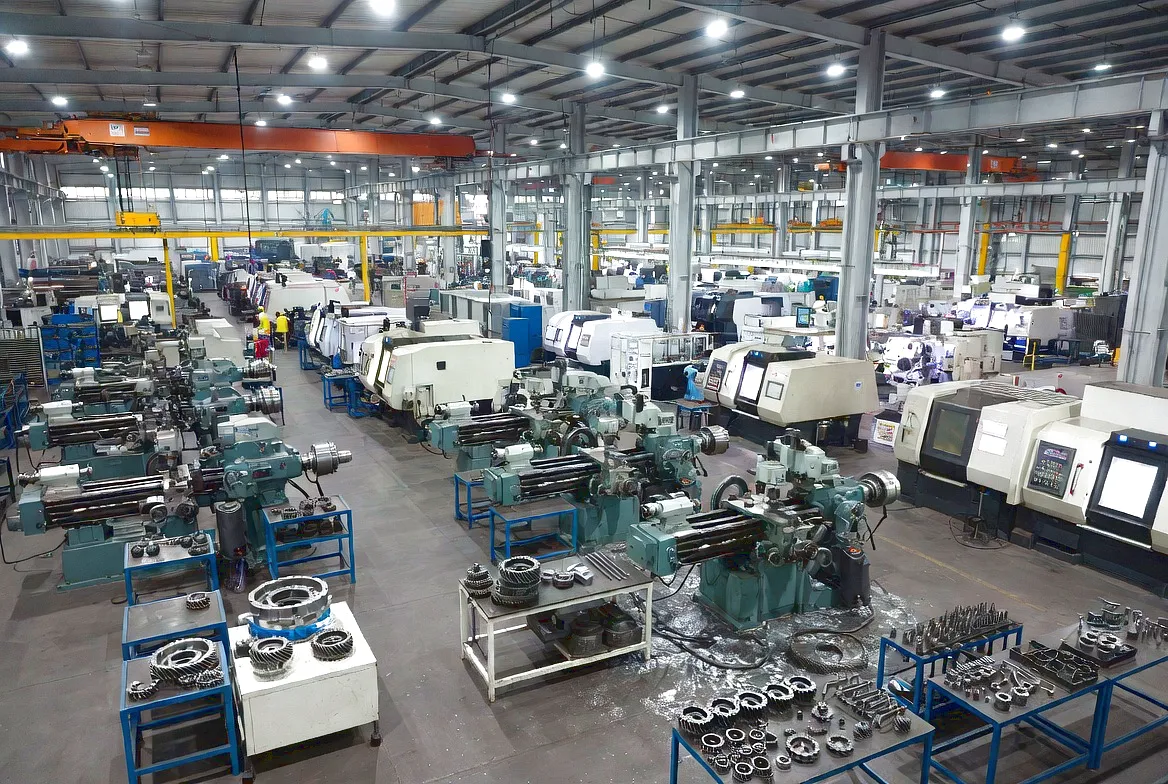
Ever Power has spent more than two decades refining the art of precision worm gear shaft production, building a manufacturing infrastructure that combines traditional gear-cutting expertise with modern CNC machining, coordinate measuring, and automated heat treatment. Our production facility houses a complete fleet of German-engineered gear grinding machines capable of achieving DIN 3961 quality class 5 or better on worm helix geometry, and our dedicated CMM inspection room verifies lead, profile, and pitch deviations to sub-micron tolerance across every production batch. For UK clients, this translates into worm gear shaft assemblies that run quietly, last longer, and maintain their specified gear ratio under the thermal and mechanical stresses of continuous conveying duty.
Ever Power’s customisation capabilities extend well beyond selecting from a catalogue. Our engineering team works directly with bucket elevator designers and plant engineers at the project specification stage to determine the precise centre distance, shaft configuration, mounting orientation, and flange pattern required by each application. We routinely manufacture replacement worm gear shaft assemblies to reverse-engineered dimensions for obsolete gearboxes at UK processing plants, providing a like-for-like functional replacement where the original manufacturer no longer supports the unit. Custom lead angles, modified tooth profiles for improved efficiency under specific load cycles, and specialist coatings for corrosive duty are all available within our established engineering process.
From 40 mm to 500 mm standard range, unlimited with engineering consultation. Matched to existing gearbox mounting plates, output sprocket position, or head frame geometry.
Single or dual output shaft; hollow shaft with shrink disc; B3/B6/B7/B8 mounting positions; flange-mounted or foot-mounted housings. All can be specified to suit UK standard motor frame sizes (IEC 71–315).
Stainless steel shaft journals, food-grade seals, ATEX-compatible greases, and hot-dip galvanised housings available to order. Suitable for UK coastal, food processing, and classified hazardous area installations.
Dedicated UK stock-holding of standard frame sizes ensures typical delivery of 3–7 working days for catalogue items. Custom orders are processed through our dedicated fast-track engineering schedule, targeting 4–8 weeks from drawing approval to despatch, with DDP Incoterms delivery available to any UK postcode.
Ready to specify a worm gear shaft for your bucket elevator project? Our engineering team provides technical consultation at no charge, with fast quotation turnaround for UK clients.
Customer Success Story: Grimsby Port Grain Terminal Upgrade
🌾 Agricultural Grain Terminal
⛰ 42-Metre Bucket Elevator Drive
 Humberside Grain Services Ltd, operating a major bulk grain terminal at the Port of Grimsby, approached Ever Power in early 2024 with an urgent mechanical problem. Three of their six 42-metre bucket elevators, each handling winter wheat at throughputs of 180 tonnes per hour, had suffered premature failures of their existing parallel-shaft helical gearbox drives due to chronic oil contamination from shaft seal degradation in the marine-adjacent environment. The existing drives also required external backstop clutch units, two of which had failed within the same 12-month period, creating significant safety audit concerns under their terminal’s HSE permit conditions.
Ever Power’s engineering team visited the Grimsby site and conducted a full drive train audit, measuring existing shaft dimensions, chain speed, peak torque requirements under choked-bucket worst-case loading, and available space on the elevator head frame for the replacement gearbox. Based on this survey, we specified EP-WGS-250 worm gear shaft assemblies — a medium-heavy duty unit with 250 mm centre distance, 42CrMo4 carburised worm shaft, CuSn12Ni2 centrifugally cast bronze wheel, IP65 rated housing, and integrated DDP delivery to the site’s bonded quayside warehouse. The 90-degree drive output orientation, combined with the gearbox’s inherent self-locking, allowed the external backstop units to be removed entirely from the head frame, freeing space and eliminating the chronic maintenance liability they represented.
Installation was completed across a planned three-week shutdown in October 2024, with all three elevators returned to service within the agreed programme. By the end of the 2024/25 harvest season, Humberside Grain Services Ltd reported zero unplanned drive-related stoppages across the upgraded elevators — a marked improvement over the previous season, where 14 unplanned stoppages had collectively cost over 800 tonnes of undelivered throughput and significant emergency maintenance expenditure. The құрт тәрізді беріліс білігі assemblies have now accumulated over 4,500 operating hours without any lubricant changes beyond the scheduled 6-month oil top-up visits.
What Our Clients Say
“The worm gear shaft assemblies from Ever Power have transformed the reliability of our grain elevator drives. The self-locking performance is genuinely impressive — during a grid-fault stop in December with a full load of winter barley, the buckets held perfectly without any reverse movement. We have not had a single drive-related shutdown since commissioning. The technical support from their team before and during installation was thorough and professional.”
“We needed a custom worm gear shaft to match the non-standard head frame geometry on our clinker elevator at our cement works. Ever Power produced engineering drawings within five working days of our survey data being submitted and delivered the machined assembly ahead of their quoted schedule. The dimensional accuracy was perfect on fit-up, and the unit has now run through a full production campaign without any thermal issues despite the 110°C clinker operating temperature.”
“As a supplier of bulk material handling systems to UK quarrying clients, we have standardised on Ever Power worm gear shaft units for our bucket elevator product range. The consistency of quality across production batches, the availability of DDP delivery to UK project sites, and the responsive quoting service — typically back within 24 hours — makes them our go-to partner for drive components. Our quarry customers have commented positively on the low running noise compared with previous helical gear drives.”
Frequently Asked Questions about Worm Gear Shafts for Bucket Elevators
When the worm shaft lead angle falls below the friction angle of the mesh — which is by design in standard single or double-start bucket elevator worm gear shafts — the force geometry at the tooth contact resolves into a self-locking condition. Under gravity-induced back-torque from the loaded bucket chain, the worm wheel cannot rotate the worm shaft in reverse; the mesh locks rather than transmits motion. This means a fully loaded elevator stops and holds its position without any external brake or backstop device, which is particularly critical for facilities operating under HSE and PUWER compliance requirements across UK sites.
Pricing for a medium-duty worm gear shaft assembly — suitable for a 50–150 t/h grain elevator with a 30–42 metre lift height — varies depending on centre distance, gear ratio, shaft configuration, and any material or finish upgrades. As a general guide, units in the EP-WGS-160 to EP-WGS-250 range relevant to this capacity bracket are competitively priced compared with European branded equivalents, often with significant savings on landed cost for UK buyers. Ever Power provides written technical quotations within 24 hours of receiving the application data. Simply email your shaft dimensions, required ratio, motor frame size, and current gearbox mounting details to [email protected] to start the process.
Grain and malt handling in Humberside, Lincolnshire, and East Anglia; cement and clinker processing in Lancashire, South Wales, and Rutland; mineral and aggregates quarrying across the Peak District, Pennines, and South West England; fertiliser and agrochemical handling on Teesside and Merseyside; and coal ash handling at power generation sites in Yorkshire and the Midlands are all major application areas. Virtually any UK industrial sector that needs to move granular or powdered bulk material vertically through enclosed housing will specify a worm gear shaft drive on its bucket elevator.
The required ratio is determined by the drive sprocket or drum diameter and the target chain speed. If your drive sprocket pitch diameter is, for example, 400 mm, the required drum rotational speed is approximately 1.5 / (pi × 0.4) = 1.19 rev/s = 71.6 rpm. With a 1,460 rpm input from your motor, the required worm gear shaft ratio is 1,460 / 71.6 = approximately 20.4:1. You would select the nearest standard ratio — typically 20:1 in this case — and verify the output torque available at that ratio exceeds your calculated chain pull torque plus a service factor of 1.5 to 2.0 for bucket elevator duty. Ever Power’s application engineers can verify this calculation and recommend the correct assembly if you supply your chain pull and sprocket data.
Yes. Ever Power specialises in reverse-engineered replacement worm gear shaft assemblies for obsolete or discontinued gearbox models. Our process begins with dimensional survey data — shaft diameter, centre distance, mounting face pattern, output key dimensions, and required gear ratio — which can be extracted from the existing unit or supplied from original drawings if available. Our engineering team produces a matched replacement drawing within 3–5 working days. Final machined assemblies are typically ready for despatch within 5–8 weeks of drawing approval, with DDP delivery available to the Birmingham site or to the client’s maintenance contractor directly. This service has been used successfully for heritage mill and warehouse installations at several UK sites.
Correctly specified and properly lubricated worm gear shaft assemblies in continuous three-shift industrial duty regularly achieve 30,000 to 50,000 operating hours before any major internal component replacement is required. The primary wear items are the bronze worm wheel teeth and the lip seals. The recommended maintenance schedule involves oil level checks every 500 hours, ISO VG 220–320 gear oil changes every 4,000–6,000 hours depending on operating temperature, lip seal inspection and replacement every 8,000 hours, and full internal inspection at 20,000 hours or five years, whichever comes first. At a Sheffield steel auxiliary material handling facility running 7,000 hours per year, a well-maintained Ever Power worm gear shaft assembly can realistically be expected to provide 15–20 years of productive service.
Ever Power Transmission Solutions
Precision Worm Gear Shafts — Engineered for UK Industry
✉ Get a Quote: [email protected]
edit by gzl