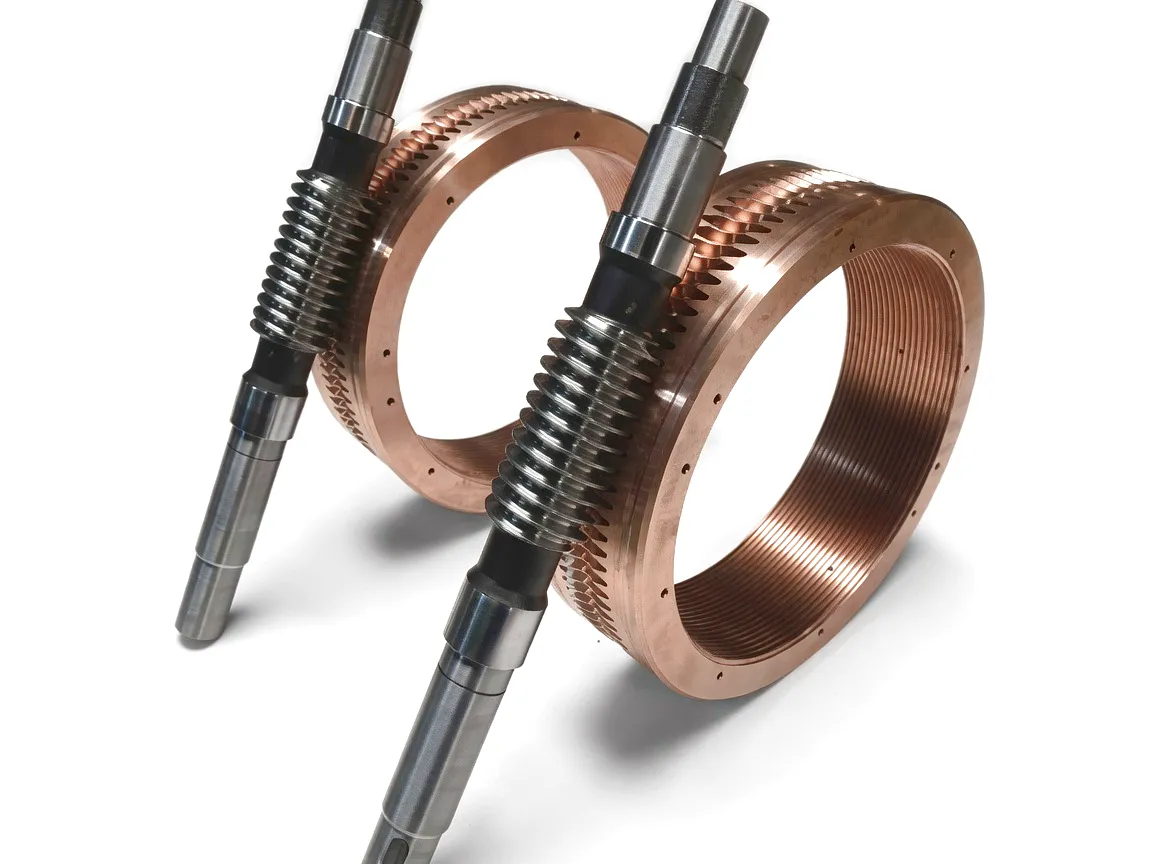
The worm gear shaft sits at the heart of an extraordinarily wide range of industrial machinery, from the hulking overhead gantry cranes that dominate UK seaports to the precision conveyors threading through automated food processing plants in the Midlands. At its most fundamental, the worm gear shaft is the driving element in a worm drive assembly — a helically threaded shaft that meshes with a matching worm wheel to translate rotational motion through a 90-degree plane while simultaneously achieving a substantial reduction in speed and a dramatic increase in output torque. What makes this component especially compelling for British engineers across sectors such as steel, automotive, logistics and port operations is not merely its mechanical versatility but its inherent self-locking behaviour: in most worm gear shaft configurations operating below a certain lead angle, back-driving becomes physically impossible without an external force, rendering the assembly an integrated mechanical brake. For any system where position must be held under load after power is removed — and there are thousands of such systems operating across Sheffield’s steel mills, Birmingham’s manufacturing corridors and the port cranes of Felixstowe — this characteristic is not a nice-to-have. It is mission-critical engineering.
How a Worm Gear Shaft Actually Works
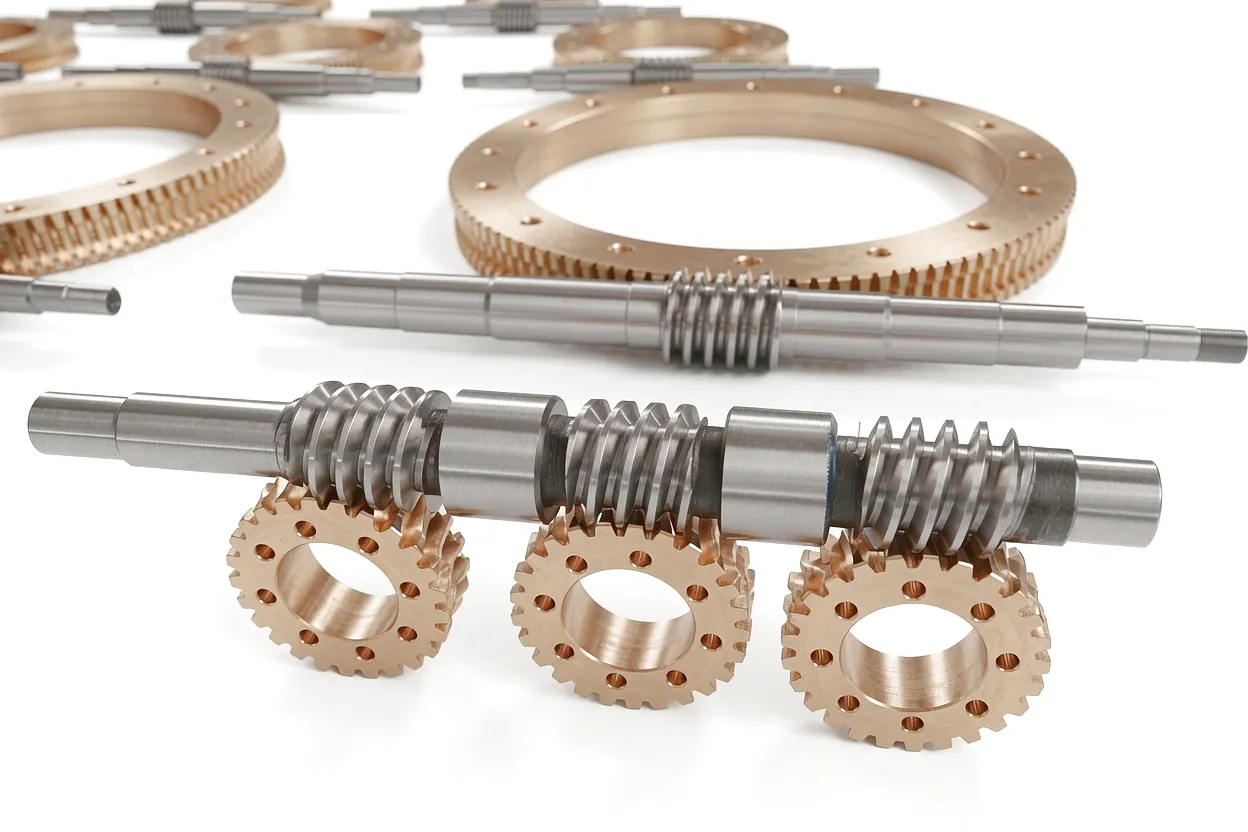
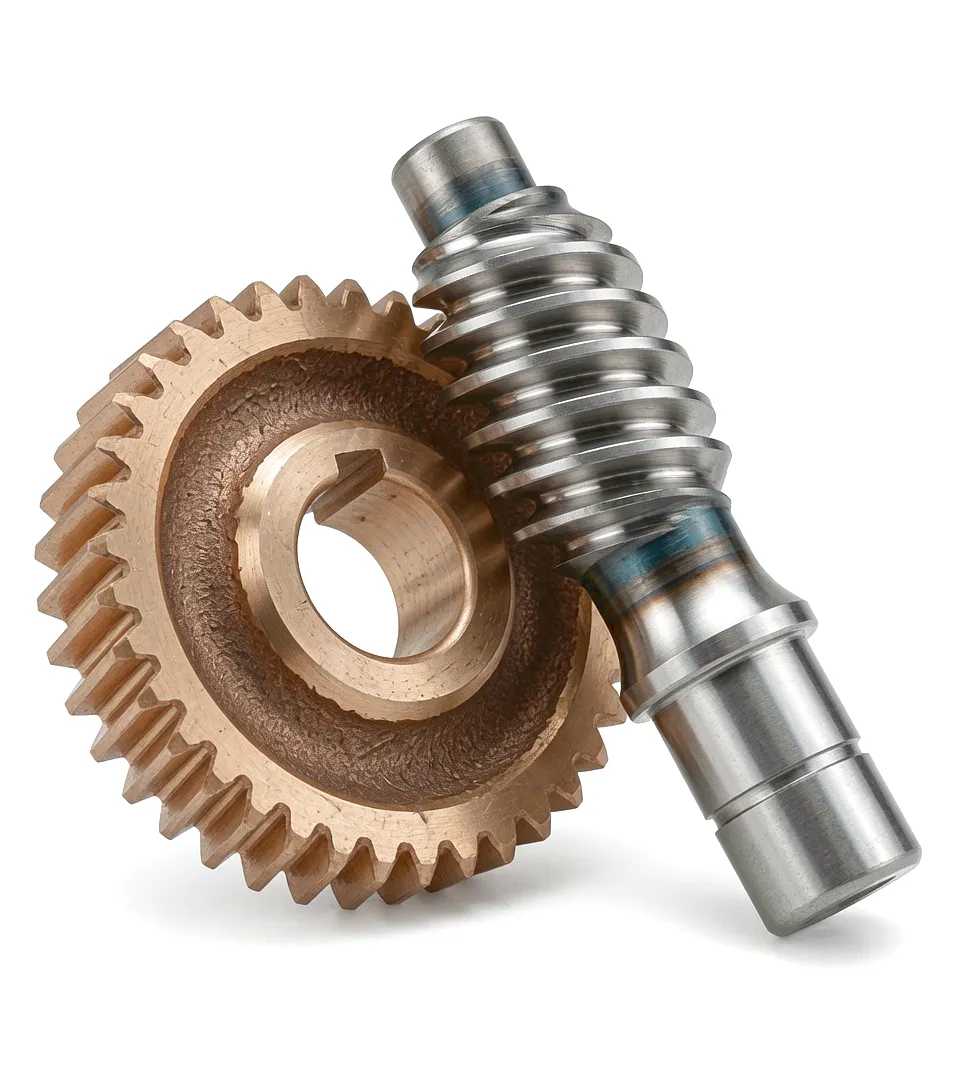
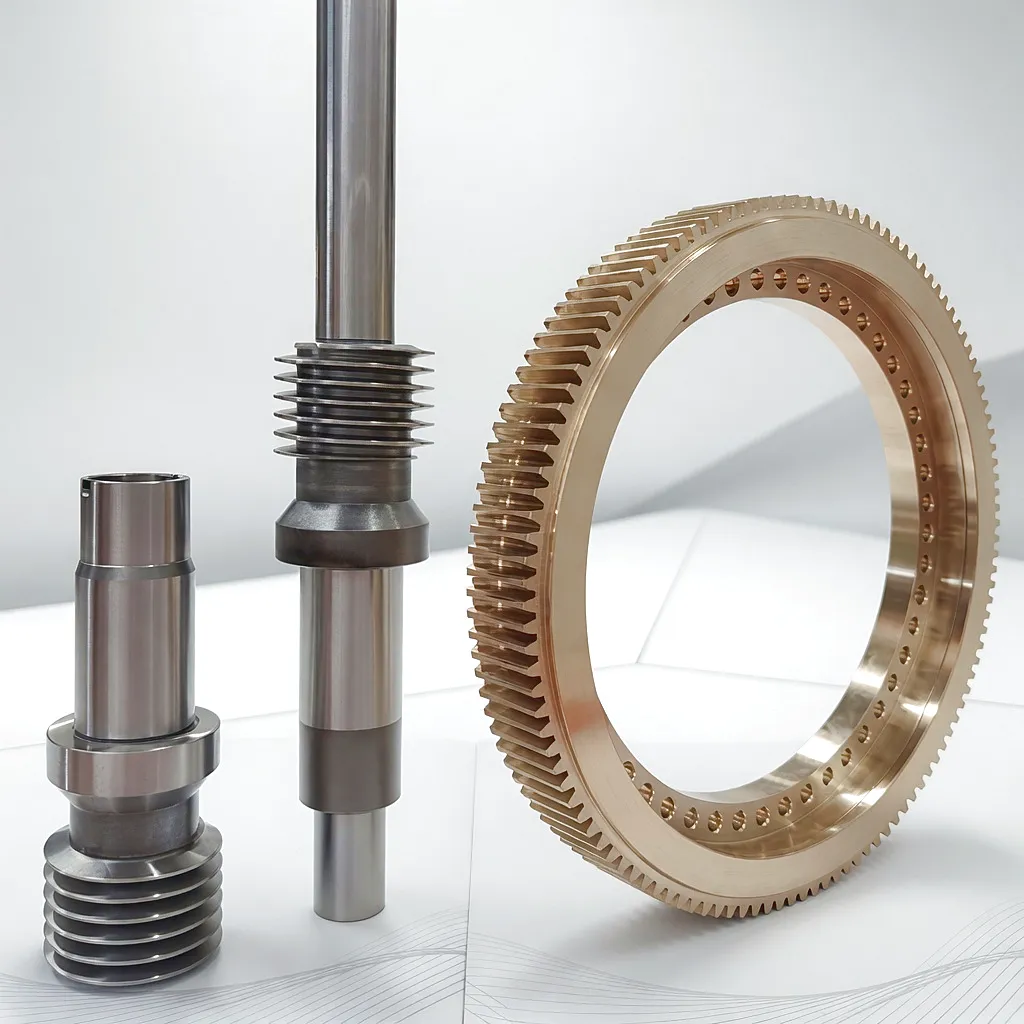 Drive force enters through the worm gear shaft, which is machined with a precise helical thread — almost identical in geometry to a screw thread, though the lead angle, pressure angle and number of thread starts are calculated with far greater rigour. As the shaft rotates, its threads push against the oblique teeth of the worm wheel. The meshing action is not a simple spur-gear contact; it involves a sliding engagement across a curved tooth surface, which is why lubrication quality and the correct material pairing are so critically important in long-service installations. The worm shaft’s thread engages multiple worm wheel teeth at any given moment, distributing the load and contributing directly to the smooth, vibration-suppressed output that makes worm drives so valued in noise-sensitive environments like food factories or HVAC plant rooms across the UK.
The relationship between input speed, output speed and the gear ratio is determined entirely by the number of thread starts on the worm shaft versus the number of teeth on the worm wheel. A single-start worm shaft meshing with a 40-tooth wheel produces a 40:1 reduction — meaning each full rotation of the shaft advances the wheel by exactly one tooth. Multi-start variants increase efficiency and raise the output speed while reducing the reduction ratio. Selecting the correct number of starts is therefore not an arbitrary choice; it is a calculated engineering decision balancing the need for self-locking, efficiency, heat generation and output torque based on the specific duty cycle the system will endure.
Self-Holding Torque and Crane Drive Systems
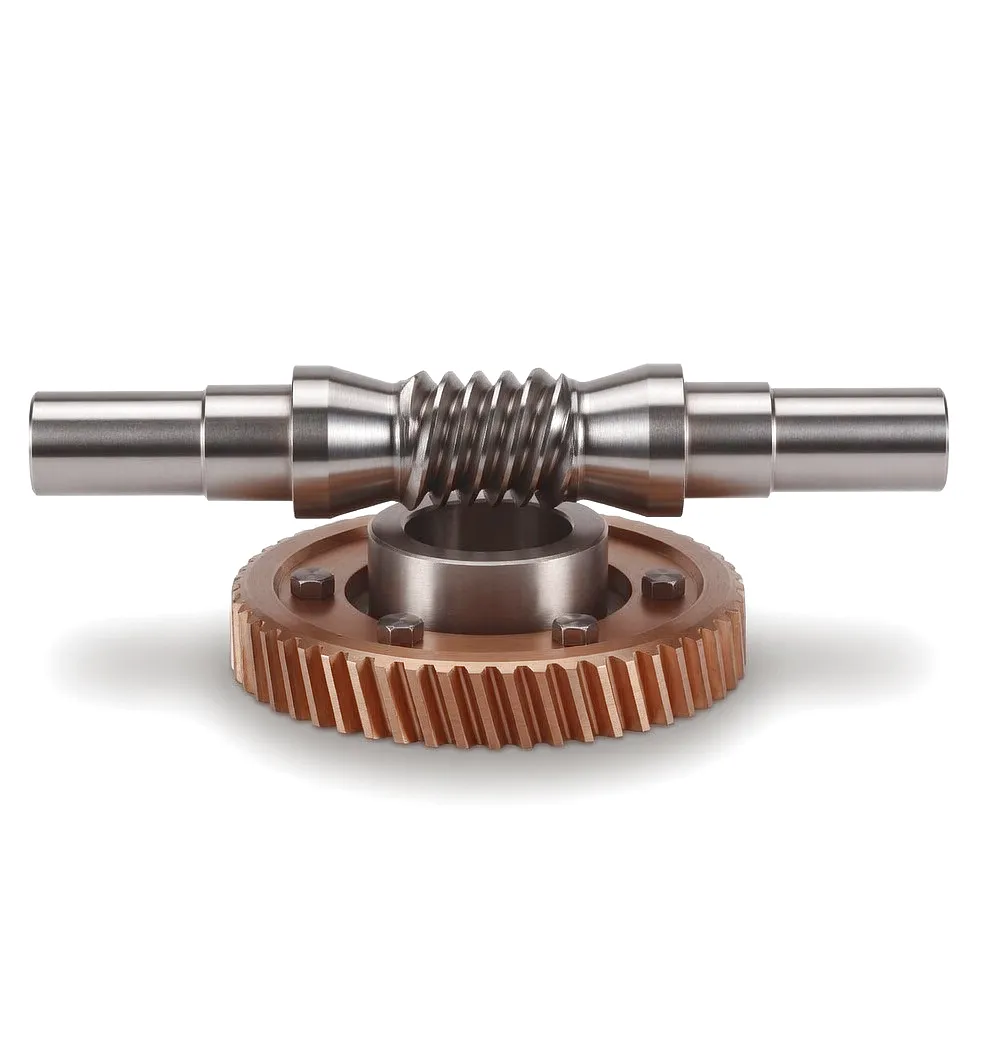
In gantry cranes — the enormous portal structures that stride above rail-mounted tracks in container terminals and heavy fabrication yards — the long travel mechanism (often called the long-travel drive) moves the entire crane bridge laterally along the runway rails. These drives demand precise, repeatable positioning and, above all, guaranteed position holding once the drive motor is switched off. A worm gear shaft reducer deployed in this role serves a dual purpose: it provides the torque multiplication needed to accelerate the massive crane bridge from rest, and it offers a residual self-holding torque that maintains position when the brake is applied. This means the mechanical brake integrated into the motor is supplementing the inherent locking tendency of the worm gear shaft, not relying on it exclusively — an important distinction that crane safety engineers in ports such as Tilbury and Southampton insist upon.
Port luffing cranes — the distinctive harbour-side structures whose jibs rise and fall to accommodate vessel clearances — face an even more demanding requirement. The luffing mechanism must hold the jib at a precise angle under wind loads, eccentric hook loads and dynamic forces generated during cargo slewing. Any back-driving tendency in the jib drive would result in uncontrolled angular drift, a condition that is not merely undesirable but categorically unsafe. Worm gear shaft assemblies selected for luffing mechanisms are therefore engineered with lead angles well below the friction angle of the tooth interface — typically below 5 degrees for single-start variants — ensuring that no combination of output-side loading can reverse-drive the shaft under any foreseeable operating condition.
The slewing mechanism of the luffing crane presents a third discipline for the worm gear shaft. Rotation of the entire crane superstructure about its vertical axis must be smooth, backlash-controlled and immediately stoppable. Here the worm gear shaft’s inherent resistance to load-induced creep delivers measurable safety margin over alternative drive configurations. Together, these three functions — long travel, luffing and slewing — account for a significant proportion of worm gear shaft orders flowing through UK crane manufacturers and their supply chains each year.
Material Science Behind the Worm Gear Shaft
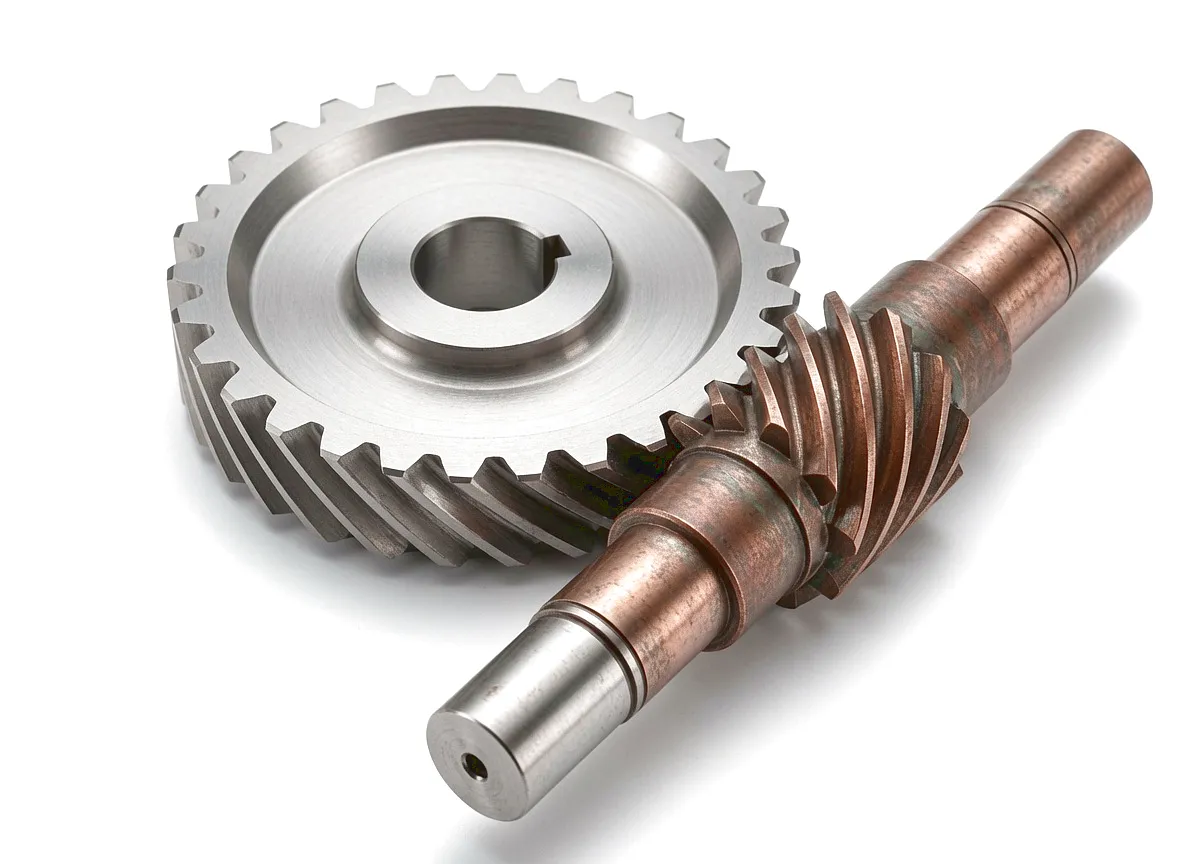 The material selection for a worm gear shaft is arguably the most consequential decision in the entire design process, and it cannot be made in isolation — it must be considered alongside the material chosen for the mating worm wheel. The shaft itself operates under combined torsional, bending and surface contact stress over millions of cycles, while simultaneously conducting frictional heat away from the mesh. Getting this wrong can collapse a gearbox in weeks; getting it right produces components that outlast the machinery they power.
Case-hardened alloy steels — including 20CrMnTi, 20CrMnMo and 18CrNiMo7-6 — dominate high-load worm gear shaft manufacture. These grades offer a tough, fatigue-resistant core combined with a surface hardness after carburising and quenching that typically reaches 58–62 HRC. The hardened surface resists the micropitting and spalling that would otherwise develop at the asperity-level contacts within the mesh. For medium-duty shafts where machinability and cost control are priorities, through-hardened grades such as 42CrMo4 (equivalent to the UK’s 708M40) provide an excellent balance of properties after appropriate heat treatment.
Stainless steel variants — typically 316L or 17-4 PH precipitation-hardened grades — are specified when the shaft operates in corrosive environments: offshore installations, food-grade facilities compliant with UK Food Standards Agency guidelines, marine deck machinery and chemical processing plants. The trade-off is reduced surface hardness compared to alloy steel, which limits maximum permissible tooth load, but this is acceptable where corrosion resistance is the overriding constraint. Nitrided surfaces on medium-alloy steel shafts represent a cost-effective middle ground for environments with moderate chemical exposure without the need for full stainless material costs.
Worm Gear Shaft: Technical Performance Parameter Table
| Parameter | Standard Range | Custom / Heavy-Duty | Unit |
|---|---|---|---|
| Shaft Diameter | 20 – 120 | up to 400 | mm |
| Module (m) | 1 – 10 | 10 – 25 | mm |
| Gear Ratio | 5:1 – 60:1 | 60:1 – 300:1 | — |
| Output Torque | 50 – 5,000 | 5,000 – 80,000 | N·m |
| Lead Angle | 3° – 30° | Engineered to spec | degrees |
| Pressure Angle | 14.5° / 20° | Custom per BS/DIN | degrees |
| Shaft Material | 20CrMnTi / 42CrMo4 | 18CrNiMo7-6 / 316L SS | Grade |
| Surface Hardness | 56 – 62 | 58 – 64 (case) | HRC |
| Thread Starts | 1 / 2 / 4 | Up to 6 | — |
| Efficiency (single-start) | 50% – 70% | Up to 82% (4-start) | % |
| Operating Temperature | -20 – +80 | -40 – +120 (with spec lube) | °C |
Core Technical Advantages of the Worm Gear Shaft
When the lead angle falls below the friction angle of the material pairing, the worm gear shaft assembly prevents back-driving without any auxiliary brake. This is indispensable for crane luffing mechanisms, elevator balancing systems and gate valve actuators where position must be maintained after power removal — a requirement that appears constantly in UK infrastructure projects.
A single worm gear shaft stage can deliver ratios from 5:1 to 100:1, achieving torque multiplication that would otherwise require multiple helical gear stages. This compactness is invaluable in confined machine envelopes — rolling mill drive housings in Sheffield and conveyor gearboxes in West Midlands automotive plants being archetypal examples.
The sliding engagement of the worm thread inherently damps shock loads and produces a notably smooth output motion. In textile mills, packaging lines and food production facilities — industries with a strong presence in Northern England and the East Midlands — this characteristic eliminates the need for additional vibration isolation hardware, reducing installation cost and improving product quality where vibration-induced defects are a concern.
The worm gear shaft naturally delivers a right-angle change in drive direction within a single compact housing. This is a significant layout advantage in complex machinery where input and output shafts must be perpendicular — including marine deck winches, stage rigging systems and precision rotary indexing tables used in UK aerospace component manufacture.
When properly specified with matched material pairs, adequate lubrication and correct thermal management, a worm gear shaft assembly can operate reliably for tens of thousands of hours with minimal maintenance intervention. UK operators in continuous-process industries — where unplanned downtime costs can reach thousands of pounds per hour — place enormous value on this predictable service life.
Thread form, thread count, shaft diameter, shaft end configurations, keyways, splines and surface treatments can all be adapted for specific application requirements. This flexibility makes the worm gear shaft suitable for OEM integration into proprietary machinery as well as for direct replacement of legacy drives across British manufacturing facilities built over generations with varying dimensional standards.
Industrial Application Scenarios
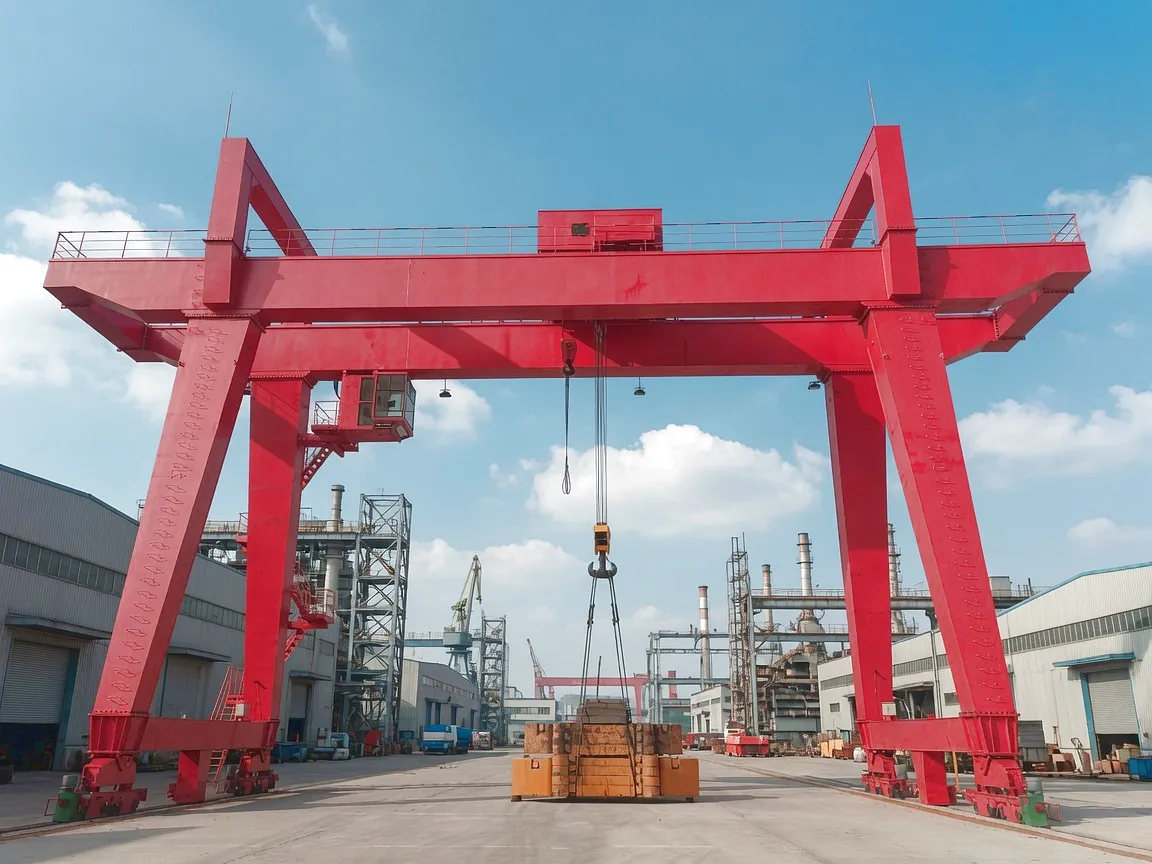
As explored in relation to gantry and luffing cranes, worm gear shafts are embedded throughout port crane drive systems. At major UK cargo terminals including Tilbury, Grimsby and Southampton, crane maintenance teams specify worm gear shaft replacements that meet or exceed the original equipment manufacturer torque ratings, because sub-specification drives create safety incidents and costly demurrage penalties. The self-holding torque ensures that jibs and hook blocks remain stationary when the drive is de-energised, a non-negotiable requirement under UK Lifting Operations and Lifting Equipment Regulations (LOLER).
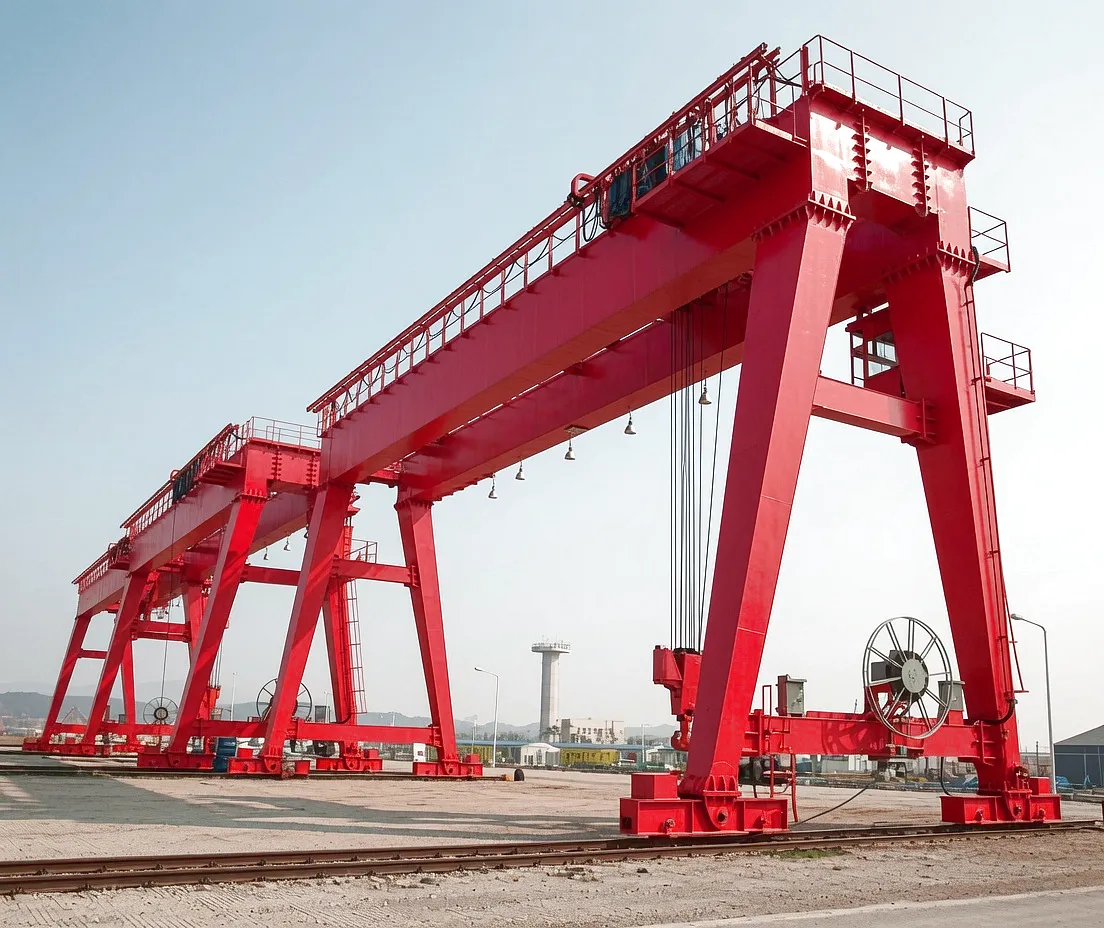
Sheffield’s steel industry — still producing specialist alloys, forgings and plate products feeding aerospace, defence and energy sectors — relies on worm gear shaft reducers in rolling mill entry guides, furnace roller drives and coiler positioning mechanisms. The ability to generate high torque from a compact reducer profile suits the confined layouts of rolling lines without sacrificing the controllability demanded by modern rolling schedules. Heat-resistant materials and high-viscosity lubricants are standard in these demanding thermal environments.
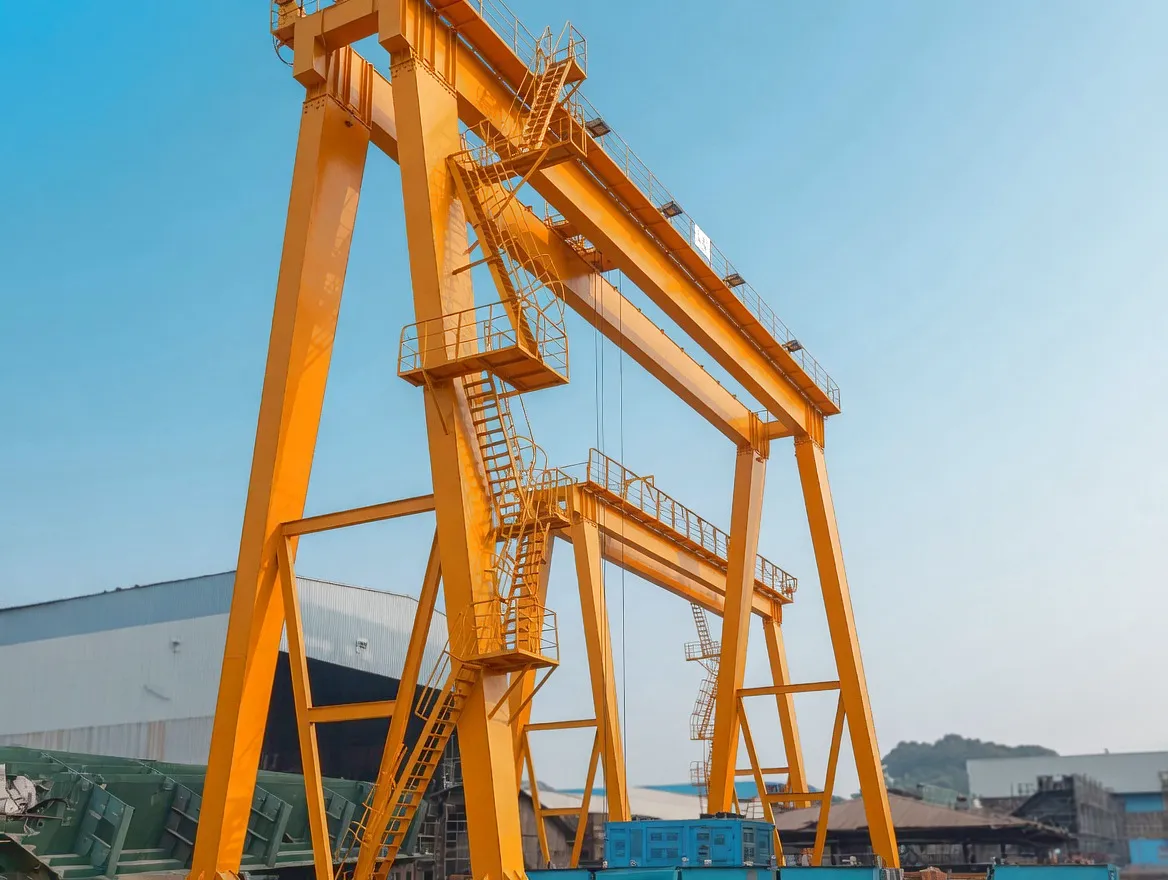
Amazon’s UK fulfilment network, along with the sprawling distribution centres of major retailers operating from hubs in the East Midlands and Yorkshire, relies heavily on conveyor systems that use worm gear shaft drives to control inclined sections, diverters and accumulation zones. The inherent load-holding capability prevents conveyor rollback on inclines when the belt motor is switched off — eliminating the need for external anti-rollback devices in many installations and reducing both unit cost and system complexity.
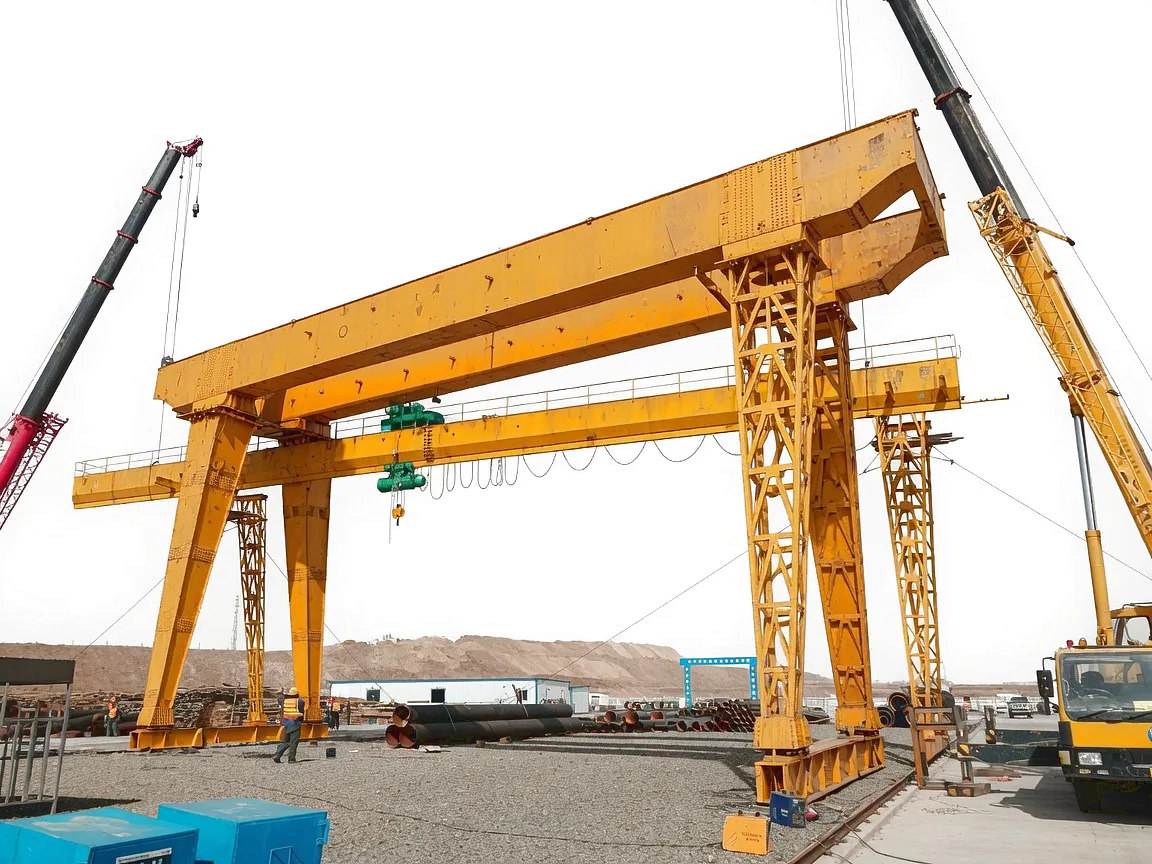
Britain’s food and beverage sector — centred on processing facilities across Lincolnshire, Humberside and the Greater Manchester area — uses worm gear shaft drives in filling machines, labelling equipment, indexing turntables and portion-control conveyors. Stainless steel worm gear shaft variants with IP65-rated or IP69K-rated housings meet the washdown requirements of food-safe production environments, while the quiet operation characteristic of worm drive kinematics satisfies noise at work regulations in occupied food production spaces.
Beyond these headline sectors, құрт тәрізді беріліс білігі assemblies find continuous demand across UK renewable energy installations — particularly wind turbine yaw drives and pitch control mechanisms in offshore wind farms around the North Sea — as well as in gate valve and sluice gate actuators used by water utility companies operating under Ofwat regulations. Building services engineering, including car park barrier mechanisms, retractable roof drives in sports arenas and lift machinery room auxiliary drives, provides a further layer of steady UK market demand that is less visible than the headline industrial sectors but collectively significant.
Ever Power — Precision Manufacturing & Custom Worm Gear Shaft Solutions
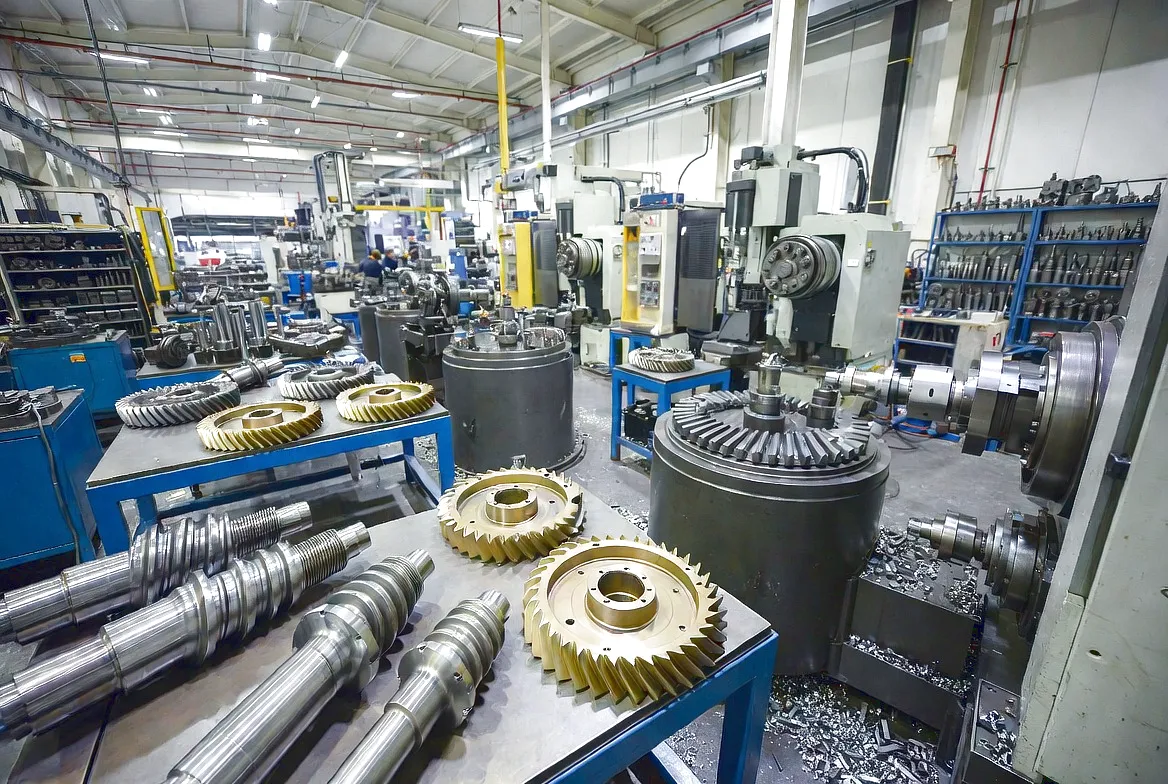
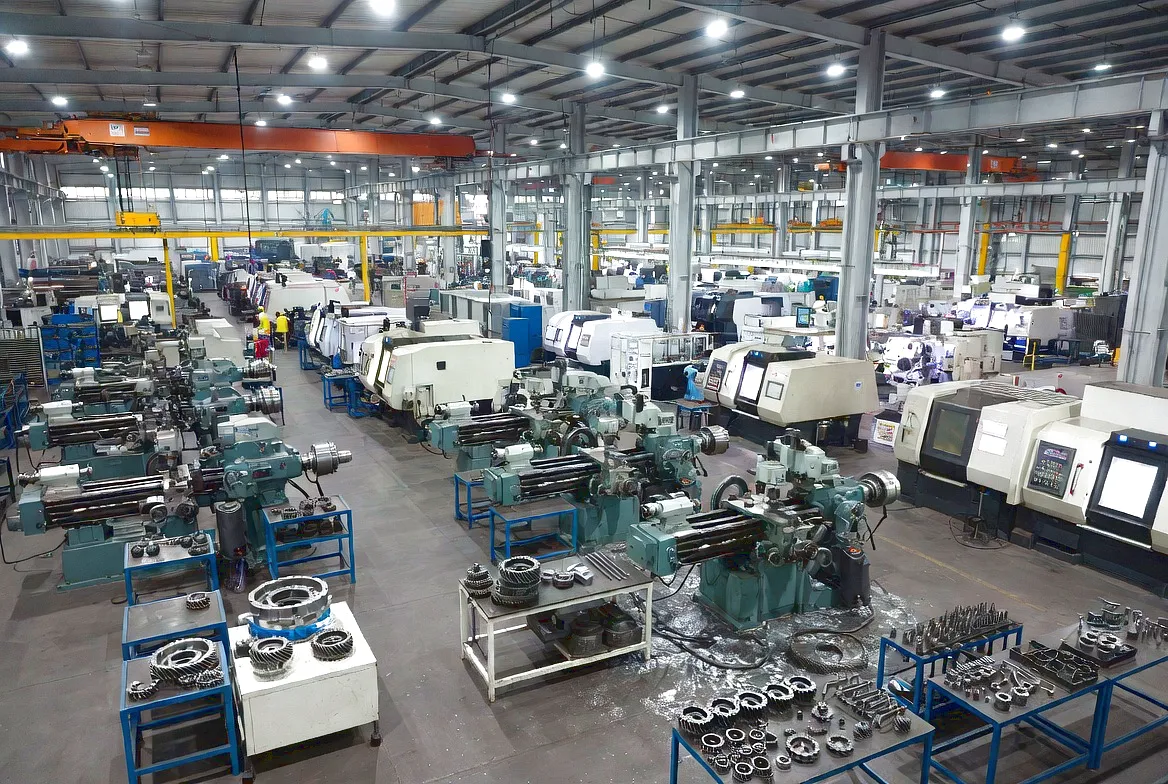
Ever Power has built its manufacturing reputation on a single principle: that every worm gear shaft leaving its facility should perform precisely as the customer’s engineering team calculated — not approximately, not within a generous tolerance band, but precisely. This commitment begins at raw material selection and extends through CNC thread grinding, gear hobbing, heat treatment verification, hardness testing, dimensional inspection and final test-run to confirm output torque and backlash specifications are met before the component is released for despatch.
The customisation capability at Ever Power covers the full spectrum of engineering variables that a demanding UK customer might bring to a project. Thread form — whether standard Archimedes, involute or ZN flank profile — can be machined to any specification. Shaft end configurations including cylindrical, tapered, keyed, splined and flanged ends are routinely produced. Surface treatments including carburising, nitriding, hard chrome plating, and QPQ (quench-polish-quench) salt bath processing are available depending on the wear, corrosion and fatigue requirements of the application.
For UK procurement teams managing long-lead replacement programmes for ageing plant, Ever Power offers reverse engineering from worn samples or legacy drawings — even incomplete drawings — reconstructing the original design intent with modern metrology to produce a dimensionally accurate, performance-matched replacement. Export documentation, CE marking data packs and material traceability certificates are provided as standard to satisfy UK Machinery Directive compliance requirements and insurance audits.
Supply chain reliability is managed through a combination of strategic raw material stockholding, dedicated production scheduling for repeat accounts and an air freight programme for emergency replacement orders — a service that has prevented several extended plant shutdowns for UK customers in steel, logistics and food processing sectors. Ever Power’s order-to-despatch lead time for standard custom worm gear shaft specifications runs at 15–25 working days, with accelerated programmes available for critical breakdowns.
Middlesbrough Steel Tube Manufacturer Eliminates Unplanned Drive Failures
 A structural steel tube manufacturer operating a continuous rolling line on Teesside — processing hot-rolled sections destined for construction, oil-and-gas pipelines and subsea applications — was experiencing recurring failures in the worm gear shaft assemblies driving its entry-side forming rollers. The drives, which had been in continuous operation for eleven years, were exhibiting progressive tooth wear on the worm wheel flanks and measurable shaft deflection under peak load, leading to intermittent backlash spikes that caused surface defects on high-specification tube sections. Each unplanned stoppage cost the facility approximately £18,000 in lost production, demurrage and quality rework, and the frequency of failures was increasing as the drives deteriorated further.
The company’s maintenance engineering team contacted Ever Power with worn shaft samples, a partial set of legacy drawings and load cycle data from the line’s SCADA system. Ever Power’s application engineering team conducted a root-cause analysis identifying that the original worm gear shaft specification had been marginally under-rated for the actual duty cycle — the rolling programme had been intensified since initial installation, increasing average radial load by around 22% above the original design basis. The replacement worm gear shaft specification was uprated to 20CrMnTi with full-depth case carburising to 1.2 mm effective case depth, increasing the permitted contact stress significantly. The thread geometry was redesigned to a ZN flank profile for improved contact ratio under the higher loads, and the shaft diameter was increased by 15 mm within the existing housing bore tolerance through a redesigned bronze worm wheel bore.
Ever Power delivered a matched set of ten replacement worm gear shafts with full material traceability certificates, hardness test reports and dimensional inspection records within 22 working days from order confirmation. The replacement programme was completed over a scheduled weekend maintenance window. Twelve months after installation, the drives had logged over 7,400 hours of operation with no failure events and measured backlash readings well within acceptable tolerance — returning the rolling line to full production capacity and eliminating the estimated £216,000 annual cost of the previous failure pattern.
“The replacement worm gear shafts Ever Power supplied exceeded our original specification in every measurable parameter. Twelve months in and we haven’t touched them — that’s unheard of on this line. The application engineering support they provided to identify the root cause of our previous failures was genuinely impressive.”
“We were sceptical about the 22-working-day delivery promise given the customisation involved — upgraded material grade, non-standard shaft diameter, ZN flank profile. Ever Power delivered in 22 days exactly, with every document we needed for our ISO audit. Our procurement team now routes all worm gear shaft requirements through Ever Power.”
“What sets Ever Power apart is not just the machining quality — it’s the willingness to engage properly with the application. They didn’t just copy our worn sample; they told us why it had failed and what needed to change. That kind of technical depth from a supplier is rare, and it’s what keeps us coming back for every worm gear shaft project.”
Frequently Asked Questions
Send your drawing, sample or specification to Ever Power’s engineering team and receive a detailed technical proposal and competitive price within 24–48 hours.