Custom specifications welcome · Fast response · UK & Global supply
How a Worm Gear Shaft Actually Works
Thread Geometry and Mesh Mechanics
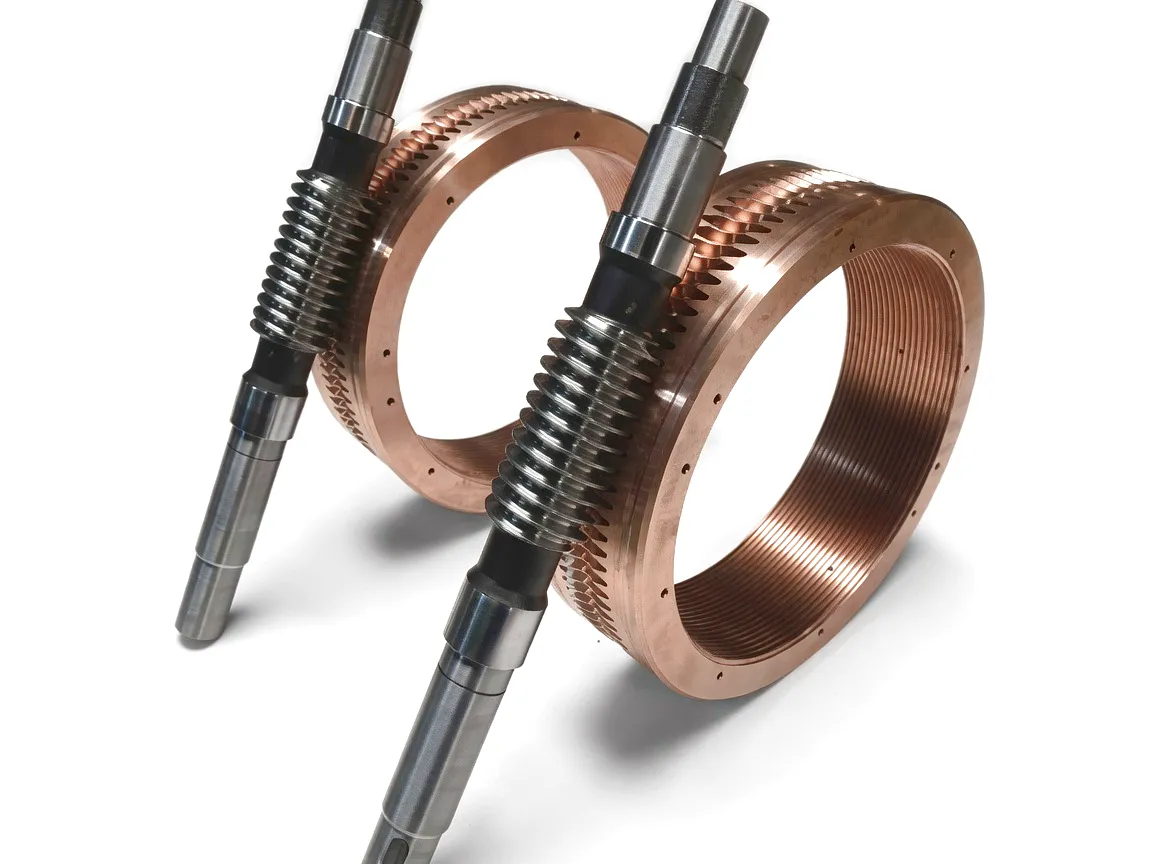
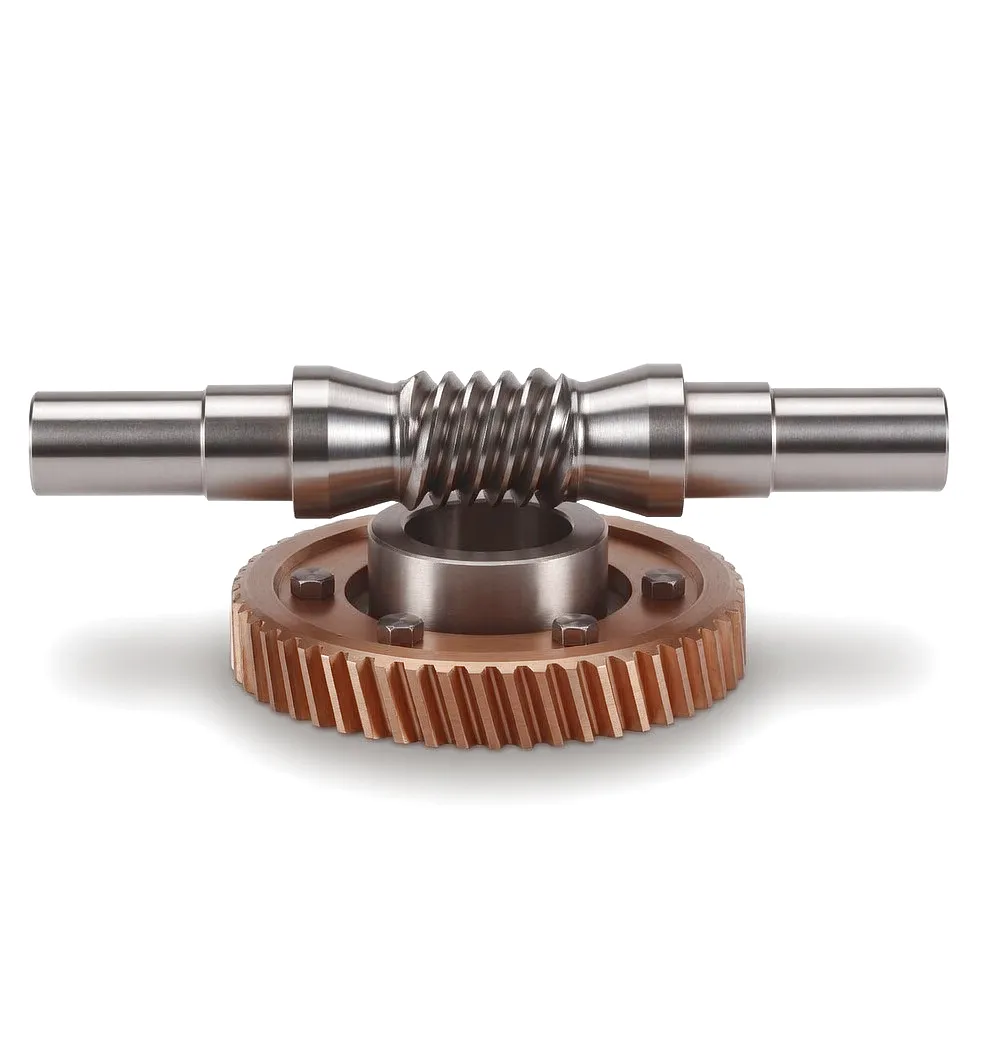
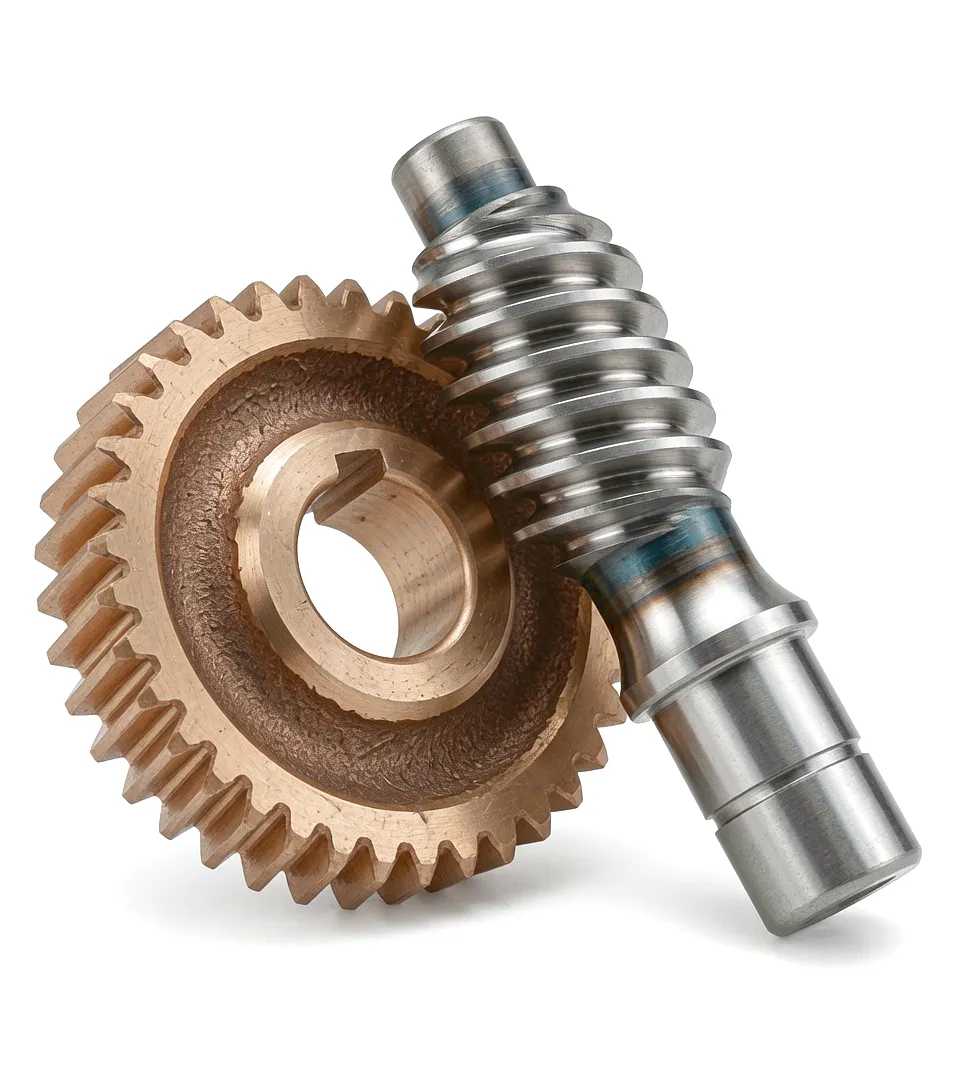
The worm gear shaft carries a helical thread — the worm — cut at a specific lead angle, typically between 1° and 30°, depending on the desired reduction ratio and efficiency. As the shaft rotates, the thread engages the teeth of the mating worm wheel, which is positioned on an axis perpendicular to the shaft. The geometry is essentially that of a screw and nut arrangement scaled for industrial power transmission. Each full revolution of the worm advances the worm wheel by exactly one tooth, which is why reduction ratios from 5:1 up to 100:1 and beyond are achievable in a single stage — a feat no spur or helical gear arrangement can match without compounding multiple stages. The lead angle is the critical design variable: a lower lead angle produces higher reduction and stronger self-locking tendency, while a higher lead angle yields better mechanical efficiency. In practice, single-start worms offer maximum reduction; multi-start variants (two, three, or four starts) allow higher output speeds and efficiency values reaching 85–92%, at the cost of some self-locking ability.
Self-Locking and Load Holding
One of the most commercially significant characteristics of the worm gear shaft is its capacity for self-locking under static conditions. When the lead angle falls below approximately 6°, the friction at the tooth contact interface is sufficient to prevent the worm wheel from back-driving the worm shaft. This passive load-holding property has enormous practical value in lifting equipment, positioning systems, and safety-critical machinery where holding a load without active braking is essential. It is important to understand, however, that self-locking is not a substitute for a dedicated braking mechanism in safety-critical applications — particularly under dynamic or vibratory loads, where back-driving can still occur. The thermal conditions within the gearbox also affect the coefficient of friction and, therefore, the reliability of the self-locking function. Engineers specifying worm gear shafts for hoist or valve actuator duties in, for example, a chemical processing plant near Middlesbrough must account for these nuances in their safety calculations and maintenance protocols.
Technical Advantages That Define the Worm Gear Shaft
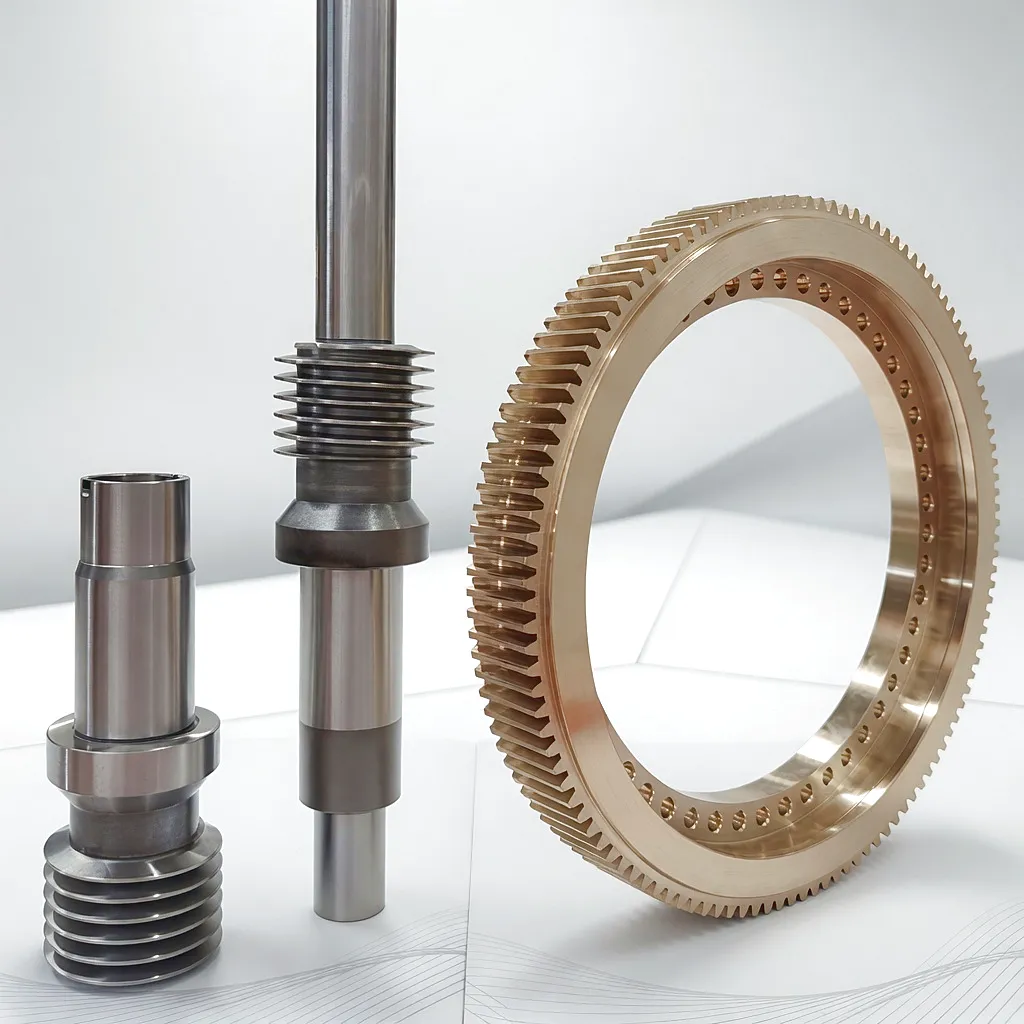
The continued dominance of the worm gear shaft across dozens of industrial sectors is not historical inertia — it reflects a genuinely distinctive set of engineering properties that no competing drive geometry fully replicates. The following advantages emerge consistently from both theoretical analysis and decades of field performance data gathered from installations across the UK and Europe.
A single worm gear shaft stage can deliver ratios from 5:1 to 100:1 within a gearbox envelope that is typically 40–60% smaller than an equivalent multi-stage helical reduction unit. This compactness is extraordinarily valuable in space-constrained installations — the drive stations of escalators in London Underground, for instance, must fit within machine rooms built to Victorian-era spatial constraints. The reduction of mechanical stages also means fewer components, fewer potential failure points, and simpler maintenance planning.
The continuous line contact between the worm thread and the bronze wheel teeth — combined with the sliding rather than impacting nature of the mesh — produces inherently smooth, low-vibration torque transmission. Noise levels in properly lubricated worm gearboxes typically fall below those of equivalent spur or bevel gear units by 5–10 dB(A). For UK facilities subject to the Control of Noise at Work Regulations 2005, this acoustic advantage can simplify compliance planning in food production halls, textile mills, and material handling facilities where personnel are continuously present.
Worm gear shafts are capable of transmitting very high output torques — values of 1,000 Nm to 50,000 Nm are routine in heavy-duty units — while accepting high-speed input from standard induction motors running at 1,450 or 2,900 rpm. This makes them a natural interface between high-speed electric motors and slow-moving process equipment. In practice, a single worm drive unit can replace a motor-mounted primary reducer plus a secondary chain or belt stage, eliminating alignment issues and reducing maintenance events significantly.
The 90° shaft orientation between input worm and output wheel shaft is not merely a geometric convenience — it is a genuine design enabler in many installations. It allows machine designers to place motor and driven shaft on perpendicular axes without additional bevel gear stages, shaft couplings, or complex framing. In conveyor systems, packaging lines, and mixing equipment, this 90° relationship frequently reduces the overall machine width or length, contributing to more efficient factory floor layouts — a priority for UK manufacturers working within the footprint constraints of older industrial buildings inherited from the Victorian and Edwardian eras.
Product Technical & Performance Parameters
The table below consolidates the key technical parameters that govern worm gear shaft selection and performance. Values represent typical commercial ranges; Ever Power manufactures across the full spectrum shown and offers extended-range custom specifications on request.
Industrial Application Scenarios

Escalator drivetrains represent one of the most demanding and exacting worm gear shaft applications in urban infrastructure. The worm gear reducer paired with a dedicated traction motor drives the main step chain, which must transport up to 7,200 persons per hour at rated speeds of 0.5 m/s or 0.65 m/s with absolute consistency. In London Underground stations and the escalator banks of major UK shopping centres such as Trafford Centre in Manchester or Bluewater in Kent, the reduction ratio of the worm drive unit typically falls between 20:1 and 30:1, accepting motor inputs from 5 kW to 22 kW depending on the escalator rise height and passenger loading. The particularly compact profile of the worm gearbox is a decisive advantage here: machine room space in underground stations is extremely limited, and a worm drive unit occupies a fraction of the floor area demanded by an equivalent multi-stage gear train. Motor power ratings are determined by the product of the vertical rise, rated belt load, and operational cycle requirements — and the worm gear shaft must handle not only the continuous rated load but also the surge torques encountered during start-up and emergency stop sequences.

In the vast warehousing and distribution centres that have reshaped the landscape of the East Midlands and around Milton Keynes in recent years, worm gear shaft units are the workhorse of conveyor drive systems. Their right-angle output geometry allows belt conveyors to be driven from motors mounted transversely, saving aisle width and enabling more flexible layouts. The torque multiplication capacity of the worm drive means that heavily loaded inclined conveyors can be driven by relatively small, energy-efficient motors. In cold-store environments where temperatures may fall to -20°C, specially formulated synthetic lubricants and low-temperature seal materials allow worm gear shaft units to operate reliably without the viscosity breakdown issues that affect mineral-oil-lubricated competitors. Speed control via variable-frequency drives (VFDs) is fully compatible with worm gear shaft inputs, allowing conveyor speed to be matched to production throughput in real time.

The food manufacturing heartland of Yorkshire and Lincolnshire relies on worm gear shaft units throughout mixing, extrusion, filling, and packaging lines. Stainless steel shaft variants comply with EHEDG and EC 1935/2004 contact material regulations, while IP66 or IP69K-rated sealed housings allow high-pressure washdown cleaning without ingress of moisture or contaminants. Smooth, vibration-free drive output is critical in precision filling and labelling machines where product displacement or label misalignment has immediate quality cost implications. The natural speed-reduction capability of the worm drive eliminates secondary reduction stages on dough mixers, where the mixing bowl must rotate at 15–40 rpm from a standard 1,450 rpm motor without intermediate belt or chain stages that would introduce hygiene risks.

Sheffield’s steel processing industry — still a significant contributor to UK advanced manufacturing — has long been a consistent user of heavy-duty worm gear shaft assemblies in rolling mill ancillary equipment, ladle turret drives, and furnace door actuators. These environments demand worm gear shafts rated for continuous duty under high ambient temperatures and the occasional ingress of mill scale or metallic dust. In mining contexts in South Wales and the North East, worm drive gate valves and conveyor head drives must carry UK ATEX certification for potentially explosive dust atmospheres. Heavy-duty custom worm gear shafts for these applications routinely feature solid flanged shaft ends, dual-lip rotary seals with external labyrinth provisions, and high-viscosity synthetic gear oils with extended drain intervals to reduce operational downtime.
Ever Power: Precision Manufacturing & Custom Worm Gear Shaft Solutions
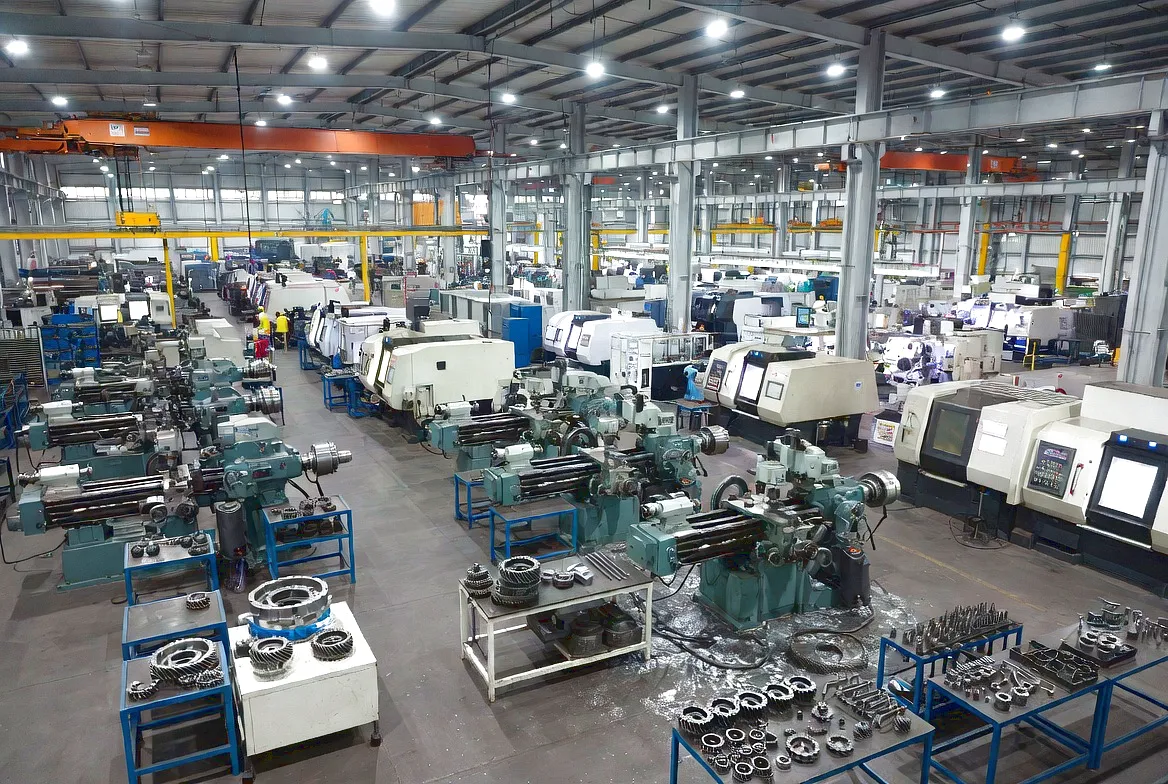
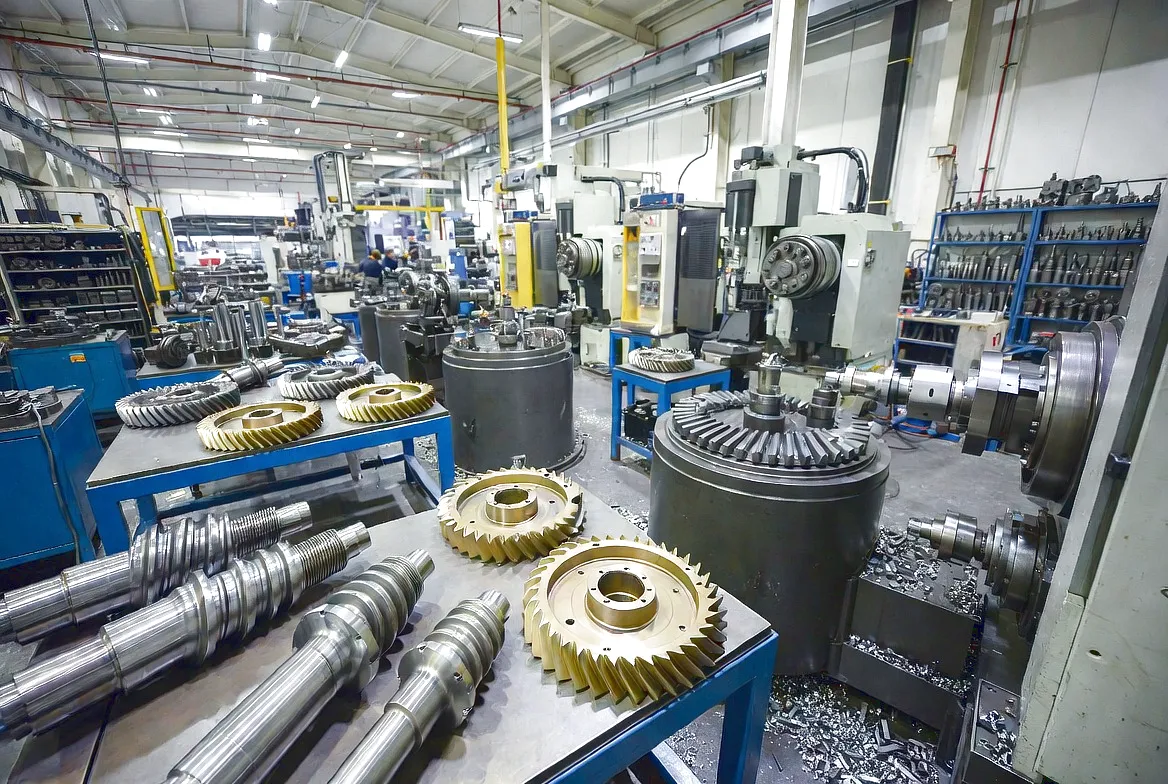
Ever Power has built its reputation over two decades as a precision manufacturer of worm gear shafts for demanding industrial applications worldwide, with a substantial and growing customer base across the United Kingdom, Germany, and Scandinavia. The Ever Power production facility operates a fully integrated manufacturing workflow — from raw material steel bar stock through CNC turning, gear hobbing, carburising heat treatment, thread grinding, and final dimensional inspection — without outsourcing any critical manufacturing step. This vertical integration is the foundation of Ever Power’s ability to guarantee dimensional accuracy, metallurgical consistency, and delivery reliability in a way that resellers and assembly-only operations cannot.
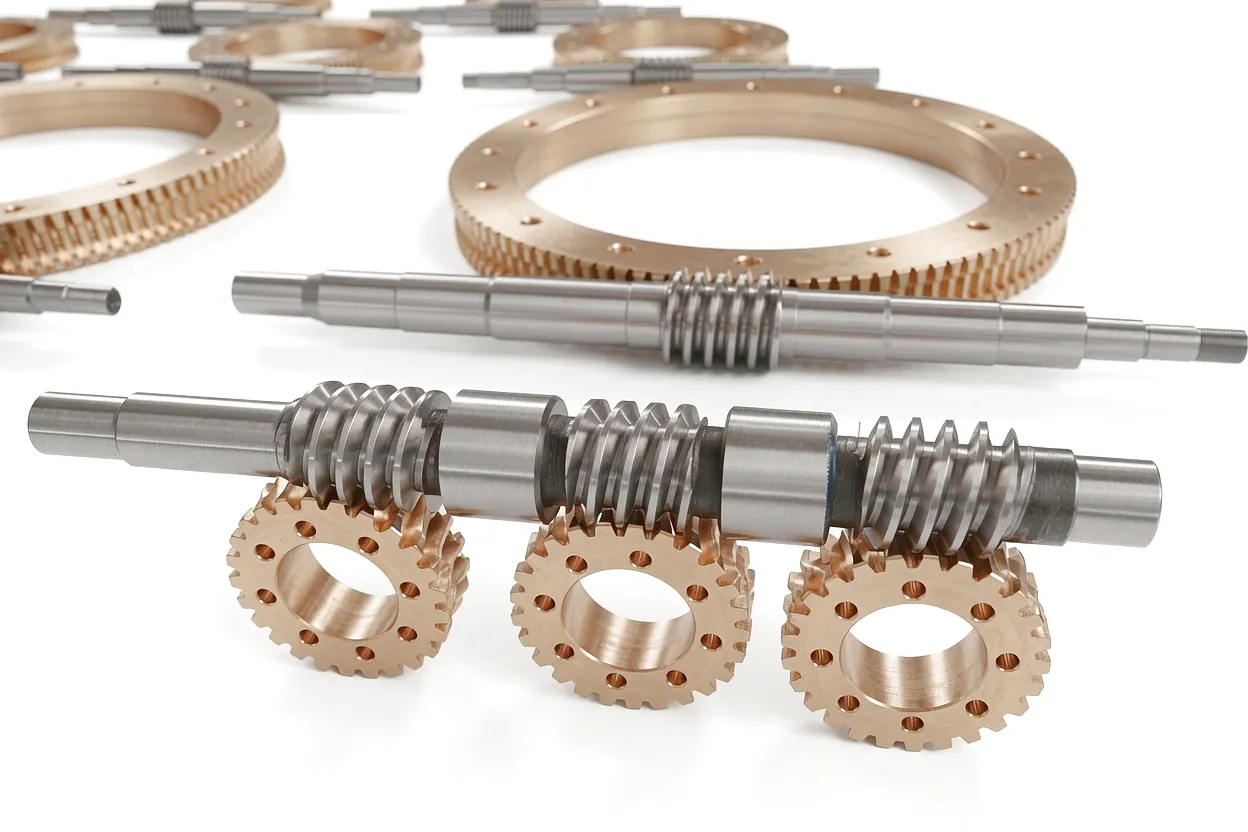
Ever Power’s customisation capability covers shaft diameter from 10 mm to 320 mm, thread profile selection across ZI, ZK, ZN, and ZA forms, start numbers from one to four, surface coatings including hard chrome plating and electroless nickel for corrosive environments, and shaft-end configurations from plain turned to flanged, splined, or DIN-key seated. All custom worm gear shaft specifications are managed through a dedicated engineering team that works directly with the customer’s technical drawings, responding to RFQ submissions with detailed technical proposals and manufacturing lead time confirmations typically within 48 working hours. For UK clients, Ever Power offers DAP (Delivered at Place) shipment terms with standard transit times of 7–14 days from factory despatch, using established freight forwarding partnerships through Felixstowe and Southampton.
Customer Success Story: Sheffield Steel Processing Line Upgrade
 A mid-sized specialist steel strip processor operating out of Sheffield’s Lower Don Valley came to Ever Power in early 2024 facing a recurring maintenance problem with their coil slitting line. Three of the six coil tensioning stands were equipped with ageing worm gear shaft units that were failing ahead of their expected service life — typically exhibiting pitting corrosion on the worm thread flanks and excessive backlash development within 8,000–10,000 operating hours. The root cause analysis conducted jointly with Ever Power’s engineering team identified two contributing factors: the existing shafts had been manufactured from a standard carbon steel rather than a case-hardened alloy, and the gearboxes had been operating without the oil temperature monitoring needed to detect chronic overheating caused by a marginal lubricant selection.
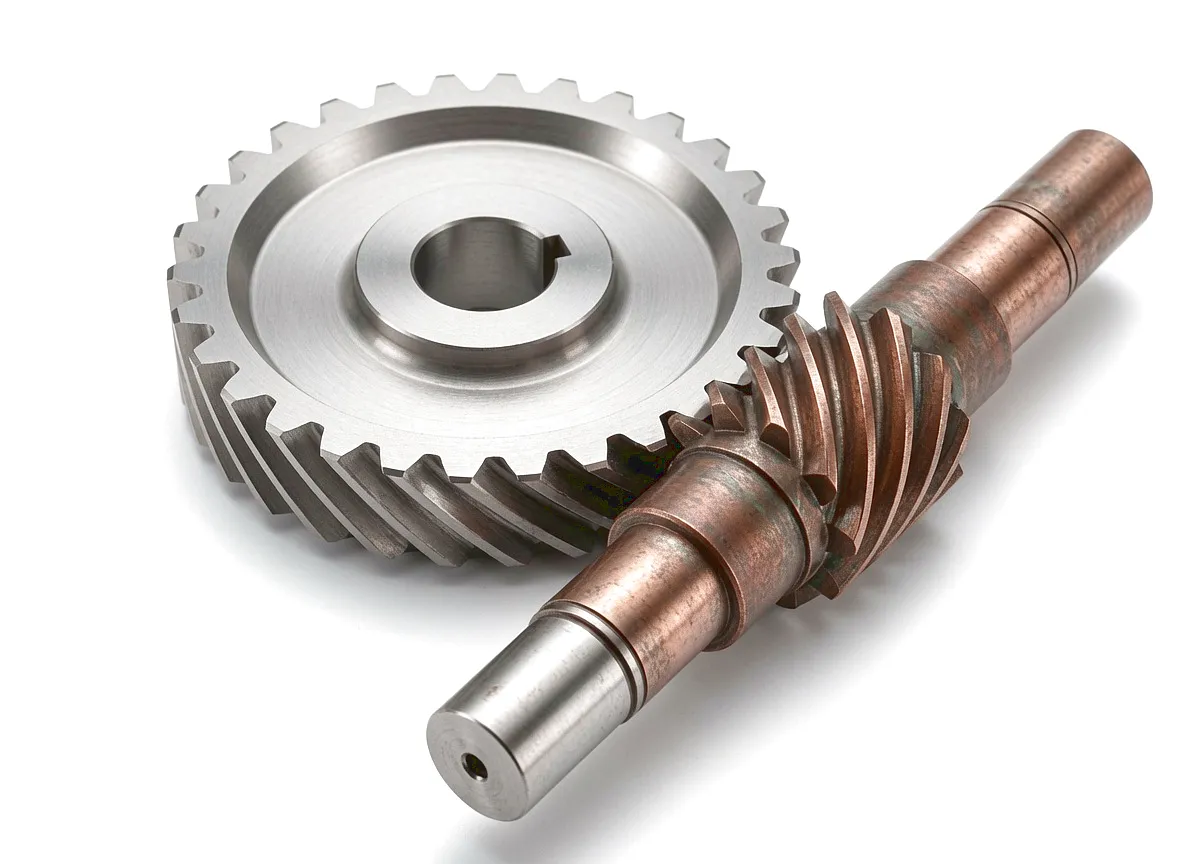
Ever Power designed a direct replacement worm gear shaft set manufactured from EN39 case-hardened steel with a carburised thread surface ground to Ra 0.4 μm. The shaft diameter and keyway were maintained to be dimensionally interchangeable with the existing housings, allowing installation without modification to the slitting line framing. A synthetic PAO-based gear oil with a viscosity grade of ISO VG 220 was specified in place of the original mineral oil, improving film thickness at the operating temperature of 65–75°C by approximately 18% based on calculated oil film parameter Lambda. The six replacement worm gear shafts were delivered to the Sheffield facility within 22 days of order confirmation, well within the 30-day window the customer had set as a condition of the contract.
Eighteen months after installation, the upgraded units have accumulated over 14,000 operating hours without any unplanned maintenance events. Backlash measurements taken at the 10,000-hour inspection showed no detectable change from the as-installed baseline, confirming that the material and lubrication upgrades have resolved the premature wear mechanism. The slitting line production team reports that line stoppages attributable to drive system issues have been eliminated entirely, contributing to an estimated saving of £48,000 in lost production time and emergency maintenance costs over the first year of operation.
What Our Customers Say
“The custom worm gear shaft Ever Power supplied for our coil tensioning stands has completely transformed our maintenance schedule. We specified an unusual bore diameter with a DIN 6885 keyway, and Ever Power had the technical drawing turned around in under 24 hours. The dimensional accuracy of the delivered shafts was beyond what we have experienced from any previous UK-based supplier.”
“We source worm gear shafts for several food processing clients across the Humber region, and Ever Power is now our primary route for stainless steel variants. Their IP69K-rated units pass our clients’ washdown validation without any modification, and the surface finish quality on the worm thread is consistently superior to units we have previously purchased from European catalogue suppliers. Lead times are realistic and reliably met.”
“Our Birmingham facility runs three production shifts five days a week, and the worm gear shafts on our press transfer lines need to be absolutely bulletproof. Ever Power quoted us a batch of 18 shafts with ATEX Zone 21 compliance, delivered with full material certifications and hardness test records for each individual shaft. The pricing was genuinely competitive against alternatives we requested from both domestic and continental European suppliers. We have since placed two repeat orders.”
Specifying the Right Worm Gear Shaft: A Practical Guide
Frequently Asked Questions
Voice-search optimised · B2B Buyer FAQs · UK Industry Focus
Ready to Specify Your Worm Gear Shaft?
Share your technical drawing, operating parameters, or material requirements with the Ever Power engineering team. We respond to all UK enquiries within 48 working hours with a detailed technical proposal and formal quotation.
© Ever Power · Precision Worm Gear Shaft Manufacturer · edit by gzl